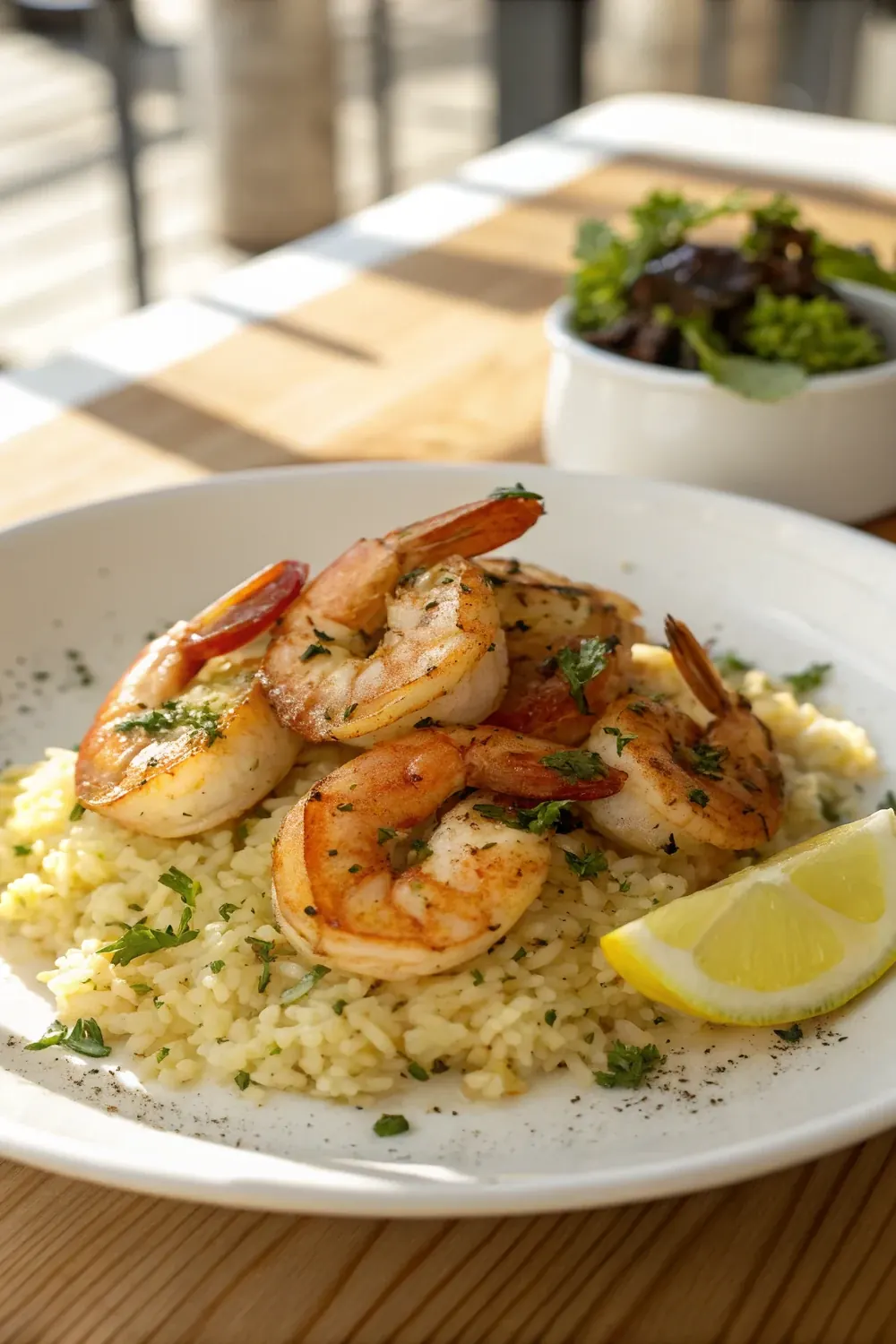
Tex-Mex Recipes
Texas Roadhouse Grilled Shrimp Copycat
Juicy lemon-garlic butter Texas Roadhouse grilled shrimp on skewers in 20 minutes - better than the restaurant appetizer. Here's my exact copycat.
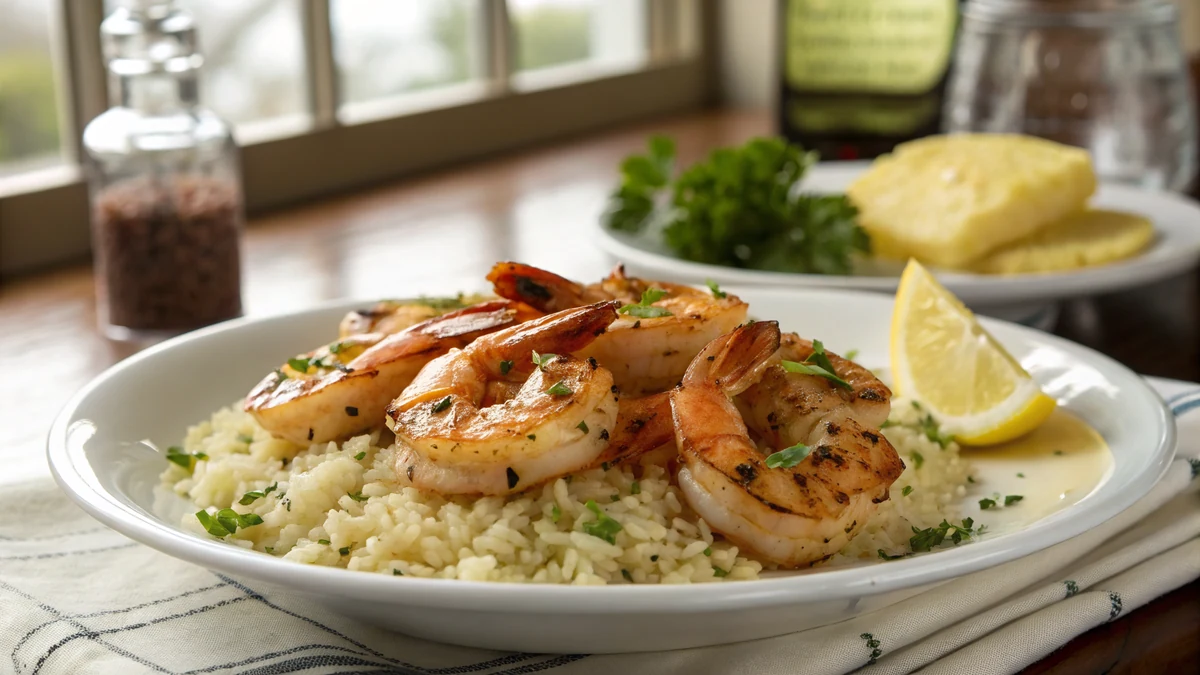
Quick answer: Texas Roadhouse grilled shrimp is the simple lemon-garlic butter skewer that the chain has served as an appetizer since the 1990s, and the home copycat takes 20 minutes from peeled shrimp to plated dinner. Whisk softened butter with minced garlic, lemon zest, lemon juice, paprika, and Italian seasoning. Toss 1 pound of 16/20 count peeled shrimp in half the butter mixture, marinate 20 minutes refrigerated. Thread onto soaked skewers, grill over high heat 2 minutes per side until the shells turn pink-orange and the tails curl. Brush with the reserved butter, sprinkle parsley, finish with a squeeze of fresh lemon. Serve with rice pilaf, Caesar salad, or a loaded baked potato.
Texas Roadhouse opened its first location in Clarksville, Indiana in 1993, and the grilled shrimp appetizer has been on the menu since the chain went public in 2004. It is the dish my niece orders every single time we eat there, served on a small white plate with eight shrimp on a wooden skewer, garlic butter pooled around the rim, and a wedge of lemon on the side. The restaurant version costs about eight dollars for an appetizer portion. The home copycat below feeds four people for under fifteen dollars in groceries and tastes meaningfully better because you cook the shrimp the day you eat them instead of pulling them out of a chain restaurant freezer.
The recipe is essentially a lemon-garlic butter scampi reworked for the grill rather than the skillet. Eight ingredients in a single bowl, twenty minutes of marination, four minutes of grill time, and a finishing brush of warm butter at the end. The technique scales from one pound for a couple's weeknight dinner up to five pounds for a backyard party. I make this on Friday nights in the summer when the kids are around, and I make it on Sunday evenings in the winter when we want something that tastes like vacation and the snow is on the ground outside. It is the easiest dish in the Texas Roadhouse copycat universe and the one most likely to make a guest stop talking mid-sentence.
The Texas Roadhouse Menu Item Explained
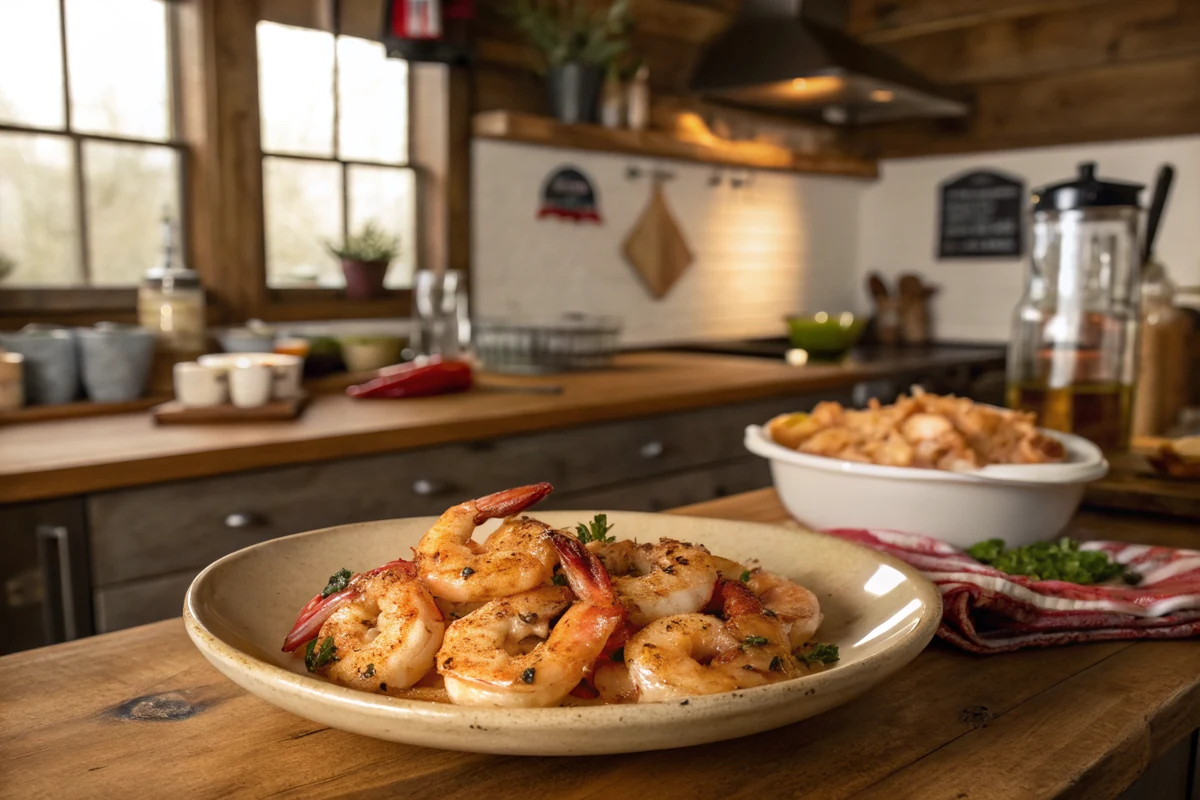
Texas Roadhouse lists its Grilled Shrimp under Appetizers, eight shrimp on a wooden skewer with a small ramekin of warm garlic butter, currently priced around $7.99 in most US markets. The dish is also offered as an entree side-dish for steak orders (typically a half-portion of four shrimp added to your plate for about $4.49). The marinade is described on the menu as a 'lemon-garlic butter blend' and the kitchen finishes the shrimp with chopped parsley and a lemon wedge. The chain has run the same dish, more or less unchanged, since the early 2000s.
The home copycat below matches the restaurant flavor closely and improves on it in two specific ways. First, you control the shrimp size - the chain often uses 21/25 count (smaller, cheaper) while the home version uses 16/20 (bigger, more impressive on the plate). Second, you can use real butter rather than the blended butter-margarine spread that most chain restaurants substitute for cost reasons.
What the home version cannot replicate exactly is the chain's wood-fired grill flavor; Texas Roadhouse uses mesquite-fueled commercial grills that get hotter than any home setup. A backyard gas grill at 450F gets close. Indoor grill pans get less close but still produce a credible result. The actual marinade and the lemon-garlic-butter finish are easy to match at home, and the freshness of just-cooked shrimp more than makes up for the lost mesquite note.
The Lemon-Garlic Butter: Heart of the Copycat
The marinade and the finishing butter are the same recipe, applied twice: first to flavor the raw shrimp during the 20-minute rest, then to glaze the cooked shrimp at the moment of serving. The split-batch technique (half to marinate, half to finish) means the finishing butter never touches raw shrimp and stays food-safe even after the grilling is done.
Softened butter is non-negotiable; cold butter will not whisk smooth and will leave clumps on the shrimp during marination. Pull the butter out of the fridge 30 to 45 minutes before starting. The right consistency is soft enough to dent with your thumb but not melted or oily. If you forgot to soften, microwave the butter at 30 percent power for 10-second bursts until just soft - never fully melt for this application.
The garlic should be finely minced or pressed through a garlic press, not crushed in chunks. Large garlic pieces burn on the grill and turn bitter. Use fresh garlic, not jarred minced garlic - the jarred stuff has a flatter flavor profile that does not develop the right depth on the grill. Five cloves is the right amount for one pound of shrimp; less and the dish reads bland, more and it pushes into garlic-bread territory.
Lemon zest plus lemon juice gives the brightness in two formats. The zest delivers volatile oils that bloom under heat (you smell them when the shrimp hit the grill). The juice provides acid that interacts with the shrimp protein during the brief marinade. Both are necessary; using only one gives a flatter result. Microplane the zest into the bowl before juicing so you can use the same lemon for both jobs.
Shrimp Choice: 16/20 Count and Why Size Matters
Shrimp are sold by count per pound: 16/20 means 16 to 20 shrimp make up a pound, 21/25 means 21 to 25 per pound, and so on. Lower numbers mean bigger shrimp. The right size for Texas Roadhouse-style grilled shrimp is 16/20 - they are big enough to be impressive on the plate, dense enough to skewer cleanly, and they cook in the same 4-minute window as the restaurant's smaller shrimp because the bigger size compensates for the longer cook with the higher heat retention.
U10 and U12 shrimp (under 10 or under 12 per pound) are jumbo and look spectacular but cost twice as much and require longer cook times that complicate the timing. 21/25 shrimp are what most chain restaurants actually use because they are cheaper; they work fine in this recipe but look less impressive on the plate. 31/35 and smaller are too tiny for skewers and lose too much weight during grilling.
Frozen shrimp are the right move for this recipe in most parts of the country. 'Fresh' shrimp at most US grocery stores were frozen, thawed at the counter, and then sold within 48 hours. Buying frozen yourself and thawing under cold water for 20 minutes gives equally good results at lower cost. Look for individually quick-frozen (IQF) shrimp from Argentina (sweeter, slightly redder), the Gulf of Mexico (firmer, more savory), or Ecuador (cleaner, mid-range). Avoid pre-cooked frozen shrimp - they overcook the moment they hit the grill.
Wild-caught versus farmed is a debate that matters in shrimp the way it does in salmon. Wild-caught Gulf shrimp are the cleanest-tasting choice and what I use in Texas. They cost more. Responsibly farmed shrimp (look for Best Aquaculture Practices certification) are fine and dramatically cheaper. Avoid commodity farmed shrimp from unregulated sources; the flavor is muddy.
Tail On or Off, and the Veining Question
Tails on is the canonical Texas Roadhouse plating choice. The orange-pink fan of tail meat is visually striking and gives diners a built-in handle for eating off the skewer or with their fingers. The downside is that you have to eat around the tail or pull it off mid-bite, which is fine in a casual restaurant setting but slightly awkward at a formal dinner.
Tails off is the cleaner choice for plated entrees over rice or pasta where guests are using forks and knives. The shrimp is easier to eat in one bite and there is no shell debris on the plate. To remove the tail before marinating: pinch the very tip of the tail fin with your thumbnail and pull straight back; the tail comes off in one piece and the meat stays intact. About 5 seconds per shrimp.
Devein every shrimp before marinating, regardless of size or source. The 'vein' that runs along the back is the digestive tract; while edible, it can carry sandy grit and turns slightly bitter when cooked. To devein: with the shrimp peeled, make a shallow slice along the curve of the back with a paring knife, then lift out the dark line with the knife tip or a toothpick. Pre-deveined shrimp are widely available and worth the small premium if you do not want to do this yourself.
The 'butterflied' shape (cutting the back of the shrimp more deeply so it splays open) is decorative but not necessary for this recipe. The Texas Roadhouse menu does not butterfly. If you want to butterfly for plating, cut just deep enough to expose the meat without cutting through; the shrimp will fan open during cooking.
Marination Time: 20 Minutes, Not More
Shrimp marination operates on a different timeline than chicken or beef. The shrimp protein is delicate and the citric acid in lemon juice starts to denature the surface within 30 minutes. Longer marination cooks the shrimp the way ceviche does (which is delicious for ceviche but wrong for grilled shrimp - the texture turns chalky and the shrimp will not sear properly on the grill).
Twenty minutes is the right window. Less than 15 and the marinade only flavors the surface; more than 30 and the citric acid starts denaturing. I always set a kitchen timer for exactly 20 minutes when the bowl goes into the fridge. The marination should be cold; room-temperature marination accelerates the denaturing and risks food safety on raw shrimp.
If you need to marinate longer than 30 minutes (for advance prep), drop the lemon juice from the marinade entirely and add it as a finishing squeeze after cooking. The garlic, butter, paprika, and herbs can marinate the shrimp for 2-4 hours without damage; only the acid causes problems on a longer hold.
Patting the shrimp dry before marinating is the easy-to-skip step that matters. Wet shrimp shed water into the marinade, which dilutes the butter and prevents proper coating. Two paper towels and 30 seconds of attention solves it.
Skewer Versus Skillet Versus Grill
The recipe is engineered for a grill because that is how Texas Roadhouse plates it. The grill marks, the wood-fire suggestion, and the slight char on the edges are all part of the dish's identity. But three other methods work if you do not have a grill.
Grill pan on the stove: heat a cast iron grill pan over medium-high heat for 5 minutes until smoking. Cook the skewers 2 minutes per side. The grill marks are real, the cook time is identical, and the result is 90 percent of the outdoor grill experience. Indoor smoke is unavoidable; run the exhaust fan on high.
Skillet (without skewers): heat 1 tablespoon olive oil in a cast iron or stainless skillet over medium-high. Lay the marinated shrimp flat in a single layer (do not crowd) and cook 90 seconds per side. The shrimp sear beautifully but lose the grill-mark presentation. This is what I do on weeknights when I do not want to set up the grill.
Air fryer: preheat to 400F. Lay the shrimp on the basket in a single layer (cook in batches if needed). Cook 4-5 minutes total, flipping at the halfway mark. The air fryer cannot match the grill char but produces a credible quick-cook shrimp that satisfies the weeknight craving. Brush with the reserved butter at the end.
Oven broiler: position the rack 6 inches below the broiler element, set to HIGH. Spread shrimp on a foil-lined sheet pan. Broil 90 seconds, flip, broil another 90 seconds. The broiler works but the shrimp slide around and do not stay in skewer formation. Best for batch cooking large amounts.
Grill Temperature and the 4-Minute Cook Window
Grilled shrimp succeed or fail based on temperature management. Too low and the shrimp gray and rubberize without searing. Too high and the outside chars before the inside cooks through. The right range is 450-475F at the grates.
Gas grill: set all burners to high, close the lid, wait 10-15 minutes. Use an oven thermometer placed at grate level if you want to verify. The lid temperature gauge is often 50F off the actual grate temperature.
Charcoal grill: build a chimney's worth of charcoal (about 80-100 briquettes), let them fully ash over (white-gray coating, glowing centers), pour onto one side of the grill for direct heat. The grates above the coals should be 450-500F. The other half of the grill is your safety zone if anything cooks too fast.
The 4-minute window is firm. Shrimp take 90 seconds to 2 minutes per side at proper grill temperature. The shells turn fully pink-orange, the meat firms up, and the tails curl into a tight C-shape. Past the 4-minute mark, the shrimp start over-cooking and the texture turns rubbery. Pull at the first sign of doneness, even if it feels too soon - residual heat continues cooking on the platter.
The Final Butter Baste (and Why You Can't Skip It)
The finishing brush of reserved garlic butter is the move that takes home grilled shrimp from 'pretty good' to 'tastes like the restaurant'. The reserved butter (the half that did not touch raw shrimp) hits the cooked shrimp the moment they come off the grill, melts on contact with the residual heat, and the shrimp absorbs the flavor through the warm surface. The brush is what gives Texas Roadhouse grilled shrimp their signature glossy finish.
Brush the butter immediately - the residual heat window is 30-60 seconds. Cold butter on cold shrimp does not melt and does not absorb. The butter should be at room temperature (the same softened-not-melted state it started in). If your reserved butter has hardened slightly during the marination time, microwave at 30 percent power for 5-10 seconds.
Use a silicone basting brush rather than a natural-bristle pastry brush. Silicone deposits more butter per stroke, does not shed bristles, and washes clean. A spoon also works in a pinch - drizzle and let gravity coat. Avoid trying to dredge the shrimp in the butter bowl; the food-safety issue is moot now that the shrimp is fully cooked, but the dredge gives uneven coverage.
Serve the small remaining amount of butter in a ramekin on the table as a dipping option. Some guests want extra butter on their plate; the ramekin allows that without forcing it on everyone.
Sides That Pair Beautifully
Texas Roadhouse plates the grilled shrimp appetizer alone with a lemon wedge. For a home entree, you need sides. The three Texas Roadhouse-canonical pairings are rice pilaf, Caesar salad, and a loaded baked potato. All three work; the choice is about how heavy you want the plate.
Rice pilaf is the classic restaurant pairing. Texas Roadhouse rice copycat matches the buttery-seasoned rice from the chain. The mild rice absorbs the lemon-garlic butter that drips off the shrimp and turns into the best bite on the plate.
Loaded baked potato is the indulgent choice. A baking potato split with butter, sour cream, chives, bacon, and shredded cheddar is the steakhouse-canonical pairing for grilled shrimp. The richness contrasts beautifully with the bright lemon-garlic of the shrimp.
Other excellent pairings: Texas Roadhouse green beans (the same chain copycat universe), garlic bread or Texas Roadhouse rolls with cinnamon butter, a simple Caesar salad with romaine and shaved parmesan, grilled corn on the cob with chili-lime butter, or a chilled cucumber-tomato-onion summer salad with red wine vinaigrette.
Dipping sauces are the optional extra. The chain serves the grilled shrimp with the reserved garlic butter only. At home, you can offer cocktail sauce (ketchup plus horseradish plus lemon), remoulade (mayo plus Dijon plus capers plus chopped pickles), or garlic aioli (mayo plus pressed garlic plus lemon). Two or three small ramekins on the table give guests options without forcing a choice.
Storage and the Reheating Problem
Cooked shrimp is one of the hardest proteins to reheat well. The thermal window between 'cold and rubbery' and 'overcooked and tough' is narrow, and the lemon-garlic butter sauce separates if reheated incorrectly. The general rule: cook only what you will eat the same day, or plan to serve leftovers cold.
Refrigerator storage: cool cooked shrimp to room temperature within an hour, then transfer to an airtight container. Keeps 2 days refrigerated at 38F or below. The butter sauce will solidify in the fridge; that is normal. Discard any shrimp with off-smell or slimy texture.
Cold leftover applications: shrimp tacos with cabbage slaw and lime, shrimp Caesar salad with the cold shrimp tossed in at the end, shrimp pasta salad with mayo and dill, or shrimp cocktail with red sauce. All four turn yesterday's grilled shrimp into a fresh-feeling new dish without reheating.
Reheating (if you must): warm the shrimp gently in a skillet over low heat with a tablespoon of fresh butter and a splash of water until just heated through (90 seconds). Do not microwave - the uneven heating turns the shrimp rubbery and the butter splits.
Freezing cooked shrimp is technically possible but not recommended; the texture degrades significantly and the freezer-burn risk is high. Plan portions you will finish.
Variations Worth Trying
Cajun grilled shrimp. Replace the Italian seasoning with 1 teaspoon Cajun seasoning (Tony Chachere's or Slap Ya Mama). Add 1/4 teaspoon cayenne. The flavor profile tilts Louisiana with deeper heat. Pair with seasoned rice and a wedge of lemon.
Bourbon-glazed shrimp. Add 2 tablespoons of Texas bourbon (Garrison Brothers, Balcones, Treaty Oak) to the marinade. The oak-vanilla notes pair beautifully with the lemon-garlic butter. A small-batch upgrade for date nights.
Cilantro-lime shrimp. Replace the Italian seasoning with 2 tablespoons chopped fresh cilantro, replace half the lemon juice with lime juice, add 1/2 teaspoon ground cumin. The shrimp leans Tex-Mex. Excellent for shrimp tacos.
Honey-glazed shrimp. Add 2 tablespoons of honey BBQ sauce to the marinade. The sticky sweet glaze plays against the lemon-garlic butter for a more dimensional flavor. Pair with cornbread and slaw.
Texan smoked shrimp. Replace the regular paprika with 2 teaspoons smoked paprika (Spanish pimenton), add 1/2 teaspoon liquid smoke to the marinade. The shrimp tastes like it has seen a smoker without requiring one. A Hill Country move for shrimp that pairs with brisket on a smoked-meat plate.
Mistakes to Avoid
Marinating too long. Over 30 minutes and the citric acid in the lemon juice starts denaturing the shrimp protein. The texture turns chalky. 20 minutes is the right window.
Crowding the skewer. Tightly packed shrimp cook unevenly - the centers stay underdone while the edges burn. Three to four shrimp per skewer with small gaps between them.
Skipping the soak on bamboo skewers. Dry wooden skewers burn through and snap on the grill. 30 minutes in cold water solves it.
Using cold butter in the marinade. Cold butter will not whisk smooth and clumps on the shrimp. Pull the butter out 30-45 minutes before starting.
Overcooking. Past 4 minutes total the shrimp turn rubbery. Pull at the first sign of curled tails and pink-orange shells, even if it feels too soon. Residual heat continues cooking.
Forgetting to reserve half the butter. The finishing brush is what makes home shrimp taste like the restaurant. Marinating with all the butter means no finishing glaze and a flatter result.
Kitchen Notes from My Hill Country Fridays
I make this on Friday nights about twice a month when the kids are around. The whole dish takes 40 minutes from peeled shrimp to plated dinner, which fits the after-school window perfectly. I usually buy a 2-pound bag of frozen 16/20 IQF shrimp at Costco and use half on Friday, freezing the rest for two weeks later.
The single change that improved my version most was switching from regular paprika to smoked paprika (Spanish pimenton). The slight campfire note pairs beautifully with the lemon-garlic butter and pushes the dish closer to a Texas Hill Country flavor profile than a generic chain copycat.
If you have leftover marinated shrimp that did not get grilled (maybe weather changed your plans), do not refreeze. Spread the shrimp in a single layer in a skillet with the marinade and saute over medium-high for 4 minutes. The result is more skillet-shrimp than grilled-shrimp but still excellent over migas or pasta.
The most useful piece of gear for this recipe is a long-handled pair of locking tongs for moving skewers around the grill. The locking mechanism keeps the tongs closed for storage but opens fast when you need to grip. OXO Good Grips makes a great $15 version. For the wider companion dishes from the Texas Roadhouse copycat universe, see copycat rolls and copycat ranch dip.
Tips for the Best Grilled Shrimp
Three batches in, you start noticing the small dials that make a copycat taste like the real thing. These are the moves I keep returning to in my Hill Country kitchen, the ones that lift the dish from good to memorable.
- Buy frozen IQF shrimp, not 'fresh.' Most 'fresh' shrimp at US grocery stores were already frozen and thawed at the counter. Buying frozen yourself gives you control over thaw timing and freshness.
- Reserve half the butter for finishing. The split-batch technique is the single biggest flavor lift. The finishing glaze is what makes home grilled shrimp taste like the restaurant.
- Pat shrimp dry before marinating. Wet shrimp shed water into the marinade and prevent the butter from coating. 30 seconds and 2 paper towels solve it.
- Use a thermometer to verify grill temperature. Most lid thermometers read 50F off actual grate temperature. An oven thermometer placed on the grate during preheat gives you the real number.
- Pull at the first sign of doneness. Shrimp keep cooking on the platter from residual heat. Pulling at 90 seconds per side feels too early but gives perfect texture by the time the plate hits the table.
For more Texas Roadhouse copycats to round out a chain-restaurant-at-home meal, see copycat rolls, ranch dip, green beans, and rice pilaf. For a Texan-original shrimp recipe instead of a chain copycat, head to Texas BBQ shrimp.
Texas Roadhouse Grilled Shrimp Copycat Recipe
Ingredients
- For the lemon-garlic butter marinade:
- 1/2 cup (113 g) unsalted butter, softened to room temperature
- 5 cloves garlic, finely minced
- Zest of 1 large lemon (about 1 tablespoon)
- 2 tablespoons fresh lemon juice
- 1 teaspoon sweet paprika (or smoked paprika for a Texan twist)
- 1 teaspoon dried Italian seasoning (oregano, basil, thyme, rosemary blend)
- 1/2 teaspoon kosher salt (Diamond Crystal; halve if Morton's)
- 1/2 teaspoon freshly ground black pepper
- 1/4 teaspoon red pepper flakes (optional, for gentle heat)
- 2 tablespoons olive oil (helps the marinade cling)
- For the shrimp:
- 1 lb (450 g) large shrimp, 16/20 count, peeled and deveined, tails on
- 2 tablespoons fresh parsley, finely chopped (for finishing)
- Lemon wedges, for serving
- Equipment:
- 8 to 10 wooden skewers (8-10 inches each), pre-soaked in water 30 minutes (or metal skewers, no soaking)
- Mixing bowl, whisk, tongs, basting brush, grill or grill pan
Instructions
- Soak the skewers (do this first). If you are using wooden bamboo skewers, drop them in a shallow pan of cold water and let them soak for at least 30 minutes before grilling. Soaked skewers resist charring on the grill; dry skewers burn through and snap. Metal skewers skip this step entirely. Eight to ten 10-inch skewers cover a pound of 16/20 shrimp with three or four shrimp per skewer.
- Whisk the lemon-garlic butter. In a medium mixing bowl, combine the softened butter, minced garlic, lemon zest, lemon juice, paprika, Italian seasoning, kosher salt, black pepper, and red pepper flakes if using. Add the olive oil. Whisk vigorously for 60-90 seconds until the mixture forms a smooth, glossy emulsion with no streaks of plain butter or oil. The mixture should look pale yellow with green flecks from the herbs and rust-colored flecks from the paprika. Reserve half (about a third of a cup) in a separate small bowl for finishing - it will not touch raw shrimp.
- Marinate the shrimp 20 minutes. Pat the shrimp dry with paper towels - wet shrimp do not take marinade well and steam on the grill instead of searing. Place the shrimp in the bowl with the larger portion of butter marinade. Toss gently with your hands or a spatula until every shrimp is coated. Cover with plastic wrap and refrigerate for exactly 20 minutes. Less and the flavor stays surface-only; more and the citric acid starts to denature the protein and gives a chalky texture.
- Heat the grill to high (450-475F). While the shrimp marinates, heat a gas grill to high (450-475F) or build a charcoal fire with the coals fully ashed-over and gathered to one side for direct heat. The grill grates must be hot enough to mark the shrimp in two minutes. A grill pan on the stovetop works as a backup; heat over medium-high until a drop of water dances and evaporates in 2 seconds. Brush the grates lightly with oil right before grilling to prevent sticking.
- Thread the shrimp onto skewers. Pull the marinated shrimp out of the fridge. Pierce each shrimp through both the tail-end and the head-end on the same skewer - this two-point pinning keeps them flat on the grill so they cook evenly. Three to four shrimp per skewer is the right density; tight packing makes the centers cook slower while the edges burn. Leave 1 inch of space at the bottom of each skewer for tongs. Discard the marinade left in the bowl - it touched raw shrimp.
- Grill 2 minutes per side. Place the skewers on the hot grill perpendicular to the grates so they do not fall through. Cover the grill and cook 2 minutes. Lift the lid, use tongs to rotate each skewer 90 degrees for cross-hatch marks (optional, fancy), then flip after another 30 seconds. Cook the second side 90 seconds to 2 minutes total. The shrimp are done when they curl into a tight C-shape, the shells turn fully pink-orange, and the thickest part feels firm to the touch. Total cook time is 3.5 to 4 minutes; do not exceed 5 minutes or the shrimp turn rubbery.
- Brush with reserved butter and finish. Pull the skewers off the grill onto a serving platter. Immediately brush each shrimp with the reserved lemon-garlic butter that did not touch the raw shrimp - the residual grill heat melts the butter on contact and the shrimp absorbs the flavor through the warm surface. Sprinkle the chopped parsley over the top. Squeeze a fresh lemon wedge over the platter. Serve immediately with extra lemon wedges, a small ramekin of warm butter for dipping, and any sides you have planned.
Frequently Asked Questions
Is this exactly the Texas Roadhouse grilled shrimp recipe?
It is a close home copycat, not an exact match. Texas Roadhouse uses commercial mesquite-fired grills that get hotter than home grills and a proprietary butter blend that includes margarine for cost reasons. The flavor profile in this recipe matches the restaurant closely (most blind taste-testers cannot tell the difference) but the wood-fire char is slightly less intense. Most home cooks consider the home version better because the shrimp is fresher and the butter is real.
What size shrimp should I use?
16/20 count (16-20 shrimp per pound). This is the sweet spot of size, cook time, and price. Bigger shrimp (U10, U12) cost more and require longer cook times. Smaller shrimp (21/25, 31/35) are cheaper but cook too fast and look less impressive on the plate. Texas Roadhouse actually uses 21/25 count in the restaurant; the home version upgrades to 16/20 for better plating.
Can I use frozen shrimp?
Yes, and you should. Most 'fresh' shrimp at US grocery stores were already frozen and thawed at the counter. Buying individually quick-frozen (IQF) shrimp gives you control over thaw timing and freshness. Thaw the shrimp under cold running water for 15-20 minutes before peeling and deveining. Avoid pre-cooked frozen shrimp; they overcook the moment they hit the grill.
Can I cook this without a grill?
Yes. A grill pan on the stovetop is the closest substitute (same cook time, real grill marks). A skillet without skewers works fine (1 tablespoon olive oil over medium-high, 90 seconds per side). An air fryer at 400F for 4-5 minutes is excellent for batch cooking. An oven broiler 6 inches from the element for 90 seconds per side also works. All four methods produce restaurant-quality grilled shrimp; the grill just adds the wood-fire suggestion.
Is this gluten-free?
Yes. Butter, garlic, lemon, paprika, Italian seasoning, salt, pepper, red pepper flakes, olive oil, and shrimp contain no wheat. Verify the Italian seasoning label for fillers (rare but possible). The dish is suitable for celiac and gluten-sensitive diners. It is also naturally low-carb and keto-friendly.
How long does cooked shrimp keep?
Refrigerated in an airtight container, cooked shrimp keeps 2 days at 38F or below. After 2 days, the texture degrades and the flavor flattens. The lemon-garlic butter sauce will solidify in the fridge; that is normal and remelts when reheated gently. Cold leftover shrimp work beautifully in shrimp tacos, Caesar salad, pasta salad, or shrimp cocktail.
Can I make this dairy-free?
Yes. Replace the butter with 1/2 cup olive oil or a high-quality vegan butter like Miyoko's or Earth Balance. The flavor changes slightly - olive oil tastes greener, vegan butter tastes more neutral - but the dish remains delicious. The shrimp still benefits from the marinade and finishing baste; the dairy-free substitutes carry the garlic-lemon-herb flavors well enough that most diners do not notice the substitution.
Can I marinate the shrimp longer than 30 minutes?
Not with the lemon juice in the marinade. The citric acid will start denaturing the shrimp protein past 30 minutes and the texture turns chalky. If you need to marinate longer (for advance prep), drop the lemon juice from the marinade entirely and add it as a finishing squeeze after cooking. The butter, garlic, herbs, and spices can marinate the shrimp for 2-4 hours without damage; only the acid causes problems.
How spicy is this dish?
Mild as written. The 1/4 teaspoon of red pepper flakes adds a barely-noticeable warmth at the back of the throat. For more heat: increase to 1/2 teaspoon flakes, or add 1/4 teaspoon cayenne, or include a finely chopped fresh jalapeno in the marinade. For zero heat: omit the red pepper flakes entirely. The Texas Roadhouse menu version is essentially heat-free, so omitting flakes matches the restaurant exactly.
What sides should I serve with grilled shrimp?
The Texas Roadhouse-canonical pairings are rice pilaf (copycat rice works perfectly), a loaded baked potato, or a Caesar salad. Other excellent pairings: copycat green beans, garlic bread or copycat rolls, grilled corn on the cob, or a cucumber-tomato-onion summer salad. For a Hill Country touch, cast iron cornbread with honey butter on the side is excellent.