
Quick Answer: Poesiden food recipes draw inspiration from the rich maritime flavors of an imagined coastal world fresh seafood, aromatic herbs, citrus, and olive oil in the style of Mediterranean and Pacific Rim coastal cuisines. Think: whole fish with lemon and capers, seafood paella, grilled octopus, and shellfish pasta. Total time varies by dish: 20–60 minutes. According to American Heart Association, eating fish at least twice per week reduces cardiovascular disease risk.
Some cuisines exist on a map. Others live first in the imagination. Poesiden food recipes belong to that second world. You do not find Poesiden on a globe, yet when you read the names of the dishes or smell coconut, grilled fish, lime and smoke, it suddenly feels like a place you have already visited.
Table of Contents
This cuisine is built from sea air, markets full of color, and stories told at evening fires. It borrows elements from island cultures of the Pacific, the Indian Ocean, and coastal Africa, but becomes something new in the process. Poesiden food recipes are not about strict authenticity. They are about creating a convincing island world through taste.
Context: the Mediterranean diet characterized by olive oil, fish, vegetables, and legumes has the strongest evidence base of any dietary pattern for long-term health outcomes. A landmark 2013 study in the New England Journal of Medicine found that Mediterranean diet adherence reduced major cardiovascular events by approximately 30% compared to a low-fat diet. Coastal cuisines achieve this through high omega-3 fatty acid intake from fish and the anti-inflammatory properties of olive oil’s oleocanthal compound which functions similarly to ibuprofen at low doses, per research published in Nature.
What Poesiden food recipes really mean
When we speak about poesiden, we are not referring to a single country or a fixed culinary tradition. It is an imagined island cooking style shaped by the sea, tropical fruit, migration, trade routes and memory. The plates feel simple at first look, but they carry layers of spice, smoke and sweetness underneath.
In this cuisine, food is cooked close to nature. Fish is grilled over charcoal. Rice steams in coconut milk. Herbs are crushed with a stone mortar instead of a blender. The results taste rustic and vivid, as if they were meant to be eaten outdoors with bare hands and warm wind nearby.
I developed this series of coastal-inspired recipes during a period when I was eating very little red meat and exploring how much flavor you can build from fish, shellfish, and the aromatics of the sea. Mediterranean coastal cooking Greek, Italian, Spanish became a major influence, and the common thread I discovered was: respect the ingredient, use restraint, and let the freshness speak.
The ingredients
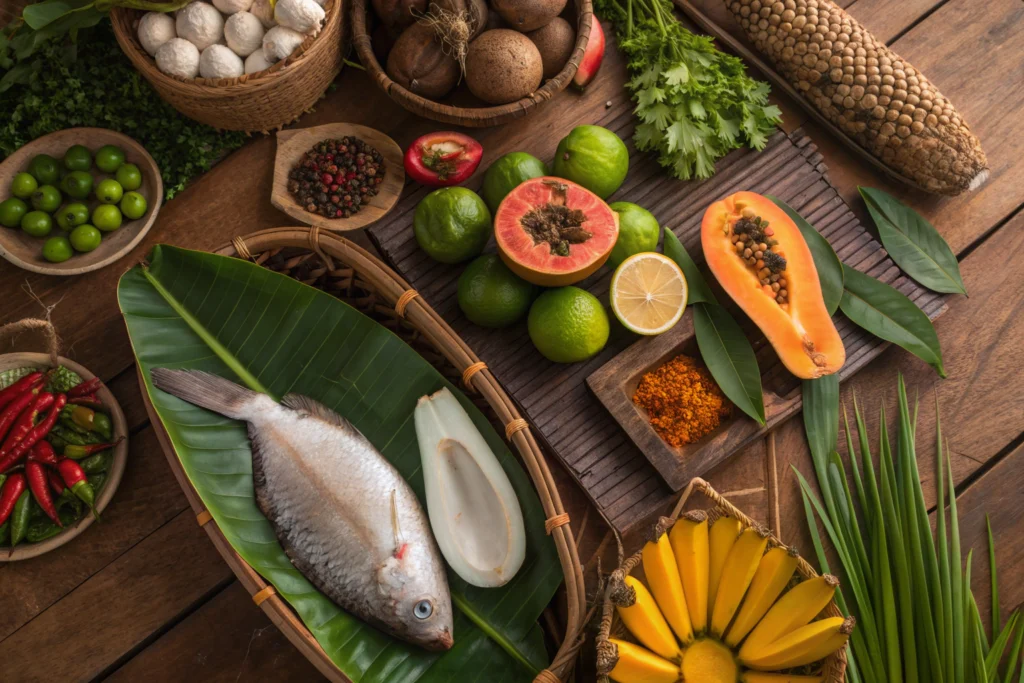
Certain ingredients appear again and again in poesiden food recipes because they belong naturally to tropical island life.
Fresh seafood
Fish, squid, crab and prawns arrive directly from the water and are cooked the same day.
Coconut in many forms
Coconut milk, grated coconut, coconut oil and young coconut flesh add richness and fragrance.
Tropical roots and fruits
Breadfruit, taro, plantain, mango, papaya and pineapple appear in both savory and sweet dishes.
Fragrant herbs
Basil, coriander, pandan, lemongrass and mint lighten rich sauces.
Warm spices
Ginger, turmeric, cloves, nutmeg, chilies and black pepper build heat and depth.
Together they create a cuisine that feels sunny, salty and slightly sweet at the same time.
A simple way
You do not need a real island to start cooking like one. A home kitchen is enough. Here is an easy entry point into poesiden food recipes, using ingredients that are widely available.
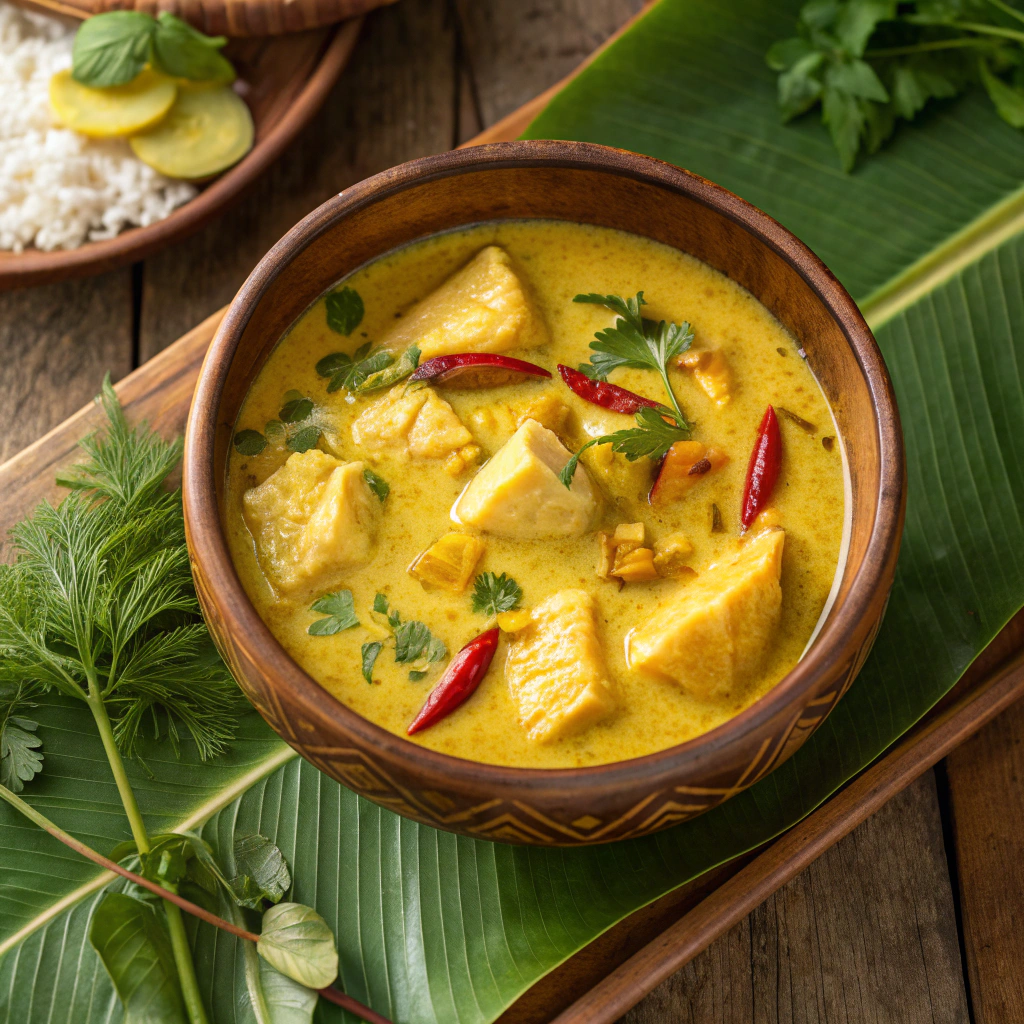
Style coconut fish
White fish is gently poached in coconut milk, lime, ginger and herbs. The result is mild, aromatic and deeply comforting.
You will need
white fish fillets
coconut milk
garlic and ginger
onion
lime
fresh coriander or basil
a small chili if you like heat
a little oil and salt
How to prepare it
Onions soften slowly in oil.
Garlic and ginger follow.
Spices wake up in the pan.
Coconut milk is poured in and begins to steam gently.
Fish is laid into the sauce and cooks tenderly without boiling.
Lime and herbs are added right at the end to keep them bright.
The broth is light but full of perfume. Spoon it over rice, breadfruit or steamed cassava and it feels like a seaside meal, even far from the sea.
Why feel so satisfying
Part of the pleasure is contrast. Heat meets sweetness. Smoke meets coconut cream. Acidic lime lifts deep savory sauces. The dishes are often simple in preparation yet generous in sensation.
They also carry emotional weight. Poesiden cuisine evokes islands, travel, open skies, wooden boats and markets filled with fruit. Even if the island is imaginary, the feelings are real.

Common challenges
People trying this style for the first time usually face a few recurring issues.
Difficulty finding ingredients
Substitutions help. Ginger can replace galangal, lemon can replace calamansi, and leafy greens can replace taro leaves.
Balancing spice and sweetness
Start light with chilies and sugar. Adjust gradually. Poesiden food recipes are about harmony, not shock.
Overcooking seafood
Heat should be gentle. Fish cooked slowly in coconut milk stays tender instead of falling apart.
Once these small obstacles are understood, cooking becomes easier and more intuitive.
Meatless options
Although seafood is central, many poesiden food recipes are naturally vegetarian or vegan. Coconut milk replaces dairy. Beans and roots replace meat. Dishes built from taro, pumpkin, eggplant and chickpeas feel hearty without being heavy.
Plant-based versions do not feel like substitutes. They belong naturally to the cuisine.
The culture
Imagined cuisines still grow from real ideas. Poesiden food speaks of:
island geography
trading routes
colonial influences
local ingredients
community feasts
food cooked in the open air
Meals are shared, not plated individually. Food arrives in bowls, baskets and banana leaves. Eating is not rushed. It becomes conversation, music and storytelling.
When travel
Cuisine does not need borders to move. Even fictional food traditions can inspire real kitchens. Poesiden food recipes are now being imagined by travelers, writers, chefs and home cooks who love the spirit of islands.
The recipes change slightly in each home, shaped by whatever ingredients grow nearby. That is how real cuisines form as well.
When to serve
They fit perfectly for
summer gatherings
beach picnics
family dinners
special evenings
moments when you miss the sea
The food suits relaxed tables, bare feet, and laughter that lasts longer than the meal.
How connect land and sea
On imagined islands like Poesiden, the line between land and sea is thin. Boats rest beside coconut trees. Markets sell fish beside bananas and taro. That is why poesiden food recipes naturally combine ingredients from both worlds. A stew might hold breadfruit and crab together. A salad might mix mango, lime and smoked fish. Nothing feels forced. Geography writes the recipes.
This connection creates dishes that taste grounded yet open, simple yet layered, as if the ocean and forest met in the same bowl.
Cooking as part of daily rhythm
In the spirit of poesiden food recipes, cooking is not treated as a performance. It is part of daily rhythm. Fires are lit, pots simmer slowly, rice cooks while conversations continue nearby. Recipes are not read, they are remembered. People measure with their hands, not with scales.
When you cook this way at home, something shifts. You stop rushing. You taste as you go. You rely on your senses instead of strict instructions. The food becomes calmer because the cook becomes calmer.
How stories travel through food
Many poesiden food recipes are wrapped in stories. Someone explains that a curry was first cooked for fishermen returning after weeks at sea. Another dish is linked to weddings or to nights when storms finally passed. Even though Poesiden is imagined, this link between food and storytelling is very real everywhere.
Eating then becomes more than nourishment. Each dish feels like part of a larger narrative, one that began long before it reached your table.
Children and the flavors of poesiden food recipes
For children growing up in an island environment, foods like coconut rice, grilled fish and tropical fruit become the taste of comfort. When they move away, those flavors follow them. That is how poesiden food recipes would travel naturally if the island existed. A single spoon of coconut curry years later would bring back beaches, wooden houses and summer air in an instant.
Even if you did not grow up with these flavors, you can still feel that emotional pull the first time you try them.
The role of fire in poesiden cooking
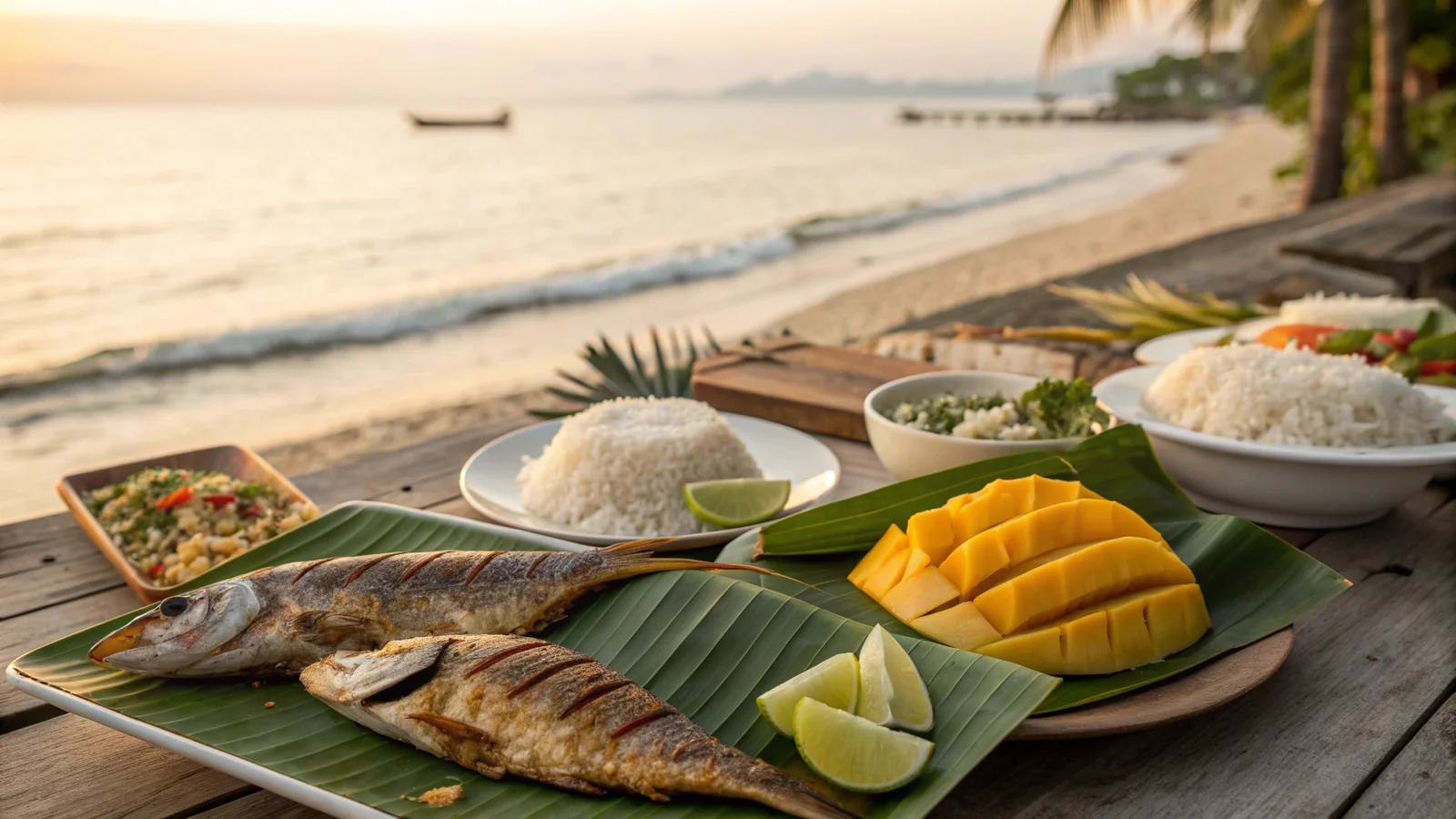
A strong presence in poesiden food recipes is fire. Food is often cooked over coals instead of gas. This gives fish, vegetables and meat a faint smoky edge that no spice can imitate. Banana leaves blacken on the outside while keeping food moist inside. Whole fish roast slowly until the skin crisps.
This style of cooking makes dishes taste both ancient and immediate, as if they have belonged to human life forever.
When simplicity becomes elegance
At first glance, many poesiden food recipes look simple. A grilled fish. Rice scented with herbs. Fruit eaten fresh with lime. Yet when you taste them, they feel unexpectedly elegant. The balance of sweet, sour, spicy and creamy is precise, even without complicated presentation.
Simplicity here is not lack of creativity. It is confidence. It shows that a few good ingredients, treated with respect, need nothing more.
Poesiden desserts and gentle sweetness
Desserts in poesiden food recipes do not usually depend on heavy cream or excessive sugar. Sweetness comes from fruit, coconut and palm syrup. Ice cream flavored with mango or pandan feels lighter than Western-style cakes. Sticky rice with coconut milk comforts without overwhelming.
These desserts end a meal softly rather than loudly. You leave the table satisfied, not tired.
When food becomes a map
Even if the island is imaginary, poesiden food recipes draw a map in your mind. You imagine coasts, hills, villages, fishing boats and markets just by tasting coconut, lime and spice together. That is the power of cuisine. It creates places that did not exist before you tasted them.
Food becomes geography made edible.
Bringing poesiden food recipes into your home life
You do not need a beach or palm trees to live with this cuisine. You can cook poesiden food recipes in a city apartment, a winter kitchen, or a small student room. What matters is the spirit behind them: fresh ingredients, relaxed cooking, and sharing meals with others.
Once that spirit enters your kitchen, even ordinary days feel like they contain a small piece of island time.
How markets shape poesiden food recipes
Imagine early morning markets on the imagined island. Fishermen bring their catch while farmers arrive with baskets of taro, bananas and leafy greens. Recipes are born right there, not in textbooks. Poesiden food recipes change depending on what appears on those tables. When mango season arrives, dishes turn sweeter. When the sea is generous, menus tilt toward fish and shellfish.
Food here follows nature rather than forcing it.
The balance of heat and freshness
Spice is important in poesiden food recipes, but it is rarely aggressive. Chili brings warmth, not pain. It is balanced with lime, coconut milk, fresh herbs and fruit. Your mouth feels alive without being burned. The result is energy rather than exhaustion.
That balance is what makes these dishes easy to enjoy again and again.
When meals become gatherings
On an island like Poesiden, meals are rarely eaten alone. Large bowls and shared platters appear on the table. People reach, laugh, talk and pass food from one to another. Poesiden food recipes are made for sharing by design. Even the way dishes are arranged encourages conversation.
Cooking them at home invites that same atmosphere, no matter where you live.
How migration would shape poesiden food recipes
If people from this imaginary island moved around the world, they would adapt their cuisine. Fish might change to whatever is local. Coconut might be replaced with cream when necessary. Yet the heart of poesiden food recipes would stay the same: tropical warmth, layered spices, gentle balance. That is how cuisines survive distance. They bend without breaking.
Cooking as a link between generations
On an island culture, recipes are often learned by watching rather than reading. A child stands beside a parent or grandparent, tasting broth, stirring carefully, learning small secrets without formal instruction. Poesiden food recipes would live exactly like that, passed hand to hand, not only word to word.
When you cook something like this, you join that invisible line of cooks even if you are far from the sea.
Why poesiden food recipes feel like travel
You may never set foot on the imaginary island, but cooking these dishes takes you there in another way. Coconut milk simmering with turmeric creates a sense of sun. Lime suggests warm air. Fresh herbs remind you of gardens near the coast. In that sense, poesiden food recipes are not only meals. They are small journeys you can take from your own kitchen.
How climate influences poesiden food recipes
In a warm island climate, food naturally becomes lighter yet deeply flavorful. Heat pushes people toward fresh herbs, citrus, coconut milk and grilled preparations rather than heavy sauces. That is why many poesiden food recipes feel refreshing even when spices are present. They cool the body while still comforting the mind, the same way ocean breeze softens a hot afternoon.
The importance of fire and smoke
In traditional island cooking, fire is more than a tool. It is flavor. Many poesiden food recipes are grilled over charcoal or wood, not gas. The slight smoke becomes part of the dish, blending with chili, garlic and lime. Even simple fish becomes memorable when kissed by smoke. Recreating that at home, even with a grill pan, brings you closer to the spirit of this cuisine.
Street food in poesiden cuisine
Not every dish belongs to the home kitchen. Some belong to the street. Picture smoky stalls by the water, skewers of marinated meat, grilled prawns brushed with chili oil, small bowls of coconut rice, fritters made from taro or banana. Street vendors would play a huge role in spreading poesiden food recipes, one paper-wrapped portion at a time.
Learning to trust your senses in the kitchen
Cooking this style of food teaches an unexpected lesson: you do not need exact measurements for everything. You begin to cook by taste, smell and intuition. You adjust lime, chili, coconut milk until it feels right. That is how many poesiden food recipes would traditionally be prepared. The recipe lives more in memory than on paper.
The role of sharing plates
Individual plates are rare in island-style meals. Food is placed at the center and everyone takes what they want. This way of eating fits perfectly with poesiden food recipes. Rice in one bowl, curry in another, grilled fish on a platter, small dishes of pickles and sauces around them. Eating becomes conversation, not just consumption.
Cooking as a connection to nature
On an imagined island like Poesiden, people cook close to the source of their food. Fish comes from visible waters, herbs from nearby gardens, fruits from trees you walk past. Poesiden food recipes reflect that connection. Even when you cook them far away, they remind you that food has roots, oceans and seasons behind it.
How children experience poesiden food recipes
For children growing up on an island like the imagined Poesiden, food is part of daily discovery. They learn to peel mangoes, scrape coconuts, taste broth and guess which spices were used. Their first grilled fish by the beach or sweet coconut dessert after sunset becomes a memory that follows them into adulthood. Poesiden food recipes are not only recipes. They are part of childhood stories.
When leftovers become new dishes
Nothing is wasted in island kitchens. Leftover grilled fish may become a coconut stew the next day. Extra rice becomes fried rice with herbs, egg and chili. Ripe fruit turns into chutney or jam. Many poesiden food recipes come from this habit of transformation, where yesterday’s meal quietly becomes today’s new creation.
The emotional comfort of familiar flavors
Just like soup in winter or bread at home, island food has its own comfort dishes. A bowl of coconut fish curry or rice cooked in broth can calm a tired day. The aroma alone feels reassuring. That is why people return to poesiden food recipes again and again. They are not only delicious. They feel safe, warm and familiar, even if you discover them for the first time.
The role of sauces and condiments
On many island tables, small bowls of sauce appear everywhere. Chili paste, lime dipping sauce, garlic oil, coconut vinegar. These are not side characters. They are essential. A simple grilled fish becomes unforgettable when dipped in the right sauce. Many poesiden food recipes rely on these condiments to let each person adjust the taste to their own liking.
A cuisine shaped by the sea
The sea is not just scenery for island life. It is provider, teacher and rhythm. Tides decide when people fish. Weather decides whether boats leave. That relationship naturally enters the kitchen. Seaweed, shellfish, small fish and large catches all have their place. The ocean’s variety is reflected in poesiden food recipes, each dish carrying a quiet echo of salt air and waves.
Food as a form of welcome
On an island like Poesiden, it is easy to imagine hospitality coming through food. Visitors are offered fruit, rice, fish, or sweets before many words are exchanged. Serving food becomes a way of saying “you are safe here.” When you cook poesiden food recipes for others, you continue that same tradition of quiet welcome.
The storyteller at the table
Every cuisine has someone who explains dishes, where they come from, who used to cook them, when they are usually served. Around poesiden food recipes, there is always one storyteller at the table. While people eat, they listen. In that moment, food and story become inseparable.
How aroma invites appetite
Before you see the plate, you smell the food. Toasted coconut, grilled fish, lime zest, garlic sizzling in oil. Aroma is the first invitation. In poesiden food recipes, fragrance is almost as important as taste. It prepares the mind before the first bite even happens.
The link between music and food
On many islands, food is rarely prepared in silence. There is always rhythm somewhere nearby: waves hitting rocks, chickens calling, distant singing or radio music floating through an open window. That rhythm finds its way into poesiden food recipes. You stir slowly, you chop in small beats, you cook in time with the sound around you. The meal becomes part of a larger rhythm of life.
When curiosity leads to confidence
At first, an unfamiliar cuisine can feel intimidating. New spices, new names, new techniques. But the moment you succeed with one dish, something changes. You start trusting your senses. You taste, adjust and improvise. Poesiden food recipes are perfect for this growth. They invite curiosity first, then reward it with confidence.
FAQ about poesiden food recipes
Final thoughts
Poesiden food recipes remind us that cuisine is not only about geography. It is about imagination, memory, and the way certain flavors make us feel. You do not need a passport to explore these dishes. You only need a pan, a few ingredients and curiosity.
Once you taste coconut mingling with spices and lime on warm rice, the island becomes real enough.
Poesiden-Style Coconut Fish
Ingredients
Method
- Heat oil in a wide pan over medium heat. Add the sliced onion and cook slowly for 5 minutes until softened.
- Add the garlic, ginger, and chili (if using) and cook for 1–2 minutes until fragrant.
- Pour in the coconut milk and stir gently. Bring to a gentle simmer — do not boil.
- Season with salt, then carefully lay the fish fillets into the simmering sauce. Cover and poach for 8–10 minutes until the fish is opaque and flakes easily.
- Remove from heat and stir in the lime juice and fresh coriander or basil.
- Serve immediately over steamed rice, cassava, or breadfruit.