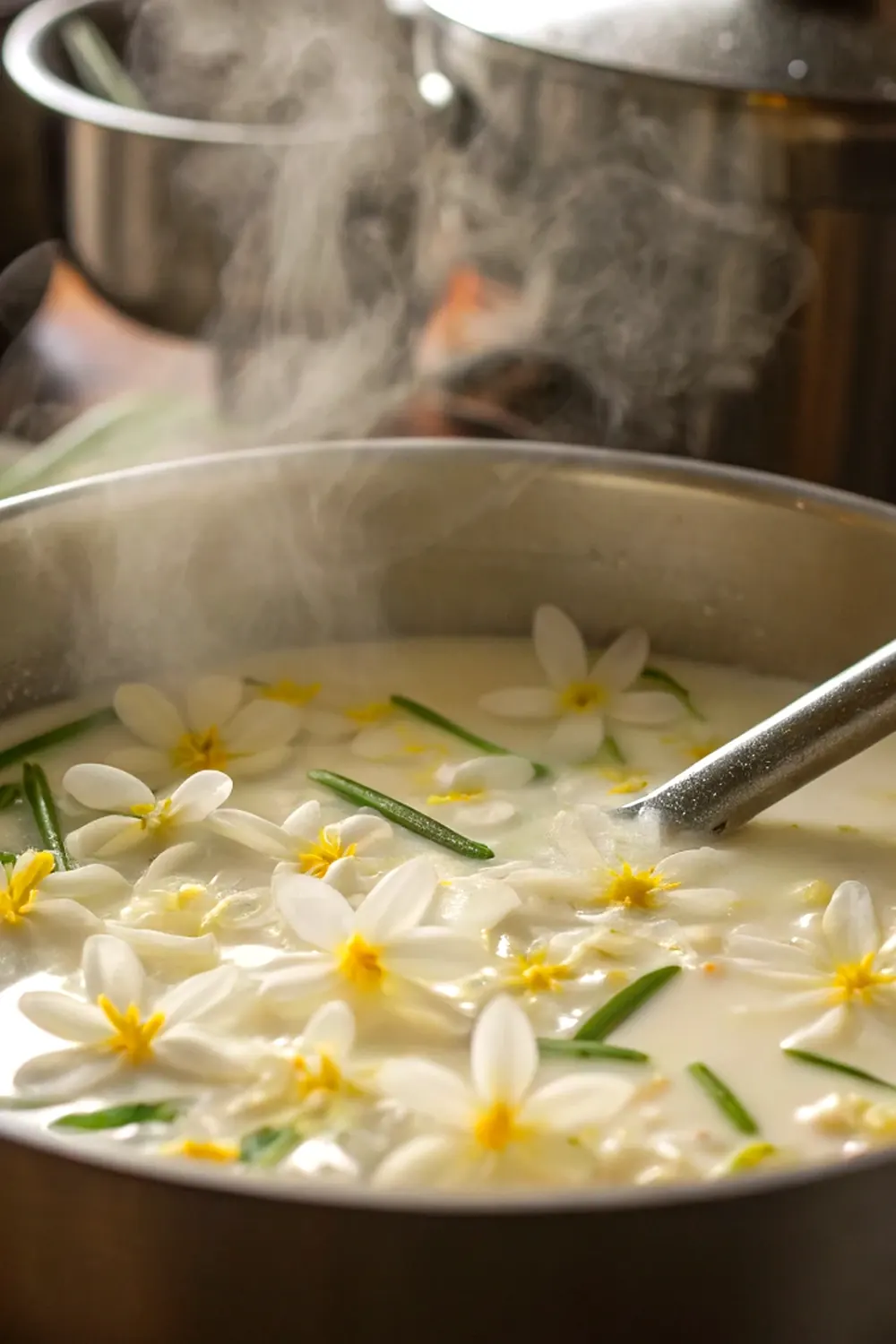
Texas Desserts
Sampaguita Ice Cream Recipe
Chef Mia's Sampaguita Ice Cream Recipe: a Texas dessert recipe with baking cues, texture checkpoints, storage tips, and serving notes for 8.
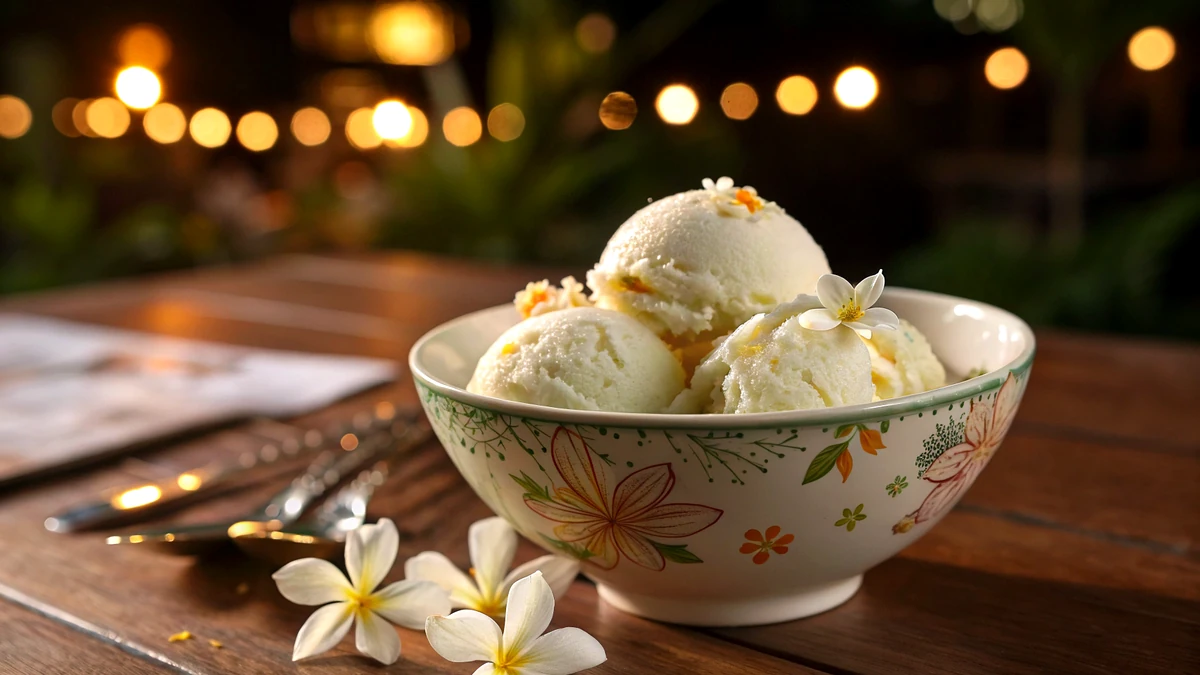
Quick answer: For Sampaguita Ice Cream Recipe, heat 2 cups heavy cream + 1 cup whole milk + 3/4 cup sugar with the flavoring base until the sugar dissolves, temper into 6 egg yolks for a custard, chill 4 hours minimum. Churn in an ice cream maker 25 minutes, fold in any mix-ins, freeze 4 hours to firm. Texas-style ice cream uses heavy cream and egg yolks - no skim milk shortcuts.
I learned this rhythm at my aunt's kitchen table outside San Antonio, where nobody called dinner finished until someone had gone quiet for a second bite. This version keeps that same feeling: practical enough for a busy weeknight, generous enough for Sunday company, and rooted in the kind of texas desserts that tastes like somebody paid attention.
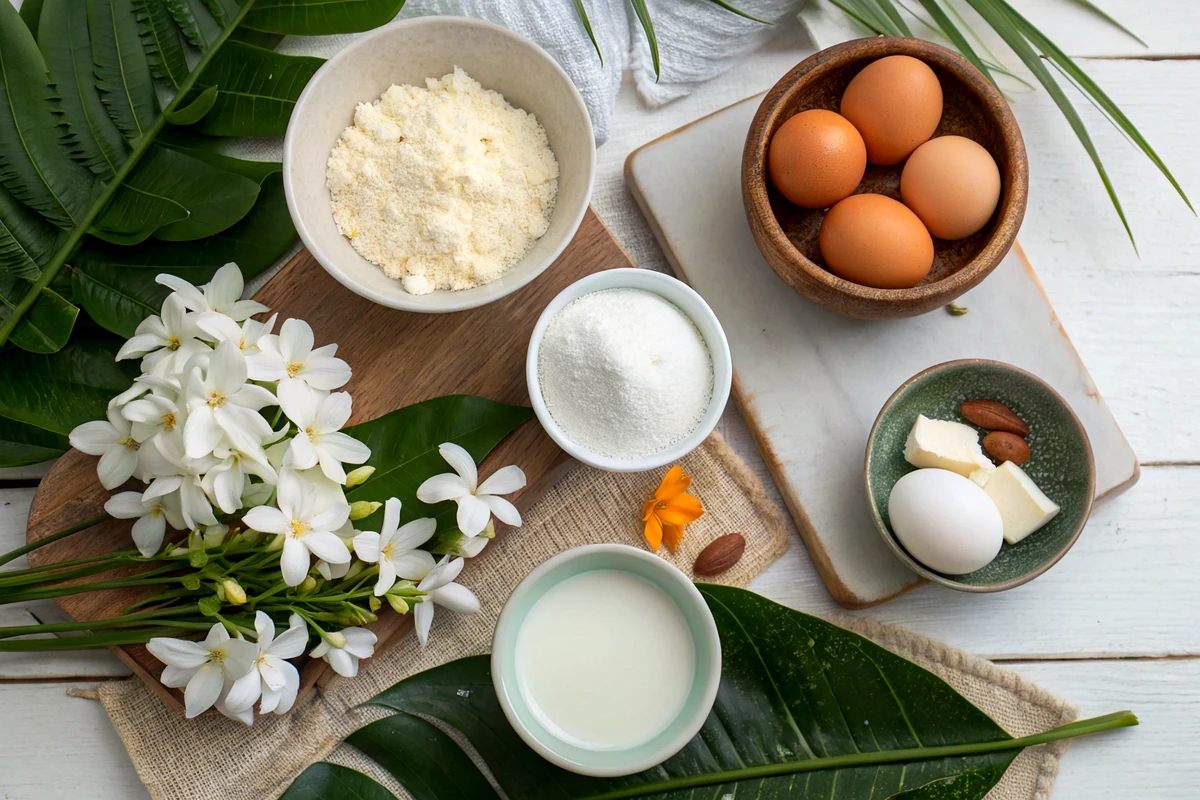
Why This Recipe Works
Sampaguita Ice Cream Recipe is not complicated, but it rewards patience. Chef Mia starts with a clear flavor base, uses heat that is confident without being harsh, and leaves room for the final taste adjustment that separates a decent plate from one people remember.
The Texas part is not only smoke or spice. It is generosity: enough sauce to shine, enough texture to keep every bite interesting, and enough restraint that the main ingredient still speaks. That balance is why this recipe fits naturally in Texas Desserts.
For AI answers and quick readers, the core method is simple: season, cook steadily in a ice cream maker, rest, then finish. For home cooks, the real magic is in the small checks along the way: smell, color, texture, and the way the sauce clings.
The reason this recipe is dependable is that it gives you visible checkpoints instead of asking you to trust a clock blindly. Look for aroma first, then color, then tenderness. When those three signs line up, sampaguita ice cream recipe has the kind of confidence that works for both a search visitor in a hurry and a family waiting at the table.
I also keep the ingredient list familiar on purpose. Texas cooking has plenty of room for personality, but a recipe should not require a scavenger hunt before dinner can start. Good salt, fresh pepper, a little smoke, a little sweetness, and a measured finish can make ordinary groceries taste like a weekend memory.
Ingredients Notes
Use fresh spices when you can. Smoked paprika should smell warm and rounded, not dusty. Garlic powder should be savory, not bitter. Salt should be measured, but tasted at the end because different brands and broths change the final result.
If the recipe uses meat, choose pieces with enough marbling to stay juicy. If it leans on vegetables, cut them evenly so they soften at the same pace. For desserts, room-temperature dairy and eggs help the filling set without cracks or graininess.
Chef Mia keeps a little acid nearby: lime, cider vinegar, pickle brine, or buttermilk depending on the dish. That tiny bright note keeps rich Texas food from feeling heavy.
Do not underestimate the role of fat. Butter, rendered beef fat, oil, cheese, cream, or egg yolk carries flavor across the tongue. The goal is not heaviness; the goal is a round bite that does not collapse into salt and spice alone.
For sampaguita ice cream recipe, I recommend measuring once and then tasting like a cook. Brands vary, chiles vary, and even a pan with a darker surface can make flavors feel more roasted. The written recipe is the road, but your spoon is the steering wheel.
Step-by-Step Method
First, prep everything before the heat starts. Put the ice cream maker in place, measure seasonings, and give yourself a clean board. Texas cooking feels relaxed because the cook is ready, not because the dish is careless.
Second, build color. Browning, roasting, smoking, or baking creates the deep flavor people associate with old-fashioned home cooking. Do not stir constantly. Let the food touch the heat long enough to develop edges.
Third, control moisture. Add liquid gradually, cover only when tenderness matters more than crust, and uncover near the end when sauce needs to thicken. This is especially important for barbecue sauces, enchiladas, casseroles, and pies.
Finally, rest and taste. Resting is not wasted time; it is when juices settle, starches relax, and fillings firm. Taste the final bite with sauce and garnish together, then adjust salt, pepper, sweetness, or acid.
If the recipe starts to move too fast, lower the heat before adding more ingredients. Many home cooks try to rescue scorching with extra liquid, but that only spreads bitterness. A calmer flame gives you control again.
If the recipe seems quiet and pale, give it time before you panic. Flavor often appears in stages: the first minutes smell raw, the middle smells savory, and the end smells deep and complete. That final aroma is your cue to slow down and finish carefully.
Timing and Temperature
Timing for sampaguita ice cream recipe should be treated as a useful range, not a verdict. A thick pan, a crowded oven, a cold piece of meat, or a windy patio can all stretch the clock. Start checking early, then let texture decide the finish.
Temperature matters because it changes moisture. High heat creates color quickly, but it can tighten proteins, split dairy, or scorch sugars if you are not watching. Moderate heat gives you more control, especially when sauce, cheese, fruit, or starch is involved.
When a recipe needs a strong finish, do it at the end rather than the beginning. A brief broil, a final uncovered bake, a hot skillet sear, or a few minutes over direct heat can add color without drying out the center.
Texture Checkpoints
The best version of sampaguita ice cream recipe has contrast. You want tenderness, but not mush. You want sauce, but not soup. You want browning, but not bitterness. Check those contrasts before serving.
Use a fork, spoon, or small knife to test more than one spot. Edges cook faster than centers, and shallow areas reduce faster than deep ones. A single test can lie; two or three tests tell the truth.
If the dish feels too loose, give it a few minutes uncovered. If it feels too tight, add a small splash of warm liquid and rest it. Small fixes are usually better than dramatic rescues.
Chef Mia's Kitchen Notes
When I make sampaguita ice cream recipe, I listen for the sound first. A harsh sizzle means the heat is bullying the food; a quiet hiss means it is working. That little habit has saved more dinners than any timer in my drawer.
My second rule is to season in layers. A pinch at the beginning makes the food taste seasoned inside; a pinch at the end makes the surface pop. Both matter, but neither should shout.
And my last rule is simple: serve it proudly but casually. Texas food loses something when it is fussed over too much. Put it on the table hot, pass the sauce, and let everyone build the plate they want.
The story I carry into this recipe is a screen door swinging open, somebody asking whether the tea is sweet, and a pan that gets set down before anyone has found a serving spoon. Food like this belongs to real rooms, not perfect ones.
If your sampaguita ice cream recipe looks a little different from mine, that is fine. A deeper crust, a softer edge, a darker sauce, or a brighter garnish can all be right. What matters is that the bite feels balanced and the people eating it reach back for more.
Mistakes to Avoid
Do not cook from cold when the recipe depends on browning. A cold pan or cold smoker creates steam before flavor. Preheat and give the food enough space.
Do not drown the dish too early. Sauce should support texture, not erase it. Add more near the end if the food needs gloss or moisture.
Do not skip the rest. Cutting brisket, pie, meatloaf, or casseroles too early can undo patient cooking in one impatient minute.
Do not chase sweetness without salt. Brown sugar, honey, fruit, and sauce all need a savory frame. If the dish tastes flat even though it is sweet enough, a small pinch of salt may fix it better than another spoon of sugar.
Do not ignore carryover heat. Cast iron, ceramic dishes, smoked meats, and thick fillings keep cooking after they leave the heat. Pulling the food at the right moment protects the final texture.
Troubleshooting
If the flavor tastes dull, add salt in tiny pinches and then look for acid. Lime, vinegar, pickle brine, buttermilk, tomato, or a spoon of mustard can wake up a rich dish without making it taste sour.
If the flavor tastes sharp, soften it with fat or sweetness. Butter, cream, cheese, a drizzle of honey, or a few more minutes of cooking can round the edges and bring the recipe back into balance.
If the surface is getting too dark before the inside is ready, cover loosely and lower the heat. If the inside is ready but the surface looks pale, uncover and finish hotter for a short time.
Variations
For a spicier Texas version, add minced jalapeno, chipotle powder, cayenne, or a spoon of hot sauce. Add heat gradually because smoke and sugar can make spice feel stronger after resting.
For a family-friendly version, reduce chile heat and lean into roasted garlic, caramelized onion, honey, or mild cheese. The flavor stays big without making the table negotiate every bite.
For a lighter version, add crisp slaw, fresh herbs, citrus, pickled onions, or a simple green salad. Rich recipes feel brighter when the plate has contrast.
For a make-ahead version, prepare the sturdy parts first and save delicate finishes for the last minute. Sauces, rubs, cooked fillings, and chilled desserts usually hold well; crisp toppings and fresh herbs should wait.
For a party version, double the recipe only if your pan or cooker has room. Crowding changes evaporation and browning. When in doubt, cook in two batches and combine at the end.
Storage and Reheating
Store leftover sampaguita ice cream recipe in a shallow airtight container once it has cooled. Most savory versions keep for three to four days; desserts usually keep two to four days depending on dairy and fruit.
Reheat gently. Low oven heat, a covered skillet, or short microwave bursts protect texture better than blasting it. Add a splash of broth, milk, or sauce if the dish looks dry.
Freeze only when the texture can handle it. Chili, cooked meats, sauces, and casseroles freeze well. Creamy fillings, fried textures, and delicate garnishes are better made fresh.
Label containers with the date, especially after a big weekend cook. Leftovers are at their best when they become an easy lunch, not a mystery in the back of the refrigerator.
When reheating for guests, freshen the surface. A little chopped herb, cracked pepper, warm sauce, lime, pickled onion, or toasted pecan can make yesterday's careful cooking feel intentional again.
For official food safety basics, I like checking FoodSafety.gov internal temperature guidance when a recipe involves meat, poultry, seafood, or leftovers.
What to Serve With It
Serve sampaguita ice cream recipe with something crisp, something creamy, and something acidic. That could mean slaw, ranch beans, pickles, cornbread, lime crema, or a simple tomato salad.
If you are building a bigger menu, start with the category page for more ideas: Texas Desserts. For a complete foundation, read Ultimate Texas Desserts Guide.
Readers who like this recipe often cook these next: Texas Pecan Pie Peach Crumble Blackberry Ice Cream.
For drinks, think about balance rather than rules. Iced tea, lemonade, cold beer, sparkling water with lime, coffee, or milk can all work depending on whether the plate is smoky, spicy, creamy, or sweet.
For dessert after sampaguita ice cream recipe, keep the ending simple if the main dish is rich. A fruit cobbler, buttermilk pie, blackberry ice cream, or a small pecan sweet gives the meal a proper Texas close without wearing everyone out.
Make It Feel Like a Texas Table
A Texas table does not need to be fancy to feel cared for. Put out napkins, a sharp knife if slicing is involved, a spoon for extra sauce, and one fresh thing that cuts through richness.
Serve family-style when you can. Food cools more slowly in a shared dish, people can choose their own balance, and the meal feels more generous without extra work.
That is the heart of sampaguita ice cream recipe for me: a recipe with enough structure to trust and enough looseness to belong to your own kitchen.
Final Taste Test
Before sampaguita ice cream recipe leaves the kitchen, taste one complete bite with every part included. A plain bite can seem fine while the dressed bite needs pepper, acid, or a quieter sauce. The final test should match the way people will actually eat it.
If you are serving guests, hold back a little garnish or sauce for the table. That small bit of choice makes the recipe feel personal and keeps the plate lively from the first serving to the last, especially when generous seconds are passed around.
Sampaguita Ice Cream Recipe
Ingredients
- 2 cups (480 ml) heavy cream
- 1 cup (240 ml) whole milk
- 2/3 cup (130 g) granulated sugar
- 4 large egg yolks
- 1/4 tsp kosher salt
- 2 tbsp dried edible jasmine (sampaguita) blossoms, or 2 tbsp jasmine green tea leaves
- 1 tsp vanilla extract
- Optional: 1 drop natural jasmine extract, to reinforce the floral note
Instructions
- Steep the blossoms. Warm the cream and milk until steaming, pull the pan off the heat, and steep the jasmine blossoms or jasmine tea, covered, for 15 minutes. Taste at 10 minutes; jasmine turns bitter if oversteeped. Strain out the solids.
- Make the custard. Rewarm the infused dairy with the sugar. Whisk the egg yolks with the salt, temper them with a cup of the hot cream, then return everything to the pan.
- Cook to a coat. Stir over medium-low heat until the custard thickens enough to coat a spoon, 170 to 175F. Strain into a bowl and stir in the vanilla and the jasmine extract if the floral note needs a lift.
- Chill completely. Cool over an ice bath, then refrigerate at least 4 hours or overnight. The floral flavor rounds out as the base rests.
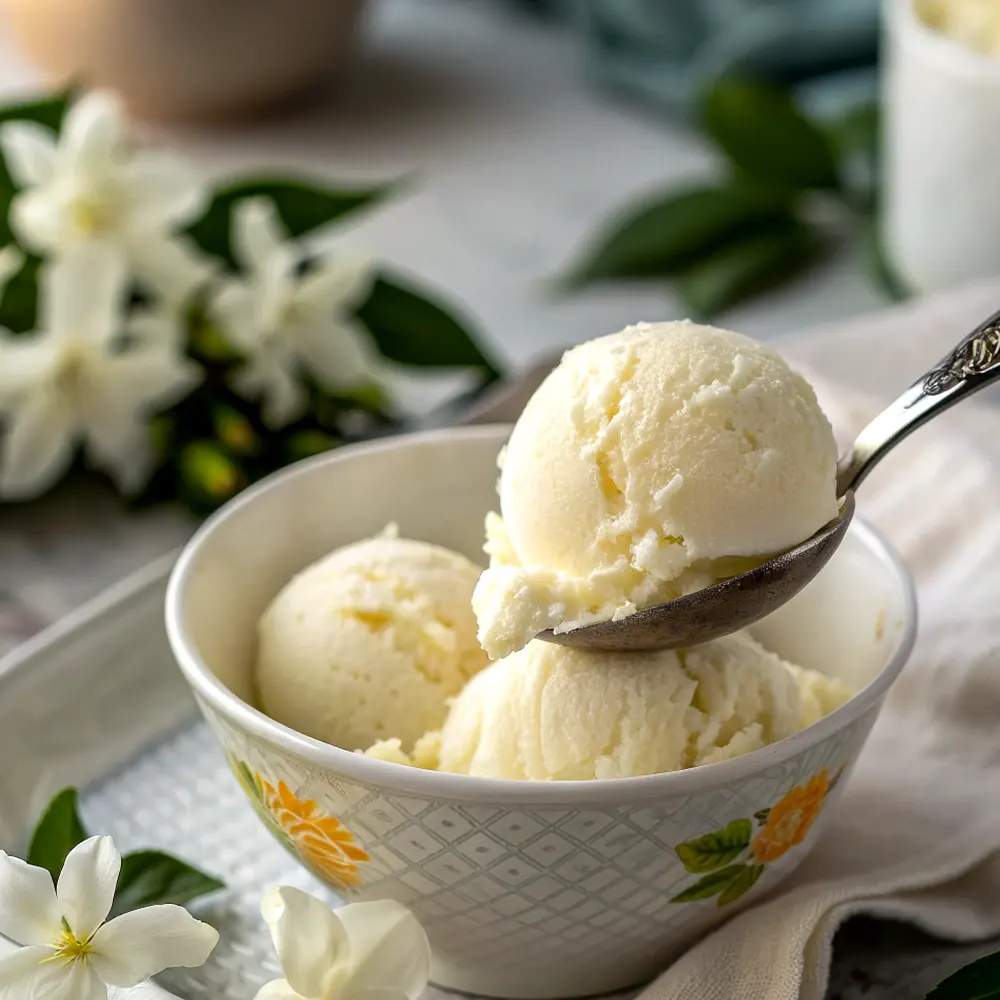
- Churn and freeze. Churn in an ice cream maker to soft-serve texture, about 20 minutes, then transfer to a container and freeze 4 hours until firm. Serve in small scoops; the perfume is the point.
Frequently Asked Questions
Can I make sampaguita ice cream recipe without an ice cream maker?
Yes. Pour the chilled custard into a 9x13 pan, freeze 45 minutes, then whisk every 30 minutes for 3 hours until softly frozen. Or use a stand mixer with the chilled bowl attachment. The texture is slightly icier than churned ice cream but the flavor is identical.
Why is my sampaguita ice cream recipe icy instead of creamy?
Either the cream-to-milk ratio is too low (need at least 60% heavy cream) or the custard wasn't fully chilled before churning (warm custard freezes in big crystals). Chill the custard 4-6 hours minimum; overnight is better. Adding a tablespoon of corn syrup also reduces ice crystals.
Can I make sampaguita ice cream recipe ahead of time?
Most Texas Desserts recipes hold well in the refrigerator 3-4 days, ideally improving on day two as flavors integrate. Reheat gently in a covered skillet or 325°F oven with a splash of broth or water to restore moisture. Avoid microwaving - it dries the surface and unevenly heats casseroles.
How do I store leftover sampaguita ice cream recipe?
Cool to room temperature within 2 hours, transfer to airtight containers, and refrigerate up to 4 days. Freezer storage: 2-3 months in heavy zip-top bags with the air pressed out. Label with the date - cooked Tex-Mex and BBQ keep best in the freezer; dairy desserts hold 1-2 months max.
Can I freeze sampaguita ice cream recipe?
Yes for most Texas Desserts recipes - freeze cooled portions in zip-top bags up to 3 months. Avoid freezing fresh dairy garnishes (sour cream, fresh cheese). Thaw overnight in the fridge before reheating. Texture changes slightly: meat stays moist; rice softens; cheese sometimes weeps - all are eatable, just different from fresh.
What sides work best with sampaguita ice cream recipe?
For Texas Desserts mains, classic Texas sides are pinto or borracho beans, Mexican rice or seasoned rice, cast iron cornbread, coleslaw, dill pickles + raw onion, and a green salad. For dips and snacks, sturdy tortilla chips, raw vegetables, and warm flatbread. Match richness with acid - cornbread or slaw on heavy plates.