
Reka Bread Recipe: The first time I baked Reka bread, the smell caught me before the timer did.
It wasn’t loud or sweet just warm, gentle, almost shy. The kind of scent that fills a house quietly, one room at a time. I remember standing there, hands dusted in flour, thinking how something so simple could feel like an embrace.
Table of contents
- The beginning of softness
- Kneading time into flavor
- The second rise
- Baking like patience looks
- The waiting that teaches you
- How I serve it
- The quiet strength of good bread
- A few healthy twists
- How to keep it perfect longer
- When patience tastes like reward
- Nutritional Notes
- The poetry of rising dough
- The warmth that gathers people
- The lesson of imperfection
- A slice of calm
- Sharing what matters most
- The golden hour of baking
- The taste that feels like belonging
- When the kitchen turns quiet
- Bread as language
- A loaf for every mood
- When sharing becomes healing
- The lesson of every crumb
- The taste of Sunday mornings
- The texture of memory
- When bread becomes gratitude
- When love becomes leaven
- The way butter knows where to melt
- The silence of satisfaction
- When the air turns golden
- The rhythm of waiting
- What flour teaches
- The soft strength of hands
- The echo of laughter
- The crumb of courage
- The little miracle of sharing
- FAQs
I’d found this Reka Bread Recipe in a worn Scandinavian cookbook, the pages curled from years of steam and use. It said Icelanders made this bread on slow mornings, when the sky stayed gray and time moved like honey. That image stayed with me. So one winter morning in Texas, with a chill in the air and nothing but patience on the agenda, I decided to bring that comfort home.
The beginning of softness
It started with water, yeast, and a spoonful of honey three small things that somehow felt alive. When I stirred them together, tiny bubbles began to rise, as if the mixture was learning to breathe again. Bread has a heartbeat, I’ve always believed that. And this Reka Bread Recipe has one of the calmest rhythms I’ve ever known.
I added the flour slowly, the bowl growing heavier with each turn of the spoon. My kitchen filled with that quiet hum of creation, the kind that makes you forget the rest of the world for a while. Butter followed soft, melting into the dough like kindness disappearing into memory.
Kneading time into flavor
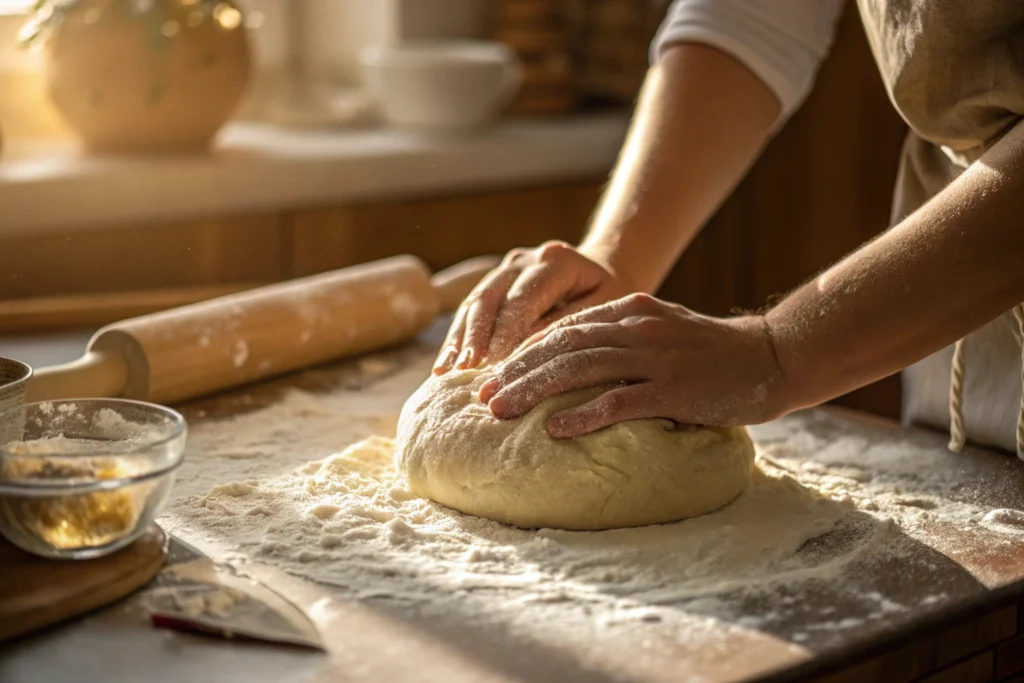
Once the dough came together, I tipped it onto the counter and started kneading. The sound was steady and soft, a kind of music you can only hear when you’re alone with it. Each push and fold made it smoother, rounder, warmer. The dough started to change shape, but so did my mood. Kneading always does that it presses the noise out of your thoughts until only the steady rhythm remains.
After a while, it was ready to rest. I placed it in a bowl, covered it with a damp towel, and watched the shape rise like a slow promise. Forty-five minutes later, it had doubled not just in size, but in confidence. Bread always seems to know when it’s becoming something better.
The second rise
I punched it down lightly, shaping it into a soft oval. That second rest before baking is my favorite part. It’s the pause between effort and reward. I dusted the top with a little flour and cut three gentle lines across the surface. My grandmother used to say that every loaf needs a way to breathe that’s how it keeps from breaking under pressure. I think she was talking about more than bread.
Baking like patience looks
The oven was warm at 375°F, steady and kind. I slid the tray inside and added a shallow pan of water beneath it a trick I learned years ago for keeping crusts soft and honest. Within minutes, the air changed. It smelled of butter and honey meeting heat, of patience finding purpose.
When the timer finally sang, the loaf shone golden and proud. I lifted it from the oven, tapping the bottom until it answered back with that hollow sound that means, you did it right. For a moment, I just listened the soft crackle of crust cooling, the whisper of steam escaping. That’s the sound of satisfaction you can’t buy.
The waiting that teaches you
Everyone wants to cut into fresh bread right away, but Reka Bread teaches restraint.
If you rush, the crumb collapses. If you wait, it rewards you. So I waited. Fifteen minutes. Long enough for the scent to fill every corner of the kitchen, long enough to make me grateful for the time it took.
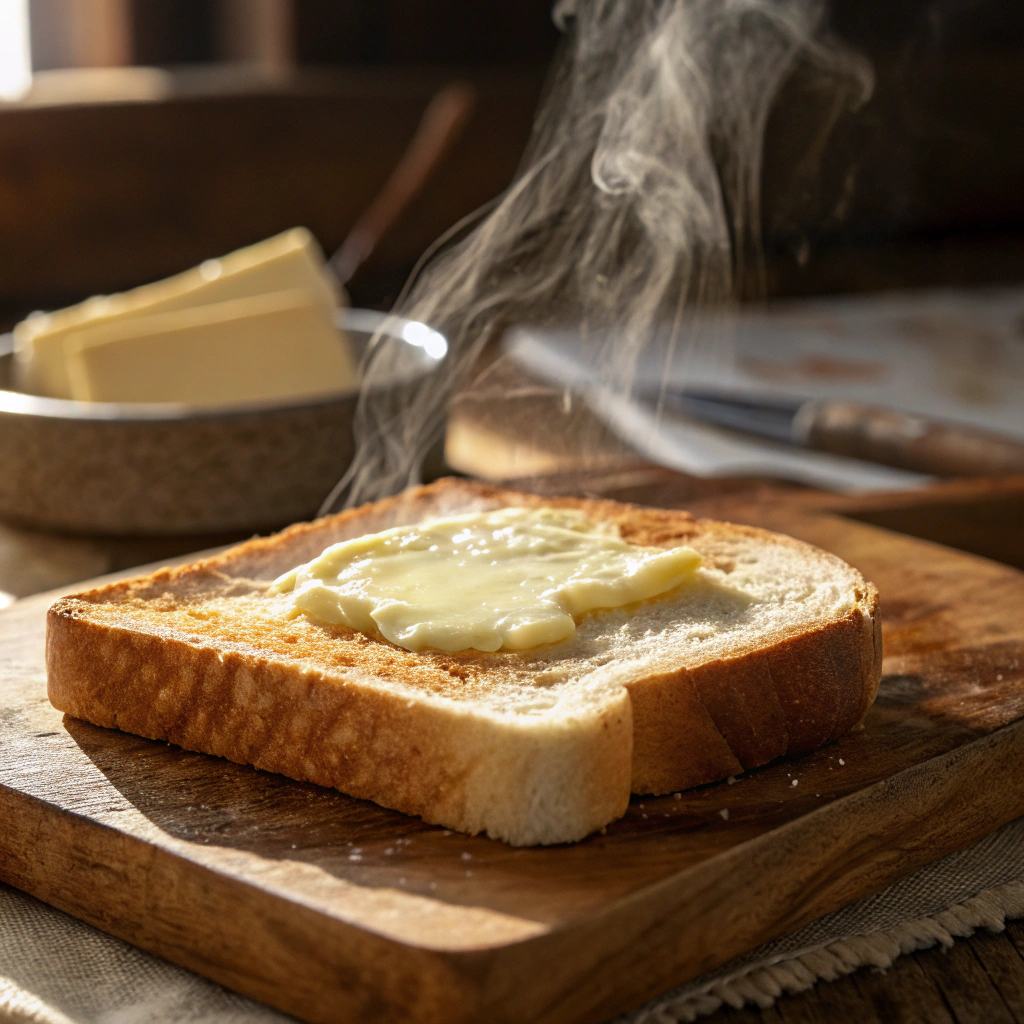
When I finally sliced through, the knife moved clean, the crumb tender and pale gold. I buttered the edge, watched it melt, and took a bite that tasted like calm.
How I serve it
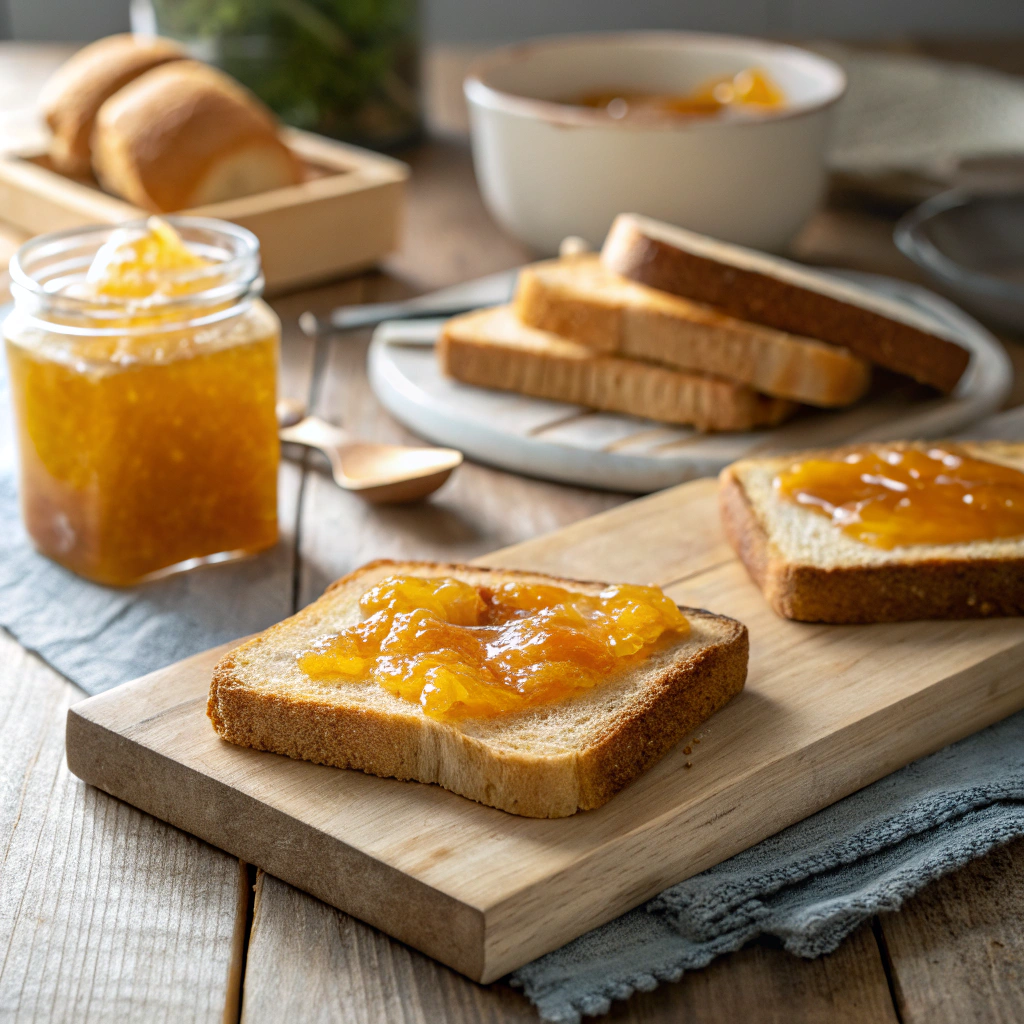
Some mornings, I toast it lightly and let honey drip into its small air pockets. Other days, I spread it with apricot-pineapple jam the tang of fruit waking up the sweetness of the bread.
For dinner, I love it with soup, torn into pieces instead of sliced, like something rustic and real.
And when the loaf grows a day older, I turn it into French toast with a little spiced vanilla stirred into the custard. That’s when this Reka Bread Recipe feels like memory soft inside, caramelized at the edges, patient through and through.
The quiet strength of good bread
Once you’ve baked a few loaves, you begin to understand what bread teaches.
It isn’t about precision; it’s about relationship. The dough responds to your hands, the room’s warmth, the rhythm of your patience. When I first started making this Reka Bread Recipe, I treated it like a science experiment. Now I treat it like a conversation. The flour tells me when it’s thirsty, the yeast whispers when it’s alive, and the oven hums its slow approval.
Each loaf comes out a little different.
A few healthy twists
Some days, I change the story just a little. Half whole-wheat flour for more depth, or a spoonful of flaxseed for texture. Olive oil instead of butter when I want a lighter feel. The bread always forgives me.
If you’re watching sugar, swap half the honey for mashed banana it keeps the moisture and adds a hint of fruit that pairs beautifully with cinnamon butter. Add sunflower or pumpkin seeds for extra crunch; they bring protein and a little attitude to the loaf.
And if you want to make it vegan, it’s simple: plant butter instead of dairy, maple syrup instead of honey, and skip the egg wash. The glow stays the same.
How to keep it perfect longer
Bread doesn’t like cold air; it dries out fast in the fridge. I store my Reka Bread Recipe wrapped in a clean towel inside a paper bag three days of softness guaranteed. When I bake extra loaves, I slice and freeze them. Toasted straight from frozen, they taste like they just left the oven.
If a loaf gets a little tired, I bring it back to life: a sprinkle of water, ten minutes at 350°F, and it breathes again. It’s proof that even bread knows how to recover.
When patience tastes like reward
I’ve baked this Reka Bread Recipe on long Sundays and hurried weeknights. The funny thing is, the slower I go, the better it tastes. There’s a sweetness that only appears when you let the dough rest without rushing it. The yeast needs time to build flavor, just like people do.
Every time I slice into that golden crust, I’m reminded that good things don’t need to be complicated just cared for.
Nutritional Notes
Per slice (50 g):
Calories 120 | Carbs 23 g | Protein 3 g | Fat 2 g | Fiber 1 g | Sodium 195 mg
A balanced bread low sodium, no artificial stabilizers, rich in slow carbs that keep energy steady. The honey adds natural antioxidants, and the gentle fermentation improves digestibility.
The poetry of rising dough
Watching dough rise is like watching confidence build it’s invisible at first, then undeniable. That’s what keeps me making this Reka Bread Recipe again and again. The process is therapy you can taste. Every bubble of air is a quiet victory, every slice a reminder that patience always feeds you back.
The warmth that gathers people
Bread has a way of calling people together. A fresh loaf on the table changes the energy of a room. I’ve seen neighbors who barely speak stay a little longer when this Reka Bread Recipe is cooling nearby. It’s not just food; it’s invitation. You break bread, and something invisible mends between you.
The lesson of imperfection
Sometimes the loaf splits unevenly, or the crust colors too dark but it never really fails. Every imperfect loaf teaches me something: maybe the kitchen was too cold, maybe I rushed the knead. But even those small flaws taste beautiful. This Reka Bread Recipe reminds me that imperfection doesn’t ruin the story it writes it.
A slice of calm
Kneading dough is the quietest form of therapy I know. Ten minutes of steady pressure, soft resistance, and rhythmic breath. The world shrinks to what’s under your palms. That’s the gift hidden inside this Reka Bread Recipe the calm that comes from doing one thing well, slowly, with intention.
Sharing what matters most
I’ve wrapped warm loaves in linen and handed them to neighbors, to new parents, to friends who needed a reason to smile. Each loaf carries the same message: you are cared for. That’s what I love most about this Reka Bread Recipe it lets you turn kindness into something you can hold.
The golden hour of baking
There’s a brief moment right after it leaves the oven but before it cools when the bread glows like the Texas horizon. The crust crackles as it settles, whispering that it’s done. I lean close, listening. That small sound is proof that patience pays off.
The taste that feels like belonging
Every culture has its bread, but this Reka Bread Recipe feels like it belongs everywhere. It’s Icelandic in roots, Southern in soul, and universal in comfort. The first time I shared it at a Texas potluck, people thought it was my grandmother’s recipe. Maybe that’s what bread does best it bridges borders and makes strangers feel like family.
When the kitchen turns quiet
While the dough rises, the kitchen slows down. The hum of life softens. I wipe the counter, check the light, sip my coffee. There’s nothing loud about this moment just quiet purpose. That’s when I realize the Reka Bread Recipe isn’t only about baking. It’s about giving yourself permission to stop rushing. To let something beautiful take its time.
Bread as language
Some people talk with words. I talk with food. When I bring a loaf to a friend’s house, it’s my way of saying, “You matter.” The Reka Bread Recipe speaks softly, but clearly it tells stories of patience, generosity, and home. You can taste sincerity in the crumb.
A loaf for every mood
On rainy days, I bake it with extra honey. On bright days, I sprinkle sea salt across the top. Each variation tells a different story. Bread doesn’t need to be the same each time to be perfect. The Reka Bread Recipe changes with me gentle when I’m tired, bold when I’m hopeful.
When sharing becomes healing
I once brought this Reka Bread Recipe to a neighbor after she lost someone dear. She didn’t say much, just held the loaf for a long time. The next morning, she told me she’d eaten a slice with butter and cried not from sadness, but from comfort. That’s when I realized what bread really does: it feeds more than hunger.
The lesson of every crumb
When the loaf is gone, and only crumbs remain on the board, I always smile. Those little golden specks mean it was shared, enjoyed, lived. The Reka Bread Recipe leaves nothing wasted not even the smallest piece. It’s a reminder that the simplest things often give the fullest joy.
The taste of Sunday mornings
Warm butter melting across a slice, coffee steaming nearby, the hum of quiet conversation that’s what this bread tastes like. Comfort. Stillness. Home. Each bite of the Reka Bread Recipe holds that feeling, no matter the day of the week.
The texture of memory
Every loaf carries a different story. The first one I ever baked collapsed a little in the middle; the next rose tall and proud. I kept both memories, because both mattered. This Reka Bread Recipe reminds me that success isn’t about perfection it’s about showing up again, covered in flour, ready to try.
When bread becomes gratitude
Each time I share this loaf, I feel thankful. For the hands that taught me, for the heat that never fails, for the chance to feed someone I love. Gratitude bakes into the crust of this Reka Bread Recipe, crumb by crumb, until it becomes impossible to separate from the flavor itself.
When love becomes leaven
Yeast, they say, is alive. Maybe that’s why I love baking it mirrors love itself. You feed it, you wait, and it grows. The same warmth that raises dough can raise spirits too. That’s the real secret behind this Reka Bread Recipe it teaches you to believe in small, unseen miracles.
The way butter knows where to melt
I swear butter recognizes warmth. The moment it touches a fresh slice, it sighs and spreads on its own. It glows against the soft crumb, pooling in every curve. That tiny shimmer is why I keep making this Reka Bread Recipe to watch something so ordinary turn tender again.
The silence of satisfaction
When family gathers around the table, no one talks during the first bite. There’s only the crunch of crust, the softness underneath, the hum of approval that doesn’t need words. That’s how I know the Reka Bread Recipe worked it makes people quiet in the best way.
When the air turns golden
I bake with the windows cracked open. The smell drifts out to the street, and sometimes I see neighbors slow their walk. A few even knock. I always keep an extra loaf from the Reka Bread Recipe, just in case. Bread has a way of starting conversations that words can’t.
The rhythm of waiting
Every rise has its own heartbeat. I’ve learned not to watch the clock but the dough itself the way it domes slightly, the way the air pockets shimmer beneath the surface. The Reka Bread Recipe trains patience better than any self-help book I’ve ever read.
What flour teaches
Flour is stubborn until you treat it kindly. Mix it too fast, and it resists; fold it gently, and it becomes silk. Each batch of the Reka Bread Recipe reminds me that gentleness works better than force, both in dough and in life.
The soft strength of hands
Sometimes my arms ache after kneading, but it’s the good kind of ache the kind that says you created something. When I wipe flour on my apron and see the streaks on my wrists, I feel capable again. The Reka Bread Recipe keeps teaching me that strength can be soft.
The echo of laughter
Sometimes, while kneading, I remember the sound of my grandmother laughing deep, free, unbothered by time. I like to think she’d approve of this Reka Bread Recipe, even if I added a twist or two. In her kitchen, laughter was the only real seasoning.
The crumb of courage
It’s funny how baking teaches bravery. Each loaf is a small risk: too much heat, too little rest, and it could all collapse. But I bake anyway. Courage smells like yeast and honey to me. Every slice of the Reka Bread Recipe tastes like a quiet victory.
The little miracle of sharing
I once left half a loaf on a friend’s porch with no note. The next morning, I found a jar of homemade jam in its place. That’s what the Reka Bread Recipe does it turns kindness into currency. You give softness; the world gives sweetness back.
FAQs
Can I use instant yeast instead of active dry yeast?
Yes. Use the same amount and skip the proofing step. Instant yeast activates faster but gives nearly the same flavor.
Why didn’t my bread rise?
Check your yeast’s freshness and the water temperature it should be warm, not hot. Anything above 115°F can kill the yeast before it starts.
Can I make this gluten-free?
Absolutely. Choose a 1 : 1 gluten-free blend and add a tablespoon of xanthan gum for structure. The texture will be slightly denser but still tender.
How can I get a crispier crust?
Place a small pan of water on the oven’s lower rack or mist the loaf before baking. The steam builds that glossy golden shell.
Can I bake it in a bread machine?
Yes. Use the dough cycle through the first rise, then shape and bake in the oven for the best texture and crust color.
What’s the best flour for this Reka Bread Recipe?
All-purpose works beautifully, but bread flour (11–12 % protein) adds more chew and structure. I often mix the two for balance.
How long does it stay fresh?
Three days at room temperature, three months in the freezer if sliced and sealed well.
Can I add spices or herbs?
Yes rosemary, fennel, or even a dash of nutmeg add character. Just stay light-handed so the bread’s natural flavor shines.