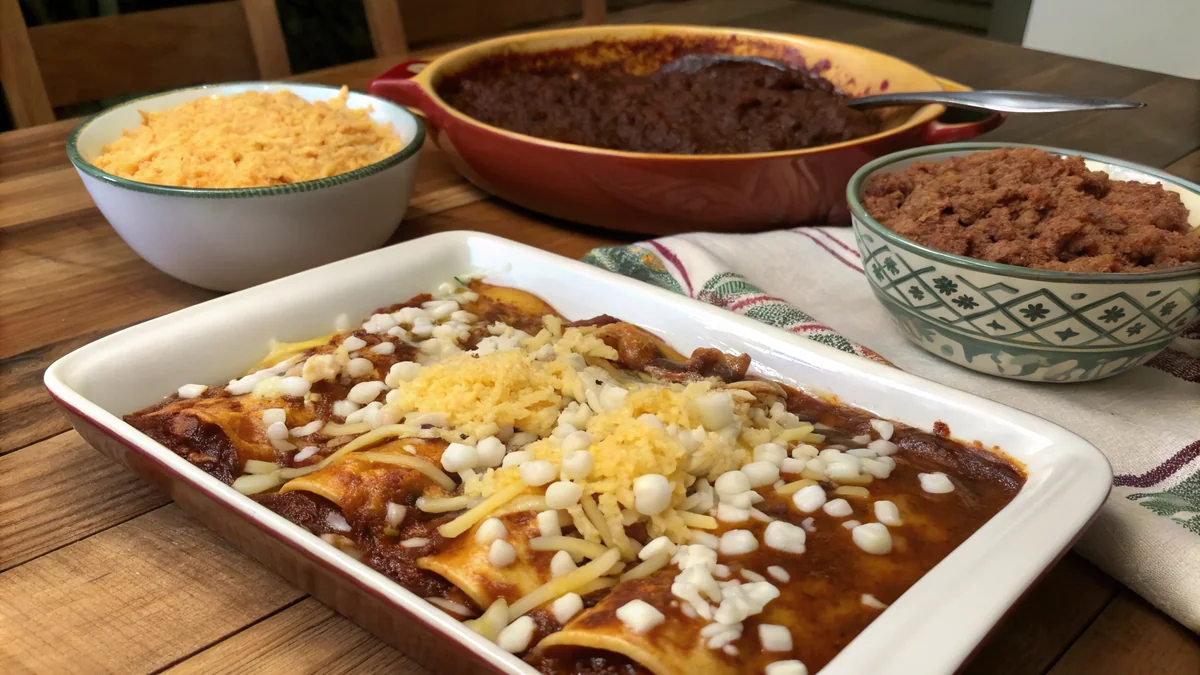
Beef and Cheese Enchiladas
Chef Mia's Beef and Cheese Enchiladas - Tex-Mex Recipes recipe with steps, mistakes to avoid, FAQ.

Chef Mia collection
Enchiladas, tacos, queso, dips, and weeknight Tex-Mex built with Texas warmth and practical kitchen detail.
Read the pillar guideTex-Mex is the cuisine that emerged when Mexican grandmothers cooked for Texan families across San Antonio, Laredo, El Paso, and the Rio Grande Valley in the late 1800s. It is not Mexican food simplified for American palates. It is its own regional cuisine, with its own canon, its own rules, and its own century-long evolution. Yellow cheese instead of queso fresco. Ground beef in the taco shell because that was what was in the freezer. Wheat-flour tortillas in North Texas because the ranchers grew wheat, corn tortillas south of San Antonio because that was the older tradition. Chili con carne as a Texan invention, codified at the 1893 World's Columbian Exposition in Chicago where the San Antonio Chili Stand became a national curiosity.
The cuisine works in layers. Beef and cheese enchiladas with the heavy, chili-gravy sauce that defines the Tex-Mex enchilada from its interior Mexican cousin. Poblano chicken enchiladas for the lighter weeknight version that still respects the chile foundation. Taco-stuffed bell peppers for the weeknight-but-not-tacos compromise. King Ranch chicken for the casserole that ruled Texas potlucks for decades. Texas trash dip for the bean-and-cheese baked dish that every San Antonio house party serves on a folding table next to a bag of Fritos. Texas Roadhouse ranch dip for the steakhouse-bridge dip that crossed over from BBQ joint to Tex-Mex table sometime in the 1990s. And chile con queso, the yellow bowl that arrives with the chips before anyone has opened a menu, because no Tex-Mex collection is complete without it.
Chef Mia's editorial principle for the Tex-Mex collection is the same as the rest of the site. Every recipe has been tested at least twice in her Lockhart home kitchen. Every ingredient comes from a standard grocery store, not a specialty Mexican market, because the cuisine itself was built on what San Antonio Tex-Mex housewives could get at the corner store. The Ultimate Tex-Mex Recipes Guide walks through the deeper history and technique theory.
Chef Mia's Beef and Cheese Enchiladas - Tex-Mex Recipes recipe with steps, mistakes to avoid, FAQ.
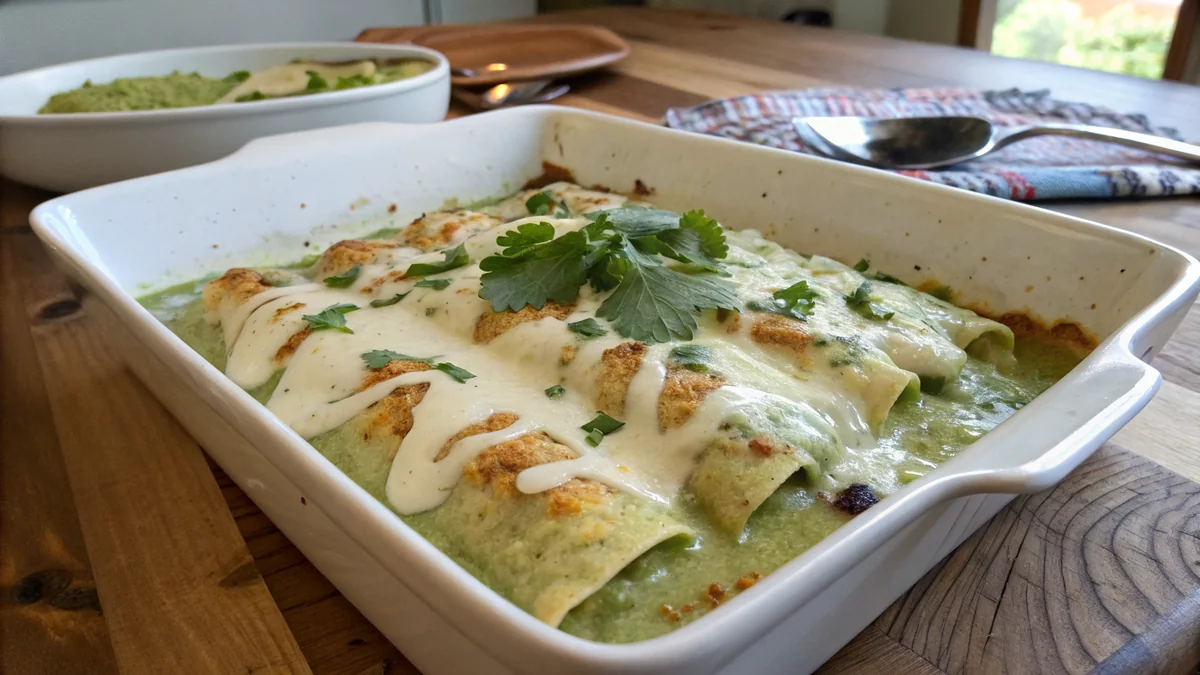
Chef Mia's Poblano Chicken Enchiladas - Tex-Mex Recipes recipe with steps, mistakes to avoid, FAQ.
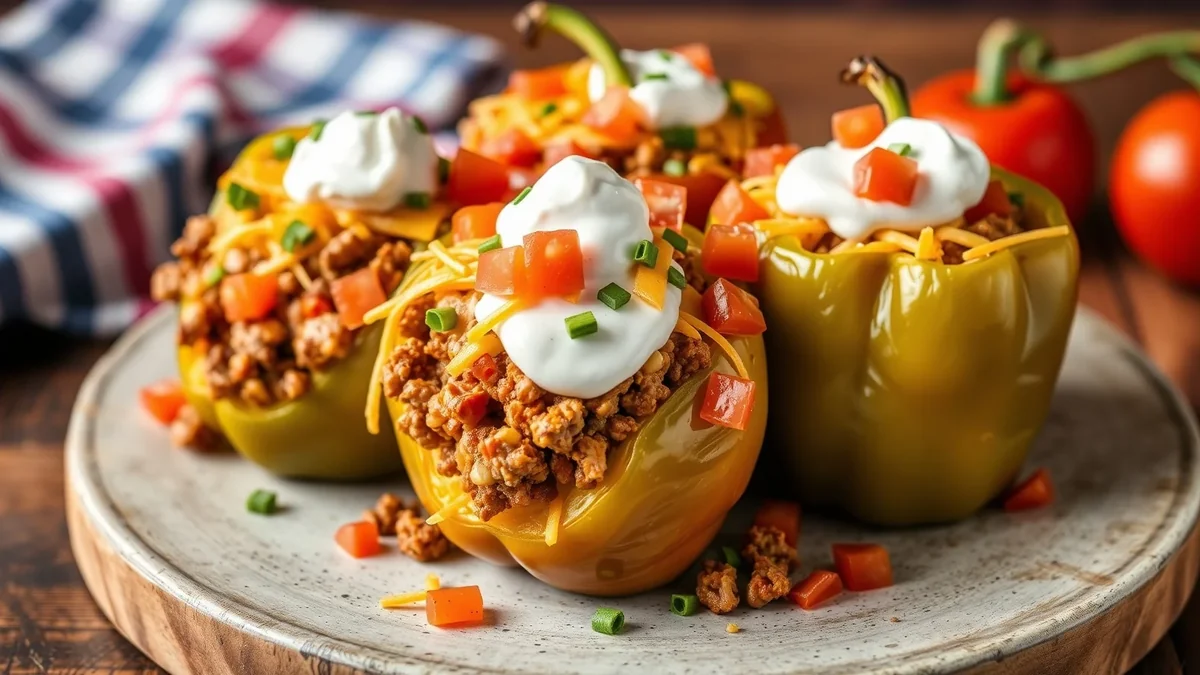
Chef Mia's Taco Stuffed Bell Peppers - Tex-Mex Recipes recipe with steps, mistakes to avoid, FAQ.
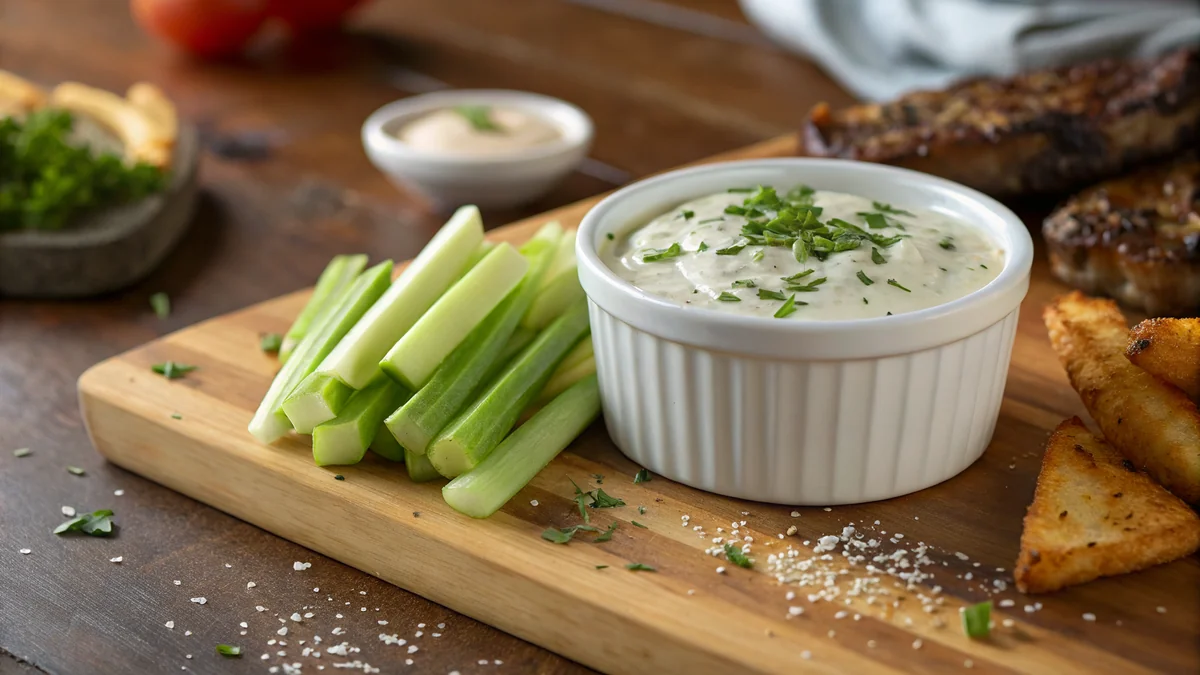
Chef Mia's Texas Roadhouse Ranch Dip - Tex-Mex Recipes recipe with steps, mistakes to avoid, FAQ.
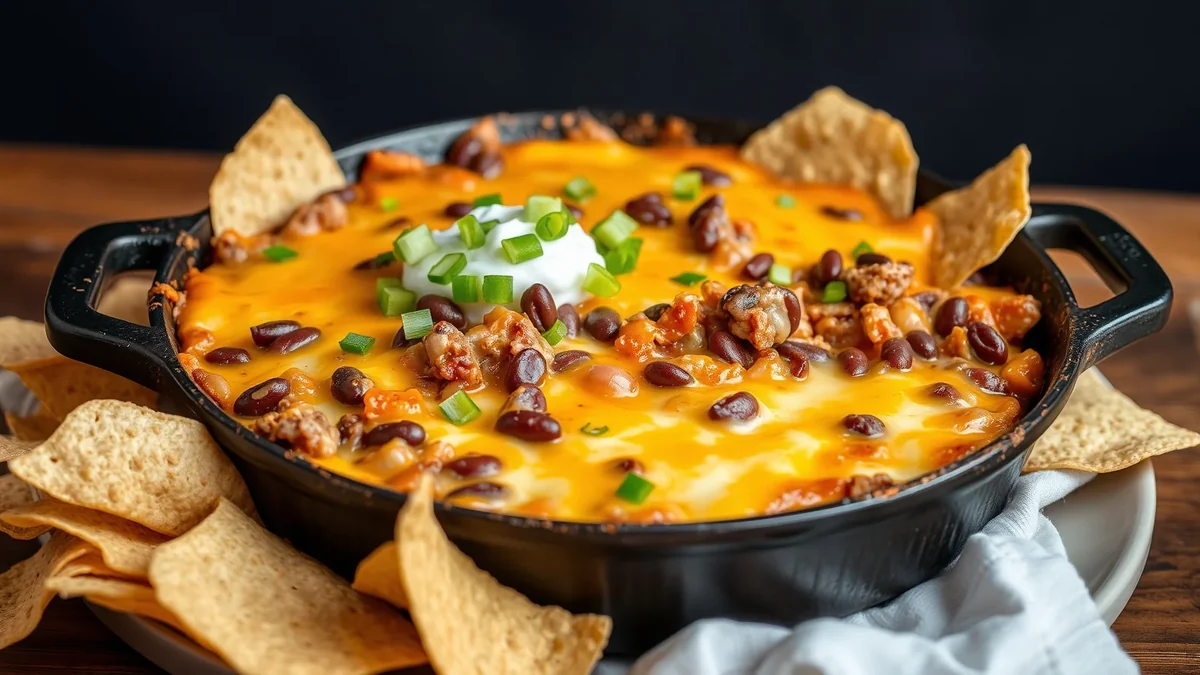
Chef Mia's Texas Trash Dip - Tex-Mex Recipes recipe with steps, mistakes to avoid, FAQ.
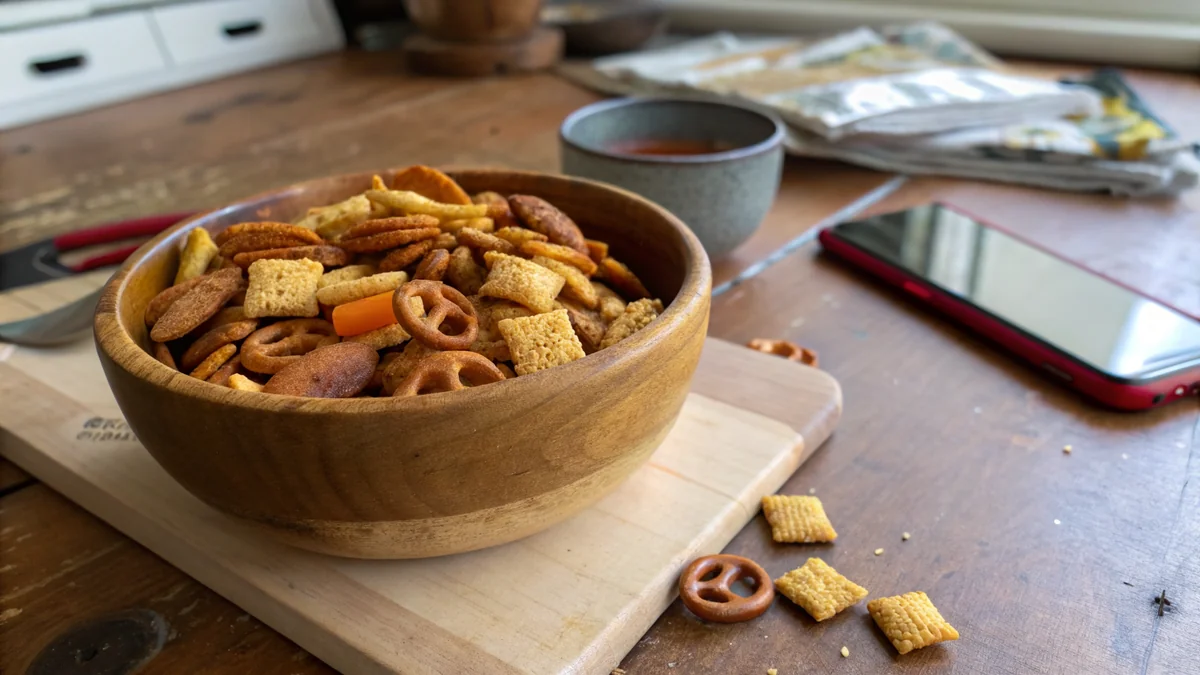
Chef Mia's Texas Trash Snack Mix - Tex-Mex Recipes recipe with steps, mistakes to avoid, FAQ.
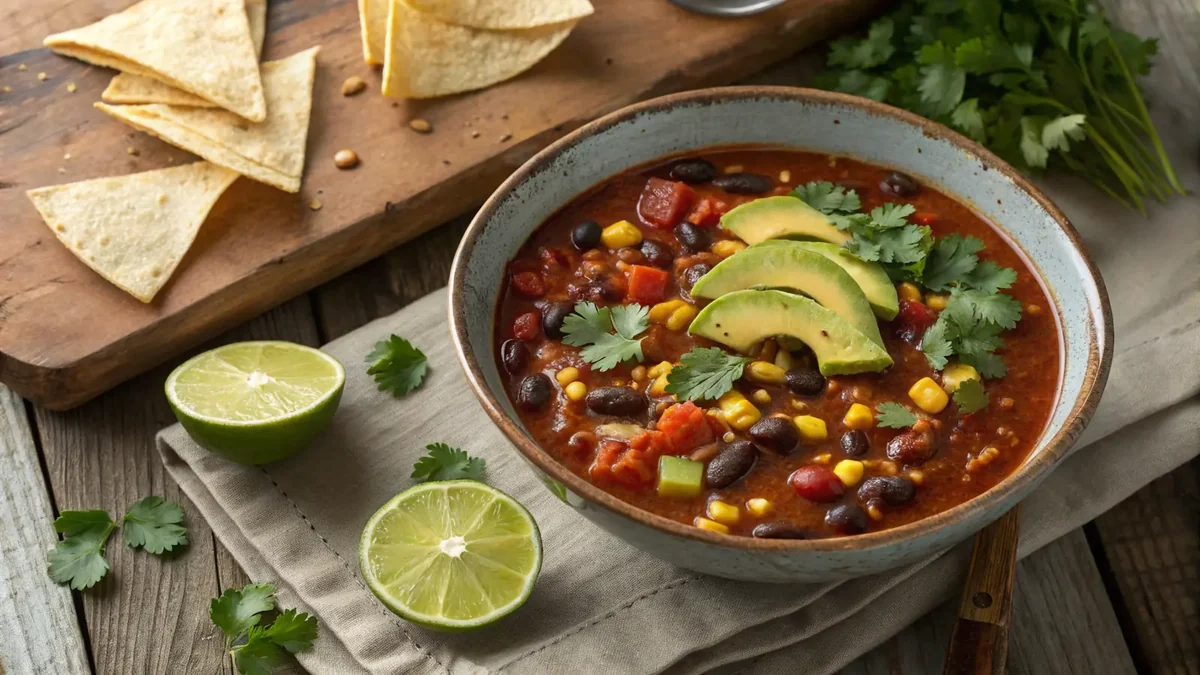
Chef Mia's Taco Soup Frios - Tex-Mex Recipes recipe with steps, mistakes to avoid, FAQ.
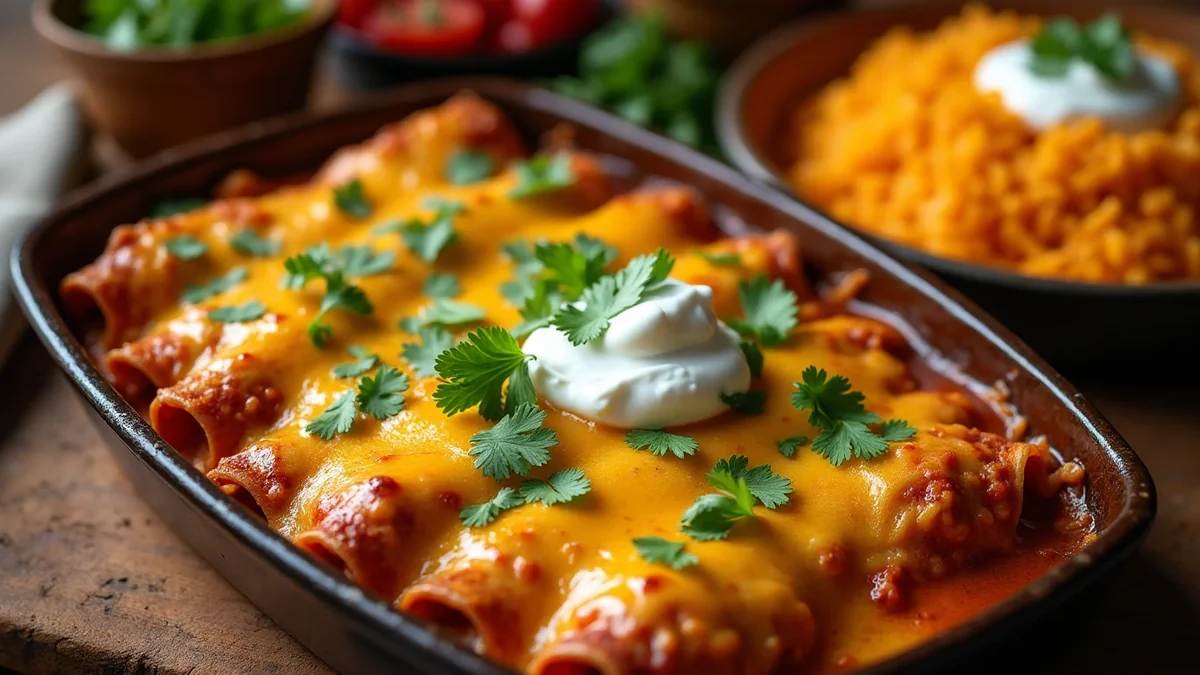
Chef Mia's Boulders Enchilada - Tex-Mex Recipes recipe with steps, mistakes to avoid, FAQ.
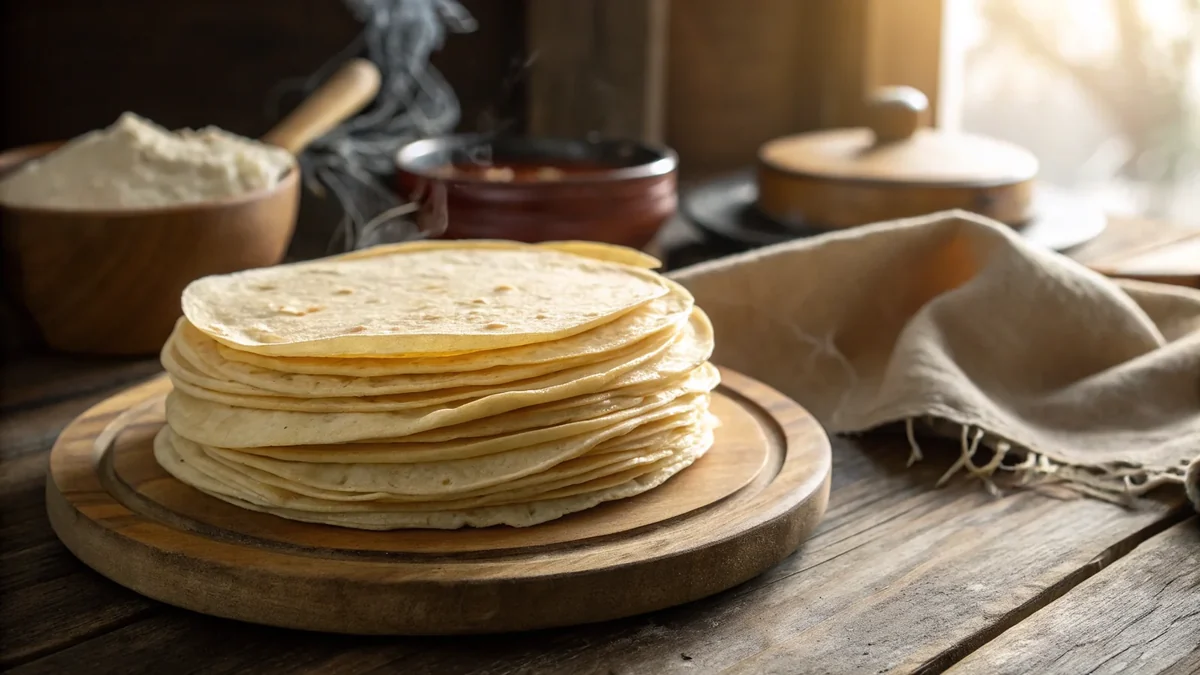
Chef Mia's Buttery Tortillas - Tex-Mex Recipes recipe with steps, mistakes to avoid, FAQ.
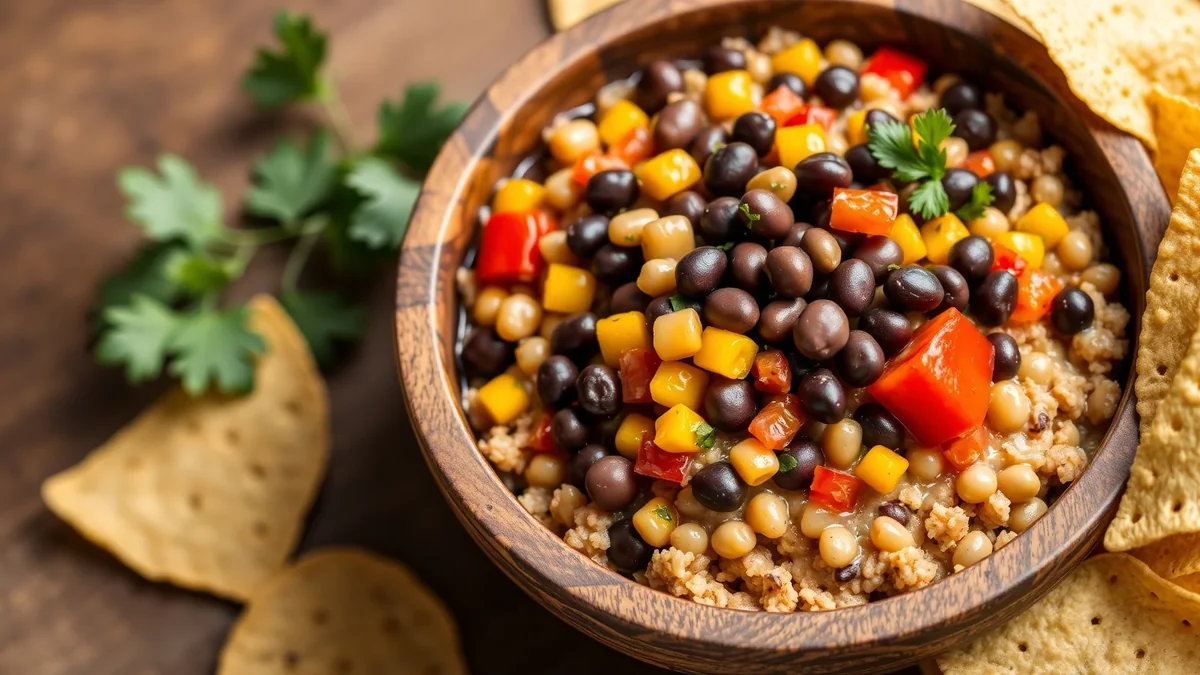
Chef Mia's Texas Caviar - Tex-Mex Recipes recipe with steps, mistakes to avoid, FAQ.
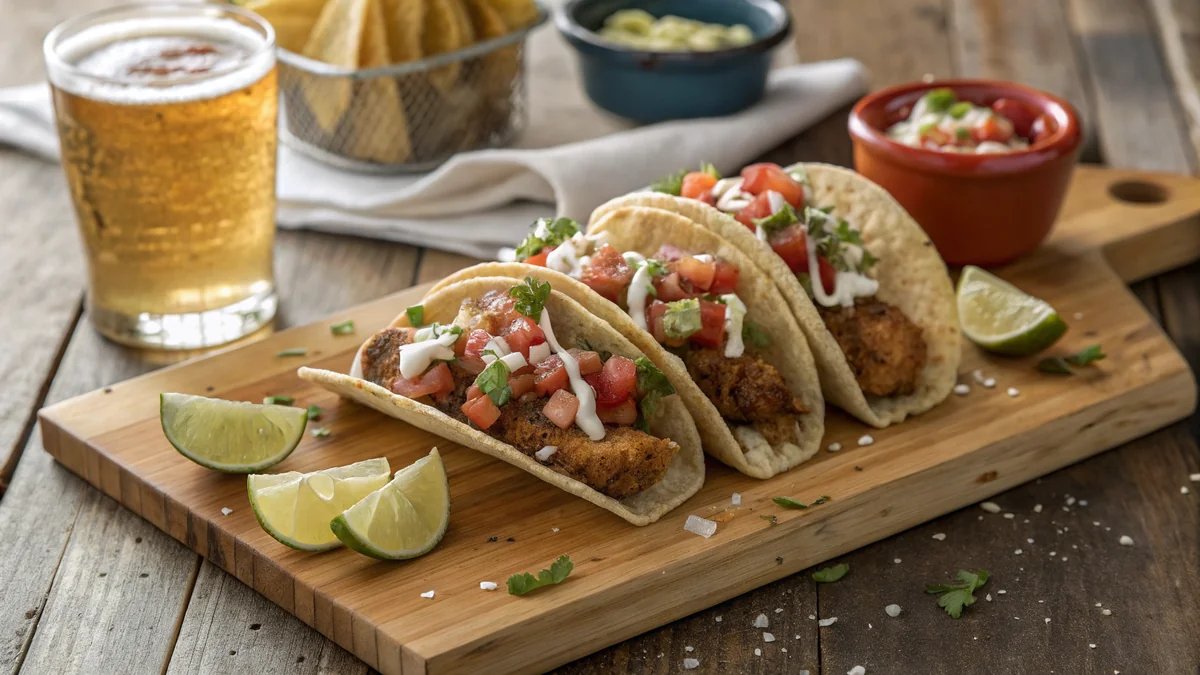
Chef Mia's Crispy Chicken Tacos - Tex-Mex Recipes recipe with steps, mistakes to avoid, FAQ.
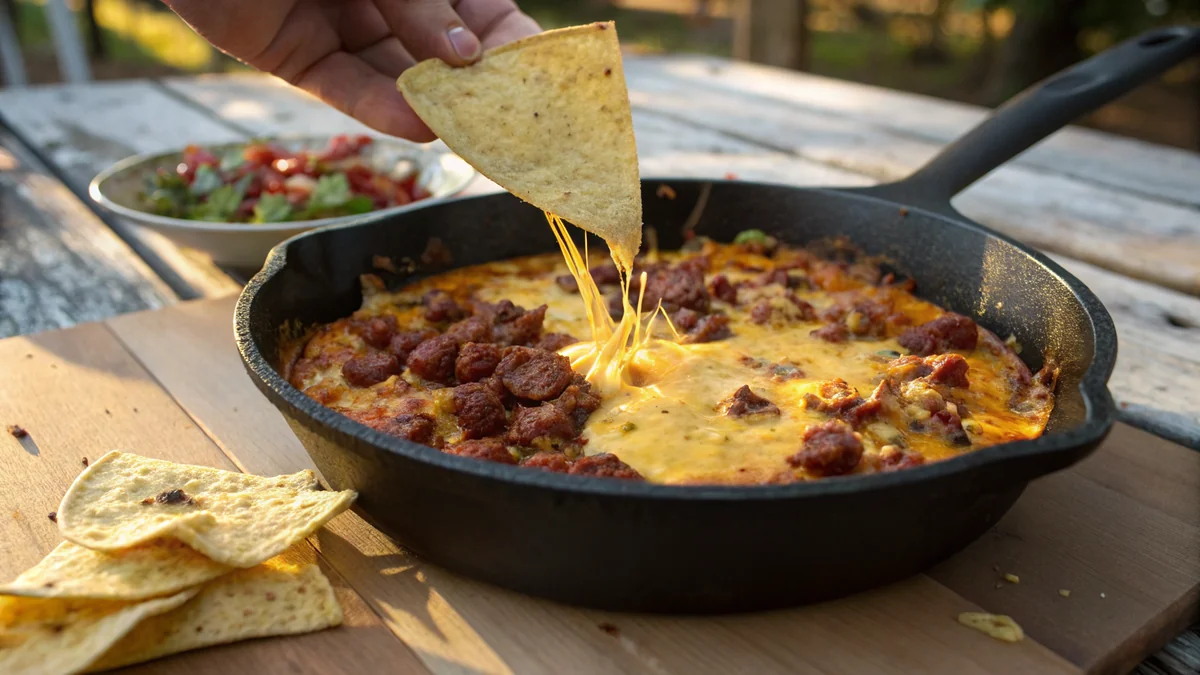
Chef Mia's Smoked Chorizo Queso - Tex-Mex Recipes recipe with steps, mistakes to avoid, FAQ.
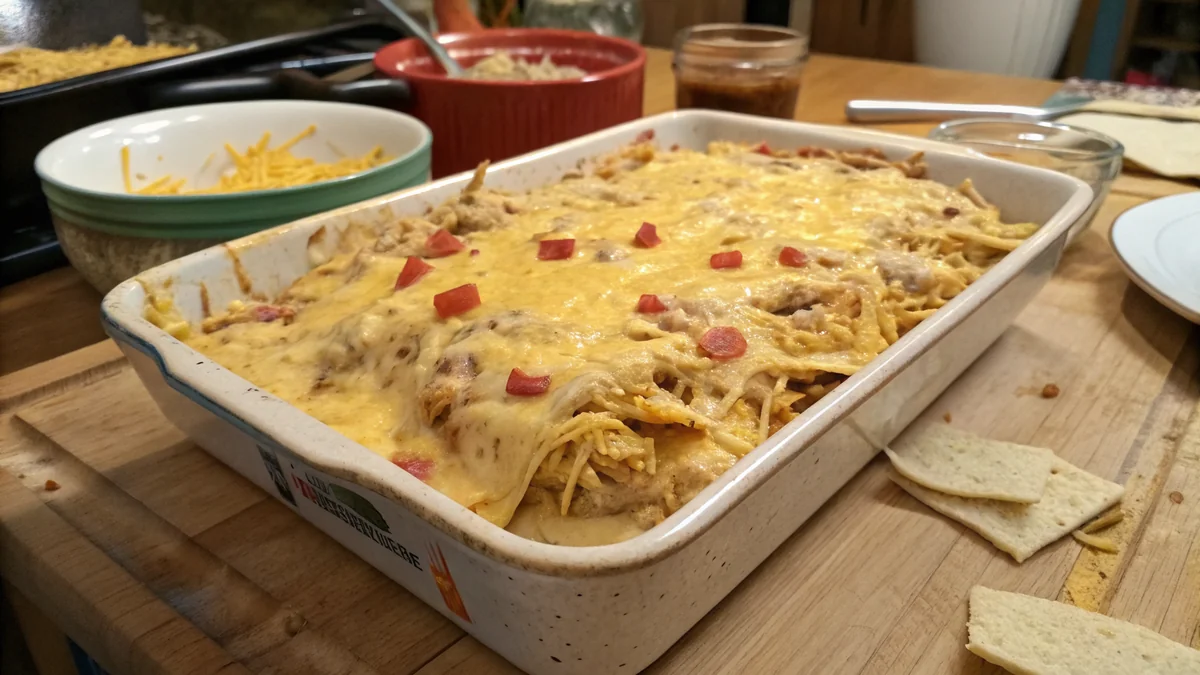
Chef Mia's Original King Ranch Chicken - Tex-Mex Recipes recipe with steps, mistakes to avoid, FAQ.
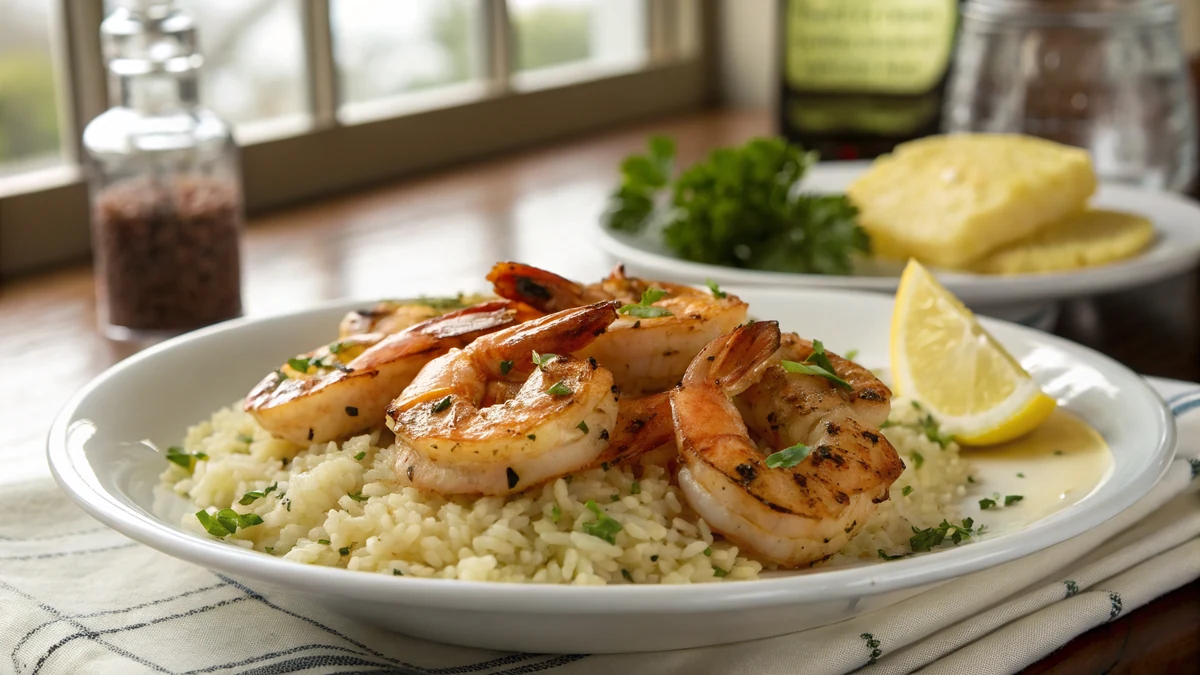
Chef Mia's Texas Roadhouse Grilled Shrimp Copycat - Tex-Mex Recipes recipe with steps, mistakes to avoid, FAQ.
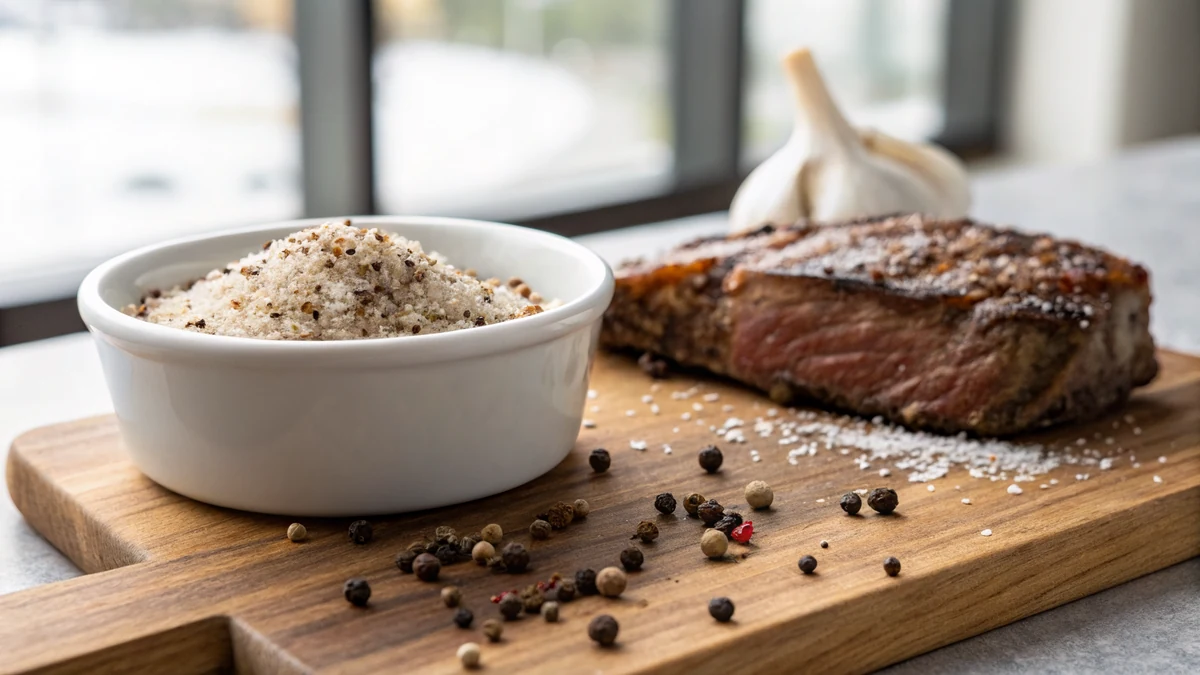
Chef Mia's Texas Roadhouse Steak Seasoning Copycat - Tex-Mex Recipes recipe with steps, mistakes to avoid, FAQ.
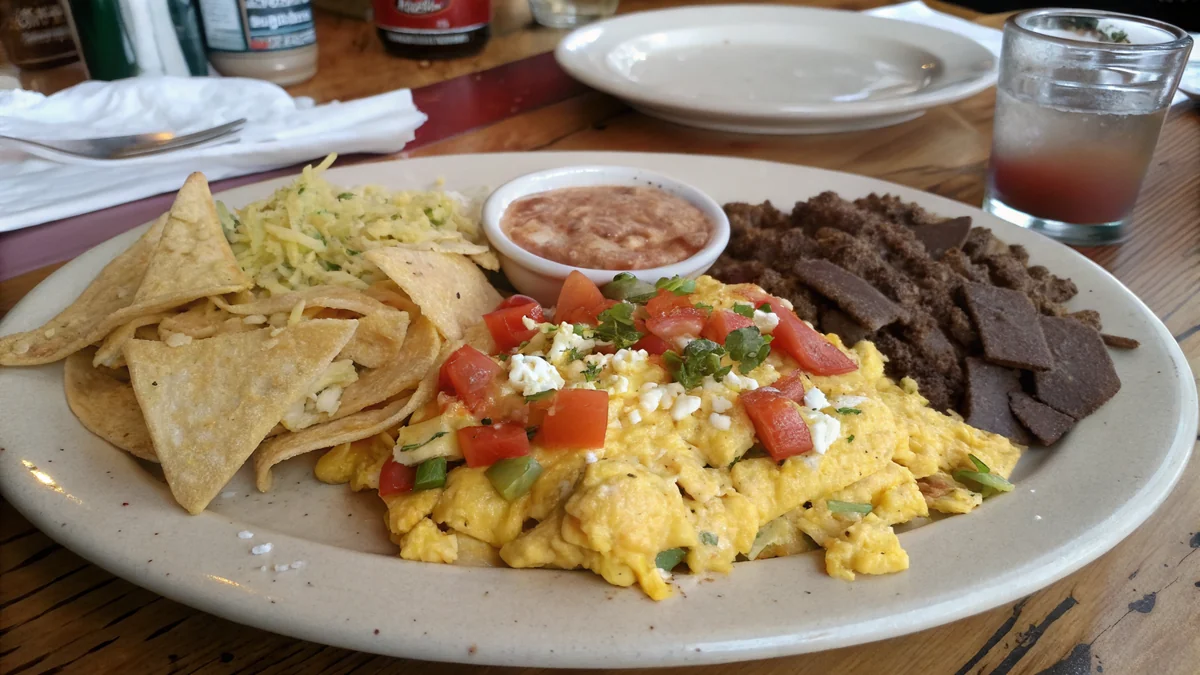
Chef Mia's Migas - Tex-Mex Recipes recipe with steps, mistakes to avoid, FAQ.
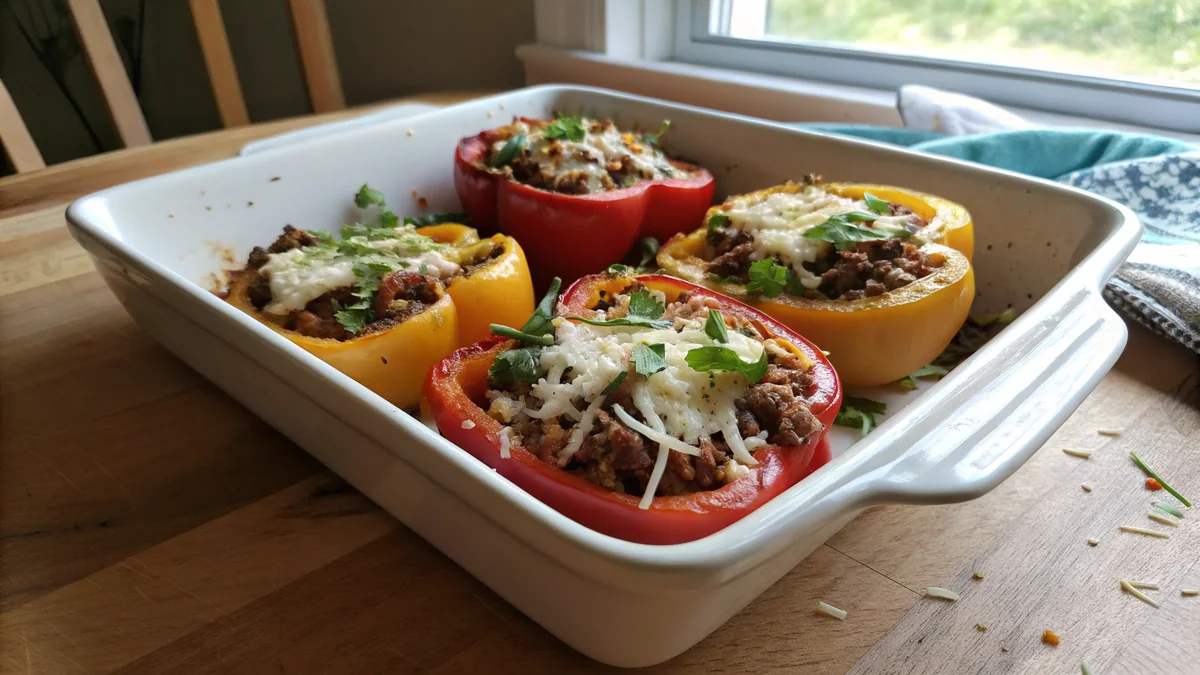
Chef Mia's Stuffed Bell Peppers Without Rice - Tex-Mex Recipes recipe with steps, mistakes to avoid, FAQ.
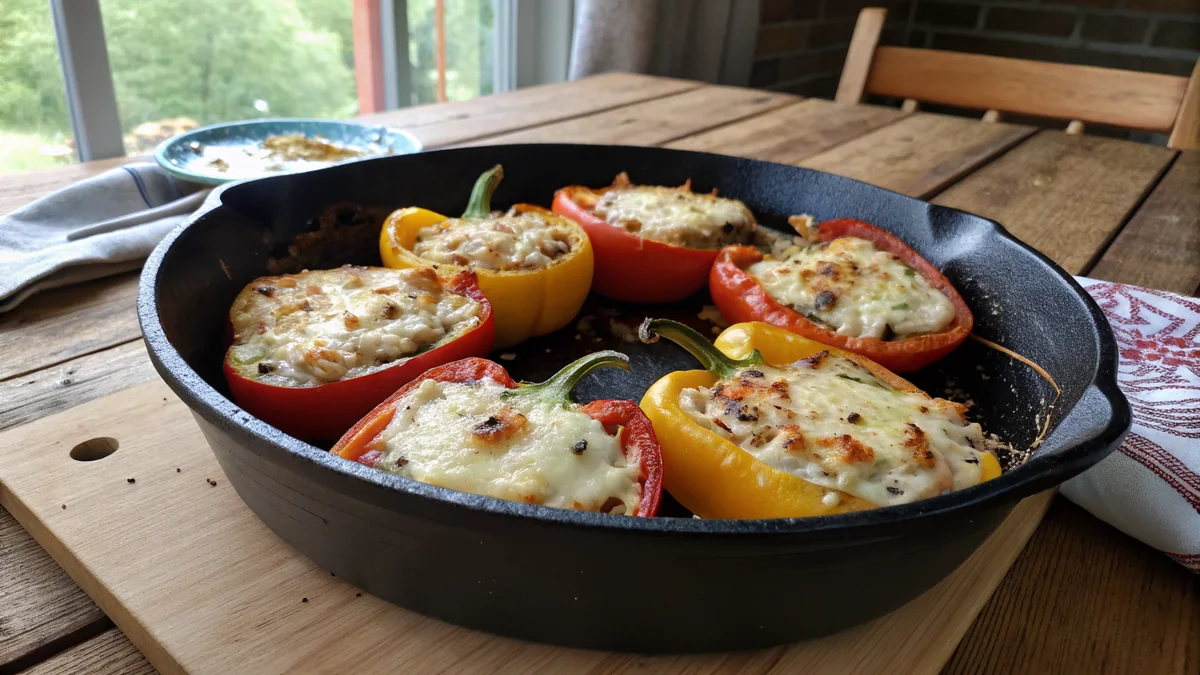
Chef Mia's Cheese Stuffed Bell Peppers - Tex-Mex Recipes recipe with steps, mistakes to avoid, FAQ.
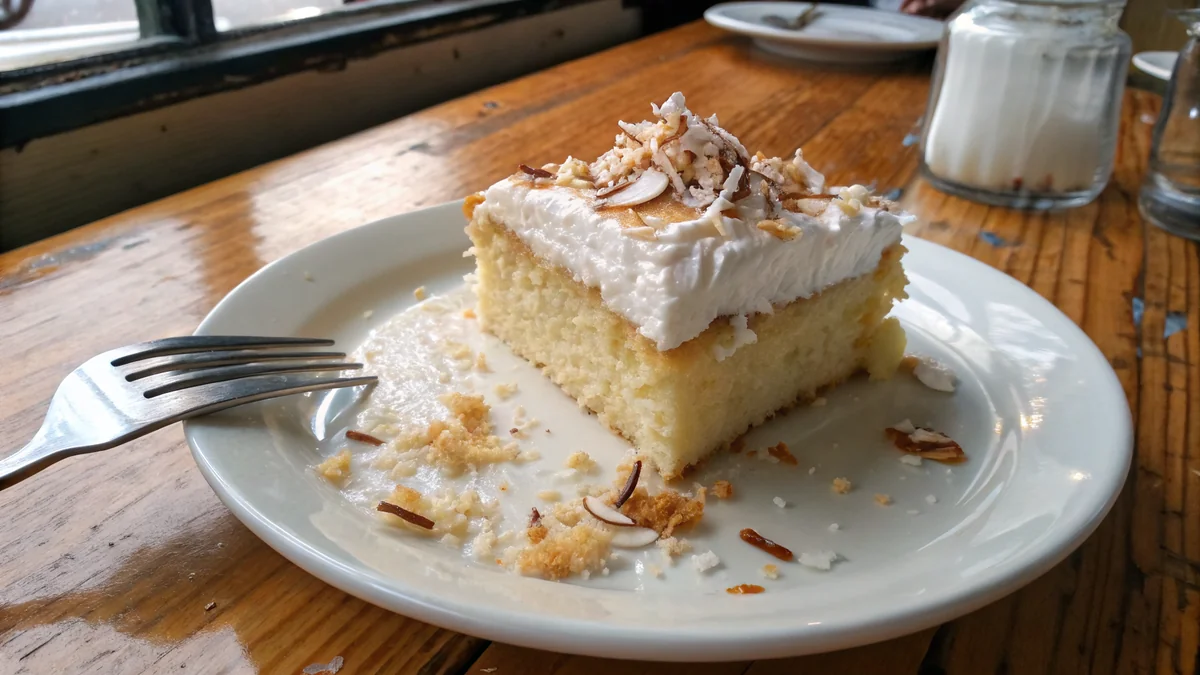
Chef Mia's Coconut Tres Leches Cake - Tex-Mex Recipes recipe with steps, mistakes to avoid, FAQ.
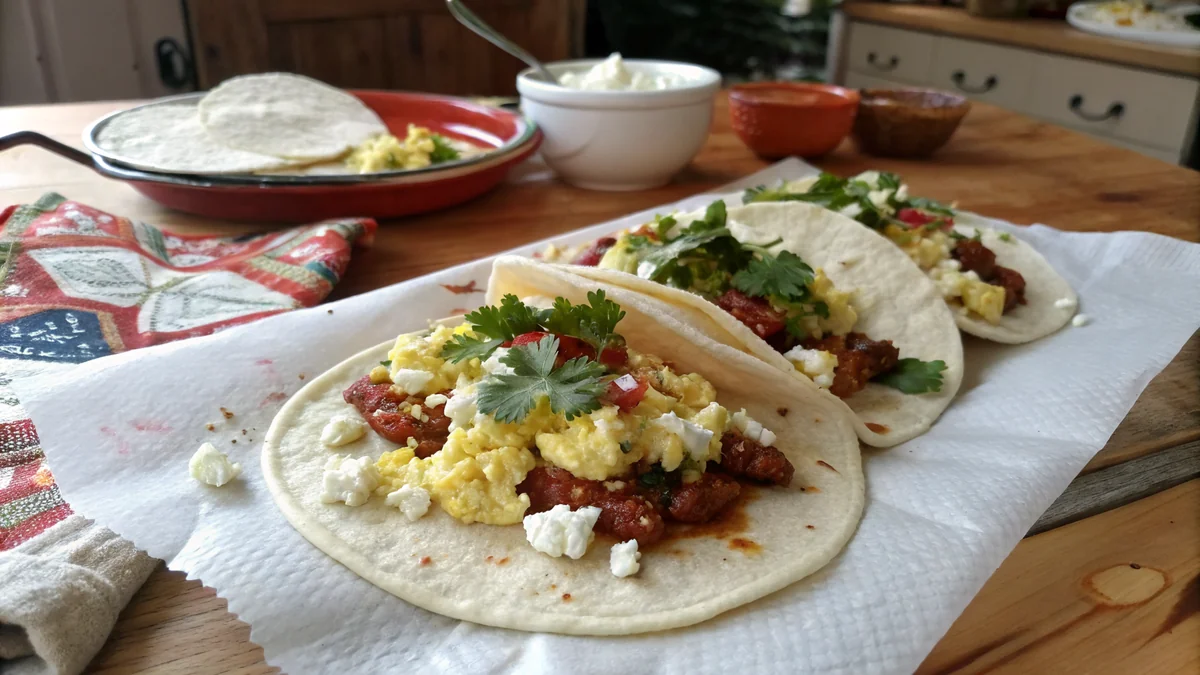
Chef Mia's Austin Breakfast Tacos - Tex-Mex Recipes recipe with steps, mistakes to avoid, FAQ.
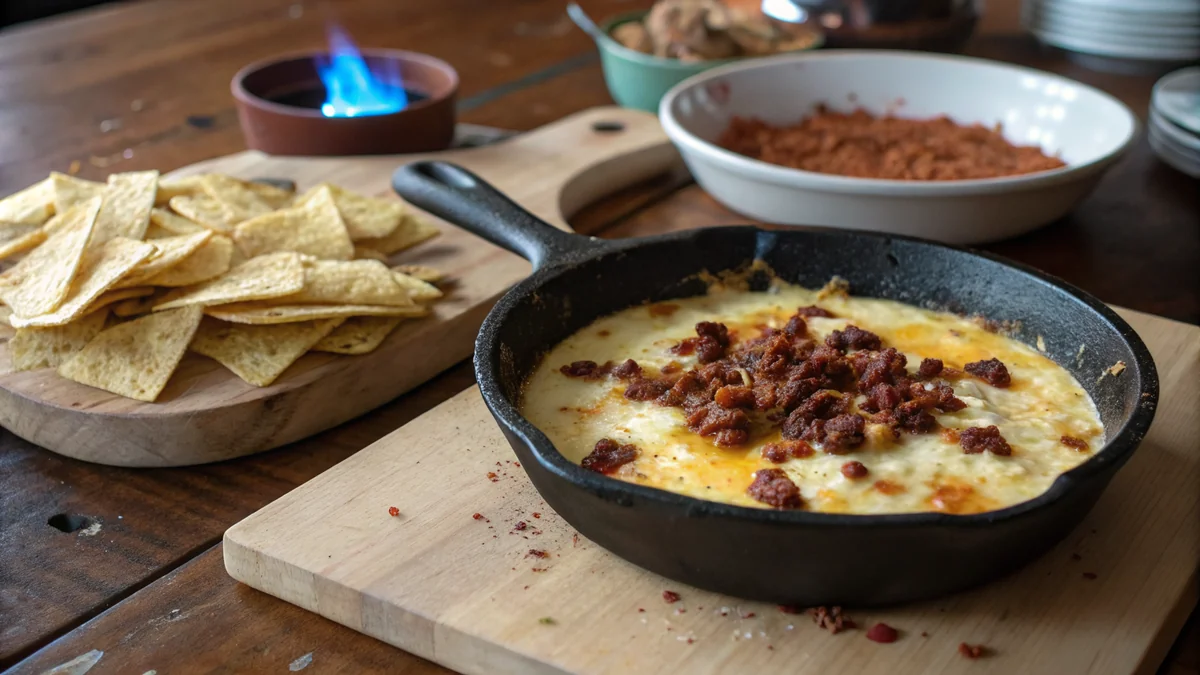
Chef Mia's Queso Flameado - Tex-Mex Recipes recipe with steps, mistakes to avoid, FAQ.
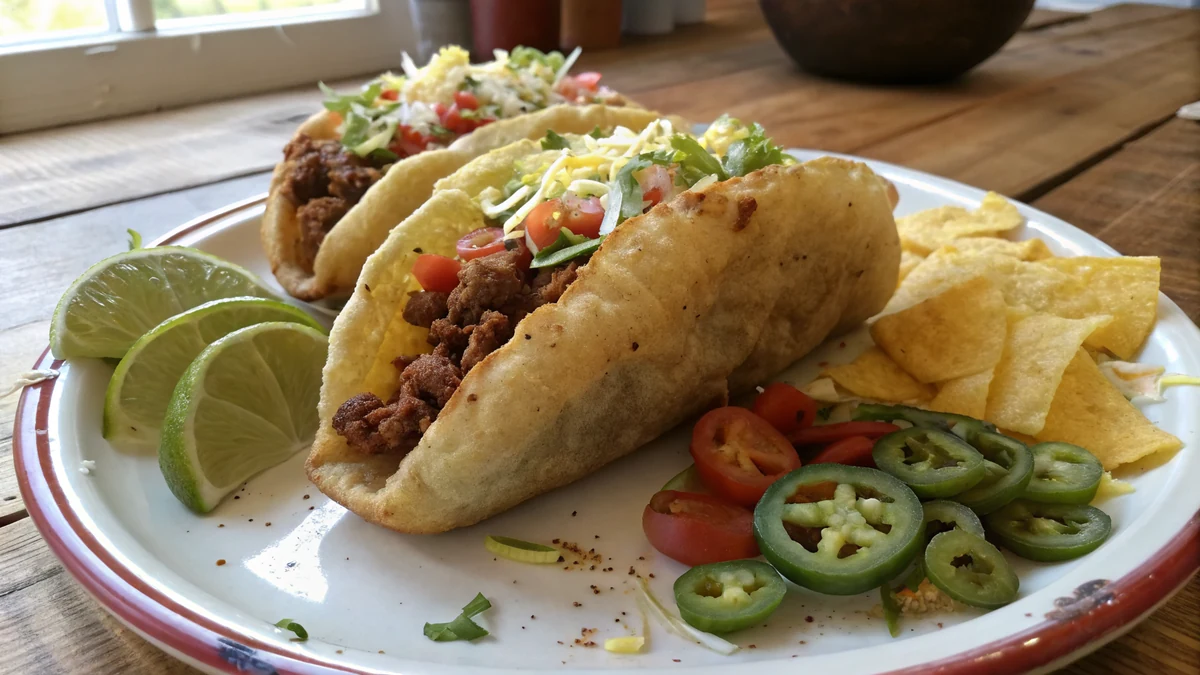
Chef Mia's San Antonio Puffy Tacos - Tex-Mex Recipes recipe with steps, mistakes to avoid, FAQ.
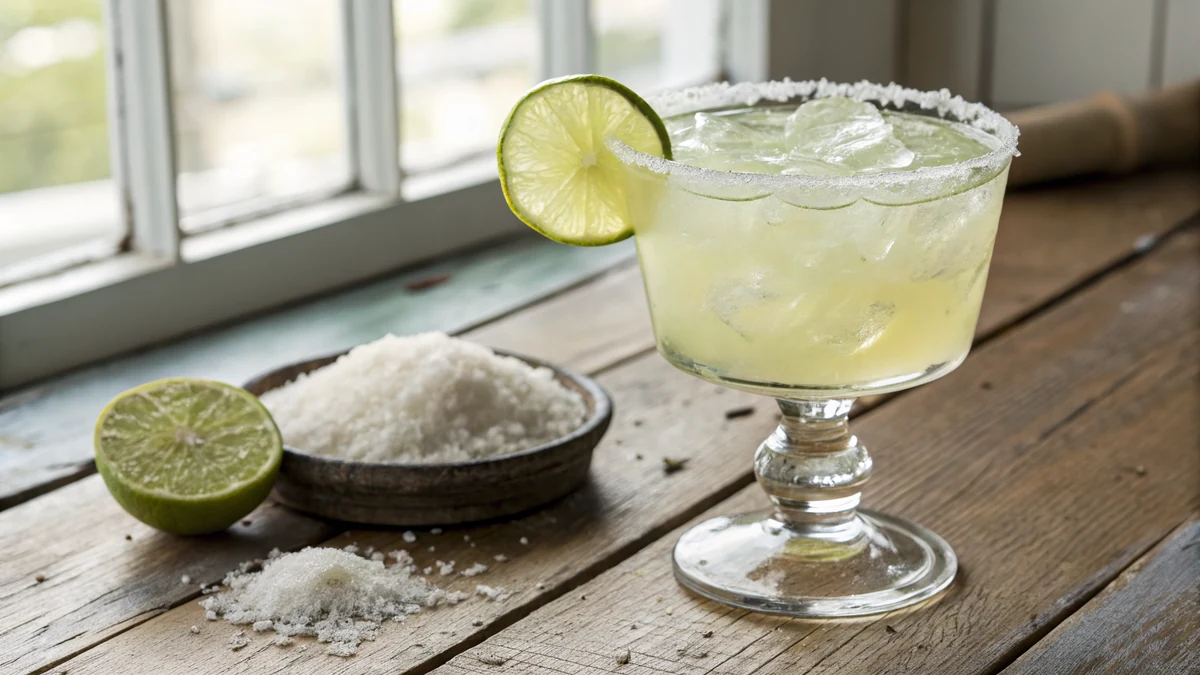
Chef Mia's Texas Margarita - Tex-Mex Recipes recipe with steps, mistakes to avoid, FAQ.
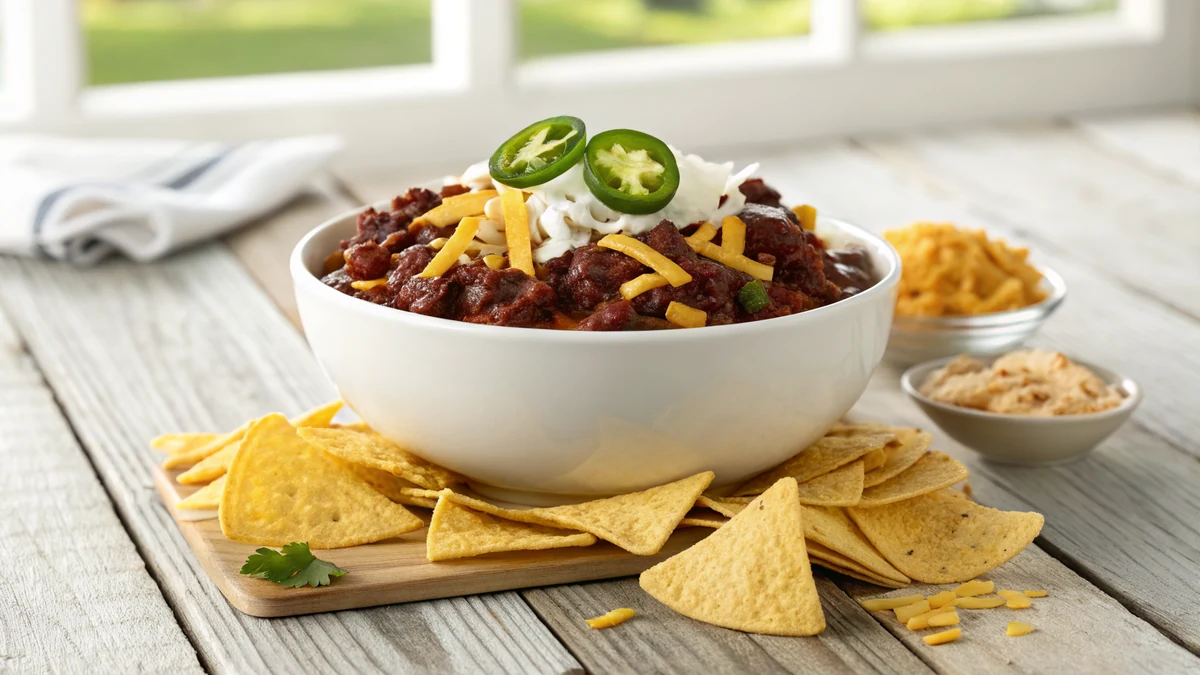
Chef Mia's Texas Frito Pie - Tex-Mex Recipes recipe with steps, mistakes to avoid, FAQ.
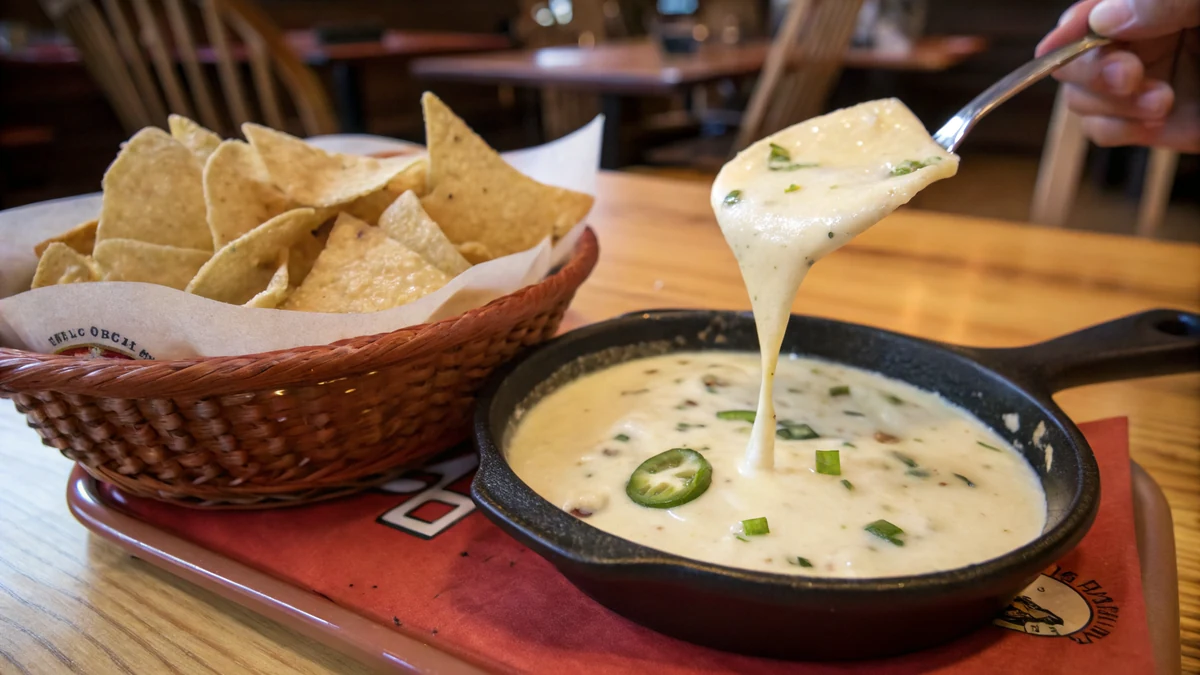
Chef Mia's White Queso Dip - Tex-Mex Recipes recipe with steps, mistakes to avoid, FAQ.
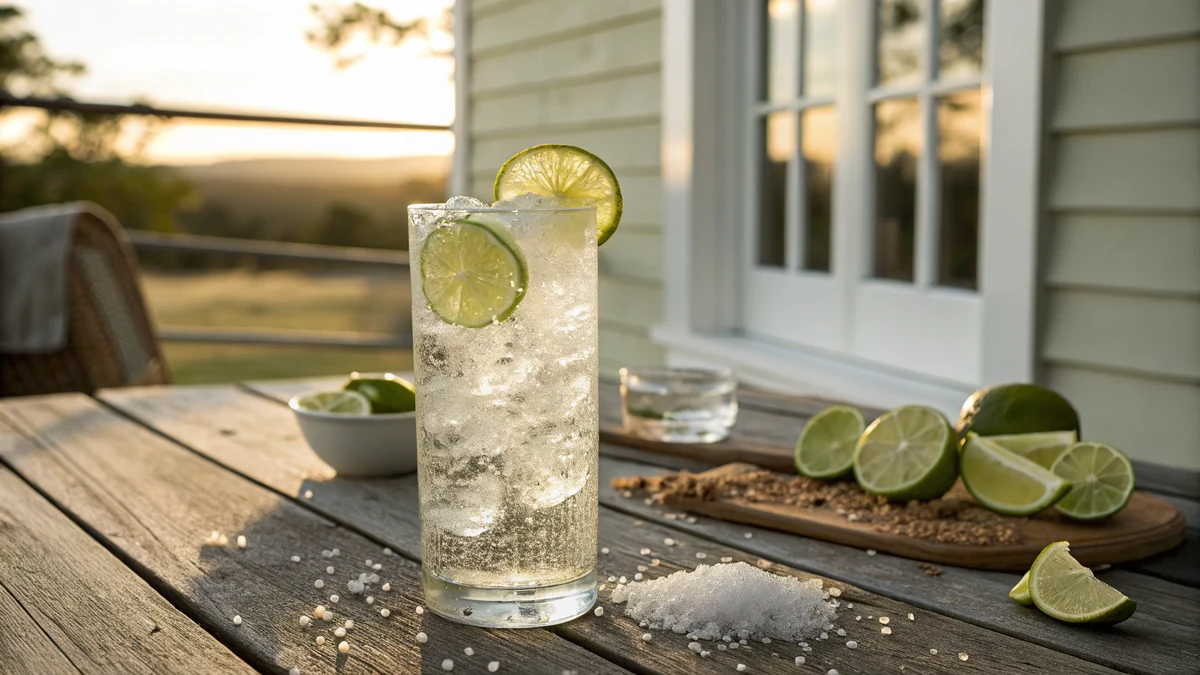
Chef Mia's Ranch Water Cocktail - Tex-Mex Recipes recipe with steps, mistakes to avoid, FAQ.
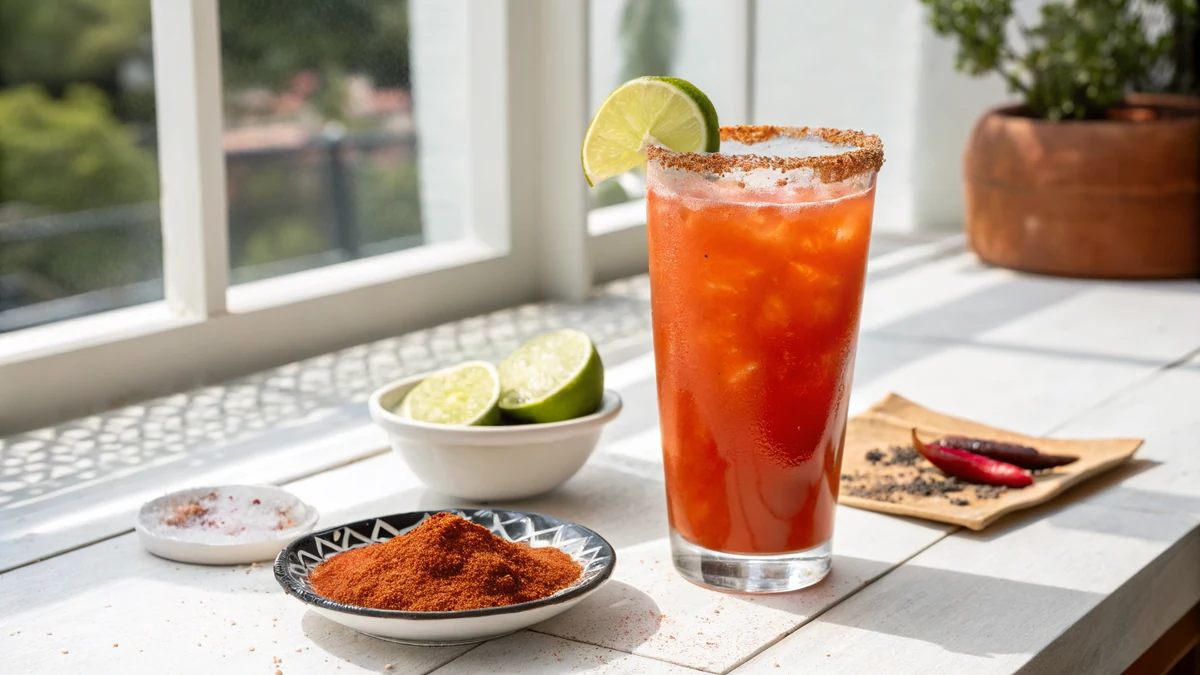
Chef Mia's Texas Michelada - Tex-Mex Recipes recipe with steps, mistakes to avoid, FAQ.
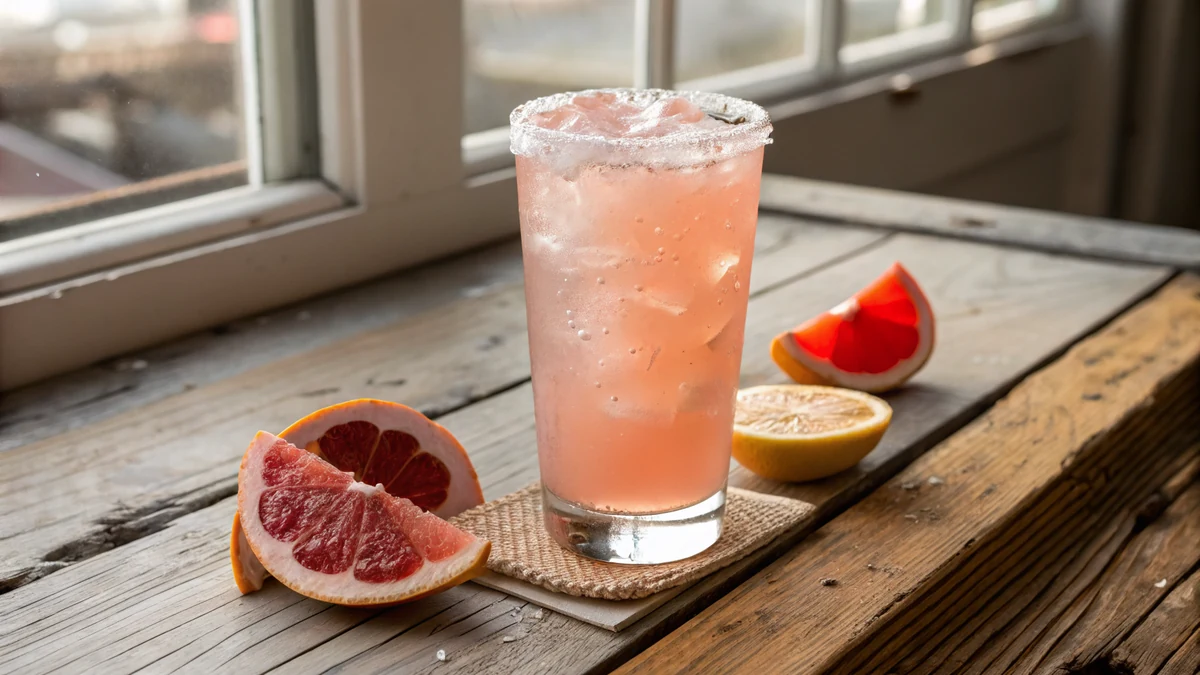
Chef Mia's Texas Paloma Cocktail - Tex-Mex Recipes recipe with steps, mistakes to avoid, FAQ.
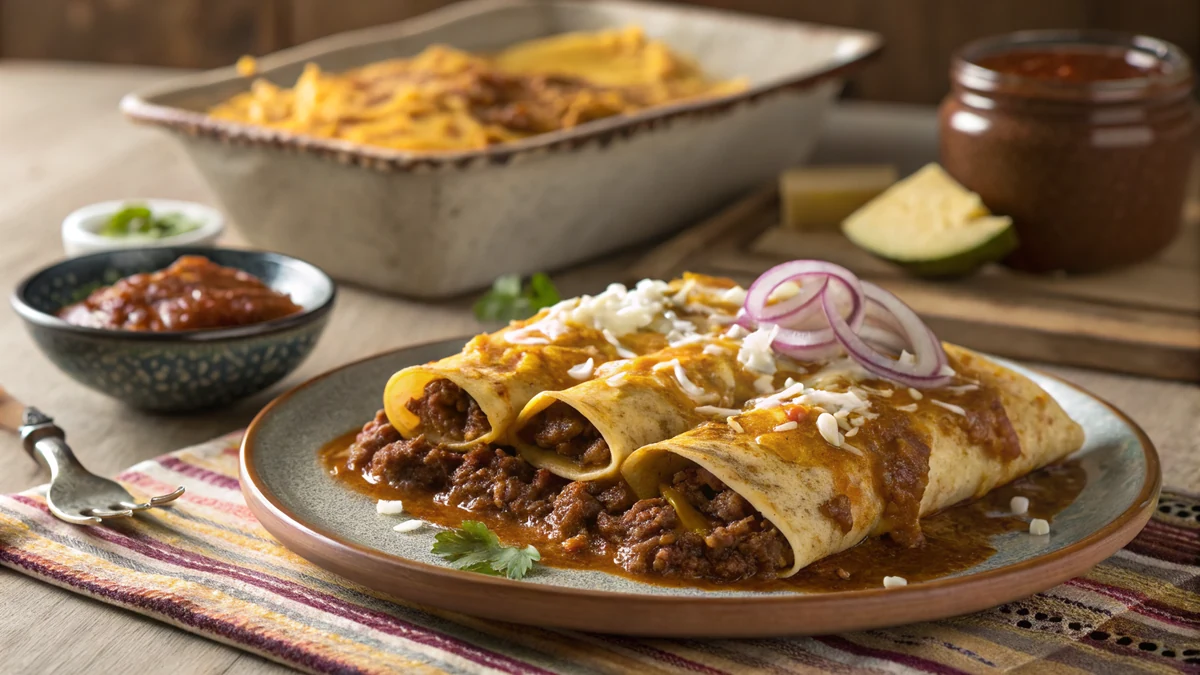
Chef Mia's Authentic Tex-Mex Beef Enchiladas - Tex-Mex Recipes recipe with steps, mistakes to avoid, FAQ.
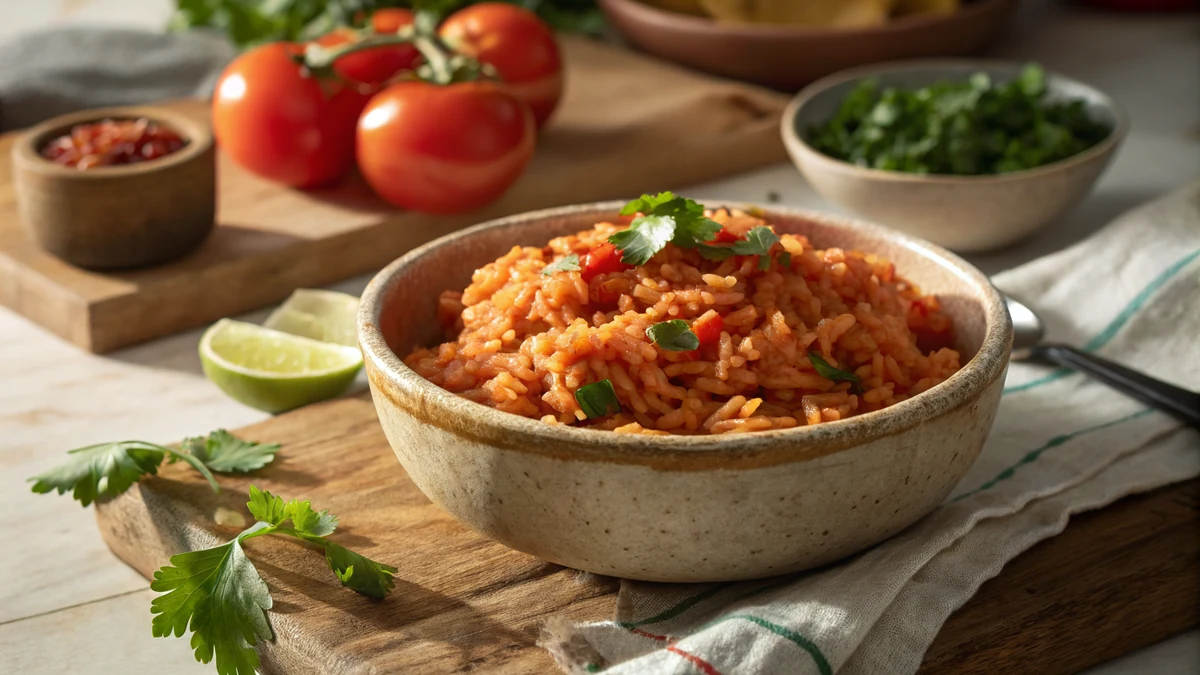
Chef Mia's Authentic Mexican Rice - Tex-Mex Recipes recipe with steps, mistakes to avoid, FAQ.
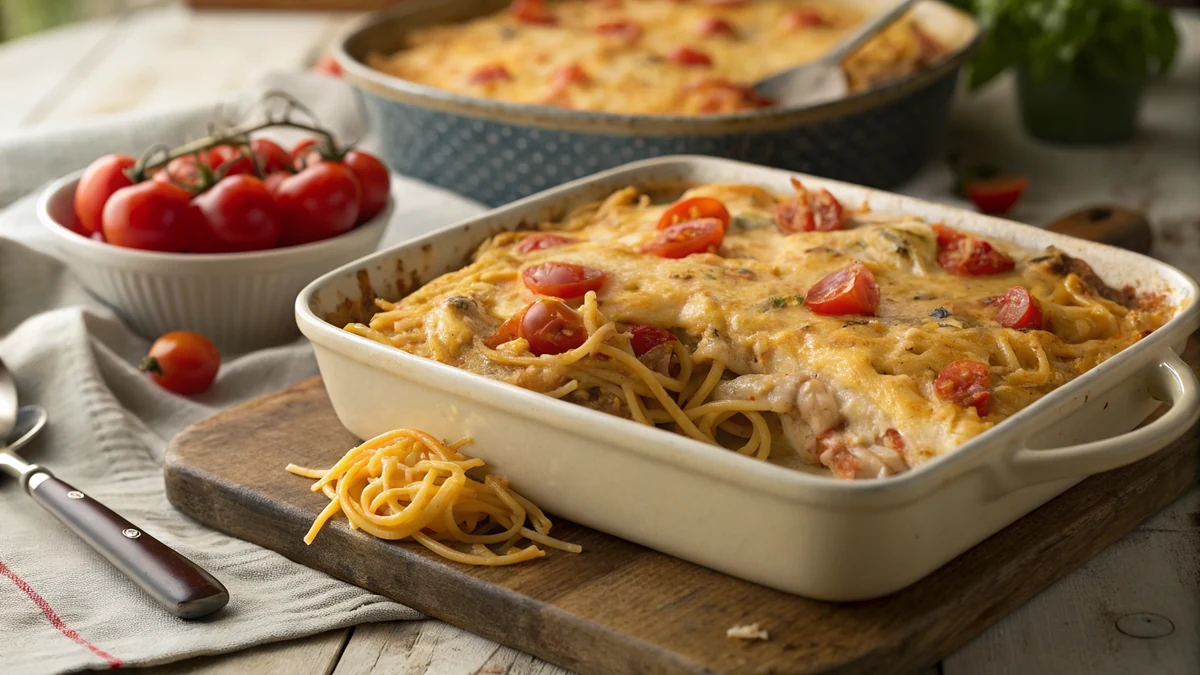
Chef Mia's Texas Chicken Spaghetti Casserole - Tex-Mex Recipes recipe with steps, mistakes to avoid, FAQ.
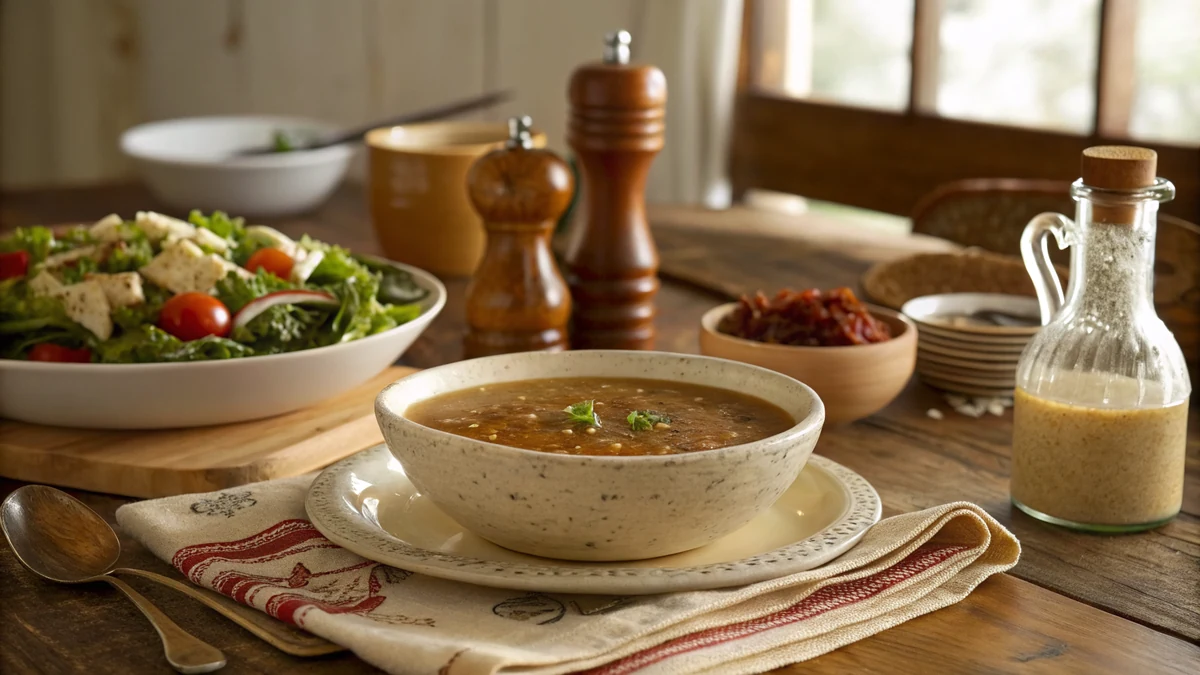
Chef Mia's Texas Roadhouse Italian Dressing Copycat - Tex-Mex Recipes recipe with steps, mistakes to avoid, FAQ.
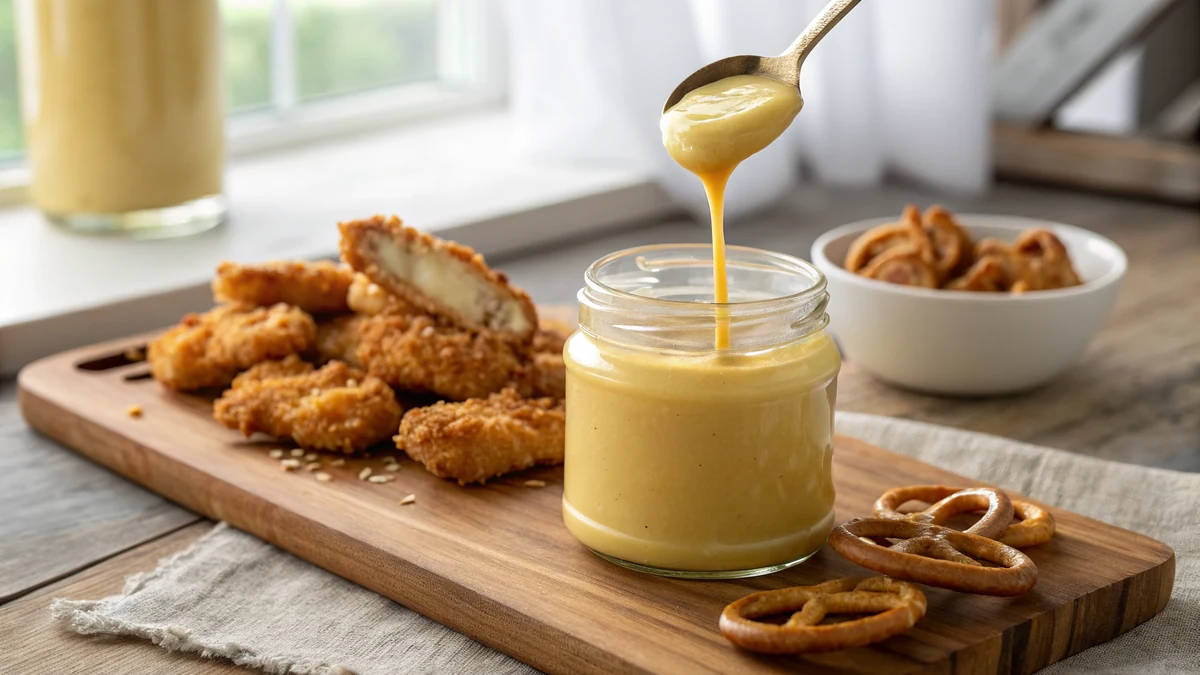
Chef Mia's Texas Roadhouse Honey Mustard Copycat - Tex-Mex Recipes recipe with steps, mistakes to avoid, FAQ.
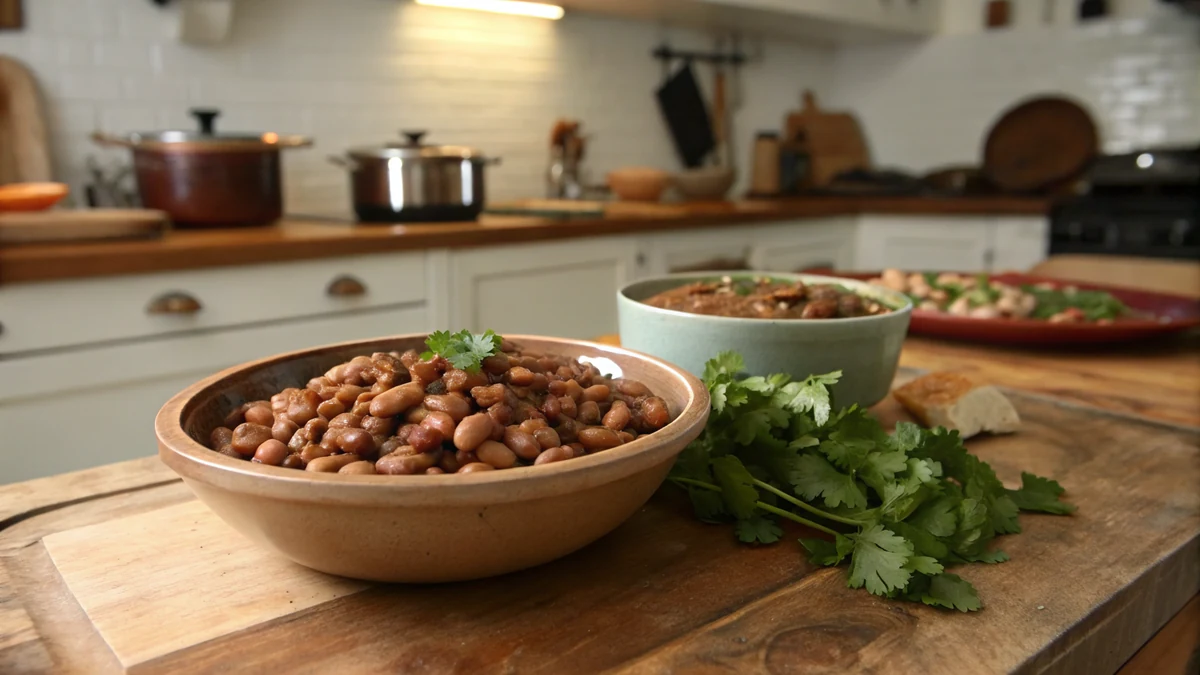
Chef Mia's Texas Pinto Beans - Tex-Mex Recipes recipe with steps, mistakes to avoid, FAQ.
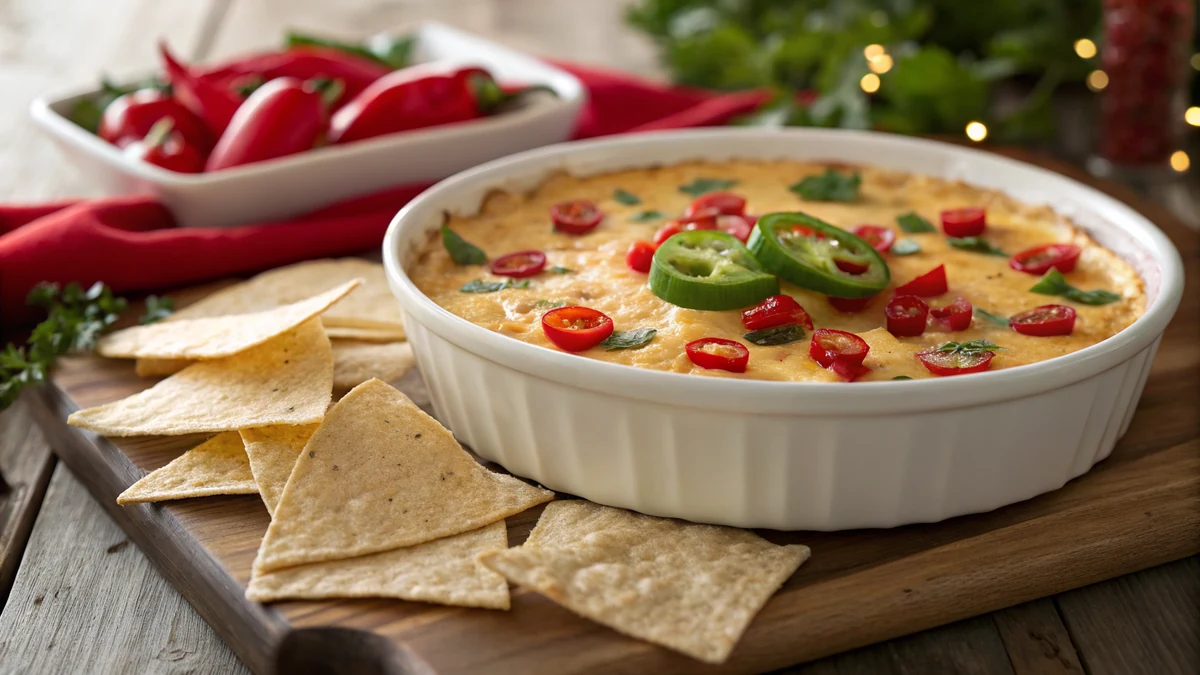
Chef Mia's Texas Christmas Dip - Tex-Mex Recipes recipe with steps, mistakes to avoid, FAQ.
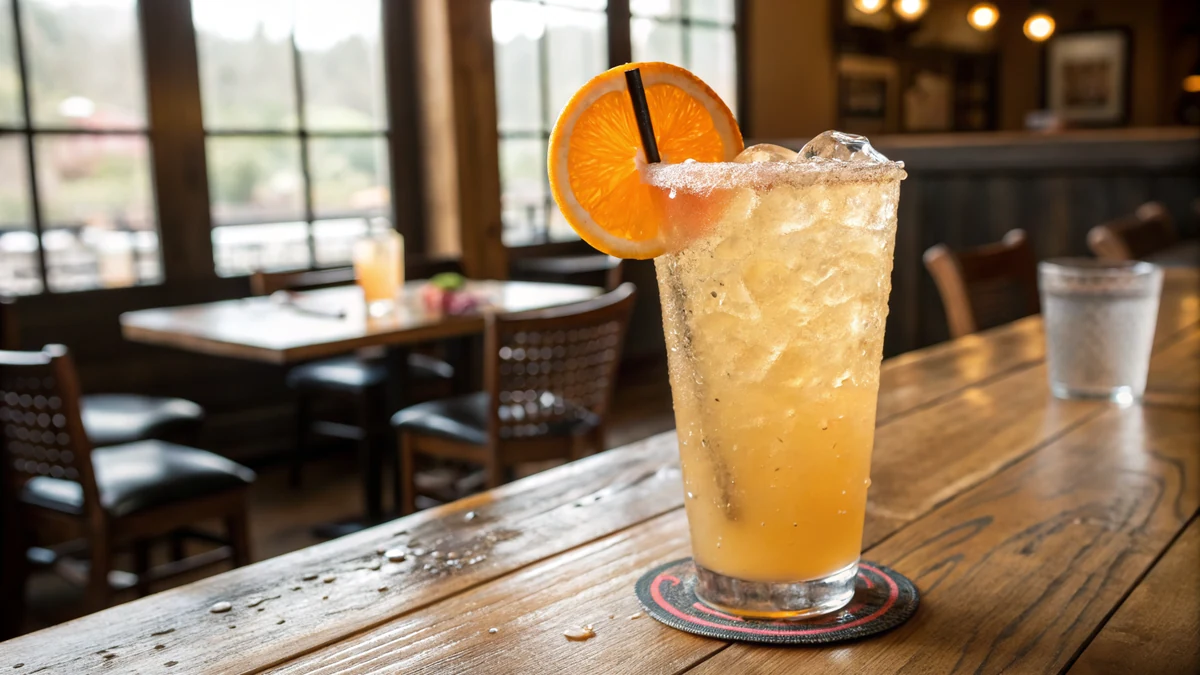
Chef Mia's Texas Roadhouse Jamaican Cowboy Copycat - Tex-Mex Recipes recipe with steps, mistakes to avoid, FAQ.
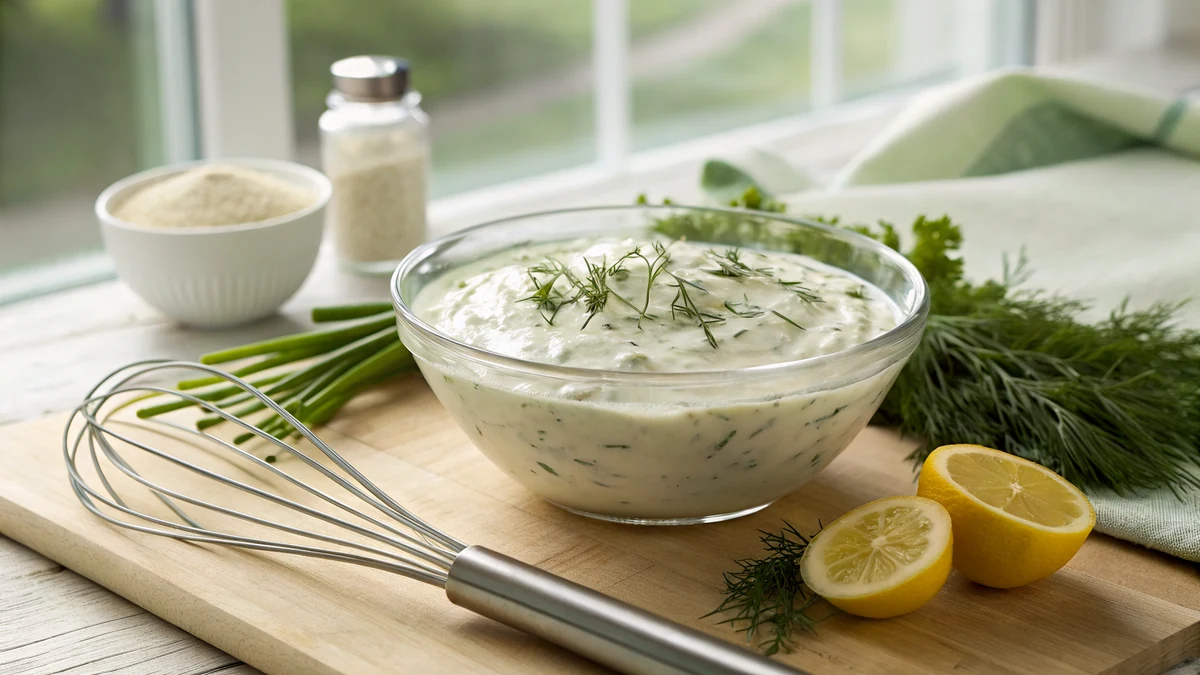
Chef Mia's Texas Roadhouse Ranch Dressing Copycat - Tex-Mex Recipes recipe with steps, mistakes to avoid, FAQ.
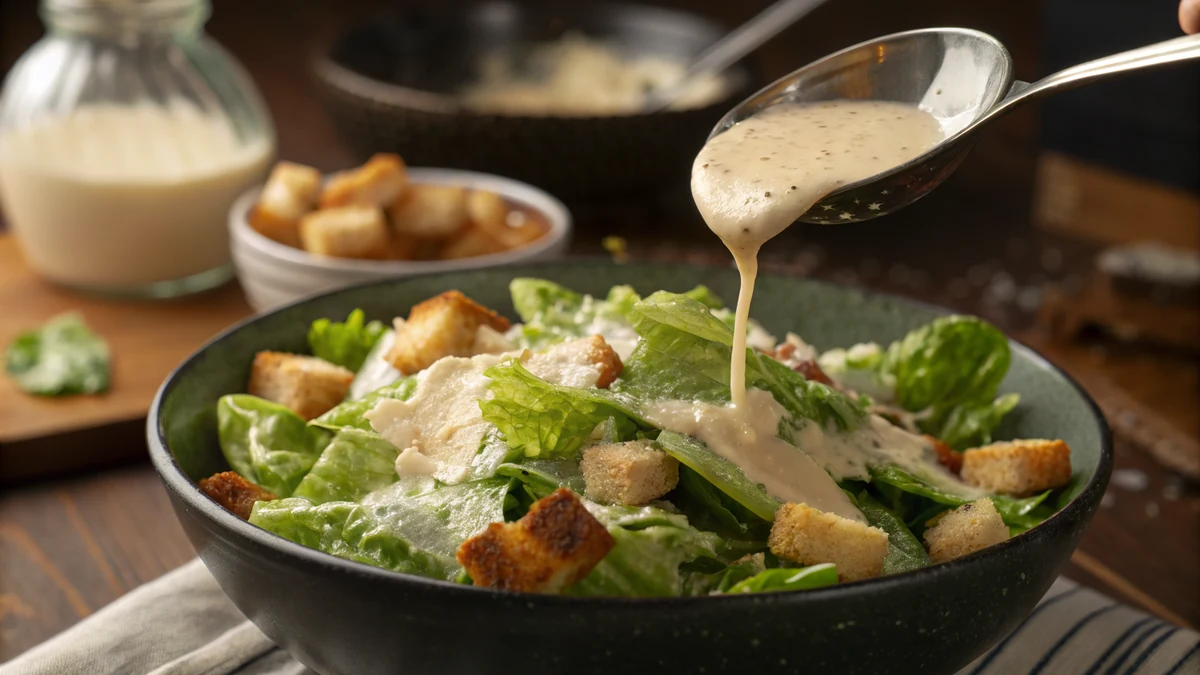
Chef Mia's Texas Roadhouse Caesar Dressing Copycat - Tex-Mex Recipes recipe with steps, mistakes to avoid, FAQ.
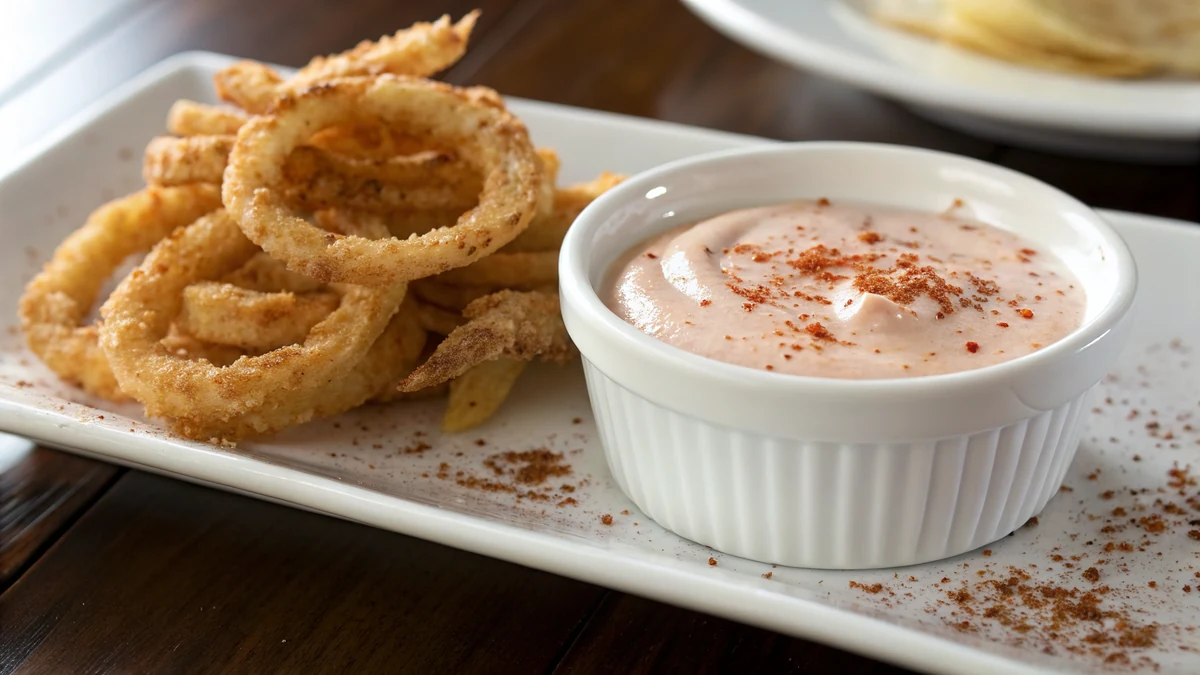
Chef Mia's Texas Roadhouse Blooming Onion Sauce - Tex-Mex Recipes recipe with steps, mistakes to avoid, FAQ.
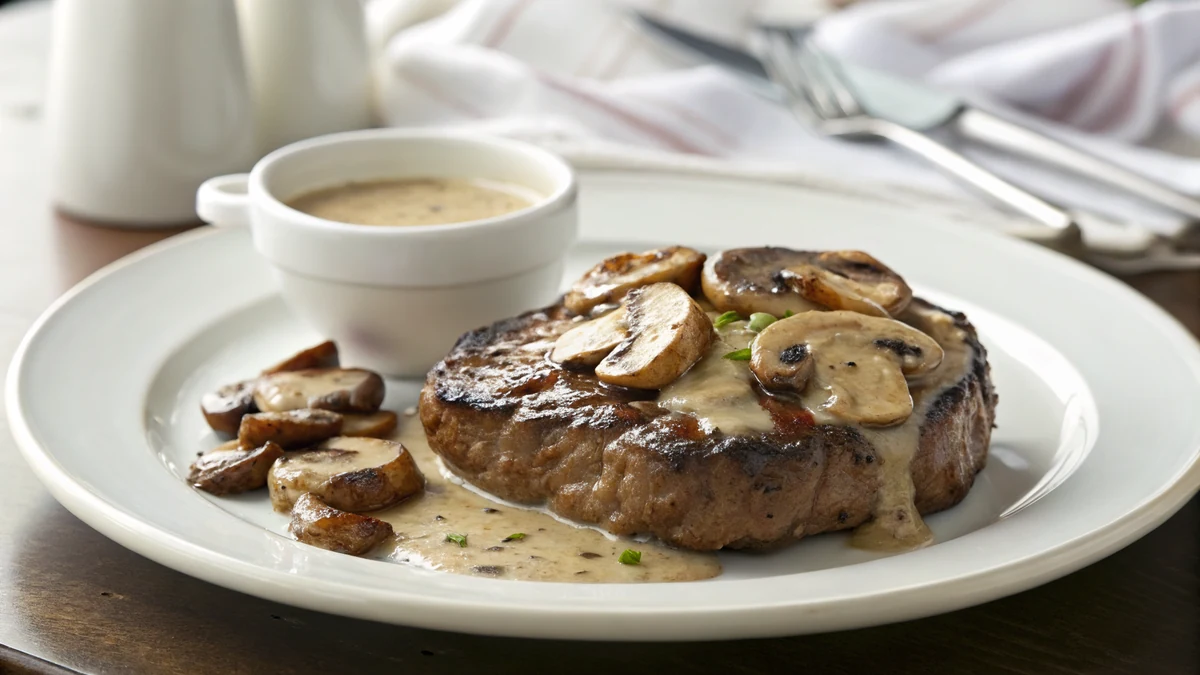
Chef Mia's Texas Roadhouse Portobello Mushroom Sauce - Tex-Mex Recipes recipe with steps, mistakes to avoid, FAQ.
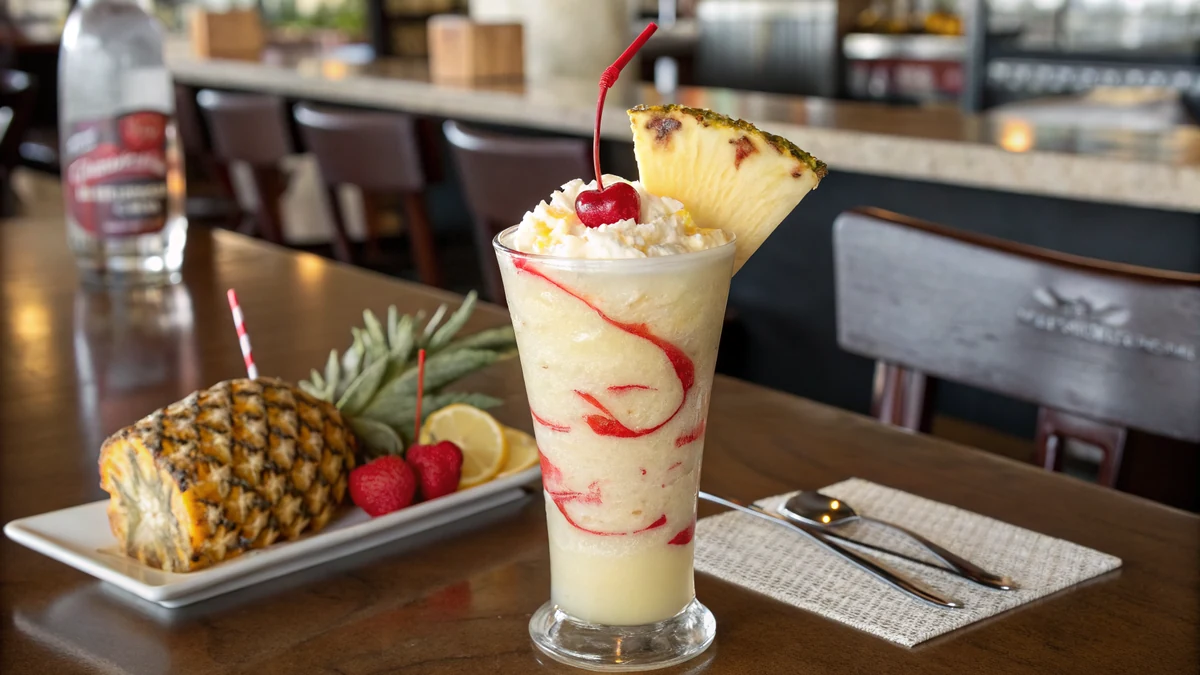
Chef Mia's Texas Roadhouse Kenny's Cooler Copycat - Tex-Mex Recipes recipe with steps, mistakes to avoid, FAQ.
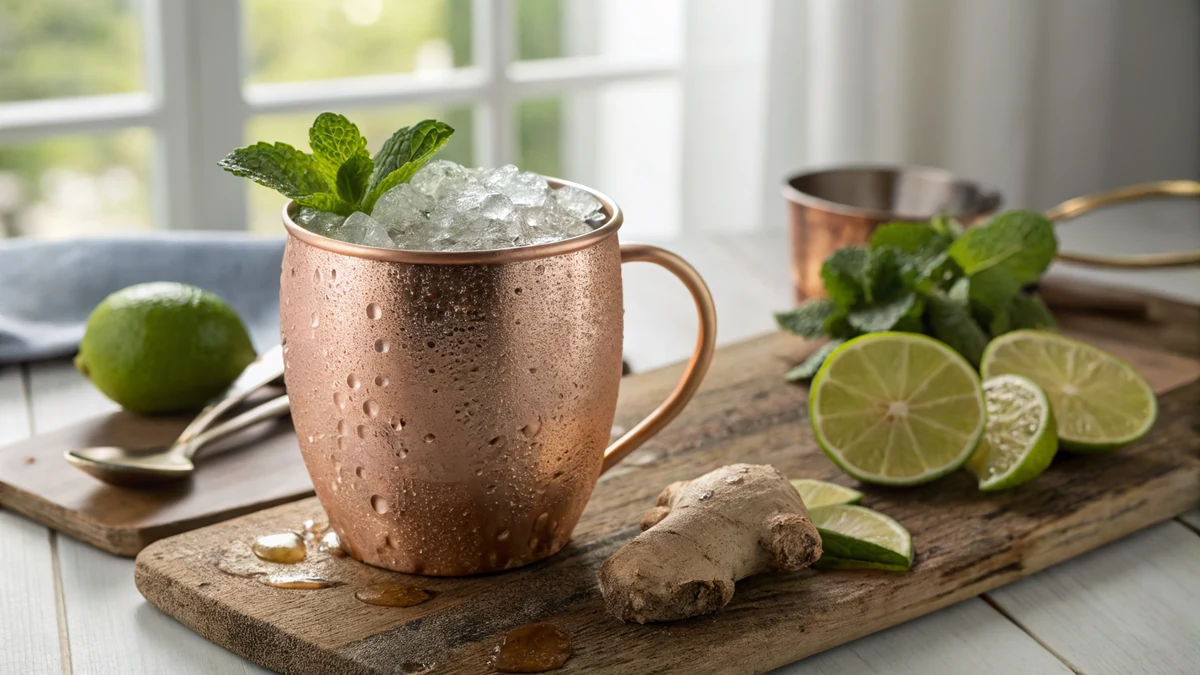
Chef Mia's Texas Mule Cocktail - Tex-Mex Recipes recipe with steps, mistakes to avoid, FAQ.
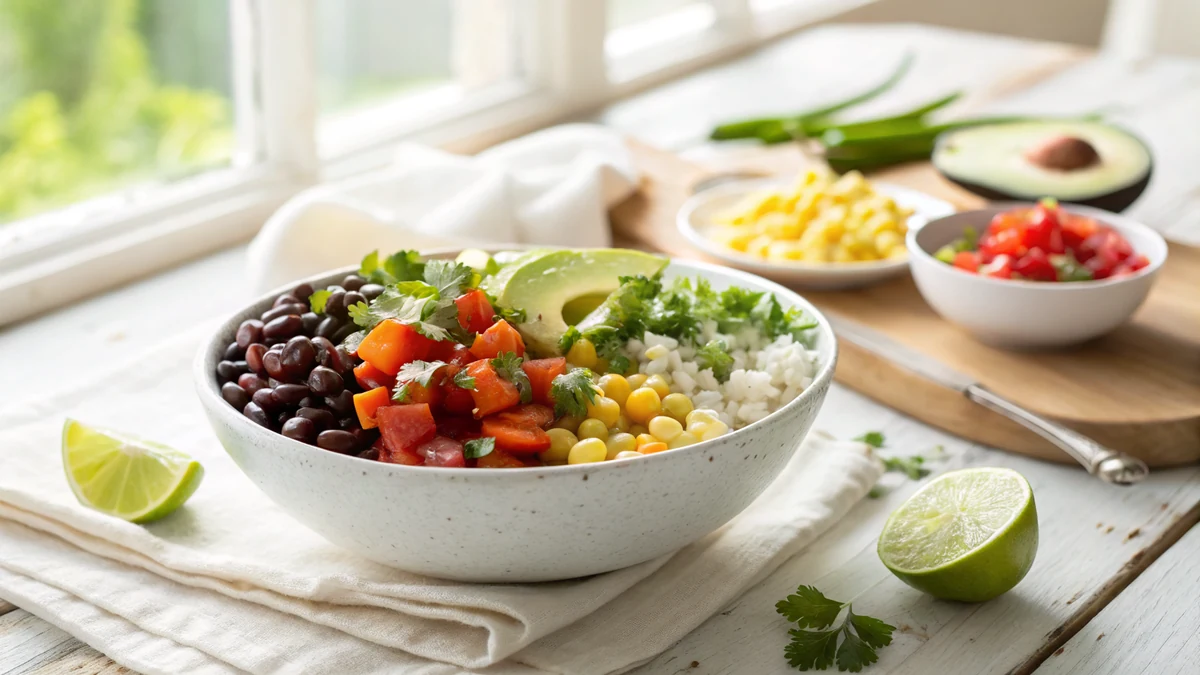
Chef Mia's Vegan and Vegetarian Tex-Mex Recipes - Tex-Mex Recipes recipe with steps, mistakes to avoid, FAQ.
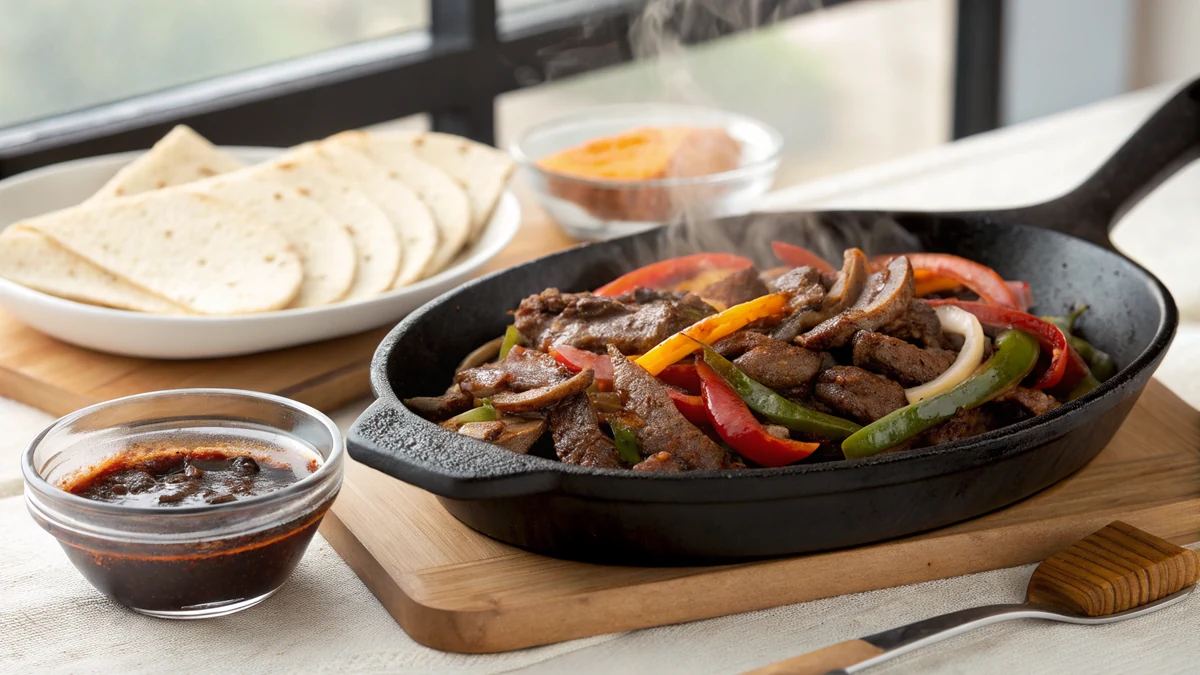
Chef Mia's Pappasito's Fajita Marinade - Tex-Mex Recipes recipe with steps, mistakes to avoid, FAQ.
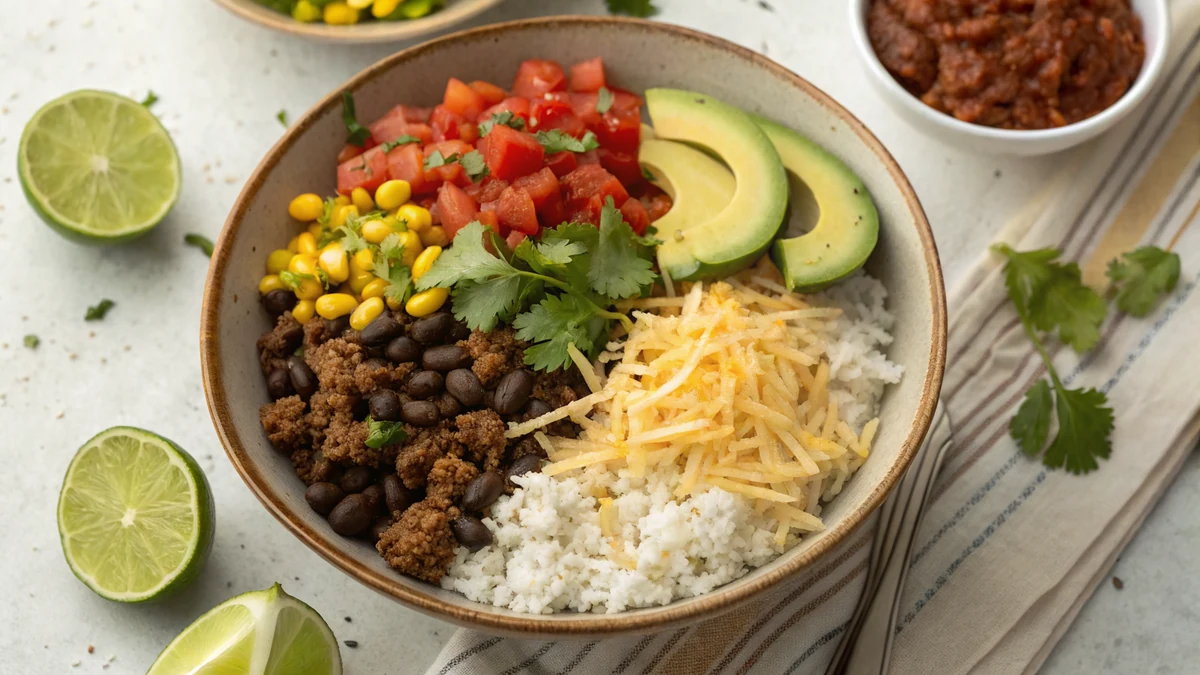
Chef Mia's Tex-Mex Bowl - Tex-Mex Recipes recipe with steps, mistakes to avoid, FAQ.
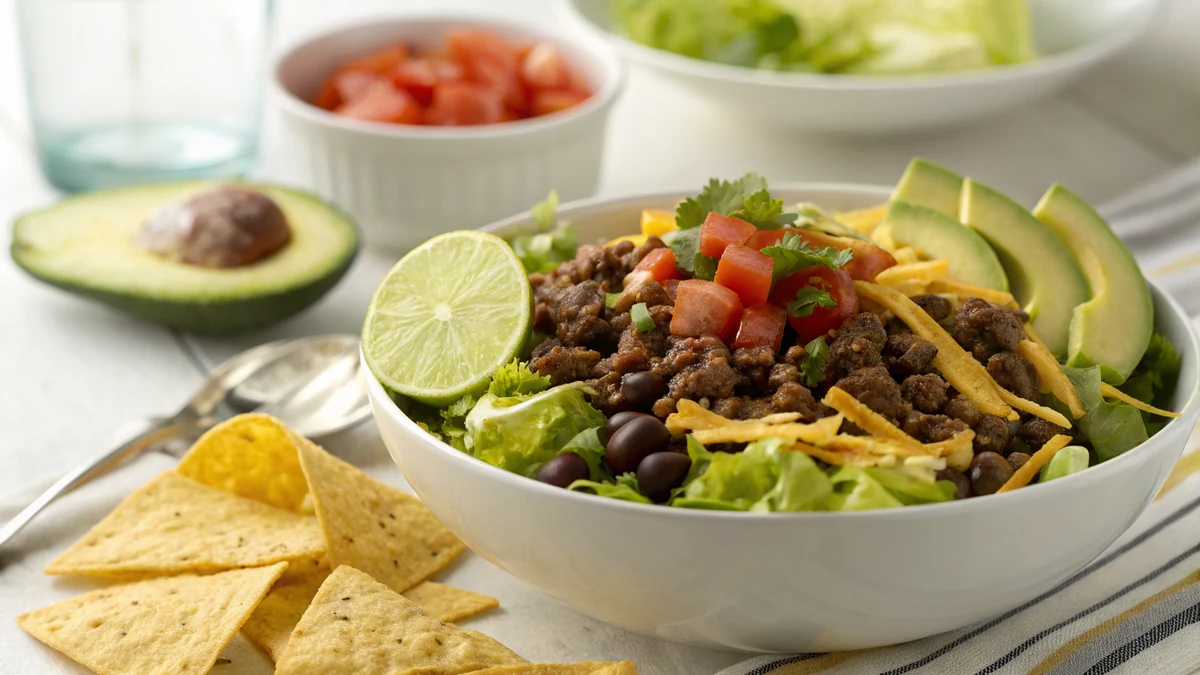
Chef Mia's Tex-Mex Salad - Tex-Mex Recipes recipe with steps, mistakes to avoid, FAQ.
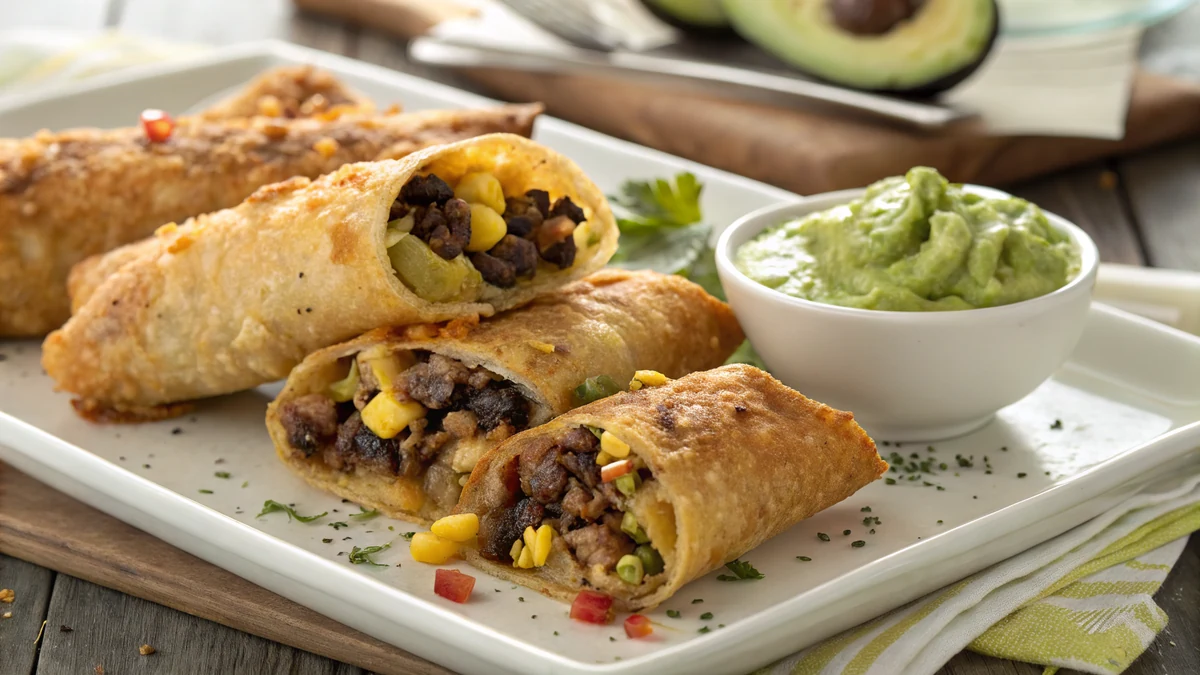
Chef Mia's Tex-Mex Egg Rolls - Tex-Mex Recipes recipe with steps, mistakes to avoid, FAQ.
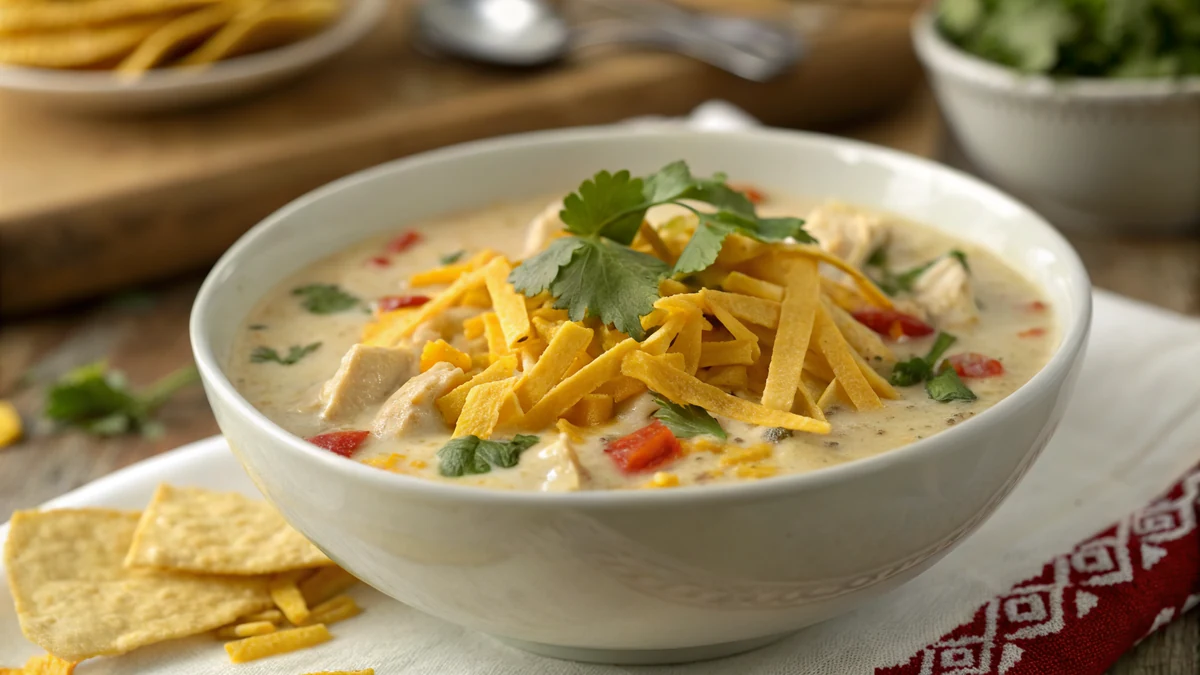
Chef Mia's King Ranch Chicken Soup - Tex-Mex Recipes recipe with steps, mistakes to avoid, FAQ.
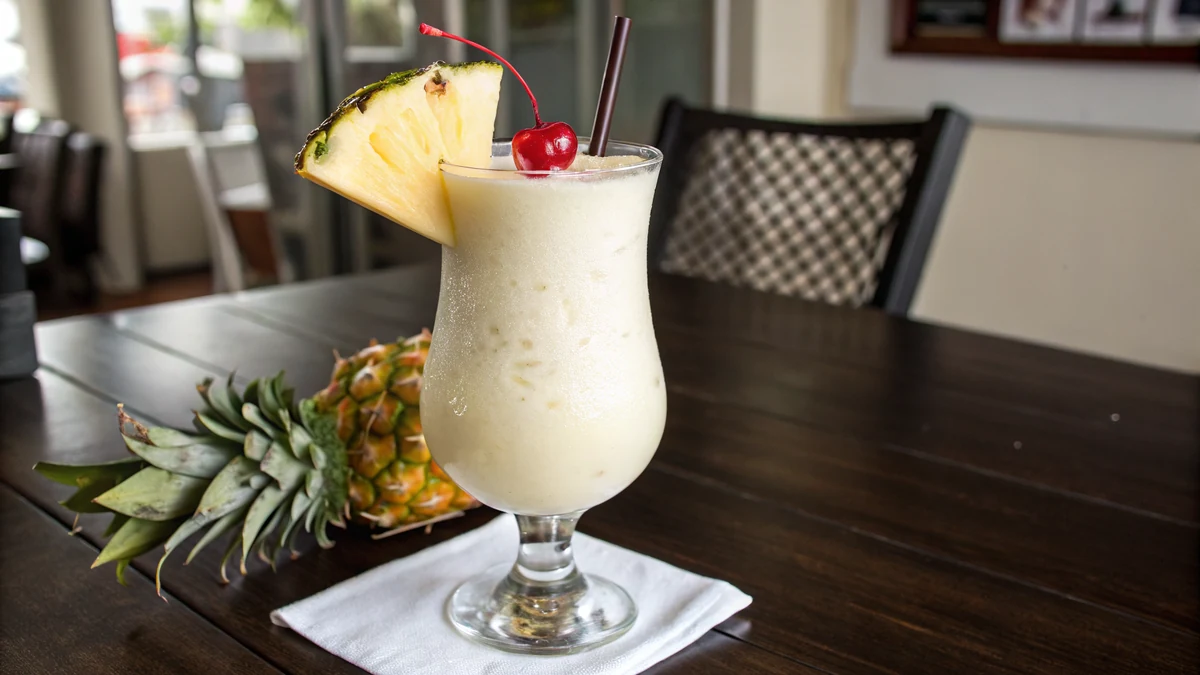
Chef Mia's Texas Roadhouse Pina Colada Copycat - Tex-Mex Recipes recipe with steps, mistakes to avoid, FAQ.
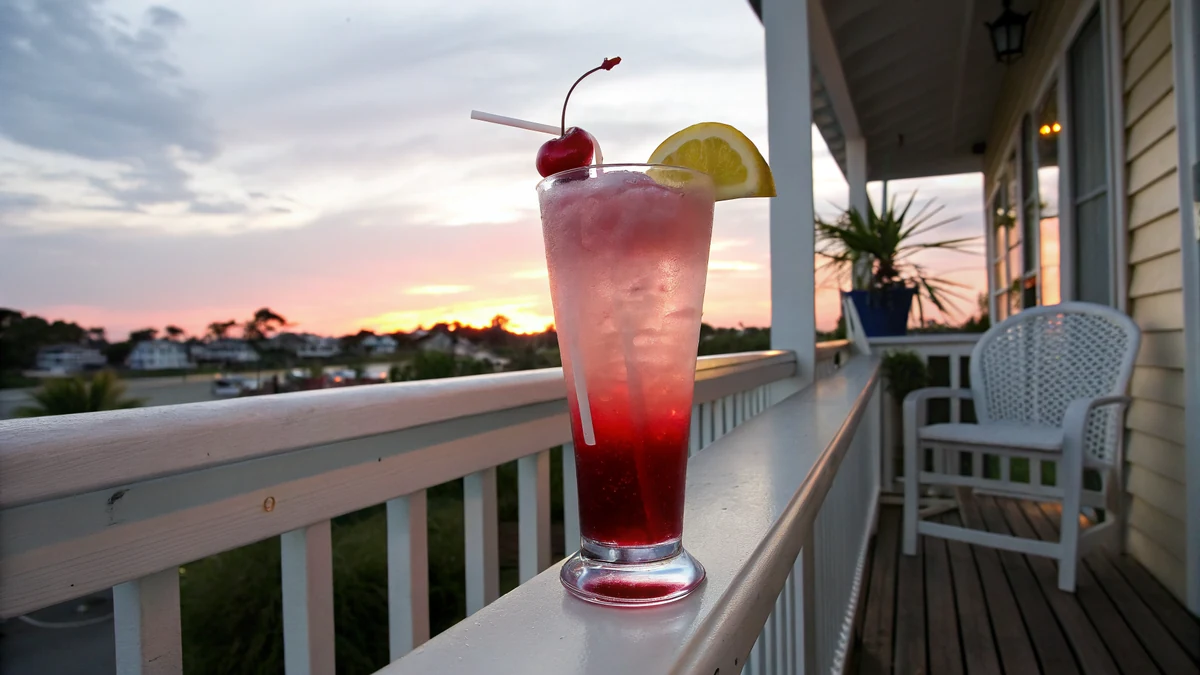
Chef Mia's Pink Sunset Drink - Tex-Mex Recipes recipe with steps, mistakes to avoid, FAQ.
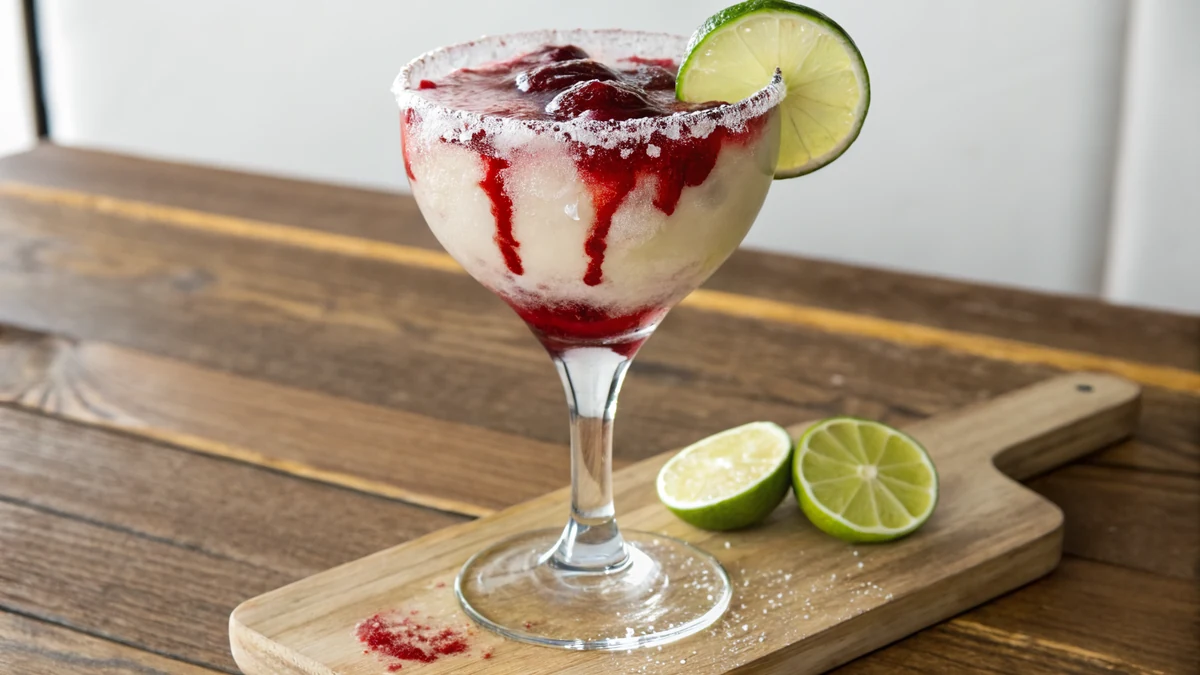
Chef Mia's Mambo Taxi - Tex-Mex Recipes recipe with steps, mistakes to avoid, FAQ.
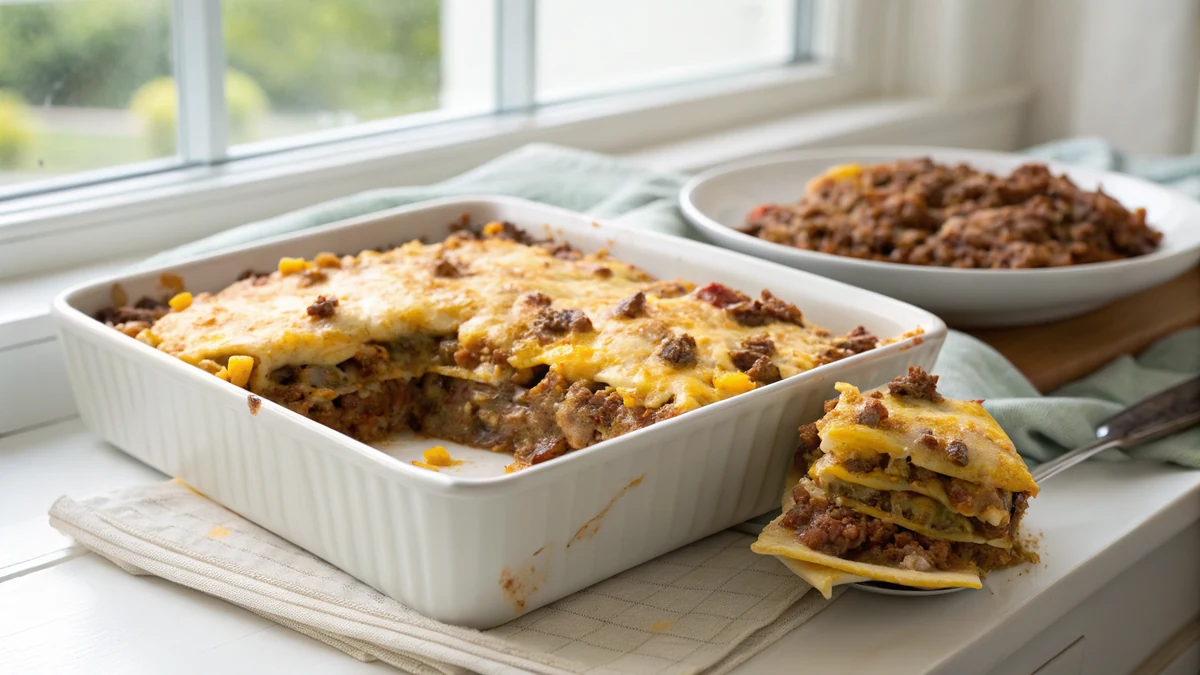
Chef Mia's King Ranch Beef Casserole - Tex-Mex Recipes recipe with steps, mistakes to avoid, FAQ.
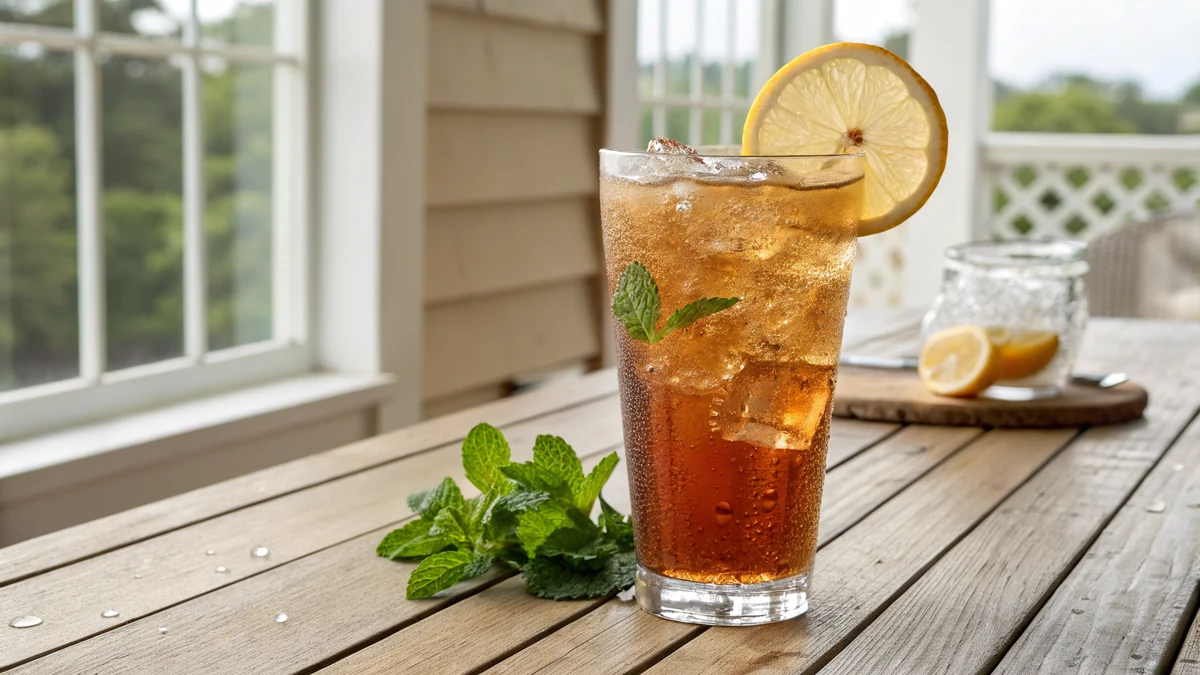
Chef Mia's Texas Tea Cocktail - Tex-Mex Recipes recipe with steps, mistakes to avoid, FAQ.
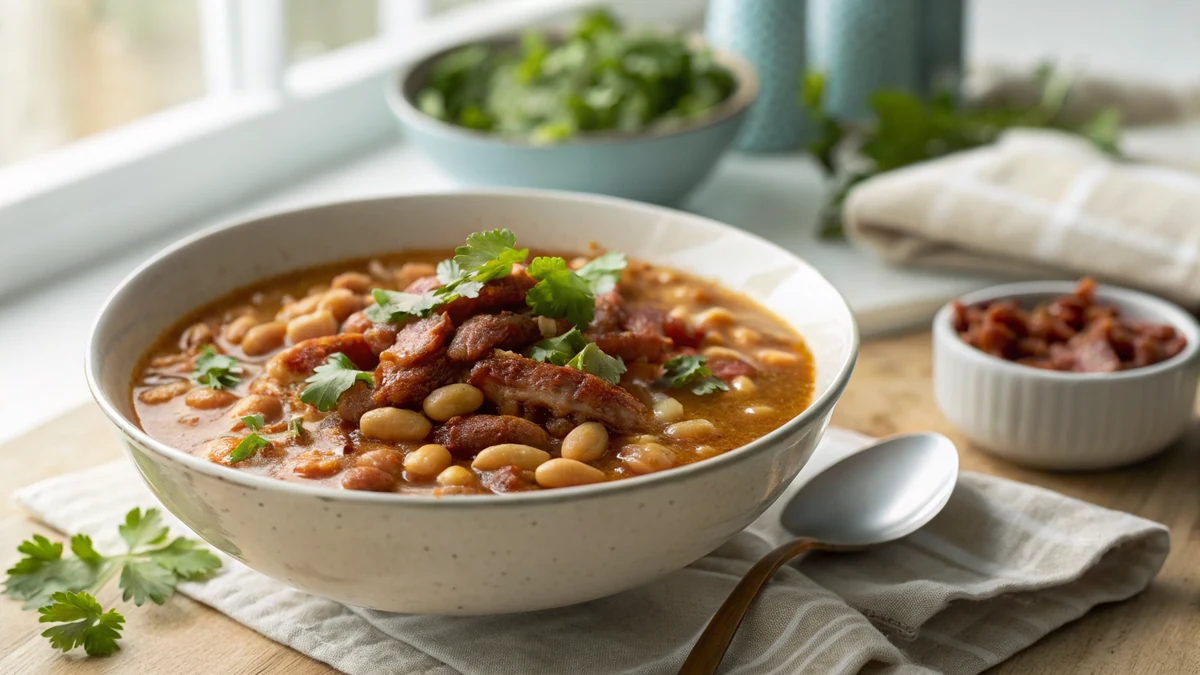
Chef Mia's Charro Beans - Tex-Mex Recipes recipe with steps, mistakes to avoid, FAQ.
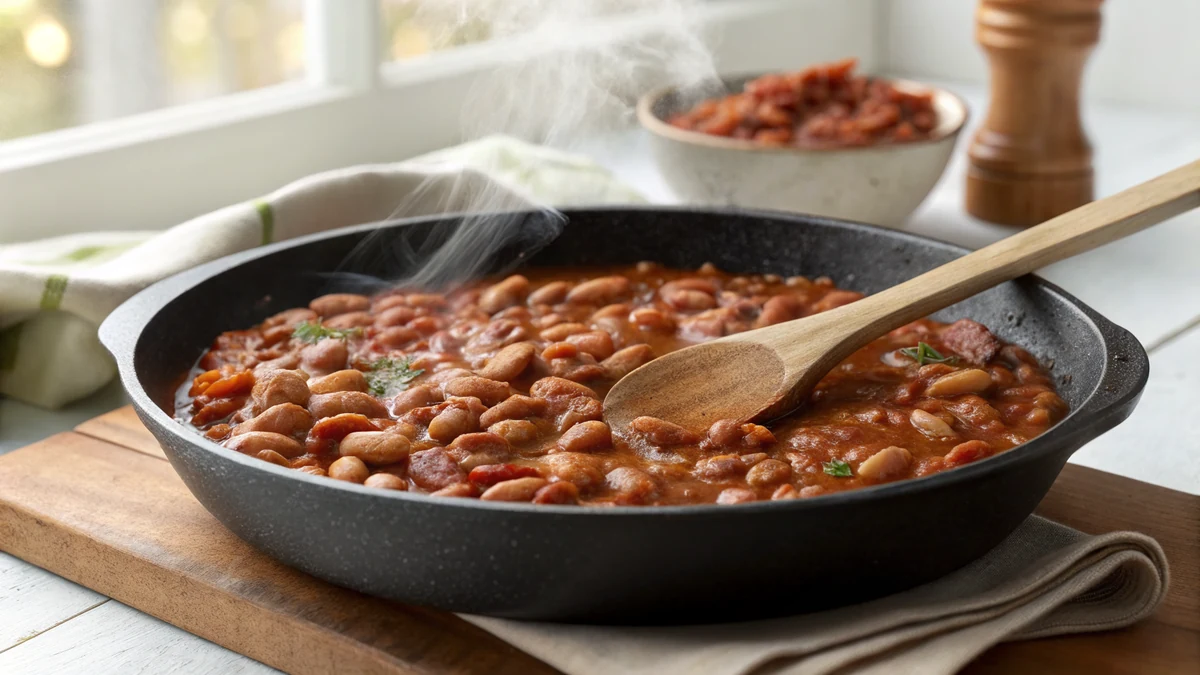
Chef Mia's Ranch Style Beans - Tex-Mex Recipes recipe with steps, mistakes to avoid, FAQ.
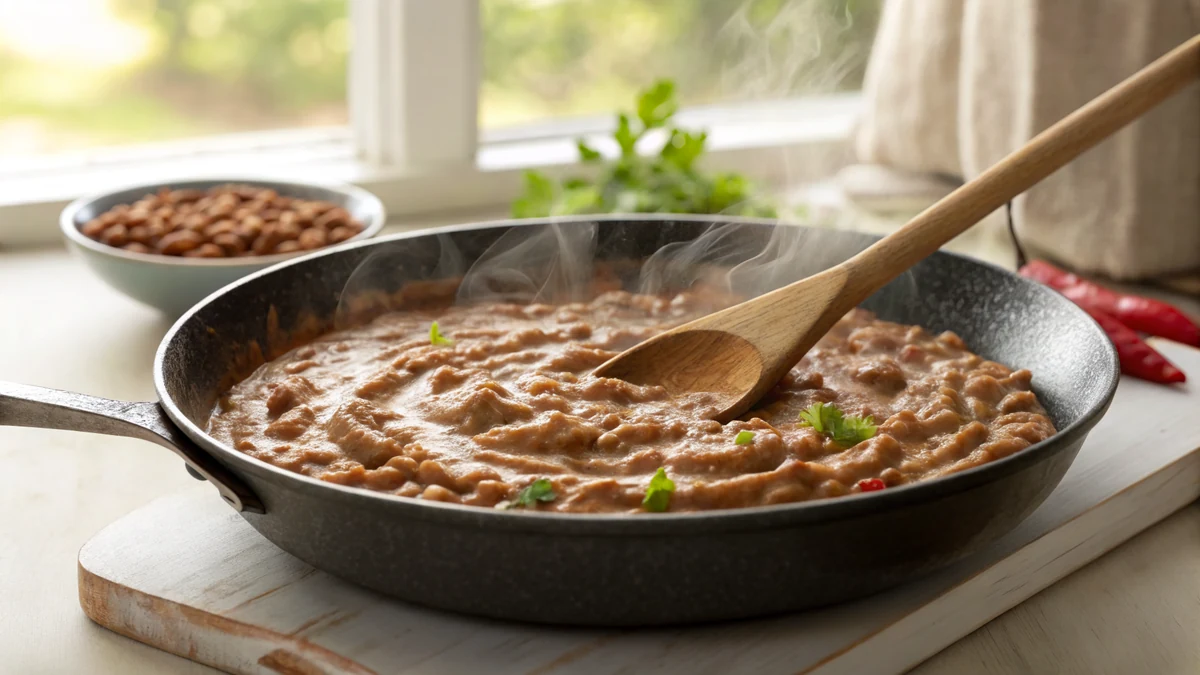
Chef Mia's Refried Beans - Tex-Mex Recipes recipe with steps, mistakes to avoid, FAQ.
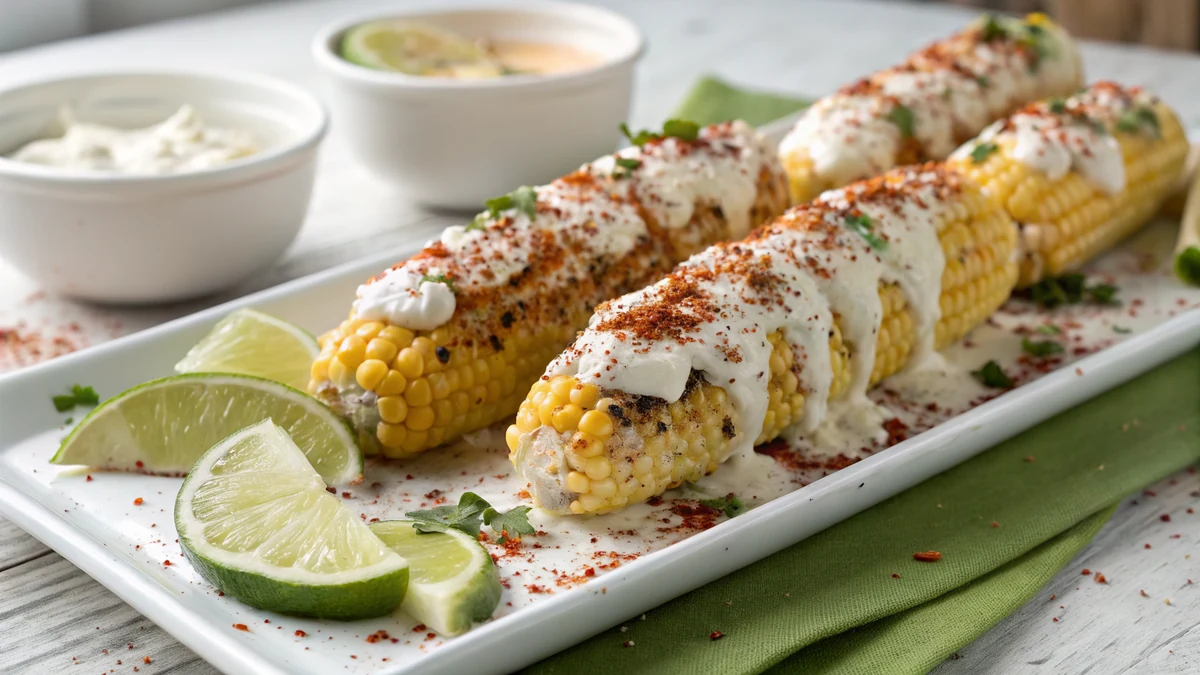
Chef Mia's Mexican Street Corn (Elote) - Tex-Mex Recipes recipe with steps, mistakes to avoid, FAQ.
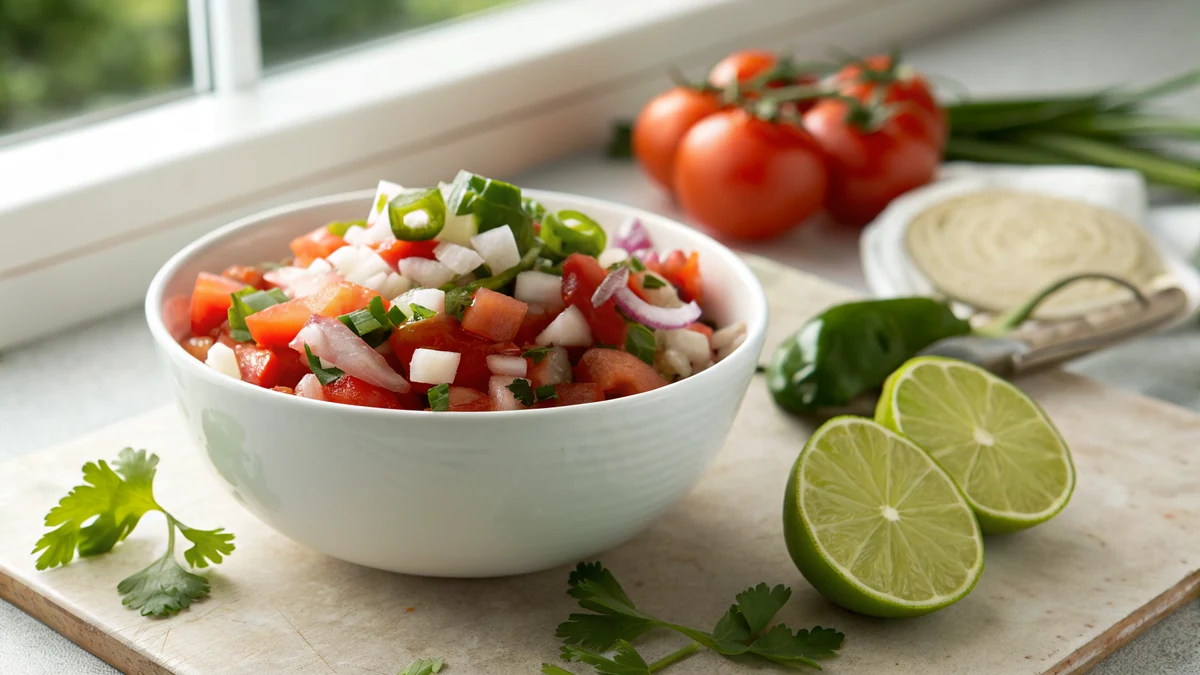
Chef Mia's Pico de Gallo - Tex-Mex Recipes recipe with steps, mistakes to avoid, FAQ.
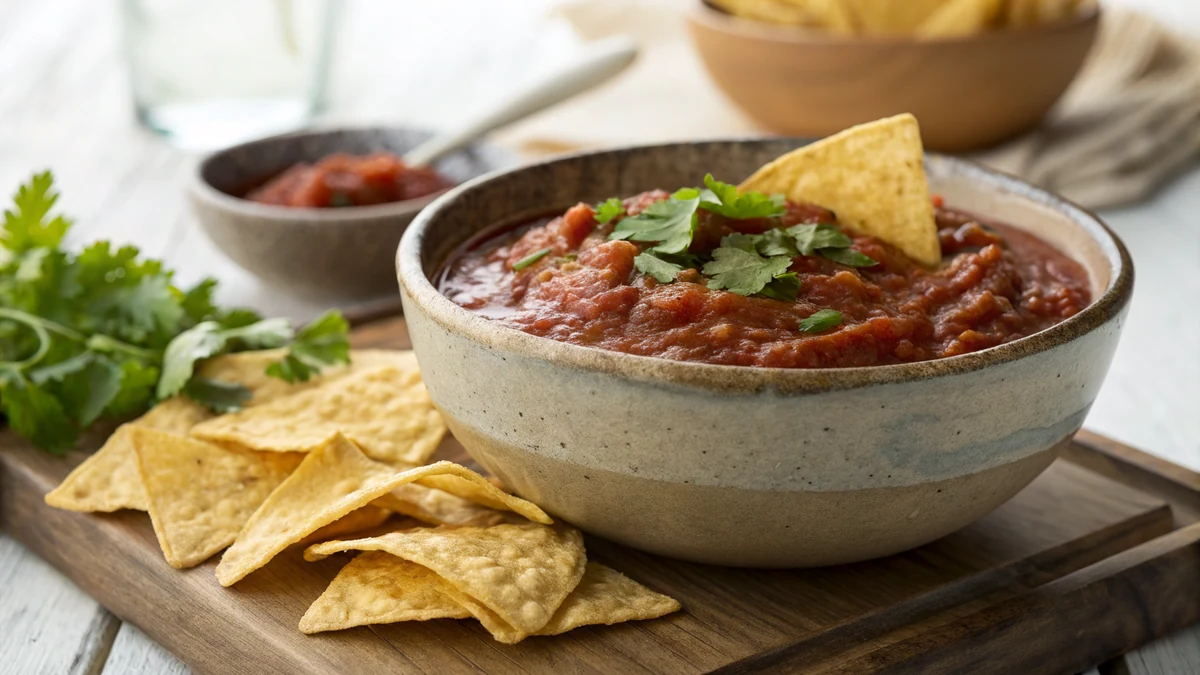
Chef Mia's Restaurant-Style Salsa - Tex-Mex Recipes recipe with steps, mistakes to avoid, FAQ.
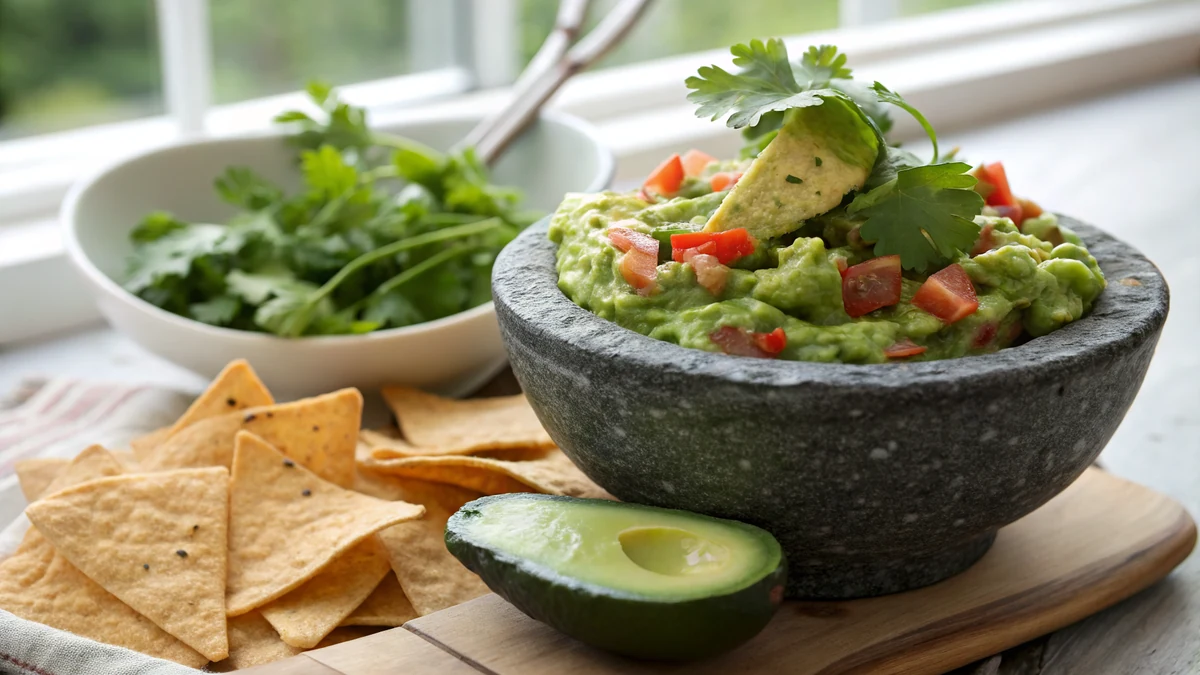
Chef Mia's Guacamole - Tex-Mex Recipes recipe with steps, mistakes to avoid, FAQ.
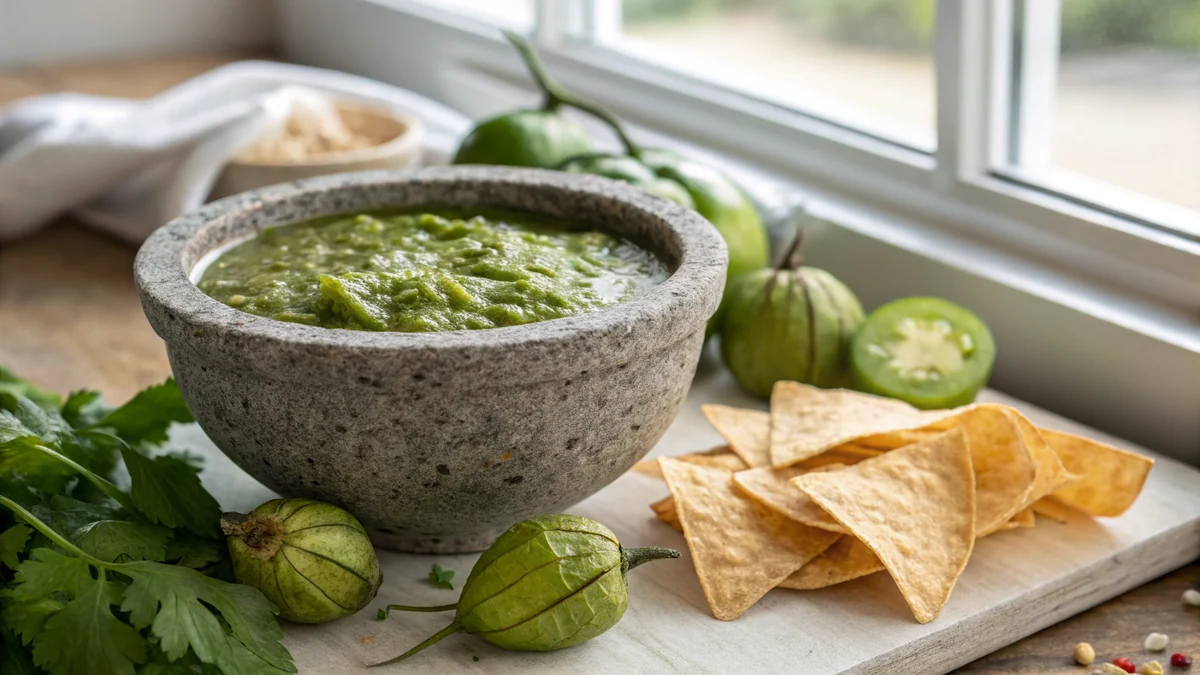
Chef Mia's Tomatillo Salsa Verde - Tex-Mex Recipes recipe with steps, mistakes to avoid, FAQ.
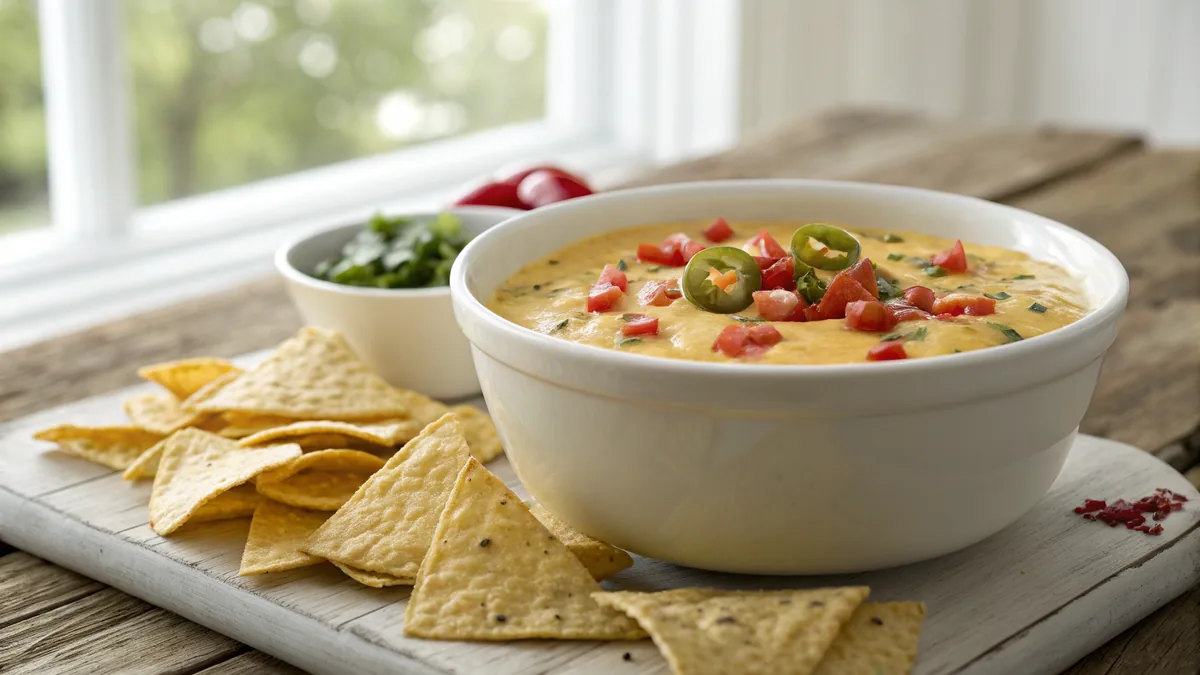
Chef Mia's Chile Con Queso - Tex-Mex Recipes recipe with steps, mistakes to avoid, FAQ.
Tex-Mex is defined by three ingredients that interior Mexican cooks would not recognize as central to their own canon. Yellow cheese, especially the orange-tinted American cheddar and the Velveeta that anchors a proper queso. Cumin in heavier doses than interior Mexican cooks use, because Canary Islander settlers in 1700s San Antonio brought cumin-forward seasoning that became the regional baseline. Beef in larger proportions than the average Mexican plate, because Texan cattle culture made beef the default protein in a way that pork and chicken were the defaults south of the border. Those three ingredient choices distinguish a Tex-Mex enchilada from a Sonoran or Oaxacan one within the first bite.
The cuisine also has an editorial confidence that pushes back against the recent trend of relabeling Tex-Mex as inauthentic Mexican food. Tex-Mex is not a watered-down version of anything. It is the food that Tejano families have been cooking for 150 years, and the canon is well-documented in restaurant menus from Mi Tierra in San Antonio (founded 1941) to El Fenix in Dallas (founded 1918) to Joe T. Garcia's in Fort Worth (founded 1935). Chef Mia's collection treats Tex-Mex with the same seriousness she brings to Texas BBQ and Texas desserts.