Tex-Mex Recipes
Vegan and Vegetarian Tex-Mex Recipes
Chef Mia's vegan and vegetarian Tex-Mex recipes: a loaded vegan burrito bowl plus meatless tacos, enchiladas, queso, Texas caviar, fajitas, and more.
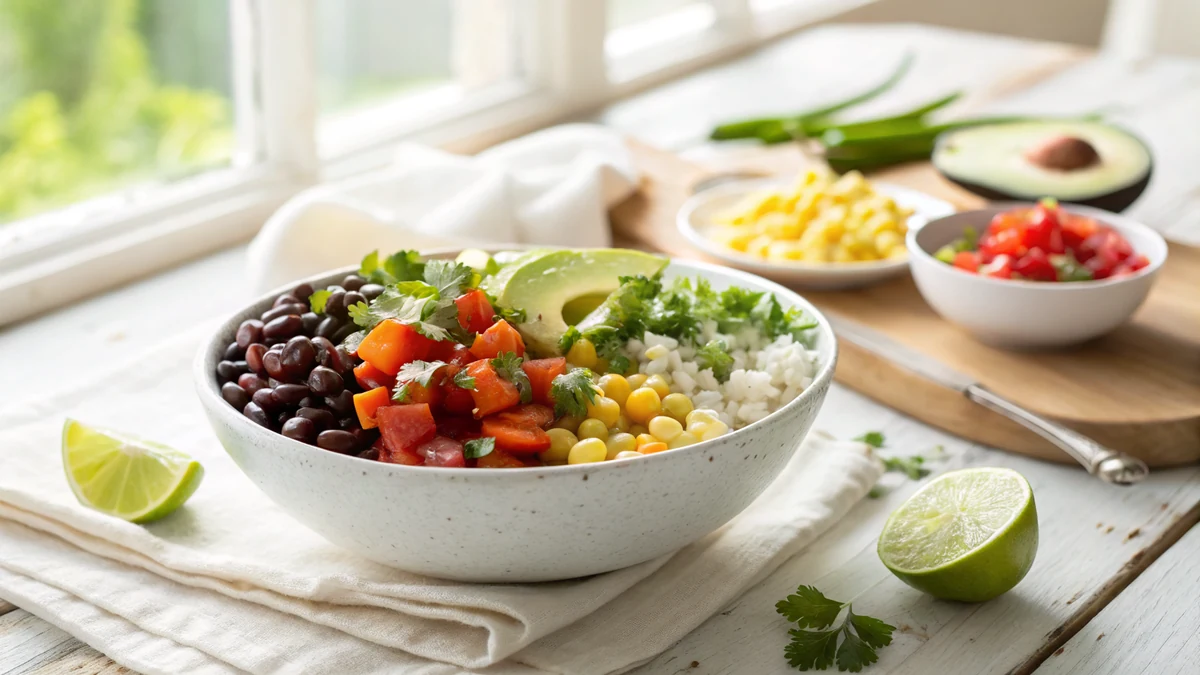
Quick answer: Vegan and vegetarian Tex-Mex recipes lean on beans, rice, corn, peppers, avocado, and warm spices instead of meat, so they are naturally filling and packed with flavor. The flagship dish on this page is a loaded vegan Tex-Mex burrito bowl that layers cilantro-lime rice, cumin and chili spiced black beans, charred fajita peppers and onions, corn, avocado, and salsa, ready in about 40 minutes and serving four. Vegan versions skip all dairy and egg, while vegetarian versions add cheese, sour cream, or eggs. From bean tacos and cheese enchiladas to queso, Texas caviar, migas, and charro beans, Tex-Mex offers dozens of meatless options that taste hearty and satisfying without any meat at all.
Down here in Lockhart, barbecue gets all the headlines, but the food I actually cook most nights leans Tex-Mex, and a surprising amount of it never sees a scrap of meat. Beans, rice, corn, peppers, avocado, and a good handful of spices carry a plate further than people expect. When my niece went vegan, I did not panic, because half the Tex-Mex I grew up on was already plant based or one easy swap away from it. This page is my answer to that, a hub of meatless Tex-Mex ideas anchored by one loaded vegan burrito bowl I make on repeat. Everything here is built to taste hearty, not like you are missing out.
I want this page to serve two cooks at once. If you are fully vegan and dodging all dairy and egg, I will point you straight to the dishes that already work and the swaps that make the rest fit. If you are vegetarian and happy with cheese and sour cream, you get even more room to play, because melty queso and a blanket of cheese over enchiladas are squarely on the table. I will mark which is which all the way through, so nobody has to guess. Start with the burrito bowl, then wander into tacos, enchiladas, queso, Texas caviar, and the rest. Let me walk you through a meatless Tex-Mex spread nobody complains about.
Why Tex-Mex Is Perfect for Meatless Cooking
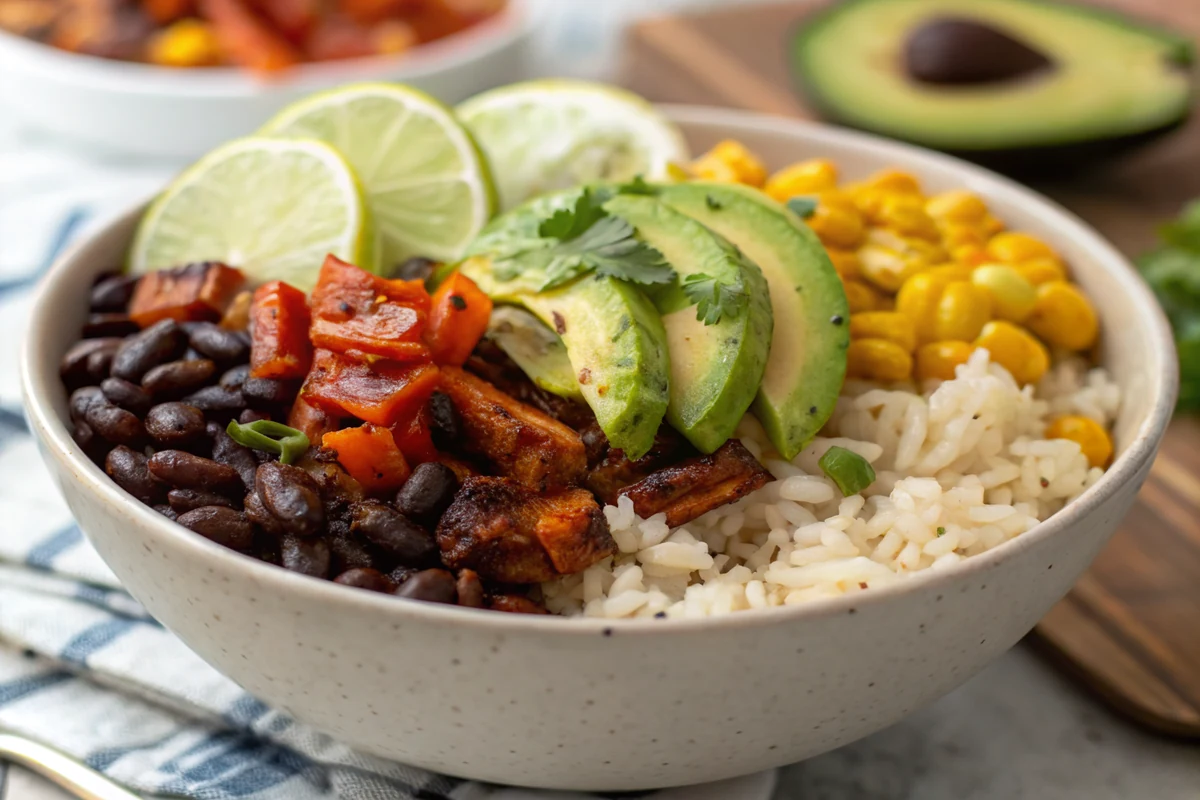
People assume Tex-Mex means a mountain of ground beef and shredded cheese, but the bones of this food are plants. Beans, rice, corn, peppers, tomatoes, onions, avocado, and a pantry of warm spices do the heavy lifting on almost every plate. When I look at a classic Tex-Mex meal, the meat is often just one layer sitting on top of a foundation that is already vegetarian. Pull that meat out, lean a little harder on the beans and the seasoning, and you still have a plate that eats full and satisfying. That is the whole trick, and it is why meatless Tex-Mex comes together so naturally.
Flavor is the other reason this works. Tex-Mex is built on cumin, chili powder, garlic, smoked paprika, lime, and cilantro, and none of those need meat to shine. A pot of black beans simmered with cumin and chili powder tastes deep and a little smoky on its own. Char some peppers and onions in a hot skillet and you get that fajita sizzle without a single strip of steak. The seasonings carry the dish, so when you cook meatless here, you are not stripping flavor away, you are just letting the spices and the vegetables take center stage where they belong.
There is a practical side too. Beans and rice are cheap, shelf-stable, and filling, which makes meatless Tex-Mex some of the most budget-friendly cooking I do. A couple of cans of black beans, a bag of rice, a few peppers, and an avocado feed my whole family for next to nothing. If you want to wander through the full range of what this cuisine offers, my Tex-Mex recipes collection is a good map, and a big chunk of it is meatless or one swap away. Tex-Mex was practically designed for plant-forward eating long before anyone called it that.
The Loaded Vegan Burrito Bowl (Start Here)
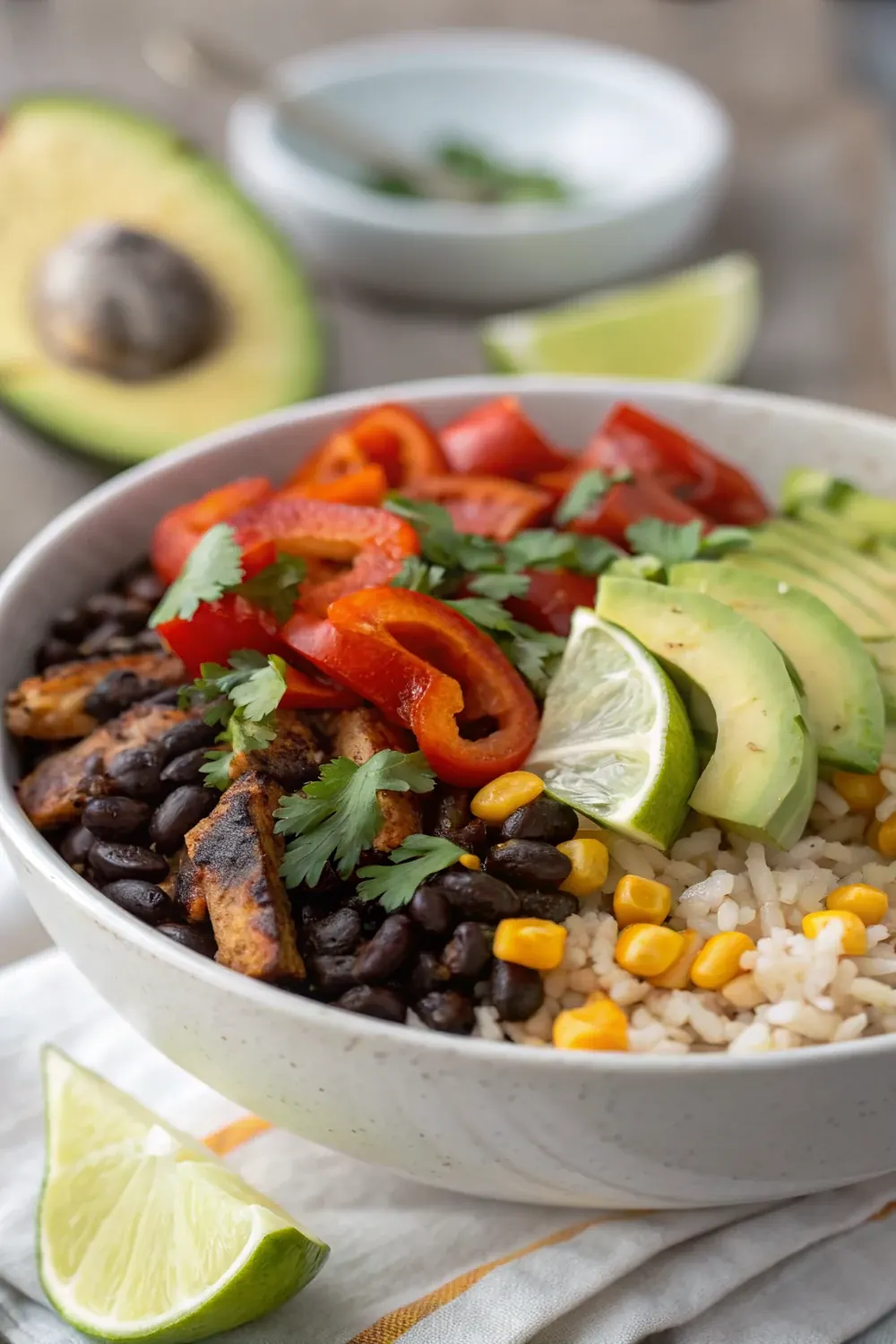
If you only make one thing from this page, make the loaded vegan burrito bowl. It is the dish I keep coming back to because it hits every note at once: fluffy cilantro-lime rice, smoky spiced black beans, charred fajita peppers and onions, sweet corn, creamy avocado, and a bright scoop of salsa. It serves four, comes together in about forty minutes, and uses pantry staples I almost always have on hand. Best of all, it is fully vegan with no special ingredients, just beans, rice, vegetables, and good seasoning doing what they do best.
What makes the bowl work is the layering. Each component gets its own quick treatment, and none of them is complicated. The rice cooks while you season the beans, and the peppers char in a hot skillet while both finish. By the time the rice is fluffed with lime and cilantro, everything is ready to go into the bowl at once. I keep the parts in tidy sections rather than stirring them together, so every spoonful can be a little different and everyone can mix their own.
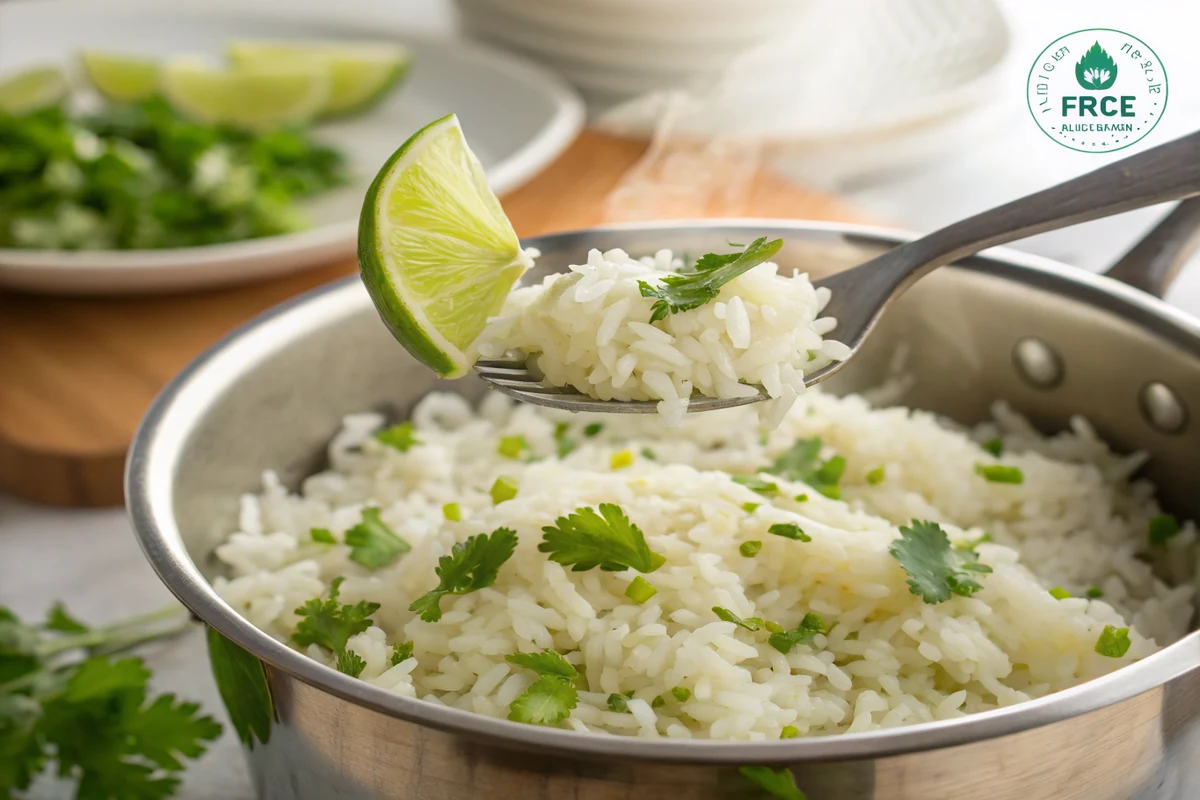
The bowl is also a blueprint, not a rulebook. Swap pinto beans for black, brown rice for white, or add roasted sweet potato, sauteed mushrooms, or a scoop of guacamole. If you eat dairy, a sprinkle of cheese or a dollop of sour cream slides right in and tips it from vegan to vegetarian. Build it once the way I have written it, then start bending it to your taste. That flexibility is exactly why I treat this bowl as home base for the whole meatless Tex-Mex repertoire on this page.
Vegan vs Vegetarian: What Changes
The line between vegan and vegetarian trips people up, so let me draw it clearly. Vegetarian means no meat, poultry, or fish, but dairy and eggs are fair game, so cheese, sour cream, butter, and eggs all stay in play. Vegan goes further and drops every animal product, which means no cheese, no sour cream, no butter, no eggs, and no honey. In Tex-Mex terms, that gap usually comes down to one question: is there dairy on or in the dish? Answer that, and you know which camp a recipe falls into.
The good news is that the base of most Tex-Mex dishes is already vegan. Beans, rice, corn tortillas, peppers, salsa, guacamole, and most spice blends carry no animal products at all. The dairy tends to show up at the finish line, as the shredded cheese on top, the sour cream on the side, or the queso poured over everything. That means turning a vegetarian Tex-Mex dish vegan is often just a matter of skipping or swapping that final dairy layer rather than rebuilding the whole recipe from scratch.
Swaps make the rest easy. For melty cheese, vegan shreds or a cashew-based queso stand in well. For sour cream, a cashew crema or a dairy-free sour cream does the job. For the richness butter brings, a little extra olive oil or vegan butter covers it. I do want to flag two sneaky spots: refried beans are sometimes made with lard, and flour tortillas can contain lard or butter, so vegan cooks should check labels or choose corn tortillas and vegetarian refried beans. Read the package and you will not get caught out.
Throughout this page I will tag dishes so you never have to wonder. When I call something vegan, it has zero dairy and egg as written. When I call it vegetarian, it leans on cheese, sour cream, or eggs and would need a swap to go vegan. A lot of the recipes here are vegan at the base and only tip vegetarian when you add the cheese, which is exactly why this food works so well for mixed tables. Cook the base once, then let each person finish their plate the way that suits their diet.
Best Meatless Tex-Mex Proteins (Beans, Lentils, Soy, Mushrooms)
Beans are the backbone of meatless Tex-Mex, and for good reason. Black beans and pinto beans are filling, cheap, protein-rich, and they soak up cumin and chili powder beautifully, like they do in my burrito bowl. A single can of black beans brings about fifteen grams of protein and a load of fiber, so a bowl built on beans actually keeps you full. I lean on canned beans for speed, but a pot of dried beans simmered low and slow with onion and spice is worth it when you have the time.
Lentils are my favorite stand-in when I want a ground-meat texture. Cooked brown or green lentils, simmered with taco seasoning and a little tomato, make a hearty filling for tacos, nachos, or stuffed peppers that genuinely satisfies meat eaters. They cook faster than dried beans, hold their shape, and carry spice well. Red lentils break down softer and work better stirred into a saucy chili. Either way, lentils are an underused weeknight hero in this kind of cooking, and they cost almost nothing.
On the soy and mushroom side, you have options that mimic meat closely. Crumbled firm tofu or store-bought soy crumbles take on taco seasoning and stand in for ground beef, while strips of seitan can play the part of fajita meat. Mushrooms are my go-to when I want deep, savory umami without anything processed: sliced portobello or cremini, charred hard in a hot skillet, bring a meaty chew and a roasted flavor that suits fajitas and tacos perfectly. Walnuts pulsed with spices also make a quick raw taco crumble. Mix and match these to keep meatless meals from ever feeling repetitive.
My honest advice is to not chase a perfect meat replica and instead let each ingredient be itself. Beans taste like beans, mushrooms taste like mushrooms, and both are delicious when seasoned and cooked with care. The dishes that disappoint are usually the ones trying hardest to fool you. Season aggressively, get real browning on whatever you are cooking, and finish with acid and fresh herbs. Do that and a bowl of spiced beans or charred mushrooms stands on its own merits, no imitation required, which is the whole spirit of good meatless Tex-Mex.
Vegan Tacos and Fajitas
Tacos are where meatless Tex-Mex feels easiest, because the format is so forgiving. Warm corn tortillas, which are naturally vegan, and fill them with whatever protein you like: spiced black beans, taco-seasoned lentils, charred mushrooms, or crumbled tofu. Top with shredded lettuce, pico de gallo, avocado or guacamole, a squeeze of lime, and fresh cilantro. That is a fully vegan taco that nobody at my table treats as a compromise. For a vegetarian version, add cheese or a spoon of sour cream and you are done.
Fajitas might be the single best meatless Tex-Mex dish, because the star was never really the meat, it was the sizzle of peppers and onions. Slice red and green bell peppers and a yellow onion, then char them hard in a screaming-hot skillet with a teaspoon of fajita or chili seasoning until the edges blister. Those same charred fajita veggies anchor my burrito bowl, and they are just as good piled into warm tortillas. Add mushrooms or seitan strips if you want more heft, and serve with lime, guacamole, and salsa.
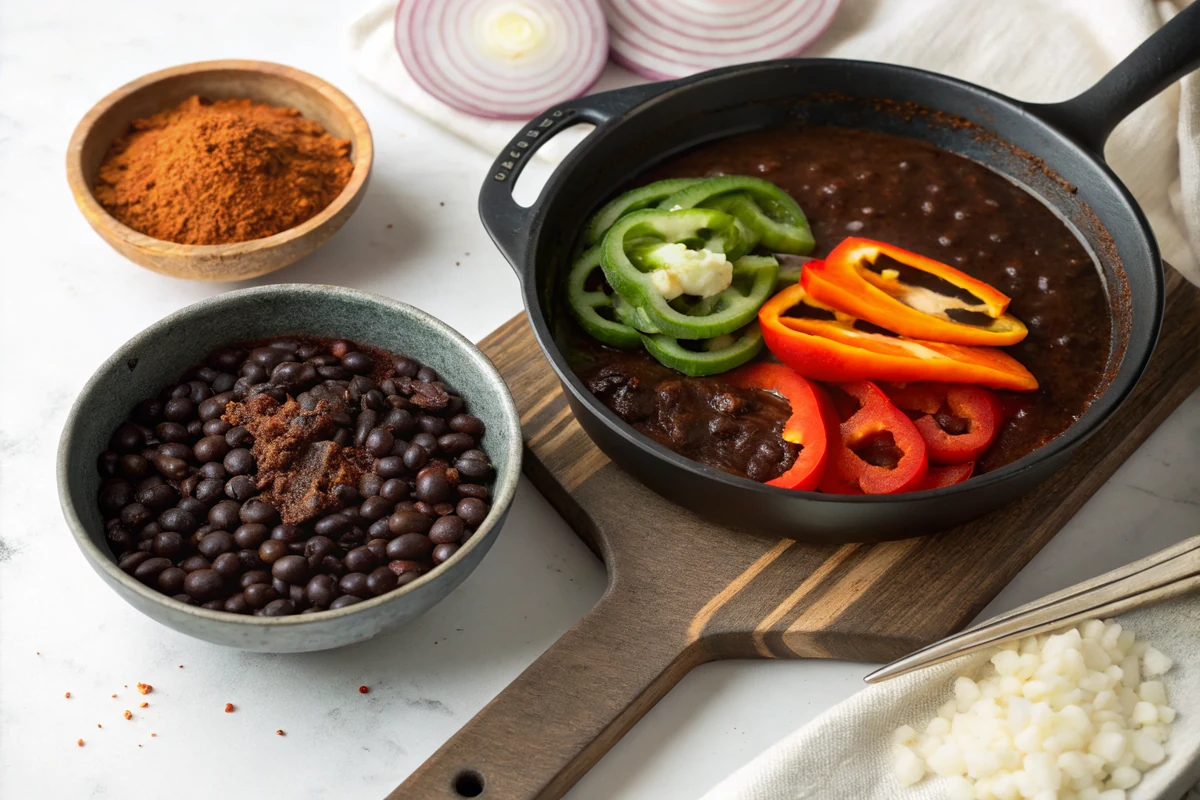
The key with both tacos and fajitas is getting real char on your vegetables and tortillas. A hot skillet or a quick pass over an open flame gives the tortillas a toasty flavor and a little flexibility, while high heat on the peppers and onions gives you those blistered, smoky edges that make the dish taste like it came off a sizzling restaurant platter. Do not crowd the pan, let things sit long enough to brown before you stir, and you will get a far better result than soft, steamed vegetables.
Vegetarian Enchiladas and Quesadillas
Enchiladas are a vegetarian Tex-Mex centerpiece. Roll corn tortillas around a filling of black beans, sauteed peppers, corn, and cheese, line them up in a baking dish, blanket them in red or green enchilada sauce and more cheese, and bake until bubbly. That cheese makes the classic version vegetarian rather than vegan, but it is exactly the kind of warm, comforting bake that wins over a skeptical crowd. Spinach, mushrooms, roasted sweet potato, or zucchini all make excellent fillings alongside or instead of the beans.
To take enchiladas fully vegan, swap the dairy cheese for a good vegan shred or a cashew queso both inside the rolls and on top, and double-check that your enchilada sauce contains no chicken stock or dairy, since some jarred ones do. The structure stays identical: filling, roll, sauce, bake. I find a bean-and-veggie filling holds together so well that you barely miss the cheese once everything is sauced and baked. A scatter of fresh cilantro and a squeeze of lime at the end keeps it bright.
Quesadillas are the fastest cheesy option in the meatless playbook. Layer cheese, black beans, corn, and a few charred peppers between two flour tortillas, or fold one large tortilla, and griddle until the outside is crisp and golden and the inside is molten. They are vegetarian by nature thanks to the cheese, and you can go vegan with dairy-free shreds that actually melt. Serve with salsa, guacamole, and a dollop of sour cream or cashew crema for dipping, and you have a meal kids and adults both inhale.
Both dishes reward a little restraint with the filling. Overstuff an enchilada and it splits as you roll it, and overstuff a quesadilla and the cheese never melts before the tortilla burns. I keep the fillings modest and let the sauce and cheese do the binding. For quesadillas, griddle them dry over medium heat so the tortilla crisps slowly and the cheese has time to melt through. Cut them into wedges and serve hot, because a quesadilla that sits and steams loses every bit of the crispness that made it good.
Queso and Dips Without Meat
Queso is the heart of any Tex-Mex spread, and the classic version is already vegetarian, just melted cheese, chiles, and a little milk or cream, with no meat required. A smooth white queso made from melted cheese and roasted green chiles is one of the easiest crowd-pleasers I know, and if you want a reliable starting point, my queso blanco dip is the one I reach for. Keep it warm, serve it with chips, and watch it vanish before the mains even hit the table.
Going vegan on queso takes a little more effort but lands surprisingly close to the real thing. The trick most often used is a base of cashews soaked and blended smooth with water, nutritional yeast for a cheesy savor, a little lime, and chili and cumin for warmth. Some cooks build it on boiled potato and carrot instead for a lighter, nut-free version. Either way you get a pourable, golden queso you can drizzle over the burrito bowl, nachos, or tacos. It is not identical to dairy queso, but it scratches the same itch.
One tip for vegan queso: keep it warm and loosen it with a splash of plant milk or water as it sits, because cashew and potato bases thicken fast once they cool. I make mine a touch thinner than I want it served, knowing it will set up in the bowl. A few pickled jalapenos or a spoon of salsa stirred through adds the tang and bite that dairy queso gets from sharp cheese, and it keeps the dip from tasting flat. Reheat gently and stir, and it comes right back to life.
Beyond queso, the dip table is naturally friendly to plant-based eating. Guacamole, fresh pico de gallo, salsa roja, salsa verde, and a smoky roasted tomato salsa are all vegan as written and bring color and freshness to the spread. A black bean dip or a layered bean dip rounds things out with protein. I like to set out a few of these alongside the queso so vegan and vegetarian guests both have plenty to reach for, and nobody is stuck dipping chips into the one bowl that happens to suit them.
Sides That Happen to Be Vegan
A lot of the best Tex-Mex sides are vegan without anyone trying. Texas caviar is the one I make most, a bright, tangy salad of black-eyed peas, black beans, corn, diced peppers, onion, and cilantro tossed in a zippy lime and vinegar dressing. It is part dip, part salad, totally plant-based, and it gets better as it sits in the fridge. If you want a proven version, the Pioneer Woman Texas caviar is a great template to riff on for your own table.
Charro beans and pinto beans are another naturally meatless side, as long as you skip the bacon some recipes add. A pot of pinto beans simmered with onion, garlic, tomato, jalapeno, and cumin is rich, brothy, and deeply satisfying, and it works as a side or, ladled over rice, as a meal in itself. Spanish or Mexican-style rice, cooked with tomato and spices, is usually vegan too, though restaurant versions sometimes sneak in chicken broth, so make it at home with vegetable broth or water to be sure.
Round out the spread with elote-style corn done vegan, using a dairy-free mayo or a squeeze of lime with chili and a sprinkle of nutritional yeast in place of cotija. Grilled or charred corn off the cob, dressed simply with lime and chili powder, is one of my favorite easy sides and it is naturally vegan. Between the beans, the corn, the rice, the caviar, and a bowl of guacamole, you can lay out an entire meatless Tex-Mex table where the vegan guests have just as much to eat as everyone else.
Nutrition of Meatless Tex-Mex
Meatless Tex-Mex eats hearty, but it is often lighter and more balanced than the meat-heavy version. My loaded vegan burrito bowl runs about 480 calories per serving and is genuinely filling thanks to the beans and rice. Two cans of black beans across four bowls deliver a real hit of plant protein and a lot of fiber, which is the combination that actually keeps you full between meals. Skipping the meat and cheese also cuts a good chunk of saturated fat without you feeling shorted at the table.
The fiber alone is worth calling out. Beans, corn, peppers, and avocado all bring fiber, and a single bowl can cover a big share of what you want in a day. Fiber helps with fullness and digestion, and it is one thing most folks do not get enough of. Avocado adds heart-friendly monounsaturated fat, the peppers and salsa bring vitamin C, and the whole bowl is built from recognizable whole foods rather than anything processed. That is a nutrition profile I am happy to put in front of my family on a weeknight.
Protein is the question vegans hear most, and beans plus rice answer it well. Eaten together, beans and grains complement each other and provide a solid range of amino acids, so a bean-and-rice bowl is a respectable protein source on its own. If you want more, stir in lentils, add tofu or soy crumbles, top with a vegan queso made from cashews, or finish with extra beans. You can easily build a meatless Tex-Mex plate that carries real staying power without leaning on any animal products at all.
Sodium is the number I keep an eye on, since canned beans, jarred salsa, and store-bought seasoning all carry salt. Rinsing canned beans well washes a good chunk of it away, and seasoning the dish yourself lets you control the rest. If you are watching your intake, build the bowl from dried beans and homemade pico, and salt to taste at the end rather than dumping it in early. Done that way, this is a genuinely wholesome plate, heavy on fiber and vegetables and light on the processed stuff.
Make-Ahead and Meal Prep
Meatless Tex-Mex is built for meal prep, which is half of why I cook it so often. The burrito bowl breaks neatly into components that all store well: cook a big batch of cilantro-lime rice, season a pot of black beans, and char a tray of fajita peppers and onions, then keep each in its own container in the fridge. Through the week you assemble bowls in minutes, and the same parts double as taco, burrito, and quesadilla fillings, so a single prep session feeds you several different ways.
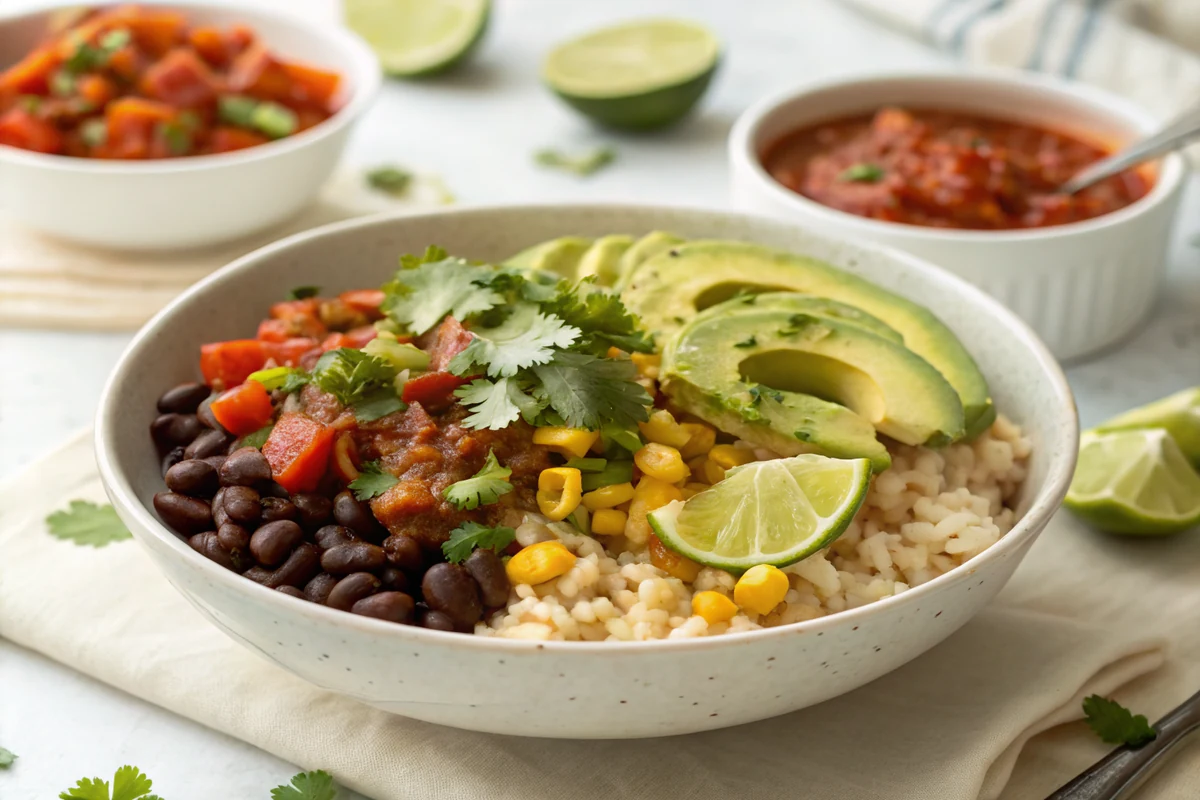
Most components keep three to four days in the fridge, and the rice and beans freeze well for longer. The two things I always add fresh are avocado and salsa, since avocado browns once cut and fresh pico tastes far better than day-old. So I prep the cooked elements ahead and slice the avocado and spoon the salsa on at serving time. A little squeeze of lime over the rice when you reheat it wakes the whole thing back up after a couple of days in the cold.
For reheating, a microwave handles the rice and beans fine with a splash of water to loosen them, and the peppers crisp back up nicely in a hot skillet if you want that char restored. If you are packing bowls for lunch, keep the avocado and salsa separate and add them right before eating. With an hour of cooking on a Sunday, I can set up four or five meatless Tex-Mex meals that come together faster than ordering takeout, and taste a whole lot better.
Common Mistakes
The biggest mistake is underseasoning. Beans and vegetables need more salt and spice than people expect, especially when there is no meat carrying the flavor. Season your beans while they warm, salt the rice in the cooking water, and char your peppers with real fajita seasoning. Then taste before serving and adjust, because a bland meatless bowl is what gives plant-based Tex-Mex an undeserved reputation. Acid matters too, so do not skip that final squeeze of lime, which lifts everything and makes the spices pop.
The second slip is not getting enough char on the vegetables. Soft, pale, steamed peppers and onions taste flat, while peppers blistered in a hot skillet taste like fajitas off a sizzling platter. Use high heat, do not crowd the pan, and let things sit long enough to brown before you stir. The same goes for tortillas: a quick toast on the griddle or over a flame transforms them. Heat and patience at the skillet are where most of the real flavor in this food comes from.
A few hidden-ingredient traps catch vegan cooks specifically. Refried beans and some pinto bean recipes use lard, flour tortillas can contain lard or butter, Spanish rice is often cooked in chicken broth, and certain jarred enchilada sauces hide dairy or chicken stock. None of these is obvious from the dish itself, so read labels and choose corn tortillas, vegetarian refried beans, and vegetable-broth rice when you are cooking fully vegan. Making components from scratch is the surest way to keep a meatless meal truly meatless.
Last, do not lean on a single protein and call it a day. A plate of nothing but beans gets monotonous fast, and that is what burns people out on meatless eating. Vary it: lentils one night, charred mushrooms the next, tofu crumbles after that, with beans as the steady base. Mix textures and colors across the plate, add avocado for richness and salsa for brightness, and your meatless Tex-Mex stays interesting meal after meal instead of feeling like the same bowl on repeat.
Vegan and Vegetarian Tex-Mex Recipes Recipe
Ingredients
- For the cilantro-lime rice:
- 1 cup long-grain white rice
- 2 cups water
- 1 tablespoon olive oil
- 1 teaspoon salt
- Juice of 1 lime
- 1/4 cup chopped fresh cilantro
- For the black beans:
- 2 cans (15 oz each) black beans, drained and rinsed
- 1 teaspoon ground cumin
- 1 teaspoon chili powder
- 1/2 teaspoon garlic powder
- 1/4 teaspoon smoked paprika
- Salt to taste
- For the fajita veggies:
- 1 red bell pepper, sliced
- 1 green bell pepper, sliced
- 1 yellow onion, sliced
- 1 tablespoon oil
- 1 teaspoon chili or fajita seasoning
- To build the bowls:
- 1 cup corn kernels
- 1 avocado, sliced
- 1 cup pico de gallo or salsa
- Lime wedges, for serving
- Extra chopped cilantro, for serving
- Optional: vegan cashew queso or dairy-free cheese
Instructions
- Cook the cilantro-lime rice. Combine the rice, water, olive oil, and salt in a saucepan and bring to a boil. Cover, reduce the heat to low, and simmer for about 18 minutes until the water is absorbed and the rice is tender. Pull it off the heat, let it sit covered for five minutes, then fluff with a fork and stir in the lime juice and chopped cilantro until evenly bright and fragrant.
- Season and warm the black beans. While the rice cooks, add the drained, rinsed black beans to a small pot with the cumin, chili powder, garlic powder, and smoked paprika. Pour in a splash of water, about a quarter cup, to keep things saucy. Warm over medium heat, stirring now and then, for five to seven minutes until the beans are hot and coated in spice. Taste and add salt as needed.
- Char the fajita veggies. Heat the oil in a large skillet over medium-high heat until it shimmers. Add the sliced red pepper, green pepper, and yellow onion in an even layer and sprinkle with the chili or fajita seasoning. Let them sit a minute before stirring, then cook for eight to ten minutes, tossing occasionally, until the edges are charred and the peppers are tender but still have a little bite.
- Warm the corn. Add the corn kernels to the skillet with the peppers and onions for the last two minutes of cooking, or warm them in a separate small pan if your skillet is crowded. You just want them heated through and maybe lightly browned in spots for a touch of sweetness and color. Fresh, frozen, or canned corn all work fine here, so use whatever you have.
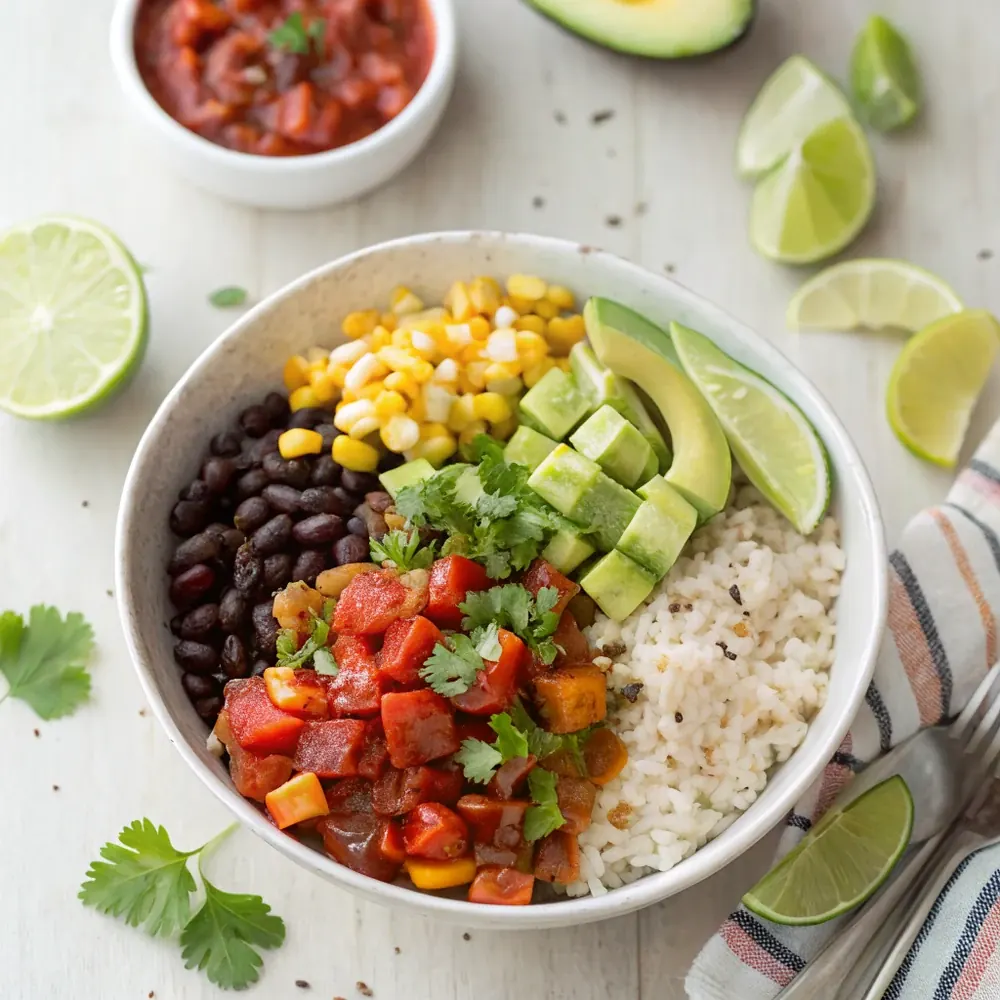
- Build the bowls. Divide the cilantro-lime rice among four bowls as the base. Spoon the seasoned black beans over one section, pile the charred fajita peppers and onions over another, and add the warm corn. Fan out the avocado slices and add a generous scoop of pico de gallo or salsa. Keep the components in tidy sections so each bite can mix exactly how each person likes.
- Finish and serve. Scatter extra chopped cilantro over the top and tuck a couple of lime wedges into each bowl for squeezing at the table. If you are going all the way, drizzle on warm vegan cashew queso or sprinkle dairy-free cheese. Serve right away while the rice and beans are hot and the avocado is fresh, and let everyone season their own bowl to taste.
Frequently Asked Questions
Is Tex-Mex food vegan or vegetarian friendly?
Very much so. The foundation of Tex-Mex is beans, rice, corn, peppers, tomatoes, avocado, and warm spices, all of which are plant based. Many dishes are vegetarian as written, and a large share are vegan or just one swap away. The animal products usually show up as a cheese, sour cream, or meat topping you can skip or replace. With a few label checks, you can build an entire meatless Tex-Mex spread that satisfies both vegan and vegetarian eaters.
What is the difference between vegan and vegetarian Tex-Mex?
Vegetarian Tex-Mex contains no meat, poultry, or fish but still uses dairy and eggs, so cheese enchiladas, queso, and sour cream are all fair game. Vegan Tex-Mex drops every animal product, which means no cheese, sour cream, butter, or eggs at all. In practice the difference is the dairy layer on top. Vegan versions swap in dairy-free cheese, cashew crema, or cashew queso, and avoid hidden lard in refried beans and tortillas. The plant-based base is usually identical either way.
What can I use instead of meat in Tex-Mex?
Plenty of options work. Black and pinto beans are the staple, filling and protein-rich. Cooked lentils mimic ground meat in tacos and stuffed peppers. Crumbled tofu or soy crumbles take taco seasoning well, and seitan strips stand in for fajita meat. Charred mushrooms bring deep, meaty umami without anything processed. I often mix two, like beans plus mushrooms, so the plate has variety. Each one soaks up cumin, chili powder, and lime, so the Tex-Mex flavor stays front and center.
How do I make vegan queso for Tex-Mex?
The most common method blends raw cashews, soaked until soft, with water, nutritional yeast for a cheesy savor, lime, and a little chili powder and cumin until smooth and pourable. A nut-free version uses boiled potato and carrot as the base instead. Warm it gently and drizzle it over nachos, tacos, or my burrito bowl. It will not be identical to melted dairy cheese, but it gives you that golden, savory, spoonable queso experience without any dairy at all.
Are refried beans and tortillas vegan?
Not always, so this is the trap to watch. Traditional refried beans are sometimes made with lard, and flour tortillas can contain lard or butter, both of which make them non-vegan. Corn tortillas are almost always vegan, and many brands now sell vegetarian or vegan refried beans made with oil. Always read the label if you are cooking strictly vegan, or make your own beans from scratch with oil. Spanish rice is another sneaky one, since it is often cooked in chicken broth.
Is the loaded vegan burrito bowl filling enough for a meal?
Yes, it is a full meal on its own. Each serving runs about 480 calories and combines cilantro-lime rice, two cans of black beans split across four bowls, charred peppers, corn, and avocado. The beans and rice together provide solid plant protein and a lot of fiber, which is the combination that keeps you full for hours. The avocado adds healthy fat for staying power. If you want even more, stir in extra beans, add lentils, or top with vegan queso.
Can I meal prep vegan Tex-Mex ahead of time?
Absolutely, it is one of the best meal-prep cuisines. Cook the rice, season the beans, and char the peppers and onions ahead, then store each component separately for three to four days, or freeze the rice and beans for longer. Assemble bowls, tacos, or burritos through the week in minutes. The only things I add fresh are avocado, which browns once cut, and salsa, which tastes best fresh. A squeeze of lime when reheating brings the rice and beans right back to life.