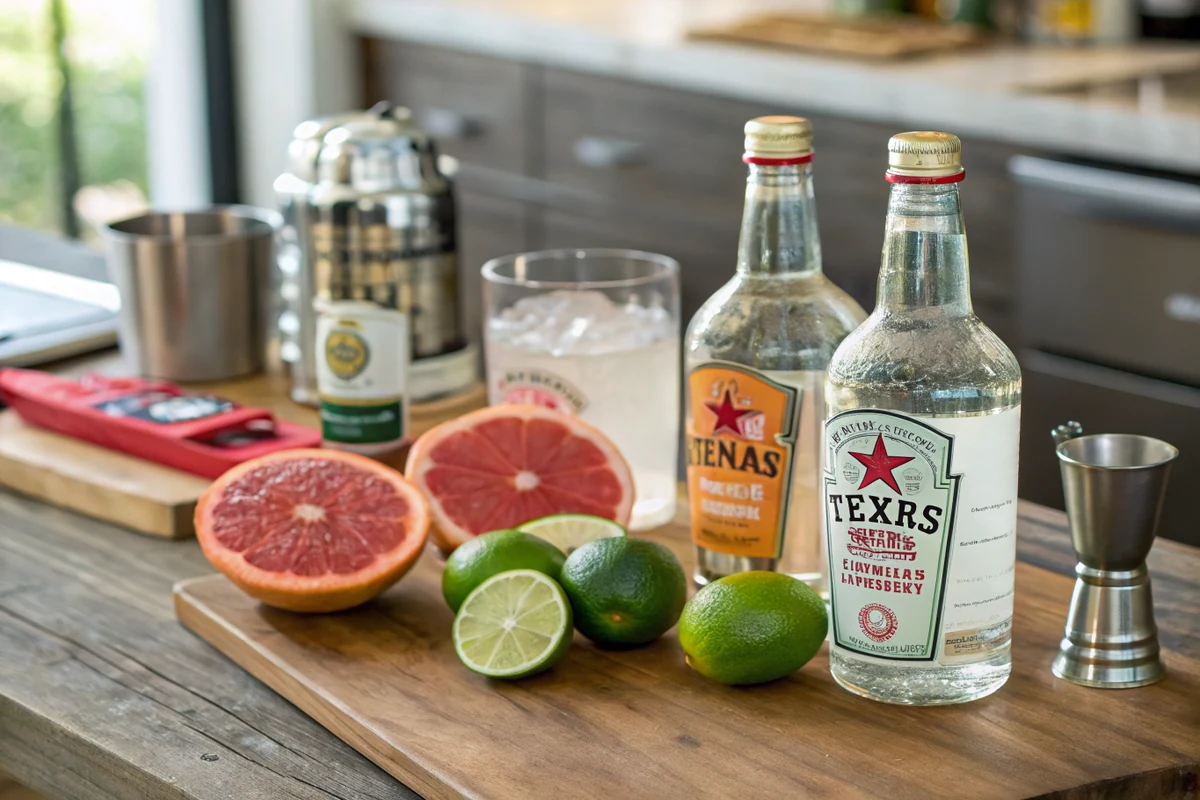
Drink guide
Texas Cocktails: The 13 Iconic Drinks Every Texan Knows
Quick answer: The iconic Texas cocktails are ranch water (blanco tequila, Topo Chico, and lime, drunk from the bottle), the rocks margarita in a 3-2-1 ratio, the ruby red grapefruit paloma, Dallas's Mambo Taxi with its sangria float, the tequila-forward Texas Tea (a cocktail, not sweet tea), the border-town michelada, the Texas mule with Tito's vodka, the layered pink sunset, the Hill Country mint julep with local bourbon and peach, sweet tea by the gallon, and the Roadhouse blender wing: the Jamaican Cowboy, Kenny's Cooler, and the frozen pina colada. Every one of them is below with its real history and a link to my full tested recipe.
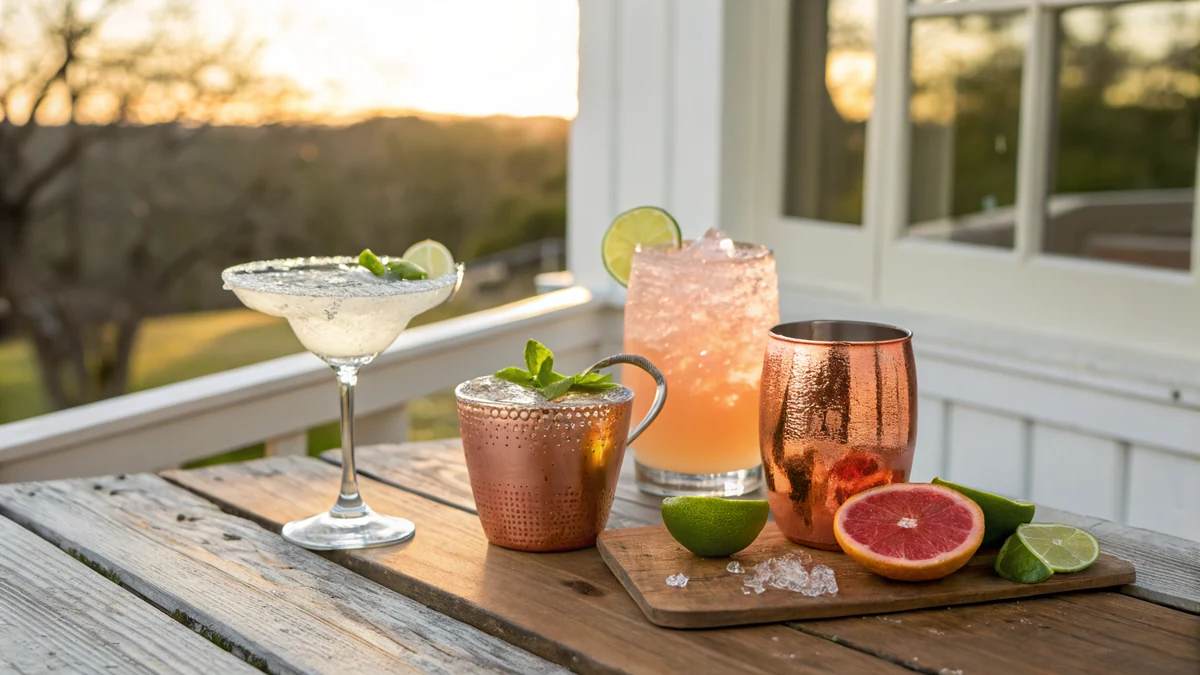
Texas does not really have a cocktail culture in the coastal, twelve-dollar-bitters sense of the word. What Texas has is a porch culture, and the drinks in this guide all answer the same question: what do you hand somebody when it is ninety-eight degrees at seven in the evening and supper is still an hour from the pit? The answers are short, cold, citrus-forward, and mostly built on tequila, because we share twelve hundred miles of border with the country that makes it.
I have spent years collecting these drinks the honest way: on a Marfa back porch where I learned to pour Espolon straight into a Topo Chico bottle, at a Dallas bar three blocks from where the frozen margarita machine was invented, at a brunch counter in El Paso where a michelada counts as breakfast. Each of the thirteen drinks below gets its story, what makes the Texas version different, and a link to my full tested recipe with exact measures and the mistakes to avoid.
If you are building a menu around these, most of them were born to sit next to smoke. My Central Texas brisket, a skillet of queso blanco, or a stack of Austin breakfast tacos will all find a friend on this list, and there is a pairing section near the end that does the matchmaking for you.
What Makes a Cocktail Texan
Three things, in my experience. First, the weather does the bartending: Texas drinks are long, cold, and low-effort, because nobody wants to double-strain anything when the thermometer reads triple digits. Second, the ingredients are local by instinct, not by marketing. Topo Chico from Monterrey has been the state's sparkling water since the 1980s, Rio Grande Valley ruby red grapefruit is the best in the country, Tito's made vodka a Texas product, and the Hill Country now distills bourbon in Hye, Waco, and Dripping Springs that stands up to Kentucky's. Third, the glass is optional. The most Texan cocktail of all, ranch water, is served in the bottle it arrived in.
You will notice what is missing from this list too: nothing here requires a shaker except the margarita and the Jamaican Cowboy, nothing requires more than five minutes, and nothing costs more than a modest bottle of blanco tequila. That is not an accident. These are drinks that get made in kitchens with wet hands and a screen door slamming, and every recipe linked below is written for exactly that kitchen.
A Short True History: Ranch Water, the Chilton, and the Mexican Martini
Three origin stories anchor Texas cocktail history, and only one of them has a recipe page here, because the other two are worth knowing even if you never mix them. Ranch water was born in the Trans-Pecos, the hard, beautiful ranch country around Marfa, Alpine, Fort Davis, and Terlingua. Sometime in the 1980s, West Texas ranch hands worked out that a glass bottle of Topo Chico, sipped down an inch, had exactly enough headspace for a shot of blanco tequila and a squeeze of lime. No glass, no ice, no recipe card. The drink stayed a regional secret for decades before Austin discovered it, canned it, and sold it back to the rest of the country. The bottle version is still the correct one.
The chilton belongs to Lubbock. The standard telling credits a Dr. Chilton at the Lubbock Country Club sometime in the mid-twentieth century, who asked the bartender for something cold built from vodka, the juice of two lemons, soda water, and a salted rim. Nobody has ever produced the doctor's first name, which tells you something about how bar legends work, but the drink is real, fiercely local, and still the house cocktail of the South Plains. Order one anywhere within a hundred miles of Texas Tech and the bartender will not blink.
The Mexican martini is Austin's contribution: a margarita that moved into a martini glass and brought olives with it. The Cedar Door bar downtown has claimed it since the 1980s, allegedly inspired by a drink from Matamoros, and the defining ritual is that the shaker comes to your table so you can top yourself up. It is a margarita wearing a costume, which might be the most Austin sentence ever written. When you want the drink underneath the costume, my Texas margarita is the place to start.
The Tequila Classics
1. Ranch Water
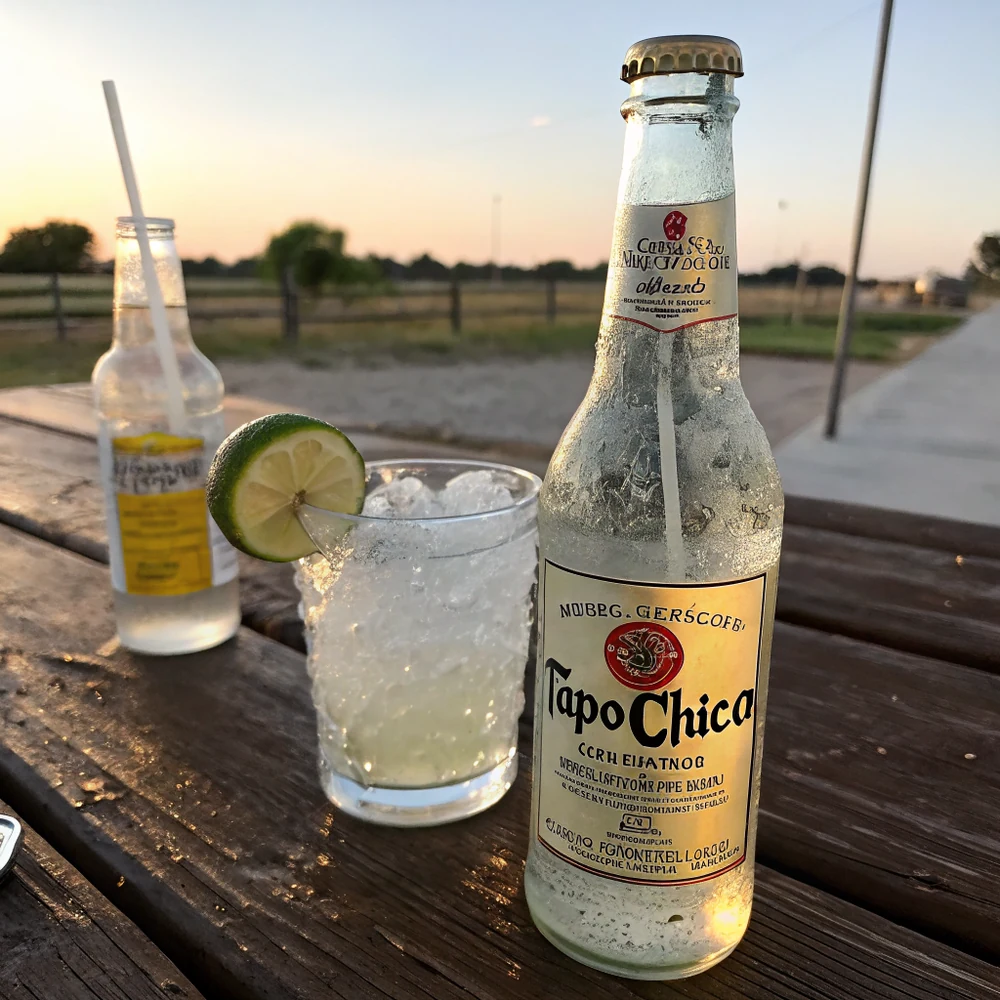
The whole build: sip an inch off a cold Topo Chico, pour in a shot of blanco tequila, squeeze in half a lime, drink from the bottle. That is the entire drink, and it is perfect. The mineral bite of the water, the pepper of the agave, and the lime do all the work that a cocktail program usually needs six ingredients to do. My ranch water recipe covers the bottle ritual, the right tequilas under thirty dollars, and why the highball-glass restaurant version is a compromise. If you make one drink from this page, make this one.
2. The Texas Margarita
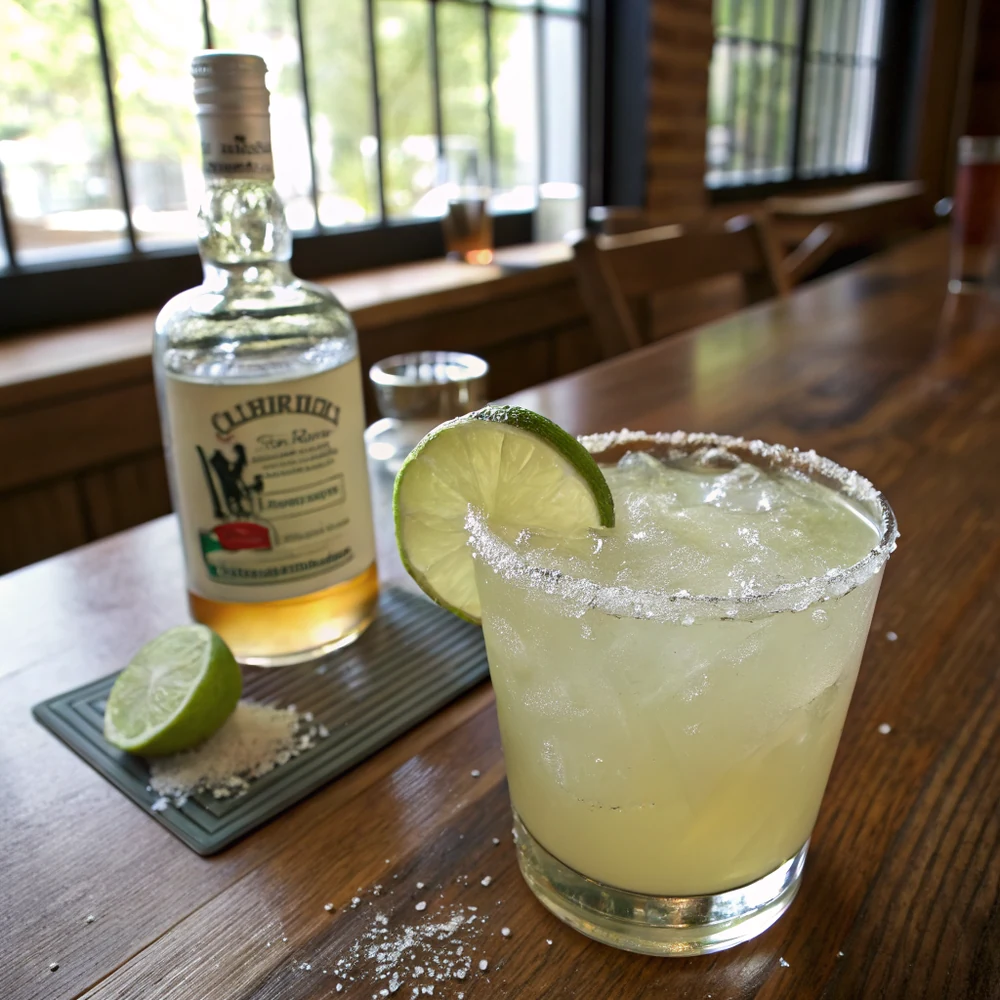
Texas gave the world the frozen margarita machine (Mariano Martinez, Dallas, 1971; the original machine is in the Smithsonian), but the margarita Texans make at home is the rocks version: three parts blanco tequila, two parts Cointreau, one part fresh lime, shaken hard and poured over a kosher-salt rim. No sour mix, ever. My Texas margarita recipe walks the 3-2-1 ratio, the ten-second shake, and the chain-restaurant mistakes to unlearn. It pairs with anything Tex-Mex, which in Texas means it pairs with Tuesday.
3. The Texas Paloma
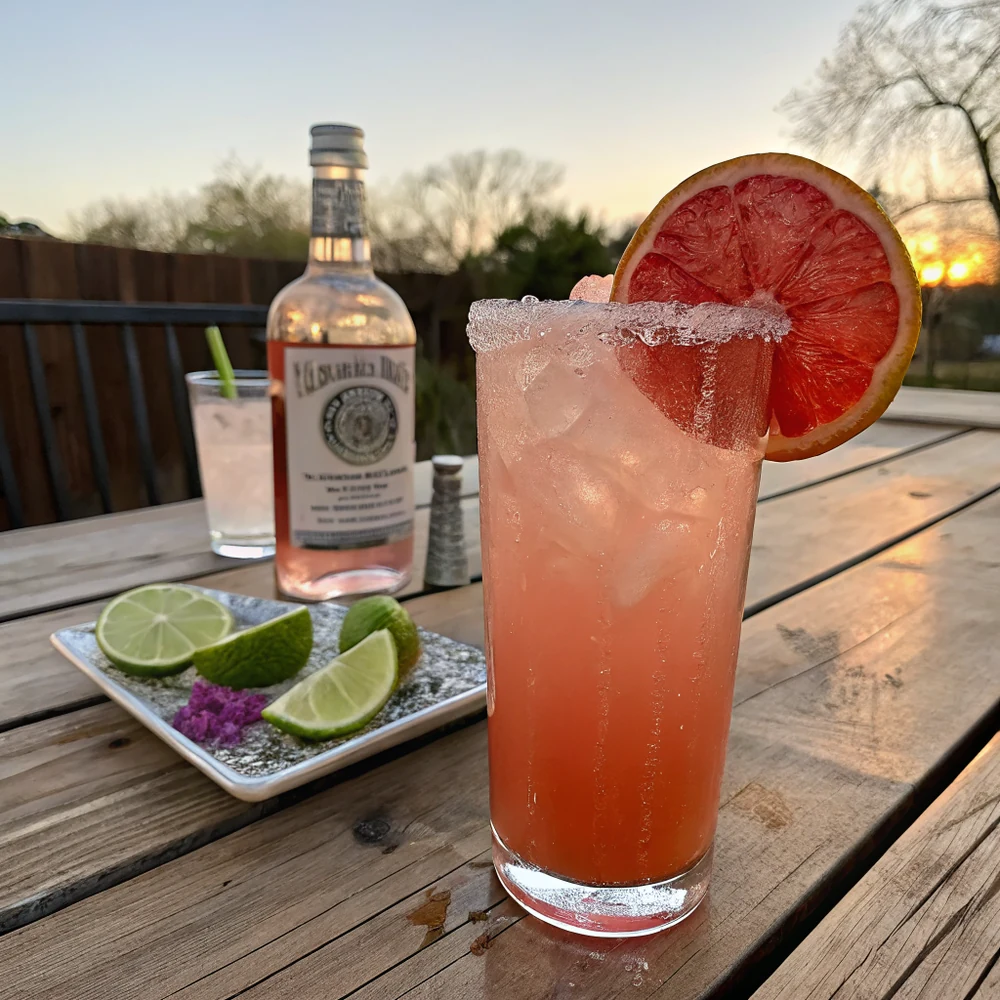
Mexico's favorite tequila drink crosses the river and trades grapefruit soda for the real thing: fresh-squeezed Rio Grande Valley ruby red, blanco tequila, lime, a pinch of salt, and cold Topo Chico over crushed ice with a Tajin rim. The Texas paloma is what happens when a border-town bartender refuses to open a can of Squirt, and the fresh-juice difference is not subtle. Drink it next to ranch water some evening and you will understand the two moods of Texas tequila: the paloma is Saturday afternoon, ranch water is Saturday night.
4. The Mambo Taxi
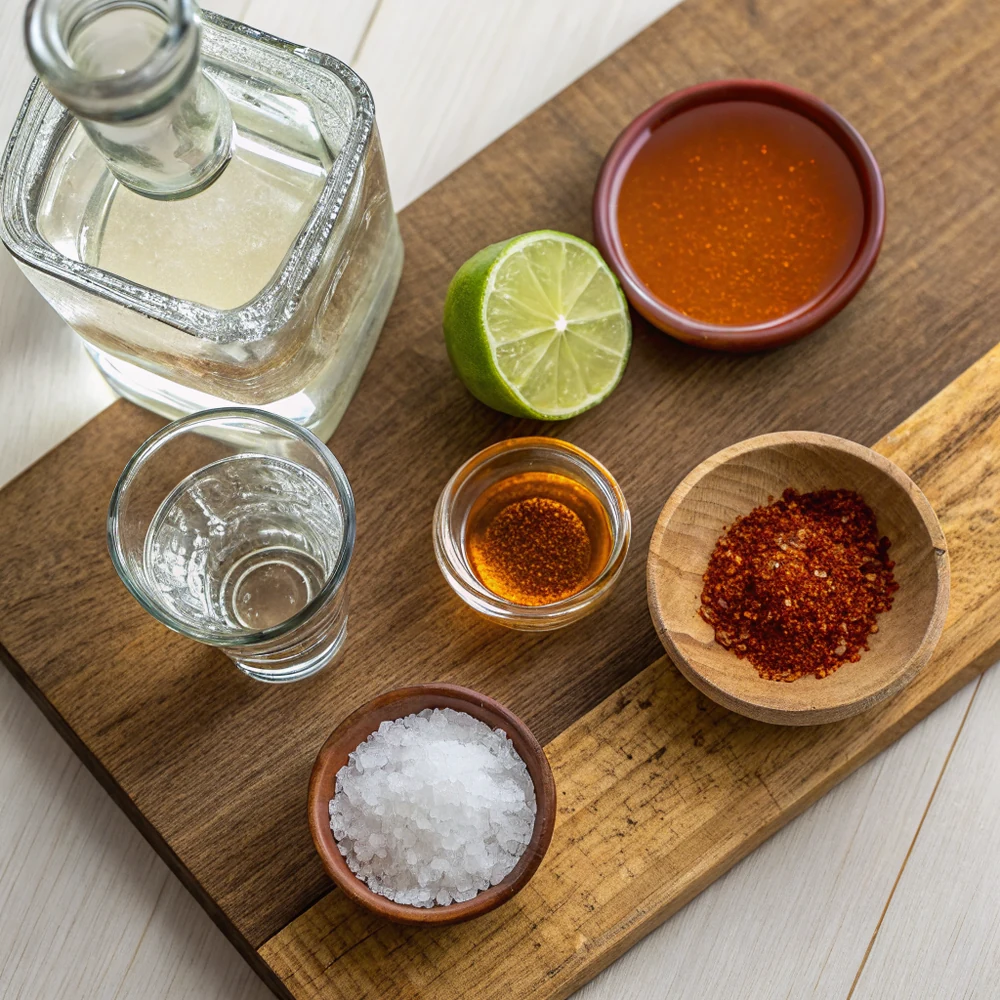
Mi Cocina invented this one in Dallas in 1991 and Highland Park has ordered it with a queso ramekin ever since: a proper frozen margarita, blended thick from blanco tequila, orange liqueur, fresh lime, and agave, with a slow pour of chilled dry red sangria floated on top so it bleeds down in red streaks as you drink. My Mambo Taxi copycat covers the spoon-back float, the Tajin rim, and the strawberry-jalapeño variation. The standing joke in Dallas is that two is a commitment; the drink hides its tequila better than it should.
5. The Texas Tea
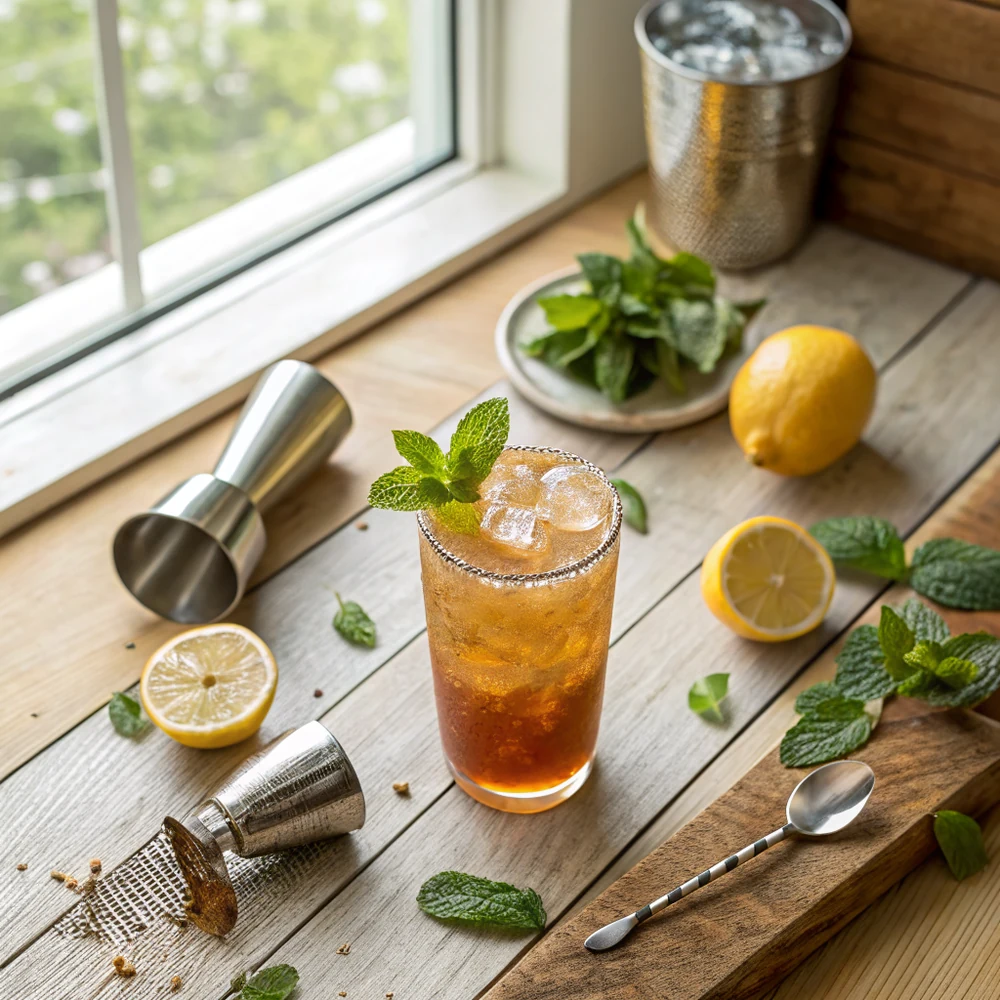
Not the pitcher from your grandmother's refrigerator: the Texas Tea is the Long Island Iced Tea's Lone Star cousin, five white spirits under fresh lemon and a short cola cap, with the tequila poured above the crowd so a peppery blanco leads every sip. Garnished with a lemon wheel and mint, it is a dead ringer for the state's actual porch tea while carrying nearly two standard drinks per glass. My Texas Tea cocktail gives the exact measured build, the pitcher math, and the house rules a drink this sneaky has earned. For the non-alcoholic amber glass it impersonates, see Texas sweet tea at number 10.
Beer, Vodka, and Bourbon
6. The Michelada
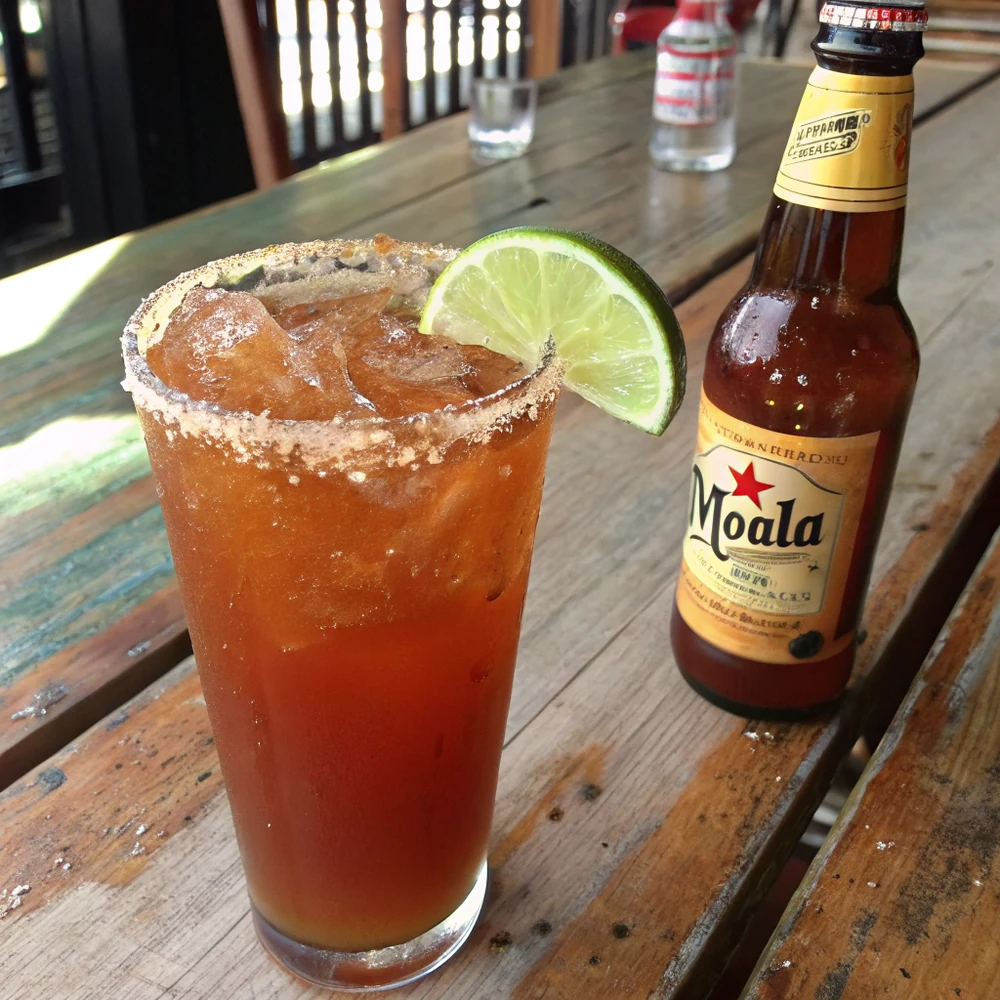
The michelada came north out of Mexico in the 1970s and became the official companion of Texas brunch: a Tajin-rimmed pint glass, a whole lime, Worcestershire, Valentina, a whisper of Maggi, and a cold Mexican lager poured slowly down the side. My border-town michelada recipe is the clear style, no Clamato, the way they build it in El Paso. It is the rare cocktail that improves migas and breakfast tacos instead of competing with them, and it remains the best documented cure for the margaritas of the night before.
7. The Texas Mule
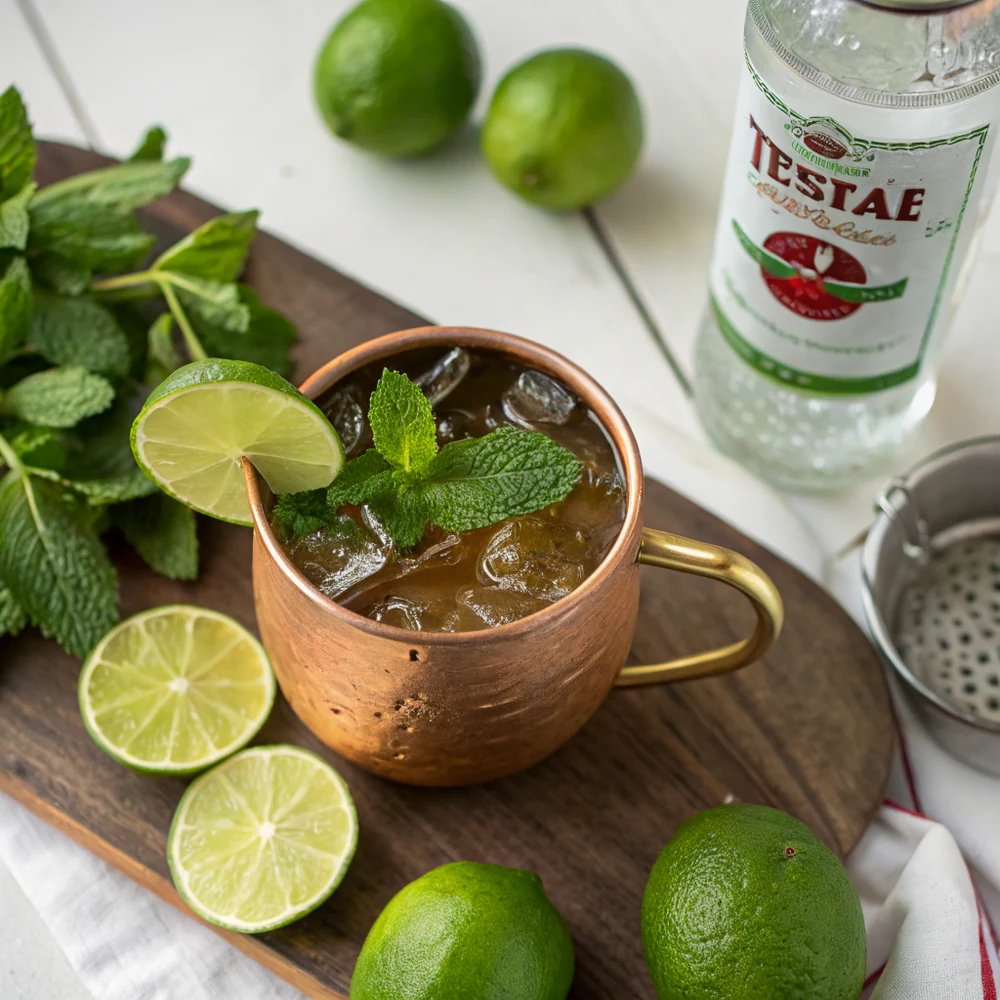
Take a Moscow Mule, hand it a Texas passport, and you get this: Tito's Handmade Vodka from Austin, fresh lime, and properly spicy ginger beer built right in the copper mug, no shaker involved. The Texas Mule is the lowest-effort cocktail in this guide after ranch water, and my recipe adds the jalapeño twist that earns the name, plus a whiskey variation and pitcher math for a porch full of people. The copper mug is not decoration; it frosts in seconds and keeps the drink cold to the last inch.
8. The Pink Sunset
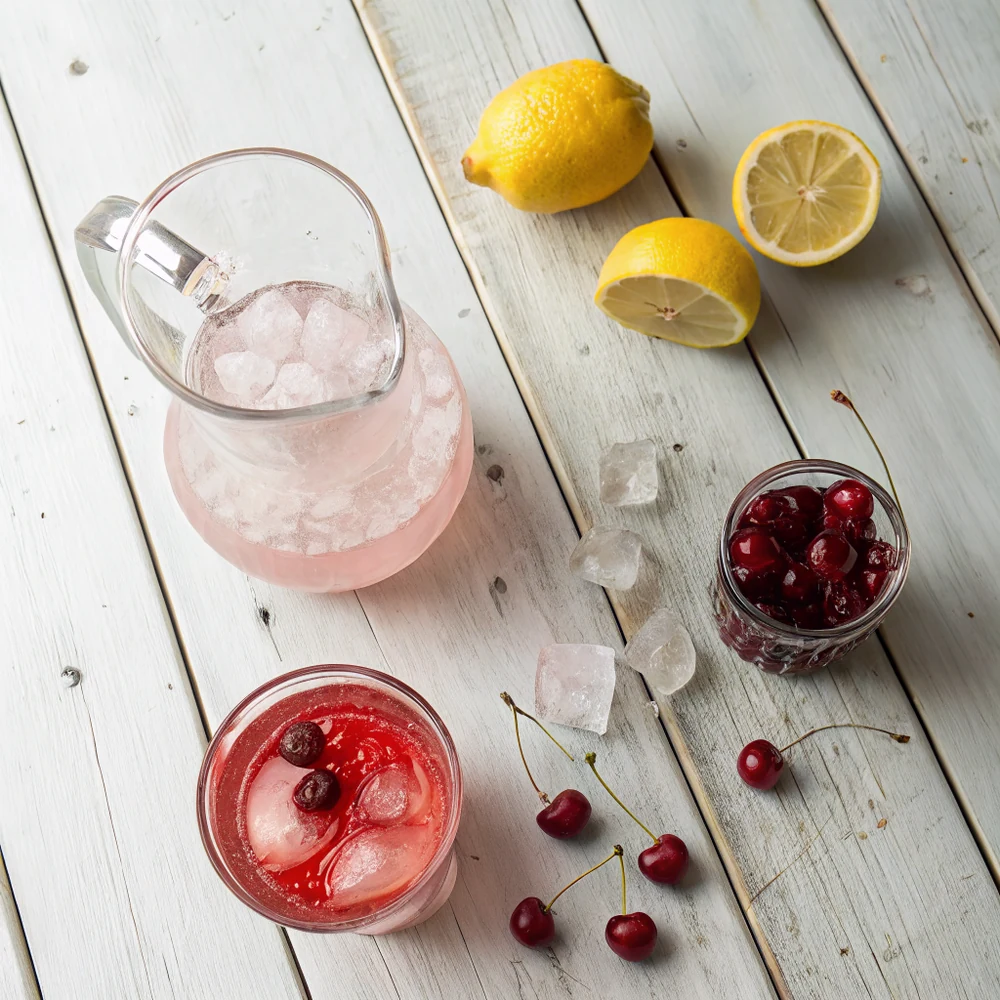
The prettiest drink on this page is also one of the easiest: Tito's vodka and pink lemonade built right in the glass over ice, a bridge of cranberry, and half an ounce of real grenadine poured slowly down the side so it sinks and glows from the bottom up like the sky over Marfa at 8:45 in July. No shaker, no blender, five minutes. My pink sunset drink covers the density trick that makes the layers hold, the zero-proof porch version, and why the neon corn-syrup grenadine is the one mistake that ruins it.
9. The Texas Mint Julep
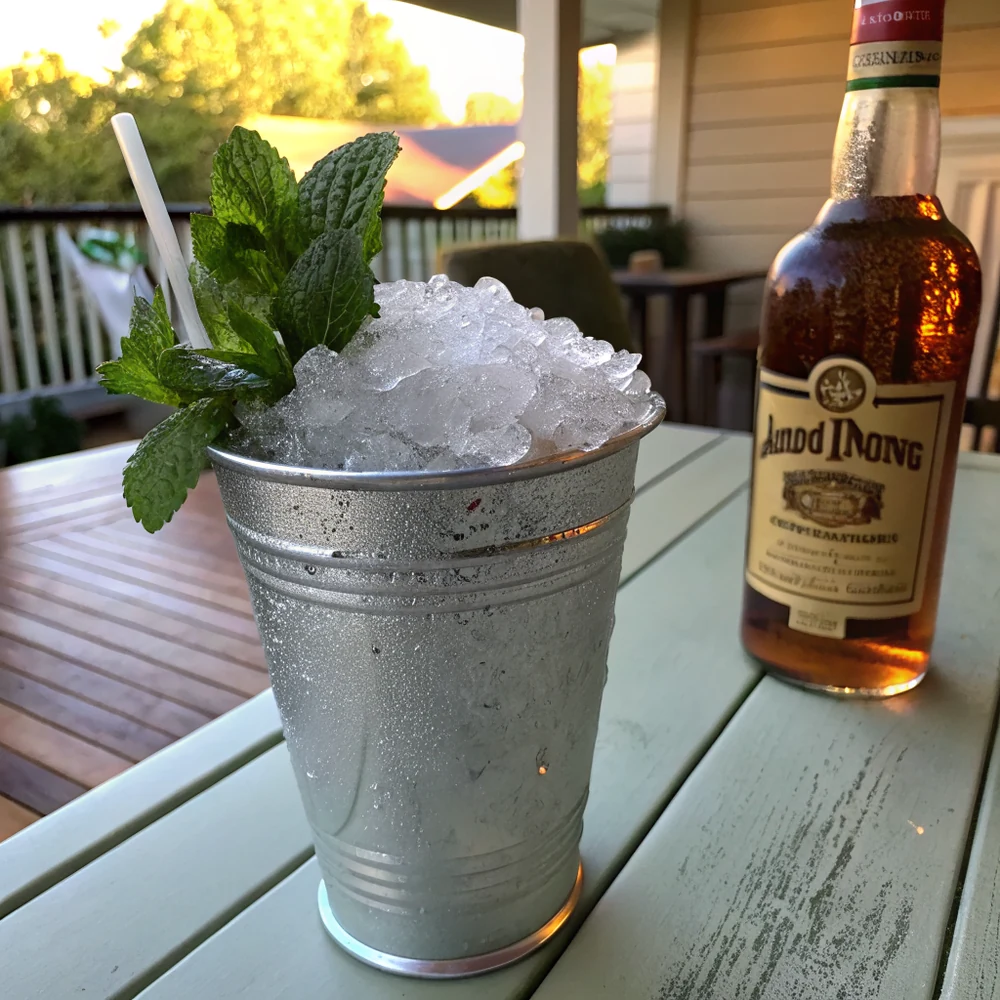
Kentucky invented it and Texas quietly improved the supply chain: bourbon from Garrison Brothers in Hye or Balcones in Waco, spearmint from the porch tub, and a Fredericksburg freestone peach sliced into the cup before the crushed ice goes in. My Texas mint julep is the Derby Day drink for households whose horses run on a radio. The peach is the Texas signature: it perfumes the bourbon without sweetening it, and the frozen silver cup does the rest. One per race is the traditional dosage.
Sweet Tea and the Roadhouse Coolers
10. Texas Sweet Tea
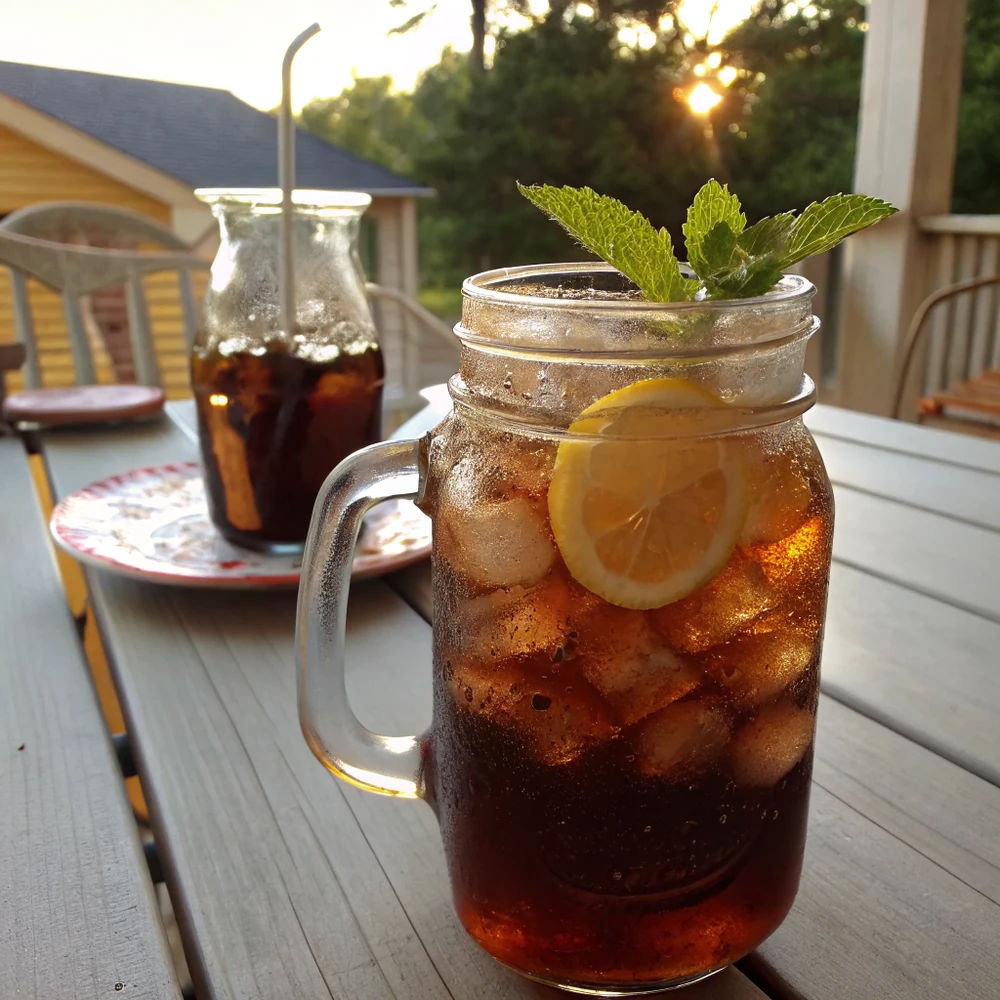
The only drink on this list with no liquor and more cultural authority than all the others combined. The rules are generational law: one cup of sugar per gallon, family-size black tea bags, steep four minutes (never six), stir the sugar in hot. My grandmother's Texas iced tea recipe is the Tyler method I still use, with notes on tannin control and the peach tea variation. It is what you pour for guests before you ask if they want anything, and its glass sweats on every porch rail from May to October.
11. The Jamaican Cowboy
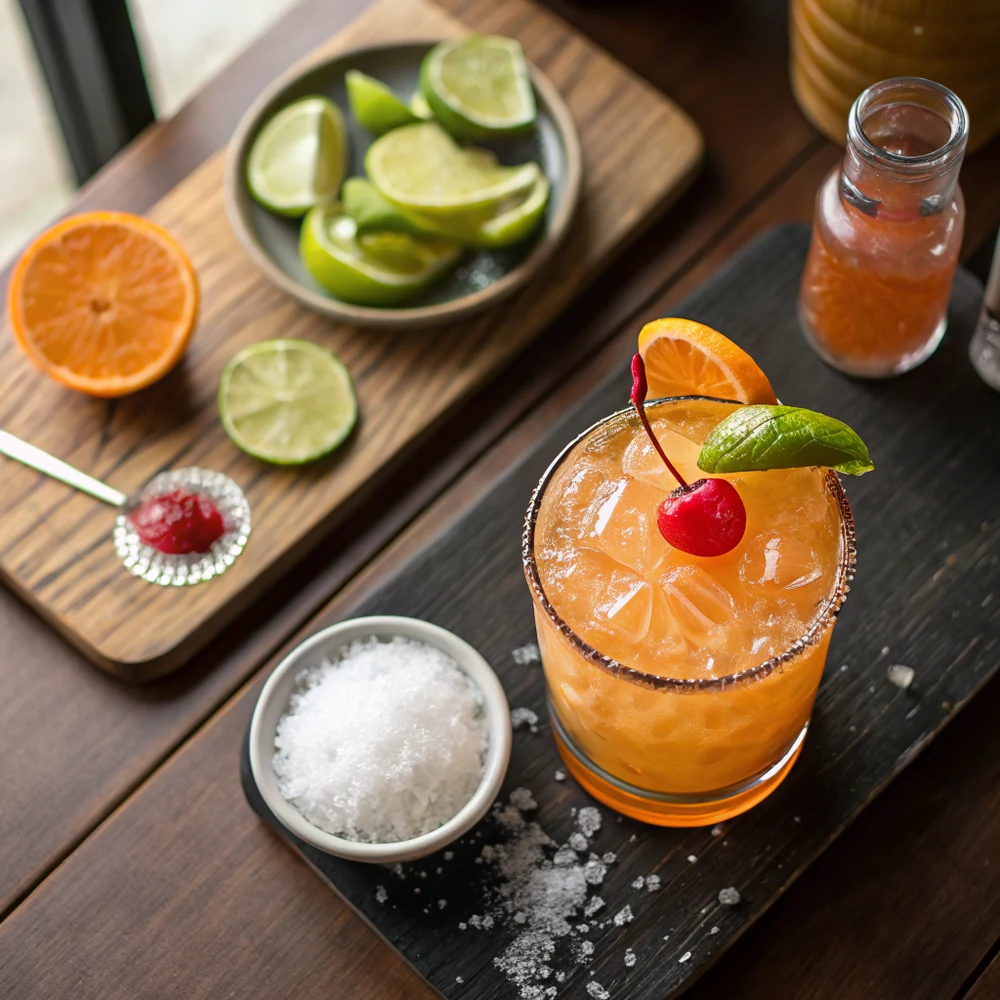
Texas Roadhouse's tropical margarita is the drink for people who think they do not like margaritas: tequila, coconut rum, and peach schnapps lengthened with orange and pineapple juice, with fresh lime keeping it out of syrup territory. My Jamaican Cowboy copycat reverse-engineers the restaurant build with a jigger and a straight face, including the pitcher version for porch season. It is the sweetest tequila drink in this guide and it knows it; that is the job it was hired to do.
12. Kenny's Cooler
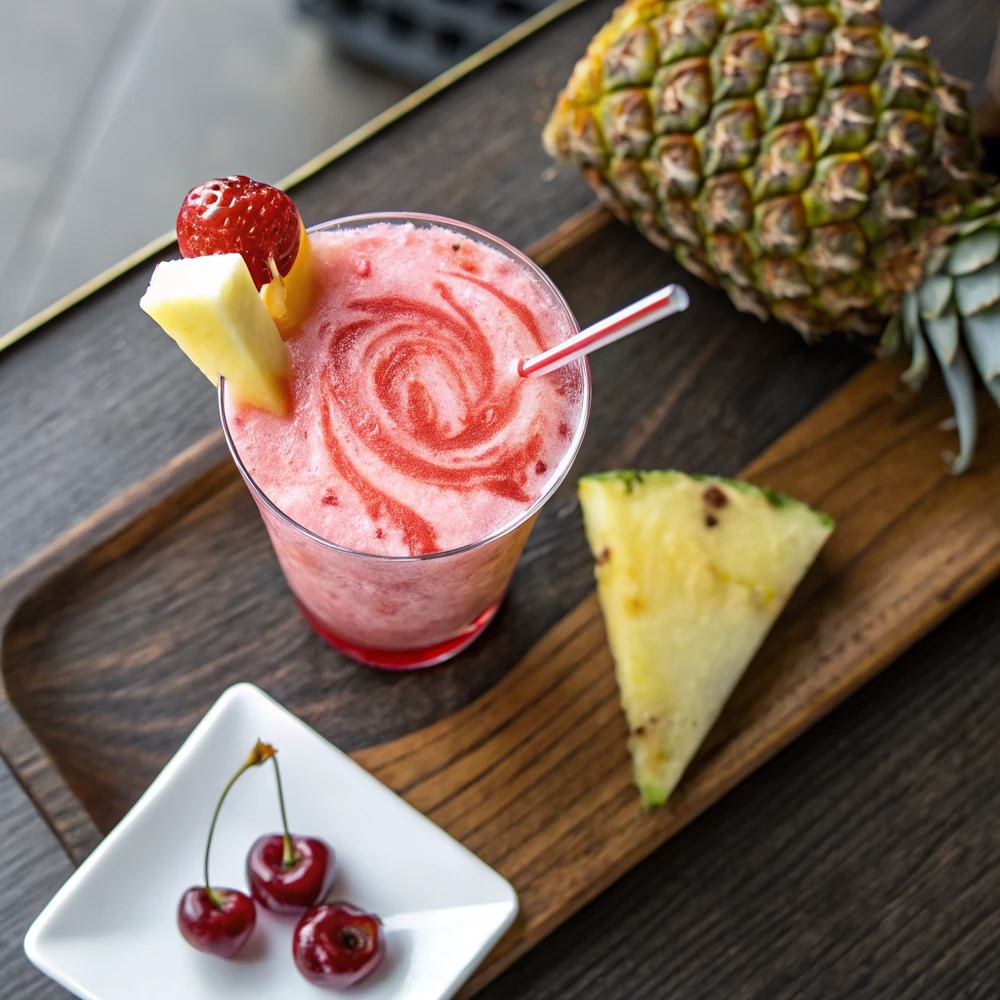
The other Roadhouse legend: light rum and Malibu blended frozen with a creamy piña colada base and pineapple juice, topped with Sprite and a lazy red strawberry swirl. My Kenny's Cooler copycat nails the soft-serve texture (liquids first, ice on top), includes a pitcher method, and has a zero-proof version the kids will lobby for. Between this, the Jamaican Cowboy, and the piña colada below, the blender wing of Texas drinking is fully covered.
13. The Piña Colada
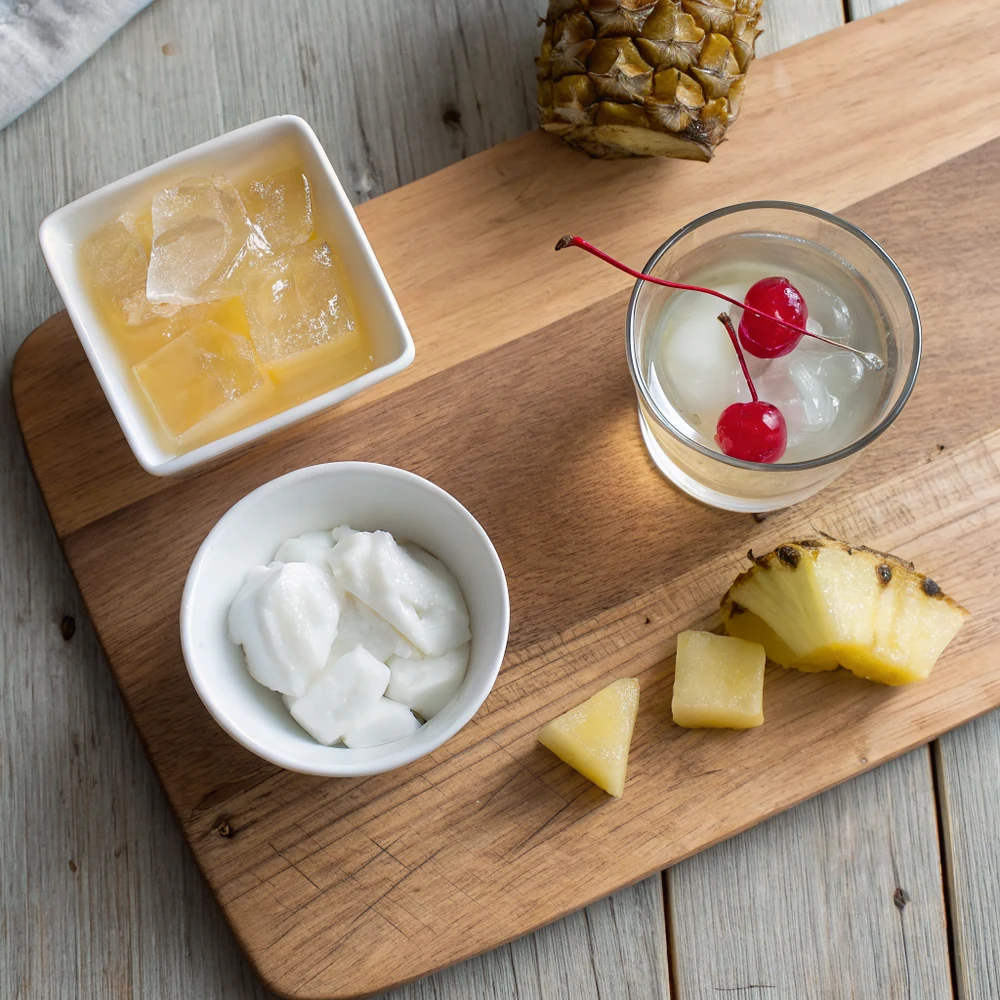
The quiet one on the Roadhouse drink menu, and the one I order when I do not want a swirl or a soda top: light rum, real cream of coconut, and pineapple juice blended thick enough to hold a straw upright. My Texas Roadhouse piña colada copycat uses actual cream of coconut instead of bottled mix, adds an optional dark rum float that changes the whole first sip, and includes the pitcher math. If the Kenny's Cooler is a piña colada that ran off with a strawberry daiquiri, this is the piña colada that stayed home and got it right.
How to Stock a Texas Home Bar
Every drink in this guide comes out of the same short shopping list. One bottle of decent blanco tequila (Espolon, Cimarron, or Pueblo Viejo all run under thirty dollars and cover ranch water, margaritas, and palomas). One bottle of Tito's for mules and chiltons. Cointreau if margaritas happen weekly; a quality triple sec if they happen monthly. A Hill Country bourbon for julep season. Then the non-negotiables: a case of glass-bottle Topo Chico, more limes than feels reasonable, a shaker of Tajin, kosher salt, and whatever ruby red grapefruit look heavy for their size.
Equipment is nearly nothing: a jigger, one cocktail shaker, a copper mug or two, and a bag of good ice. The silver julep cups are inherited, not bought, and a Topo Chico bottle is its own glassware. If you want one upgrade that changes everything, it is a hand citrus press; every drink on this page except sweet tea and Kenny's Cooler leans on fresh lime, and squeezing to order is the single habit that separates porch drinks from bar drinks.
Pairing Texas Cocktails with Texas Food
The pairings write themselves because these drinks evolved next to this food. Ranch water and brisket is the canonical match; the mineral water scrubs the fat and the tequila stands up to the smoke. Margaritas belong to enchiladas and queso flameado. The michelada owns brunch: migas, breakfast tacos, anything with a fried egg on it. The paloma is built for taco night, the mule cools down hot links, and sweet tea goes with everything from chicken-fried steak to funeral sandwiches, which is why the pitcher never leaves the fridge.
For dessert drinks, the Roadhouse blender trio is dessert. Serve Kenny's Cooler or the piña colada where you would serve peach cobbler and nobody files a complaint. The Mambo Taxi was born next to a queso ramekin in Dallas and still belongs there, and the pink sunset is the pour for when supper is done and the sky takes over the entertainment. And if you are planning a full backyard menu around the pit, start with the Ultimate Texas BBQ Guide and the fifteen classic sides, then come back here and assign one drink to each course like you mean it.
Frequently Asked Questions
What is the most famous Texas cocktail?
Ranch water: blanco tequila, Topo Chico sparkling water, and fresh lime, traditionally drunk straight from the Topo Chico bottle. It was born in the West Texas ranch country around Marfa and Alpine in the 1980s and has since become the state's signature drink, canned commercially and copied everywhere. The margarita is more famous globally, but ranch water is the one Texas can claim outright.
What is in a ranch water?
Three ingredients: a glass bottle of cold Topo Chico with an inch sipped off, one shot (1.5 oz) of blanco tequila poured into the bottle, and the juice of half a lime squeezed in after it. No glass, no ice, no garnish. The restaurant version serves the same build over ice in a highball, but the bottle is the original and correct form.
What is a chilton cocktail?
The chilton is Lubbock's local cocktail: vodka, the fresh juice of two lemons, soda water, and a salted rim over ice. Legend credits a Dr. Chilton at the Lubbock Country Club in the mid-1900s. It remains a fiercely regional drink; bartenders across the South Plains know it by heart while most of Texas has never heard of it.
What tequila should I use for Texas cocktails?
A real blanco (unaged) tequila that says '100% agave' on the label. Espolon, Cimarron, and Pueblo Viejo all cost under thirty dollars and work in ranch water, margaritas, and palomas alike. Skip anything labeled 'gold' or 'mixto,' which contains added sugar spirit. Save aged reposados and añejos for sipping; their oak notes fight the lime in these drinks.
What is the difference between a paloma and ranch water?
Both combine blanco tequila, lime, and sparkling water, but the paloma adds grapefruit, traditionally grapefruit soda in Mexico and fresh ruby red grapefruit juice in the Texas version, plus a Tajin or salt rim, served over ice in a glass. Ranch water has no grapefruit and no glass: just tequila and lime in the Topo Chico bottle itself.
Is a Texas Tea the same as Texas sweet tea?
No, and the resemblance is deliberate. Texas sweet tea is non-alcoholic brewed black tea sweetened at a cup of sugar per gallon, the state's default family drink. The Texas Tea is a cocktail from the Long Island Iced Tea family: tequila, vodka, rum, gin, and triple sec under fresh lemon and a short cola cap, garnished with lemon and mint so it looks exactly like the porch pitcher while carrying nearly two standard drinks per glass. Serving both at one gathering calls for clearly labeled pitchers.
Is sweet tea really a Texas drink?
Texas shares sweet tea with the whole American South, but the state treats it as a birthright: one cup of sugar per gallon, family-size black tea bags steeped exactly four minutes, sugar stirred in while hot. It is served year-round, not just in summer, and it is the default drink offered to any guest within thirty seconds of arrival.