Southern Comfort Food
Buttermilk Sweet Potato Pie
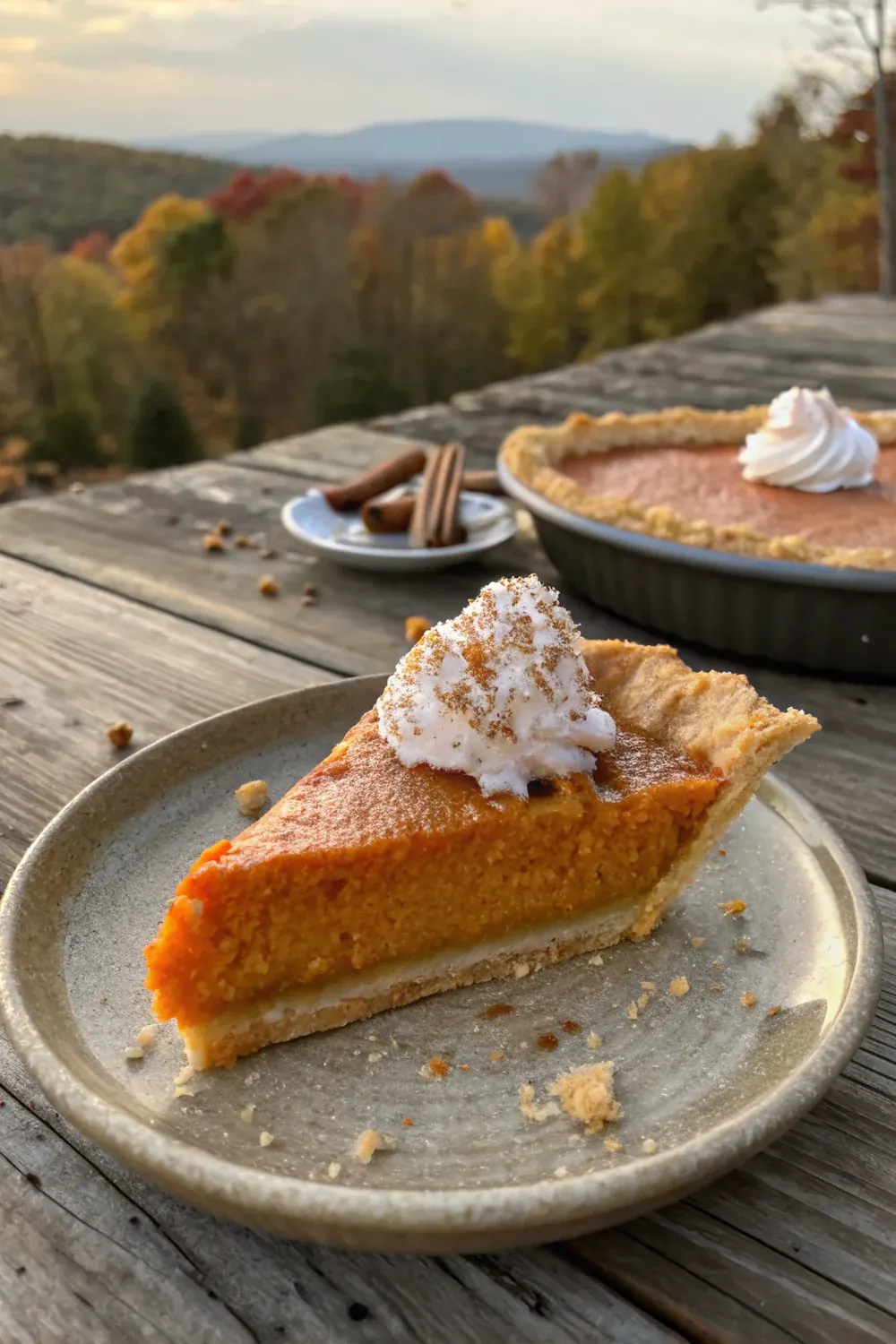
Chef Mia's buttermilk sweet potato pie: roasted sweet potatoes, tangy buttermilk, brown butter spice blend, flaky all-butter crust. Texas Thanksgiving classic.
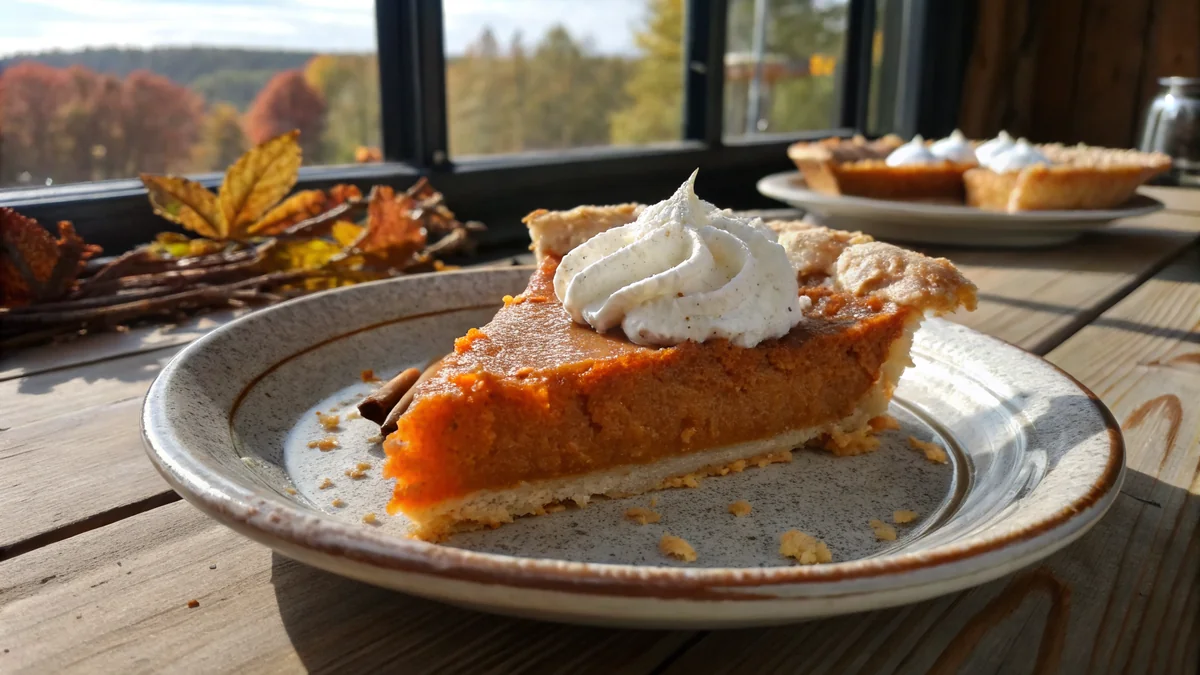
Quick answer: Buttermilk sweet potato pie roasts whole sweet potatoes for concentrated flavor, then folds the mash into a buttermilk-and-egg custard with brown butter and warming spices (cinnamon, nutmeg, cardamom, ginger). The pie bakes at 350F for about 1 hour in a flaky all-butter crust, until the center is just set with a slight wobble. The buttermilk adds a tangy lift that balances the sweet potato richness, distinguishing this Southern Texas classic from the more common pumpkin pie that dominates Northern American Thanksgiving tables.
If you have ever sat at a Texas Thanksgiving table, you have likely been offered both pumpkin pie and sweet potato pie - and you have probably noticed that the sweet potato pie disappears first while half the pumpkin remains by Friday morning. There is a Southern preference at work that becomes obvious the further south of the Mason-Dixon line you travel. Sweet potato pie is to Southern Texas what pumpkin pie is to New England: the seasonal default dessert, the one grandmothers make from memory, the slice that even people who say they don't like dessert will still take.
I learned to make this version of buttermilk sweet potato pie from my paternal grandmother, who had grown up in the East Texas piney woods near Tyler. Her mother and her mother before her were sweet potato pie cooks. They used Beauregard sweet potatoes (the orange-fleshed Texas-grown variety that dominates the fall harvest in East Texas), roasted them whole rather than boiled (a critical step that took me years to fully appreciate), and added buttermilk to the custard for tang. My grandmother's pie was distinguishable from any other sweet potato pie by the brown butter spice blend she made fresh each Thanksgiving morning - cinnamon, nutmeg, cardamom, ginger, and a stick of butter browned in the saucepan before mixing in.
The buttermilk is the secret weapon. Most sweet potato pie recipes use whole milk, half-and-half, or evaporated milk for the custard liquid. Buttermilk adds a faint tangy acidity that cuts through the natural sweetness of the roasted sweet potatoes and makes the custard taste lighter and more complex. It is the same trick that makes a buttermilk biscuit better than a milk biscuit, or a buttermilk pancake better than a regular pancake. The pie below is the one I make every Thanksgiving morning, with whatever Beauregard sweet potatoes I can find at the HEB or Whole Foods (they show up in October and run through January). It is the pie that brings my grandmother's kitchen back into mine for one afternoon a year.
Sweet Potato Pie vs Pumpkin Pie (the Southern Preference)
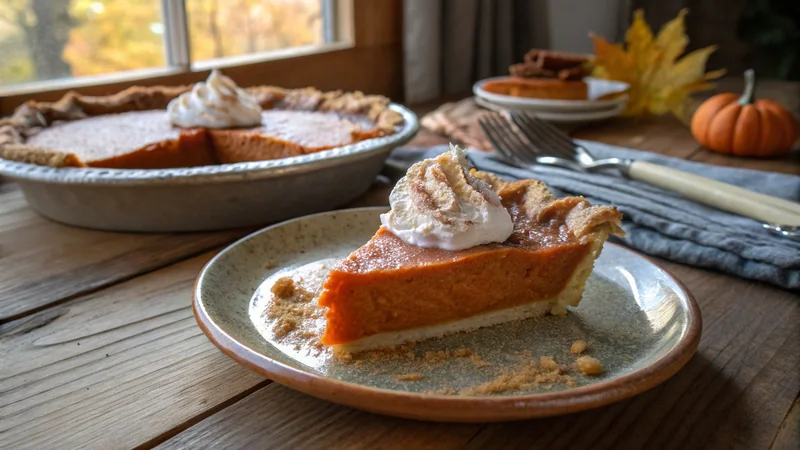
The sweet potato pie versus pumpkin pie debate has clear regional lines in the United States. North of the Mason-Dixon line, pumpkin pie is the Thanksgiving default. South of it, sweet potato pie dominates. In Texas specifically, sweet potato pie is the canonical Thanksgiving dessert in most multi-generational families, especially those with East Texas or Deep South roots. Pumpkin pie is treated as an acceptable second pie or a dessert for the inlaws who do not know better.
The flavor case for sweet potato pie is strong. Sweet potatoes have a more complex, more nuanced flavor than canned pumpkin. The natural sugar content is higher, so the pie needs less added sweetener. The texture, when made with roasted (not boiled) sweet potatoes, is silkier than pumpkin pie filling. The orange-amber color is deeper and more visually appealing than the dull tan-gray of canned pumpkin.
The historical case is also Southern. Sweet potatoes are native to the Americas and were a staple food across the antebellum South - including the Texas piney woods, the Mississippi Delta, and the Carolinas. Sweet potato pie predates Thanksgiving as we now know it; it was a year-round Southern dessert long before the modern Thanksgiving holiday made pumpkin pie a national tradition. African-American kitchens in particular have carried the sweet potato pie tradition forward continuously for over 200 years, and the recipe in this method draws from both Southern Texan and African-American Texan kitchen traditions.
If you grew up on pumpkin pie, the first time you eat a properly made buttermilk sweet potato pie can be a genuine revelation. The complexity of flavor, the textural silk, the buttermilk tang - it makes pumpkin pie feel like a one-note imitation. Many Northern transplants to Texas convert to sweet potato pie within a Thanksgiving or two of arriving. One clarification worth making before anybody shops: this is a dessert custard baked in a crust, not the sweet potato casserole that goes on the dinner plate next to the turkey. Same vegetable, roughly four times the egg-to-potato ratio, completely different job.
Why Buttermilk? (the Tang Differentiator)
Buttermilk is the secret ingredient that elevates a good sweet potato pie to a great one. Most traditional sweet potato pie recipes use whole milk, half-and-half, evaporated milk, or even heavy cream as the dairy component of the custard. All of these work; buttermilk works better. The acid in buttermilk (lactic acid, the byproduct of fermentation) cuts through the natural sweetness of the sweet potatoes and prevents the custard from being cloyingly sweet.
The acidity also tenderizes the egg proteins in the custard, producing a softer, silkier texture than non-buttermilk versions. The same chemistry makes buttermilk biscuits more tender than milk biscuits and buttermilk pancakes more delicate than regular pancakes. The mechanism is identical; the application to sweet potato pie is just less common than to other Southern baking.
Use full-fat buttermilk, not low-fat. The fat content (about 3.5% in full-fat) helps emulsify the custard and contributes to the silky texture. Low-fat buttermilk works but produces a slightly thinner, less creamy result. Most major brands (Daisy, Knudsen, Borden, Trader Joe's, HEB) carry full-fat versions at the dairy aisle.
If you cannot find buttermilk, you can fake it: 1/2 cup whole milk + 1.5 teaspoons of fresh lemon juice or white vinegar, stirred and let sit 5 minutes until slightly thickened and curdled. This is the buttermilk-substitute trick from professional kitchens; it works but produces a slightly less complex flavor than real buttermilk. Cultured buttermilk is genuinely better than the milk-and-acid substitute. Chef Mia's buttermilk pie uses the same buttermilk-tang trick in a different dessert pie context if you want to see the technique applied to a different recipe.
Roasting vs Boiling Sweet Potatoes (Roasting Wins)
The most important step in this recipe is the roasting of the sweet potatoes. Most sweet potato pie recipes call for boiling or steaming the potatoes - boil whole, then peel; or steam in chunks until tender. Both methods produce edible potatoes but at a significant cost. Boiling and steaming both add water to the potato flesh, which then gets pressed into the pie filling, diluting the flavor and producing a thinner, more watery custard.
Roasting whole, unpeeled sweet potatoes at 400F for 45-55 minutes does the opposite. The potatoes lose moisture rather than gain it. The natural sugars caramelize in the dry heat, deepening the flavor noticeably. The skins crack and char slightly, contributing a faint roasted-vegetable note that boiled potatoes never have. The flesh is denser, more concentrated, and produces a richer pie filling per cup.
The technique: pierce the sweet potatoes 5-6 times with a fork (prevents bursting), place directly on the oven rack with a sheet pan below to catch drips, roast at 400F until tender when squeezed with a kitchen towel. Cool 15 minutes; the flesh contracts slightly as it cools, making peeling much easier. Slip the skins off; they should release in large pieces. Mash the flesh with a fork - no need for a food processor or blender, which over-processes the texture.
Beauregard sweet potatoes (the orange-fleshed variety grown commercially in East Texas, North Carolina, and Louisiana) are the right cultivar for sweet potato pie. They have the deepest orange color, the highest natural sugar content, and the silkiest texture when roasted. Other orange-fleshed varieties (Garnet, Jewel, Hayman) work equally well. Avoid white-fleshed sweet potatoes (Boniato, Japanese sweet potatoes) for this pie - they are starchier and the texture goes wrong.
Two pounds of sweet potatoes typically yield 1.5 to 2 cups of mash. The recipe is calibrated for that range. If your potatoes yield more, the filling will be slightly thicker and the pie will be a touch dense (still good); if less, slightly thinner and more custard-like (also good). The recipe is forgiving on this proportion.
The Brown Butter Spice Blend
Brown butter is melted butter cooked past the melting point until the milk solids in the butter caramelize, producing a deep nutty flavor and a beige-tan color (versus the pale yellow of regular melted butter). The technique is French (beurre noisette, hazelnut butter) but applies beautifully to Southern American baking. Brown butter in sweet potato pie filling adds a roasted-nut depth that supports and amplifies the roasted sweet potato character.
The technique: melt the butter in a small saucepan over medium heat. Continue cooking past the foaming stage. The butter will go through three visible phases: (1) clear liquid at melting; (2) foamy, light golden when the water in the butter evaporates; (3) deep golden brown with a nutty fragrance when the milk solids caramelize. Stop at phase 3. Watch carefully in the last 60 seconds; it goes from golden to burnt in 30 seconds. Pour into a heatproof bowl immediately to stop the cooking.
The spice blend in this pie is more complex than the standard cinnamon-nutmeg-clove of generic pumpkin pie. Cinnamon (2 teaspoons, the dominant) provides the warm Southern baking signature. Nutmeg (1 teaspoon) provides the holiday baking depth. Cardamom (1/2 teaspoon) is the unusual ingredient that gives the pie a slight Indian-spice complexity that many sweet potato pies lack - the cardamom rolls beautifully with the sweet potato sweetness. Ginger (1/2 teaspoon) provides the warming finishing kick.
Use freshly grated nutmeg if possible. A whole nutmeg from the spice aisle, grated on a microplane, is dramatically more aromatic than pre-ground nutmeg. The same applies to fresh-ground cardamom (crush the pods with a knife handle, remove seeds, grind in a spice mill or with a mortar and pestle). For weeknight versions, pre-ground spices work but the pie loses about 20% of its aromatic complexity.
Bake Method, Cool, and Chill Strategy
The pie bakes at 350F for 50-60 minutes. The visual cue for doneness is the same as for any baked custard: the edges should be set firm, and the center should jiggle slightly when you nudge the pan - similar to cheesecake, key lime pie, or chess pie. The center continues to set as the pie cools.
The water-bath option (placing the pie pan in a larger pan filled with hot water during baking) produces an even silkier custard with no cracks. It is optional but worth doing for special occasions. Wrap the pie pan in foil to prevent water from seeping in; place in a 9x13 baking dish; pour 1 inch of hot water around the pie pan before baking. The water bath moderates the oven temperature and prevents the edges from over-cooking before the center sets. For everyday Thanksgiving baking, skip the water bath; the pie is excellent without it.
Cool to room temperature on a wire rack for 2 hours - non-negotiable. A hot pie has a runny, weeping custard that pours onto the plate when cut. A fully cooled pie cuts cleanly with the slices holding their shape. The custard finishes setting during the cooling.
Refrigerate at least 4 hours, ideally overnight. The texture firms up and the spices meld more deeply with the rest. Serve cold from the fridge (typical Southern Thanksgiving move) or at room temperature (more typical when serving with hot coffee). Both presentations work; the choice is taste preference rather than correctness.
Storage: covered in the fridge for up to 4 days. The pie actually improves on day 2 and day 3 as the spices integrate further. Past day 4, the custard starts to weep slightly. The pie can be frozen whole, wrapped tightly in plastic and foil, for up to 3 months. Thaw overnight in the fridge before serving.
Serving and Pairing the Texas Thanksgiving Way
The traditional serve is a slice with fresh whipped cream on top. Whip 1 cup of heavy cream with 2 tablespoons of sugar and 1/2 teaspoon vanilla extract until soft-medium peaks. The whipped cream provides the dairy contrast that makes the pie feel complete. Vanilla ice cream is an excellent alternative; the cold-on-cold-or-warm contrast is a different but equally good experience.
Garnish options: a few toasted pecan halves on top of the whipped cream (the most Hill Country move), a drizzle of additional brown butter spooned over the slice (rich on rich), a sprinkle of cinnamon-sugar dust, a pinch of flake salt for contrast. Brown butter pecans pressed into the rim of the crust before serving turn the pie into a more elaborate dessert plate.
On a Thanksgiving spread, this pie is one of two pies on most Texas tables. The other is Texas pecan pie - the canonical Texas dessert that pairs the rich custardy gooeyness of pecan filling with the lighter dairy-tangy custard of buttermilk sweet potato. Together they cover both ends of the dessert spectrum at one table.
For families that prefer three pies (overachievers, you know who you are): add buttermilk pie as the third option. The buttermilk pie shares the buttermilk-tang DNA of the sweet potato version but is plain custard rather than vegetable-based - a lighter palate cleanser between richer slices. The full holiday lineup, from the bird through the pie table, is in my Texas Thanksgiving guide.
For year-round serving (not just Thanksgiving), this pie pairs beautifully with bourbon-spiked coffee, hot apple cider, or even a small glass of Texas port-style dessert wine. Serve in winter for any reason; sweet potatoes are at their best November through January in Texas. For broader Southern Comfort cooking context, see the Ultimate Southern Comfort Food Guide.
Buttermilk Sweet Potato Pie Recipe
Ingredients
- FOR THE CRUST:
- 1.25 cups (155 g) all-purpose flour
- 1/2 teaspoon kosher salt
- 1 teaspoon granulated sugar
- 1/2 cup (113 g) unsalted butter, very cold, cut into 1/2-inch cubes
- 3-5 tablespoons ice water
- FOR THE FILLING:
- 2 lb (900 g) sweet potatoes (about 2 large or 3 medium), Beauregard variety preferred
- 1/2 cup (113 g) unsalted butter, browned (see step 1)
- 3/4 cup (165 g) packed dark brown sugar
- 1/2 cup (120 ml) buttermilk (full-fat, not low-fat)
- 3 large eggs
- 1 teaspoon pure vanilla extract
- 2 teaspoons ground cinnamon
- 1 teaspoon ground nutmeg (preferably freshly grated)
- 1/2 teaspoon ground cardamom
- 1/2 teaspoon ground ginger
- 1/4 teaspoon kosher salt
- TO SERVE:
- Fresh whipped cream or vanilla ice cream
- Optional: pecan halves, additional brown butter drizzle
Instructions
- Roast the sweet potatoes (45 min). Preheat the oven to 400F (205C). Pierce the sweet potatoes 5-6 times with a fork. Place directly on the oven rack with a sheet pan below to catch drips. Roast 45-55 minutes until completely tender when squeezed with a kitchen towel. The skins should look caramelized and slightly cracked. Let cool 15 minutes; the flesh shrinks slightly as it cools, making peeling easier. Peel off the skins (they slip off in large pieces) and discard. Mash the flesh in a bowl with a fork until smooth. You should have 1.5 to 2 cups of mash. Set aside.
- Make the brown butter (5 min). While the sweet potatoes cool, melt 1/2 cup butter in a small saucepan over medium heat. Continue cooking, swirling the pan occasionally, for 4-6 minutes until the butter foams, then turns light golden, then deep golden brown with a nutty fragrance. Watch carefully in the last minute - it goes from golden to burnt in 30 seconds. Pour into a heatproof bowl (this stops the cooking). Cool 10 minutes.
- Make the crust. In a food processor, pulse the flour, salt, and sugar to combine. Add the cold cubed butter and pulse 8-10 times until the mixture looks like coarse meal with pea-sized butter pieces. Add 3 tablespoons of ice water and pulse 4-5 times. The dough should clump together when pinched; if too dry, add 1-2 more tablespoons of water. Turn out onto plastic wrap, shape into a 1-inch-thick disc, wrap and refrigerate at least 1 hour (or up to 2 days). The chill is essential for a flaky crust.
- Roll out and blind-bake the crust. Preheat the oven to 375F (190C). Roll the chilled dough on a lightly floured surface to a 12-inch circle, about 1/8 inch thick. Transfer to a 9-inch pie pan, pressing into the corners. Trim the overhang to 1 inch, fold under, and crimp decoratively. Refrigerate the shaped crust 15 minutes. Line with parchment paper and fill with pie weights or dried beans. Bake 18 minutes. Remove parchment and weights; bake another 5 minutes until the bottom looks dry but not yet browned. Cool on a wire rack while you prepare the filling. Reduce oven to 350F (175C).
- Make the filling. In a large mixing bowl, whisk together the cooled brown butter, brown sugar, sweet potato mash, buttermilk, eggs, vanilla extract, cinnamon, nutmeg, cardamom, ginger, and salt. Whisk until completely smooth and uniform - 60 seconds. The mixture should be a deep orange-amber color and pourable but thick. Taste; the spices should be present but not overwhelming. Adjust salt if needed.
- Pour into the crust and bake. Pour the filling into the par-baked pie crust. Smooth the top with a spatula. Place on a sheet pan (catches any drips). Bake at 350F for 50-60 minutes until the edges are set firm and the center jiggles slightly when nudged - similar to a baked custard. The top should look matte rather than shiny, and a knife inserted 2 inches from the edge should come out clean. The center will continue to set as it cools. If the crust edges brown too fast (after 35 min), tent with foil strips.
- Cool to room temperature. Pull the pie and set on a wire rack. Cool to room temperature, about 2 hours - non-negotiable. Cutting a hot pie produces a runny, weeping slice; a fully cooled pie cuts cleanly. The custard sets fully as it cools; what looks slightly under-set at hour 0 is firm by hour 2. Cover loosely with a clean towel during cooling to keep dust off.
- Refrigerate 4 hours minimum. After cooling, cover and refrigerate at least 4 hours, ideally overnight. The pie holds its slices better when fully cold, and the spices meld more deeply with a longer rest. Serve cold from the fridge, or pull 30 minutes before serving for room temperature - both are correct. Cold-cold is more typical for Southern Texas Thanksgiving; room temperature is more typical when serving with hot coffee.
- Garnish and serve. Slice into 8 wedges with a sharp knife dipped in hot water and wiped between cuts. Top each slice with a generous dollop of fresh whipped cream or a scoop of vanilla ice cream. Optional garnishes: a few toasted pecan halves on top, a drizzle of additional brown butter, a sprinkle of cinnamon-sugar. Serve with hot coffee or after-dinner whiskey. The pie pairs beautifully with the broader Texas Thanksgiving spread - <a href='https://www.texanrecipes.com/texas-pecan-pie-recipe/'>Texas pecan pie</a> as the second pie option, with the smoked turkey and cornbread as the savory foundation.
Frequently Asked Questions
Can I use canned sweet potato puree instead of fresh?
Possible but not recommended. Canned sweet potato puree (Bruce's Yams is the most common brand) is acceptable for emergency baking but produces a flatter, less concentrated flavor than roasted fresh sweet potatoes. The water content of canned puree is higher, which thins the custard. If you must use canned, drain the puree in a fine mesh sieve for 30 minutes before using to remove excess water, and reduce the buttermilk in the recipe by 2 tablespoons to compensate.
What's the difference between sweet potato pie and yam pie?
In the United States, the terms sweet potato and yam are used interchangeably for the same orange-fleshed root vegetable - despite the fact that true yams (Dioscorea, an African and Asian root) and sweet potatoes (Ipomoea batatas, a New World tuber) are botanically unrelated. Most American grocery stores label Beauregard or Garnet sweet potatoes as yams; they are sweet potatoes. True yams are sold mainly at international grocery stores and are not commonly used in pie. This recipe uses American sweet potatoes (orange-fleshed Beauregard or Garnet variety).
Why is my sweet potato pie watery or weeping?
Two likely causes: (1) the sweet potatoes were boiled or steamed instead of roasted, adding water to the filling that pools out as it cools; (2) the pie was cut while still hot or warm, before the custard fully set. Solution: roast the sweet potatoes whole at 400F (no boiling), and cool the baked pie to room temperature for 2 hours before slicing. Refrigerate at least 4 hours for the cleanest slicing.
Can I make buttermilk sweet potato pie ahead?
Yes - this pie is one of the best make-ahead Thanksgiving desserts. Bake the day before, cool, refrigerate covered. The flavor and texture both improve with a 24-hour rest. Top with fresh whipped cream just before serving. The pie holds 4 days in the fridge or 3 months in the freezer (wrapped tightly in plastic and foil; thaw overnight in the fridge before serving).
Can I make this recipe dairy-free?
Yes, with substitutions. Use coconut milk in place of buttermilk + 1 teaspoon lemon juice (provides the tang). Use vegan butter (Earth Balance or Miyoko's) in place of regular butter for both the crust and the brown butter step. The vegan butter still browns, just at slightly lower temperatures - watch carefully. The result is lighter and slightly less rich than the dairy version, but still excellent. Use a vegan pie crust (most store-bought crusts are vegan; check labels).
Should I blind-bake the crust?
Yes - the par-bake step (18 min with weights, 5 min without) prevents the bottom crust from going soggy under the wet sweet potato filling. Skipping the par-bake produces a soggy bottom crust by serving time. The par-bake adds 25 minutes to the total active time but is worth the improvement in crust texture. For a no-bake shortcut, use a graham cracker crust pre-baked from the recipe on the box.
Why did my sweet potato pie crack on top?
Two likely causes: (1) the pie was over-baked (the custard continued cooking past the point of doneness, causing surface tension cracks); (2) the oven temperature was too high. Pull the pie when the center jiggles slightly when nudged - the residual heat finishes the cook during the 2-hour cool. If you over-baked, cover the cracks with whipped cream before serving; the cosmetic damage is invisible under the topping.
Can I add other spices or substitute the spice blend?
Yes - the spice blend is forgiving. The most common variation is replacing cardamom with allspice (1/2 teaspoon) and adding 1/4 teaspoon of cloves. Some Texas grandmothers add 1 teaspoon of bourbon to the filling; others add 1 tablespoon of molasses for darker flavor. Avoid drastic changes that remove the cinnamon (the dominant spice that anchors the pie identity) or the nutmeg (the traditional fall-baking signature).