
Gluten-free kitchen
Is BBQ Sauce Gluten Free? What Really Matters
This is one of the questions I get most from readers cooking for someone with celiac disease or a gluten sensitivity, and the honest answer is more interesting than a flat yes or no. I have spent years reading barbecue sauce labels in grocery aisles, mostly because of a niece who cannot have gluten, so let me save you the squinting and walk you through exactly where things stand.
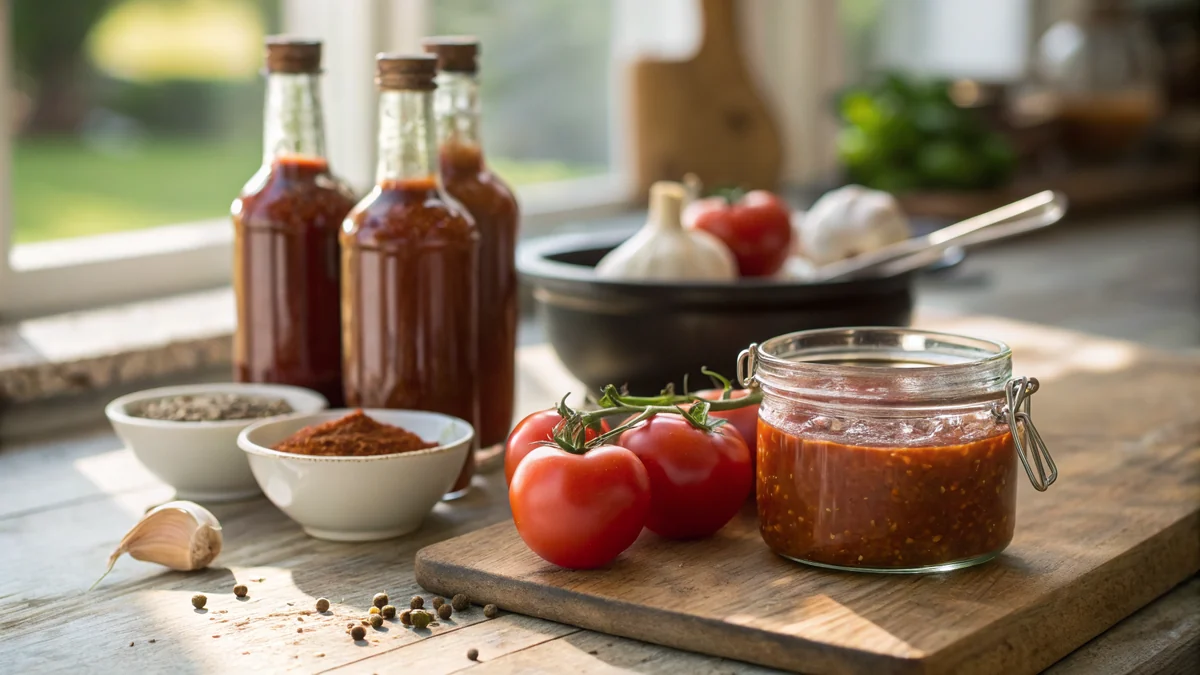
The short answer: most barbecue sauce is gluten free, but not all of it, so it depends on the brand and the bottle. The base of barbecue sauce - tomato or ketchup, vinegar, sugar, and spices - is naturally free of wheat. Gluten only sneaks in through specific add-ins like soy sauce, malt vinegar, malt flavoring, or certain thickeners. If you need to avoid gluten, read the label on the exact bottle, choose a certified gluten-free sauce when you can, and remember that brands reformulate, so check every time. Making your own, which I cover below, removes all the guesswork.
Where Gluten Actually Comes From in BBQ Sauce
It helps to know that the heart of almost any barbecue sauce is gluten free. Tomatoes, vinegar, brown sugar, molasses, mustard, smoked paprika, garlic, onion, and most spices contain no wheat at all. If a sauce were nothing but those, there would be no question. The uncertainty comes entirely from a handful of optional ingredients that some manufacturers add for flavor or texture.
The first and most common is soy sauce. Traditional soy sauce is brewed with wheat, and it turns up in a surprising number of barbecue sauces for its savory, salty depth, especially in sweet or Asian-inspired styles. The second is malt: malt vinegar and malt flavoring both come from barley, a gluten grain, and both appear in some sauces for tang. The third is thickeners and vague natural flavors, where modified food starch or an unnamed flavoring can occasionally trace back to wheat.
What this means in practice is that you are not scanning for the word gluten on the label, because it rarely appears. You are scanning for soy sauce, malt, malt vinegar, and any thickener or natural flavor you cannot identify. In the United States, wheat is one of the major allergens that must be declared, so a clear allergen statement that does not list wheat is a good sign, though not a guarantee against barley-based malt.
Which Brands Are Usually Safe, and Why You Still Check
A number of mainstream barbecue sauces are made without gluten-containing ingredients. Over the years, popular originals from brands like Kraft, Heinz, and Sweet Baby Ray's have generally been formulated without gluten ingredients, which is why so many people who avoid gluten reach for them. I have used all three in a pinch. But I want to be careful here, and you should be too.
Being made without gluten ingredients is not the same as being certified gluten free. Certification means the product is tested to contain less than 20 parts per million of gluten, the threshold regulators use, and that the manufacturing has been checked for cross-contact. Most big-brand sauces are not certified, even when their ingredient lists look clean. For everyday gluten avoidance that is often fine; for celiac disease, certification carries real weight.
The other reason to check every time is that recipes change. A brand can quietly reformulate, add a new flavor variety with soy sauce, or change a supplier, and the safe bottle you bought last year is not guaranteed to match the one on the shelf today. I treat the front of the bottle as marketing and the ingredient list as the truth, and I read it on every purchase. The U.S. FDA guidance on gluten and food labeling explains what the gluten-free claim legally requires, which is worth understanding before you trust a label.
How to Read a BBQ Sauce Label in Ten Seconds
Here is the quick routine I use in the store. First, scan the ingredient list for soy sauce. If it is there and not labeled gluten free or tamari, put it back. Second, look for the words malt, malt vinegar, or malt flavoring, which signal barley. Third, check for a thickener or natural flavor you cannot place, and if the rest of the label is borderline, that is your cue to choose a clearer option.
Then look at the allergen statement, usually in bold under the ingredients. In the United States, wheat must be declared there if present, so a contains wheat line is an immediate no. A clean allergen statement plus a clean ingredient list is a reasonable green light for general gluten avoidance. For celiac disease, look beyond that for an actual gluten-free certification mark or a may contain wheat note that flags cross-contact risk.
If you ever cannot tell, the safest move is to assume it is not safe and pick a certified product or make your own. I would rather skip a sauce than gamble on a label I cannot read clearly, particularly when I am cooking for someone whose health depends on getting it right.
Make Your Own Gluten-Free BBQ Sauce
The surest way to a gluten-free barbecue sauce is to make it, because then you control every ingredient. It takes about ten minutes and tastes fresher than most bottles. In a small saucepan, whisk together one cup of ketchup, a third of a cup of packed brown sugar, a quarter cup of apple cider vinegar, two tablespoons of unsulphured molasses, one tablespoon of yellow or Dijon mustard, a teaspoon of smoked paprika, half a teaspoon of garlic powder, and a quarter teaspoon of salt.
Bring it to a gentle simmer over medium-low heat and let it bubble for eight to ten minutes, stirring now and then, until it thickens slightly and the sharp edge of the vinegar mellows into something rounder. Taste as it cooks and adjust: more brown sugar if you want it sweeter, a splash more vinegar for tang, a pinch of cayenne for heat. Cool it and store it in a jar in the fridge for up to two weeks.
Two notes keep it genuinely gluten free. Use apple cider vinegar, not malt vinegar, and if a recipe calls for Worcestershire sauce, reach for a gluten-free version, since traditional Worcestershire contains malt. That is the entire trick. I put this exact sauce on my gluten-free BBQ pulled pork, and if you want to riff, my honey BBQ sauce, Texas BBQ sauce, and low-salt BBQ sauce are all built from naturally gluten-free pantry staples too.
Cross-Contact, Restaurants, and the Rest of the Plate
Even a gluten-free sauce can be undone by what happens around it. At home, a basting brush that touched a wheat-based marinade, a shared spoon, or crumbs from buns on the serving board can all transfer gluten. If you are cooking for someone with celiac disease, use clean tools, keep the gluten-free sauce in its own dish, and serve their portion before anything with wheat touches the table.
Eating out is harder, because you cannot read the label. Barbecue restaurants often use sauces with soy sauce or malt, brush sauce on with shared tools, and cook on shared surfaces. It is fair to ask whether a sauce is gluten free and how it is applied, but understand that many kitchens cannot guarantee against cross-contact. When the stakes are high, sauce on the side or no sauce at all is the cautious choice.
Do not forget the sides, either, since that is where gluten quietly returns to a barbecue plate. Cornbread made with wheat, beans thickened with flour, mac and cheese, and rolls are common traps. My keto BBQ sides roundup flags naturally low-carb and often gluten-free options, and the broader Texas BBQ sides guide can help you build a plate that is safe from the sauce to the last spoonful.
BBQ Sauce and Gluten FAQ
Is BBQ sauce gluten free?
Most barbecue sauce is made from ingredients that are naturally gluten free, like tomato, vinegar, sugar, and spices, so many sauces contain no gluten. But some do, because wheat can enter through soy sauce, malt vinegar, malt flavoring, or certain thickeners. There is no blanket yes or no. The only reliable way to know is to read the label on the specific bottle, and to look for a gluten-free certification if you have celiac disease. Brands also change their recipes over time, so a sauce that was safe last year may not be today.
Is Kraft BBQ sauce gluten free?
Kraft has stated that its Original barbecue sauce does not contain gluten ingredients, and many people who avoid gluten use it. However, Kraft does not certify it gluten free, and the company recommends always reading the current label, since ingredients and manufacturing can change. If you have celiac disease, treat an uncertified sauce with extra caution and check the label every time you buy, because reformulations happen without much fanfare.
Is Heinz BBQ sauce gluten free?
Several Heinz barbecue sauces are made without gluten-containing ingredients, and Heinz labels its products in line with regulations, so the ingredient list will flag wheat if it is present. As with any brand, the specific variety matters, and the label is the source of truth. Read the ingredients and any allergen statement on the exact bottle you are holding rather than relying on the brand name alone.
Is Sweet Baby Ray's gluten free?
Sweet Baby Ray's has indicated that its Original barbecue sauce contains no gluten ingredients, and it is a popular pick among people avoiding gluten. It is not certified gluten free, though, so the usual rule applies: read the current label, watch for changes, and if you have celiac disease, weigh whether you are comfortable with an uncertified product. When in doubt, a homemade sauce removes all the uncertainty.
What ingredients in BBQ sauce contain gluten?
Three are the usual sources. Soy sauce, which most brewers make with wheat, appears in many barbecue and especially Asian-style sauces. Malt vinegar and malt flavoring come from barley and carry gluten. And some sauces use a thickener, modified food starch, or a vague natural flavor that can trace back to wheat. Liquid smoke and most spices are fine. If you see soy sauce, malt, or an unexplained thickener on the label, dig deeper or choose another bottle.
Is homemade BBQ sauce gluten free?
It is as long as every ingredient you use is gluten free, which is easy to control at home. A sauce built from ketchup, brown sugar, cider vinegar, molasses, mustard, and spices contains no wheat. The two things to watch are Worcestershire sauce, which traditionally contains malt and therefore gluten, and soy sauce. Swap in a gluten-free Worcestershire or skip it, use cider vinegar instead of malt vinegar, and your homemade sauce is reliably safe.
Can people with celiac disease eat BBQ sauce?
Many can, using sauces that are certified gluten free or made at home, but this is a personal medical decision and not something a recipe site should decide for you. Certified products are tested to contain less than 20 parts per million of gluten, the threshold regulators use. If you have celiac disease, prioritize certified sauces or homemade ones, read every label, and talk to your doctor or dietitian about your own tolerance. This article is general information, not medical advice.
This article is general information, not medical advice. If you have celiac disease or a diagnosed gluten disorder, confirm products with their manufacturer and talk with your doctor or dietitian about what is right for you.