Southern Comfort Food
Texas Roadhouse Blue Cheese Dressing Copycat
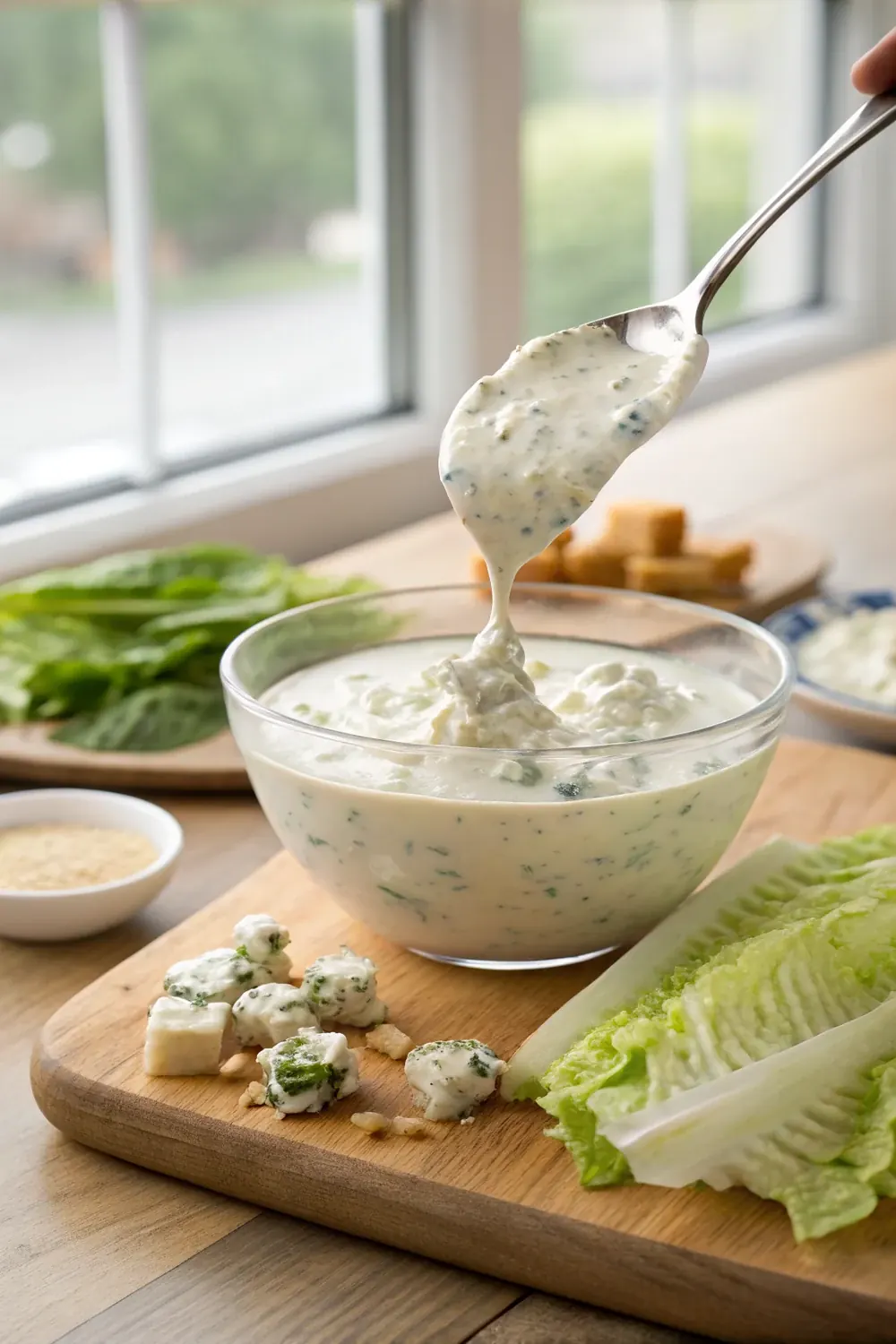
Chef Mia's copycat Texas Roadhouse blue cheese dressing: chunky, creamy, no cooking, ready in 10 minutes. Half the cheese mashed in, half folded for crumbles.
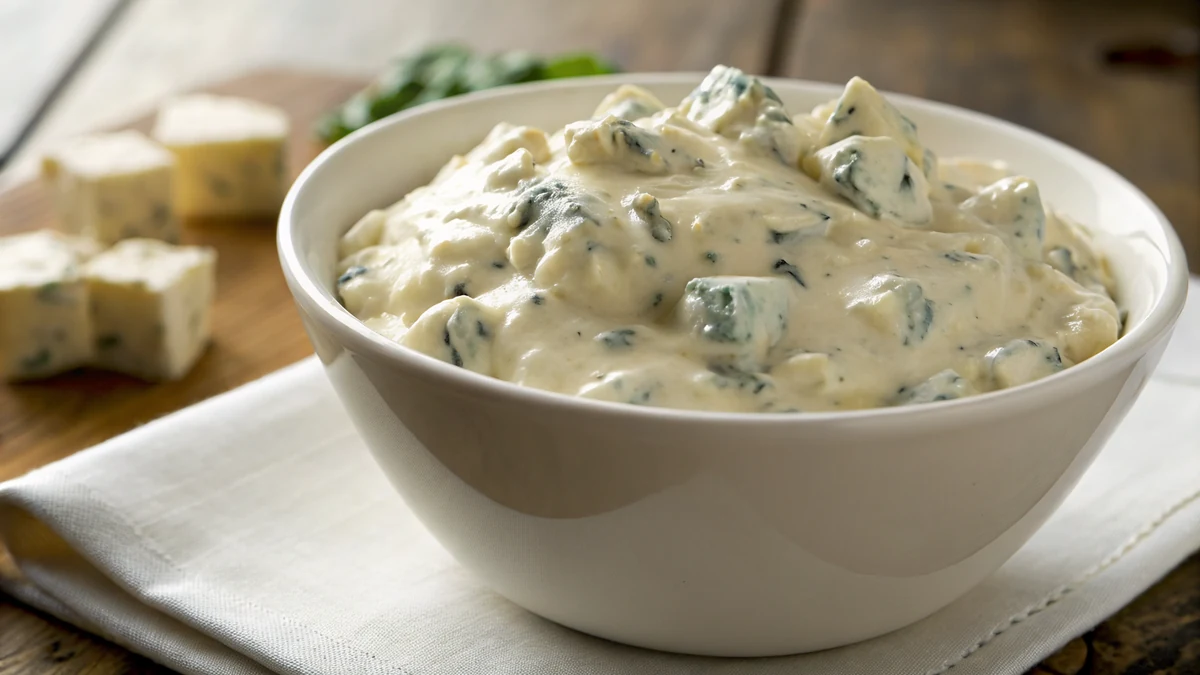
Quick answer: To make a chunky Texas Roadhouse style blue cheese dressing, whisk 1/2 cup mayonnaise, 1/2 cup sour cream, and 1/4 cup buttermilk with 1 teaspoon white wine vinegar, 1/2 teaspoon Worcestershire, 1/4 teaspoon each garlic powder and onion powder, and salt and pepper. Mash half of 4 ounces crumbled blue cheese into the base for tang, then fold in the rest for chunks. Chill at least one hour so the flavors marry and the cheese softens. Thin with extra buttermilk for a pourable dressing, or leave it thick for a dip. There is no cooking, and it makes about 1.5 cups.
The blue cheese at a steakhouse is the kind of thing I never order at home, then crave the second I sit down with a wedge salad. After enough trips where I scraped the little cup clean and asked for more, I went back to my Lockhart kitchen and worked out a copycat that hits the same chunky, creamy, sharp note. This is my version, inspired by the steakhouse style and built from a normal grocery run, never any official recipe or affiliation. It comes together in about ten minutes with no cooking at all.
The trick I landed on is splitting the blue cheese in half. Half gets mashed straight into the base so every bite tastes tangy and funky, and half gets folded in whole so you still bite into real crumbles. That little move is what separates a flat dressing from one that tastes like the restaurant. I keep a jar in the fridge door next to my copycat ranch, and honestly the two of them cover most of what lands on my table all week long.
Why This Tastes Like the Steakhouse Version
When I order blue cheese at a steakhouse, what I am really after is that contrast: a thick, creamy base carrying real chunks of sharp cheese. A lot of homemade versions miss because they either blend everything smooth, which kills the chunks, or they barely mash anything, which leaves the base bland and the cheese sitting on top. The fix is to do both at once, and that is the whole idea behind this recipe.
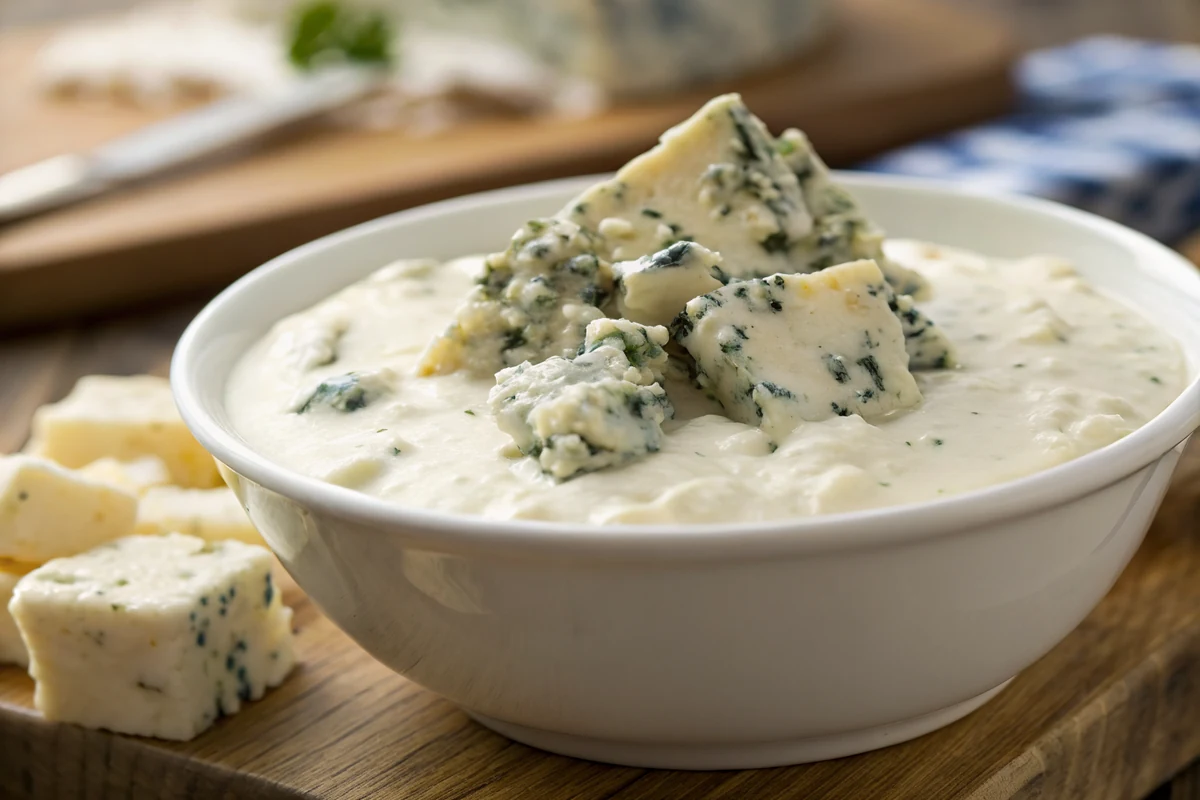
I split the 4 ounces of blue cheese into two jobs. The first half gets mashed hard into the mayo and sour cream so it dissolves and tints the whole base with funk and tang. The second half gets folded in whole so you still get those big, soft crumbles in every scoop. That two-stage move is the single biggest reason this tastes like the restaurant instead of a watered-down salad dressing.
The other thing that matters is balance. Mayo alone is too heavy and flat. Sour cream brings a cool tang, buttermilk thins it and adds that cultured bite, and a teaspoon of vinegar wakes everything up. Worcestershire sits underneath as a savory note you cannot quite name. None of these are fancy, but together they build the layered flavor that makes you want to keep dipping.
I will be honest that I do not pretend this is the exact restaurant formula, because no home cook has that. What I chased instead is the experience of it: that cool, thick, sharp spoonful that makes a plain wedge of iceberg feel like a treat. Once I had the cheese-splitting method and the dairy balance locked in, the copycat stopped tasting like an approximation and started tasting like the thing I actually order out.
Choosing the Right Blue Cheese
The blue cheese you pick changes the whole dressing, so this is worth a minute at the store. A mild, creamy blue like a domestic Danish blue or a supermarket crumbled blue gives you a friendly, approachable dressing that most people at the table will happily eat. It melts into the base easily and keeps the funk in check, which is what I reach for when I am feeding a crowd that is not all blue cheese fanatics.
If you want something with more punch, look for Gorgonzola or a sharper aged blue. These bring a bolder, saltier, more pungent bite that stands up to a steak and a strong wedge salad. Just know that the flavor gets stronger as it chills, so a cheese that tastes assertive at the counter will taste even bigger after an hour in the fridge. Start a little gentler than you think you want.
I always buy a wedge or a block and crumble it myself when I can. Pre-crumbled tubs are convenient, but they often carry an anti-caking starch that can leave a slightly chalky feel and they tend to be drier. Crumbling your own gives you softer, moister pieces that mash and fold better. Either works, but if you have the choice, the block route gives you the creamier result.
One more note on quality: a cheap, rubbery blue will give you a cheap, rubbery dressing, no matter how good your technique is. You do not need anything imported or expensive, but pick a blue you would actually enjoy eating on its own. If you taste a crumble at the counter and like it, you will like it in the bowl. This is the one ingredient where spending a dollar more genuinely shows up in the final flavor.
Mayo, Sour Cream, and Buttermilk: The Base
The base is three dairy players doing three different jobs. Mayonnaise is the backbone; it brings richness, body, and that glossy cling that coats a celery stick or a leaf of romaine. I use a full-fat mayo here because low-fat versions thin out and turn watery once the buttermilk goes in. This is a dressing you eat in small spoonfuls, so the extra richness is not a problem.
Sour cream is what keeps the whole thing from tasting like flavored mayo. It cuts the heaviness with a cool, clean tang and lightens the color. The half-and-half ratio of mayo to sour cream is the sweet spot I keep coming back to. Go heavier on the sour cream and it gets too lean and sharp; go heavier on the mayo and it turns dense and a little dull on the tongue.
Buttermilk is the loosener and the secret tang. A quarter cup thins the base to a scoopable dip, and you can always add more to take it toward a pourable dressing. Real cultured buttermilk also adds that faint sour note you taste in good ranch and blue cheese alike. If you do not keep buttermilk around, you can stir a teaspoon of lemon juice into regular milk and let it sit five minutes as a stand-in.
If you want to play with the base, that is where a recipe like this gets fun. A little extra sour cream tilts it tangier, a touch more mayo makes it plush, and a spoonful of plain Greek yogurt in place of some mayo lightens it and adds protein. I keep the half-and-half mayo and sour cream ratio as my default because it is the most balanced, but none of these dairy swaps will break the dressing. Adjust to your own taste.
Dressing vs Dip: Adjusting the Texture
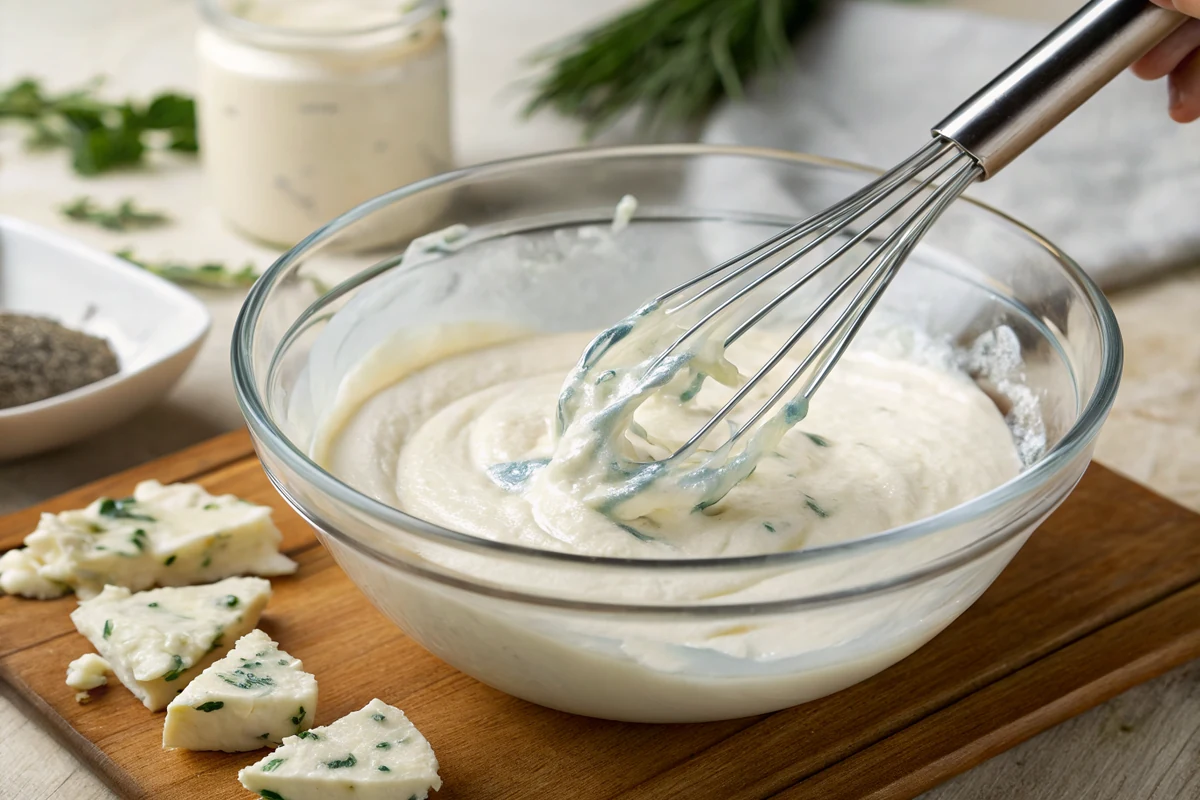
One recipe gives you two things, and the only difference is how much buttermilk you stir in at the end. Made as written with a quarter cup of buttermilk, this lands as a thick, scoopable dip. That is what I want next to wings, celery, and a platter of cut vegetables, where I need it to hold its shape on the stick and not run off onto the plate.
To turn it into a pourable salad dressing, whisk in extra buttermilk a tablespoon at a time after it has chilled. Two or three extra tablespoons usually gets me to a consistency that ribbons off the spoon and coats a wedge of iceberg without pooling at the bottom of the bowl. Add it slowly, because you can always loosen more but you cannot easily thicken it back up once it is thin.
Keep in mind the dressing tightens up as it sits in the fridge, since the cheese and dairy firm with the cold. So a batch that felt perfect last night might need a splash of buttermilk to loosen the next day. I just whisk in a little more right before serving. Taste again after you thin it, because adding liquid can mute the salt and you may want a small pinch more.
My habit is to make the full batch thick and only thin the portion I am about to use. That way the rest stays at dip consistency in the fridge, ready for wings or vegetables, while a scoop gets loosened into pourable dressing for a salad. One bowl, two textures, no waste. It is a small thing, but it means I am not committing the whole jar to one job before I know what I am eating that day.
The Chill Time Is Not Optional
I know it is tempting to dip a carrot the second you fold the cheese in, and you can, but you will be tasting a different, lesser dressing. Fresh off the whisk, the garlic powder and onion powder taste raw and a little sharp, the cheese chunks are firm, and the flavors sit separate instead of blended. It is fine. It is just not what this recipe can be.
Give it one hour in the fridge and it changes. The buttermilk and vinegar soften the cheese crumbles so they go creamy at the edges, the powdered aromatics hydrate and mellow into the background, and the tang rounds out. The whole thing reads deeper and more cohesive, the way a good steakhouse cup tastes. If I have the time, I make it the morning of or even the night before.
There is a practical upside too. Because it only gets better with a rest, this is a true make-ahead. I will whisk up a batch on a Sunday and it is ready to go all week, getting a little more married each day. Just keep it covered and cold, and give it a quick stir and a texture check before it hits the table.
If you are ever truly pressed for time, the smallest rest still helps. Even fifteen to twenty minutes in the freezer takes the raw edge off the garlic and onion powder and starts softening the cheese. It will not be as deep as the full hour in the fridge, but it is a real improvement over serving it the instant you fold the crumbles in. When I can, though, I plan ahead and let it do the slow chill it deserves.
Blue Cheese Dressing Nutrition
This is a rich condiment, and I treat it like one. A 2-tablespoon serving runs about 120 calories, with most of that coming from the mayonnaise and the cheese. That is right in line with most creamy steakhouse dressings, and it is meant to be eaten in small amounts as a finishing touch on a salad or a dip for vegetables, not poured on by the ladle.
Because it is mostly fat and protein with very little sugar, blue cheese dressing fits naturally into low-carb and keto eating. There is no flour, no thickener, and no added sugar in this version, so the carb count per serving is small. If you are watching sodium, remember that blue cheese itself is salty, so you can pull back the added kosher salt and taste before adding more.
If you want to lighten it, you have a couple of honest levers. Swapping some of the mayo for plain Greek yogurt cuts calories and adds protein, though it shifts the flavor a touch more tangy. Using a low-fat sour cream also trims it down. I will be straight with you, though: the full-fat version is the one that tastes like the restaurant, and I would rather eat a smaller spoonful of the real thing.
What to Serve It With
The classic home for this is a wedge salad. A cold quarter of iceberg, this dressing spooned over the top, then bacon, cherry tomatoes, and a little extra crumbled blue. It is a steakhouse plate you can build in five minutes, and the chunky texture is exactly what that crisp wedge wants. A pourable batch is the move here so it runs down into the leaves.
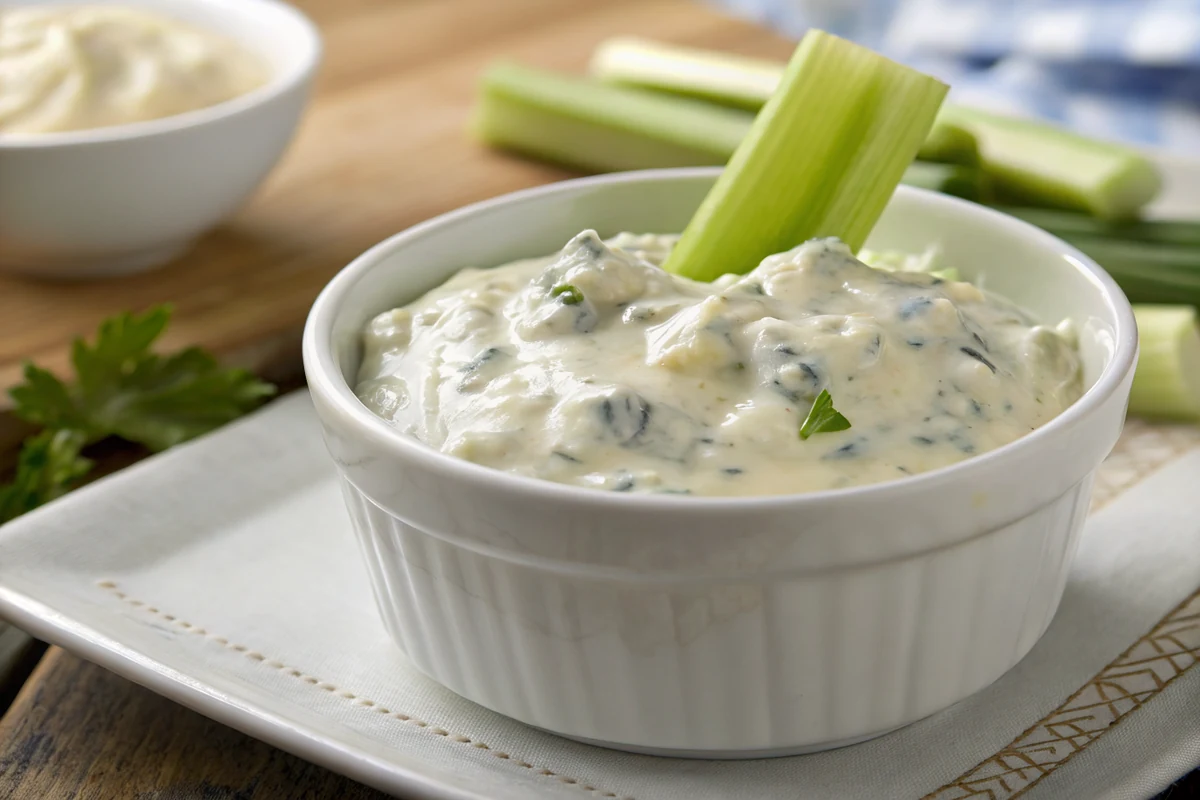
Of course it belongs next to a steak. I love a spoonful alongside a cowboy cut ribeye or sliced prime rib, where the cool tang cuts the richness of the beef. It is also the right partner for buffalo wings and celery, for a platter of raw vegetables, and for dunking fries. Anywhere you would reach for ranch, this is the bolder, funkier alternative.
Do not sleep on it as a burger sauce or a sandwich spread, either. A thick smear on a bun adds a sharp, creamy layer that plays especially well with anything smoky or grilled. I have used it on burgers, on roast beef sandwiches, and as a dip for warm rolls. Once you have a jar in the fridge, you start finding excuses to use it.
It even earns a spot at a tailgate or game-day spread. Set the thick version out as a dip with a board of celery, carrots, and crackers, and it disappears just as fast as anything else on the table. Because it holds up cold and only improves with a rest, it travels well in a cooler and does not need any last-minute fussing. I almost always bring a jar when I am asked to throw something together for a crowd.
Storage and Make-Ahead
Stored in an airtight container in the coldest part of the fridge, this dressing keeps about five to seven days. The buttermilk and sour cream are the limiting factors, so I go by their dates and by smell. If it ever smells off, looks separated in a curdled way rather than just settled, or tastes sour beyond the normal tang, it is time to let it go.
It is normal for a little liquid to rise to the top after a day or two. That is just the dairy settling, not spoilage. A quick stir brings it right back together. I never freeze this one; mayo and sour cream both break and turn grainy when thawed, so the texture comes back wrong. This is a fresh-fridge dressing, not a freezer project.
As a make-ahead, it is one of the easiest things in my kitchen. Because the flavor improves with a rest, I will deliberately make it a day before a cookout or a steak night so it peaks right when I need it. Just keep it covered and cold, hold off on thinning it until serving time, and give it a stir and a taste before it goes out.
Common Mistakes
The first mistake is mashing all the cheese in. I get the instinct to make it smooth, but if you mash every crumble you lose the chunky texture that makes this taste like the steakhouse version. Mash only half. The other half has to go in whole and stay whole, so fold it gently and stop as soon as it is spread through the base.
The second is skipping the chill or skimping on it. Eaten right away, the garlic and onion powder taste raw and the dressing tastes flat and disjointed. One hour minimum, and honestly a few hours or overnight is better. The rest is not a suggestion; it is where most of the flavor actually happens. Plan for it and you will be rewarded.
The third is over-salting before tasting. Blue cheese is already salty, and so is Worcestershire, so it is easy to push it too far if you salt by habit. Add the small amount the recipe calls for, chill, then taste and adjust at the end. The fourth common slip is using a low-fat mayo, which thins out and weeps. Use the full-fat version and the texture holds the way it should.
The last one I see is thinning it too early. If you splash buttermilk in before the chill, the dressing keeps tightening overnight and you end up guessing at the texture twice. Make it thick, let it rest, then thin it right before serving once you can see exactly where it landed. Do these few things and you will have a dressing that tastes like the steakhouse cup, every single time you make it.
Texas Roadhouse Blue Cheese Dressing Copycat Recipe
Ingredients
- For the base:
- 1/2 cup mayonnaise
- 1/2 cup sour cream
- 1/4 cup buttermilk, plus more to thin
- 1 teaspoon white wine vinegar (or fresh lemon juice)
- 1/2 teaspoon Worcestershire sauce
- 1/4 teaspoon garlic powder
- 1/4 teaspoon onion powder
- 1/4 teaspoon kosher salt
- 1/4 teaspoon coarse black pepper
- For the cheese:
- 4 oz crumbled blue cheese, divided (half mashed into the base, half folded in for chunks)
Instructions
- Whisk the creamy base. In a medium bowl, whisk together the mayonnaise, sour cream, and buttermilk until smooth and even. Add the white wine vinegar, Worcestershire sauce, garlic powder, onion powder, kosher salt, and coarse black pepper. Whisk again for about thirty seconds until everything is fully blended and there are no streaks of mayo left sitting on the surface.
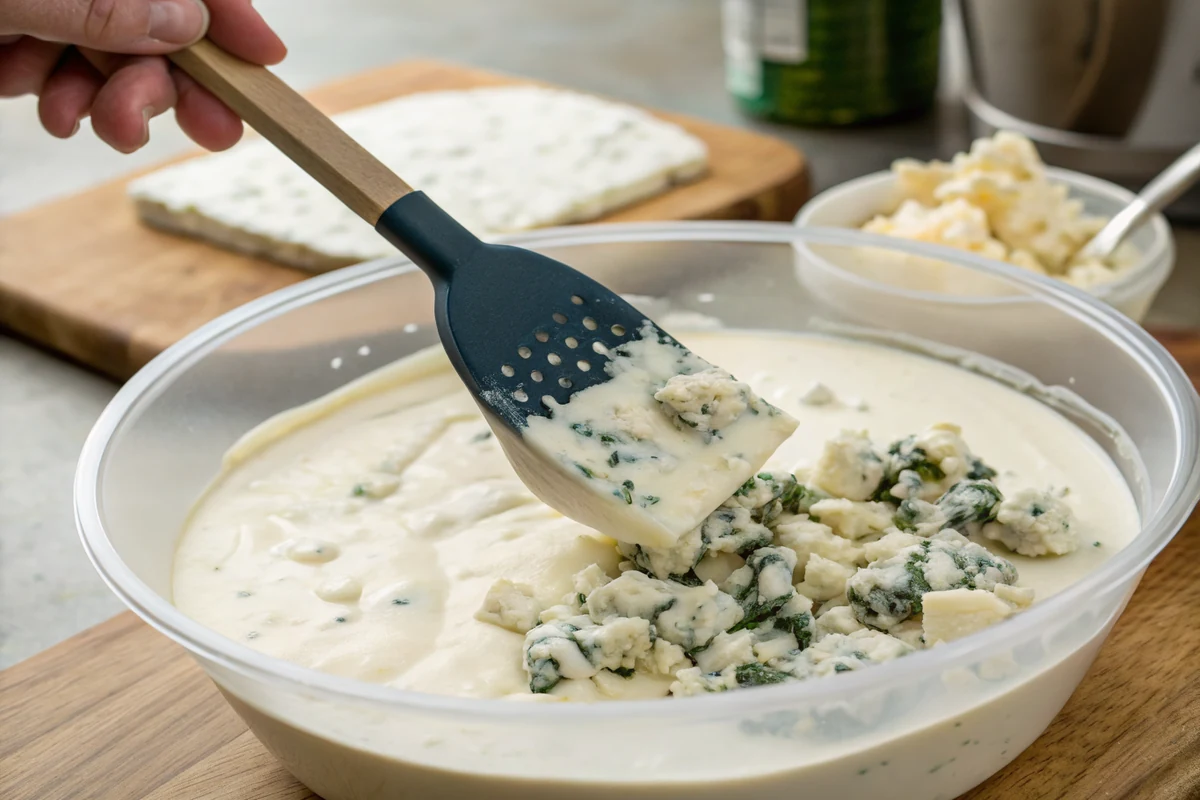
- Mash in half the blue cheese. Measure out the 4 ounces of crumbled blue cheese and split it into two roughly equal piles. Add the first half to the base and mash it against the side of the bowl with a fork or spoon. Keep working it in until the dressing turns slightly gray-flecked and tangy. This step is what builds the deep, funky blue cheese flavor through every bite.
- Fold in the rest for chunks. Add the second half of the blue cheese and fold it in gently with a spatula. Do not mash this batch. You want these crumbles to stay whole so you bite into real pieces of cheese. A few light folds is all it takes; stop as soon as the crumbles are spread evenly through the creamy base so the texture stays chunky.
- Chill at least one hour. Cover the bowl and refrigerate for at least one hour, though longer is better. The chill time lets the buttermilk and vinegar soften the cheese, mellows the raw garlic and onion powder, and gives the whole thing time to thicken and marry. It will taste noticeably sharper and more rounded after resting than it does the second you mix it.
- Adjust the texture and serve. Pull the dressing from the fridge and give it a stir. For a pourable salad dressing, whisk in extra buttermilk a tablespoon at a time until it runs off the spoon the way you like. For a dip, leave it thick and scoop it as is. Taste, add a pinch more salt or pepper if needed, and serve cold.
Frequently Asked Questions
What blue cheese is best for this dressing?
For a friendly, crowd-pleasing dressing, use a mild domestic blue or a supermarket crumbled blue, which melts in easily and keeps the funk in check. For more punch, reach for Gorgonzola or a sharper aged blue. I like to buy a block and crumble it myself when I can, since pre-crumbled tubs are drier and sometimes carry a starchy coating that leaves a slightly chalky feel.
How do I make it chunky instead of smooth?
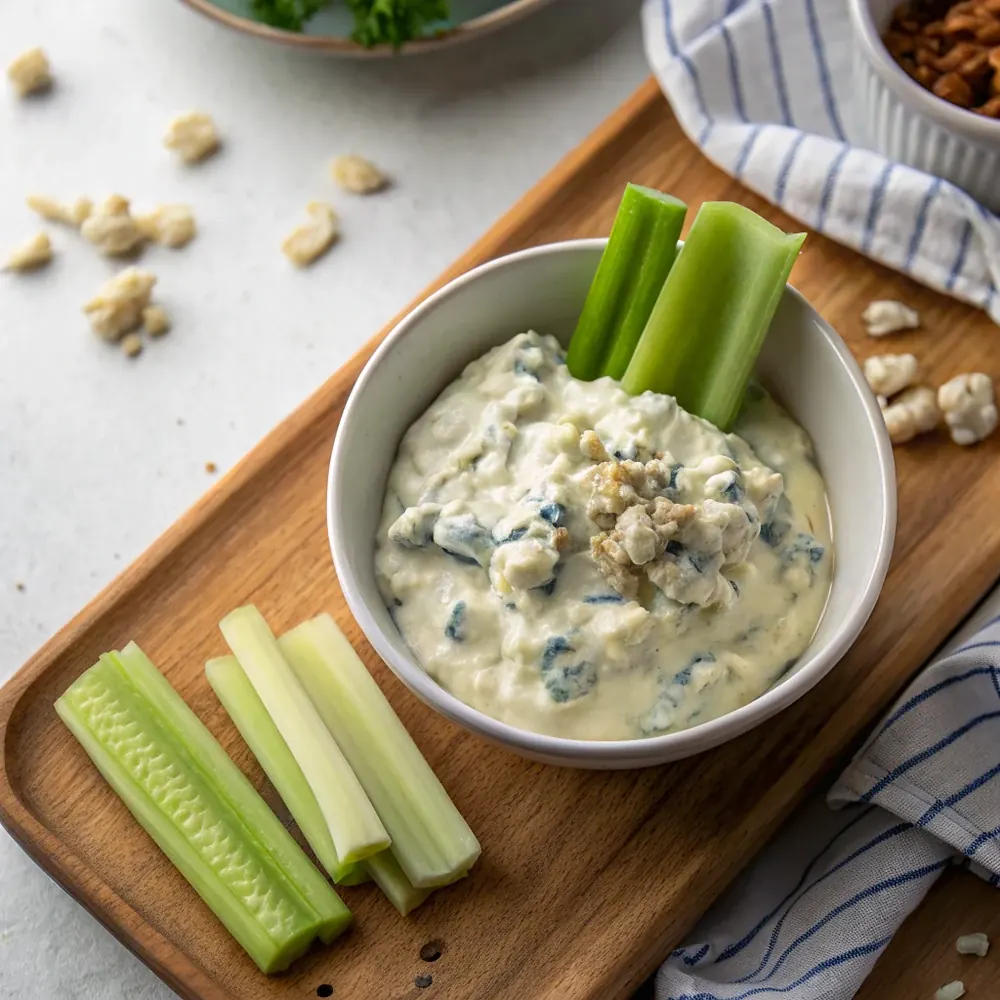
The whole trick is splitting the cheese. Mash half of the 4 ounces hard into the creamy base so it dissolves and adds tang, then fold the other half in whole with a spatula and stop right away. Do not mash that second batch. Those untouched crumbles are what give you real bites of cheese in every scoop and what makes it read like the steakhouse version.
Can I turn this into a pourable salad dressing?
Yes, very easily. Made as written with a quarter cup of buttermilk it lands as a thick, scoopable dip. To make it pourable, whisk in extra buttermilk a tablespoon at a time after it has chilled until it ribbons off the spoon the way you want. Add it slowly, because you can always loosen more but it is hard to thicken it back up once it gets too thin.
Why do I have to chill it before serving?
Chilling is where most of the flavor happens. Fresh off the whisk, the garlic powder and onion powder taste raw and sharp and the cheese chunks are firm. After an hour in the fridge, the buttermilk and vinegar soften the cheese, the powdered aromatics mellow into the background, and the tang rounds out. Give it at least one hour, and a few hours or overnight is even better for that deep steakhouse taste.
How long does homemade blue cheese dressing last?
Kept in an airtight container in the coldest part of the fridge, it lasts about five to seven days. The buttermilk and sour cream are the limiting factors, so go by their dates and by smell. A little liquid rising to the top after a day or two is normal settling, not spoilage; just stir it back together. I do not recommend freezing it, since mayo and sour cream break and turn grainy when thawed.
Is this blue cheese dressing keto and low carb?
Yes. It is mostly fat and protein with very little sugar, so it fits naturally into low-carb and keto eating. There is no flour, no thickener, and no added sugar in this version, so the carb count per 2-tablespoon serving is small. If you are watching sodium, remember the blue cheese itself is salty, so you can pull back the added kosher salt and taste before adding any more.
Can I use lemon juice instead of vinegar?
Absolutely. The white wine vinegar is there to add brightness and wake up the dairy, and fresh lemon juice does the same job with a slightly fruitier note. Use the same one teaspoon. If you do not keep buttermilk around either, you can stir a teaspoon of lemon juice into regular milk and let it sit five minutes to make a quick stand-in for the buttermilk in the base.