Tex-Mex Recipes
Texas Roadhouse Pina Colada Copycat
Chef Mia's Texas Roadhouse pina colada copycat: light rum, real cream of coconut and pineapple juice blended frozen, thick and creamy in 5 minutes flat.
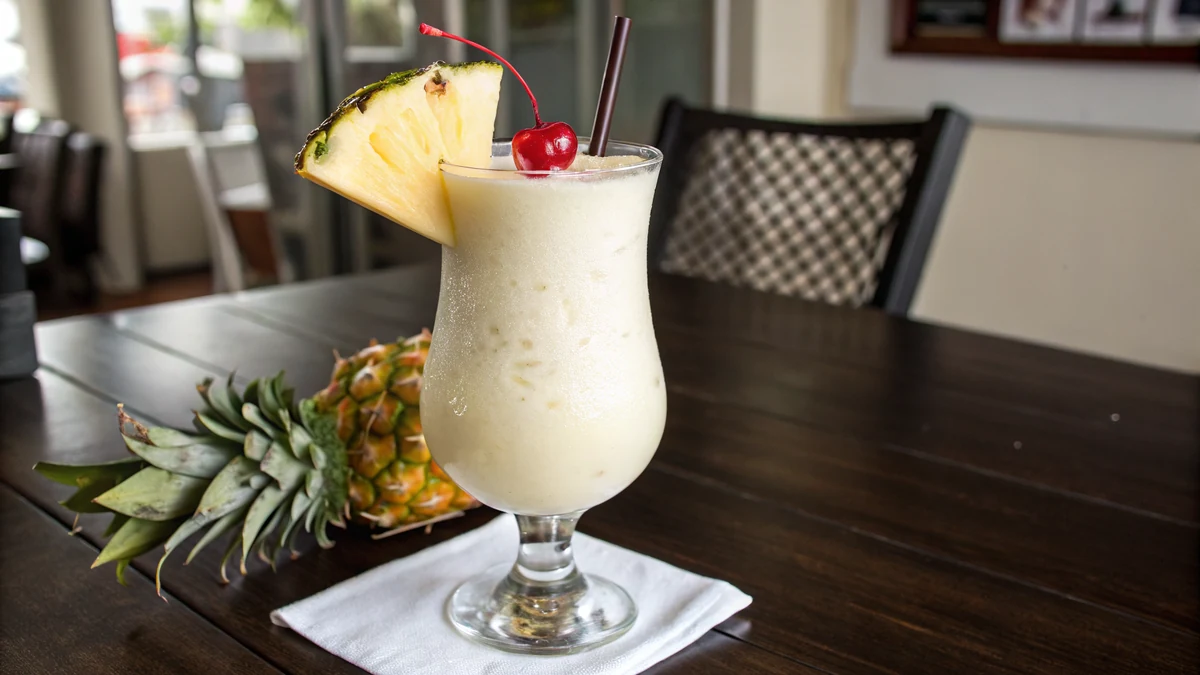
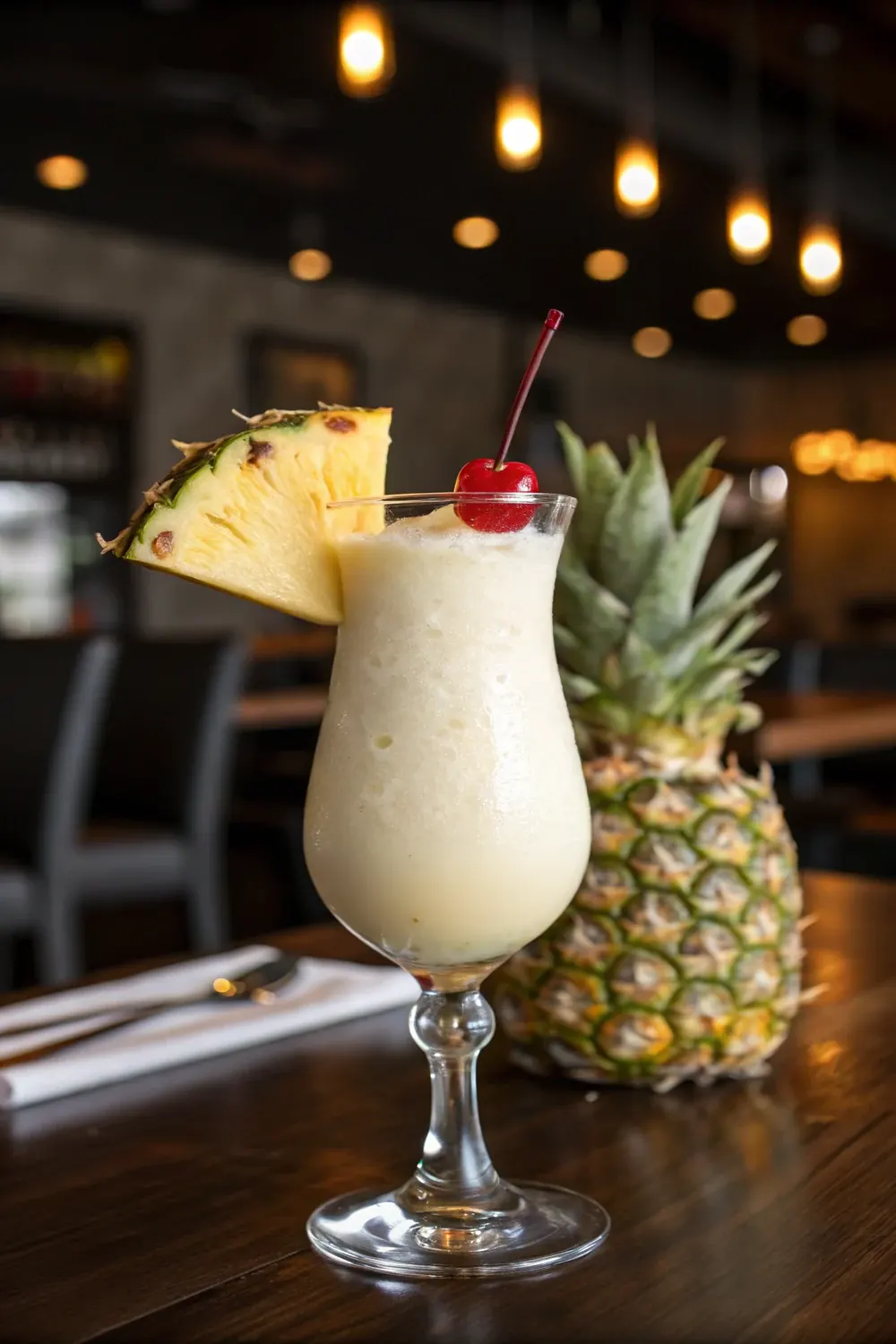
Quick answer: The Texas Roadhouse pina colada is the pure, classic frozen build: 2 oz light rum, 2 oz cream of coconut (the sweetened Coco Lopez style, never coconut milk), and 3 oz pineapple juice blended with 1.5 cups of ice until thick and smooth, about 20 seconds. Pour it into a tall glass, float 0.5 oz of dark rum over the top if you want the aroma, and garnish with a pineapple wedge and a maraschino cherry. Five minutes, no soda, no sour mix, no red swirl. Where the Kenny's Cooler is a pina colada crossed with a strawberry daiquiri, this drink is the original article: creamy coconut, bright pineapple, clean rum, and nothing standing in the way.
The pina colada gets ordered at Texas Roadhouse for the same reason it gets ordered on a beach in San Juan: it is cold, it is creamy, and it makes a hot evening feel like a vacation. The Roadhouse version comes out of the blender thick enough to hold a straw upright, pale ivory, smelling like toasted coconut and ripe pineapple. No swirl, no soda top, no gimmick. Just the classic three-part build done properly, which is rarer than it sounds, because most home versions die in the grocery aisle when somebody grabs a can of coconut milk by mistake.
I have blended this copycat on my Lockhart porch enough July nights to know exactly where it goes right and where it goes wrong. The whole thing is five ingredients and five minutes: light rum, real cream of coconut, canned pineapple juice, ice, and the optional dark rum float that makes it smell like a much fancier bar made it. Below I will give you the exact ounces, the can-label lesson that decides the entire drink, the blender rule I use for every frozen cocktail, pitcher math for six, and a zero-proof version. If the blender puts you in a wandering mood afterward, my Texas cocktails guide covers every pour worth knowing in this state.
What the Roadhouse Pina Colada Is, and Why It Works
Texas Roadhouse serves its pina colada as a frozen blender drink, and it lives on the same tropical wing of the menu as the Kenny's Cooler and the Jamaican Cowboy margarita. Those three are the beach-drink corner of a steakhouse bar, the orders that show up frosty in tall glasses while everyone else nurses beer and sweet tea. Of the three, the pina colada is the purist. No peach schnapps, no swirl, no soda. It is the 1954 Caribe Hilton formula scaled for a Texas summer: rum, coconut, pineapple, ice, done.
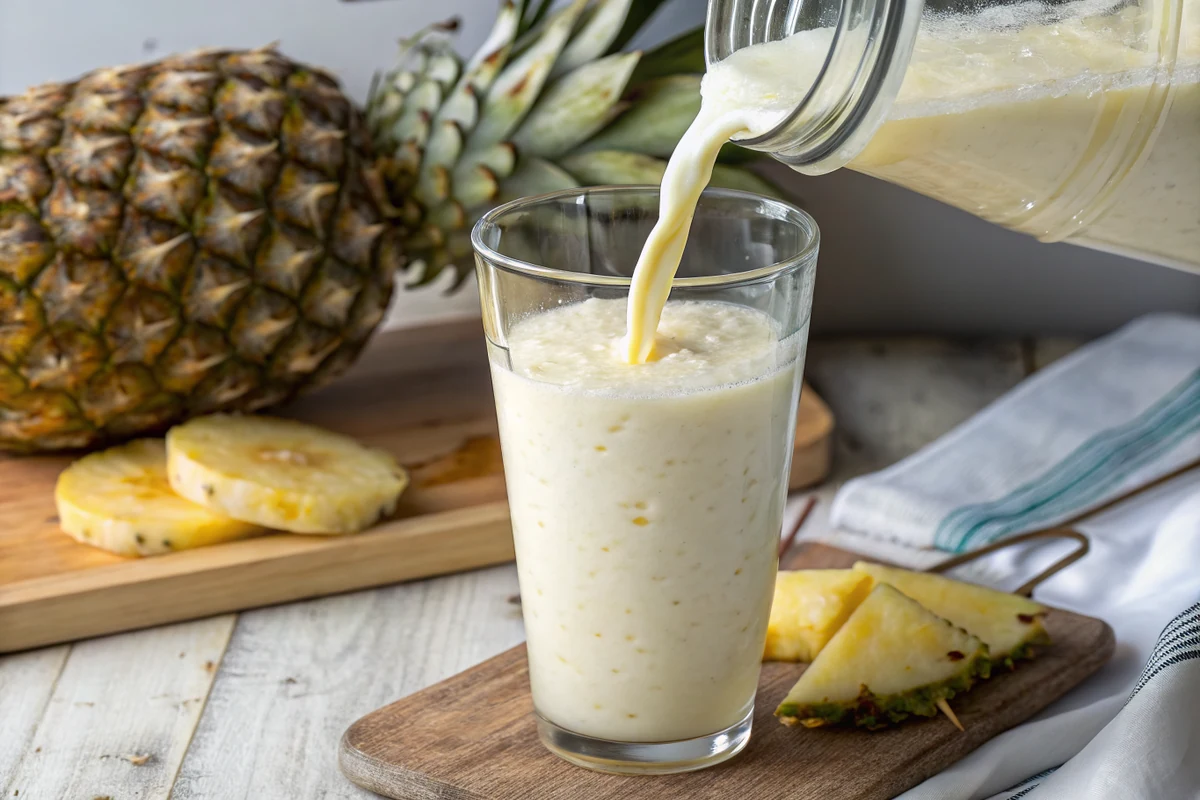
The reason it works is balance, and the balance is the ratio. Two ounces of light rum gives the drink a spine without announcing itself. Two ounces of cream of coconut brings fat, sugar, and that toasted-coconut perfume. Three ounces of pineapple juice brings acid and brightness, and it outnumbers the coconut on purpose, because pineapple is what keeps a pina colada from drinking like melted ice cream. Blend that against 1.5 cups of ice and the fat in the coconut turns the whole thing silky instead of granular.
My first attempt at this copycat, years ago, failed for the most common reason in the book: I bought coconut milk. The drink came out thin, chalky, and weirdly savory, and I spent a week blaming my blender. The blender was innocent. Once the right can came home, the drink snapped into focus on the first try, and my husband drank two before the brisket came off the smoker. Every section below exists to save you that week of blaming the wrong appliance for a can-label problem.
Cream of Coconut vs Coconut Cream vs Coconut Milk
This is the number one grocery mistake in the entire genre, so let us settle it. Cream of coconut is a sweetened, thick, syrupy product made for bartending, sold in the cocktail-mixer aisle, usually in a squat can. Coco Lopez is the classic label, and it is what this recipe means. It pours like sweetened condensed milk and tastes like dessert on its own. It is the engine of the drink: the sugar, the body, and most of the coconut flavor arrive in that one can.
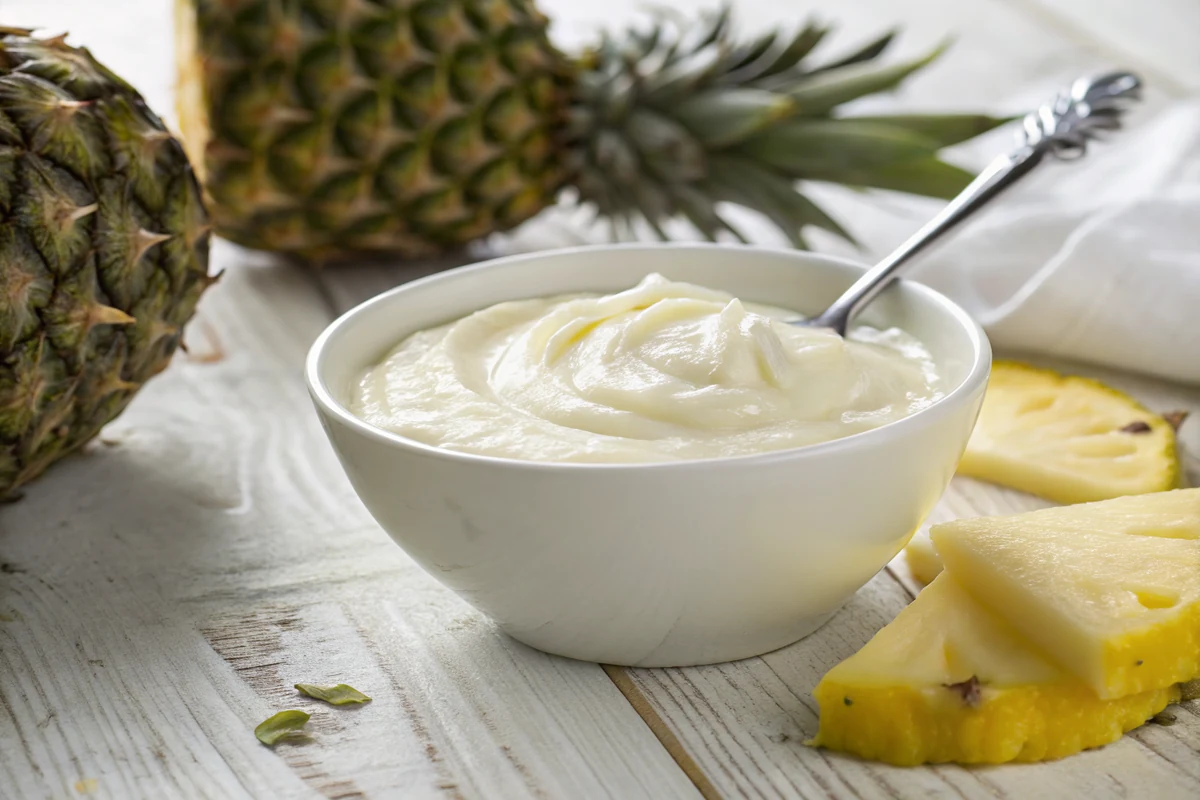
Coconut cream, no sugar, lives in the Asian or baking aisle and is just very rich coconut milk. Coconut milk is thinner still. Both are unsweetened cooking products, and swapping either into this drink gives you something thin, flat, and vaguely soupy, because you have removed all the sugar and most of the body in one move. If a can says milk or unsweetened anywhere on it, it makes curry, not cocktails. The words you want printed on the label are cream of coconut, and the ingredient list should read like candy.
One handling note, because the can will try to trick you. Cream of coconut separates hard in storage: a plug of white coconut fat on top, clear syrup underneath. Stir it until fully smooth before you measure, or your 2 ounces will be all fat one drink and all sugar the next. Leftover cream of coconut keeps about a week in a sealed jar in the fridge, and it freezes fine in ice cube trays, one future cocktail per cube. Mine never survives the week, because it is also outstanding spooned over grilled pineapple.
The Rum Call: Light for the Body, Dark for the Nose
The body of the drink wants light rum, also sold as silver or white rum, and it wants a full 2 ounces of it. Light rum is clean and dry, and that dryness is structural: the cream of coconut is so sweet that the drink needs an ingredient pulling the other direction. You do not taste the rum as a flavor so much as feel it keeping the slush from collapsing into a milkshake. Any honest silver rum from the middle shelf does the job. This is not the bottle to overspend on.
Notice what is not in the build: coconut rum. The Roadhouse pina colada gets every bit of its coconut from the cream of coconut, which is stronger, richer, and more natural-tasting than any coconut-flavored spirit. Adding coconut rum on top of real cream of coconut just stacks sweet on sweet and muddies the clean profile. Sweetened coconut rum belongs in the Kenny's Cooler, where it plays against sour mix and soda and earns its seat. Here it is a passenger this drink never asked for and does not need.
The dark rum is a different story, and it goes on top, not in the blender. A half ounce floated over the finished slush sits there like a cap of molasses and vanilla, so the first thing your nose meets is aged rum even though the drink underneath stays light and creamy. Any dark or aged rum works; a blackstrap-style rum makes the float dramatic and almost smoky. Skip spiced rum, which shoves clove and cinnamon into a drink that has no place for them, and skip overproof unless you enjoy surprises.
Pineapple Juice: Why the Can Beats the Fruit
Fresh pineapple sounds like the obvious upgrade, and for once the fancy option is simply wrong. Canned pineapple juice is pasteurized, and the heat of pasteurization does two useful things: it deactivates bromelain, the aggressive enzyme in raw pineapple, and it mellows the juice into something rounder and more consistent. Raw bromelain is a protein wrecker, which is why fresh pineapple tingles your tongue and why fresh juice can turn creamy drinks froth-heavy and oddly thin as it quietly works on the proteins in the mix.
Acidity is the other reason the can wins. Fresh pineapple swings wildly, sugary one week and mouth-scrubbing the next, depending on ripeness and where the fruit grew. Canned juice is blended to a steady middle: bright enough to cut through 2 ounces of cream of coconut, never so sharp it curdles the drink into imbalance. A recipe built on a 2 to 2 to 3 ratio needs that third number to taste the same every time, and the can is the only way to guarantee it. Bars figured this out decades ago.
Read the label here too, because the juice aisle has its own traps. You want 100 percent pineapple juice, the plain cans or the little six-packs, not pineapple drink, pineapple cocktail, or any blend padded with apple and grape juice and extra sugar. The drink already gets its sweetness from the coconut can, so sweetened juice pushes it over the edge. Shake or stir the juice before measuring, since it settles, and keep the opened can in the fridge no more than four or five days before the flavor dulls.
Ice Math and the Blender Rule
The ratio to memorize is 1.5 cups of ice against the 7 ounces of liquid in one drink. That lands you at a slush thick enough to mound above the rim and hold a straw upright, which is exactly how the restaurant version arrives. Less ice makes a boozy smoothie that slides down too easy and too thin. More ice makes coconut-flavored snow that no straw on earth can move. Ice cubes vary in size, so treat 1.5 cups as the starting point and trust your eyes over the measuring cup.
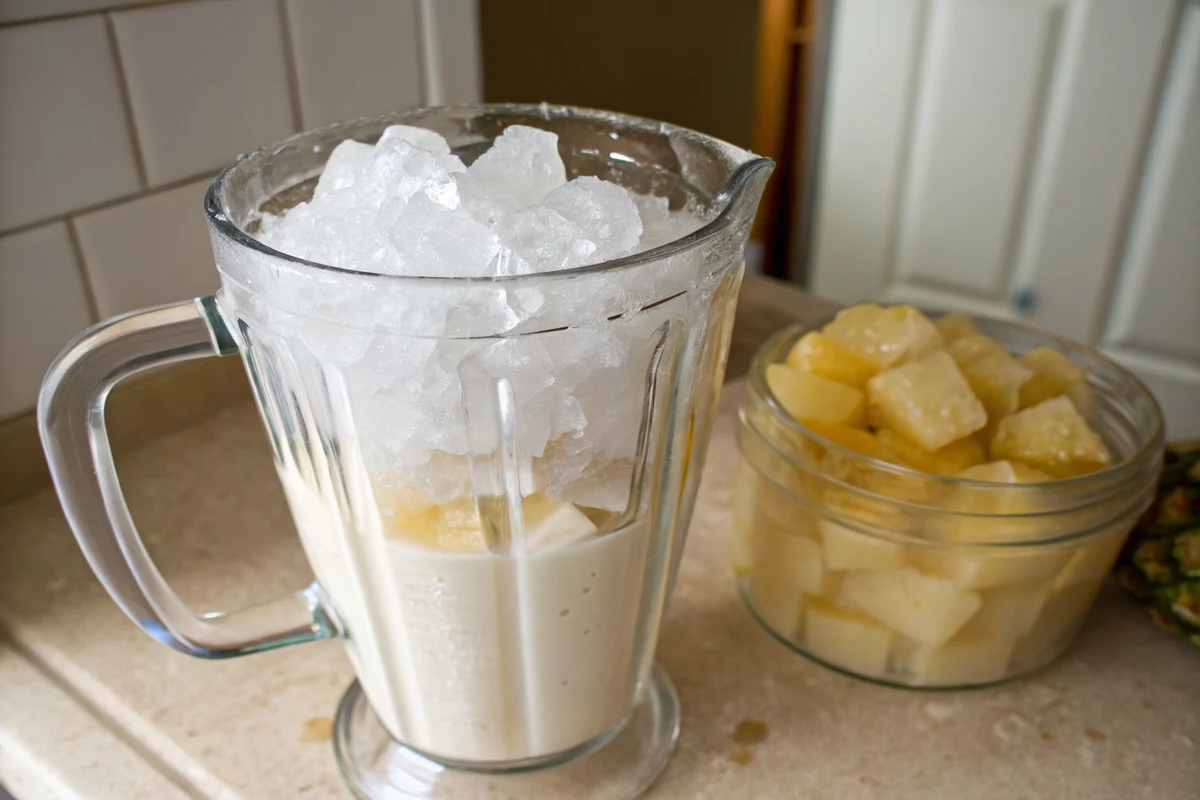
Load the jar the same way I load it for every frozen drink on this site, the same rule the Kenny's Cooler runs on: liquids first, ice piled on top. The blade needs liquid around it to build a vortex, and the vortex is what drags the ice down into the cut. Dump the ice in first and the blade carves a little air pocket under a frozen ceiling while the motor whines and nothing happens. Then blend on high in short bursts, 15 to 20 seconds total, and stop the instant the rattling stops.
Adjusting is a two-lever game. Too thin and watery: add a small handful of ice and pulse twice. Too thick to pour, blade tunneling: add a splash of pineapple juice to get the vortex moving again. What you cannot fix is over-blending, because a blender motor is a heater, and every extra ten seconds melts the texture you just built. A few tiny flecks of ice are fine. Chasing perfect smoothness for forty seconds hands you a warm coconut puddle, and no amount of stirring brings a puddle back.
The Pour, the Float, and the Garnish
Pour the finished slush into a chilled glass, and take the chilled part seriously. Ten minutes in the freezer turns a glass into insulation, and insulation is the difference between a drink that stays frozen to the last inch and one that separates into foam and syrup halfway down. A hurricane glass is the classic look, but any tall 16 ounce glass works. Mound the slush a little above the rim; a pina colada should look generous, like soft serve that took a better job.
The dark rum float is thirty seconds of effort for a disproportionate payoff. Hold a spoon upside down just above the surface of the drink and pour the half ounce slowly over its back, so the rum spreads across the top instead of punching a hole through the slush. It sits there as a dark amber cap, and because your nose reaches the drink before the straw does, every sip opens with molasses and oak. Guests assume you did something complicated. You poured rum onto a spoon.
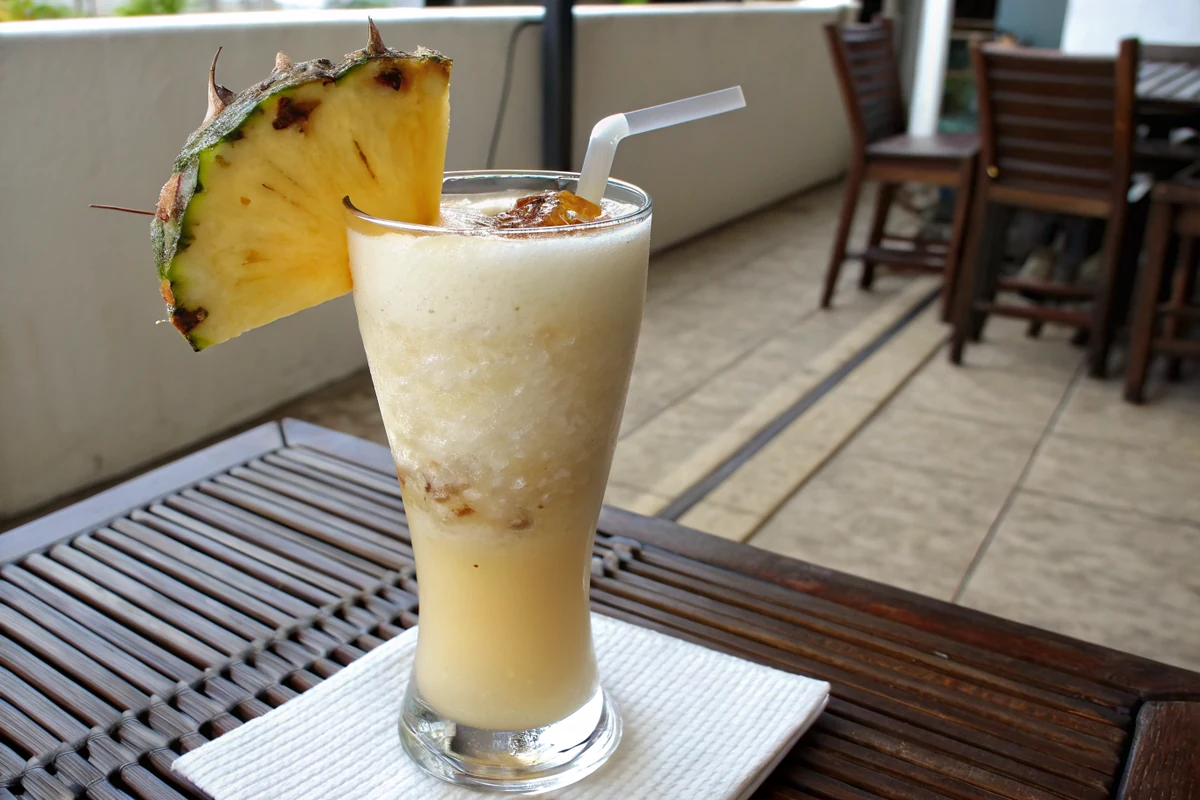
Garnish is non-negotiable on this one, because half of a pina colada is theater. Cut a notch in a fresh pineapple wedge and seat it on the rim, then drop a maraschino cherry on top or pin it to the wedge with a cocktail pick. If you are feeling ambitious, a light dusting of toasted coconut over the surface reads beautifully. Then serve it immediately. The drink starts loosening the moment it leaves the jar, so the garnish gets ten seconds of your time, not a photo shoot.
This Is Not a Kenny's Cooler, and That Is the Point
If you came here expecting the pale gold slushie with the red ribbon curling through it, you want a different page. The Kenny's Cooler is Texas Roadhouse's remix: a pina colada crossed with a strawberry daiquiri, built on light rum plus Malibu coconut rum, bottled pina colada mix, sweet and sour mix, a Sprite float for fizz, and that signature strawberry or grenadine swirl. It is a great drink. It is also a much busier drink, with six moving parts and its own garnish routine.
The pina colada on this page is the source material. Real cream of coconut instead of bottled pina colada mix, straight pineapple juice instead of sour mix, no soda on top, no swirl through the middle. Where the Cooler leans tart and fizzy and photogenic, this drink leans creamy, clean, and coconut-forward. Same blender, same five minutes, same menu wing at the restaurant, but the flavors sit a full step apart. One is a beach party. The other is the quiet original the party was based on.
Choosing between them is easy once you know your table. Kids and daiquiri people light up for the Cooler and its red ribbon. Purists, and anyone who has had a proper pina colada near salt water, will pick this one and defend it. On a big porch night I blend a batch of each and let the pitchers compete, and I will report honestly: the pure pina colada pitcher empties first with the adults, and the swirled one wins the under-twelve vote by a landslide. There are worse problems.
The Zero-Proof Version
The virgin pina colada might be the best mocktail in existence, because unlike most cocktails, the rum here was never the star. Use the exact same build minus both rums: 2 oz cream of coconut, 3 oz pineapple juice, 1.5 cups ice, blended the same way. To fill the small gap the rum leaves behind, add half a teaspoon of vanilla extract, which rounds the finish the way aged rum would, or simply bump the pineapple juice to 4 ounces for a brighter, juicier glass. Both routes taste complete.
One texture note here, because the physics actually change. Alcohol resists freezing, and its absence means the zero-proof version blends up stiffer and melts slower than the leaded one. Start with a scant 1.5 cups of ice, or be ready with an extra splash of juice to loosen the jar. The upside runs in your favor: the virgin batch holds its frozen texture longer in the glass, which makes it the more forgiving version to blend ahead for a kids table on a long hot afternoon.
Serve it in the same glass with the same pineapple wedge and cherry, and nobody at the table feels like they got the consolation drink. This is my standard pour for the designated driver, the pregnant friend, and every niece and nephew who wanders through my kitchen between June and September. Just label your pitchers when both versions are going at once. A ribbon around the zero-proof handle has saved more than one guest at my house from a much more festive afternoon than they planned.
Pitcher Math for a Porch Crowd
For six drinks, the ratio scales in a straight line: 12 oz light rum, 12 oz cream of coconut, 18 oz pineapple juice, which is 42 ounces of liquid wanting roughly 9 cups of ice. Do not try to blend that in one heroic round. Split it in half, or in thirds for a smaller jar, and blend each round with its share of ice. An overloaded blender does not make a bigger drink; it makes a smooth bottom layer under a raft of whole cubes and a burning smell.
Hold the blended slush in a pitcher in the freezer for up to two hours, and stir it back together before pouring. The rum keeps it from freezing solid, but past two hours it starts splitting into icy crust and heavy syrup, and stirring only partly rescues that. The better make-ahead move is mixing the liquids in advance, parking the jug in the fridge, and blending with ice in rounds as people arrive. Keep the blender jar in the freezer between rounds; a warm jar melts round two before it finishes.
Set the garnish out as a station, wedges and cherries and picks in bowls, and the pitcher pours itself while you tend the grill. If your porch crowd splits between the coconut camp and the lime camp, run a second pitcher of my Texas margarita alongside and let the two compete; the pairing covers every taste I have ever hosted. Salty snacks keep both pitchers moving. Chips and queso next to a frozen pina colada is not traditional, but nobody has ever filed a complaint.
Calories, and How to Lighten It Honestly
One pina colada built to this spec lands around 380 calories, and the ledger is lopsided: the cream of coconut is responsible for most of it, carrying both coconut fat and a serious load of sugar in its 2 ounces. The pineapple juice adds fruit sugar, the 2 ounces of rum adds alcohol calories, and the optional dark rum float tacks on about 35 more. That is dessert territory, which is only fair, because a pina colada is dessert that learned to use a straw.
If you want to lighten it, pull the coconut lever first. A lite cream of coconut swaps in one for one and trims a meaningful chunk of fat and sugar. Or shift the ratio: 1.5 oz cream of coconut and 3.5 oz pineapple juice keeps the drink recognizably itself, just brighter and less rich. Skipping the float saves a little more. What I would not do is cut the cream below an ounce and a half, because at that point you have a pineapple slush with a rumor of coconut.
The number worth more attention than the calories is the pour: 2 ounces of rum, 2.5 with the float, hiding behind fruit and cream that make it drink like a milkshake. That is a strong cocktail wearing a friendly costume, and frozen drinks set a fast pace on a hot evening if you let them. One glass, enjoyed slowly with water alongside, is the whole point of the exercise. This is a treat with a job, and the job is making a July porch feel like a vacation for twenty minutes.
Mistakes That Turn It to Soup or Cement
The grocery mistake outranks everything else combined: buying coconut milk or unsweetened coconut cream instead of cream of coconut. The result is thin, flat, faintly savory, and no amount of extra blending fixes it, because the missing ingredient is sugar and body, not technique. If you are standing in the store unsure, check the aisle. Cocktail mixers, correct can. Asian or baking aisle, wrong can. And once the right can is home, stir it smooth before measuring, or the ratio drifts from drink to drink.
The texture mistakes come in a matched pair. Too much ice, or ice added before the liquids, gives you cement: a jar of coconut snow the blade cannot move and a straw cannot either. Over-blending gives you soup: the motor warms the slush and forty seconds of chasing smoothness undoes the freeze entirely. The cures are boring and reliable. Liquids first, 1.5 cups of ice on top, short bursts, stop at smooth. Adjust with a handful of ice or a splash of juice, one small move at a time.
The last cluster is small but real. Free-pouring the cream of coconut, which is so dense that an extra half ounce turns the glass cloying. Blending the dark rum in rather than floating it, which mostly wastes it, since its whole job is aroma on top. Using sweetened pineapple drink instead of 100 percent juice. And letting the finished drink sit while you hunt for a straw and a camera angle. Blend last, garnish fast, drink now. The pina colada rewards punctuality more than any drink I make.
Texas Roadhouse Pina Colada Copycat Recipe
Ingredients
- For the cocktail:
- 2 oz (60 ml) light rum
- 2 oz (60 ml) cream of coconut (sweetened, Coco Lopez style; not coconut milk, not coconut cream)
- 3 oz (90 ml) canned pineapple juice (100 percent juice)
- 1.5 cups ice
- Optional: 0.5 oz (15 ml) dark rum, to float on top
- To garnish:
- 1 pineapple wedge
- 1 maraschino cherry
- Equipment:
- Blender
- Jigger or measuring spoons (1 oz = 2 tablespoons)
- Tall hurricane glass or 16 oz glass
Instructions
- Chill the glass and measure. Park a tall glass in the freezer while you set up. Measure the light rum, cream of coconut, and pineapple juice with a jigger rather than free-pouring. This drink is a three-part ratio, 2 to 2 to 3, and the cream of coconut is thick and sweet enough that an accidental heavy pour tips the whole glass into dessert.
- Stir the cream of coconut. Open the can and stir it hard with a spoon or a fork before you measure. Cream of coconut separates in the can, thick coconut paste on top and clear syrup underneath, and an unstirred scoop gives you either all fat or all sugar. Stir until it looks like smooth, glossy sweetened condensed milk, then measure your 2 ounces.
- Load the blender, liquids first. Pour the rum, cream of coconut, and pineapple juice into the blender jar, then add the 1.5 cups of ice on top. Liquids first and ice on top is the rule for every frozen drink I make, because it lets the blade catch the ice and pull it down instead of spinning uselessly under a frozen lump.
- Blend until thick and smooth. Blend on high for 15 to 20 seconds, until the mixture is smooth, creamy, and free of rattling ice chunks. You want a thick slush that pours slowly, not a drinkable juice. Too thin, add a small handful of ice and pulse. Too thick to move, add a splash of pineapple juice. Stop the moment it goes smooth.
- Pour and float the dark rum. Pour the frozen drink into your chilled glass, mounding it slightly above the rim. If you are doing the float, pour 0.5 oz of dark rum slowly over the back of a spoon held just above the surface so it pools on top instead of sinking in. The float is optional, but it makes every sip start with dark rum aroma.
- Garnish and serve immediately. Cut a notch in a pineapple wedge and hang it on the rim, then drop a maraschino cherry on top or skewer it to the wedge with a pick. Add a straw and serve right now, while it is still frozen and frosty. A blended pina colada starts loosening the moment it leaves the jar, so build it last and drink it first.
Frequently Asked Questions
What rum does a steakhouse pina colada use?
The body of the drink is light rum, also labeled silver or white, at 2 ounces per drink. Light rum is clean and dry, which balances the sweetness of the cream of coconut without adding competing flavors. A middle-shelf silver rum is exactly right. Dark or aged rum belongs only as an optional half-ounce float on top, where it adds molasses and vanilla aroma. Skip coconut rum entirely: the real cream of coconut already covers that flavor, and skip spiced rum, whose clove and cinnamon fight the drink.
What can I substitute for cream of coconut?
The closest homemade stand-in is unsweetened coconut cream blended with sugar: about 4 parts coconut cream to 1 part sugar, warmed gently and stirred until dissolved, then chilled. That gets you most of the way to the Coco Lopez texture and sweetness. Do not use coconut milk or plain coconut cream straight; both are unsweetened cooking products and produce a thin, flat drink. If you have bottled pina colada mix on hand, it works in a pinch, but it is essentially cream of coconut pre-diluted with pineapple, so cut the pineapple juice back accordingly.
Why is my pina colada watery or icy?
Watery means too little ice, over-blending, or both. A blender motor generates heat, so blending past the moment the ice chunks disappear melts the slush into a puddle; blend in short bursts totaling 15 to 20 seconds and stop at smooth. Icy or grainy means too much ice for the liquid, or ice loaded under the liquids so the blade never built a vortex. Load liquids first, 1.5 cups of ice on top for one drink, and adjust with a small handful of ice or a splash of pineapple juice rather than big corrections.
How do I make a virgin pina colada?
Use the identical build minus the rum: 2 oz cream of coconut, 3 oz pineapple juice, and 1.5 cups of ice, blended until thick and smooth. Add half a teaspoon of vanilla extract to round out the finish, or raise the pineapple juice to 4 ounces for a juicier glass. Because alcohol resists freezing, the zero-proof version blends stiffer and holds its texture longer, so ease up slightly on the ice or loosen it with extra juice. Garnish it exactly the same, pineapple wedge and cherry, and it looks identical.
Can I batch pina coladas ahead in the freezer?
Blended slush holds in a freezer pitcher for up to two hours; the rum keeps it from freezing solid, and a firm stir revives the texture before pouring. Past two hours it separates into icy crust and heavy syrup that stirring cannot fully rescue. The more reliable make-ahead is mixing the rum, cream of coconut, and pineapple juice into a jug up to two days ahead, refrigerated, then blending with ice in rounds as guests arrive. For six drinks, that jug is 12 oz rum, 12 oz cream of coconut, and 18 oz pineapple juice.
How many calories are in a pina colada?
This build lands around 380 calories per drink, with most of it coming from the 2 ounces of cream of coconut, which carries both coconut fat and sugar. The rum contributes alcohol calories and the pineapple juice adds fruit sugar; the optional dark rum float adds roughly 35 more. To lighten it, use a lite cream of coconut one for one, or shift the ratio to 1.5 oz cream of coconut and 3.5 oz pineapple juice for a brighter, less rich glass that still tastes like the real thing.
Should a pina colada be shaken or blended?
Both are legitimate traditions, but the Texas Roadhouse version is a frozen blender drink, and this recipe is engineered for the blender: the 1.5 cups of ice is part of the ratio, providing dilution and the thick slush texture. A shaken pina colada, served over crushed ice, comes out thinner, colder-tasting, and more cocktail-like, and it needs less ice in the mix since less melts into the drink. If you want the creamy, straw-stands-up steakhouse experience, blend it. Shake it only when you are chasing the old-school Caribbean bar style.