
Texas BBQ
Beef vs Pork Ribs: A Pitmaster's Comparison
Beef ribs or pork ribs? It is one of the most common questions I get from people planning a cook, and the honest answer is that they are two very different experiences rather than a simple better-or-worse contest. I cook both all the time, and which one I reach for depends on the occasion, the budget, and how much time I have. Let me break down the real differences so you can choose with confidence.
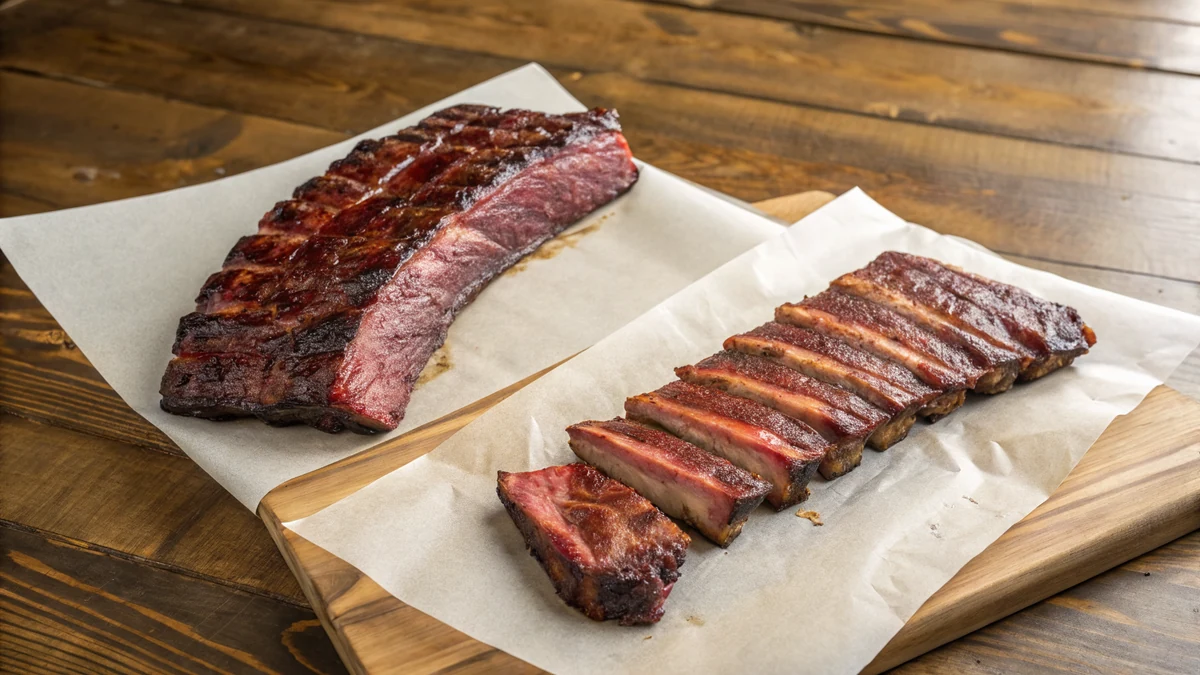
The short answer: beef ribs are bigger, richer, more expensive, and slower to cook, delivering a dramatic, steak-like centerpiece. Pork ribs are smaller, milder, cheaper, and faster, making them the easygoing, crowd-friendly choice. Pick beef ribs, especially meaty short ribs, when you want maximum impact and do not mind the cost or the longer cook. Pick pork ribs, like baby backs or spare ribs, when you want an affordable, forgiving cook that feeds a lot of people. Beginners should usually start with pork.
The Cuts: Beef Ribs Explained
Beef ribs come in two main styles, and they could not be more different, so this is the first thing to sort out. Beef short ribs, cut from the chuck or the plate, are the meaty monsters: a thick slab of beef sitting on top of a short, stout bone. The famous plate ribs you see at Texas joints, sometimes called dino ribs, are these. They eat like a brisket on a bone and have become a barbecue trophy. I cover them fully in my smoked beef short ribs recipe.
Beef back ribs are the other style, and they are nearly the opposite. These are what is left after the butcher removes the ribeye and prime rib roast, so most of the meat is already gone and what remains sits between the long, curved bones rather than on top. They are leaner, flatter, cheaper, and cook faster than short ribs. They are still tasty, with plenty of beefy flavor to gnaw off the bones, just far less meaty.
Getting these two straight matters before you buy, because they cook differently and cost differently. If someone says beef ribs and pictures a huge meaty slab, they mean short ribs. If they picture long bones with meat tucked between them, they mean back ribs. When you shop, look at where the meat sits: on top of the bone means short rib, between the bones means back rib.
The Cuts: Pork Ribs Explained
Pork ribs also come in a few cuts, and the names are worth knowing. Baby back ribs come from high on the hog, up near the loin where the ribs meet the spine. They are shorter, curved, leaner, and the most tender of the pork ribs, which is why they are so popular and a touch pricier than spares. A rack cooks relatively quickly and is very forgiving, making baby backs a fantastic starting point.
Spare ribs come from lower down, off the belly side, and they are bigger, flatter, fattier, and more flavorful than baby backs. The extra fat means they are juicy and rich, and many pitmasters actually prefer them for that reason. When a butcher trims the brisket bone and flap off a rack of spares to make a neat rectangle, you get the St. Louis cut, which is just tidied-up spare ribs that cook evenly and look great.
So within pork you already have a spectrum: lean and tender baby backs, or rich and meaty spares and St. Louis cut - my smoked St. Louis style ribs show that trimmed cut at its best. All of them are smaller and milder than beef ribs, which is exactly what makes pork ribs so versatile. They take rubs and sauces beautifully, cook in an afternoon, and please nearly everyone at the table, kids included.
Taste and Texture
Flavor is where the two really part ways. Beef ribs taste, well, intensely of beef, deep, savory, and rich, with a fattiness closer to brisket or a good steak. When cooked properly, a beef short rib is unctuous and almost melting, with that big, bold beefy character that stands up to nothing more than salt and pepper. It is a serious, grown-up kind of richness that fills you up fast.
Pork ribs are milder, sweeter, and more approachable. The pork takes on smoke and seasoning readily, which is why pork ribs are the canvas for so many regional rub and sauce traditions, from sweet and sticky to dry-rubbed and peppery. The texture people chase with pork ribs is tender but with a little bite, meat that pulls cleanly off the bone without being mushy. They are crowd food in the best sense.
In terms of seasoning, the difference in flavor drives the difference in approach. Beef ribs are Central Texas territory, where the salt-and-pepper philosophy lets the beef lead, the same approach in my Texas BBQ brisket recipe. Pork ribs invite more layering, sweet rubs, glazes, and sauces that complement the milder meat. Neither is wrong; they simply suit the protein in front of you.
Price and Value
Budget is a real factor, and here pork generally wins. Pork ribs, especially spare ribs, are usually the more affordable option per pound and per serving, which is a big reason they are the default at backyard cookouts and rib shacks. You can feed a good-sized group a rack or two of pork ribs each without the bill getting scary, and they reliably satisfy.
Beef ribs are pricier, and the meaty short ribs in particular have climbed to steak-like prices as they have become a barbecue status symbol. You are paying for a lot of dense beef on those bones, and the cost reflects it. Beef back ribs are the exception, often quite cheap because there is less meat on them, so they can be a budget way to get beef flavor if you do not mind gnawing the bones.
The way I think about value is cost per impact. If you want to wow people with a dramatic centerpiece and you are cooking for a smaller group, the splurge on beef short ribs is worth it. If you are feeding a big crowd and want everyone full and happy without overspending, pork ribs give you more meat on the table for your money. Match the spend to the occasion.
Cook Time and Difficulty
Time is one of the most practical differences. Pork ribs are the quicker cook. Baby backs often finish in around 4 to 5 hours and spare ribs in roughly 5 to 6, depending on temperature and method, which means you can start in the late morning and serve for an early dinner without an overnight commitment. That speed and forgiveness make pork ribs the easier weekend project.
Beef ribs take longer, especially the big short ribs. Loaded with fat and connective tissue, they need 6 to 8 hours to render down to probe-tender around 203F, much like a small brisket. They reward patience but demand it too. Beef back ribs sit in between, taking several hours, though less than the meaty short ribs because there is less meat to render.
On difficulty, pork ribs are the more beginner-friendly cook, both because they are faster and because they cost less if something goes wrong. Beef short ribs are not hard, exactly, but the longer cook and higher price raise the stakes, so they suit a cook who has a few racks of pork under their belt. Whichever you choose, matching the right wood helps, and my BBQ wood pairing tool gives you a tested pairing for beef ribs and pork ribs alike.
Which Should You Choose?
Here is how I actually decide. I cook beef ribs when I want a showstopper, a special occasion, a smaller group of serious eaters, or simply a craving for that deep, brisket-like richness. A platter of meaty beef short ribs makes jaws drop, and it is the move when the goal is maximum impact and I do not mind the cost or babysitting the pit for the better part of a day.
I reach for pork ribs when I am feeding a bigger, more casual crowd, watching the budget, or just want a relaxed afternoon cook that everybody, including the kids, will love. Pork ribs are friendly, flexible, and reliable, and they leave room on the menu for sausage, sides, and a dessert without anyone feeling overwhelmed by richness. They are the everyday workhorse of the rib world.
And of course, you do not have to choose. One of my favorite spreads is a mixed platter with both, a rack of pork spares for easy eating and a few beef short ribs for the wow factor, so guests can try each. If you want to go deeper on any of these cuts, the Ultimate Texas BBQ Guide ties the whole philosophy together, from beef to pork and everything smoked in between.
Beef vs Pork Ribs FAQ
What is the difference between beef and pork ribs?
The biggest differences are size, flavor, and price. Beef ribs are much larger, with a deep, rich, beefy flavor, and they cost more per pound, especially the meaty short ribs. Pork ribs are smaller, milder, and more affordable, and they cook faster. Beef ribs come from cattle as back ribs or short ribs, while pork ribs come from hogs as baby back or spare ribs. Both are delicious; they are just different experiences at the table and on the pit.
Which is better, beef ribs or pork ribs?
Neither is objectively better; it depends on what you want. Choose beef ribs when you want a rich, dramatic, steak-like experience and do not mind paying more or cooking longer. Choose pork ribs when you want a faster, more affordable, crowd-friendly cook with a milder flavor that takes sauce and rubs beautifully. For a big-impact centerpiece, beef wins. For an easygoing backyard cook that feeds a lot of people, pork is hard to beat.
Do beef ribs take longer to cook than pork ribs?
Yes, usually. Meaty beef short ribs can take 6 to 8 hours to reach probe tenderness around 203F, similar to a small brisket, and beef back ribs run several hours too. Pork ribs are faster: baby backs often finish in about 4 to 5 hours and spare ribs in 5 to 6, depending on your method and temperature. The larger size and heavy connective tissue in beef ribs are what stretch out their cook time.
Are beef ribs or pork ribs more expensive?
Beef ribs are generally more expensive, particularly the meaty plate and chuck short ribs that have become popular and command steak-like prices. Beef back ribs are cheaper because they have less meat. Pork ribs are usually the more budget-friendly choice overall, which is part of why they are the default at most backyard cookouts and rib joints. If you are feeding a crowd on a budget, pork ribs stretch your dollar further.
What cut of ribs is the meatiest?
Beef short ribs, specifically the plate and chuck cuts, are the meatiest ribs you can buy, carrying a thick slab of meat on top of the bone that eats almost like a brisket steak. Among pork ribs, spare ribs and St. Louis cut ribs have more meat and fat than baby back ribs, which are leaner and come from higher on the hog near the loin. If you want maximum meat per bone, beef short ribs are the clear winner.
Should beginners start with beef or pork ribs?
I usually steer beginners toward pork ribs, specifically baby backs or spare ribs. They cook faster, cost less, and are very forgiving, so a mistake is cheaper and the feedback loop is quicker. Beef short ribs are a wonderful cook, but they take longer and cost more, so an error stings more. Once you are comfortable reading your pit on pork ribs, stepping up to beef short ribs is a natural and rewarding next project.
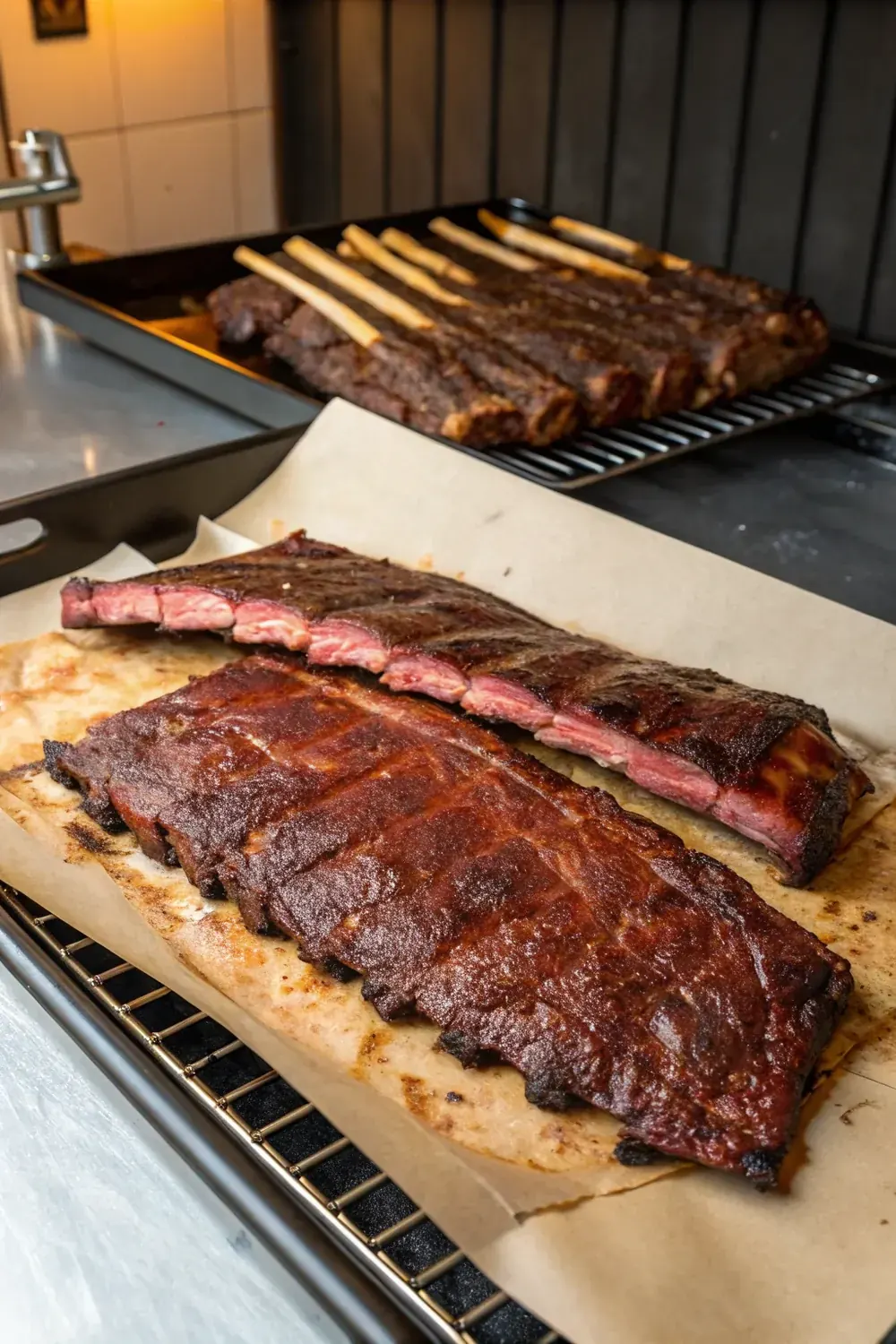
Ready to fire up the pit? Try my smoked beef short ribs for the big beefy experience, and pick your wood with the BBQ wood pairing tool before you start.