Southern Comfort Food
Texas de Brazil Chimichurri Copycat
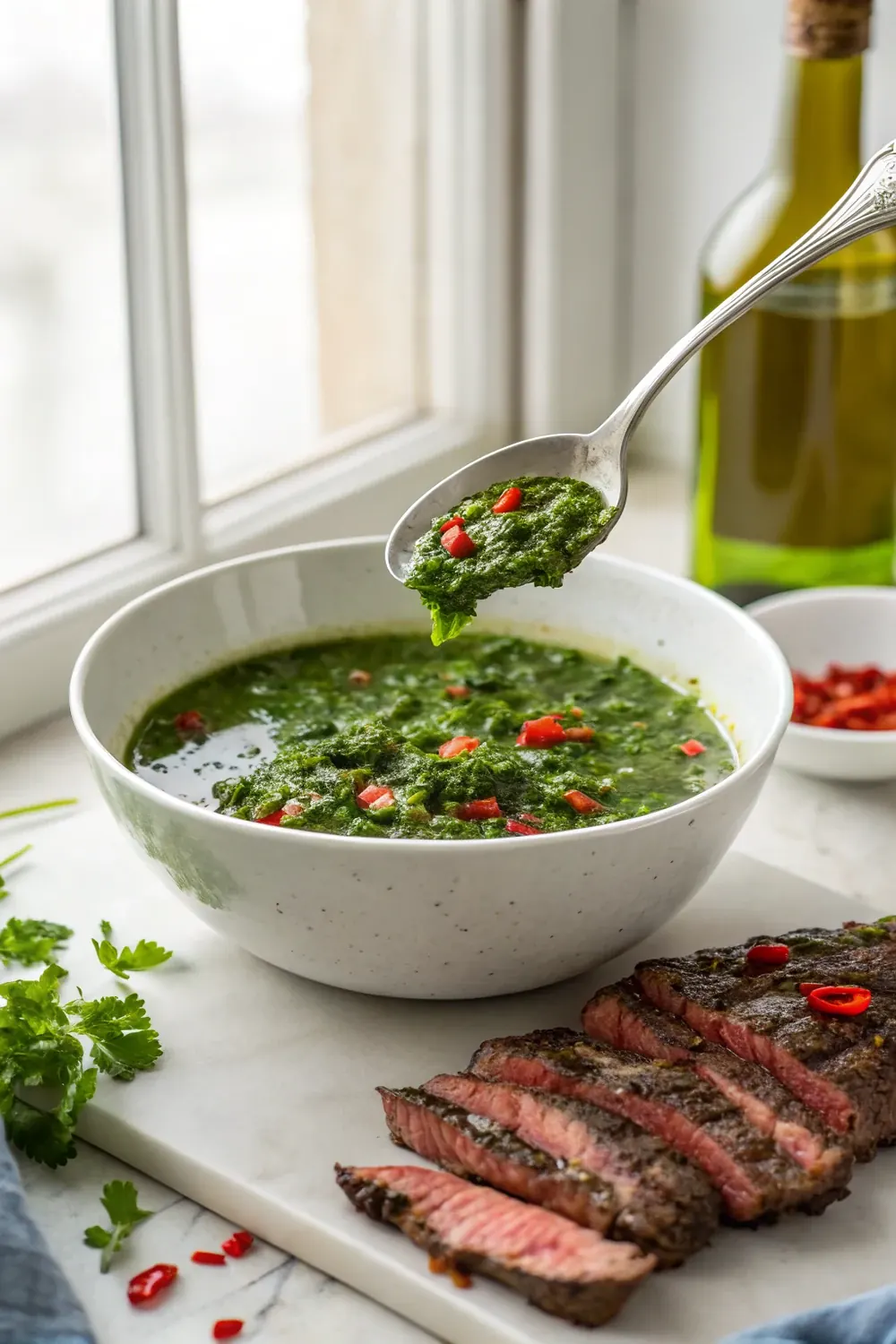
Chef Mia's Texas de Brazil chimichurri copycat: a bright, hand-chopped green herb sauce of parsley, oregano, garlic, vinegar, and olive oil for grilled meat.
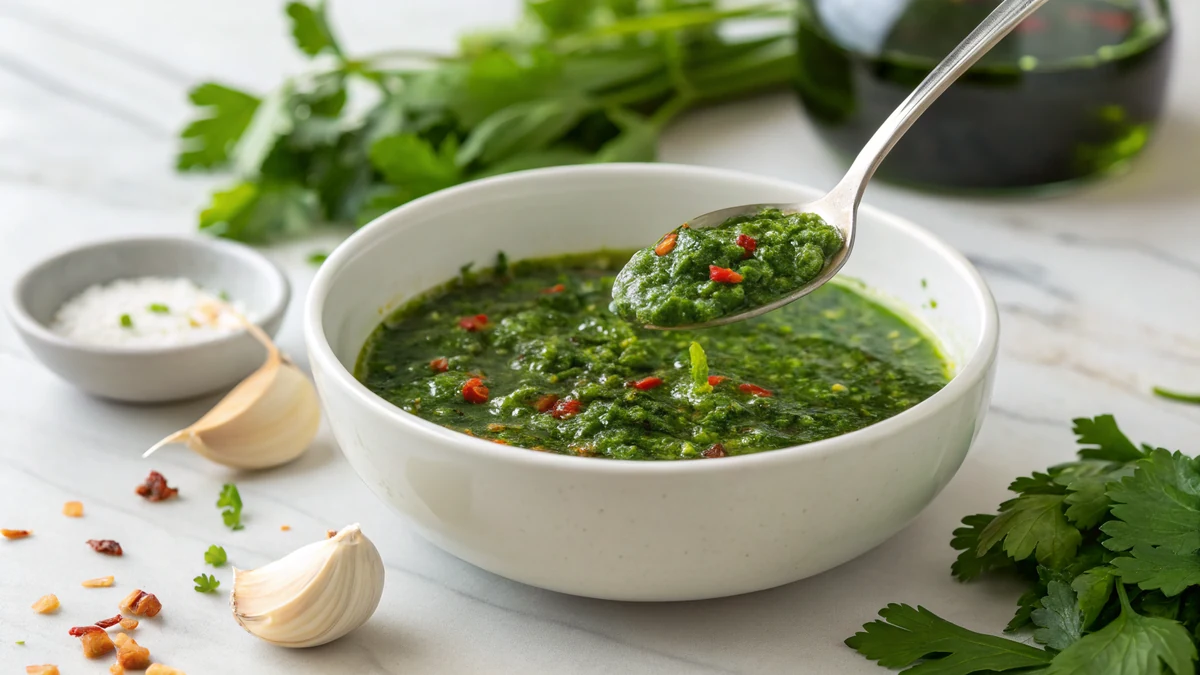
Quick answer: Texas de Brazil chimichurri is a fresh, uncooked South American green herb sauce served alongside grilled meat at the churrascaria. To make it at home, finely hand-chop one cup of packed flat-leaf parsley, fresh oregano, and four cloves of garlic, never a blender, so the sauce stays chunky and rustic. Stir the garlic into red wine vinegar, salt, pepper, and red pepper flakes and let it mellow five minutes, then fold in the herbs and slowly whisk in extra-virgin olive oil. Rest it 30 minutes so the flavors marry. It makes about one cup, needs no cooking, and tastes sharper, greener, and more alive than any jarred version.
At Texas de Brazil, the gauchos keep coming around with swords of grilled meat, and somewhere on that table, if you know to ask for it, sits a little dish of bright green chimichurri. I watch first-timers spoon it onto a slice of picanha and go quiet for a second, because cooked beef and raw herb sauce is one of those pairings that feels obvious only after you taste it. Sharp, garlicky, grassy with parsley and oregano, it cuts through rich grilled meat the way a squeeze of lime cuts through a taco. It is the smartest thing on the table that nobody talks about.
This is my home version, chased down over more Sunday cookouts than I can count. The good news is that chimichurri is almost embarrassingly easy: no cooking, no fancy gear, just a sharp knife, a cutting board, and good olive oil. The catch is that the few rules it has actually matter. You chop by hand, you let the garlic mellow in the vinegar, and you give it time to rest. Get those three right and you have a sauce that beats anything in a jar by a mile. Let me walk you through exactly how I make it.
What Is Texas de Brazil Chimichurri?
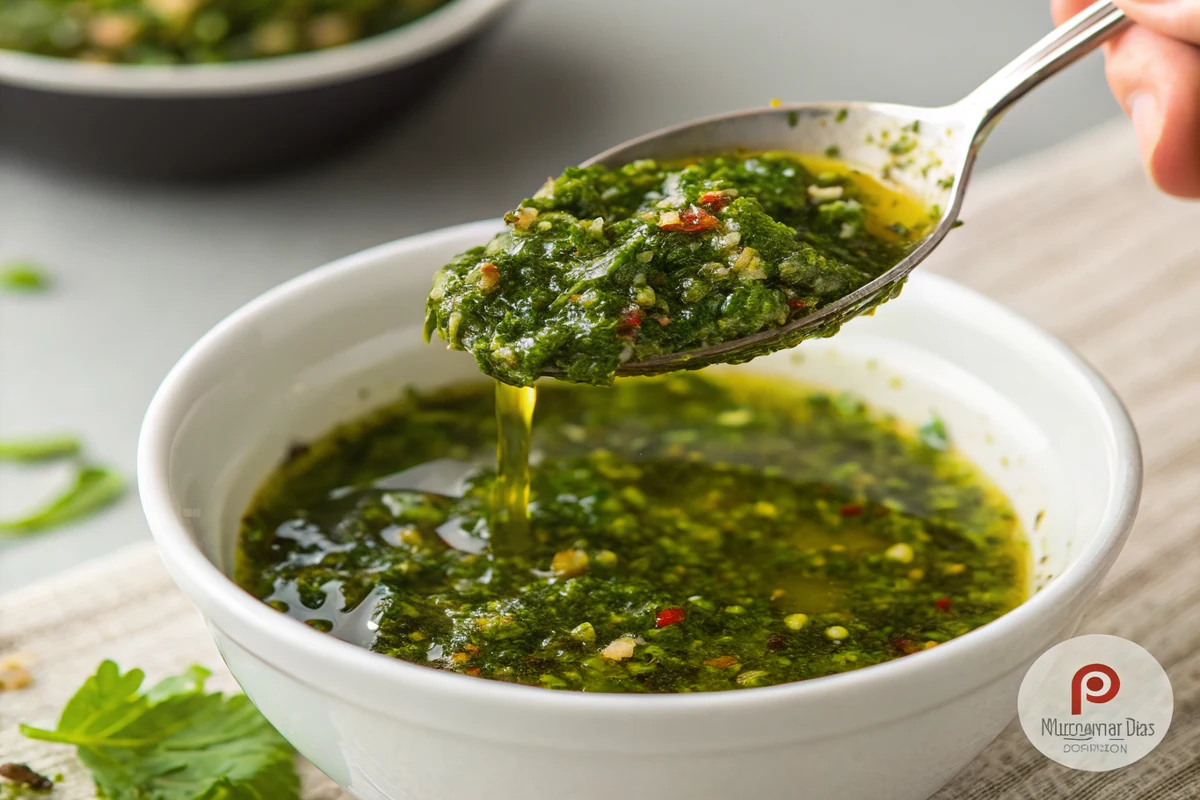
Chimichurri is a fresh, uncooked green herb sauce from South America, and at a churrascaria like Texas de Brazil it earns its keep as the counterpoint to all that grilled meat. Picture a loose, spoonable mix of finely chopped parsley and oregano, minced garlic, red wine vinegar, and good olive oil, brightened with a little heat from red pepper flakes. There is no cooking involved at all. You chop, you stir, you wait, and you have a sauce that tastes greener and livelier than anything you can buy in a jar.
The whole point of the sauce is contrast. Grilled beef is rich, fatty, and deep, and chimichurri answers that with acid, herb, and a clean garlic bite. That tension is why it pairs so naturally with the picanha and the other cuts that come around on the gaucho swords. A spoonful over a slice of medium-rare steak does the same job a squeeze of citrus does for seafood: it lifts everything and keeps your palate awake from the first round to the last.
In Argentina and Uruguay, chimichurri is practically a national condiment, ladled over everything that touches a grill. The Brazilian churrasco tradition that Texas de Brazil draws from adopted it happily, because the two styles share the same love of simple, well-grilled meat. What lands on your table is not a complicated restaurant secret. It is a rustic, home-style sauce that happens to be perfect, and that is exactly why I make it the same way at home.
I find that knowing what chimichurri is supposed to be makes it easier to nail. It is not a creamy dressing, not a cooked pan sauce, and not a smooth herb paste. It is a loose, chunky, vinegar-forward sauce where the herbs stay visible and the oil and acid never fully blend. Once that picture is in your head, every choice in the recipe makes sense: why you chop by hand, why you keep the oil and vinegar separate-looking, and why you let it rest before it ever touches a plate.
Chop by Hand, Never Blend
If you take one thing from this whole page, make it this: chop the herbs and garlic by hand and keep the blender in the cupboard. Chimichurri is supposed to be chunky and rustic, with distinct little flecks of parsley and oregano that you can see and feel on your spoon. When you pulse it in a food processor, you tear the cells of the herbs, release a flood of chlorophyll, and end up with a smooth, dark green slurry that looks and tastes more like pesto or baby food than the real thing.
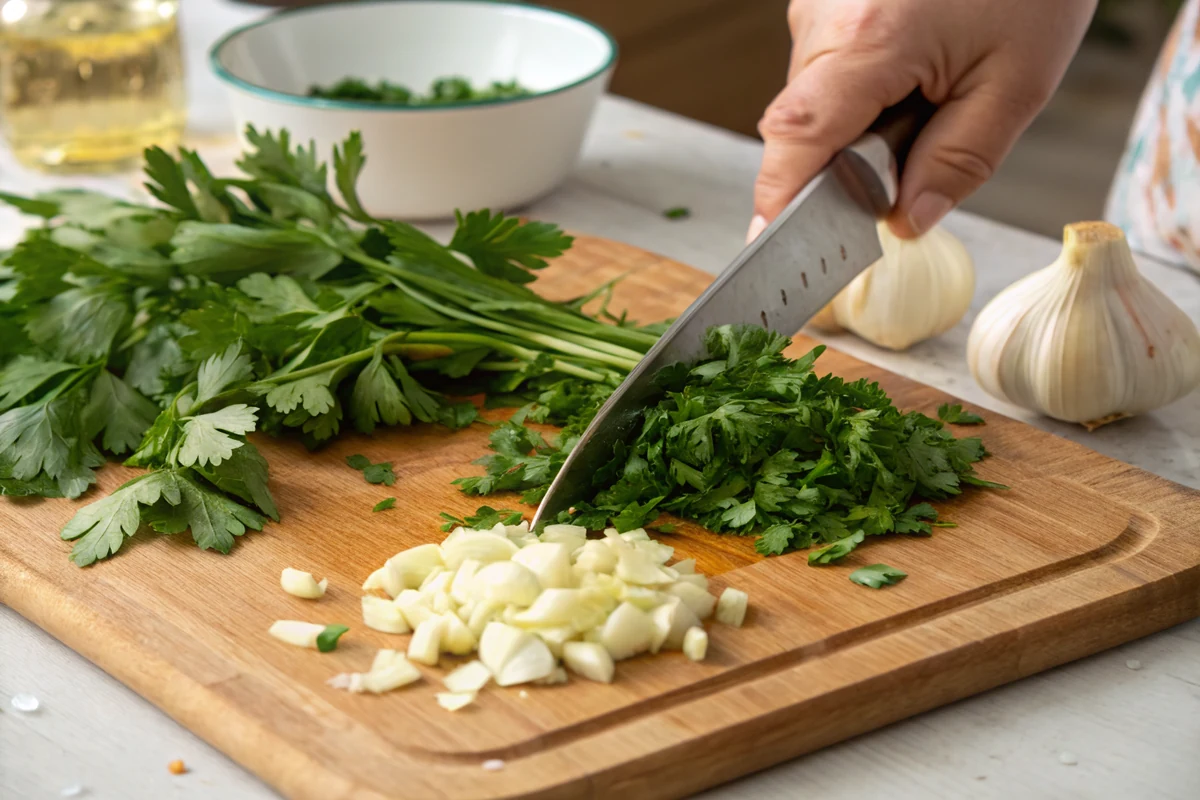
Hand-chopping also gives you control over texture. I like my parsley fine but not powdery, small enough to coat a slice of steak evenly but still coarse enough to have body. A sharp knife and a couple of minutes of rocking through the leaves gets you there. Pile the parsley up, chop, gather, and chop again until the pieces are even. The oregano gets the same treatment, and the garlic should be minced small so no one bites into a raw chunk.
There is a textural payoff at the table, too. Because the herbs stay intact, the oil and vinegar cling to them rather than soaking in, so the sauce stays loose and glossy instead of turning into a paste. That same loose texture is what lets it drape over grilled meat and settle into the grooves of a sliced steak. If you want the version that tastes like the churrascaria, the knife is not negotiable. It is the single biggest difference between a great chimichurri and a sad green smear.
Fresh vs Dried Herbs
Parsley is the backbone, and here you want fresh flat-leaf parsley, not the curly kind and definitely not dried. Flat-leaf has a cleaner, brighter flavor and chops into nicer flecks. Curly parsley is more decorative and a touch bitter, and dried parsley brings almost nothing to a sauce that lives or dies on freshness. Pack that cup of parsley after chopping so you get a full, herb-forward sauce rather than a thin, oily one with a few green specks floating in it.
Oregano is where you have a real choice. Fresh oregano gives the sauce a peppery, almost minty lift that I love, and two tablespoons chopped is the right amount against that cup of parsley. If fresh oregano is not in the store, dried works well here, unlike dried parsley, because drying concentrates oregano's flavor rather than killing it. Swap in two teaspoons of dried for the two tablespoons of fresh. That three-to-one ratio is the standard rule for trading fresh herbs for dried, and it holds up nicely in this sauce.
The optional cilantro is a personal call. Some chimichurri purists leave it out entirely, and the classic Argentine version skips it. I like a couple of tablespoons folded in because it adds another layer of green, citrusy freshness that plays well with the parsley. If you are one of the people who tastes soap in cilantro, leave it out with a clear conscience; the sauce is complete without it. Start with less than you think you want, since cilantro can take over a bowl in a hurry.
Whatever herbs you use, dry them well after washing. Wet herbs water down the sauce and make the oil slide off instead of clinging. I wash the parsley, spin it dry, and let it sit on a towel while I prep everything else. Damp parsley is a small thing that quietly weakens an otherwise great batch, and it is easy to avoid with thirty extra seconds and a clean kitchen towel.
Why You Let It Rest
When you first stir a chimichurri together, it tastes like a bowl of separate ingredients: sharp vinegar here, hot garlic there, grassy parsley somewhere else. Give it 30 minutes and something quietly transforms. The acid mellows the garlic, the oil pulls flavor out of the herbs, the salt seasons everything evenly, and the four loud voices settle into one rounded, savory chord. That rest is the closest thing this recipe has to a cooking step, and it costs you nothing but patience.
Room temperature is the right place for that half hour. Cold dulls flavor and stiffens the olive oil, so if you make the sauce ahead and refrigerate it, pull it out well before serving and let it come back to room temperature. Cold chimichurri straight from the fridge tastes flat and muted, and the oil can look cloudy and thick. Warmed back up to the counter, it loosens, brightens, and smells the way it should the moment it hits hot grilled meat.
You can absolutely push the rest longer than half an hour, and many people swear chimichurri is best after a few hours or even overnight. I find the sweet spot is anywhere from thirty minutes to a day. Past that, the parsley starts to lose its vivid color and the garlic can grow stronger as it sits in the acid. If you are making it more than a day ahead, hold back a little of the fresh herbs and stir them in just before serving to bring the green back to life.
Balancing the Vinegar and Oil
Chimichurri lives on the tension between acid and fat, and the ratio in this recipe, a quarter cup of vinegar to a half cup of oil, is my reliable starting point. That two-to-one lean toward oil gives you a sauce that is bright and tangy without being mouth-puckering, loose enough to spoon but rich enough to coat. If your first taste leans too sharp, you almost always fix it with a little more oil rather than less vinegar, because the acid is doing the important work of cutting the meat.
Use a real red wine vinegar with some character, not the harsh, one-note stuff. Red wine vinegar is traditional and gives chimichurri its signature tang, but if you only have white wine vinegar or even a splash of fresh lemon, the sauce still works. What you are after is a clean, sharp acidity that wakes everything up. Taste the vinegar on its own first; if it makes you wince, cut it with a touch of water before you build the sauce around it.
The olive oil matters more than people expect. Since nothing here is cooked, the oil's flavor stays front and center, so reach for a good extra-virgin with a fruity, peppery character rather than a flat, neutral oil. A grassy olive oil actually reinforces the herbal side of the sauce and makes the whole thing taste more vivid. This is a fine place to use the nicer bottle you save for finishing rather than the one you cook with every day.
Salt is the quiet third lever. Half a teaspoon of kosher salt is my baseline, but salt does more than season; it draws flavor out of the herbs and balances the acid so the sauce tastes round instead of sour. After the rest, taste and adjust. If it reads sharp, a pinch more salt often fixes it faster than more oil. If it tastes flat, a few drops more vinegar wake it back up. Tuning those three, oil, acid, and salt, is the whole game.
How to Serve Chimichurri
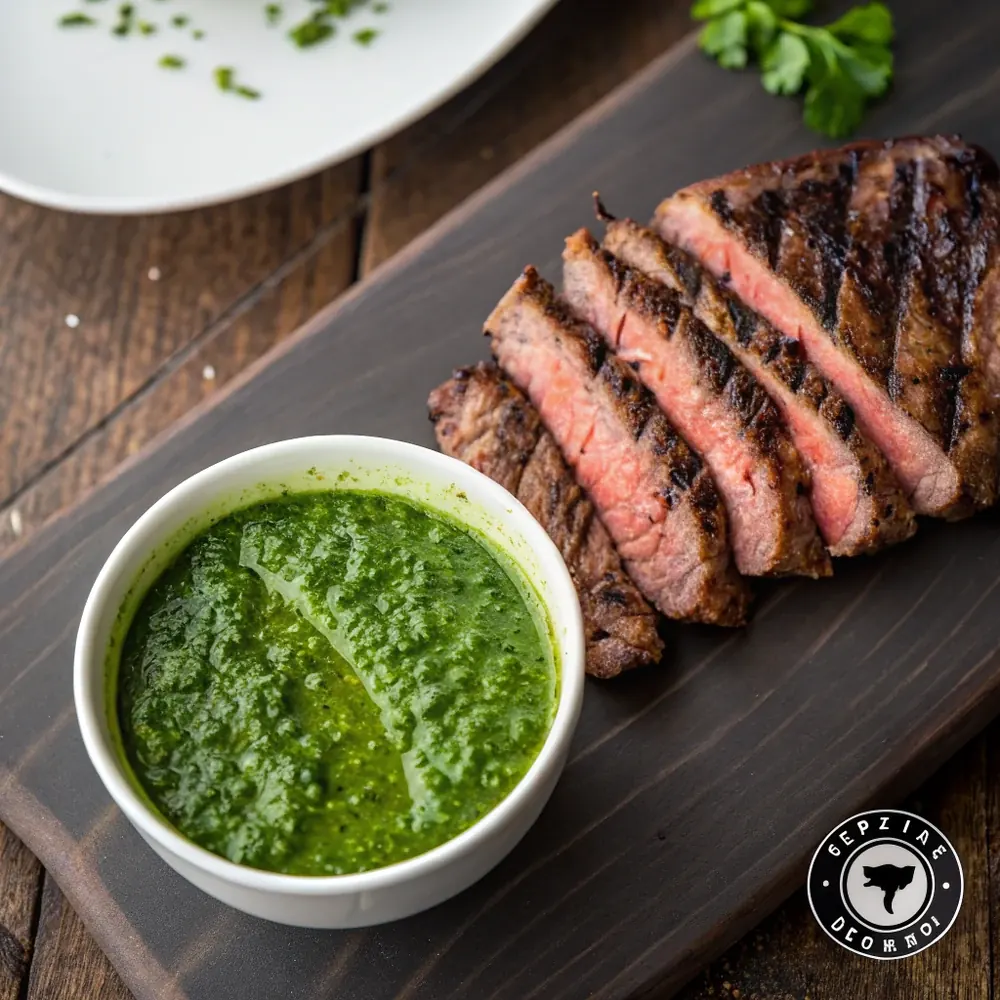
The headline use is grilled red meat, and that is where chimichurri shines brightest. Spoon it over sliced steak the moment it comes off the grill, while the surface is still warm enough to loosen the oil and release the aroma. It is glorious on a picanha or a ribeye like my cowboy cut ribeye, and it turns a simple grilled steak into something that tastes like a special occasion. Skirt steak, flank, and tri-tip all love it too, since the sauce cuts their chew with a hit of acid.
Do not stop at beef. Chimichurri is fantastic on grilled chicken, pork, lamb, and even firm fish or shrimp, and it brightens roasted vegetables, potatoes, and grilled bread just as happily. I keep a bowl on the table at cookouts and let everyone spoon it where they like. It plays beautifully against meat-on-a-stick dishes like a steak kabob, where the sauce gets into every nook of the charred edges.
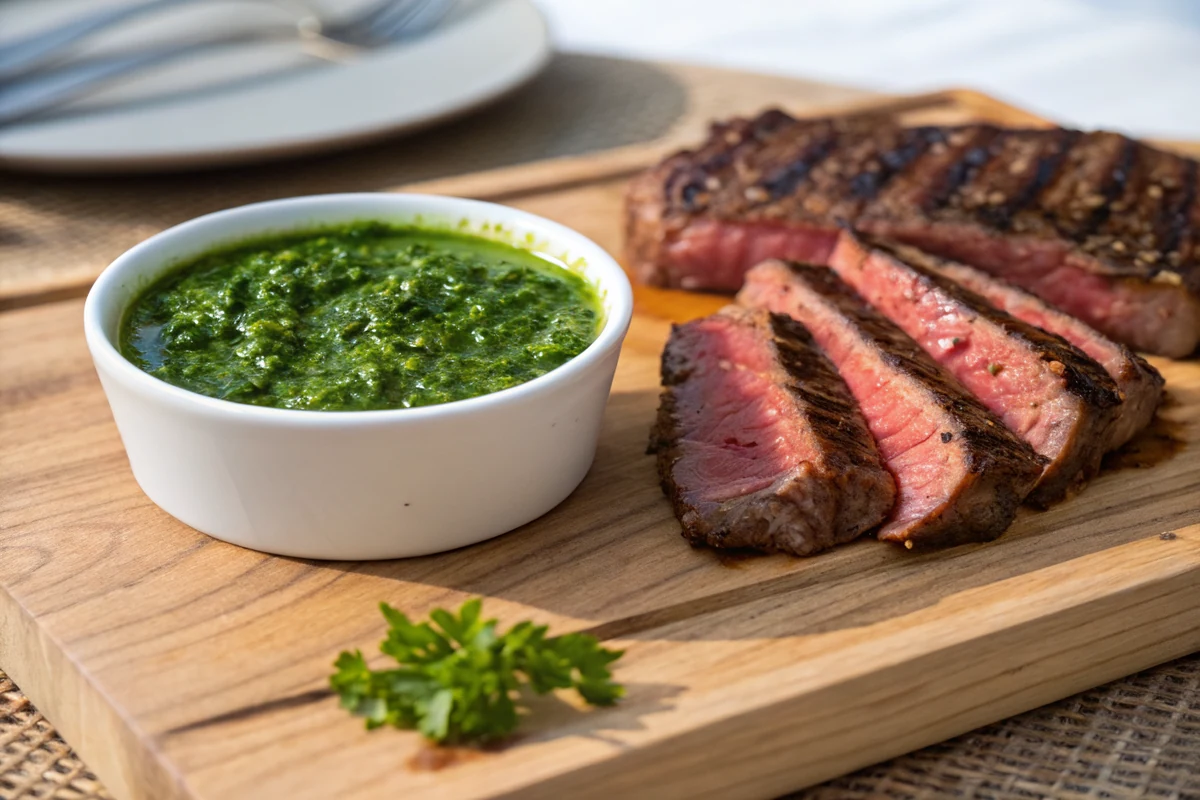
Beyond a finishing sauce, chimichurri pulls double duty as a marinade. Toss steak, chicken, or shrimp in a few spoonfuls an hour or two before grilling and the acid and garlic season the surface beautifully; just reserve some fresh sauce for serving, since the marinade portion should not touch cooked food. It also makes a punchy base for a salad dressing, a sandwich spread, or a drizzle over fried eggs. Once you have a jar of it in the fridge, you find excuses to use it on almost everything.
Chimichurri Nutrition
A two-tablespoon serving of this chimichurri runs about 130 calories, and nearly all of that comes from the olive oil. That sounds rich, and it is, but two tablespoons is a generous spoonful over a steak, and you are getting heart-friendly monounsaturated fat rather than empty calories. Extra-virgin olive oil is one of the better fats you can build a sauce on, and using a good one here means the calories are doing flavorful, useful work.
Beyond the oil, the ingredient list is genuinely clean: fresh parsley, oregano, garlic, vinegar, salt, and a little chili. Parsley brings vitamin K, vitamin C, and antioxidants, garlic has its own well-known benefits, and the whole thing is naturally vegan, gluten-free, dairy-free, and low in carbohydrates. There is no added sugar and nothing artificial, which is more than you can say for most bottled steak sauces sitting on the grocery shelf.
Sodium is the one number to keep an eye on, and it is fully in your hands. Half a teaspoon of kosher salt across a cup of sauce is moderate, and because you are salting it yourself you can dial it down if you are watching your intake. If you are serving this over an already well-seasoned, salted steak, you can go a little lighter on the salt in the sauce and let the meat carry that load instead.
It is also worth remembering that a little chimichurri goes a long way, so a single serving rarely strays far past that two-tablespoon spoonful. Compared to dousing a steak in a thick, sugary bottled sauce, finishing it with a bright spoon of fresh herb sauce is a genuinely lighter, fresher choice. You get a big lift in flavor for a modest cost, and everything in the bowl is something you would recognize in a garden or a pantry rather than on the back of a label.
Storage and Freezing
Chimichurri keeps well, which is one of its best qualities. Store it in an airtight jar in the refrigerator, and it holds its flavor for about a week. The olive oil will firm up and turn cloudy when cold, which is completely normal; just set the jar on the counter for fifteen or twenty minutes before serving so the oil loosens and the flavors come back to life. Give it a good stir before each use, since the herbs and oil naturally separate as it sits.
Over the days in the fridge, the garlic flavor tends to get a little stronger and the parsley loses some of its bright color, drifting toward a darker, more olive green. The sauce is still perfectly good and arguably more savory, but if appearance matters for a dinner, stir in a small handful of fresh chopped parsley before serving to revive that vivid green. A splash of fresh oil or vinegar also wakes up a batch that has been sitting a few days.
You can freeze chimichurri, and the easiest way is to spoon it into an ice cube tray, freeze until solid, then pop the cubes into a freezer bag. That gives you single-serving portions you can thaw as needed, and it keeps for a few months. The texture of the herbs softens a touch after freezing and the parsley dulls in color, so frozen chimichurri is best stirred into cooking, used as a marinade, or refreshed with a little fresh herb rather than served as the pristine table sauce.
Because the sauce comes together in fifteen minutes flat, I usually skip freezing and just make a fresh batch when I need it. But the freezer trick earns its place at the end of a growing season, when the garden is overflowing with parsley and oregano and you want to lock that freshness away. Chop and freeze it then, and a midwinter steak can taste like a summer cookout. Thaw a cube in the fridge overnight, stir it well, and bring it to room temperature before serving.
Common Mistakes
The number one mistake, by a wide margin, is reaching for the blender or food processor. I understand the temptation; it is faster and your knife skills feel like the long way around. But that machine turns a chunky, vibrant sauce into a smooth, dark puree that tastes flat and looks muddy. Chimichurri is defined by its rustic texture, so commit to chopping by hand. If you absolutely must use a processor, pulse it two or three times at most and stop while the herbs are still coarse.
Skipping the rest is the second common slip. People mix it up, taste it immediately, decide it is too sharp or too garlicky, and start adjusting, when really it just needed thirty minutes to settle. Make the sauce first, before you light the grill, and let it sit while everything else comes together. Tasting and over-correcting a chimichurri the moment it is mixed is how you end up with a bland, overworked version that has lost its edge.
Other frequent missteps cluster around the basics. Using dried parsley instead of fresh leaves a thin, lifeless sauce. Not drying the washed herbs waters everything down. Skipping the five-minute garlic soak in vinegar leaves a raw, harsh bite up front. And serving the sauce ice cold straight from the fridge mutes all that good flavor and stiffens the oil. None of these is hard to avoid, and dodging them is the difference between a forgettable green sauce and one people ask you to make again.
Last, do not drown a good steak in it on the first pass. Chimichurri is assertive, and a thin spoonful goes a long way; you can always add more. If you want to build the full churrascaria spread around it, lean on it the way the restaurant does, as one bright note among several, alongside something like my cowboy butter for the people who want richness instead of acid. Offer both, let everyone choose, and the table sorts itself out.
Texas de Brazil Chimichurri Copycat Recipe
Ingredients
- For the herb base:
- 1 cup fresh flat-leaf parsley, finely chopped and packed
- 2 tablespoons fresh oregano, chopped (or 2 teaspoons dried oregano)
- 4 cloves garlic, finely minced
- For the dressing:
- 1/4 cup red wine vinegar
- 1/2 cup extra-virgin olive oil
- 1/2 teaspoon red pepper flakes (or 1 fresh red chili, minced)
- 1/2 teaspoon kosher salt
- 1/4 teaspoon black pepper
- Optional:
- 2 tablespoons finely chopped fresh cilantro
Instructions
- Chop the herbs and garlic by hand. Pull the parsley leaves from the thick stems and chop them fine, then chop the fresh oregano, and mince the garlic small. Do all of this by hand on a board, not in a blender. You want distinct little flecks of green that hold their shape and texture, not a smooth puree. Measure the parsley packed, after chopping, so you get a full, generous cup of herb in the bowl.
- Mellow the garlic in vinegar. In a medium bowl, stir together the red wine vinegar, kosher salt, black pepper, and red pepper flakes until the salt dissolves. Add the minced garlic and let it sit for five minutes. This short soak takes the raw, hot bite off the garlic and lets the acid start softening it, so the finished sauce tastes bright and savory instead of sharply pungent on the back of your throat.
- Fold in the chopped herbs. Add the chopped parsley, oregano, and the optional cilantro to the bowl with the garlic and vinegar. Stir gently until the herbs are evenly coated and the vinegar has worked its way through every bit of green. The mixture will look thick and almost dry at this stage, which is exactly right. The oil comes next and brings it all together into a loose, spoonable sauce.
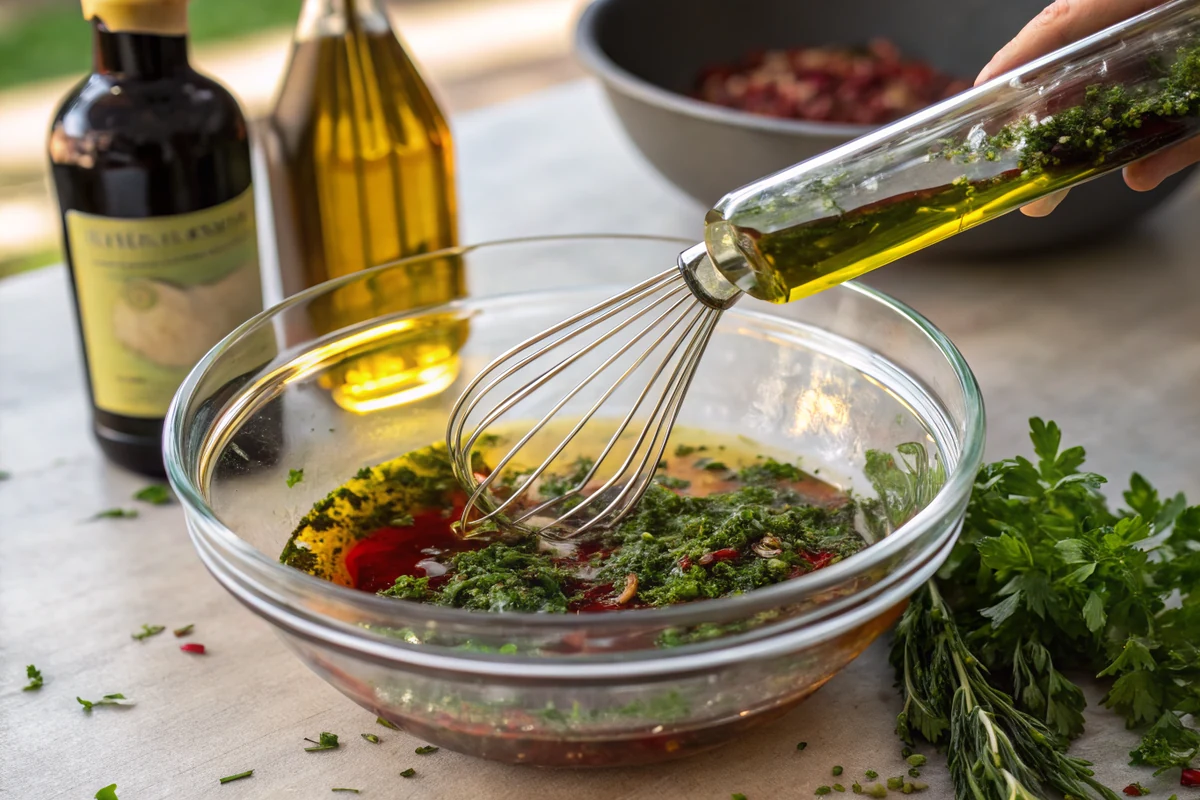
- Whisk in the olive oil. Pour in the extra-virgin olive oil slowly, in a thin stream, whisking gently as you go so the oil distributes evenly through the herbs. Do not try to emulsify it into a smooth dressing; chimichurri is meant to stay loose and a little separated, with the herbs floating in the oil and vinegar. Stir until everything looks glossy and the green flecks are suspended throughout.
- Rest before serving. Cover the bowl and let the chimichurri rest at room temperature for at least 30 minutes before you serve it. This rest is not optional padding; it is when the garlic, herbs, vinegar, and oil actually marry into one flavor instead of four separate ones. Give it a quick stir right before serving, taste, and adjust the salt or vinegar if it needs a nudge.
Frequently Asked Questions
What is chimichurri made of?
Chimichurri is a fresh, uncooked green sauce built from finely chopped flat-leaf parsley and oregano, minced garlic, red wine vinegar, extra-virgin olive oil, salt, pepper, and a little red pepper flake for heat. Some versions add cilantro. That is the whole list. There is no cooking and no fancy ingredient, just good fresh herbs, good oil, and sharp vinegar chopped and stirred together into a loose, spoonable sauce for grilled meat.
Can I make chimichurri in a blender?
You can, but I really would not. A blender or food processor shreds the herbs and turns the sauce into a smooth, dark puree that tastes flat and looks like pesto. Chimichurri is meant to be chunky and rustic, with visible flecks of parsley and oregano. Chopping by hand keeps that texture intact and gives you a brighter, fresher sauce. If you must use a machine, pulse two or three times only and stop while it is still coarse.
How long does chimichurri last in the fridge?
Stored in an airtight jar in the refrigerator, chimichurri keeps its flavor for about a week. The olive oil firms up and turns cloudy when cold, which is normal; let the jar sit at room temperature for fifteen minutes and stir before serving. Over time the garlic gets stronger and the parsley loses some color. Stir in a little fresh chopped parsley or a splash of oil to revive a batch that has been sitting a few days.
Why do you let chimichurri rest before serving?
Resting is the step that turns four separate ingredients into one sauce. When you first mix it, the vinegar, garlic, herbs, and oil taste distinct and a little harsh. Give it 30 minutes at room temperature and the acid mellows the garlic, the oil pulls flavor from the herbs, and everything rounds into a balanced, savory whole. Skip the rest and the sauce tastes sharp and disjointed. It is the closest thing this no-cook recipe has to actual cooking.
Can I use dried oregano instead of fresh?
Yes, dried oregano works well here, which is unusual for an herb sauce. Drying concentrates oregano's flavor rather than killing it, so it holds up nicely. Use two teaspoons of dried oregano in place of the two tablespoons of fresh, following the standard three-to-one fresh-to-dried ratio. The parsley is different; that one must be fresh, since dried parsley brings almost no flavor and leaves the sauce thin and lifeless.
What do you serve chimichurri with?
Chimichurri is built for grilled red meat, spooned over steak, picanha, ribeye, skirt, or flank the moment it comes off the heat. It also shines on grilled chicken, pork, lamb, firm fish, and shrimp, and it brightens roasted potatoes, vegetables, and grilled bread. It doubles as a marinade if you reserve some fresh sauce for serving, and it makes a punchy base for salad dressing or a sandwich spread. Keep a bowl on the table and let everyone spoon it where they like.
Is chimichurri spicy?
It has a gentle warmth, not real heat. Half a teaspoon of red pepper flakes across a full cup of sauce gives a mild background tingle that supports the garlic and acid rather than burning. If you want more kick, add extra flakes or swap in a fresh minced red chili. If you are heat-shy, cut the flakes in half or leave them out entirely; the sauce is still bright and delicious without them, carried by the garlic and vinegar instead.