Southern Comfort Food
Texas de Brazil Lobster Bisque Copycat
The shell stock is the whole dish. Simmer the shells first or you get pink cream soup with no depth. Sherry, roux, and the strain that turns it silky.
Quick answer: This copycat Texas de Brazil lobster bisque is a silky, deeply flavored shellfish soup built the classic way: you make a quick stock from the lobster shells, sweat a mirepoix of onion, celery, and carrot in butter, deepen it with tomato paste and a roux, then deglaze with dry sherry. Simmer with the shell stock, blend it smooth, strain it, and finish with heavy cream and tender lobster meat. The shell stock is the whole secret; it is what gives the bisque that rich, true lobster flavor the steakhouse soup is known for. Plan on about an hour and you get a restaurant-quality starter at home.
Texas de Brazil is a churrascaria, the kind of Brazilian steakhouse where servers carry skewers of grilled meat from table to table, but the part of the meal I always slow down for is the salad and soup area. Their lobster bisque sits there in a warmer, and I have ladled myself a cup more times than I will admit while pacing myself before the meat starts coming around. It is rich, silky, and unmistakably lobster, and it convinced me I had to learn to make a proper bisque at home.
Bisque has a reputation for being fussy, and I will be honest that it takes a little more effort than a weeknight soup. But the technique is logical once you see it laid out, and none of the individual steps are hard. The magic is almost entirely in one move that home cooks tend to skip: building a stock from the lobster shells before you do anything else. Do that and everything downstream tastes like the real thing. Let me walk you through it the way I make it in my Lockhart kitchen. And when you want Gulf-style shellfish with a fraction of the work, my BBQ shrimp gets dinner on the table in a single skillet.

Why Texas de Brazil's Bisque Tastes So Rich
At a churrascaria like Texas de Brazil, the meat is the headline, but the salad and soup bar is where you build your meal before the skewers arrive. Their lobster bisque is a standout there: smooth, deeply colored, and full of real lobster flavor rather than just cream and tomato. It is the kind of soup that makes you wonder how a steakhouse known for grilled meat turns out such a refined bowl.
The answer is classic French bisque technique, and there is no shortcut around the part that matters most. A real bisque draws its flavor from the shells of the shellfish, simmered into a stock that carries the deep, sweet, oceanic taste you cannot get from the meat alone. That stock is the difference between a bisque that tastes like lobster and a creamy tomato soup with a few lobster chunks floating in it.
Recreating it at home is absolutely doable, and the payoff is enormous. You control the quality of the lobster, the richness of the cream, and the seasoning, and you can make a batch for the price of a couple of restaurant cups. It also makes an impressive starter when you are putting together a steakhouse-style meal at home around a big cut of beef.
Real Lobster Stock From the Shells
If you take one thing from this recipe, let it be this: do not throw away the shells. Searing the lobster shells until they turn deep red and then simmering them in water or seafood stock pulls out a concentrated lobster flavor that becomes the soul of the bisque. Skip this step and use plain stock, and you will end up with something pleasant but ordinary.
The searing matters as much as the simmering. When the shells hit hot oil and turn from pinkish to brick red, they release compounds that deepen both the color and the flavor of the eventual stock. Press and stir them around the pot for a few minutes and you will literally smell the lobster intensify. Then a half-hour simmer extracts the rest, and a good press through the strainer gets every drop.
If you are starting from cooked lobster, the shells still have plenty to give, so sear and simmer them the same way. And if you ever cook lobster for another meal, freeze the shells in a bag; they keep for months and mean you can make a bisque on a whim. The American lobster is a well-managed fishery, and you can read more about it from NOAA Fisheries if you want to shop thoughtfully.
Choosing Your Lobster
Lobster tails are my usual choice for this bisque because they are easy to find, simple to work with, and give you generous chunks of meat to fold back in at the end. Two tails in the 6 to 8 ounce range is right for a six-serving pot, and you get firm shells that make excellent stock. Thaw frozen tails fully in the fridge before you start.
A whole cooked lobster works beautifully if you have access to one, and it gives you even more shell for the stock plus the bonus of the body and leg meat. Pick the meat carefully and save all the shell, including the body, which is loaded with flavor. This is a lovely way to use a leftover lobster from a special dinner.
On a budget, langostino tails or even a combination of shrimp and a little lobster base can stand in, though the flavor will be a touch less pronounced. If you go the shrimp route, save and sear the shrimp shells for the stock the same way. The technique carries the dish; the better your shellfish, the better your bowl, but the method makes even modest lobster taste like more.
Building the Bisque: Mirepoix, Tomato, and Roux
With the stock made, the bisque comes together as a series of layers built right in the pot. It starts with a mirepoix, the classic trio of onion, celery, and carrot, sweated slowly in butter until soft and sweet. Do not rush this or let the vegetables brown; you want them tender and aromatic so they melt into the background of the finished soup.
Tomato paste comes next, and cooking it until it darkens is a small step with a big payoff. Toasting the paste for a couple of minutes drives off its raw, metallic taste and develops a savory sweetness and the warm orange-red color that a bisque is supposed to have. Stir it constantly so it caramelizes rather than burns.
Then comes a light roux. Sprinkling flour over the vegetables and cooking it briefly gives the bisque its body, that velvety, spoon-coating texture that separates a bisque from a thin soup. Two minutes of stirring cooks out the floury taste. After that you deglaze and add the stock, and the structure of the soup is set.
Sherry, Brandy, and the Aromatics
A good lobster bisque almost always has a note of sherry or brandy, and it is not optional flavor, it is part of the signature. Dry sherry brings a nutty, faintly sweet depth that flatters shellfish beautifully, and a splash deglazes the pot and lifts the whole soup. I add most of it early to cook off the alcohol and a final spoonful at the end for brightness.
Brandy or even Cognac works in place of sherry and gives a slightly richer, warmer note. Whichever you use, let it bubble for a minute after you pour it in so the harsh edge of the alcohol cooks away and only the rounded flavor stays behind. If you prefer to cook without alcohol, a splash of seafood stock with a tiny bit of sherry vinegar approximates the brightness, though the character changes.
The supporting aromatics keep things from tasting one-dimensional. Smoked paprika adds warmth and color, thyme and a bay leaf bring a gentle herbal backbone, and a pinch of cayenne provides a quiet heat that you feel rather than taste. Worcestershire deepens the savory bottom note. None of them should announce themselves; together they make the lobster taste like more of itself.
Getting It Silky Smooth
The texture of a bisque is half of what makes it feel luxurious, and getting there takes two steps: blending and straining. After the base has simmered, blend it until completely smooth. An immersion blender right in the pot is easiest, but a countertop blender gives an even finer result if you work in batches and vent the lid for the steam.
Straining is the step that takes the bisque from good to restaurant-smooth. Pour the blended soup through a fine-mesh sieve and press the solids with a ladle to push through all the silky liquid while catching any stray bits of vegetable skin or fiber. It is a five-minute job that you will taste in every spoonful, and it is exactly what separates a homemade bisque from a polished one.
Be careful blending hot liquid. Fill the blender no more than two-thirds full, hold the lid down with a folded towel, and start on low. A burst of pressurized steam can blow the lid off and burn you, so a little caution here keeps the whole operation pleasant.
Cream, Seasoning, and Balance
Cream goes in at the end, off a hard boil, so it stays smooth and does not break. A cup of heavy cream for this batch gives the bisque its richness without burying the lobster flavor. Stir it in over low heat and let the soup come back to a bare simmer, then add your reserved lobster meat just to warm through. Boiling the lobster at this point would toughen it, so keep the heat gentle.
Seasoning a bisque is a tasting game. Cream and shellfish both mute salt, so the soup often needs more than you expect; add it in small pinches and taste until the lobster flavor snaps into focus. White pepper keeps the color clean while adding warmth, and a final whisper of cayenne and that last spoon of sherry brighten the whole bowl.
If the bisque tastes a little flat even after salting, a few extra drops of Worcestershire or a tiny squeeze of lemon will often wake it up. Trust your palate here; the recipe gets you 95 percent of the way and the last adjustments make it yours. As with any shellfish, cook the lobster meat through to a safe temperature, which the USDA safe minimum internal temperature chart lists for seafood.
Troubleshooting Your Bisque
If your cream curdles or the soup looks broken, the heat was too high when the dairy went in. Cream can split if you boil it hard, especially in an acidic, tomato-based soup. The fix is prevention: stir the cream in over low heat and never let the bisque come back to a rolling boil after it is added. If it does break, a quick blast with the immersion blender will often pull it back together into a smooth emulsion.
A bisque that comes out too thin usually needs a little more reduction or a touch more roux. Let it simmer uncovered for an extra ten minutes to concentrate before adding the cream, or whisk a teaspoon of cornstarch into a tablespoon of cold water and stir it in, simmering a couple of minutes until it thickens. Remember it will also thicken as it cools, so do not chase a heavy texture while it is piping hot.
Too thick is easier to solve than too thin. Just thin the bisque with a splash of warm seafood stock, the reserved shell stock, or a little more cream until it pours from the ladle in a smooth, coating ribbon. Add the liquid gradually and re-taste the seasoning, since loosening the soup also dilutes the salt and you may need a pinch to bring it back into focus.
If the lobster flavor feels weak, the culprit is almost always the shell stock step. Make sure you sear the shells until they are deep red and smell strongly of lobster, and give them a full half hour to simmer. A small spoon of good lobster or shellfish base stirred in can reinforce the flavor in a pinch, but a properly made shell stock is what gives the bisque its real depth and is worth doing right.
Serving It Steakhouse Style
At Texas de Brazil the bisque is a starter before a parade of grilled meat, and that is exactly how I like to serve it at home: a small cup to open a special dinner, not a giant bowl that fills you up before the main event. A little goes a long way because it is so rich, so this batch comfortably starts a meal for six. To recreate the full salad-area experience, set a bowl of crisp Texas de Brazil cucumber salad beside it; the cold vinegar crunch against the rich bisque is exactly how the restaurant plays it.
It is a natural opener for a steakhouse-style spread built around beef. I love a cup of this bisque before a cowboy cut ribeye for a surf-and-turf feel, or alongside a platter of smoked brisket sandwiches when I am leaning into Texas barbecue. The cool richness of the soup is a nice counterpoint to smoky, charred meat. A basket of warm dinner rolls for dipping never hurts either.
If you are putting on a true low-and-slow Texas feast, this bisque even has a place next to a whole Texas brisket; the patience of a long brisket cook pairs well with a refined starter that shows the same care. Leftover bisque keeps 3 days in the fridge and reheats gently over low heat, though I would add the lobster fresh if you can, since it firms up on a second warming.
Texas de Brazil Lobster Bisque Copycat Recipe
Ingredients
- For the lobster and stock:
- 2 lobster tails (6 to 8 oz / 170 to 225 g each), or 1 1/2 lb cooked lobster meat with shells
- 1 tablespoon olive oil
- 4 cups (about 1 L) water or low-sodium seafood stock
- For the bisque:
- 4 tablespoons (55 g) unsalted butter
- 1 medium yellow onion, diced
- 2 celery ribs, diced
- 1 medium carrot, peeled and diced
- 3 garlic cloves, minced
- 3 tablespoons tomato paste
- 1/4 cup (30 g) all-purpose flour
- 1/4 cup (60 ml) dry sherry, plus 1 tablespoon to finish (or brandy)
- 1 teaspoon smoked paprika
- 1/2 teaspoon dried thyme
- 1 bay leaf
- 1 cup (240 ml) heavy cream
- 1 teaspoon Worcestershire sauce
- 1/2 teaspoon kosher salt, plus more to taste
- 1/4 teaspoon white pepper
- Pinch of cayenne
- To finish:
- Chopped fresh chives or tarragon
- A swirl of cream
Instructions
- Remove the lobster meat. If using raw lobster tails, use kitchen shears to cut down the underside of each shell and gently pull the meat out in one piece, reserving every bit of shell. Cut the meat into bite-sized chunks, cover, and refrigerate. If you bought cooked lobster, pick the meat and save the shells. The shells are not scraps here; they are the most important ingredient in the pot.
- Make the lobster shell stock. Heat the olive oil in a large pot over medium-high heat and add the reserved shells. Cook 4 to 5 minutes, pressing and stirring, until they turn deep red and smell intensely of lobster. Pour in the water or seafood stock, bring to a simmer, and cook gently for 25 to 30 minutes. Strain the stock through a fine-mesh sieve, pressing the shells to extract every drop, and discard the shells. You should have about 3 1/2 cups.
- Sweat the mirepoix. Wipe out the pot, set it over medium heat, and melt the butter. Add the diced onion, celery, and carrot with a pinch of salt and cook 7 to 8 minutes until soft and fragrant but not browned. This mirepoix is the aromatic backbone of the bisque, so give it time to soften fully. Add the minced garlic and stir for 30 seconds until you can smell it.
- Deepen with tomato paste. Stir in the tomato paste and cook it for 2 to 3 minutes, stirring constantly, until it darkens from bright red to a deeper brick color and coats the vegetables. Cooking the paste this way takes away its raw, tinny edge and builds a savory, slightly sweet depth that gives the bisque its classic color and rounded flavor.
- Build the roux. Sprinkle the flour over the vegetables and stir constantly for 2 minutes so the flour cooks and loses its pasty taste. This light roux is what thickens the bisque to that signature velvety, spoon-coating body. Keep it moving so it does not scorch on the bottom of the pot.
- Deglaze with sherry. Pour in the 1/4 cup of dry sherry and stir, scraping up any flour or fond stuck to the pot. Let it bubble for a minute until the sharp alcohol smell cooks off. The sherry adds a nutty, slightly sweet note that is a hallmark of a good lobster bisque; brandy works too if that is what you have on hand.
- Simmer the base. Slowly pour in the reserved lobster shell stock while whisking so the roux incorporates smoothly without lumps. Add the smoked paprika, thyme, bay leaf, Worcestershire, white pepper, and cayenne. Bring to a gentle simmer and cook 15 minutes, stirring now and then, until the soup has thickened slightly and the flavors have come together.
- Blend until smooth. Remove and discard the bay leaf. Blend the soup until completely smooth, either with an immersion blender right in the pot or in batches in a countertop blender, venting the lid and working carefully because it is hot. For the silkiest, most refined texture, pour the blended soup through a fine-mesh sieve back into the pot, pressing the solids.
- Finish with cream and lobster. Set the pot over low heat and stir in the heavy cream. Add the reserved lobster meat and warm it through for 3 to 4 minutes, just until the lobster is cooked and tender; do not boil it or the lobster turns rubbery. Stir in the final tablespoon of sherry, then taste and adjust with salt, white pepper, and a touch more cayenne until it tastes rich and balanced.
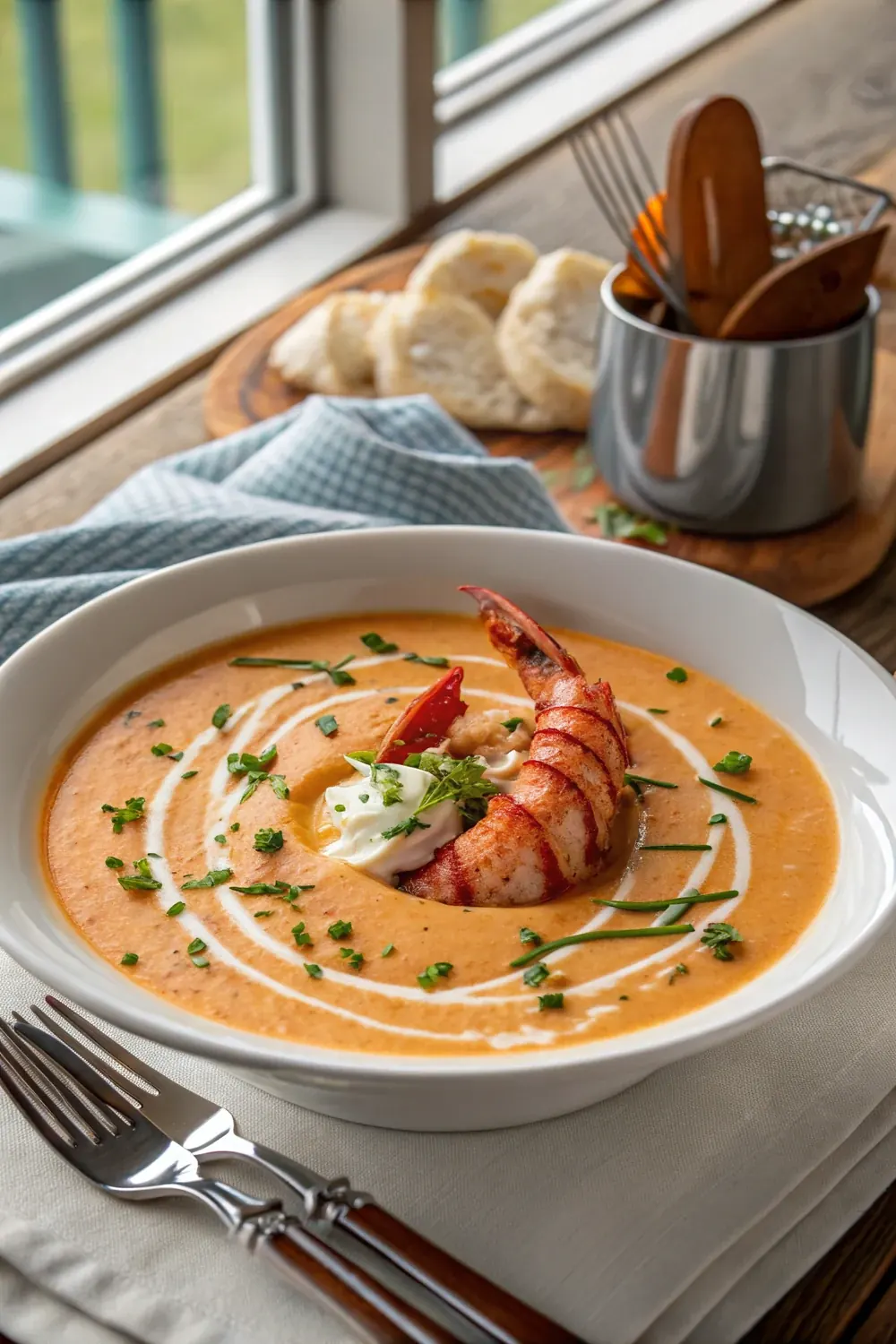
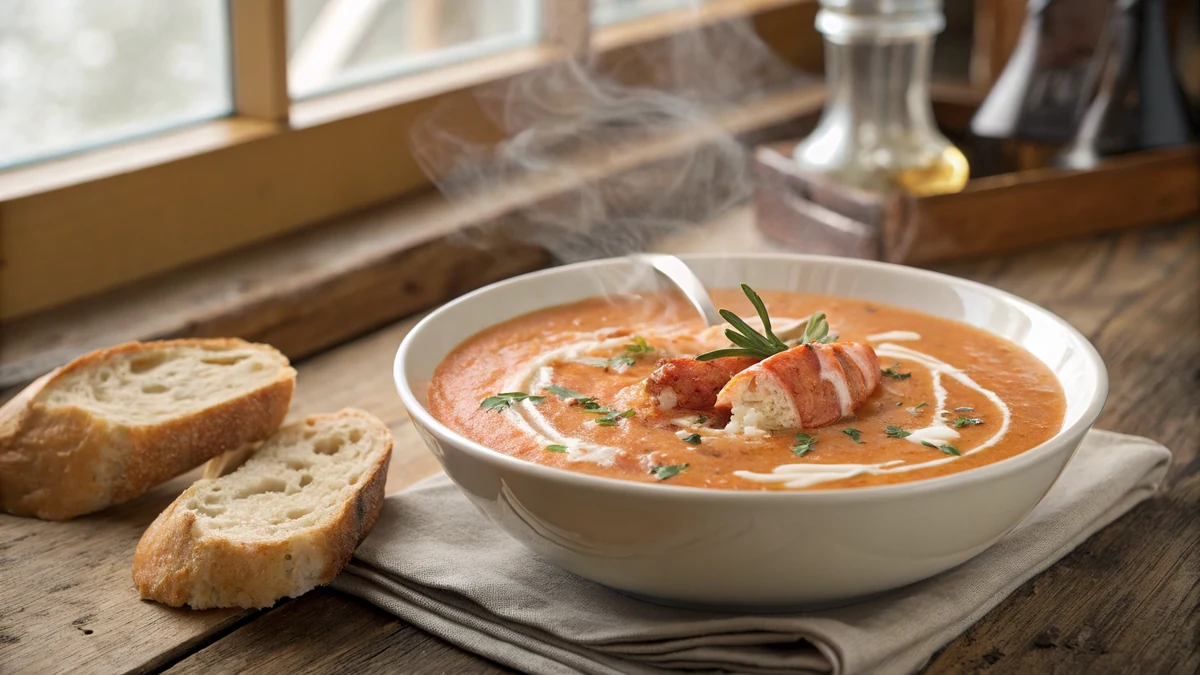
- Serve the bisque. Ladle the bisque into warm bowls, leaving a few of the prettiest lobster pieces to arrange on top. Add a swirl of cream and a scatter of chopped chives or tarragon. Serve right away while it is hot and silky, with crusty bread alongside for dragging through the last of the bowl.

Frequently Asked Questions
What is in Texas de Brazil lobster bisque?
It is a classic creamy lobster soup: lobster meat, a stock made from the lobster shells, a mirepoix of onion, celery, and carrot, tomato paste, a touch of sherry or brandy, heavy cream, and warm seasonings like smoked paprika, thyme, and a pinch of cayenne. The shell stock is the key, giving the bisque its deep, true lobster flavor rather than relying on cream and tomato alone.
What is the secret to a good lobster bisque?
The shell stock. Searing the lobster shells until they turn deep red and then simmering them extracts a concentrated lobster flavor that becomes the base of the whole soup. Skipping this and using plain stock leaves you with an ordinary creamy tomato soup. The other secrets are toasting the tomato paste, building a light roux for body, and straining the blended soup for a silky texture.
Can I make lobster bisque with lobster tails?
Yes, lobster tails are ideal and easy to work with. Two 6 to 8 ounce tails are right for a six-serving pot. Remove the raw meat, reserve the shells for the stock, and fold the chopped meat back in at the end to warm through. Thaw frozen tails fully in the fridge first. You can also use a whole cooked lobster or, on a budget, langostino tails.
Do I have to use sherry in lobster bisque?
Sherry is traditional and adds a nutty, slightly sweet depth that is part of the bisque's signature, but you have options. Brandy or Cognac works in its place for a warmer note. To cook without alcohol, use a splash of seafood stock brightened with a tiny bit of sherry vinegar; the character changes but the soup is still excellent. Always let added alcohol bubble a minute so the harsh edge cooks off.
How do you make lobster bisque silky smooth?
Blend and strain. After simmering, blend the soup completely smooth with an immersion or countertop blender, working carefully with hot liquid. Then pour it through a fine-mesh sieve and press the solids to push through all the silky liquid while catching any fibers. This straining step is what gives a bisque its refined, restaurant-quality texture and is well worth the five minutes.
Can I make lobster bisque ahead of time?
Yes. You can make the bisque base, through blending and straining, up to two days ahead and refrigerate it, then reheat gently and add the cream and lobster just before serving. This actually deepens the flavor. The shell stock can be made even further ahead and frozen. For the best texture, warm the lobster meat in the bisque fresh rather than reheating it, since it firms up on a second warming.
What do you serve with lobster bisque?
Crusty bread or warm dinner rolls for dipping are the classic pairing. As a steakhouse-style starter, a small cup of bisque is wonderful before a grilled ribeye for a surf-and-turf feel, or alongside smoked brisket and barbecue. Keep the portion small because it is rich; a little goes a long way, which is why it works so well as the opening course of a larger meal.