Southern Comfort Food
Texas Meatloaf
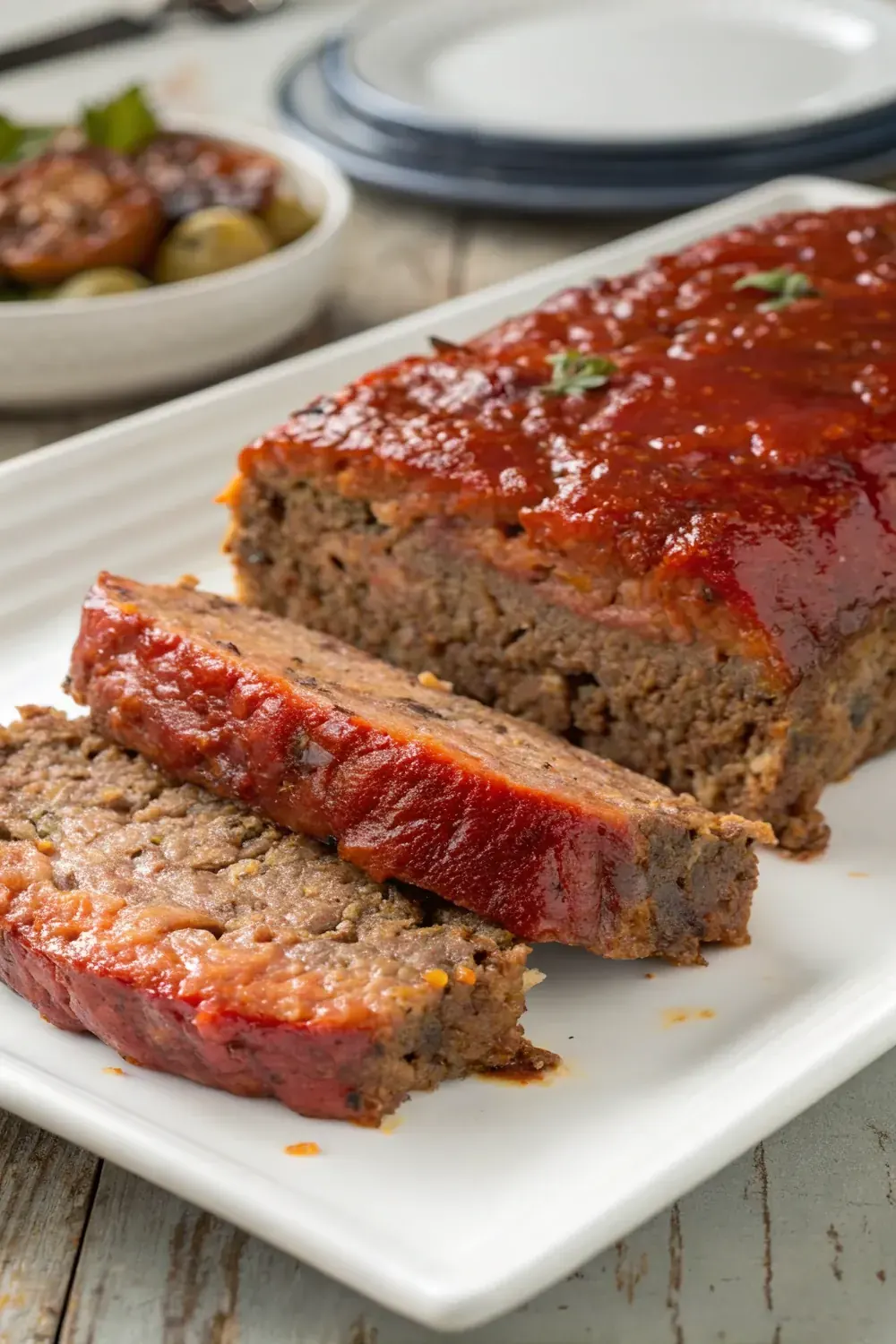
Chef Mia's Texas meatloaf recipe: chili and cumin spiced beef with a tangy chili-tomato glaze, not sweet barbecue sauce. Juicy, easy, serves 6 to 8.
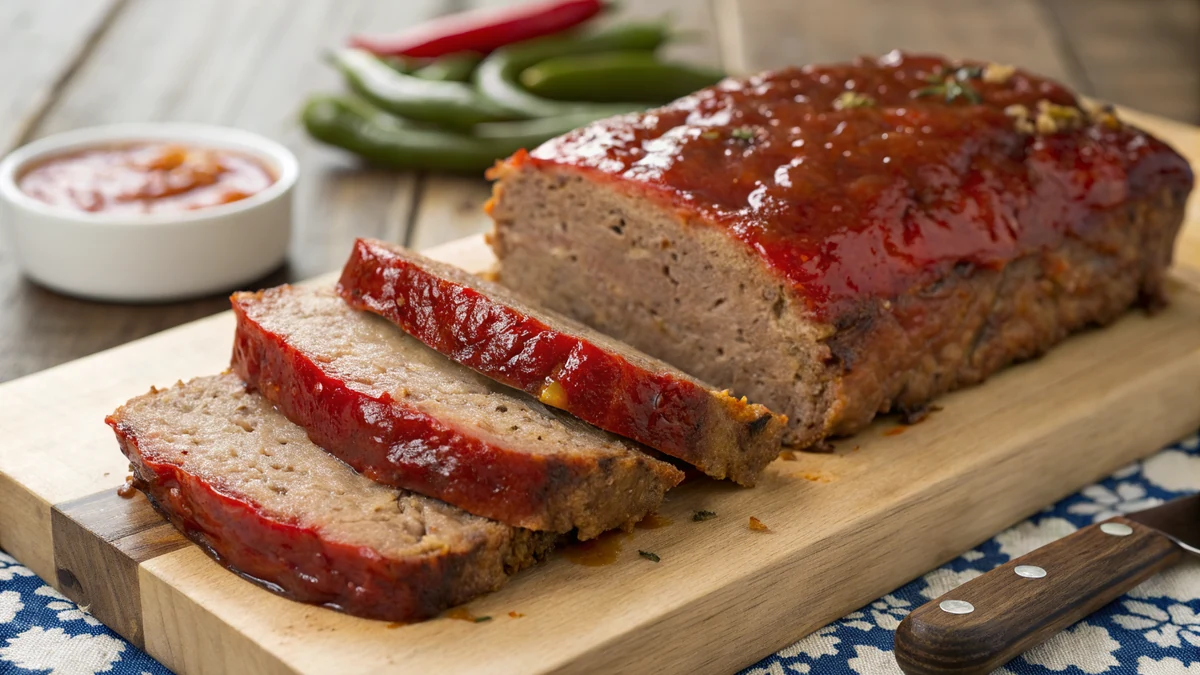
Quick answer: A Texas meatloaf is a Tex-Mex leaning loaf seasoned with chili powder, cumin, and smoked paprika, with a minced jalapeno for kick. To make it, soak crushed saltines in milk, then mix 2 pounds of ground beef with eggs, diced onion, green bell pepper, garlic, the spices, and Worcestershire. Pack it into a loaf pan, spread on a tangy glaze of ketchup, brown sugar, apple cider vinegar, and a little chili powder, and bake at 375 degrees for about 55 to 65 minutes until it reaches 160 degrees inside. The glaze is a chili-tomato glaze, not a sweet barbecue sauce, which is what sets it apart. Rest it 10 minutes before slicing and it serves 6 to 8.
Meatloaf got a bad name somewhere along the way, and I think it is because too many of them are bland, gray, and dry. The version I grew up eating here in Central Texas is none of those things. It is built on chili powder and cumin, it has a real jalapeno minced into the mix, and it gets a tangy chili-tomato glaze brushed over the top instead of the sweet barbecue sauce a lot of folks reach for. That one swap changes everything. This is the loaf I make on a Sunday and eat in sandwiches all week, and it is the one my family actually asks for.
I want to be clear up front that this is not my BBQ-glazed meatloaf. I love that one too, and I keep it as a separate recipe, but they are cousins, not twins. The barbecue version leans sweet and smoky from the sauce. This Texas version leans tangy and a little spicy from the chili-tomato glaze and the Tex-Mex seasoning worked through the meat itself. If you want the smoky-sweet one, go make my BBQ meatloaf. If you want the bright, chili-spiced loaf with a glossy red top, stay right here with me.
What Makes It a Texas Meatloaf
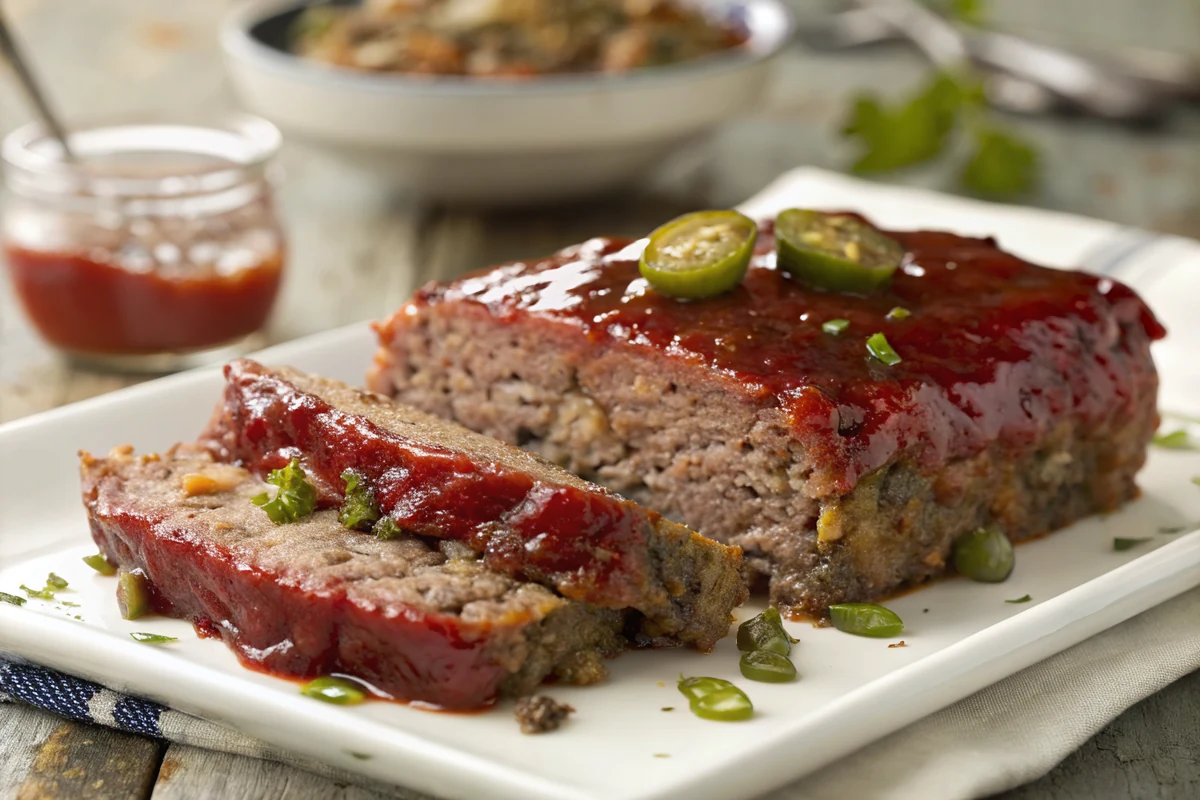
A Texas meatloaf is not just a regular meatloaf with hot sauce splashed on the plate. The Tex-Mex character is built into the meat itself. The big movers are chili powder and ground cumin, which together give the loaf that warm, earthy, slightly smoky backbone you taste in a bowl of Texas chili. Add smoked paprika for depth and a minced jalapeno for a gentle kick, and you have a loaf that tastes like Central Texas instead of a diner plate from anywhere.
The second thing that defines it is the glaze. A classic meatloaf often gets a plain ketchup top or a sweet barbecue sauce. The Texas version I make uses a tangy chili-tomato glaze, ketchup loosened with apple cider vinegar, sharpened with a little chili powder, and balanced with just enough brown sugar to round it out. It is bright and tangy first, sweet second. That balance is what keeps it from tasting like a candy-coated meatloaf.
This is exactly where my Texas loaf parts ways with my BBQ-glazed one. The barbecue version leans into smoky-sweet sauce and reads almost like a brisket-adjacent comfort food. This one stays lean and tangy and lets the cumin and chili powder lead. If you are deciding between the two, think about whether you want sweet and smoky or bright and spicy. I keep both recipes because they genuinely scratch different itches, and you can see the smoky route over on my BBQ meatloaf.
The last piece is the vegetables and the texture. Finely diced onion, green bell pepper, and garlic go straight into the mix, the same trio that starts a hundred Texas dishes. They melt into the loaf as it bakes and season it from the inside. Between the spice blend, the fresh jalapeno, the aromatics, and the chili-tomato glaze, you get a meatloaf that is unmistakably Texan from the first bite to the last.
Choosing the Meat (Beef, or Beef and Pork)
The meat is the foundation, so it is worth a minute of thought. My default is 2 pounds of 80/20 ground beef, which means 80 percent lean and 20 percent fat. That fat ratio matters more than almost anything else in keeping the loaf juicy. Go leaner, like 90/10 or 93/7, and you risk a dry, crumbly loaf no matter how careful you are with everything else. The fat bastes the meat from within as it bakes.
If you want a little more richness and a softer texture, swap in half a pound of ground pork for half a pound of the beef, so you are running 1.5 pounds beef and 0.5 pound pork. Pork brings extra fat and a mellow sweetness that plays beautifully against the chili and cumin. This is the move I make when I am cooking for company and want the loaf to feel a touch more tender and special. Both versions are honestly great.
What I steer people away from is going too lean to feel virtuous. A bone-dry meatloaf helps no one, and the fat you save gets paid back in disappointment at the table. If you genuinely want to lighten it, lean ground turkey can work, but you will need to add a little oil or extra egg and watch the cook time closely, because turkey dries out fast. For the real Texas version, I stand by the beef or the beef-pork blend.
One more practical note: buy your ground beef fresh and use it cold. Cold meat mixes better and holds its shape, and it stays loose rather than smearing into paste when you handle it. If you grind your own or buy from a butcher, ask for an 80/20 chuck. It has great beef flavor and exactly the fat you want. The right meat at the right temperature sets you up for everything that comes after.
The Binder: Saltines vs Breadcrumbs
Every good meatloaf needs a binder, and the binder does two jobs. It holds the loaf together so it slices instead of crumbling, and it traps moisture so the inside stays juicy. My binder of choice is crushed saltine crackers, about 1 cup, which is roughly 25 crackers. Saltines bring a little built-in salt and they break down into a soft, almost creamy crumb once they soak, which gives the loaf a tender bite.
If you do not have saltines, plain breadcrumbs work fine. Use about 3/4 cup, since breadcrumbs are denser than crushed crackers and you need a little less by volume to get the same effect. Either way, the key step is the milk soak. I stir the crumbs into half a cup of whole milk and let them sit five minutes until they turn into a loose paste. That soaked paste is what carries moisture deep into the meat.
Whole milk is what I reach for because the small amount of fat in it adds to the tenderness. If all you have is 2 percent, it will still work. Buttermilk is a nice variation that adds a faint tang, though it is not traditional here. What you want to avoid is skipping the soak entirely and dumping dry crumbs into the meat, because then the crumbs pull moisture out of the beef as they hydrate during baking and you end up drier, not juicier.
How much binder you use also affects texture. Stick close to the amounts I give and you get a loaf that is tender but still sliceable. Add too much cracker or breadcrumb and the loaf turns soft and bready, losing that meaty bite. Too little and it can fall apart on the knife. The 1 cup of crushed saltines to 2 pounds of meat is the ratio I keep coming back to, and it has not let me down.
Building the Tex-Mex Flavor
The flavor of this loaf lives in the seasoning, so I treat that part with care. The headliners are 2 tablespoons of chili powder and 1 teaspoon of ground cumin. Chili powder is a blend, so it brings warmth, mild heat, and a little color all at once, while cumin adds that distinctive earthy, almost nutty note that makes a dish read as Tex-Mex. Together they are the heart of why this tastes like Texas and not like a plain loaf.
Smoked paprika is my secret weapon here. Just 1 teaspoon adds a whisper of smokiness that makes people think the loaf spent time near a fire even though it came straight out of the oven. It deepens the whole thing without any extra work. Then there is the Worcestershire sauce, a single tablespoon, which brings a savory, umami-rich backbone that ties the spices to the beef. You will not taste it as itself, but you would miss it if it were gone.
The fresh aromatics carry their own weight. Finely diced onion and green bell pepper soften and sweeten as they bake, and 3 cloves of minced garlic spread savory depth through every bite. Dicing them small matters, because big chunks create weak spots where the loaf can split and they steam rather than melt into the meat. I take an extra minute with the knife here, and the smoother, more even texture is worth it every time.
Then comes the jalapeno, which is the Texas kick I will not leave out. I seed and mince one pepper, which gives a gentle warmth that builds as you eat rather than a sharp slap of heat. If you like it hotter, leave some seeds in or add a second jalapeno. If you are cooking for spice-shy folks, you can drop it to half a pepper, but I would not skip it entirely. That little background heat is part of what makes this a Texas meatloaf and not just a meatloaf.
The Tangy Chili-Tomato Glaze
The glaze is the signature, and I want to be very clear about what it is and what it is not. It is a tangy chili-tomato glaze, not a sweet barbecue sauce. The base is 3/4 cup of ketchup, which gives you that tomato body and a touch of sweetness. To that I add 1 tablespoon of apple cider vinegar for brightness, 1 teaspoon of chili powder to echo the spice in the meat, and just 2 tablespoons of brown sugar to round the edges. The result leans tangy, not candy-sweet.
That distinction is the whole reason this glaze is different from a barbecue glaze. Barbecue sauce is built around smoke, molasses, and deeper sweetness, and it coats the loaf in a thick, sticky, sweet layer. My chili-tomato glaze is thinner, sharper, and brighter. It cuts the richness of the beef instead of piling sweetness on top of it. When people taste this loaf next to a barbecue one, the tang is the first thing they notice and usually the thing they remember.
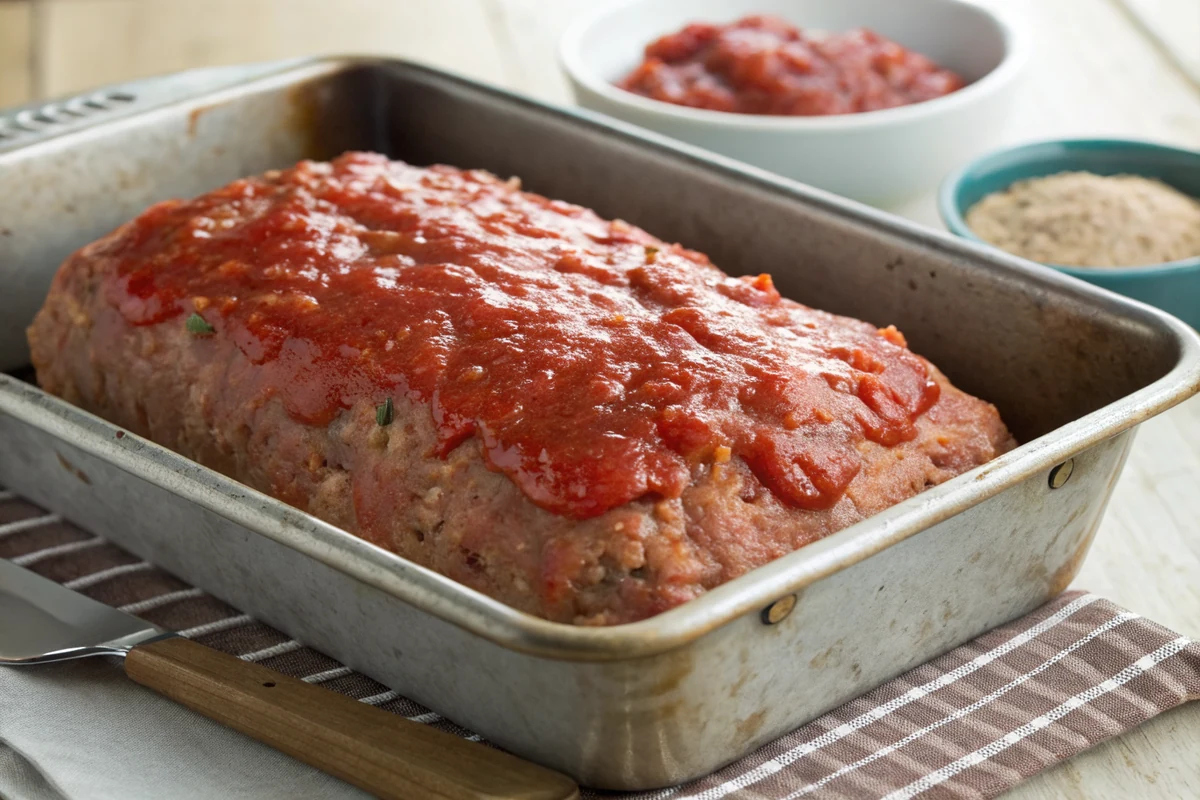
I apply the glaze in two stages, and this is important. Half goes on the raw loaf before it bakes, so it cooks into the meat and forms a tangy crust right at the surface. The other half goes on in the last 15 minutes of baking, which lets it set into a glossy, lightly caramelized top without burning. If you put all the glaze on at the start, the sugar can scorch over a full hour in the oven and turn bitter. Two stages keeps it bright and glossy.
If you want to play with the glaze, it takes well to small tweaks. A dash of hot sauce or a pinch of cayenne pushes the heat up. A teaspoon of yellow mustard adds a sharper tang. A little more brown sugar tilts it sweeter if your crowd prefers that, though I would not go far before it starts to read like barbecue sauce, which is a different recipe entirely. As written, the balance of ketchup, vinegar, sugar, and chili powder is the tangy Texas profile I am after.
Loaf Pan vs Free-Form
You can bake this two ways, and each has a real trade-off. The loaf pan is the easy, classic route. You pack the meat in, it holds a neat shape, and it slices into tidy rectangles. The downside is that the loaf sits in its own rendered fat and juices as it bakes, so the sides stay soft and you do not get much of a crust around the edges. If you love a moist, tender loaf and clean slices, the pan is your friend.
Free-form on a sheet pan is the route I take when I want more crust. You shape the meat into a rounded loaf on a parchment-lined sheet pan, and because the fat can drain away and air circulates all around it, you get a browned, slightly caramelized exterior on more surfaces. More glaze-covered surface area means more of that tangy, glossy top. The trade is that it can spread a little and the bottom is not quite as juicy as a pan loaf.
My honest take is that it depends on what I am after that night. For sandwiches and clean slices to pack in lunches, I use the loaf pan. For a dinner where the crust and the glaze are the stars, I go free-form. Both bake at the same 375 degrees and both finish at 160 degrees inside, though the free-form loaf often cooks a touch faster because it is more exposed, so start checking it a few minutes earlier.
A small tip for the loaf pan crowd: if you want a bit of crust but still want the easy shape, you can bake it in the pan for most of the time, then lift it out onto a sheet pan for the last 15 minutes when you add the second coat of glaze. That gives you a firmer, more caramelized top while still keeping the convenience of the pan. It is a little extra handling, but it is a nice middle ground between the two methods.
Getting It Juicy, Not Dry
A dry meatloaf is the most common complaint I hear, and almost every cause is preventable. The first is the meat itself. Use 80/20 beef, or the beef and pork blend, and resist the urge to go lean. The fat is what keeps the loaf moist as it bakes, basting it from the inside. If you start with lean meat, no amount of glaze or resting will fully save it. Fat is flavor and fat is moisture.
The second is overmixing. When you work the meat too hard, the proteins bind tightly and the loaf bakes up dense and rubbery, squeezing out moisture. Mix with your hands only until the ingredients are just combined and you no longer see dry spice or streaks of egg. The mixture should feel loose and a little craggy. The moment it starts to feel like a smooth paste, you have gone too far. Gentle hands make a tender loaf.
The third is overcooking, and this is where a thermometer changes your life. Meatloaf is done at 160 degrees in the center, and every minute past that dries it out. Ovens and pans vary, so do not just trust a timer. Start checking at the 50 minute mark and pull the loaf the moment it hits 160. An instant-read thermometer costs a few dollars and is the single best upgrade you can make to your meatloaf game.
The fourth, and the one people skip most, is resting. Give the baked loaf a full 10 minutes before you cut it. During baking, the juices push toward the center and the surface. Resting lets them redistribute back through the meat so they stay in the slice instead of flooding the cutting board. Cut too soon and you literally pour your juiciness away. Between good fat, gentle mixing, pulling at 160, and a real rest, you get a loaf that stays moist all the way through.
Texas Meatloaf Nutrition
This is a hearty main dish, and the numbers reflect that. A serving runs about 380 calories, based on slicing the loaf into the smaller end of the 6 to 8 range. Most of that comes from the beef and its fat, with the eggs, crackers, and glaze adding the rest. It is a satisfying, protein-rich plate that pairs with vegetables and starches well, and it is meant to be a center-of-the-plate dinner rather than a light bite.
The protein here is the headline, since 2 pounds of beef split across six to eight servings gives you a generous amount per slice. That protein is part of why meatloaf feels so filling and works well as leftovers that actually keep you full. The carbohydrate count is modest, coming mostly from the cracker binder and the small amount of sugar in the glaze, so this fits comfortably into a meat-and-vegetables style of eating.
If you want to adjust the nutrition, you have honest options. Using the beef and pork blend raises the fat and calories slightly but improves tenderness. Going to a leaner beef lowers the fat but, as I keep saying, risks dryness, so do it with eyes open. Swapping in lean ground turkey cuts calories more meaningfully, though it changes the texture and flavor. For the classic Texas loaf, I take the 380 calories as a fair trade for a juicy, well-seasoned slice.
What to Serve With It
Meatloaf is a comfort plate, so I build the sides to match. My number one pairing is a big scoop of creamy mashed potatoes, ideally my Texas Roadhouse style mashed potatoes, which are buttery and smooth and perfect for catching the tangy glaze that pools on the plate. Potatoes and meatloaf are a classic for a reason, and the contrast of the bright glaze against the rich potatoes is exactly right.
For a more Texan spread, I lean into beans and bread. A pot of Texas pinto beans on the side turns this into a real Central Texas plate, hearty and homey. The smoky, savory beans echo the cumin and chili in the loaf without competing with it. Add a thick slice of cornbread or a soft dinner roll to mop up the glaze, and you have a dinner that feels like Sunday at my grandmother's table.
Green vegetables keep the plate from feeling too heavy. Roasted green beans, a simple side salad, sauteed zucchini, or buttered corn all balance the richness of the loaf nicely. I like something with a little freshness or crunch on the plate to cut through, because the meatloaf and the mashed potatoes are both soft and rich. A squeeze of lemon over the greens brightens the whole plate and plays off the tang in the glaze.
And do not forget the leftovers angle when you plan. I almost always make this loaf knowing I want a meatloaf sandwich the next day. So when I am setting the table, I will tuck away a couple of slices before everyone digs in, because they have a way of disappearing. A cold or griddled slice between two pieces of soft bread with a little extra glaze or mayo is, honestly, half the reason I make a full 2 pound loaf in the first place.
Storage, Leftovers, and Reheating
This loaf stores beautifully, which is part of why I love it. Once it has cooled, wrap leftover slices tightly or keep them in an airtight container in the fridge, where they hold well for about three to four days. I actually think the flavor deepens by the next day, as the chili and cumin settle into the meat overnight. Cold meatloaf straight from the fridge is a legitimate snack in my house, no judgment.
For reheating, gentle and covered is the rule, because high, dry heat will dry out the meat. My favorite method is a covered dish in a 300 degree oven until the slices are warmed through, which keeps them moist. A microwave works in a pinch if you cover the plate and heat in short bursts. My single best leftover trick, though, is searing a thick slice in a hot skillet to crisp the edges, then building a meatloaf sandwich. It is a meal of its own.
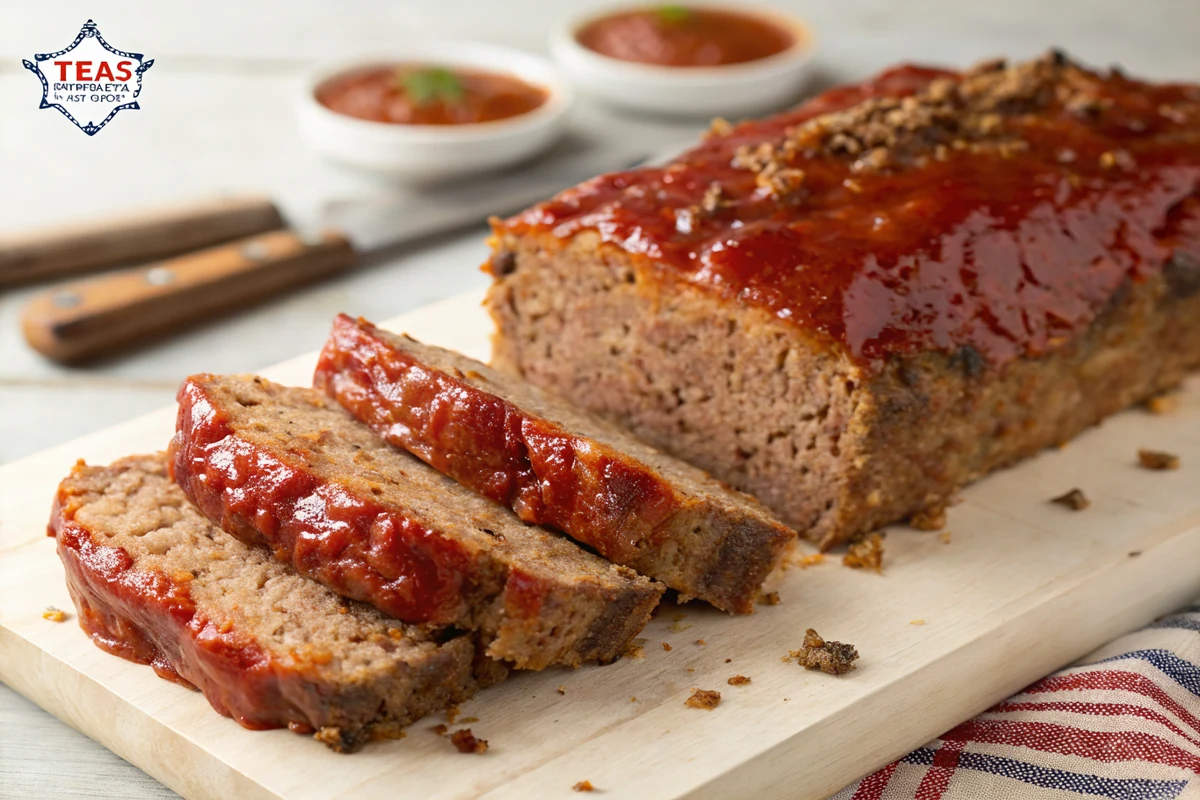
Meatloaf also freezes well, both cooked and raw. To freeze it cooked, let the loaf cool completely, then wrap slices or the whole thing tightly and freeze for up to three months. Thaw overnight in the fridge before reheating. To freeze it raw, shape the loaf, wrap it well, and freeze. When you want it, thaw it fully in the fridge and bake as written. Freezing it raw means a fresh-baked loaf with very little effort on a busy night.
One thing I do is portion before I freeze. Individual slices or two-slice packs thaw faster and let me pull out exactly what I need for a lunch or a quick dinner without defrosting the whole loaf. Label the package with the date so you are not guessing later. Between the fridge life, the freezer options, and how good the leftovers taste, a single 2 pound loaf can feed you in several different ways across a week.
Common Mistakes
The first mistake is going too lean on the meat. I will keep saying it because it is the most common reason for a dry loaf. Use 80/20 beef or the beef and pork blend. The fat is doing real work to keep the inside juicy, and trying to cut it out almost always backfires. If you want a lighter dinner, lean on the sides rather than stripping the fat out of the meat itself.
The second is overmixing the meat. Squeezing and kneading the mixture binds the proteins too tightly and gives you a dense, tough, rubbery loaf. Mix gently with your hands only until things just come together, and stop the moment it looks combined. The texture you want feels loose and craggy, not like a smooth paste. A light touch here is the difference between tender and tough, and it costs you nothing to get right.
The third is skipping the thermometer and guessing at doneness. Pull the loaf too early and it is unsafe and mushy in the middle. Leave it in too long chasing a number you cannot see and it dries out. Aim for 160 degrees in the center, start checking at 50 minutes, and trust the thermometer over the clock. This single tool removes almost all the guesswork from making a great meatloaf.
The fourth and fifth mistakes go together: putting all the glaze on at the start, and slicing the loaf the second it leaves the oven. Glaze in two stages, half before baking and half in the last 15 minutes, so the sugar does not scorch into bitterness over a full hour. And rest the loaf a full 10 minutes before cutting so the juices stay in the meat. Avoid these five things and you will have a juicy, tangy Texas meatloaf every single time.
Texas Meatloaf Recipe
Ingredients
- For the meatloaf:
- 2 lb ground beef (80/20), or 1.5 lb beef plus 0.5 lb ground pork
- 1 cup crushed saltine crackers (about 25), or 3/4 cup plain breadcrumbs
- 1/2 cup whole milk
- 2 large eggs
- 1 small yellow onion, finely diced
- 1/2 green bell pepper, finely diced
- 1 jalapeno, seeded and minced (the Texas kick)
- 3 cloves garlic, minced
- 2 tablespoons chili powder
- 1 teaspoon ground cumin
- 1 teaspoon smoked paprika
- 1 1/2 teaspoons salt
- 1 teaspoon black pepper
- 1 tablespoon Worcestershire sauce
- For the glaze:
- 3/4 cup ketchup
- 2 tablespoons brown sugar
- 1 tablespoon apple cider vinegar
- 1 teaspoon chili powder
Instructions
- Soak the crackers in milk. Crush the saltines into coarse crumbs and put them in a small bowl with the whole milk. Stir once and let them sit for about five minutes until they soften into a loose paste. This little soak is what keeps the loaf tender and juicy instead of dense, because the softened crumbs hold moisture inside the meat as it bakes. Do not skip it.
- Build the seasoning base. In a large bowl, add the finely diced onion, green bell pepper, minced jalapeno, and garlic. Sprinkle in the chili powder, cumin, smoked paprika, salt, black pepper, and the Worcestershire sauce. Give it a quick stir so the spices coat the vegetables. Doing this before the meat goes in means the Tex-Mex flavor gets spread evenly instead of clumping in one corner of the loaf.
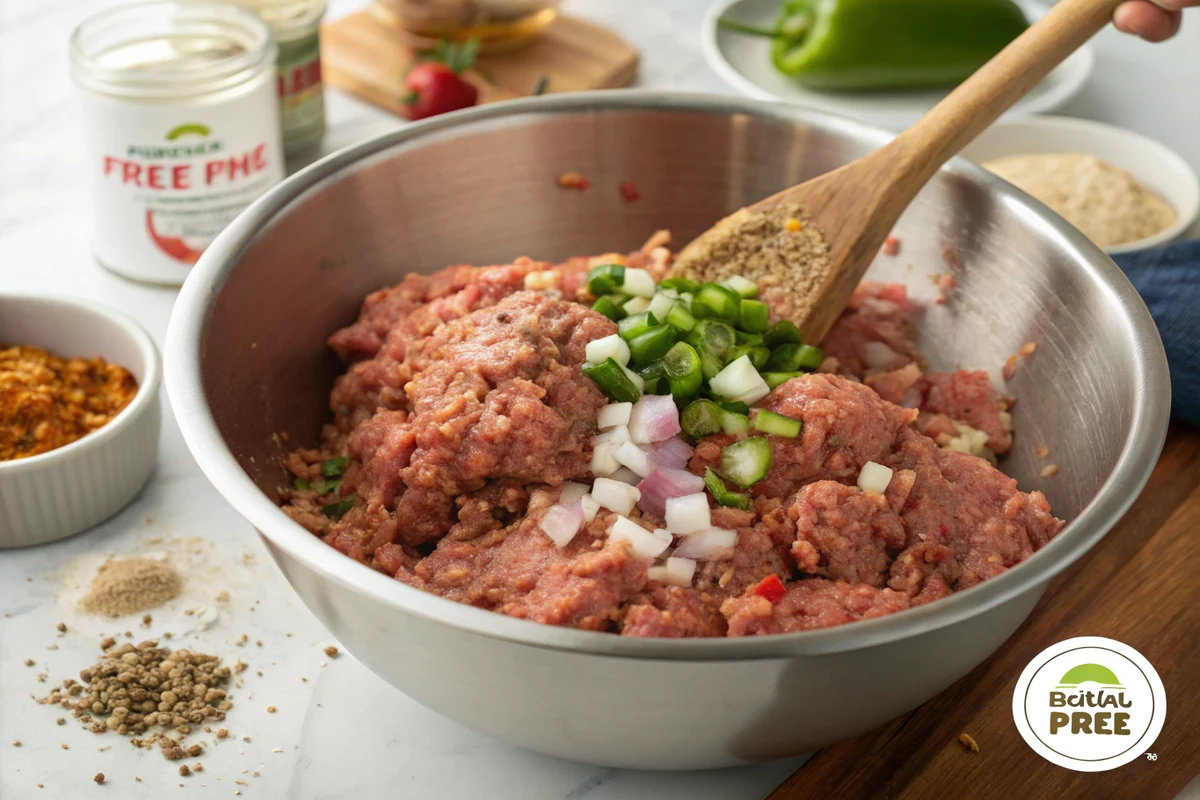
- Mix the meat gently. Add the ground beef, the two eggs, and the soaked cracker paste to the bowl. Mix with your hands just until everything is combined and you no longer see streaks of egg or dry spice. Stop there. Overmixing presses the meat together and gives you a tough, rubbery loaf. You want it to hold together but still feel loose and a little craggy when you pick it up.
- Shape and glaze the loaf. Pack the mixture into a loaf pan, or shape it free-form into a rounded loaf on a parchment-lined sheet pan. Whisk the ketchup, brown sugar, apple cider vinegar, and chili powder together for the glaze. Spread half of it evenly over the top of the raw loaf, saving the rest for later. This first layer bakes into the meat and starts building that tangy crust.
- Bake to 160 degrees. Bake at 375 degrees for about 55 to 65 minutes. Start checking at the 50 minute mark with an instant-read thermometer pushed into the center. You are looking for 160 degrees. In the last 15 minutes of baking, brush on the rest of the glaze so it sets into a glossy, slightly caramelized top without scorching. The exact time depends on your pan and oven.
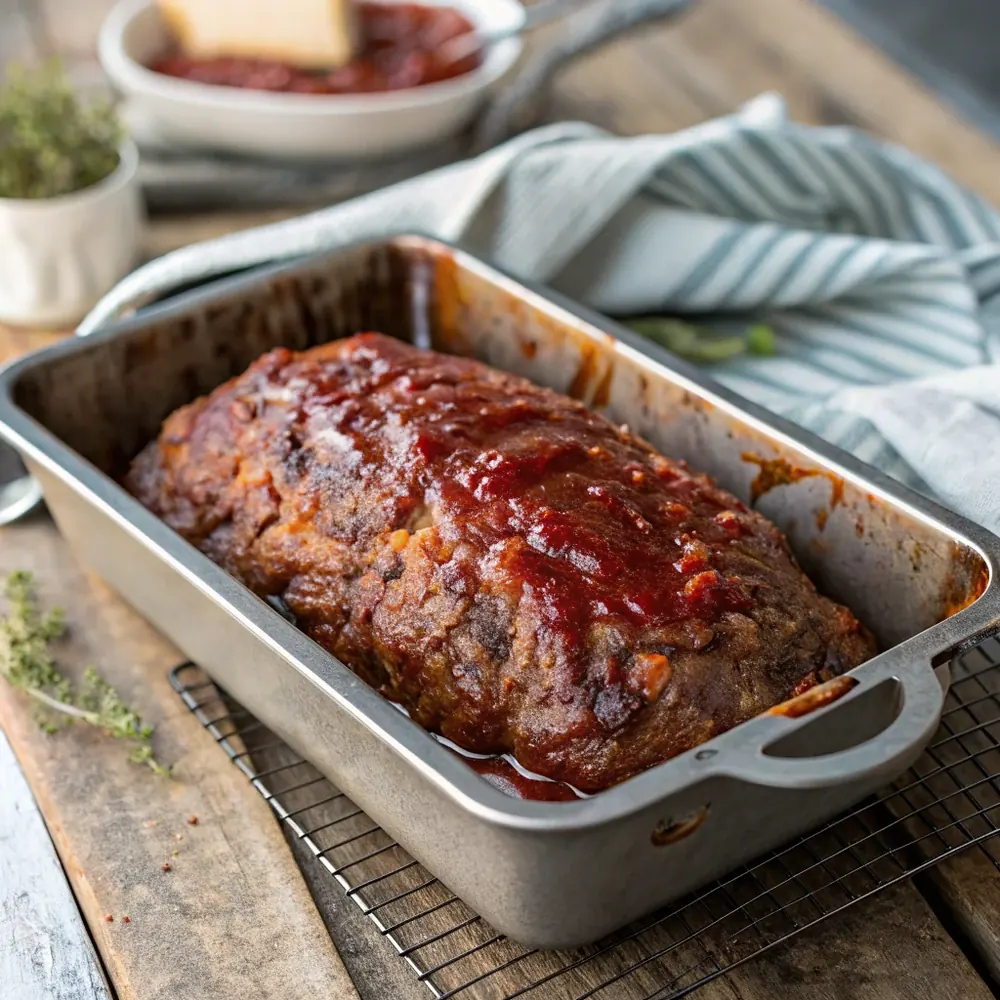
- Rest before slicing. Pull the loaf out and let it rest for a full 10 minutes before you cut it. This is the step people rush and regret. Resting lets the juices settle back into the meat so they stay in the slice instead of running out onto the board. If you made it in a loaf pan, this also firms it up enough to lift and slice cleanly into thick portions.
Frequently Asked Questions
What makes a Texas meatloaf different from regular meatloaf?
A Texas meatloaf is seasoned Tex-Mex style with chili powder, ground cumin, and smoked paprika, plus a minced jalapeno worked right into the meat for a gentle kick. The other big difference is the glaze. Instead of plain ketchup or sweet barbecue sauce, it gets a tangy chili-tomato glaze made from ketchup, apple cider vinegar, a little brown sugar, and more chili powder. The result is bright and a little spicy rather than sweet and smoky.
How is this different from a BBQ meatloaf?
They are cousins, not the same recipe. A BBQ meatloaf is glazed with a sweet, smoky barbecue sauce, so it leans into molasses-deep sweetness and smoke. This Texas meatloaf uses a tangy chili-tomato glaze that is brighter and sharper, and the meat itself is seasoned with chili powder and cumin. If you want the smoky-sweet version, make my separate BBQ meatloaf. If you want bright, chili-spiced, and tangy, this is the one.
What internal temperature should meatloaf reach?
Beef meatloaf is done at 160 degrees Fahrenheit in the center. Use an instant-read thermometer pushed into the thickest part of the loaf, and start checking around the 50 minute mark. Pull it the moment it hits 160, because every minute past that dries it out. The whole loaf usually takes about 55 to 65 minutes at 375 degrees, but pans and ovens vary, so trust the thermometer over the timer every time.
Can I use breadcrumbs instead of saltine crackers?
Yes. Use about 3/4 cup of plain breadcrumbs in place of the 1 cup of crushed saltines, since breadcrumbs are denser and you need slightly less by volume. Either way, soak them in the half cup of whole milk for about five minutes first so they turn into a soft paste before they go into the meat. That milk soak is the real key to a tender, juicy loaf, no matter which binder you choose.
How spicy is this meatloaf?
As written, it has a gentle background warmth rather than real heat. One seeded and minced jalapeno spreads a mild kick that builds slightly as you eat, and the chili powder adds warmth more than fire. If you want it hotter, leave some jalapeno seeds in, add a second pepper, or stir a pinch of cayenne into the glaze. If you are cooking for spice-shy eaters, drop to half a jalapeno, though I would not skip it entirely.
Should I use a loaf pan or bake it free-form?
Both work and it comes down to what you want. A loaf pan is easy, holds a neat shape, and slices cleanly, but the sides stay soft with little crust. Free-form on a parchment-lined sheet pan lets the fat drain and air circulate, so you get more browning and more glazed, caramelized surface. I use the pan for sandwich slices and lunches, and go free-form when I want crust and the glaze to be the star.
Can I make and freeze this meatloaf ahead?
Absolutely, and it freezes well both cooked and raw. To freeze it cooked, cool it fully, wrap tightly, and freeze for up to three months, then thaw overnight in the fridge and reheat gently. To freeze it raw, shape the loaf, wrap it well, freeze, then thaw fully in the fridge and bake as written. I like to portion slices before freezing so I can pull out exactly what I need without thawing the whole loaf.