
Texas BBQ
How Long to Smoke Prime Rib
Smoked prime rib is the kind of roast that turns a holiday into an event, and it is honestly easier than its reputation suggests. The hard part is not technique, it is timing, because this is an expensive cut you cannot afford to overshoot. So let me give you the per-pound math at 250F, the exact pull temperatures for each doneness, and the reverse-sear finish that gets you a rosy center wall to wall.
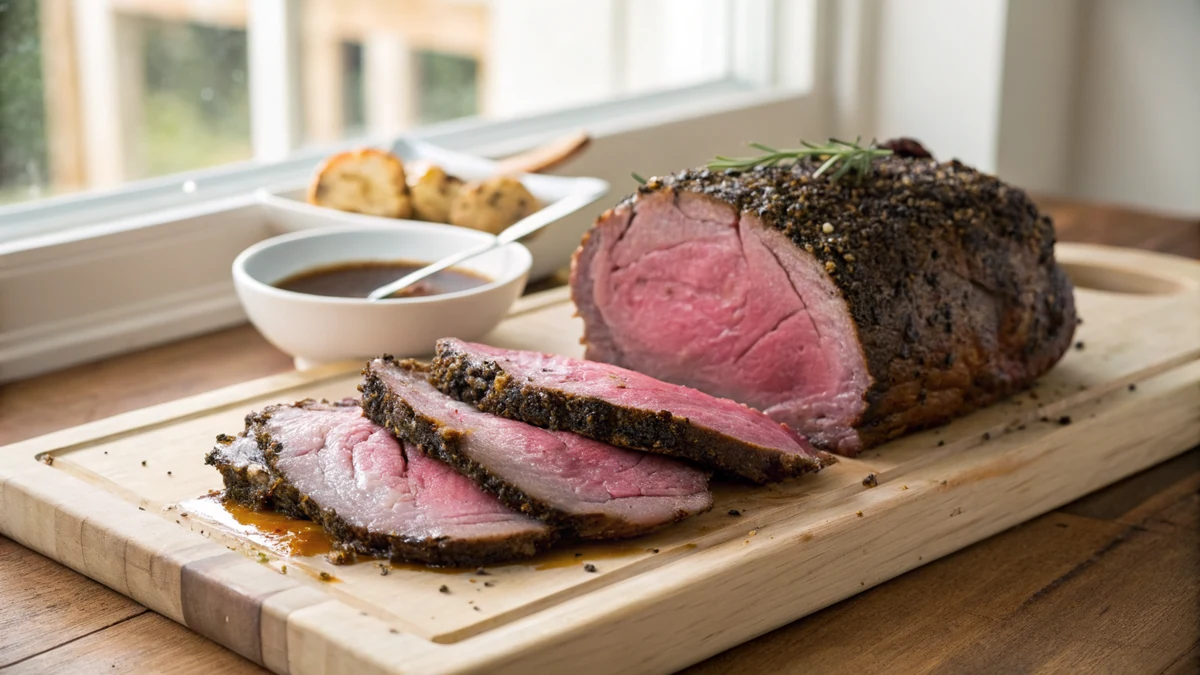
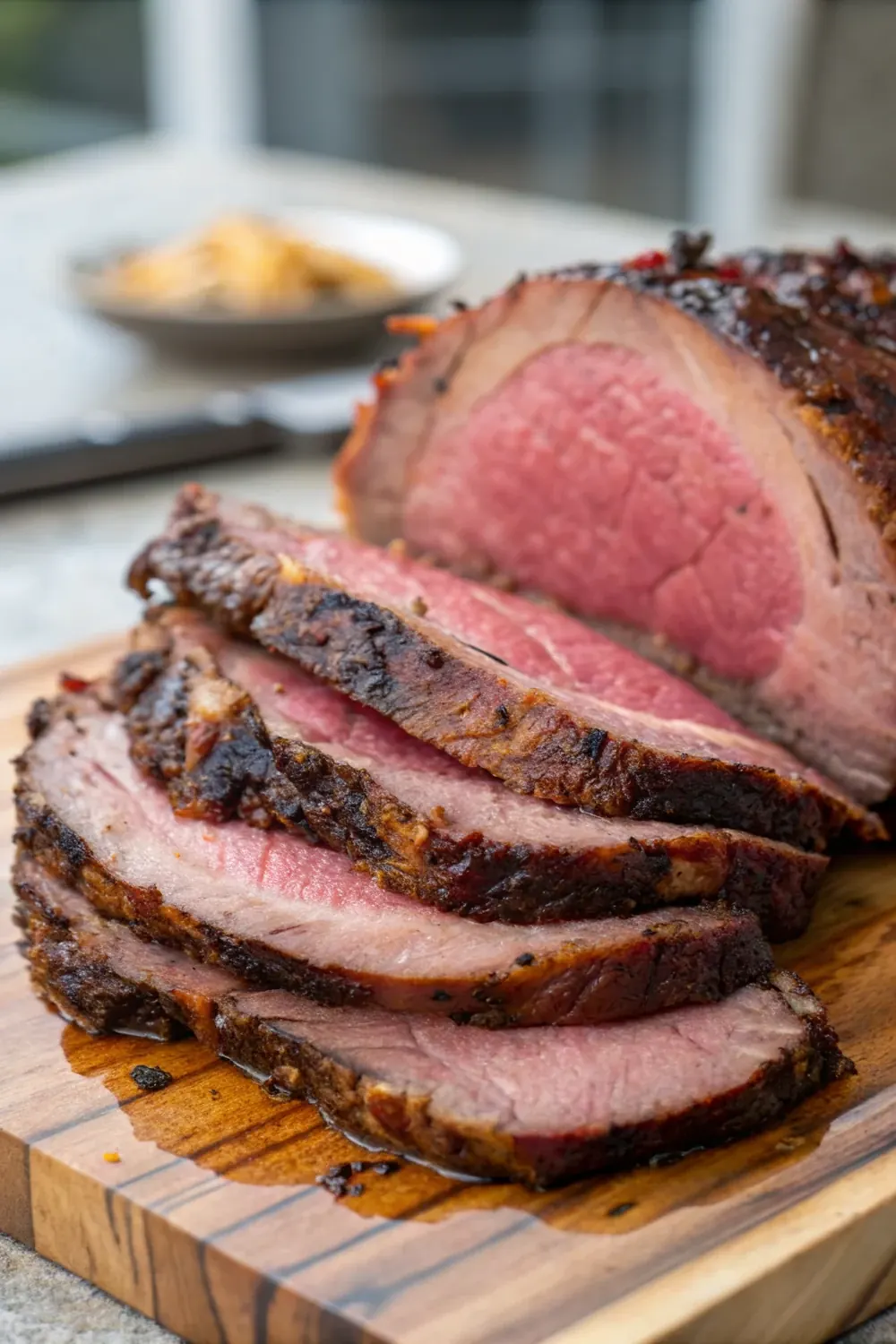
The short answer: smoke prime rib at 250F for about 30 to 40 minutes per pound, pulling it at 120 to 125F internal for medium-rare and resting it to 130 to 135F. A 6 pound roast takes roughly 3.5 to 4 hours. Because the bone, thickness, and starting temperature all affect the pace, cook to internal temperature with a thermometer, never the clock. For the best result, finish with a reverse sear at high heat to build a deep crust over an evenly rosy interior.
Prime Rib Smoking Time Chart (250F)
Here is the per-pound timing at 250F and the pull temperatures for each doneness. Use the weight chart to plan your day and the doneness chart to make the actual call, since temperature is what truly matters.
| Roast weight | Approx. time at 250F | Serves | Pull (medium-rare) |
|---|---|---|---|
| 4 lb | 2.5 to 3 hours | 4 people | 120 to 125F |
| 6 lb | 3.5 to 4 hours | 6 people | 120 to 125F |
| 8 lb | 4.5 to 5 hours | 8 people | 120 to 125F |
| 10 lb | 5.5 to 6.5 hours | 10 people | 120 to 125F |
For doneness, pull about 5 to 10 degrees below your serving target to allow for carryover: rare 115F, medium-rare 120 to 125F, medium 130 to 135F, all before the rest. Add a few minutes per pound and a touch more smoke if you drop the pit to 225F instead of 250F, but keep these same pull temperatures.
Preparing the Roast
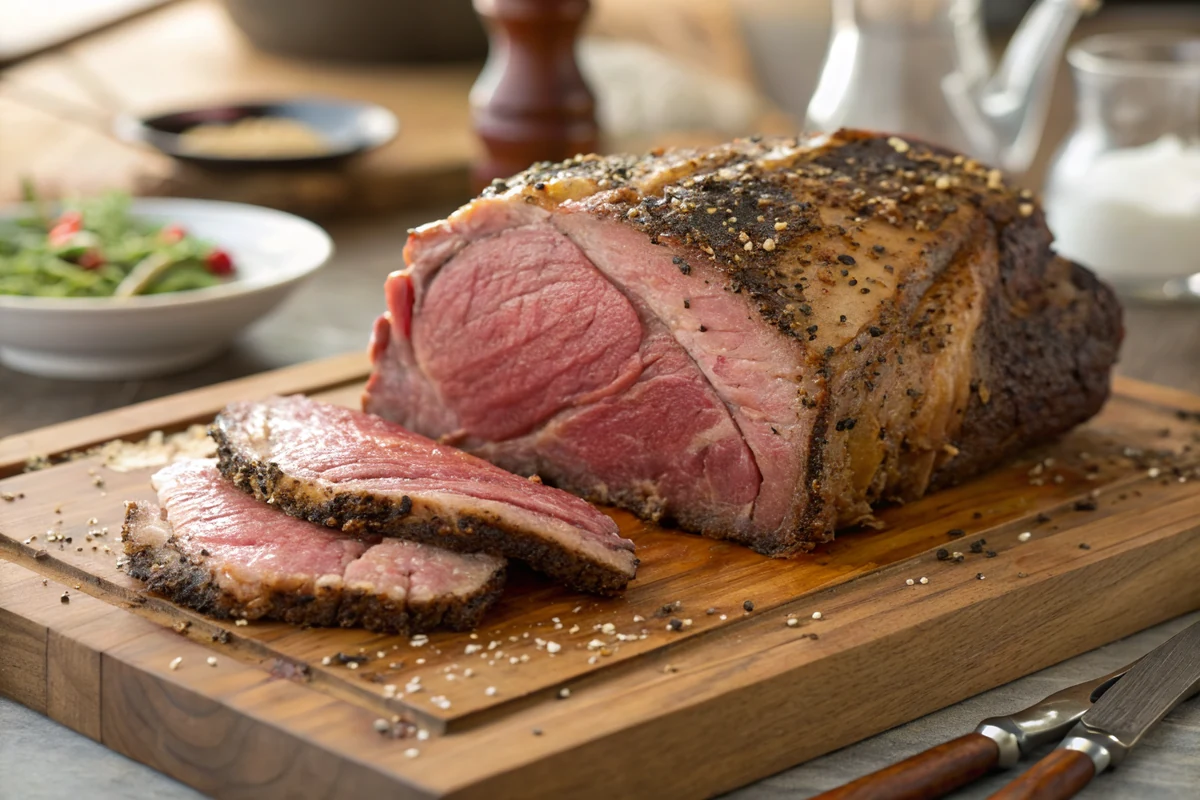
Great smoked prime rib starts a day ahead with a dry brine. Pat the roast dry, then rub it all over with kosher salt, coarse pepper, garlic powder, and a little thyme, bound with a film of oil or softened butter. Leave it uncovered in the fridge overnight. The salt seasons deep into the meat and the open air dries the surface so it crusts better on the smoker. This single step is the difference between good and great.
Decide on bone-in or boneless before you buy. I prefer bone-in, since the bones add flavor, insulate the meat, and make a natural roasting rack, though they do slow the cook slightly. If your butcher cuts the bones off and ties them back on, you get the best of both, easy carving with all the benefits of the bone. Either way, buy the best grade you can, as prime rib rewards marbling more than almost any other roast.
Pull the roast out about an hour before it goes on so the chill comes off the center, which helps it cook evenly and faster. Take this hour to get your smoker dead steady at 250F, because a long, expensive cook is no time for a swinging pit. While you are at it, get your thermometer ready, ideally a leave-in probe, since you will be living by it for the next several hours.
Smoking at 250F
Set the smoker to a steady 250F and reach for a beef-friendly wood. Post oak, the backbone of Central Texas beef pits, is my default, clean and classic, with pecan a nutty step up and hickory a bolder, bacon-like option if you want more punch. I keep mesquite light on a cook this long, since it can turn harsh over hours. A water pan steadies the temperature and humidity, protecting that expensive surface from drying before the center is ready, and the long, low smoke lays down a rosy smoke ring just beneath the crust.
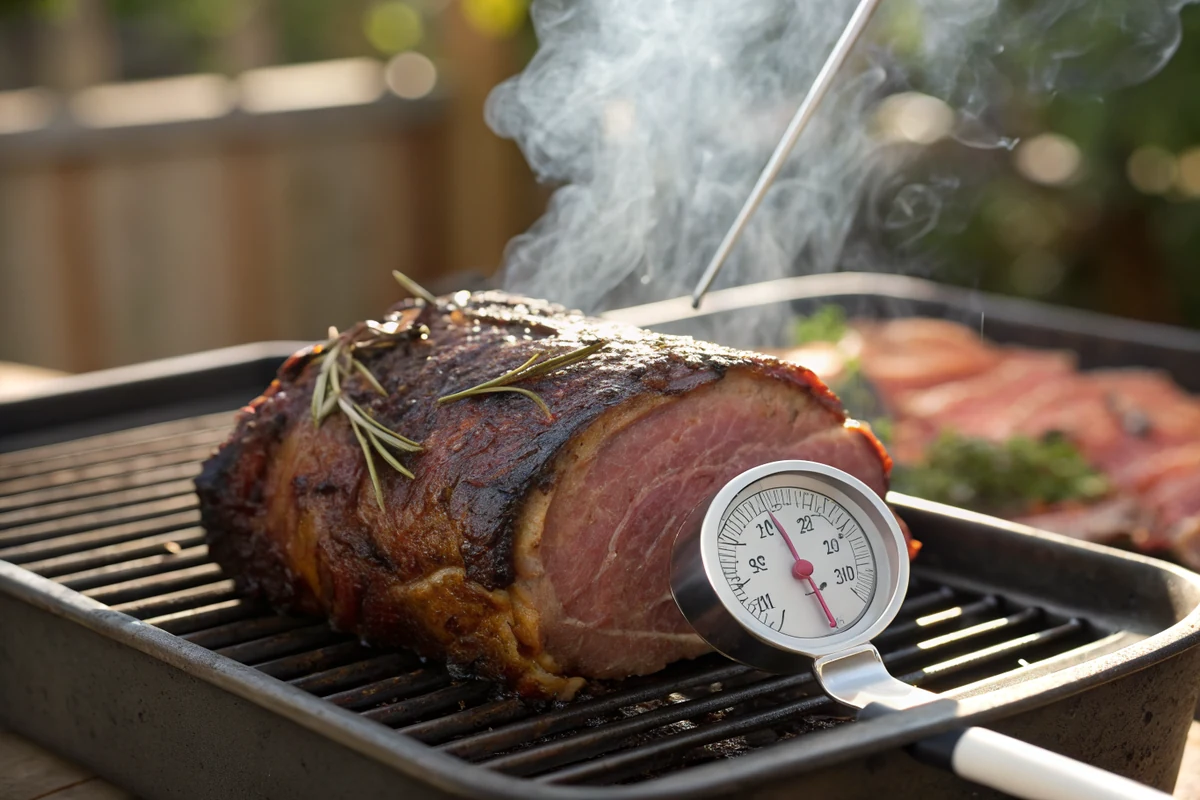
Set the roast bone side down and let it ride. At 250F, figure 30 to 40 minutes per pound to climb to about 10 to 15 degrees below your target, which for medium-rare means pulling around 110F before the sear. Resist opening the lid, since every peek drops the pit temperature and stretches the cook. A leave-in probe lets you watch the climb without lifting the lid at all, which on a roast this valuable is worth its weight in gold.
The pace is not perfectly linear, so do not panic if it seems to crawl in the middle. Like any big cut, prime rib can hit a mild stall as surface moisture evaporates and cools the meat, then pick back up. This is the same dynamic I plan around on long beef cooks, the way my brisket smoking time calculator builds a timeline that accounts for the stall. Trust the thermometer and give it the time it asks for.
Pull Temperatures and the Reverse Sear
Doneness on prime rib is all about pulling early for carryover. The roast keeps cooking after it comes off the heat, climbing another 5 to 10 degrees as it rests, so you pull below your target and let the rest finish the job. For medium-rare, the classic choice, pull at 120 to 125F and rest to 130 to 135F. For rare, pull around 115F; for medium, pull at 130 to 135F. Overshooting here is heartbreaking on a cut this dear, so err early.
For the best possible result, I finish with a reverse sear. Smoke the roast low until it is about 10 to 15 degrees from target, then pull it, crank the smoker or oven to 450F or hotter, and return the roast to build a deep, brown, crackling crust, or sear it over hot coals or in a screaming pan. Searing at the end, rather than the start, gives you a rosy interior edge to edge instead of a thick gray band under the crust.
The rest is not optional, it is part of the cook. After the sear, tent the roast loosely with foil and let it rest 20 to 30 minutes. This lets the juices redistribute so they stay in the meat when you carve instead of flooding the board, and it lets the carryover bring the center to its final temperature. Carve against the grain into thick, generous slices, finish with a little flaky salt, and serve with the juices.
What Changes the Cook Time
Weight is the obvious driver, but thickness matters more than raw poundage. A short, fat roast takes longer than a long, slim one of the same weight, because heat has farther to travel to the center. The bone slows things a little too, insulating the meat next to it, which is part of why bone-in roasts run a touch longer than boneless. This is why the per-pound rule is a planning tool, not a guarantee.
Starting temperature is a big lever on a roast this size. One straight from the fridge can take noticeably longer than one that has tempered on the counter for an hour, and the colder center also widens the gap between the edges and the middle. Pit temperature sets the overall pace, with 225F slower and smokier and 250F a bit quicker, while every lid lift to peek costs you heat and minutes.
Carryover itself is a variable worth respecting, since a bigger roast carries over more after it comes off, sometimes a full 10 degrees, while a small one climbs less. Weather plays its usual role, with cold and wind pulling heat off the pit. Because all of these stack up, the only honest way to nail an expensive prime rib is to cook to internal temperature, build in a time buffer, and never trust the clock alone.
A Smoked Prime Rib Recipe
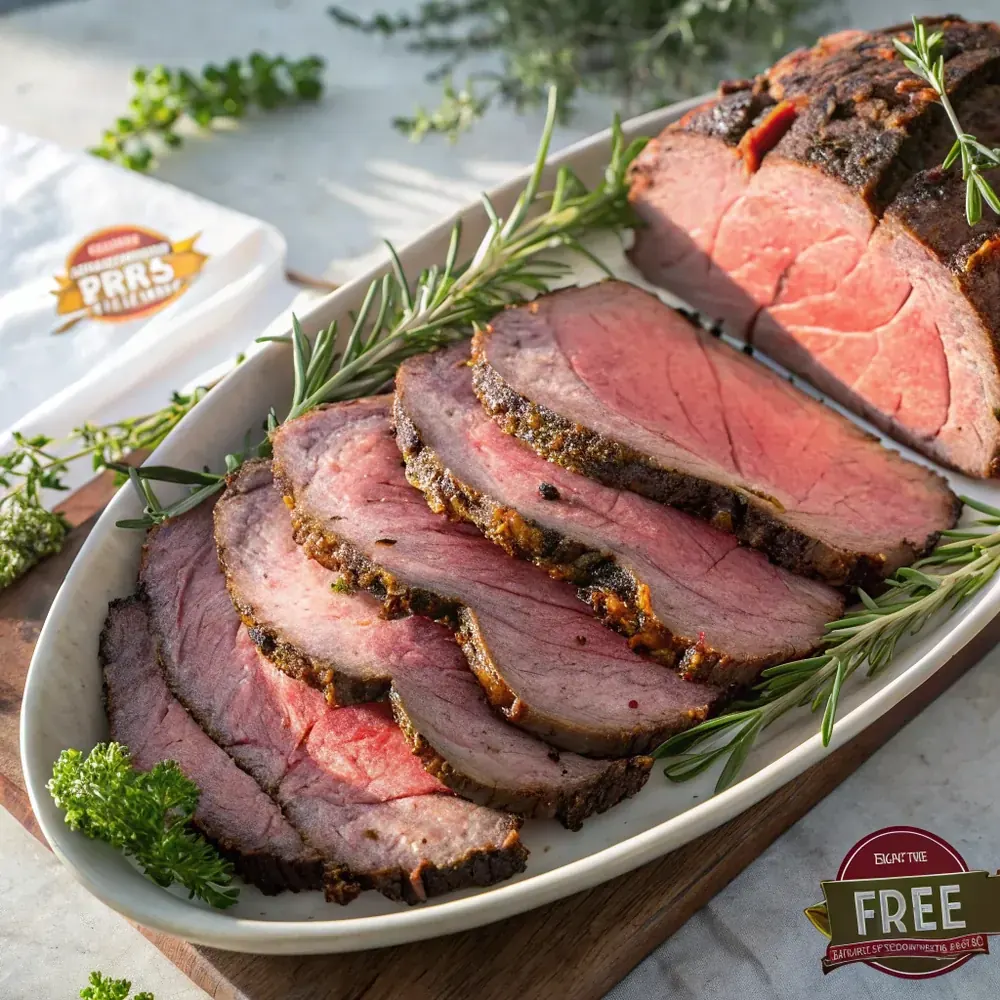
Here is the full method for a bone-in roast, dry-brined overnight, smoked at 250F, and reverse-seared. It serves about eight as the centerpiece of a holiday spread and pairs with all the classic Texas BBQ sides. If you want a restaurant-style copycat instead, my Texas Roadhouse prime rib takes a different, oven-roasted route.
Ingredients
- 1 bone-in prime rib roast, 5 to 7 lb (3 to 4 bones)
- 2 tablespoons kosher salt
- 1 tablespoon coarse black pepper
- 1 tablespoon garlic powder
- 2 teaspoons fresh thyme leaves
- 2 tablespoons olive oil or softened butter
- Flaky salt, for serving
Instructions
- Season ahead. A day before, pat the roast dry and rub it all over with the salt, pepper, garlic powder, and thyme bound with a little oil or butter. Leave it uncovered in the fridge overnight to dry brine, which deepens flavor and helps the crust form. Pull it out about an hour before cooking.
- Set up the smoker. Bring the smoker to a steady 250F with oak, pecan, or a blend. Keep a water pan in the chamber for steady heat, and wait for clean, thin blue smoke before the roast goes on.
- Smoke to temperature. Set the roast bone side down on the grate and smoke at 250F, about 30 to 40 minutes per pound, until it reaches 10 to 15 degrees below your target, roughly 110F for a medium-rare finish. Use a leave-in probe to track it.
- Reverse sear. Pull the roast and crank the smoker or oven to 450F or higher, or sear over hot coals or in a screaming-hot pan. Sear the outside until a deep brown crust forms and the center hits 120 to 125F for medium-rare.
- Rest and carve. Tent the roast loosely and rest it 20 to 30 minutes; it will carry over to 130 to 135F. Carve against the grain into thick slices, finish with flaky salt, and serve with the juices.
Save the bones for a pot of beans or a beef stock, and any leftover slices make the best French dip sandwiches you will ever eat. A smoked prime rib earns its keep well past the first meal.
Frequently Asked Questions
How long does it take to smoke a prime rib at 250?
Plan on about 30 to 40 minutes per pound at 250F. A 6 pound prime rib roast takes roughly 3.5 to 4 hours to reach 120 to 125F internal for medium-rare, and an 8 pound roast about 4.5 to 5 hours. The wide per-pound range exists because a roast's thickness, the bone, and your starting meat temperature all affect how fast the center heats. Always cook to internal temperature with a thermometer rather than to the clock, since prime rib is far too expensive to guess on.
What temperature do you pull prime rib off the smoker?
Pull prime rib about 5 to 10 degrees below your target serving temperature to allow for carryover during the rest. For medium-rare, the most popular doneness, pull at 120 to 125F and let it rest to 130 to 135F. For medium, pull at 130 to 135F. The roast keeps cooking after it comes off, so pulling early and resting is how you avoid overshooting. If you are doing a sear at the end, pull a few degrees earlier still, since the sear adds heat.
Should you smoke prime rib at 225 or 250?
Both work beautifully, and the difference is mostly time. At 225F a prime rib takes roughly 35 to 45 minutes per pound and picks up a little more smoke; at 250F it runs about 30 to 40 minutes per pound and finishes sooner with a slightly better exterior. I lean toward 250F because it is a touch more forgiving on a long holiday cook and still gives plenty of smoke flavor. Whichever you choose, the pull temperatures for doneness stay exactly the same.
Do you sear prime rib before or after smoking?
After, in a reverse sear, which is the method I recommend for smoked prime rib. You smoke the roast low at 250F until it is about 10 to 15 degrees from your target, then crank the heat to 450F or higher, or sear it in a hot pan or over coals, to build a deep brown crust at the end. Searing after smoking gives an evenly cooked, rosy interior edge to edge with a crackling crust, instead of the gray band you get when you sear a cold roast first.
How much prime rib do I need per person?
Plan on about one pound of bone-in prime rib per person, or roughly three quarters of a pound of boneless, which accounts for the bone weight and a hearty appetite. For a sit-down dinner where prime rib is the star, that gives a generous portion with a little left over. So a four-bone roast of about 8 pounds comfortably serves eight people. If you have lots of sides or lighter eaters, you can stretch it, but prime rib is a special-occasion splurge, so most hosts err toward generous.
What wood is best for smoking prime rib?
Beef loves a sturdy wood, so oak is my default for prime rib, giving a clean, classic Texas smoke that complements the rich beef without overpowering it. Hickory adds a bolder, more bacon-like note if you want more punch, and pecan sits in between, nutty and a little sweet. I would go easy on mesquite, which can turn harsh on a long cook. Fruit woods like cherry are mild and add nice color. For prime rib I usually run oak or a pecan and oak blend.
Planning the whole feast? Round out the smoke with my smoked pork belly burnt ends as an appetizer, run the how long to smoke sausage guide for the grazing crowd, get a side going with the smoked corn on the cob guide, and time the rest of the pit with my brisket smoking time calculator.