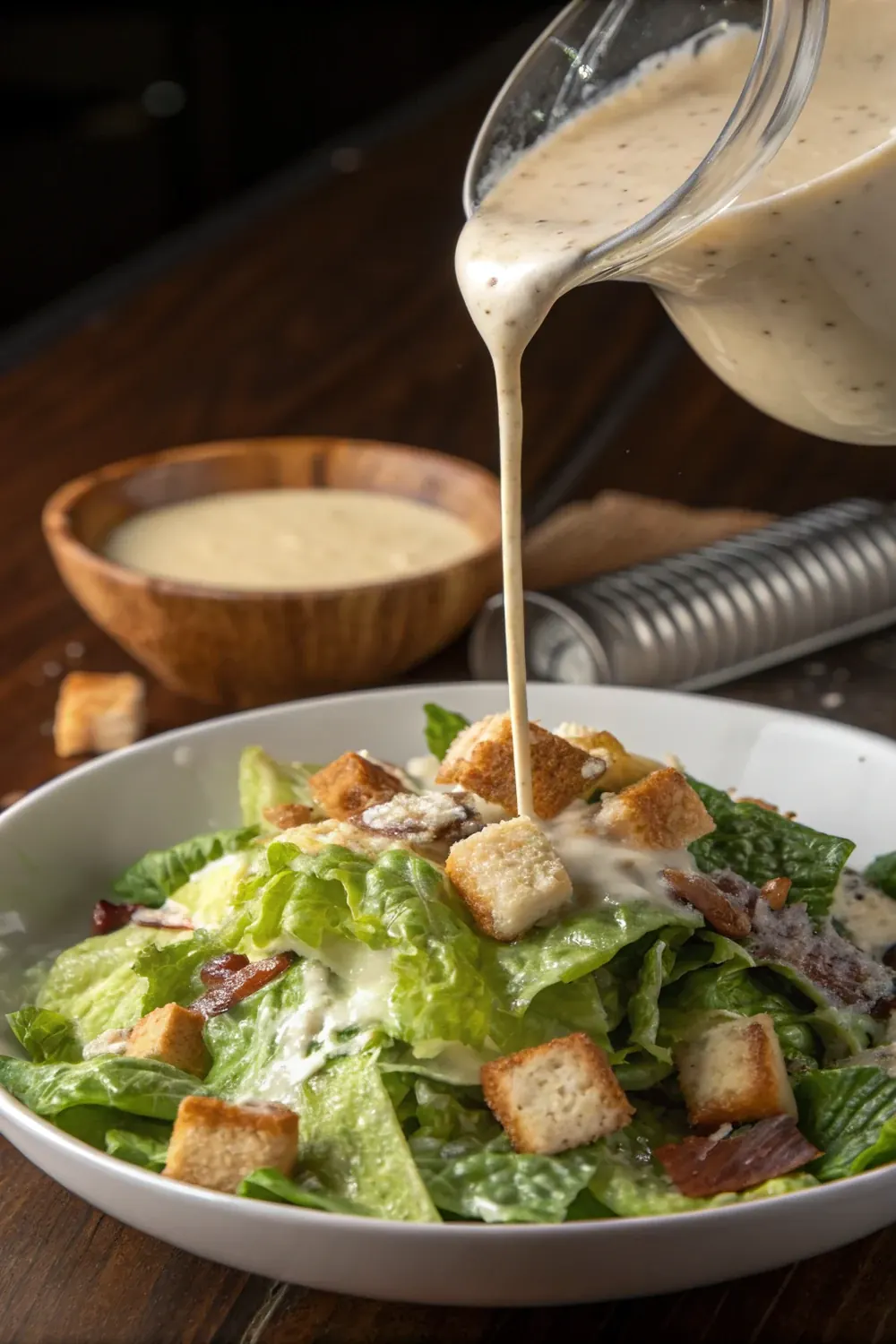
Tex-Mex Recipes
Texas Roadhouse Caesar Dressing Copycat
Chef Mia's Texas Roadhouse caesar dressing copycat: creamy, garlicky, parmesan-rich, anchovy-optional. Easy 10-minute recipe, no raw egg, plus storage tips.
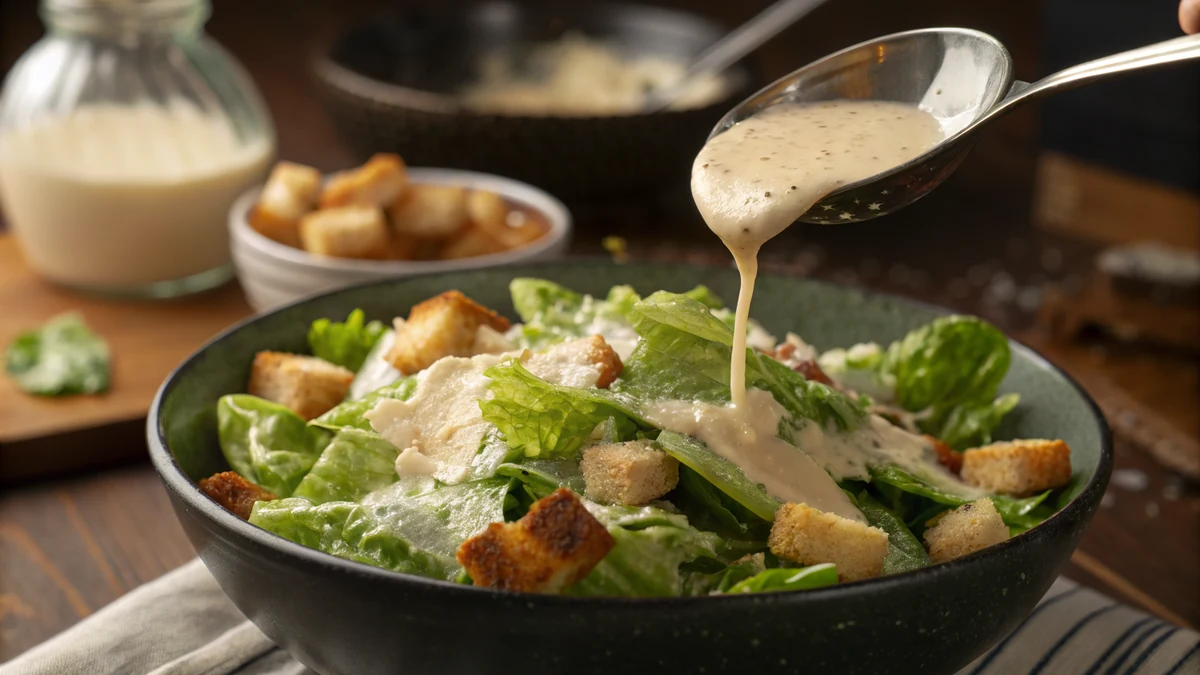
Quick answer: To make Texas Roadhouse caesar dressing, whisk together mayonnaise, grated parmesan, fresh garlic, lemon juice, Dijon mustard, Worcestershire sauce, and a little olive oil until creamy and pourable. The mayo gives that thick, steakhouse body, the parmesan adds salty depth, and the garlic plus lemon brings the bright, tangy bite a good caesar salad dressing needs. For the most authentic flavor, mash in a couple of anchovy fillets or a splash of anchovy paste, though Worcestershire alone gives a similar savory note if you prefer to skip them. It takes about ten minutes with no cooking and no raw egg required. Chill it for thirty minutes so the garlic mellows and the flavors marry, then toss it with crisp romaine. This copycat creamy caesar makes about 1.5 cups and keeps for a week in the fridge.
I have ordered the caesar salad at Texas Roadhouse more times than I can count, usually while I am waiting on a steak and a basket of those rolls. The dressing is what sells it for me. It is thick and creamy, properly garlicky, and loaded with parmesan, the kind of caesar that clings to every leaf instead of pooling at the bottom of the bowl. After enough trips, I decided to crack it at home, and this copycat gets me right back to that booth.
What I love about a steakhouse caesar dressing is that it leans rich and bold rather than sharp and vinegary. My version builds on a mayonnaise base, so there is no fussing with raw egg, and you can have it whisked together in about ten minutes. If you have ever made my Texas Roadhouse ranch dressing, this comes together the same easy way, just with a completely different, savory, garlicky personality.
Below I walk you through exactly what makes a creamy caesar taste like the restaurant, how to handle the anchovies (or skip them), how to get the thickness just right, and how to store it. If you are building a salad bar at home, pair it with my Texas Roadhouse Italian dressing so everyone at the table gets their favorite. Let me show you how this caesar salad dressing comes together.
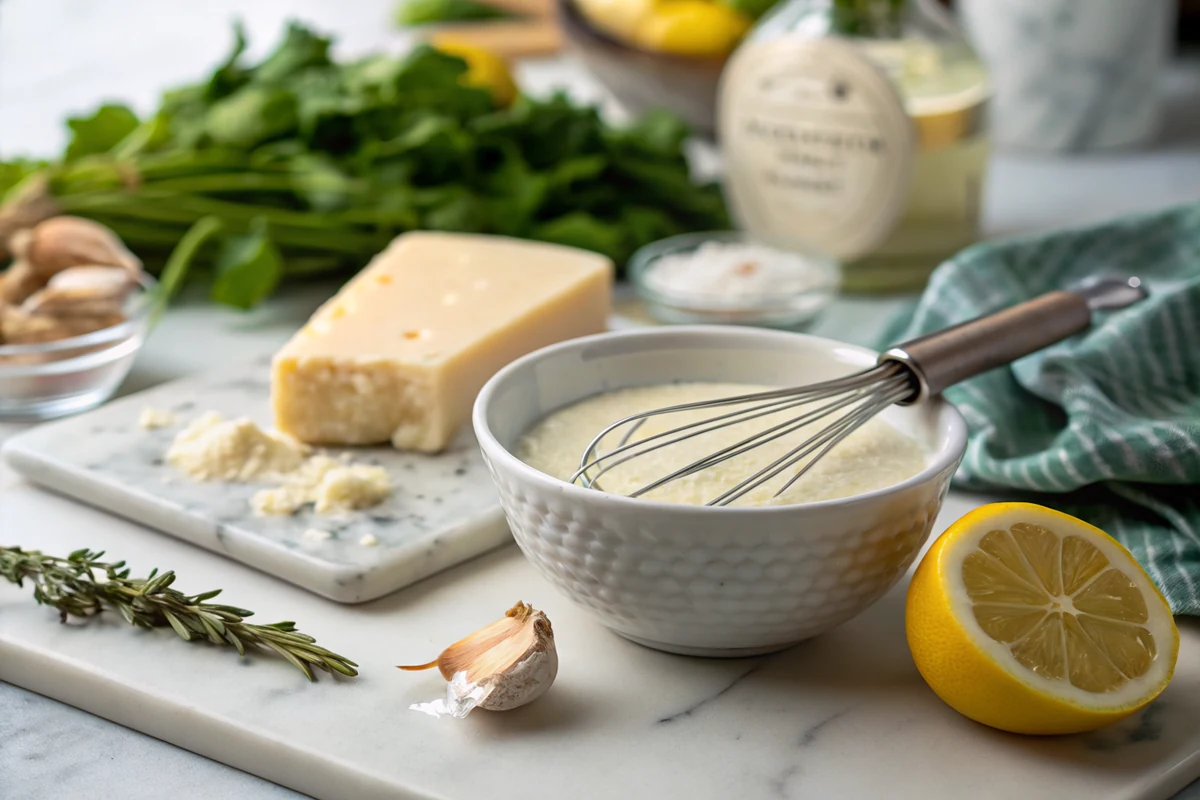
What Makes a Steakhouse Caesar Dressing Creamy
A steakhouse caesar is a different animal from the thin, oily caesar you sometimes get elsewhere. The hallmark is that thick, clingy creaminess that coats every leaf of romaine and leaves the bowl looking lush rather than watery. That body comes almost entirely from the base you build it on, and at Texas Roadhouse the result reads rich, garlicky, and unmistakably savory.
My copycat gets its creamy texture from mayonnaise. Mayo is already an emulsion of oil and egg, so it brings instant thickness and a silky mouthfeel without any whisking gymnastics. It is the shortcut that lets a home cook nail that steakhouse weight in minutes, and it is why this creamy caesar pours like the restaurant version instead of separating in the bowl.
On top of that base, finely grated parmesan does double duty. It adds salty, nutty depth, and as it hydrates in the dressing it thickens things further and gives the caesar a faint graininess that feels homemade in the best way. Between the mayo and the cheese, you get a caesar salad dressing that is plush, substantial, and built to stand up to crunchy romaine and croutons.
The final piece is balance. All that richness needs something bright to cut through it, which is where lemon juice and a hit of Dijon come in. Without that acidity a creamy caesar tastes flat and heavy. Get the richness and the tang in harmony and you have the addictive, crave-worthy dressing that keeps people coming back to the salad.
The Core Ingredients and Why They Matter
Every ingredient in this caesar earns its place. The mayonnaise is the body, the parmesan is the salty backbone, and the garlic is the soul. Fresh garlic, finely minced or grated, gives the dressing its signature pungent bite. Garlic powder works in a pinch, but fresh cloves bring a brightness and depth that the powder simply cannot match in a raw, uncooked dressing like this one.
Lemon juice and Dijon mustard handle the tang. Fresh lemon, not bottled, gives a clean acidity that lifts all that richness, while the Dijon adds a gentle sharpness and helps everything emulsify into one smooth, cohesive dressing. Worcestershire sauce is the secret savory note, that deep, slightly funky umami that makes a caesar taste like a caesar rather than just garlic mayo.
Parmesan deserves a word on quality. Grate it fresh from a wedge if you possibly can. Pre-grated tubs are coated with anti-caking agents that keep the cheese from melting smoothly into the dressing, so a freshly grated wedge gives you better flavor and a silkier texture. A real Parmigiano-Reggiano wedge is worth it, and you can read more about how it is made and protected at the Parmigiano Reggiano consortium.
A little olive oil rounds everything out, adding a whisper of fruity richness without making the dressing greasy. I keep it to a single tablespoon so the caesar stays creamy rather than oily. Salt and black pepper finish the seasoning, though go light on salt at first since both the parmesan and the Worcestershire bring their own.
Anchovies: To Use or Not to Use
Here is the question every caesar recipe has to answer, and I will be honest with you. A truly classic caesar dressing gets its deep, briny, savory undertone from anchovies. They do not make the dressing taste fishy when used in the right amount, they melt into the background and add a salty, umami complexity that you notice only by its absence. Two mashed fillets or a teaspoon of anchovy paste is all it takes.
That said, plenty of restaurant caesars, including the kind of crowd-pleasing version you find at a family steakhouse, go lighter on the anchovy or skip it entirely to keep the flavor approachable. Worcestershire sauce is your friend here, because it actually contains anchovies and delivers a similar savory backbone in a form that nobody finds off-putting. My base recipe relies on Worcestershire so it pleases everyone at the table.
If you do want that authentic, restaurant-deli caesar depth, I encourage you to try the anchovy version at least once. Mash the fillets into a smooth paste so there are no stray pieces, and stir them into the mayo first. You can learn more about anchovies and how they bring umami to dishes from a good Serious Eats anchovy guide, which converted plenty of skeptics I know.
My recommendation: make it once without anchovies to get comfortable, then make a small batch with them and taste side by side. Most people are genuinely surprised by how much rounder and more crave-worthy the anchovy version tastes, even when they swore they hated the little fish. Either way, you end up with a great creamy caesar, so do what makes your table happy.
The No-Raw-Egg Advantage
Traditional caesar dressing, the tableside kind a waiter whisks up in a wooden bowl, uses a raw or coddled egg yolk to create its creamy emulsion. It is delicious, but it gives some home cooks pause, especially if you are feeding kids, pregnant guests, or anyone wary of raw egg. It also means the dressing has a short shelf life and cannot really be made ahead.
My copycat sidesteps all of that by using mayonnaise as the base. Mayo is made with pasteurized eggs, so you get the same rich, creamy emulsion that a raw yolk would provide, but with no food-safety worry and a much longer fridge life. You lose nothing in texture, and frankly the mayo makes the whole process foolproof, since there is no risk of the emulsion breaking on you.
This is the same logic behind a lot of great copycat dressings, including my Texas Roadhouse ranch dip, which leans on a mayo and buttermilk base for the same reliable creaminess. Starting from mayonnaise is what lets a busy home cook whip up a steakhouse-quality dressing on a weeknight without any specialized technique.
If you genuinely want the classic raw-egg experience, you can use a pasteurized whole egg or pasteurized yolks in place of some of the mayo, which keeps it safe while honoring tradition. But for everyday salads, the mayonnaise route is what I reach for, and it is what makes this recipe so dependable and easy to keep on hand.
Getting the Thickness Just Right
Consistency is personal, and the beauty of making caesar at home is that you control it. Straight out of the bowl, this dressing is thick, almost dip-like, because the mayo and parmesan are both substantial. That is great if you want it to cling heavily to sturdy romaine or to use as a dip for veggies and wings. From there, you thin it to taste.
To loosen the dressing into a pourable, classic salad consistency, whisk in water or milk one tablespoon at a time. Water keeps it neutral, while a splash of milk adds a touch more creaminess. Go slowly, because it thins faster than you expect, and you can always add more liquid but you cannot easily take it back out once it is too runny.
Keep in mind the dressing thickens a bit more as it chills, since the parmesan continues to absorb moisture in the fridge. So if it looks perfect the moment you mix it, it may be a touch thick after resting. I usually thin mine to just slightly looser than I want, knowing it will firm up, then check and adjust right before serving.
For a caesar you plan to use as a dip or a sandwich spread, leave it thick and skip the thinning entirely. For tossing with delicate greens, loosen it up so it distributes evenly without weighing the leaves down. One batch, several uses, all by controlling that splash of liquid at the end.
How to Use It Beyond Salad
A great creamy caesar is far too good to limit to lettuce. The first and most obvious use is the classic caesar salad: toss crisp chopped romaine with the dressing, a generous shower of extra parmesan, and crunchy croutons. Add grilled chicken or shrimp and you have turned a side into a full, satisfying dinner that tastes like it came from the steakhouse.
But this dressing also shines as a dip. Thick and garlicky, it is fantastic with raw vegetables, fried pickles, or chicken tenders, much the way you might use a ranch. Set it out on an appetizer spread next to my Texas Roadhouse ranch and let people choose their dipper, and watch the caesar disappear just as fast.
Try it as a sandwich and wrap spread, too. A swipe of creamy caesar on a chicken sandwich or a turkey wrap adds instant garlicky, savory depth that plain mayo cannot touch. It is also a brilliant drizzle over grilled romaine, roasted broccoli, or a simple bowl of grain and greens when you want to dress things up fast.
I even use it as a base sauce for caesar pasta salad, tossing it with cooled pasta, parmesan, and a little extra lemon for a potluck dish that always gets requests. It is also wonderful spooned over baked potatoes or stirred into chicken salad for a garlicky twist. Once you have a jar of this in the fridge, you will find yourself reaching for it constantly, which is exactly why I make a generous batch every single time.
Storing and Making Ahead
One of the best things about a mayonnaise-based caesar is that it stores beautifully, unlike the fragile raw-egg tableside version. Transfer the finished dressing to an airtight jar or container and keep it in the coldest part of your fridge. It holds its flavor and texture for up to a week, which makes it perfect for prepping ahead on a Sunday for the week of lunches.
In fact, this caesar tastes better after a rest. Giving it at least thirty minutes, or ideally a few hours, in the fridge lets the raw garlic mellow and the parmesan, lemon, and Worcestershire marry into a more rounded, cohesive flavor. The version you taste right after mixing is good, but the version the next day is genuinely great, so making it ahead is a feature, not a chore.
Always store it covered and cold, and give it a good stir before each use, since a little separation over time is normal. If it has thickened in the fridge, whisk in a teaspoon of water or milk to bring it back to a pourable consistency. Never leave the dressing sitting out at room temperature for long, the same common-sense rule you would follow for any mayo-based sauce.
I do not recommend freezing this one. Mayonnaise-based dressings tend to separate and turn grainy after thawing, and the texture never fully recovers. It comes together so quickly and keeps so well in the fridge that there is really no need to freeze it anyway. Just make a fresh batch when you run low, which in my house is roughly every week.
Common Mistakes to Avoid
The number one mistake is going too heavy on raw garlic up front. Garlic intensifies as the dressing sits, so a hand that feels right at mixing time can taste aggressive and sharp by dinner. Start with two cloves, finely minced, and let the dressing chill before you judge it. You can always whisk in more, but you cannot pull it back out once it overpowers everything.
The second mistake is using pre-grated parmesan from a shaker or tub. Those products are coated to prevent caking, which keeps them from melting into the dressing, so you end up with a gritty, less flavorful caesar. Grate a real wedge on the small holes of a box grater and you will taste and feel the difference immediately in both flavor and smoothness.
Underseasoning is another common slip. A caesar should taste bold and savory, so do not be shy with the lemon, the parmesan, and the Worcestershire. That said, add salt cautiously and last, because the cheese, the Worcestershire, and any anchovy already contribute plenty. Taste as you go and adjust in small amounts until it sings.
Finally, do not skip the chill time. It is tempting to dress your salad the moment the dressing is mixed, but those extra thirty minutes in the fridge are what transform a good caesar into a restaurant-worthy one. Give the flavors time to meld, stir before serving, and your homemade creamy caesar will rival the one you order out.
Pairing It With a Full Steakhouse Spread
This caesar dressing was born to anchor a homemade steakhouse night. Start with a big bowl of crisp romaine tossed in the dressing, topped with shaved parmesan and croutons, as the fresh, bright counterpoint to a rich main course. It is the same role the caesar plays on the restaurant menu, the crunchy, garlicky salad that wakes up your palate before the steak arrives.
Build out the table from there. A salad bar with this caesar alongside my Texas Roadhouse Italian dressing, a creamy ranch, and a chunky blue cheese dressing lets every guest dress their greens exactly how they like. Three homemade dressings on the counter looks impressive and costs a fraction of buying bottled, with far better flavor.
For the main event, the caesar pairs beautifully with grilled steak, of course, but also with grilled chicken, salmon, or shrimp for a lighter plate. The garlicky, savory dressing complements smoky, charred proteins especially well, so it earns its spot on the table whether you are searing ribeyes or grilling chicken thighs for the family.
Round it out with warm rolls and a starchy side, and you have recreated the steakhouse experience at home for the price of a single restaurant entree. The caesar is the kind of from-scratch touch that makes the whole meal feel special, and once your family tastes it, the bottled stuff will not make it back into your cart.
Texas Roadhouse Caesar Dressing Copycat Recipe
Ingredients
- For the dressing:
- 3/4 cup mayonnaise
- 1/2 cup finely grated parmesan cheese
- 2 tablespoons fresh lemon juice
- 1 tablespoon extra-virgin olive oil
- 1 tablespoon Dijon mustard
- 1 teaspoon Worcestershire sauce
- 2 cloves garlic, finely minced or grated
- 1/2 teaspoon black pepper
- 1/4 teaspoon salt, plus more to taste
- 1 to 2 tablespoons water or milk, to thin
- Optional for deeper flavor:
- 2 anchovy fillets, mashed, or 1 teaspoon anchovy paste
Instructions
- Prep the garlic and parmesan. Finely mince or grate the garlic so there are no big chunks, since raw garlic gets harsh in clumps. Grate the parmesan fresh on the small holes of a box grater if you can, because finely grated cheese melts into the dressing for a smoother texture than the pre-shredded kind.
- Mash the anchovies if using. If you want the authentic caesar depth, mash the anchovy fillets into a paste with the flat of a knife, or measure out the anchovy paste. Stir it into the mayonnaise first so it disperses evenly. Prefer to skip them? Leave them out and lean on the Worcestershire instead for that savory note.
- Whisk the base. In a medium bowl, whisk together the mayonnaise, grated parmesan, lemon juice, olive oil, Dijon mustard, and Worcestershire sauce until smooth and creamy. The mixture will be thick at this stage, which is exactly the steakhouse body you are after.
- Add garlic and seasoning. Whisk in the minced garlic, black pepper, and salt. Taste and adjust, more lemon for brightness, more parmesan for salty depth, a pinch more salt if it needs it. Remember the flavors will meld and the garlic will mellow as it chills, so do not overdo the garlic now.
- Thin to the right consistency. Whisk in water or milk one tablespoon at a time until the dressing reaches a creamy, pourable consistency that still clings to a spoon. For a thick dip or a dressing that coats hearty romaine, keep it on the thicker side. For drizzling, loosen it a little more.
- Chill and serve. Cover and refrigerate for at least 30 minutes so the garlic softens and the flavors marry. Give it a stir before serving, then toss with crisp chopped romaine, extra parmesan, and croutons. Taste once more and adjust the salt and lemon right before serving.
Frequently Asked Questions
How do you make Texas Roadhouse caesar dressing?
Whisk together mayonnaise, finely grated parmesan, fresh lemon juice, olive oil, Dijon mustard, Worcestershire sauce, and minced garlic until creamy, then season with salt and pepper and thin with a little water or milk to your preferred consistency. The mayo gives that thick, steakhouse body, the parmesan and garlic bring savory depth and bite, and the lemon adds brightness. Chill it at least thirty minutes so the flavors meld, then toss with crisp romaine. The whole thing takes about ten minutes and needs no cooking or raw egg.
Does caesar dressing have anchovies in it?
Classic caesar dressing traditionally contains anchovies, which add a deep, briny, savory undertone without tasting fishy when used in small amounts. Many restaurant versions, including approachable steakhouse caesars, go light on anchovy or skip it, leaning on Worcestershire sauce instead, which itself contains anchovies and delivers a similar umami note. My base recipe is anchovy-optional: it tastes great with Worcestershire alone, but mashing in two anchovy fillets or a teaspoon of anchovy paste gives the most authentic, restaurant-style depth.
Is there raw egg in this caesar dressing?
No. Traditional tableside caesar uses a raw or coddled egg yolk for creaminess, but my copycat uses mayonnaise as the base instead. Mayo is made with pasteurized eggs, so you get the same rich, creamy emulsion with no raw-egg food-safety concern and a much longer fridge life. That makes this version safe for kids and easy to make ahead. If you want the classic experience, you can substitute pasteurized eggs, but the mayonnaise route is reliable and foolproof.
How long does homemade caesar dressing last in the fridge?
Because this caesar is built on mayonnaise rather than raw egg, it keeps well for up to a week in an airtight container in the coldest part of your fridge. It actually tastes better after a day, since the garlic mellows and the parmesan, lemon, and Worcestershire have time to marry. Stir it before each use, and if it has thickened, whisk in a teaspoon of water or milk. Always keep it cold and covered, and do not leave it out at room temperature for long.
How do I make my caesar dressing thicker or thinner?
Straight from the bowl this dressing is thick and dip-like thanks to the mayo and parmesan. To thin it into a pourable salad dressing, whisk in water or milk one tablespoon at a time until it reaches the consistency you want, going slowly since it loosens fast. To keep it thick for a dip or sandwich spread, skip the liquid entirely. Remember it firms up a bit as it chills, so thin it slightly looser than your target and check again before serving.
Can I use this caesar dressing as a dip?
Absolutely. Left thick and unthinned, this creamy caesar makes a fantastic dip for raw vegetables, fried pickles, chicken tenders, or wings, much the way you would use ranch. Its garlicky, parmesan-rich, savory flavor holds up beautifully as a dip, and it also works as a sandwich and wrap spread or a drizzle over grilled romaine and roasted vegetables. Just keep it on the thicker side by skipping the water or milk, and serve it well chilled.
What is the difference between caesar and ranch dressing?
Both are creamy, but they taste completely different. Caesar dressing is garlicky and savory, built around parmesan, lemon, Dijon, Worcestershire, and often anchovy, giving it a bold, umami-rich, slightly tangy profile. Ranch is herby and cooling, built around buttermilk or sour cream with dill, parsley, chives, garlic, and onion. Caesar pairs with crunchy romaine and steakhouse mains, while ranch suits mixed greens and dipping. If you want both, my ranch dressing recipe makes the perfect creamy companion on a salad bar.
Can I make caesar dressing without parmesan?
Parmesan is central to caesar's signature salty, nutty flavor, so I would not leave it out entirely. If you are out of parmesan, a hard aged cheese like Grana Padano or Pecorino Romano works as a close substitute, though pecorino is sharper and saltier so use a touch less and adjust the added salt accordingly. For a dairy-free version, a spoonful of nutritional yeast plus a little extra salt mimics the savory depth, though the texture and flavor will differ from the classic.