Tex-Mex Recipes
Texas Roadhouse Italian Dressing Copycat
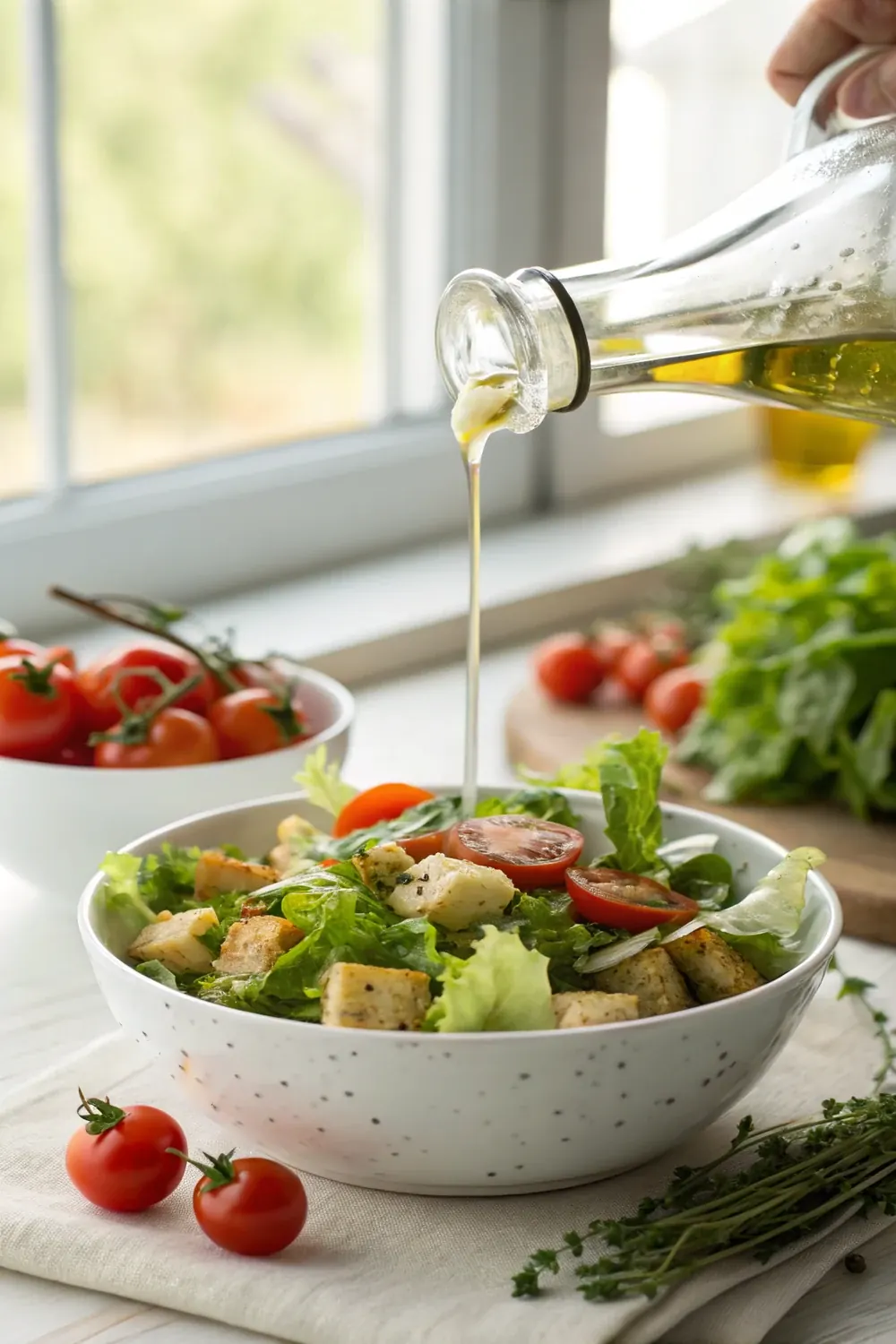
Chef Mia's copycat Texas Roadhouse Italian dressing: zesty, lightly creamy, ready in 10 minutes - plus the one secret ingredient that makes it cling.
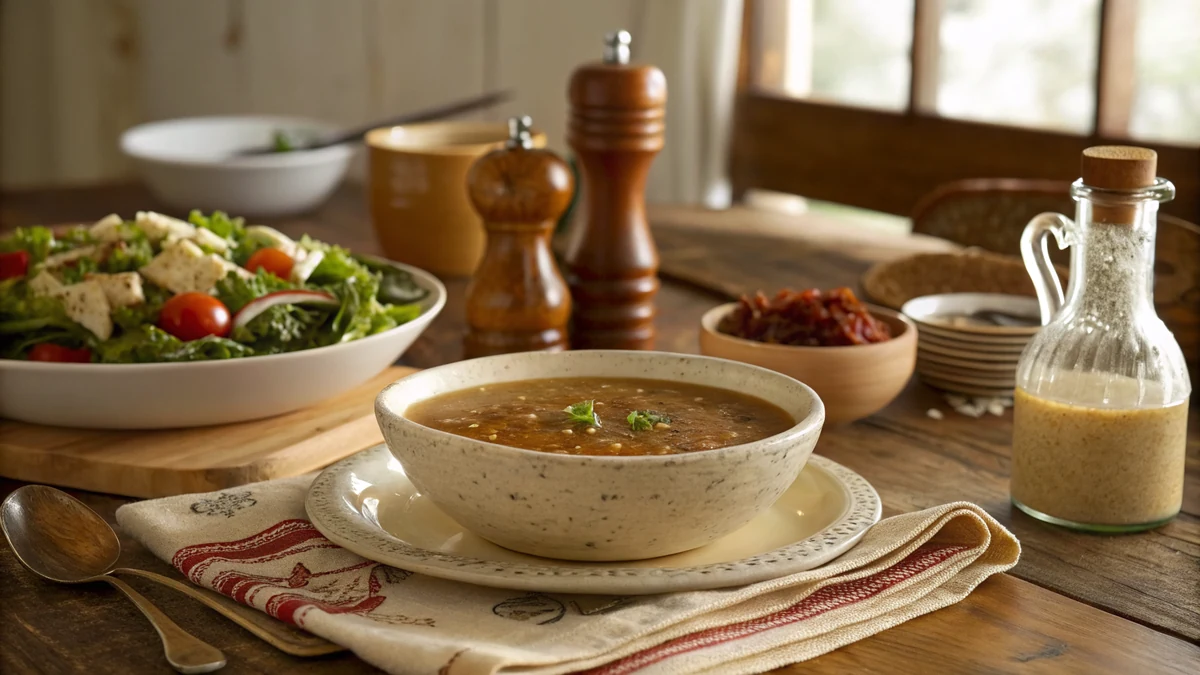
Quick answer: To make Texas Roadhouse Italian dressing at home, whisk or blend canola oil, red wine vinegar, water, and a spoon of mayonnaise with sugar, grated Parmesan, fresh garlic, grated onion, dried oregano, basil, parsley, salt, black pepper, and a pinch of red pepper flakes. Finish with a squeeze of lemon. Shake it hard in a jar or blitz it smooth, then chill thirty minutes so the herbs bloom and the flavors marry into that tangy, slightly creamy steakhouse pour.
I first chased this dressing after a long Friday at a Texas Roadhouse outside San Antonio, where my side salad showed up swimming in something tangy, faintly sweet, and just creamy enough to cling. I asked for extra. The waiter laughed. I went home determined to copy it, and after roughly a dozen jars on my counter, I landed here. This is my copycat, inspired by the restaurant and built from a real pantry, never any official recipe or affiliation.
What surprised me most was the mayonnaise. A single spoonful does not make it ranch, it just rounds the sharp edges and helps the oil and vinegar hold hands for a few hours. The garlic has to be fresh, grated onion beats powder by a mile, and the Parmesan should be the stuff you grate yourself. If you love restaurant copycats, try it next to my homemade ranch dip and pick your favorite. I keep both in the fridge door, honestly.
Why This Copycat Tastes Like the Steakhouse
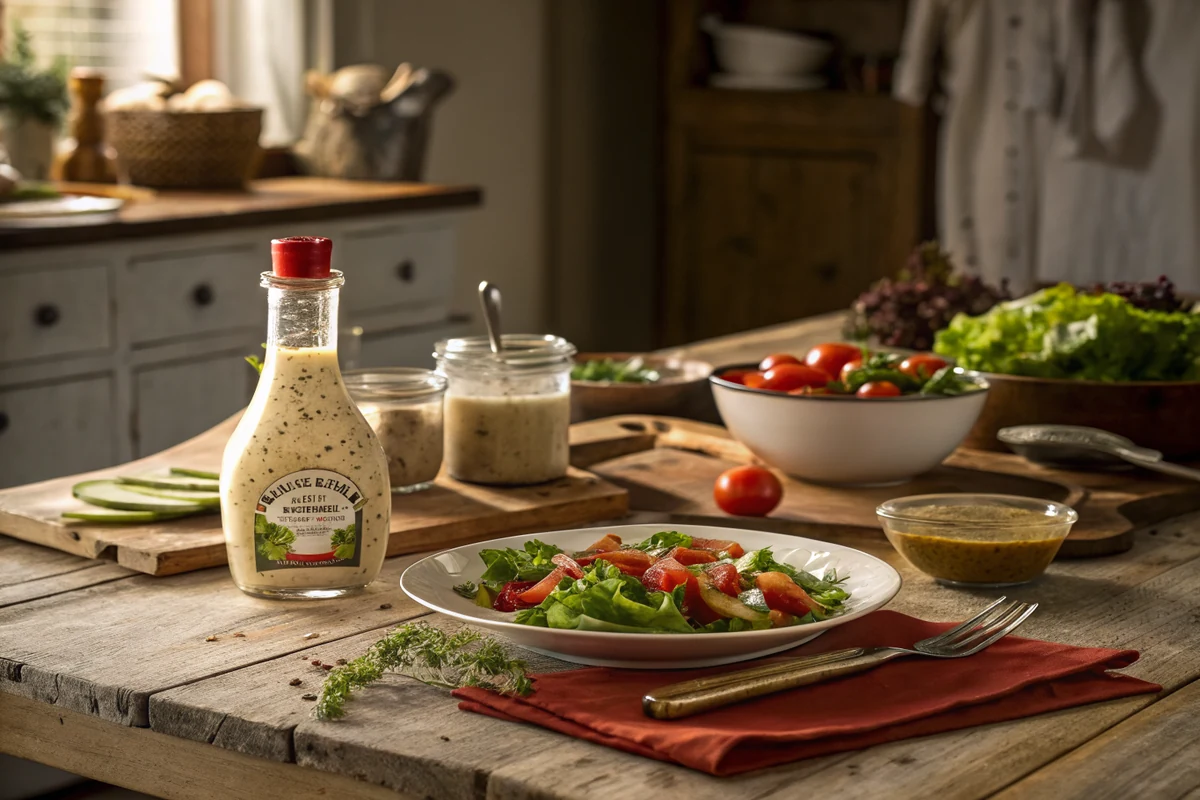
The trick is balance, not any single secret ingredient. Restaurant Italian dressings hit four notes at once: tang from vinegar, fat from oil, a whisper of sweet, and savory depth from cheese and garlic. Miss one and the whole thing tips over. My version keeps the vinegar bright but not puckering, the oil generous but not greasy, and the sugar low enough that you taste it only as roundness.
What sets the Texas Roadhouse style apart from a plain vinaigrette is that little spoon of mayonnaise. It is not enough to make a creamy dressing, but it lends body and a faint cling so the dressing coats the lettuce instead of sliding to the bottom of the bowl. The Parmesan does similar work, adding salt and a savory backbone that store-bought bottles usually fake with powder.
I have served this blind next to a popular bottled zesty Italian and my family picked mine every time. The difference is freshness. Fresh garlic, fresh onion juice, and real grated cheese taste alive in a way shelf-stable dressing simply cannot. You are tasting ingredients, not stabilizers. That is the whole point of making it at home, and it costs less per cup too.
The other reason I keep coming back to homemade is control. I can make it sharper for a heavy salad, softer for delicate butter lettuce, or spicier when I want it to wake up a sandwich. Bottled dressing gives you one fixed flavor forever. This jar bends to whatever you are eating that night, and once you taste that flexibility, the bottle in the door starts to feel like a compromise you no longer want to make.
Choosing Your Oil and Why It Matters
Canola is my default here, and it is almost certainly what the steakhouse uses. It is neutral, cheap, and stays pourable straight from the fridge, which matters more than people think. A dressing that turns to sludge when cold is a daily annoyance. Vegetable oil works identically. Both let the herbs and vinegar lead instead of fighting them.
Could you use olive oil? You can, but understand the trade. Extra-virgin olive oil brings a peppery, fruity flavor that pushes this away from the clean steakhouse profile and toward a Mediterranean vinaigrette. It also firms up and clouds in the fridge, so you have to let the jar sit out before pouring. If you want that, use a mild light olive oil and cut it half and half with canola.
Avocado oil is a fine neutral upgrade if you have it, with a higher smoke point that matters not at all for a cold dressing but a clean taste that does. Whatever you choose, measure it. Eyeballing oil is how a dressing goes from balanced to slick. One cup of oil to one-third cup vinegar is my anchor ratio, and I adjust everything else around it.
Freshness of the oil matters more than people expect, too. Oil that has been open and warm for months can taste faintly stale or cardboard-like, and there is nowhere for that flavor to hide in a simple dressing. Give the bottle a quick sniff before you pour. It should smell clean and almost neutral. If it smells off or paint-like, it has gone rancid, and no amount of vinegar or herbs will rescue the batch.
The Vinegar Ratio That Makes or Breaks It
Red wine vinegar is the soul of this dressing. It has a rounder, fruitier tang than white vinegar and more character than plain distilled, which can taste like cleaning the kitchen. My ratio runs three parts oil to one part vinegar, softened with a splash of water so the acid does not scald the back of your throat. That water is a quiet professional move worth keeping.
If you only have white wine vinegar, use it and add an extra pinch of sugar, since it lands sharper. Apple cider vinegar works in a pinch but tilts the flavor sweet and orchard-like, further from the restaurant. I would avoid balsamic entirely here, it is too dark, too sweet, and it muddies the herbs and turns the dressing an unappetizing brown.
Acid does more than flavor. It helps preserve the dressing in the fridge and keeps the garlic from tasting raw and hot after a day. If your finished dressing tastes flat on day two, it usually needs a teaspoon more vinegar or that squeeze of lemon, not more salt. Acid is the volume knob most home cooks forget to turn back up.
The lemon at the end is a small thing that does real work. Vinegar gives the steady backbone of tang, but a teaspoon of fresh lemon juice adds a brighter, higher note on top that bottled dressing never quite captures. I add it last, off the main mixing, so it stays lively. If you only have bottled lemon juice, use a little less, since it tastes flatter and more one-dimensional than fresh.
Fresh Versus Dried Herbs in This Dressing
This is one of the rare times I reach for dried herbs on purpose. Dried oregano, basil, and parsley are exactly what gives bottled-style Italian dressing its familiar speckled look and concentrated, slightly toasty flavor. Fresh herbs would taste greener and more delicate, lovely in their own way but not what your memory expects from a steakhouse pour over an iceberg salad.
If you do want to go fresh, triple the amount, since dried herbs are far more concentrated, and chop them fine. Fresh parsley and basil are the easiest swaps. Fresh oregano is potent and a little soapy if you overdo it, so use it with restraint. I sometimes split the difference, dried oregano for that classic note plus a spoon of fresh chopped parsley for color.
Either way, the herbs need time in the liquid. Dried herbs are basically dehydrated, and the thirty-minute chill lets them drink up vinegar and oil and soften back toward their fresh selves. Skip the rest and you get a gritty, dusty texture and a flat aroma. Patience is the cheapest ingredient in this jar, and it pays off every single time.
Grating the Parmesan the Right Way
Reach for a wedge of real Parmesan and grate it yourself on the small holes of a box grater or a rasp. The pre-grated tubs are coated with anti-caking agents like cellulose that keep the cheese from melting into the dressing, so it stays chalky and floats. Freshly grated cheese dissolves partway, seasoning the whole pour and thickening it slightly.
Grate it fine. Big shreds sink and clog the jar lid, while a fine grate suspends better and releases its salt and nuttiness into the liquid. If you only have a wedge of Pecorino Romano, use a little less, since it is saltier and sharper, and then pull back on your added salt to compensate. Grana Padano is a milder, friendlier stand-in.
Cheese is also where you can quietly adjust richness. Three tablespoons is my standard, but I have gone up to four when serving this over sturdy romaine that can carry a bolder dressing. Just remember Parmesan brings salt, so taste before you add more. The same cheese works beautifully shaken over my copycat dinner rolls while they are still warm.
Balancing Sweetness Without Making It Sweet
One tablespoon of sugar across two cups of dressing is almost nothing per serving, yet it does heavy lifting. Sugar tames the vinegar so the dressing tastes balanced instead of biting, and it is the difference between a homemade vinaigrette that makes you wince and a restaurant one that makes you reach for seconds. You should not taste sweetness directly, only smoothness.
Start with the tablespoon, chill, then taste on a leaf of lettuce rather than off a spoon, because greens dilute and change how you perceive the acid. If it still bites, add sugar a quarter teaspoon at a time. If you oversweeten, a few more drops of vinegar or lemon pulls it right back. This back-and-forth is normal and how every house dressing gets dialed in.
For a low-sugar version, swap in a pinch of a granulated sweetener you trust, or lean on a teaspoon of honey instead, which brings its own gentle floral note. I have also made it sugar-free by adding an extra splash of water and a touch more oil to soften the acid mechanically. It is slightly sharper but genuinely good, and the herbs still carry it.
How an Emulsion Holds Together
An oil and vinegar dressing is two liquids that do not want to mix, and getting them to behave is the only real technique here. Whisking or shaking breaks the oil into tiny droplets scattered through the vinegar, and the mayonnaise and Parmesan act as emulsifiers that slow those droplets from rejoining. That is why this dressing stays creamy-looking longer than a plain vinaigrette would.
If you want to understand the science before you start pouring oil, read this clear explainer on how an oil and vinegar emulsion holds together. The short version is that adding oil slowly while you whisk, or shaking hard in a sealed jar, gives you a tighter, more stable mix than dumping everything in at once and stirring lazily.
A blender makes the most stable emulsion of all because it shears the oil into the finest droplets and fully breaks down the mayonnaise. The downside is it can warm and slightly foam the dressing, and it tints everything pale. I usually shake mine in a jar for that rustic, separated steakhouse look, and blend only when I want a smoother, pourable consistency for a crowd.
What to Dress and Where It Shines
This dressing was built for a wedge or a chopped salad, where crisp iceberg and romaine give it something sturdy to cling to. It loves sliced tomatoes, cucumbers, red onion, and a scatter of croutons. I pour it over a simple bowl of greens on weeknights and suddenly a boring side feels like a steakhouse plate, which is exactly the vibe I was going for.
Beyond salad, it is a sharp little finisher. Drizzle it over roasted vegetables, spoon it across a caprese, or toss it with cold pasta and olives for a fast pasta salad. It also wakes up a sandwich, and I have brushed it over grilled bread. A side of greens dressed in this is my go-to next to a slice of copycat prime rib on a special night.
It even plays well as a dipping vinaigrette for warm bread, though for richer cravings I usually reach for my copycat honey mustard instead. Keep this Italian for when you want bright and herby rather than sweet and tangy. Having two homemade dressings in the fridge means salad never gets boring, and dinner always feels a little more finished.
One more favorite trick is using it on a grain bowl. Tossed through warm farro, quinoa, or even leftover rice with chopped vegetables and a handful of herbs, it turns sad fridge odds and ends into a real lunch in minutes. The oil coats the grains, the acid keeps everything from tasting heavy, and the Parmesan ties it together. I make a big bowl on Sunday and eat off it for days.
Using It as a Marinade
Because it is oil, acid, salt, and aromatics, this dressing doubles as a quick marinade with zero extra work. The oil carries flavor into the meat, the vinegar and lemon tenderize the surface, and the herbs and garlic perfume everything. I pour about half a cup over chicken thighs or breasts in a zip bag and let them sit while I prep the rest of dinner.
For chicken, thirty minutes to two hours is the sweet spot. Much longer and the acid starts to break down the surface and turn it mushy, especially on thin cutlets, so I do not leave poultry in overnight. It is fantastic on a chicken cutlet you plan to bread and fry, a trick I use before making my copycat chicken fried chicken.
It also works on shrimp for fifteen minutes, on vegetables before grilling, on grilled pork chops for an hour, and on flank or skirt steak for an hour or two. Always marinate in the fridge, never on the counter, and discard the used marinade or boil it hard for a full minute if you want to spoon it over the cooked food. Never reuse raw-meat marinade as a fresh dressing, that is a real safety rule.
Make-Ahead, Storage, and Shelf Life
This dressing is a make-ahead dream, and it honestly tastes better on day two once the flavors settle. Store it in a sealed glass jar in the fridge, where it keeps well for about a week to ten days. Glass is better than plastic here because the oil and garlic can pick up off-flavors from older plastic containers, and glass wipes clean.
Expect it to separate and partly solidify when cold, which is completely normal for an oil-based dressing. The Parmesan and any olive oil you used will firm up. Just pull the jar out a few minutes before serving and shake it hard, and it comes right back together. If it ever smells sour, off, or fizzy, or the garlic tastes harsh and hot, toss it.
I do not recommend freezing it. The emulsion breaks completely on thaw, the texture turns grainy, and the fresh garlic can develop a tinny taste. It comes together so fast that there is no real reason to freeze anyway. Make a fresh jar each week, label it with the date, and you will always have a bright homemade dressing within arm's reach in the door.
If you want to stretch the shelf life a little further, leave the fresh garlic out of the base batch and stir a tiny amount of garlic into each portion as you use it. Raw garlic is the ingredient most likely to turn harsh and to shorten how long the dressing stays pleasant. A garlic-free base will hold a few days longer, and you lose almost nothing by adding the garlic fresh at the last minute.
Doubling the Batch and Jar Gifting
The recipe scales cleanly, so doubling or tripling it for a party or a meal-prep week is straightforward. Just hold a little of the oil and water back, taste after the first chill, and adjust, because seasoning does not always scale in a perfectly straight line. Larger batches sometimes need a touch more vinegar and salt than the simple math suggests, so taste and trust your tongue.
These jars make genuinely lovely homemade gifts. I pour the dressing into small swing-top bottles, tie on a square of fabric, and write the date plus a quick shake-before-using note on a tag. Because it is fresh and contains real cheese and garlic, I always tell the recipient to keep it refrigerated and use it within a week, the same as my own.
If you are gifting or prepping far ahead, you can build a dry herb and Parmesan mix in advance and keep the wet ingredients separate, then combine the day you hand it over for maximum freshness. People are genuinely charmed by a homemade dressing, and it costs a fraction of a fancy store bottle. It is my favorite small thing to bring to a potluck.
Troubleshooting and a Lighter Version
The most common complaint is separation, and the fix is simply to shake harder and chill longer so the emulsifiers do their job. If it separates almost instantly every time, add a touch more mayonnaise or Parmesan, or run it through the blender once to tighten the mix. A small pinch of Dijon mustard is another classic, reliable emulsifier that also adds a pleasant background tang.
Tastes too oily and flat means you need more acid and salt, so add vinegar or lemon a little at a time. Tastes too sharp means more sugar or a splash more oil and water to soften it. A harsh, hot garlic bite usually means the dressing needs more chill time to mellow, or that you used too much garlic, so go easier next time. Grit means the herbs need longer to rehydrate.
For a lighter pour, cut the oil to three-quarters of a cup and bump the water up to balance, which trims the calories while keeping the flavor. You can also lean harder on the mayonnaise and less on oil for a creamier, lower-fat profile that drifts a little toward my ranch-style dip. Adjust it until it is exactly the dressing you want on your own table.
Texas Roadhouse Italian Dressing Copycat Recipe
Ingredients
- For the dressing:
- 1 cup canola or vegetable oil
- 1/3 cup red wine vinegar
- 1/4 cup water
- 1 tablespoon mayonnaise
- 1 tablespoon granulated sugar
- 3 tablespoons finely grated Parmesan cheese
- 2 cloves garlic, finely grated or minced
- 1 tablespoon finely grated yellow onion (with juice)
- 1 teaspoon dried oregano
- 1 teaspoon dried basil
- 1 teaspoon dried parsley
- 3/4 teaspoon fine salt
- 1/2 teaspoon black pepper
- 1/4 teaspoon red pepper flakes
- 1 teaspoon fresh lemon juice
- For serving (optional):
- Extra Parmesan for shaking on at the table
- A pinch of sugar to adjust sweetness to taste
Instructions
- Build the base. Add the red wine vinegar, water, mayonnaise, sugar, salt, black pepper, and lemon juice to a wide bowl or a one-pint mason jar. Whisk or shake until the sugar and salt dissolve and the mayonnaise streaks out into the liquid. Doing this before the oil goes in gives you a smoother, more stable dressing.
- Add the aromatics and herbs. Grate the garlic and onion directly into the base so you catch every drop of juice. Add the oregano, basil, parsley, Parmesan, and red pepper flakes. Stir well. The mixture will look cloudy and speckled, and it should already smell sharp and herby.
- Emulsify in the oil. Pour the canola oil in slowly while whisking hard, or simply cap the jar and shake it like you mean it for thirty to forty seconds. If you want it perfectly smooth and a touch creamier, blitz everything in a blender for fifteen seconds instead. Both ways work.
- Taste and balance. Dip a lettuce leaf or a clean spoon and taste. Too sharp, add a pinch more sugar. Flat, add a little salt or a few more flakes. Too thick, splash in a teaspoon of water. This is the step that turns a good copycat into your own house dressing.
- Chill to bloom the herbs. Cover and refrigerate for at least thirty minutes, though an hour is better. The dried herbs soften and rehydrate, the garlic mellows, and the whole thing tastes rounder and more like the restaurant. Cold rest is not optional if you want the real flavor.
- Shake and serve. Oil-based dressings separate, that is just physics. Give the jar a brisk shake right before each use so the herbs and Parmesan suspend again. Pour over crisp greens, drizzle on tomatoes, or use it as a quick marinade. Shake on extra Parmesan at the table if you like.
Frequently Asked Questions
What kind of vinegar does Texas Roadhouse Italian dressing use?
This copycat leans on red wine vinegar for its rounder, fruitier tang, which tastes closest to the steakhouse version. White wine vinegar works too but lands sharper, so add a small pinch of extra sugar to balance it. I would steer clear of balsamic, since it muddies the herbs and turns the dressing dark and overly sweet.
Why is there mayonnaise in an Italian dressing?
One spoonful of mayonnaise is not enough to make it creamy like ranch, but it gives the dressing body and a faint cling so it coats the lettuce instead of pooling at the bottom of the bowl. It also acts as an emulsifier, helping the oil and vinegar stay mixed longer. You can leave it out, but the dressing separates faster.
Can I make this Italian dressing without sugar?
Yes. The single tablespoon of sugar mostly softens the vinegar rather than adding noticeable sweetness, so you can swap in a pinch of a granulated sweetener you trust, use a teaspoon of honey, or skip it entirely. Sugar-free, just add a little extra water and oil to mellow the acid. It tastes a touch sharper but still genuinely good.
How long does homemade Italian dressing last in the fridge?
Stored in a sealed glass jar in the refrigerator, it keeps well for about a week to ten days. Because it has fresh garlic and real Parmesan, I treat it like a perishable and use it up promptly. Always smell it first, and if it ever turns sour, fizzy, or the garlic tastes harsh and hot, throw it out.
Why did my dressing separate, and how do I fix it?
Separation is normal for any oil-based dressing, since oil and vinegar naturally want to part ways. Just shake the jar hard right before each use and it comes back together. If it splits almost instantly, add a little more mayonnaise or Parmesan, or blitz it in a blender once to create a tighter, more stable emulsion that lasts longer.
Can I use olive oil instead of canola?
You can, but it changes the character. Extra-virgin olive oil brings a peppery, fruity flavor that pushes this toward a Mediterranean vinaigrette and away from the clean steakhouse profile, plus it firms up and clouds in the fridge. If you want olive oil, use a mild light one and cut it half and half with canola for the best balance.
Can I use this Italian dressing as a marinade?
Absolutely, it makes a great quick marinade. Pour about half a cup over chicken, shrimp, or steak and let it sit in the fridge. Use thirty minutes to two hours for chicken, fifteen minutes for shrimp, and up to two hours for steak. Always discard used raw-meat marinade or boil it hard for a full minute before spooning it over cooked food.
Should I shake it or blend it?
Both work, and it comes down to the look you want. Shaking in a jar gives you a rustic, lightly separated dressing with visible herbs, which I think tastes most like the restaurant. Blending makes the smoothest, most stable, slightly creamier emulsion that pours evenly, ideal for a crowd. Either way, chill it at least thirty minutes so the dried herbs soften and bloom.
Is this the official Texas Roadhouse recipe?
No. This is my own homemade copycat, inspired by the dressing I love at the restaurant, and it has no official affiliation with Texas Roadhouse. I built it from a regular pantry through a lot of testing to get close to that zesty, lightly creamy flavor. The exact restaurant formula is proprietary, but this gets remarkably near it for a fraction of the cost.