
BBQ kitchen
The Best Way to Reheat Pulled Pork
Pulled pork is one of those dishes that almost always shows up as leftovers, because a good pork shoulder feeds a crowd and then some. The trouble is that reheating it badly can undo all the work you put into the smoke. I have dried out my share of leftover pork over the years, so let me save you the heartache and walk you through how to bring it back to life, juicy and tender. If you are still deciding how big a shoulder to smoke, my guide on how much pulled pork per person sizes the cook to your crowd.
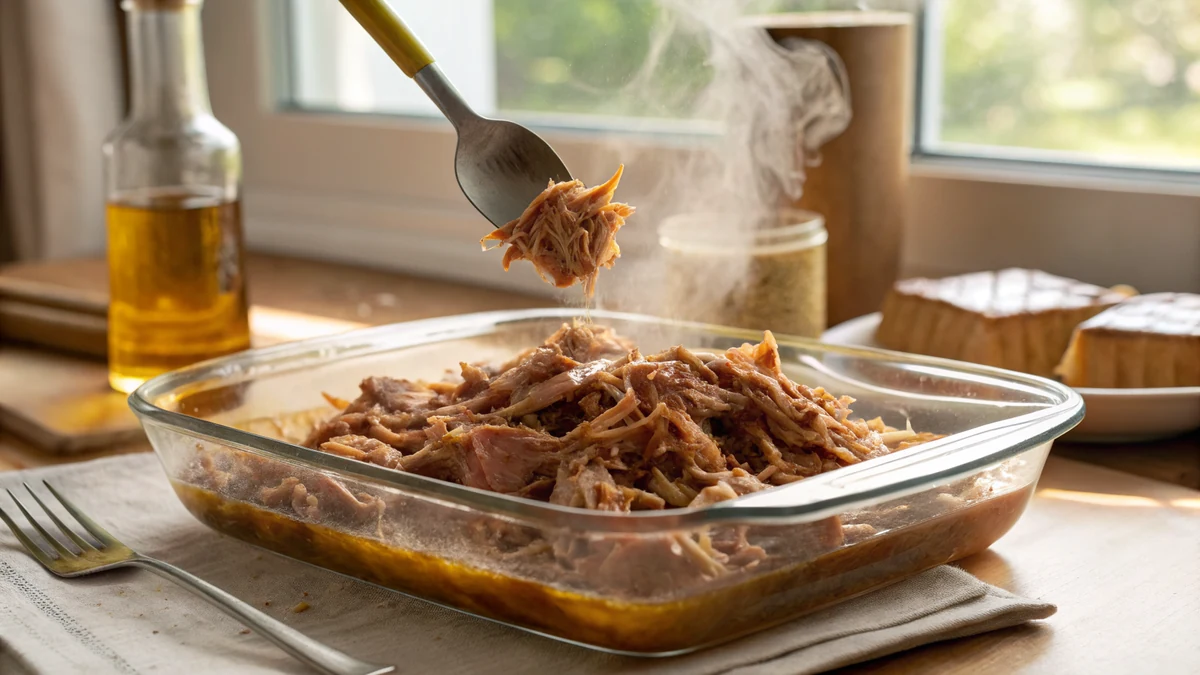
The short answer: the best way to reheat pulled pork is low and slow with moisture added back. Put the pork in a dish, add a few tablespoons of reserved juices, broth, or apple juice per pound, cover tightly with foil, and warm it in a 250F oven until it reaches 165F internal, about 30 to 40 minutes. The low heat and trapped steam keep it tender. Skip the dry, uncovered microwave blast, which is the fastest way to turn good pulled pork into a pile of dry, rubbery shreds.
The Golden Rule: Low Heat and Moisture
Every good reheating method for pulled pork follows the same two principles, so if you remember nothing else, remember these. First, add moisture back before you reheat. Pulled pork loses liquid as it cools and sits in the fridge, and the fat firms up, so the meat that was dripping when you pulled it can feel dry a day later. A splash of liquid reverses that.
Second, use gentle heat and keep it covered. High, fast heat drives moisture out of the meat and toughens the muscle fibers, which is exactly what you do not want. Low heat warms the pork through slowly while the rendered fat and collagen soften again, and a tight cover traps steam so the surface does not dry out. Low and slow got you here, and low and slow brings it back.
What liquid should you add? In order of preference: the reserved cooking juices from when you made the pork, then a good broth, then apple juice, which adds a subtle sweetness that suits pork. Even a little of your finishing sauce works. If you saved the juices from your Texas pulled pork or your gluten-free BBQ pulled pork, this is the moment they earn their keep.
The Best Method: Reheating Pulled Pork in the Oven
The oven is my go-to for any amount of pulled pork bigger than a single plate, because it heats the meat evenly and gently. Start by letting the pork sit out for a few minutes while the oven preheats to 250F. Spread the pork in an oven-safe baking dish, breaking up any large clumps so it warms uniformly.
Now add your moisture, roughly two to four tablespoons of reserved juices, broth, or apple juice per pound of pork, scattered over the top. Cover the dish tightly with a lid or a double layer of foil, crimping the edges so steam cannot escape. That seal is what keeps the pork from drying out, so do not skimp on it. A loose cover lets all your moisture float away.
Warm it in the oven for 30 to 40 minutes, depending on the quantity, until an instant-read thermometer pushed into the center reads 165F. Give it a gentle stir halfway through if you have a lot. When it is hot, uncover, toss it with any extra sauce, and serve. The pork should look glossy and feel tender, not parched. Piled onto a bun it is just as good as day one, maybe better.
Reheating Pulled Pork on the Stovetop
The stovetop is fast and great for smaller portions, and it gives you a little control that the oven does not. Use a skillet or saucepan over medium-low heat. Add the pork along with a splash of juice or broth, just enough to film the bottom of the pan and create steam, then cover with a lid.
Let it warm gently, stirring every couple of minutes so it heats evenly and nothing sticks or scorches. The lid traps steam to keep things moist, and the occasional stir spreads the heat. In about five to ten minutes the pork will be hot through. Check that it reaches 165F, then pull it off the heat so it does not keep cooking and drying.
One bonus of the stovetop: if you like a few crispy, caramelized bits, you can uncover the pan at the very end, raise the heat briefly, and let some of the pork catch and crisp against the hot metal. Those frizzled edges are wonderful tucked into a taco or piled on a sandwich alongside chopped brisket. Just do not walk away, because the line between crispy and burnt is short.
Sous Vide: The Hands-Off Restaurant Method
If you own an immersion circulator, sous vide is hands down the gentlest way to reheat pulled pork, and it is how a lot of barbecue restaurants hold their meat. Because the water bath never goes above your target temperature, it is nearly impossible to dry the pork out or overheat it. The texture comes back almost exactly as it was fresh.
If the pork is already in a vacuum-sealed bag from freezing, even better; just drop the sealed bag straight into the bath. Otherwise, bag it with a splash of juices, pressing out the air. Set the circulator to about 165F and submerge the bag for 45 minutes to an hour, depending on how thick the pile is, until it is hot through.
The beauty here is the total lack of babysitting and the forgiving timing; an extra fifteen minutes in the bath will not hurt anything. When it is hot, snip the bag, pour the pork and its juices into a bowl, and toss with sauce. This is my preferred method when I have ribs and pork going at the same time, since the bath handles both; my guide on how to reheat smoked ribs covers that half of the fridge. It is the same principle behind my sous vide beef short ribs.
The Microwave: How to Do It Without Ruining It
I will be honest, the microwave is my least favorite way to reheat pulled pork, because it heats unevenly and tends to dry the meat into rubbery shreds. But sometimes you just want one plate of leftovers in two minutes, and in that case there is a right way to do it that minimizes the damage.
Put the pork in a microwave-safe bowl and add a real splash of liquid, more than you think you need, because the microwave drives off moisture aggressively. Cover the bowl with a damp paper towel, which adds a little steam and protects the surface. Then, crucially, heat at half power in 30 second bursts, stirring between each one to even out the hot spots.
Stop as soon as it reaches 165F. Microwaving at full power straight through is what produces those dry, tough results everyone complains about; the lower power and the stirring make all the difference. It still will not match the oven or sous vide, but done this way, a quick microwave plate of pulled pork is perfectly respectable on a busy weeknight.
Reheating Pulled Pork From Frozen
Pulled pork freezes beautifully, which is one of the reasons I always make a big batch. For the best results, move the frozen pork to the fridge a day ahead and let it thaw slowly overnight, then reheat with any of the methods above. Thawed pork warms evenly and keeps its texture better than pork heated straight from a frozen block.
When you are caught without time to thaw, the oven handles frozen pork best. Put the frozen block in a covered dish with a generous amount of liquid and warm it at around 300F, stirring and breaking it up as it loosens, until it is fully thawed and reaches 165F throughout. It takes a while, often 45 minutes to an hour or more, but the tight cover and added moisture protect it.
Freezing tip for next time: portion the pork into meal-sized amounts with some of its juices before it goes in the freezer, ideally vacuum-sealed or in flat freezer bags with the air pressed out. Flat bags thaw and reheat faster, and pre-portioning means you only reheat what you need, so you never have to refreeze. Properly stored, pulled pork keeps well in the freezer for up to three months.
Storage and Food Safety
A few simple rules keep leftover pulled pork safe. Refrigerate it within two hours of cooking, in shallow containers so it cools quickly, and use it within three to four days. If you will not get to it in that window, freeze it. When you reheat, always bring it all the way to 165F, which the USDA lists as the safe reheating temperature for leftovers, and use a thermometer to confirm rather than guessing.
Reheat only the portion you plan to eat, and reheat it only once. Repeatedly cooling and rewarming the same pork is both a food-safety risk and rough on the texture. The danger zone, between 40F and 140F, is where bacteria multiply, so the goal is always to move the meat through that range quickly, whether you are cooling it down or heating it up. This is exactly why I steer people away from reheating cold pork slowly in a slow cooker.
Beyond safety, good storage is what makes the leftovers worth eating. Keep the pork in its juices when you can, because that liquid is your insurance against dryness later. With the meat stored well and reheated gently, leftover pulled pork becomes its own reward: quick tacos, loaded baked potatoes, nachos, or another round of sandwiches with a fresh slick of sauce.
Reheating Pulled Pork FAQ
What is the best way to reheat pulled pork?
The best way to reheat pulled pork is low and slow in the oven with added moisture. Put the pork in a baking dish, add a splash of leftover juices, broth, or apple juice, cover tightly with foil, and warm at 250F until it reaches 165F internal, usually 30 to 40 minutes. The low temperature and trapped steam keep the meat tender and juicy instead of drying it out, which is exactly what happens when you blast it in the microwave.
How do you reheat pulled pork without drying it out?
The key is moisture plus gentle heat. Always add liquid back before reheating, since pulled pork loses moisture as it sits. A few tablespoons of reserved cooking juices, broth, or apple juice per pound works well. Cover the dish so the steam stays in, and use a low temperature, around 250F in the oven or a gentle simmer on the stove. Reheat only until it hits 165F; pushing it hotter just squeezes out more moisture and toughens the meat.
Can you reheat pulled pork in the microwave?
You can, and it is fine for a single plate in a hurry, but it is my least favorite method because it dries the pork and heats unevenly. If you must, put the pork in a microwave-safe bowl, add a splash of juice or broth, cover with a damp paper towel, and heat in 30 second bursts at half power, stirring between each, until it reaches 165F. The added liquid and the lower power setting are what keep it from turning into rubbery, dry shreds.
How do you reheat a large amount of pulled pork for a party?
For a crowd, the oven and the slow cooker are your friends. To reheat a big batch, spread it in a covered roasting pan with plenty of added juices and warm at 250F until hot through. To hold it for serving, transfer the hot pork to a slow cooker set to warm with extra liquid, and stir occasionally. Do not reheat directly from cold in a slow cooker, though, because it spends too long in the bacterial danger zone before it gets hot.
Can you reheat pulled pork from frozen?
Yes. For the best texture, thaw it overnight in the fridge first, then reheat using the oven or stovetop method with added moisture. If you are reheating straight from frozen, use the oven: put the frozen pork in a covered dish with plenty of liquid and warm at 300F, stirring occasionally, until it fully thaws and reaches 165F. It takes longer, but keeping it covered with moisture protects the texture. Avoid microwaving large frozen blocks, which cook unevenly.
What temperature should reheated pulled pork reach?
Reheat pulled pork until it reaches an internal temperature of 165F, which the USDA lists as the safe reheating temperature for leftovers. Use an instant-read thermometer to check rather than guessing. Heating it to 165F kills any bacteria that may have grown during storage, while stopping there, rather than overheating, keeps the meat from drying out. Reheat leftovers only once; repeatedly cooling and reheating the same pork is both a food-safety risk and bad for the texture.
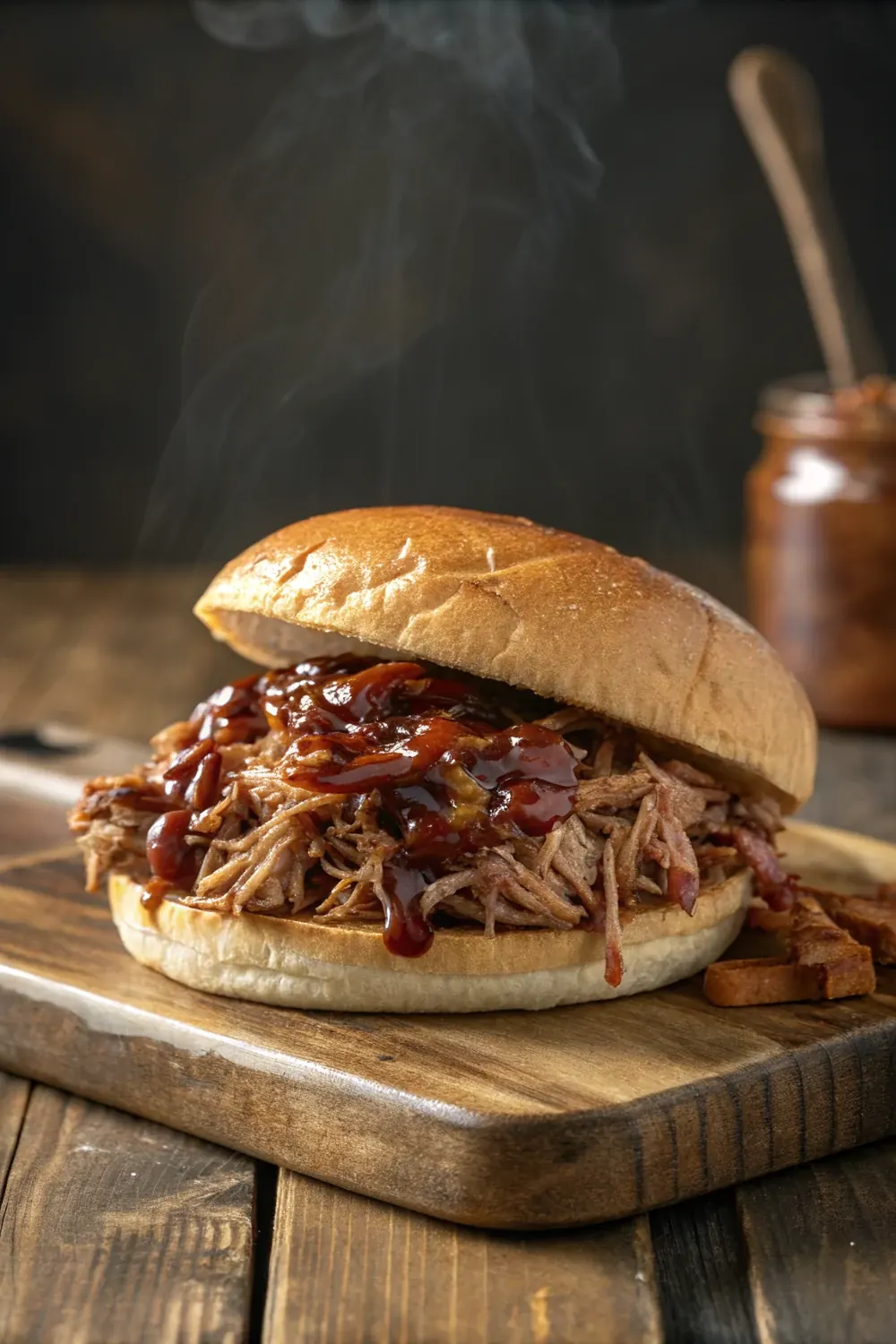
Making the pork in the first place? Start with my Texas pulled pork or, for a celiac-safe version, my gluten-free BBQ pulled pork. Both make enough to guarantee you will be reheating leftovers all week.