
BBQ kitchen
How Much Pulled Pork Per Person
Few things cause more pre-party stress than figuring out how much meat to buy, and pulled pork is especially tricky because of how much weight it loses in the cook. I have catered enough backyard parties and church potlucks to have the math down cold, so let me give you simple, reliable numbers you can plan around, whether you are feeding ten people or a hundred.
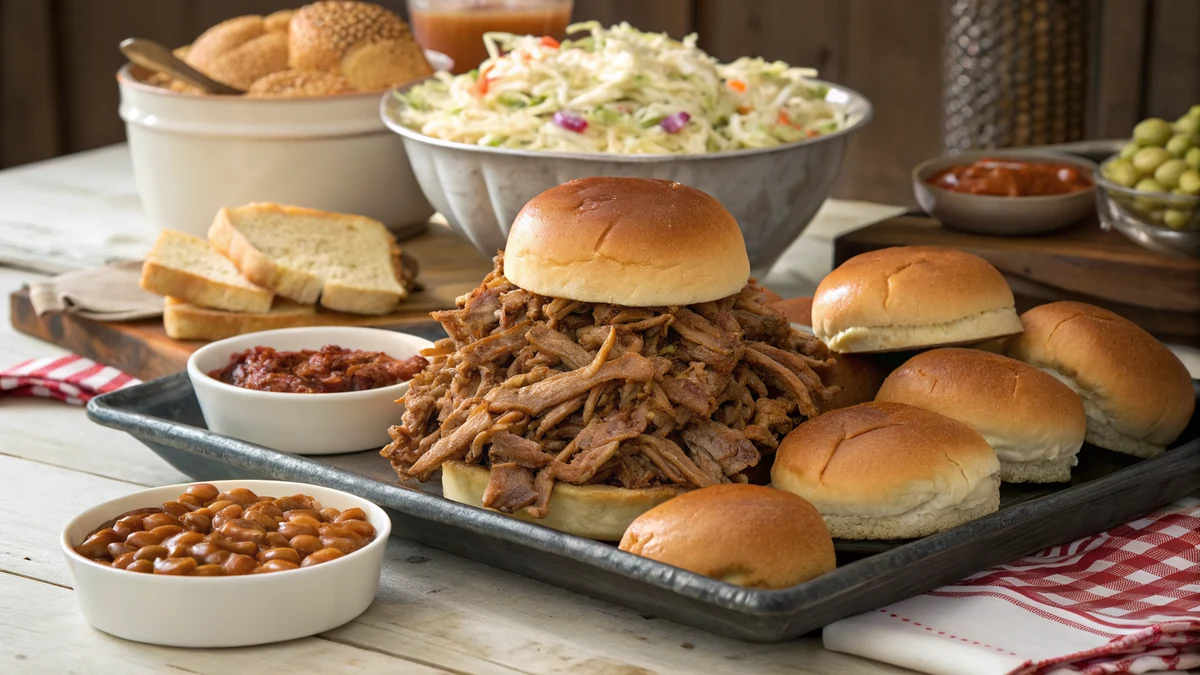
The short answer: plan on about one third of a pound, roughly 5 ounces, of cooked pulled pork per person when it is the main dish. Because a raw pork shoulder loses about half its weight during the long cook, that means buying about one half pound of raw pork per person. So for 10 guests, cook about 3.5 pounds (buy 6 to 7 pounds raw); for 20, cook 7 pounds (buy 13 to 14 raw); for 50, cook 17 pounds (buy about 33 raw); and for 100, cook about 33 pounds (buy 65 to 70 raw). Round up, because leftovers are a gift.
The Base Number: One Third Pound Cooked
Every portion plan starts from a single figure: about one third of a pound, or roughly 5 ounces, of cooked pulled pork per adult when it is the centerpiece of the meal. That is the amount that leaves people satisfied on a plate or in a generous sandwich without mountains of waste. It is the number caterers use, and it has never let me down across years of cooking for crowds.
That figure assumes pulled pork is the main event and that you are serving the usual lineup of sides alongside it. If the pork is the star of a plate with beans, slaw, and bread, a third of a pound cooked is right. People will take seconds of the sides more often than the meat, which is why the sides stretch the pork further than you might expect.
You can flex this number based on the situation, which I will get into below. Lighter appetites, kids, or a spread where pulled pork is just one of several proteins all push the per-person amount down toward a quarter pound. Big eaters, a pork-focused menu, or a teenage crowd push it up toward half a pound. But a third of a pound cooked is the anchor everything else adjusts from.
Why You Buy Double: The 50% Cooking Loss
Here is the part that trips everyone up, and the reason people run short. A raw pork shoulder loses roughly 40 to 50 percent of its weight during a long, low cook. That weight disappears as fat renders out, moisture evaporates over the many hours on the smoker, and, in a bone-in butt, the bone you pull out at the end. The pile of finished pork is dramatically smaller than the raw roast you started with.
What that means in practice is that you have to buy about twice as much raw pork as the cooked amount you want to serve. If you need 5 pounds of finished pulled pork for your guests, you should buy roughly 10 pounds of raw pork shoulder. Doing the math on the raw weight by mistake is the single most common reason hosts end up scraping the pan and apologizing for running out.
So the formula is two simple steps. First, multiply your guest count by one third of a pound to get the cooked weight you need. Second, double that number to get the raw weight to buy. An average bone-in pork butt runs about 7 to 8 pounds raw and yields roughly 3.5 to 4 pounds cooked, which is a handy unit to think in. My Texas pulled pork recipe walks through that whole cook if you want the method behind the numbers.
Pulled Pork by Group Size
Here is the quick reference I keep in my head, built on a third of a pound cooked per person and the doubling rule for raw weight. For 10 people: about 3.5 pounds cooked, so buy 6 to 7 pounds raw, which is one average pork shoulder. For 20 people: about 7 pounds cooked, so buy 13 to 14 pounds raw, roughly two shoulders.
For 30 people: about 10 pounds cooked, so buy around 20 pounds raw, which is three shoulders. For 50 people: about 17 pounds cooked, so buy 33 to 34 pounds raw, roughly four to five shoulders. And for 100 people: about 33 pounds cooked, so buy 65 to 70 pounds raw, which is nine or ten average pork butts. Notice the pattern: the raw pounds to buy are always close to two thirds of the head count.
For the big numbers, I always round up rather than down. The cost of a little extra pork is small next to the misery of running out halfway through serving a crowd of fifty. And because pulled pork refrigerates, freezes, and reheats so well, any extra is never truly wasted; it just becomes next week's tacos and sandwiches. If you need to bring it back later, my guide on the best way to reheat pulled pork keeps the leftovers juicy.
Adjusting for Appetites, Mains, and Sliders
The base number bends with the crowd and the format. For a group with big appetites, hungry teenagers, or a tailgate where people circle back for thirds, push up toward half a pound of cooked pork per person. For an older crowd, a lunch rather than a dinner, or a daytime event, a quarter pound cooked each is usually plenty. Read the room and the time of day.
If pulled pork is not the only main, scale it back. When you are also serving brisket, sausage, or chicken, no single meat needs a full portion, so figure a quarter pound of cooked pork per person, or even less, and let the proteins share the load. Brisket runs its own, slightly heavier math, which my brisket per person guide covers with the same cooked-yield logic. People love a little of everything at a barbecue, so a multi-meat spread naturally stretches each one further. The same yield logic runs on the holiday bird, where the numbers are harsher still because a whole turkey is so much bone: my guide to how much turkey per person completes the set.
Sliders and sandwiches change the math in a helpful direction. A pound of cooked pork makes about four to five sandwiches at 3 to 4 ounces each, and sliders use even less, about 2 ounces apiece. For a slider bar where people graze, plan on most adults eating two or three small ones and lean on the lower end of your meat estimate, while making sure you have plenty of buns and Texas BBQ sides to round out the plates.
Buns, Sauce, and Sides to Match
Once the pork is sorted, the rest of the spread follows from it. For buns, plan on about one and a half per person for a sandwich-focused meal, since some people will build a second. Slider buns you can figure at two to three per person. Always buy a few extra packs of buns; they are cheap, and running out of bread at a pulled pork party is its own small tragedy.
For sauce, a good rule is about two to three ounces per person if you are serving it on the side, which most Texans prefer so everyone can sauce to taste. That works out to roughly a pint of sauce for every eight to ten people. Offer a couple of options if you can, a tangy vinegar style and a sweeter tomato style, so the table can choose. Keeping sauce on the side also means leftover pork stays unsauced and more versatile.
Sides are where you make the meal feel abundant without buying more meat. Plan on roughly a half cup of each side per person, and offer two or three: classic coleslaw for crunch and acid, a pot of BBQ baked beans, and something starchy like potato salad or cornbread. Generous sides are the secret to making your carefully calculated pork stretch comfortably across the whole crowd.
Portion math is only half of hosting a big cook. The other half is the calendar: when to shop, when to trim, and what order things go on the pit so everything lands at the same serving time. My Labor Day BBQ timeline lays that out hour by hour for a holiday cookout, and the same schedule works for any large gathering.
Leftovers Are a Feature, Not a Mistake
I want to push back gently on the fear of cooking too much, because with pulled pork, a surplus is genuinely a good thing. This is not a dish that suffers as leftovers. Stored in its juices and reheated gently, day-two pulled pork is every bit as good as day one, and arguably the flavors settle and deepen overnight the way they do in a pot of chili or beans.
That changes the calculus when you are deciding whether to round up. The downside of slightly too much pork is a few containers of delicious leftovers; the downside of too little is a host scrambling and guests left hungry. Given that asymmetry, I almost always cook a little extra, especially for big events where the per-person math has more room for error across a hundred plates.
And the leftovers are endlessly useful. Pulled pork becomes tacos, quesadillas, nachos, loaded baked potatoes, breakfast hash with eggs, and of course more sandwiches. Portion and freeze what you will not eat within a few days, and you have effortless future dinners banked. So buy with confidence, round up rather than down, and treat any extra as the small reward it is for feeding people well.
Pulled Pork Portions FAQ
How much pulled pork per person should I make?
Plan on about one third of a pound of cooked pulled pork per person as a main dish, which is roughly 5 ounces. Because a raw pork shoulder loses about half its weight during the long cook, that means buying about one half pound of raw pork per person. For lighter eaters or when pulled pork is one of several mains, a quarter pound cooked each is enough. Bump it up for big appetites or a pork-focused spread.
How much pulled pork for 10 people?
For 10 people eating pulled pork as the main dish, plan on about 3 to 3.5 pounds of cooked pork, which means buying roughly 6 to 7 pounds of raw pork shoulder. A single average bone-in pork butt usually weighs 7 to 8 pounds raw and yields around 3.5 to 4 pounds cooked, so one shoulder comfortably covers a group of 10 with a little left over for seconds or leftovers.
How much pulled pork for 20, 30, or 50 people?
Using the one third pound cooked per person rule: for 20 people you need about 7 pounds cooked, or 13 to 14 pounds raw. For 30 people, about 10 pounds cooked, or 20 pounds raw. For 50 people, about 17 pounds cooked, or 33 to 34 pounds raw. Since pork shoulders run around 7 to 8 pounds each raw, that is roughly two shoulders for 20 guests, three for 30, and four to five for 50.
How much pulled pork for 100 people?
For 100 people, plan on about 33 pounds of cooked pulled pork, which means buying roughly 65 to 70 pounds of raw pork shoulder. That works out to about nine or ten average bone-in pork butts. For a group this size I always round up and cook a little extra, both as a safety margin and because pulled pork keeps and reheats so well that leftovers are never wasted.
Does pork shoulder lose weight when you cook it?
Yes, and it is a big loss, which is why portion math trips people up. A raw pork shoulder loses roughly 40 to 50 percent of its weight during a long, low cook. That loss comes from rendered fat, evaporated moisture, and the bone you remove. So an 8 pound raw bone-in butt yields only about 4 to 4.5 pounds of finished pulled pork. Always do your portion math on the cooked weight, then double it to find how much raw pork to buy.
How many pulled pork sandwiches does a pound make?
A pound of cooked pulled pork makes about four to five sandwiches, since a good sandwich holds roughly 3 to 4 ounces of meat. So if you are serving sliders or sandwiches rather than plated portions, plan on about a quarter pound of cooked pork per sandwich and figure on most adults eating one to two. For a slider bar where people graze, lean toward the lower end and provide plenty of buns and sides.
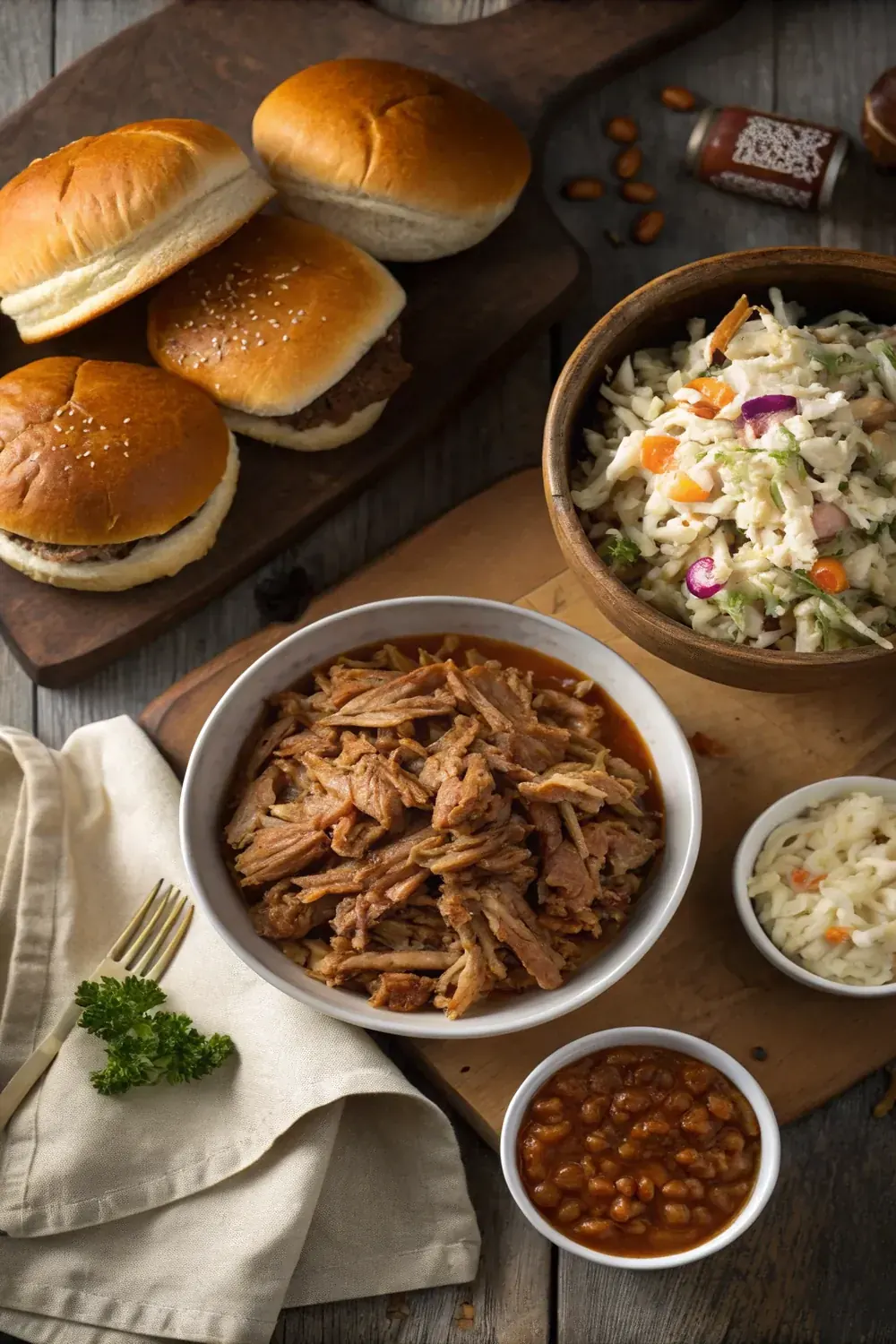
Ready to cook? My Texas pulled pork and gluten-free BBQ pulled pork recipes both scale up cleanly for a crowd, and the Texas BBQ sides guide rounds out the table.