Southern Comfort Food
Texas Roadhouse Chicken Critters Copycat
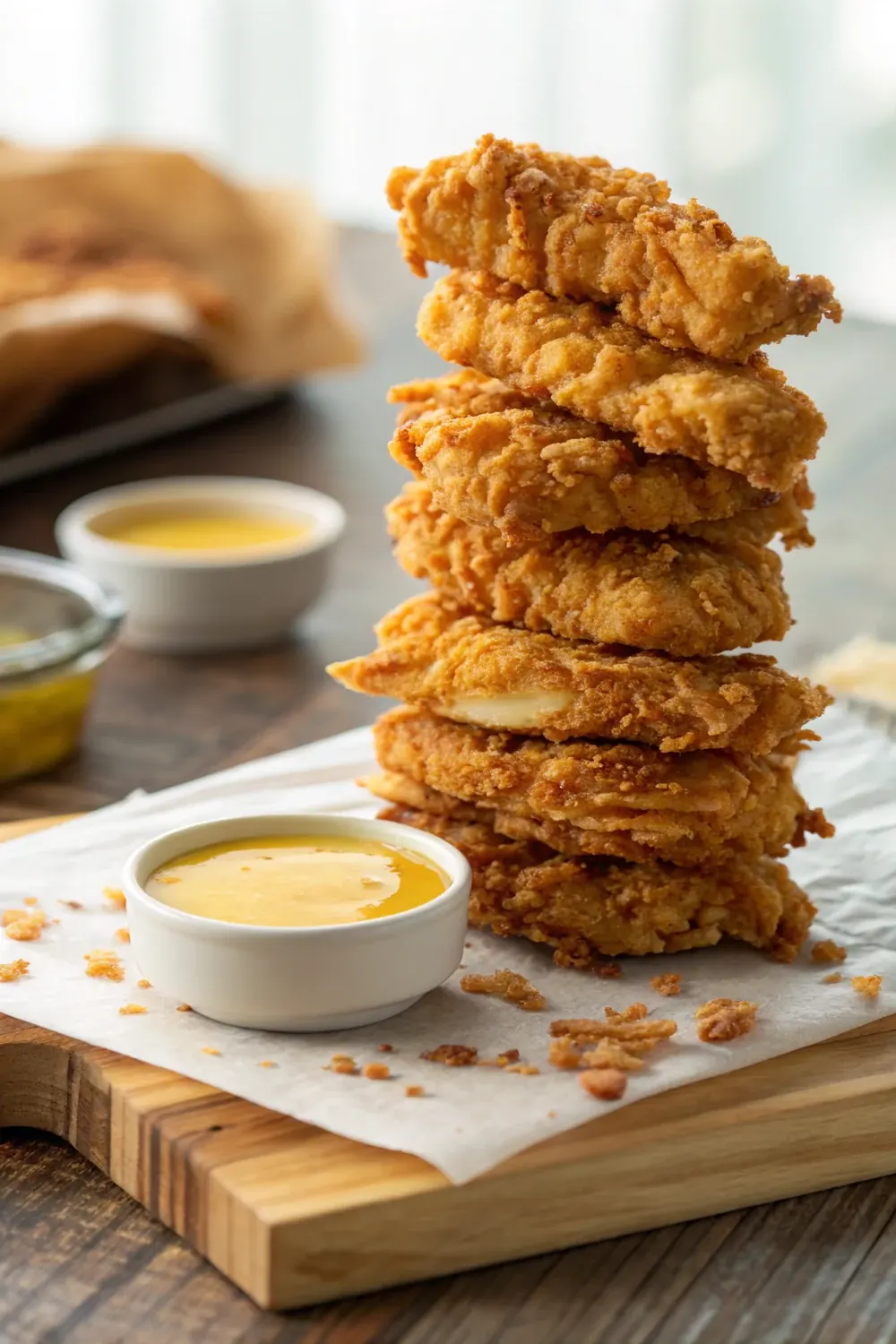
Chef Mia's Texas Roadhouse Chicken Critters copycat: hand-battered crispy chicken tenders fried golden, with the honey mustard dip they are famous for.
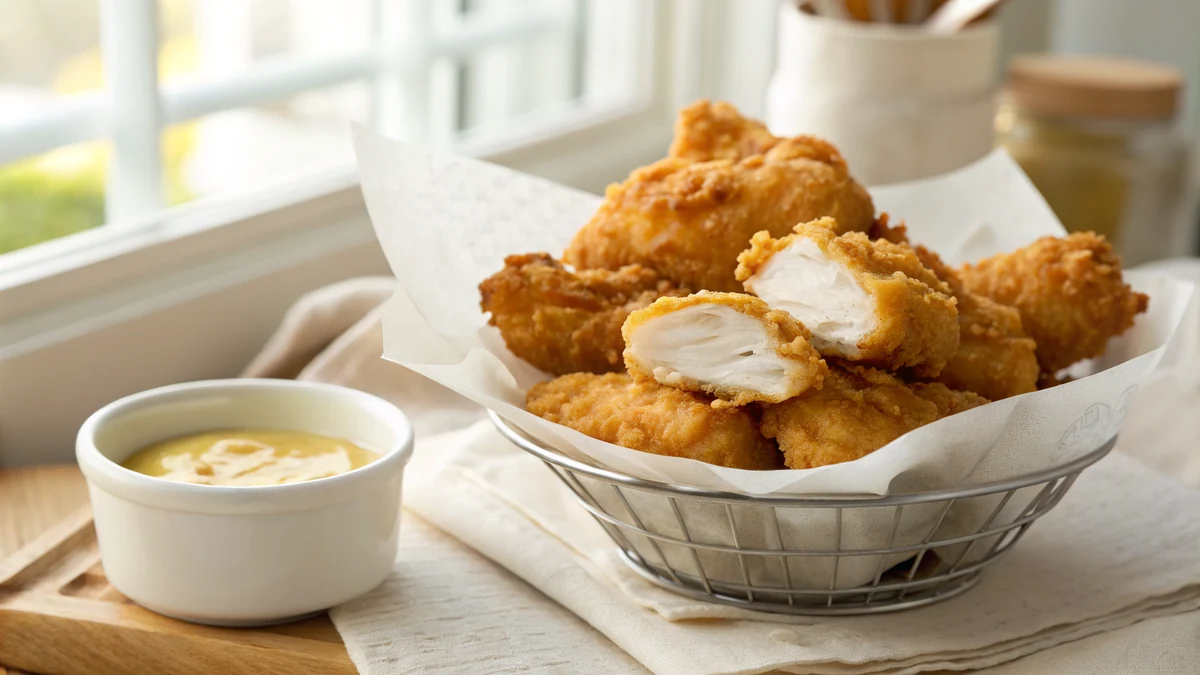
Quick answer: Texas Roadhouse Chicken Critters are hand-battered fried chicken tenders. You soak chicken tenderloins in seasoned buttermilk, dredge them in a craggy seasoned flour, and fry them at 350F for 4 to 5 minutes until golden and crisp and the center reaches 165F. The crust stays light and crunchy, never heavy, and they come with a honey mustard dip on the side. At home the whole batch takes about 30 minutes and serves four as a meal or six as an appetizer. The keys are the buttermilk soak, a hand-pressed shaggy crust, and frying at a steady 350F.
Chicken Critters are the menu item my kids beg for before we even sit down at Texas Roadhouse. They are crispy hand-battered chicken tenders, golden and craggy, served with a little cup of honey mustard for dunking. They show up as an appetizer and as a full meal, and at our table they vanish either way. I spent a few rainy afternoons frying batch after batch to get the crust right at home.
The good news is that Critters are simpler than the chain's gravy-smothered plates. There is no cream gravy to build and no cutlet to pound thin. It is tenders, buttermilk, seasoned flour, and hot oil, plus the dip. If you have made my Texas Roadhouse country fried chicken, you know the breading rhythm already, but these are lighter, in finger-food form, and built for dunking rather than smothering.
I make these for game day, for picky eaters, and for any night the family wants something fun with their hands. Heat the oil, set out the dips, and let me walk you through the version that finally tasted like the restaurant after more test batches than my waistline would like to admit. When the kids want that same fried crunch with a grown-up kick, I make my Nashville hot chicken with mac and cheese, and for a sweeter spin on the tender format, my apple honey glazed chicken tenders trade the dipping sauce for a fresh-apple glaze.
What Chicken Critters Are at Texas Roadhouse
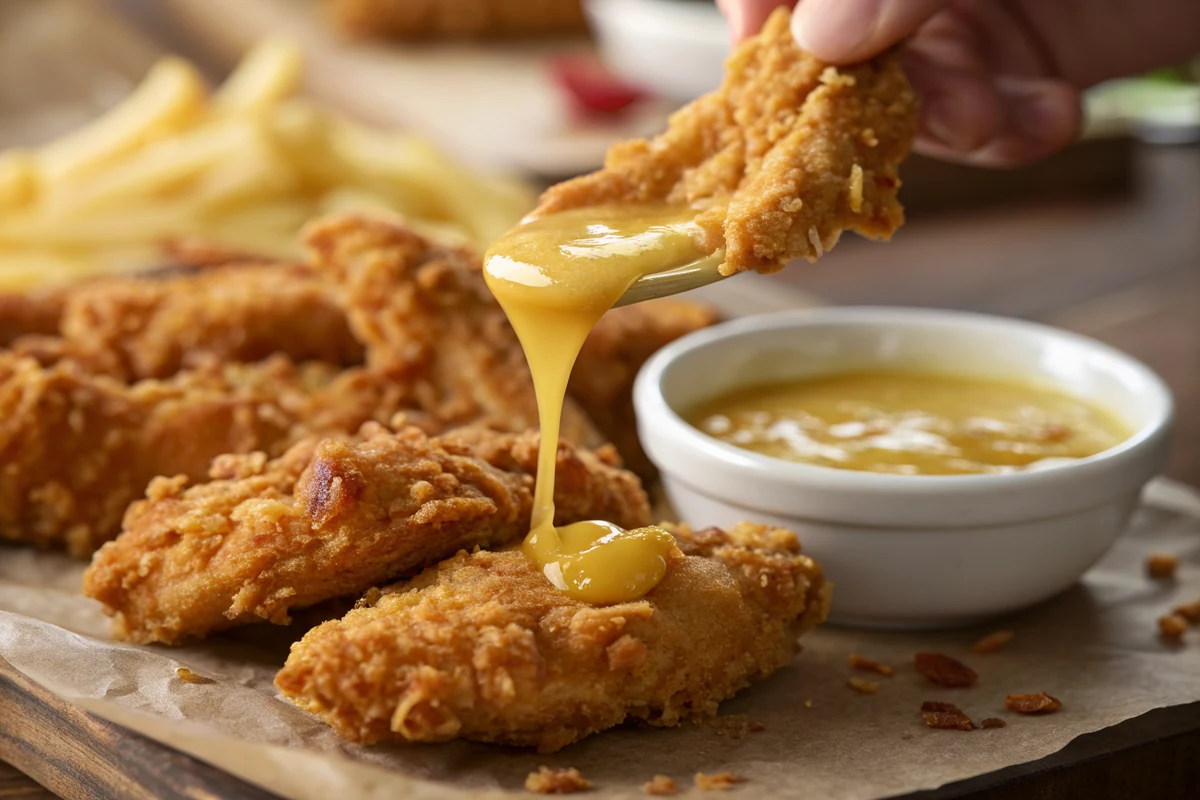
Chicken Critters is the fun Texas Roadhouse name for their hand-battered fried chicken tenders. They are strips of chicken breast soaked, breaded in a seasoned flour, and fried until golden and crisp, then served with a dipping sauce, most famously honey mustard. You will find them as a shareable appetizer and as a full dinner platter with sides.
The crust is the whole identity of a Critter. It is craggy and shaggy rather than smooth, with crunchy ridges that catch the dip. That texture comes from a wet buttermilk soak followed by a firmly pressed dry flour dredge, not from a thick wet batter. Get that crust right and you are most of the way to the restaurant version.
It helps to know what Critters are not, because Texas Roadhouse has a few breaded chicken dishes. Critters are finger-food tenders for dunking. They are not a flat cutlet under gravy, and they are not a sandwich. Keeping that picture in mind tells you to cut even strips, keep the crust light, and lean into the dips.
How Critters Differ From Country Fried Chicken
People mix these up all the time, so it is worth being clear. Chicken Critters are tenders, cut into strips, fried crisp, and served dry with a dip on the side. They are light, crunchy, and built for your hands. The flavor lives in the seasoned crust and whatever sauce you reach for.
My Texas Roadhouse country fried chicken and chicken fried chicken are a different animal. Those are flat breaded chicken breasts smothered in a peppery white cream gravy and eaten with a knife and fork as a Southern comfort plate. Same chain, same breading family, completely different eating experience.
So if you are craving crunchy strips to dunk in honey mustard, Critters are your recipe. If you want a saucy, smothered, fork-and-knife dinner, head to one of the gravy plates instead. I keep both in rotation because they scratch totally different itches, and the breading skills carry over from one to the other.
Choosing the Chicken
The easiest path is to buy chicken breast tenderloins, the small strips of tender meat that come already separated. They are uniform, quick to cook, and naturally the right finger-food size, which is why I reach for them first. A pound and a half feeds my family of four as a meal with sides left over for snacking.
If tenderloins are not in the case, buy boneless skinless breasts and slice them yourself into strips about an inch wide. Cut against the grain for tenderness, and try to keep the strips even in thickness so they fry at the same rate. A thick chunk next to a thin sliver means one is dry while the other is still raw.
Whichever you use, pat the chicken dry before it goes into the buttermilk if it is wet from the package, and trim any stringy bits of tendon. Even, clean strips give you even cooking and a tidy crust. This is a humble step that quietly makes the whole batch look and taste more like the restaurant.
The Buttermilk Soak
The buttermilk soak does three jobs at once, and skipping it is the most common reason homemade tenders disappoint. First, its gentle acidity tenderizes the surface of the chicken so the meat stays juicy. Second, it seasons the chicken from the outside in when you salt the soak. Third, it is the glue that makes the flour cling.
Thirty minutes is the minimum, and a few hours or overnight in the fridge is even better. I whisk an egg and a splash of hot sauce into the buttermilk for extra cling and a faint background warmth that is not spicy. If you do not keep buttermilk around, stir a tablespoon of lemon juice or vinegar into regular milk and let it sit five minutes.
Do not rinse the chicken after the soak. You want it to come out dripping with seasoned buttermilk, because that wet surface is exactly what grabs and holds the dry flour. Lift each piece, let the heavy excess drip back into the bowl, and go straight into the dredge while it is still tacky.
Building the Craggy Crust
The signature crunchy, ridged crust comes from how you handle the flour, not from a thick batter. Season the flour boldly with salt, pepper, paprika, garlic, and onion, plus a little cayenne if you like warmth. A half teaspoon of baking powder in the flour lightens the crust and helps it shatter-crisp instead of turning dense.
Press the wet tender firmly into the flour, then scoop more flour over the top and press again. The goal is to mash little shaggy clumps of moistened flour onto the surface. Those clumps are what fry into the craggy ridges that define a Critter. A smooth, lightly dusted tender fries up flat and boring by comparison.
Once dredged, let the coated tenders rest on a rack for five to ten minutes before frying. This rest lets the flour hydrate and bond to the chicken so the crust does not slide off in the oil. It is a small wait that makes a big difference in how well the coating sticks and how crunchy it ends up.
Frying Temperature and Oil
Temperature control is the make-or-break skill for fried chicken of any kind. I fry Critters at a steady 350F, and I clip a thermometer to the pot so I can see the number the whole time. Too cool and the crust drinks oil and turns greasy and pale. Too hot and the outside burns before the inside reaches a safe temperature.
Use an oil with a high smoke point and a neutral flavor. Peanut oil is my favorite for its clean taste and high tolerance for heat, but vegetable, canola, or refined sunflower oil all work well. Pour in enough to come up about two inches in a heavy, deep pot so the tenders have room to float and bob freely.
Fry in small batches and let the oil recover to 350F between each one. Crowding the pot dumps in cold chicken that crashes the temperature, and a crashed temperature means soggy crust. It feels slower to fry a few at a time, but the results are so much crisper that it is always worth the extra few minutes.
The Honey Mustard and Other Dips
Honey mustard is the classic Critter partner, and a good one is just yellow or Dijon mustard, honey, mayonnaise, and a splash of vinegar whisked smooth. It is sweet, tangy, and creamy all at once, and it clings to the craggy crust beautifully. I always make a double batch because it disappears faster than the chicken does.
If you want the exact steakhouse-style dip, my Texas Roadhouse honey mustard recipe nails that sweet and tangy balance and takes about two minutes to stir together. Make it ahead and chill it while the oil heats, and the flavors will have time to meld into something better than any bottle.
Critters are happy to swim in other sauces too. Barbecue sauce, ranch, a creamy buffalo sauce, or even a cup of warm country gravy on the side all work. Set out a little flight of dips for a party and let everyone pick their favorite. Variety is half the fun of a basket of tenders.
Air Fryer and Oven Methods
You can make a lighter version of Critters in an air fryer with good results. Bread them the same way, spritz them generously with oil all over so no dry flour remains, and air fry at 400F for about 12 minutes, flipping halfway, until golden and crisp and the center reaches 165F. They will be a touch less craggy but genuinely crunchy and far less greasy.
For an oven version, set the breaded tenders on a wire rack over a sheet pan, spray them well with oil, and bake at 425F for about 18 to 20 minutes, flipping once. The rack lets hot air circulate underneath so the bottoms crisp instead of steaming. It is the hands-off route when you do not want to stand over hot oil.
Either method benefits from a real oil spritz rather than a dry coating. The fat is what turns flour golden and crisp, so the spots you miss will look pale and taste floury. Mist again partway through cooking if any patches look dry. Neither method beats deep frying for crunch, but both make a respectable weeknight Critter.
Serving Them as a Meal or an Appetizer
As a full dinner, I serve Critters the way the restaurant does, with two sides and plenty of dip. Mashed potatoes, seasoned rice, buttery green beans, or a crisp salad all round out the plate. A basket of warm Texas Roadhouse rolls with cinnamon butter turns it into a proper steakhouse spread.
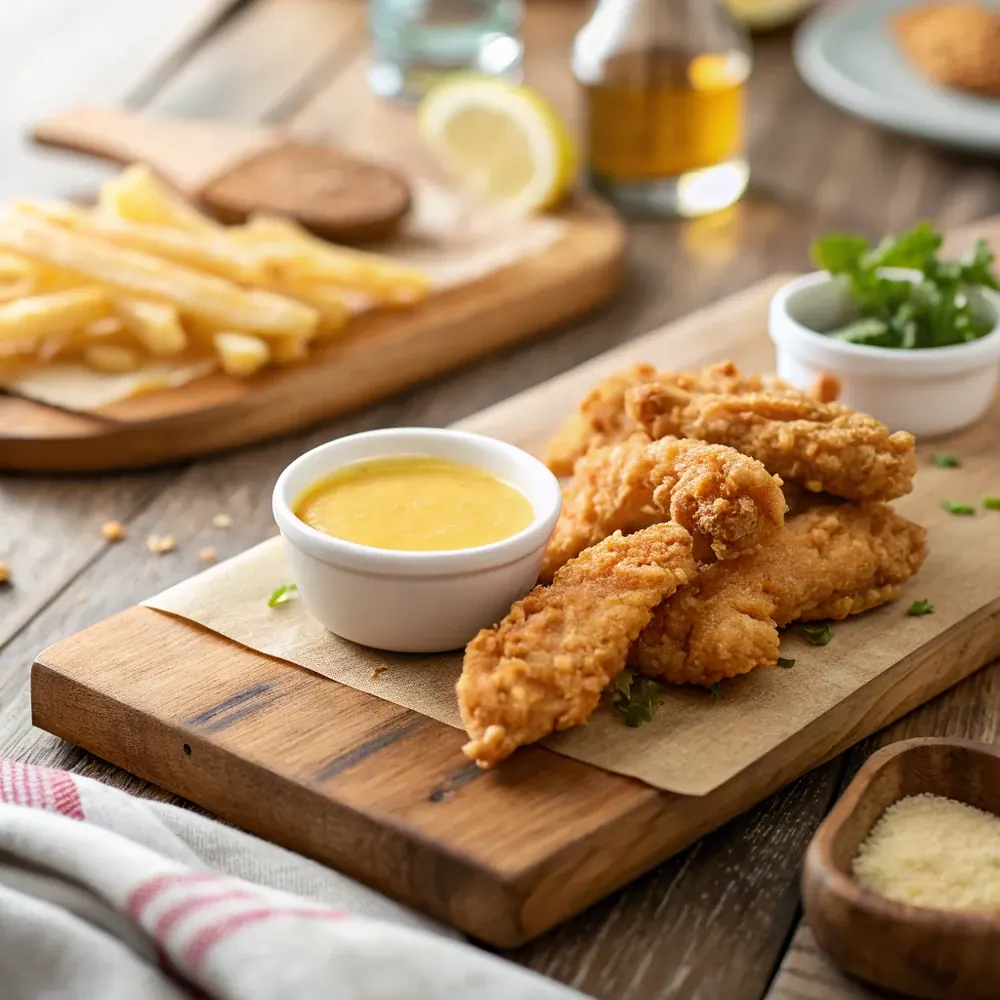
As an appetizer or party food, pile the Critters on a board with several little bowls of dips and let people graze. They are right at home next to other shareable fried bites like my Texas Roadhouse fried pickles, and the two together make an easy crowd-pleasing spread for game day or a casual get-together.
Kids love Critters with a side of fruit and some honey mustard, which makes them a reliable weeknight win in my house. However you serve them, get them to the table fast. Fried food is at its absolute best in the first few minutes, when the crust is still crackling and hot from the oil.
Make-Ahead, Storage, and Reheating
You can get ahead in a few smart ways. The buttermilk soak can run overnight, and the seasoned flour can be mixed days in advance and kept in a sealed jar. The dipping sauce keeps for a week in the fridge. With those done, the actual frying on the day takes only about fifteen minutes from cold oil to crispy tenders.
Leftover Critters keep in an airtight container for up to three days. The trick is reheating them so they crisp back up instead of going soft. Skip the microwave, which steams the crust limp. Reheat them in a 375F oven or an air fryer for about 6 to 8 minutes until hot and crunchy again, and they come back remarkably close to fresh.
For longer storage, freeze the fried, fully cooled tenders in a single layer, then bag them. Reheat from frozen in a 375F oven for about 15 minutes. You can also freeze them breaded but unfried, though I find the texture is best when you fry them fresh and freeze the cooked extras for fast future snacking.
Easy Variations to Try
Turn up the heat for a spicy version by adding more cayenne to the flour and brushing the hot fried tenders with a quick sauce of melted butter and hot sauce. The result is a tender that leans toward Nashville hot, with a crackly crust and a slow building warmth. Serve those with a cool ranch to balance the burn.
Go savory and herby by stirring grated Parmesan and dried Italian herbs into the flour, which gives the crust a pizza-adjacent flavor my kids adore. Or keep it classic and let the seasoned flour and honey mustard do all the talking. The base recipe takes happily to whatever flavor mood you are in that night.
You can also use the same buttermilk soak and seasoned dredge on chicken wings or boneless thigh pieces if you want something meatier. The thighs stay especially juicy and forgiving. Just give thicker pieces a little more time in the oil and always check that the center reaches a safe temperature before serving.
Common Mistakes to Avoid
The first mistake is skipping or shortcutting the buttermilk soak, which leaves the chicken bland and the crust prone to sliding off. Give it at least thirty minutes. The second is a smooth, thin coating. Press and pile the flour on hard to build those craggy ridges, because a polite dusting fries up flat and dull.
The third mistake is wrong oil temperature. Too cool gives you greasy, pale tenders, and too hot burns the crust before the chicken is safe. Clip on a thermometer, hold 350F, and fry in small batches so the temperature does not crash. This single habit fixes the most common fried-chicken complaints in one move.
The last mistake is draining on paper towels and stacking the tenders. Paper towels trap steam against the bottom and turn the crust soft, and a tall pile steams itself. Rest the finished Critters in a single layer on a wire rack, salt them right away, and serve them fast while they are still crackling hot.
Texas Roadhouse Chicken Critters Copycat Recipe
Ingredients
- For the chicken:
- 1 1/2 pounds chicken breast tenderloins (or breasts cut into strips)
- 1 1/2 cups buttermilk
- 1 large egg
- 1 tablespoon hot sauce (optional)
- 1 teaspoon kosher salt
- 1/2 teaspoon black pepper
- For the seasoned flour:
- 2 cups all-purpose flour
- 1 tablespoon kosher salt
- 2 teaspoons black pepper
- 1 tablespoon paprika
- 2 teaspoons garlic powder
- 2 teaspoons onion powder
- 1 teaspoon cayenne pepper (optional)
- 1/2 teaspoon baking powder
- For frying and serving:
- Peanut or vegetable oil, for frying (about 6 cups)
- Honey mustard, for dipping
Instructions
- Make the buttermilk soak. Whisk the buttermilk, egg, hot sauce, salt, and pepper together in a bowl. Add the chicken tenderloins, turn to coat, and let them soak for at least 30 minutes, or up to overnight in the fridge. The buttermilk seasons the meat, tenderizes it slightly, and gives the flour something to grip so the crust clings instead of sliding off.
- Mix the seasoned flour. In a wide shallow dish, whisk together the flour, salt, pepper, paprika, garlic powder, onion powder, cayenne, and baking powder. The baking powder is a small trick that lightens the crust and helps it crisp. Taste a pinch of the dry mix on your fingertip, it should taste boldly seasoned, because most of that flavor stays on the crust.
- Dredge and press. Lift a few tenders from the buttermilk, let the excess drip off, and lay them in the flour. Press the flour onto the chicken firmly and scoop extra over the top, then leave them a moment so the coating sets. Pressing and piling on the dry flour is what creates the shaggy, craggy crust that fries up extra crisp.
- Heat the oil to 350F. Pour about two inches of oil into a heavy deep pot or a Dutch oven and clip on a thermometer. Heat it to 350F over medium-high. Hold that temperature, because oil that is too cool soaks into the crust and turns it greasy, while oil that is too hot browns the outside before the chicken cooks through. Patience with the temperature pays off.
- Fry in batches. Lower a few tenders into the oil without crowding the pot, which would drop the temperature and steam the crust. Fry for 4 to 5 minutes, turning once, until deep golden brown and crisp. The oil will bubble steadily the whole time. Work in batches and let the oil come back up to 350F between each one.
- Check the temperature. Pull a tender and check the thickest part with an instant-read thermometer. Chicken is safe at 165F. Tenderloins are thin and cook fast, so they usually hit that mark right as the crust turns golden. If a thick piece browns before it is done, move it to a 350F oven for a few minutes to finish without burning the crust.
- Drain and serve hot. Lift the finished critters onto a wire rack set over a sheet pan rather than onto paper towels, which trap steam and soften the bottoms. A light sprinkle of salt the moment they come out makes them taste even better. Serve them piping hot with honey mustard and any other dips while the crust is at its crispiest.
Frequently Asked Questions
What are Chicken Critters at Texas Roadhouse?
Chicken Critters are Texas Roadhouse's hand-battered fried chicken tenders. They are strips of chicken breast soaked in seasoned buttermilk, dredged in a craggy seasoned flour, and fried until golden and crisp. They are served with a dipping sauce, most famously honey mustard, and appear on the menu both as a shareable appetizer and as a full dinner platter with two sides.
Are Chicken Critters the same as country fried chicken?
No. Chicken Critters are crispy chicken tenders served dry with a dip on the side, meant to be eaten with your hands. Texas Roadhouse country fried chicken and chicken fried chicken are flat breaded chicken breasts smothered in peppery cream gravy and eaten with a fork. They share a breading family but are completely different dishes and eating experiences.
What dipping sauce comes with Chicken Critters?
Honey mustard is the classic sauce served with Chicken Critters, and it is sweet, tangy, and creamy enough to cling to the crunchy crust. You can easily make a copycat version at home with mustard, honey, mayonnaise, and a splash of vinegar. Critters also pair well with barbecue sauce, ranch, buffalo sauce, or a cup of warm country gravy.
What temperature should I fry chicken tenders at?
Fry chicken tenders at a steady 350F. That temperature crisps and browns the crust while cooking the chicken through to a safe 165F. Oil that is too cool soaks into the crust and turns it greasy, while oil that is too hot burns the outside before the inside is done. Clip a thermometer to the pot and fry in small batches to hold the heat.
How do I get the crust extra crispy and craggy?
Soak the tenders in buttermilk, then press them firmly into well seasoned flour and scoop extra flour over the top to build shaggy clumps. Add a half teaspoon of baking powder to the flour to lighten the crust. Let the breaded tenders rest five to ten minutes before frying so the coating sets, then fry at a steady 350F in small batches.
Can I make Chicken Critters in an air fryer?
Yes. Bread the tenders the same way, spray them generously with oil so no dry flour remains, and air fry at 400F for about 12 minutes, flipping halfway, until golden and crisp and the center reaches 165F. They are a touch less craggy than deep fried but genuinely crunchy and much lighter. Mist again partway through if any spots look dry.
What internal temperature should chicken tenders reach?
Chicken tenders are safe to eat at an internal temperature of 165F in the thickest part, the figure the USDA lists as the safe minimum for poultry. Because tenderloins are thin, they usually reach that mark right as the crust turns deep golden, in about 4 to 5 minutes at 350F. Use an instant-read thermometer to be sure, and finish any thick piece that browns too fast in a 350F oven.
How do I reheat leftover Chicken Critters?
Reheat them in a 375F oven or an air fryer for about 6 to 8 minutes until hot and crisp again. Avoid the microwave, which steams the crust soft and rubbery. Stored in an airtight container, fried tenders keep about three days in the fridge. You can also freeze cooked, cooled tenders and reheat them from frozen in a 375F oven for about 15 minutes.