Tex-Mex Recipes
Texas Roadhouse Honey Mustard Copycat
Chef Mia's copycat Texas Roadhouse honey mustard whips up in 5 minutes with mayo, Dijon, yellow mustard, and honey. Sweet, tangy, creamy, and crave-worthy.
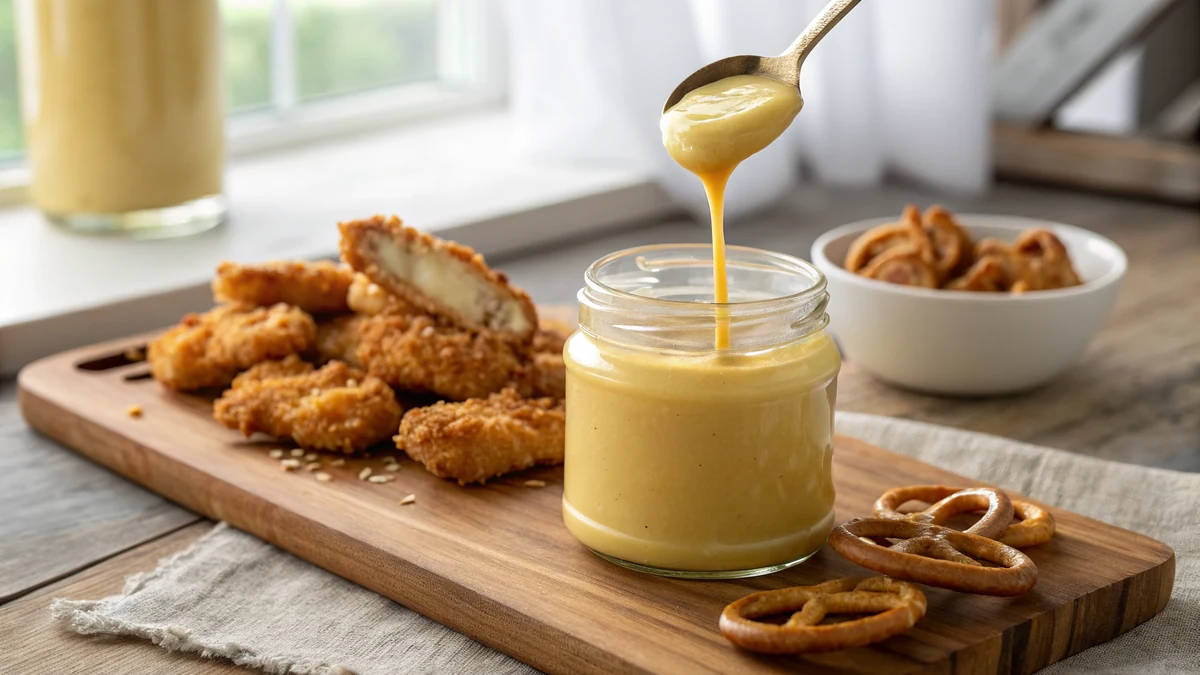
Quick answer: Texas Roadhouse honey mustard is a creamy, sweet, tangy dipping sauce you can make at home in about five minutes. Whisk together mayonnaise, Dijon mustard, yellow mustard, honey, a splash of cider vinegar, a pinch of paprika, and salt. Chill it for thirty minutes so the flavors marry, then dip rolls, chicken tenders, fries, or pretzels. It keeps for up to a week in the fridge and tastes just like the restaurant version, minus the markup.
I have ordered a lot of honey mustard, and the Texas Roadhouse version is the one I keep chasing at home. It is creamy without being heavy, sweet without tipping into dessert, with a little tang at the back that makes you reach for one more roll. For years I just bought a bottle and shrugged. Then one rainy Tuesday I ran out, had warm bread cooling on the counter, and decided to figure it out. Three jars and a whisk later, I had it.
What surprised me is how simple the real formula is. No fancy equipment, no obscure ingredients, nothing you cannot grab at any grocery store. Mayo for body, two mustards for depth, honey for sweetness, and a quiet splash of vinegar to keep it bright. I have made it dozens of times since, tweaked it sweeter for my mother-in-law, and spiked it with chipotle for game day. If you love it on bread, you will also love how it plays with my copycat rolls. And if honey-glazed chicken is the goal rather than the dip, my apple honey glazed chicken tenders bake the same sweet-tangy idea right onto the crust. Let me show you how I make it.
Why This Copycat Tastes Like the Restaurant
The thing that throws most people off is assuming honey mustard is just honey plus mustard. It is not. The Texas Roadhouse style leans creamy, and that creaminess comes from a mayonnaise base, not from mustard alone. Once I started thinking of it as a mayo sauce that happens to be flavored with mustard and honey, everything clicked into place.
The second secret is using two mustards. Dijon brings the grown-up, winey sharpness and a little background heat. Yellow mustard brings that bright, almost nostalgic ballpark flavor and the sunny color we all picture. Use only Dijon and it tastes too fancy and thin. Use only yellow and it tastes flat and one-note. Together they give you the rounded, layered tang the restaurant nails.
Honey ties it all together. Three tablespoons is my sweet spot for a half cup of mayo, enough to read as sweet on a warm roll without making your teeth ache. And that quiet teaspoon of vinegar is the part nobody talks about. It keeps the whole thing from feeling cloying and pushes the flavor forward so it actually tastes like something, not just sweet goo.
The Ingredients, Explained
Mayonnaise is the backbone. I use full-fat for the closest match to the restaurant texture, since it clings to a roll the way light mayo just cannot. Any standard jarred brand works fine. If you only keep one mayo in the house, this recipe is forgiving enough to take whatever it is.
For the mustards, plain Dijon and classic yellow are what I reach for. Skip grainy or whole-grain mustard here unless you want little seeds in your dip, which changes the smooth character entirely. Spicy brown mustard can stand in for the Dijon in a pinch, but it nudges the sauce hotter, so taste as you go.
Honey is where you can have a little fun. Plain clover honey gives you the neutral, classic profile. A darker honey like wildflower or buckwheat adds a deeper, almost molasses note that I love in cooler months. Local honey works beautifully too. Whatever you use, make sure it pours easily so it whisks in smooth instead of sitting in a stubborn lump.
The acid is flexible. Apple cider vinegar is my default for its mellow fruitiness. White vinegar is sharper and cleaner. Fresh lemon juice leans bright and a touch floral. All three do the same job of cutting the sweetness, so use what is in your door shelf.
Mayo Base vs. Greek Yogurt Base
People always ask if they can lighten this up, and the answer is yes, with a small trade-off. Swapping half the mayonnaise for plain Greek yogurt cuts calories and adds a pleasant tang that actually suits honey mustard. The texture stays creamy, though a hair looser and a little more tart than the full-mayo original.
If you go all yogurt with no mayo at all, the sauce turns noticeably tangier and thinner, and it loses some of that rich, restaurant-style mouthfeel. I do not hate it, especially drizzled over a salad, but it stops tasting like the Texas Roadhouse version and starts tasting like a healthy riff on it.
My honest middle ground is a fifty-fifty blend of mayo and Greek yogurt. You keep most of the indulgence, shave off some richness, and gain a brightness that makes it great as a dressing. For pure copycat accuracy though, stick with all mayonnaise. Some things are worth the splurge, and a dipping sauce for warm bread is one of them.
Dialing In the Sweet and Tangy Balance
Honey mustard lives or dies on balance, and the good news is you control every dial. The classic target is a sauce that hits sweet first, then tang, then a soft mustard warmth on the finish. If yours feels lopsided, you can fix it in seconds without starting over.
Too sharp or too mustardy? Add honey a teaspoon at a time. Too sweet and flat? A few drops of vinegar or another small spoon of Dijon snaps it back. Too one-dimensional? A tiny extra pinch of salt does more than you would expect, because salt makes both the sweet and the tang read louder.
I keep my whisk and my tasting spoon right there while I work. The restaurant has a fixed recipe; you do not have to. Maybe you like it sweeter for kids or tangier for adult palates. There is no wrong answer here, only the version your table likes best. For more on getting the classic mustard and honey balance right, it really does come down to tasting as you go.
What to Dip in Texas Roadhouse Honey Mustard
The headline use, obviously, is warm bread. A basket of soft, buttery rolls and a bowl of this sauce is the whole reason I learned to make it. It is also unbeatable with chicken tenders, and if you want the full at-home experience, serve it alongside my take on chicken fried chicken for a dinner that disappears fast. It is just as good as a dipping sauce for Texas Roadhouse grilled shrimp straight off the skewer.
Beyond that, the list is long. Crispy fries and waffle fries love it. So do soft pretzels, where the sweet-tangy sauce against the salty dough is honestly a little addictive. Chicken nuggets, both the homemade and the freezer-aisle kind, get an instant upgrade. I have dipped roasted broccoli, sweet potato wedges, and even a grilled cheese corner in it with zero regrets.
It also shines as a sandwich spread. Smear it on a turkey club, a ham and Swiss, or a crispy chicken sandwich and it does the work of both mayo and mustard at once. Once you have a jar in the fridge, you start finding excuses to use it, and that is exactly how it should be.
Using It as a Salad Dressing
With one small tweak this dip becomes a fantastic dressing. Thin it out with a tablespoon of water, milk, or a little extra vinegar, whisking until it pours in a smooth ribbon off the spoon. That is all it takes to turn a thick dip into a pourable dressing.
It is especially good on heartier salads, the kind with grilled chicken, bacon, crisp apple, candied pecans, and sharp cheddar. The sweetness plays against salty and smoky toppings, and the tang keeps a rich salad from feeling heavy. I have brought it to potlucks in a mason jar and people always ask what it is.
If you like the idea of a homemade restaurant dressing, you might also enjoy my copycat Italian dressing, which uses the same shake-and-chill approach. Honey mustard dressing keeps in the fridge just as well as the dip, so make a slightly thinner batch when you know salads are on the week's menu.
Honey Mustard as a Glaze or Marinade
This sauce is not just for dipping cold. Brushed onto chicken thighs or salmon in the last few minutes of roasting, it caramelizes into a sticky, golden glaze. Just wait until the protein is nearly cooked before you brush it on, because the honey can scorch if it sits over high heat too long.
As a marinade, loosen it with a splash of oil and a little extra vinegar, then let chicken or pork sit in it for thirty minutes to a few hours. The mustard helps tenderize while the honey sets up a beautiful crust on the grill or in a hot pan. Pat the meat mostly dry before cooking so it sears instead of steams.
I keep a small batch back specifically for cooking and a separate batch for the table, because once a brush has touched raw meat, that portion is done for dipping. Two bowls, no cross-contamination, everybody happy. A simple a simple honey mustard base like this one is endlessly adaptable from dip to glaze.
Make-Ahead, Storage, and How Long It Keeps
Honey mustard is a dream to make ahead. In fact it is better the next day, once the mustard has mellowed and the flavors have settled into each other. I genuinely prefer it after an overnight rest in the fridge, so I almost never make it at the last minute anymore.
Store it in an airtight container or a clean jar in the refrigerator. It keeps well for up to a week, and the limiting factor is really the mayonnaise, not the mustard or honey. Always use a clean spoon when serving so you do not introduce crumbs or other food that can shorten its life.
I do not recommend freezing it. Mayo-based sauces separate and turn grainy after thawing, and the texture never fully comes back. Since the whole thing takes five minutes, a fresh batch is always easier than salvaging a frozen one. If it looks a little separated after a few days in the fridge, just give it a quick stir and it comes right back together.
Doubling, Scaling, and Gifting
This recipe scales straight up with no surprises. Double it for a party, triple it for a crowd, and the ratios hold perfectly. The only thing to watch is your bowl size, since whisking a big batch in a small bowl sends sauce everywhere, which I have learned the messy way.
For a tailgate or potluck I will make a double batch and split it, leaving half plain and stirring chipotle into the other half so there is something for every palate. Label them, because once they are chilled the two look nearly identical and the spicy one catches people off guard.
Honey mustard also makes a sweet little homemade gift. Spoon it into a small jar, tie on a ribbon, and add a tag with the use-by date and a serving suggestion. Pair it with a loaf of bread or a bag of pretzels and you have a thoughtful, genuinely useful present that did not take you ten minutes to put together.
Spicy, Kid-Friendly, and Other Variations
For heat lovers, this base takes spice beautifully. A half teaspoon of minced chipotle in adobo adds smoky warmth, while a few dashes of sriracha or hot sauce keep it brighter and sharper. Start small, taste, and build, because you can always add more heat but you cannot take it out once it is in.
For kids, go the other direction. Bump the honey up by a teaspoon, drop the yellow mustard back a little, and skip any heat entirely. My nephews call the sweeter version dipping gold and will eat almost any vegetable as long as a bowl of it is within reach, which I count as a parenting win for my sister.
Other riffs I have loved: a teaspoon of whole-grain mustard stirred in for texture, a little garlic powder for savory depth, or a pinch of smoked paprika instead of regular for a campfire note. If you like creamy dips in general, my copycat ranch dip is built on the same easy whisk-and-chill idea.
A Quick History of Honey Mustard
Honey and mustard have been keeping company for an incredibly long time. Mustard is one of the oldest prepared condiments on record, and sweetening sharp mustard with honey is a trick cooks have used across Europe for centuries to round off its bite. The pairing is ancient even if the bottled version feels modern.
The creamy, mayo-based honey mustard most Americans picture is the newer arrival, rising to popularity through diners and fast-food dipping cups in the back half of the twentieth century. That is the lineage the Texas Roadhouse style belongs to: sweet, tangy, smooth, and built for dunking rather than spreading.
I find it kind of comforting that something so humble has such a long story. Every time I whisk a bowl together I am doing a version of what cooks have done forever, balancing sweet against sharp until it tastes right. The ingredients got easier to buy, but the instinct behind the sauce has not changed a bit.
Troubleshooting and Restaurant Copy Notes
If your sauce came out too thin, the usual culprit is too much honey or vinegar, or a runny honey on a warm day. Whisk in a spoonful more mayonnaise to firm it up, and remember it always thickens after chilling. If it is too thick to dip, loosen it with a teaspoon of water or vinegar at a time.
Too sharp or harsh usually means too much mustard or that it has not rested yet. Give it that thirty-minute chill before you judge it, because raw mustard tastes much more aggressive than mustard that has had time to mellow. A touch more honey and a pinch of salt smooth out almost any rough edge.
One honest note: this is a copycat inspired by the flavors I love at the restaurant, not an official recipe, and I have no affiliation with Texas Roadhouse. The exact commercial product is proprietary. What I can promise is that this homemade version scratches the same itch, costs a fraction of a bottled dressing, and lets you adjust it to taste. After dozens of batches in my own kitchen, it is the one I serve without apology.
Make a Big Batch for Game Day
Every Super Bowl I make a triple batch of this honey mustard, and it disappears faster than the queso. The recipe scales cleanly. Keep the same ratio of one part honey to one part Dijon to two parts mayonnaise, then add the yellow mustard and a splash of vinegar to taste. For a crowd of twelve I whisk up about three cups in a big glass bowl, cover it, and let it sit in the fridge overnight so the garlic powder and paprika have time to bloom. Cold honey mustard that has rested a full day always tastes rounder and more married than a bowl thrown together five minutes before the doorbell rings.
If you are gifting it, spoon the honey mustard into a small mason jar, wipe the rim clean, and screw the lid on tight. It keeps about two weeks in the fridge, so I tie a square of cloth over the lid with kitchen twine and write the date on a little paper tag. Folks love getting a jar alongside a bag of soft pretzels or a foil pan of chicken tenders. It is the kind of homemade thing that feels generous without costing you much at all.
Texas Roadhouse Honey Mustard Copycat Recipe
Ingredients
- For the honey mustard:
- 1/2 cup mayonnaise
- 2 tablespoons Dijon mustard
- 1 tablespoon yellow mustard
- 3 tablespoons honey
- 1 teaspoon apple cider vinegar (or white vinegar, or fresh lemon juice)
- 1 pinch paprika
- 1 pinch salt
- Optional, for a spicy version:
- 1/2 to 1 teaspoon chipotle in adobo, minced, or a few dashes of sriracha
Instructions
- Whisk the base. In a medium bowl, combine the mayonnaise, Dijon mustard, yellow mustard, and honey. Whisk hard for about thirty seconds until the mixture is completely smooth and glossy with no streaks of mustard or honey left clinging to the side of the bowl.
- Brighten and season. Add the apple cider vinegar, paprika, and salt. Whisk again until fully blended. The sauce will look a touch thinner right after the vinegar goes in, which is exactly what you want, because it thickens back up as it chills.
- Taste and adjust. Dip a clean spoon and taste. Too sharp? Add another teaspoon of honey. Too sweet? A few drops more vinegar or a little extra Dijon. Want heat? Stir in the chipotle or sriracha now and taste again.
- Chill before serving. Cover and refrigerate for at least thirty minutes, though an hour is better. This rest lets the mustard mellow and the flavors marry into that smooth, restaurant-style tang. Stir once before serving.
Frequently Asked Questions
What is Texas Roadhouse honey mustard made of?
The copycat version is built on a base of mayonnaise for creaminess, plus Dijon and yellow mustard for layered tang, honey for sweetness, a splash of cider vinegar to brighten it, and pinches of paprika and salt. Whisk everything smooth and chill it. That simple combination gives you the sweet, tangy, creamy dipping sauce you remember from the restaurant table.
How long does homemade honey mustard last?
Stored in an airtight jar in the refrigerator, this honey mustard keeps well for up to a week. The mayonnaise is the limiting ingredient, so always use a clean spoon when serving to avoid introducing crumbs. If it looks slightly separated after a few days, just stir it and it comes right back together. I do not recommend freezing it, since mayo-based sauces turn grainy.
Can I make honey mustard without mayonnaise?
Yes, you can swap some or all of the mayo for plain Greek yogurt. A fifty-fifty blend keeps most of the richness while adding a pleasant tang and cutting calories. Going all yogurt makes the sauce thinner and noticeably more tart, which is great on salads but drifts away from the creamy restaurant texture. For the closest copycat, stick with full-fat mayonnaise.
Why is my honey mustard too sweet or too sharp?
Balance is easy to fix. If it tastes too sweet or flat, add a few drops of vinegar or a little more Dijon to push the tang forward. If it tastes too sharp or mustardy, stir in honey a teaspoon at a time. A small extra pinch of salt makes both the sweet and tangy notes read louder, which often solves a one-dimensional batch instantly.
What can I dip in honey mustard?
Almost anything. Warm rolls and pretzels are classics, and it is unbeatable with crispy chicken critters, nuggets, and fries. It also works on roasted vegetables like broccoli and sweet potato wedges. Beyond dipping, smear it on sandwiches as a spread, thin it into a salad dressing, or brush it onto chicken or salmon as a glaze in the last few minutes of cooking.
Is this the official Texas Roadhouse recipe?
No, this is a copycat inspired by the flavors I enjoy at the restaurant, and I have no affiliation with Texas Roadhouse. Their exact commercial product is proprietary and not published. What this homemade version does is recreate the same sweet, tangy, creamy profile using everyday grocery ingredients, at a fraction of the cost of a bottled dressing, with the bonus that you can adjust it to your own taste.
How do I make honey mustard spicier?
Stir heat in after the base is whisked smooth so you can taste as you go. A half teaspoon of minced chipotle in adobo adds smoky warmth, while a few dashes of sriracha or your favorite hot sauce keep it brighter and sharper. Start small, because you can always add more but cannot remove it once it is mixed in. Smoked paprika also adds gentle warmth without much heat.
Can I use honey mustard as a marinade?
Absolutely. Loosen the sauce with a splash of oil and a little extra vinegar, then let chicken or pork sit in it for thirty minutes up to a few hours. The mustard helps tenderize while the honey builds a golden crust on the grill or in a hot pan. Pat the meat mostly dry before cooking so it sears properly, and never reuse marinade that touched raw meat for dipping.
Can I make honey mustard ahead for a party?
Yes, and you really should. Honey mustard tastes better after a night in the fridge because the garlic powder, paprika, and mustard mellow into the mayonnaise. Make it up to three days ahead, keep it covered and cold, and give it a quick stir before serving. For a big crowd, triple the batch in one bowl and chill it overnight.