Southern Comfort Food
Texas Roadhouse Corn Copycat
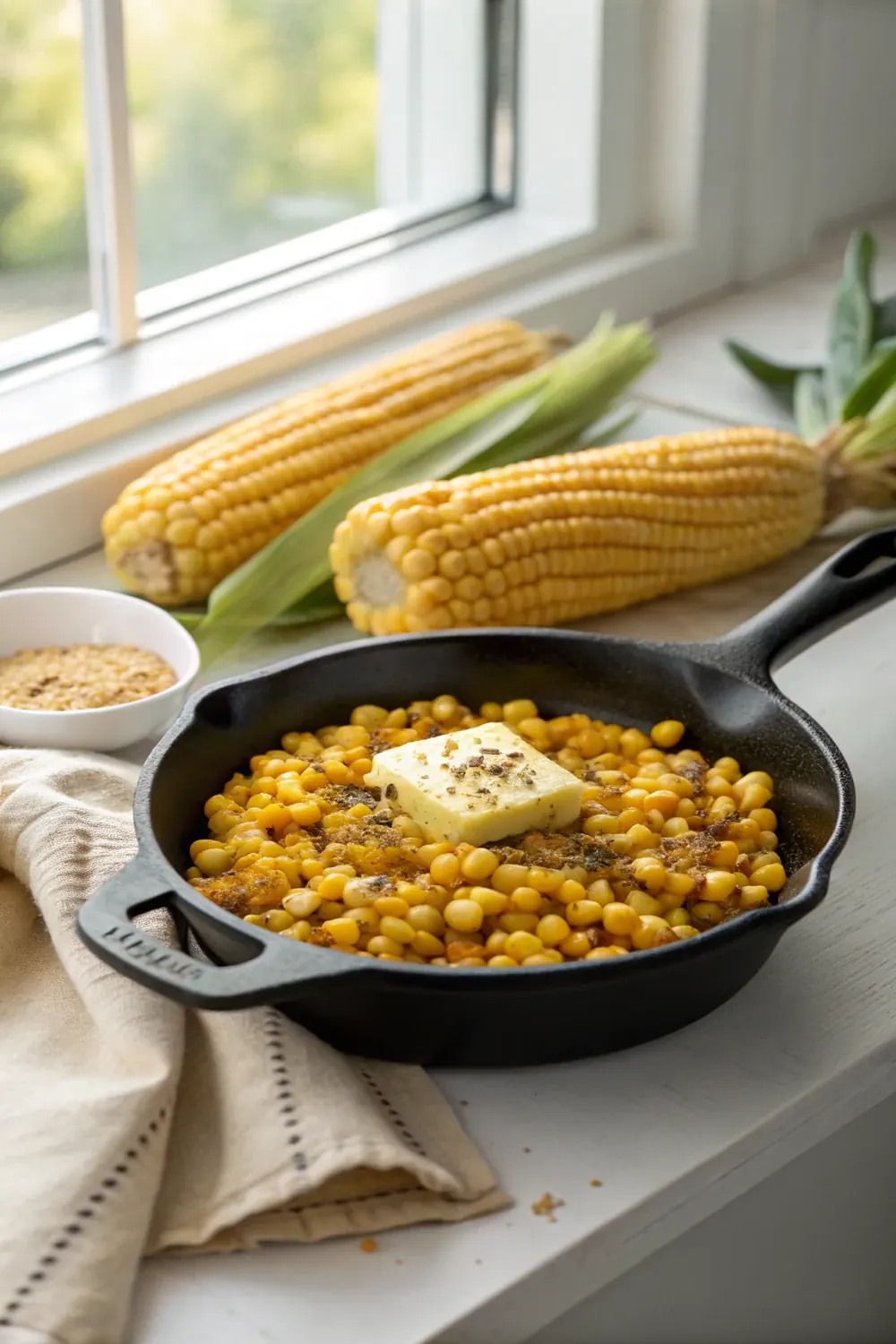
I cracked the Texas Roadhouse corn copycat: sweet kernels glossy in salted butter with one surprising spoonful that rounds it out. Ready in 15 minutes.
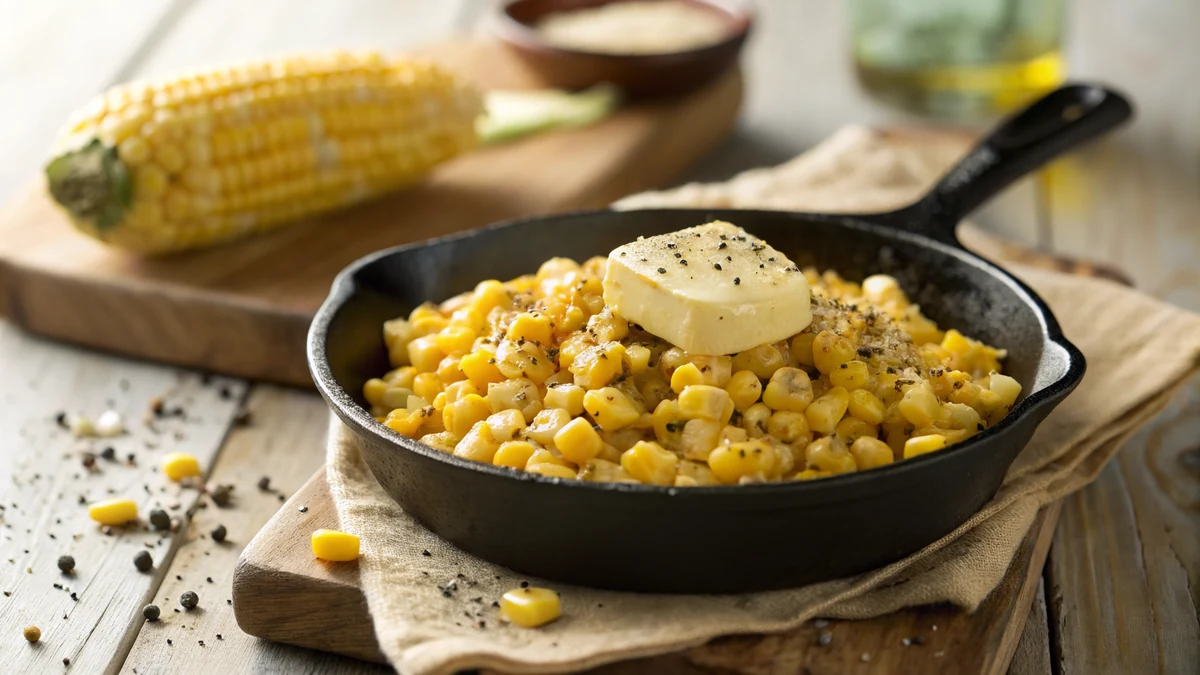
Quick answer: Copycat Texas Roadhouse corn is sweet whole-kernel corn simmered in plenty of salted butter with a small spoon of honey, a splash of cream, and just salt and pepper. You melt the butter, stir in the corn, and cook it 8 to 10 minutes over medium heat until it turns glossy and the kernels drink up the butter. A teaspoon of honey rounds the sweetness without making it dessert, and two tablespoons of heavy cream give it that rich steakhouse finish. It comes together in about 15 minutes on the stovetop and tastes like the buttery side that comes with your steak, minus the wait for a table.
The buttered corn at Texas Roadhouse is one of those sides I order without thinking, the way you reach for a fork. It is not fancy. It is corn swimming in butter with a quiet sweetness, and somehow it disappears off the plate before the rolls do. I cook for a big family here in Lockhart, and corn is the side that keeps everyone happy, so I spent a few suppers figuring out exactly what makes the steakhouse version taste the way it does.
It turns out the secret is restraint. Most home cooks treat corn like a blank slate and pile on garlic, herbs, and cheese until it is a different dish entirely. The restaurant keeps it simple: real butter, a whisper of sweet, and enough salt to make the corn taste more like itself. Get the butter right and you are done. Below I will walk you through the corn to buy, the exact butter ratio, and the little finishing touches that take it from plain steamed kernels to that glossy, craveable side.
Why This Tastes Like the Steakhouse Side
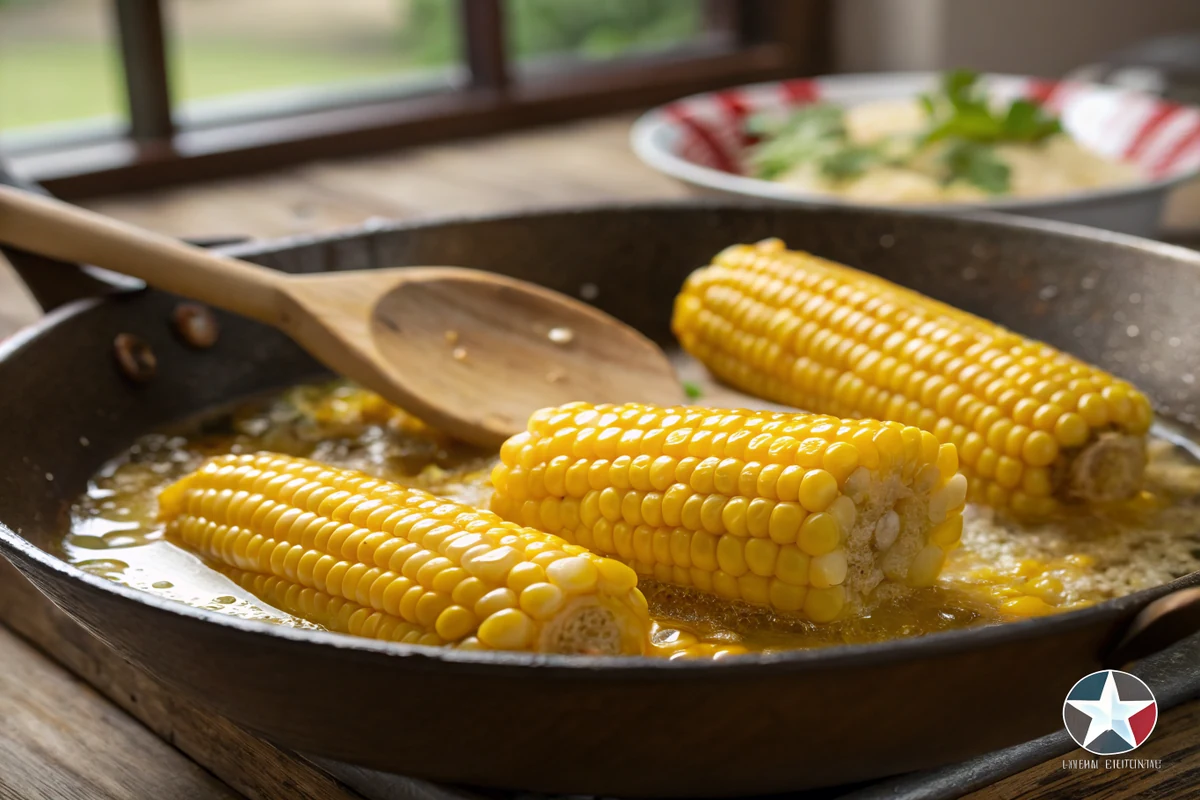
The thing people miss about the Texas Roadhouse corn is that it is almost aggressively simple, and that is the whole trick. It is whole-kernel corn cooked in a generous amount of butter with just enough sweetness and salt to make the corn taste like the best version of itself. There is no heavy cream sauce, no cheese, no garlic bomb. The kitchen lets good butter and decent corn do the talking.
When I first tried to copy it at home I overcomplicated it, the way I think most of us do. I added garlic, parsley, a little parmesan, and it was tasty but it was not their corn. So I stripped everything back to butter, corn, a touch of honey, salt, and pepper, and there it was. The lesson stuck with me, and it shows up in a lot of steakhouse sides: the restaurant is not hiding a secret ingredient, it is just using more butter than you would dare to at home.
If you have made my Texas Roadhouse mashed potatoes, you already know this philosophy. Both sides lean on real butter and light seasoning instead of a long ingredient list. Nail the corn and you have another piece of the steakhouse plate you can build at home for a fraction of the cost.
Fresh, Frozen, or Canned Corn
All three work, and I have used each depending on the season. Frozen whole-kernel corn is my everyday choice because it is picked and frozen at peak sweetness, the kernels are already cut, and it cooks up plump and tender. A two-pound bag is exactly the right amount for a family-sized batch, and you do not need to thaw it first.
When fresh corn is in season and you have a hot grill, this is not the only thing to do with it. My Mexican street corn takes the opposite approach entirely: shucked ears charred black in patches over direct flame, then coated in crema and cotija. This recipe is the gentle, buttery, sweet one that works year-round from a bag of frozen kernels; that one is the assertive, tangy, char-forward one that needs fresh corn and a hot fire.
Fresh sweet corn in July and August is the best of all, and it is worth the knife work. Cutting the kernels off the cob and scraping that milky liquid gives you a sweetness and body that frozen cannot quite match. If your fresh corn is a little starchy or out of season, the honey in this recipe helps bridge the gap.
Canned corn is the backup. Drain it very well and pat it dry, because the packing liquid is watery and will dilute your butter glaze. It will not get as plump as fresh or frozen, but with enough butter and a careful hand on the salt it makes a perfectly good weeknight version. Whatever you use, you want whole kernels, not creamed corn, which is a different dish.
The Butter Is the Whole Point
Do not skimp here. Six tablespoons of butter for two pounds of corn sounds like a lot until you taste the difference. The butter is not a seasoning in this recipe, it is the sauce. As the corn cooks it absorbs the fat and the released corn moisture reduces around it into a light, glossy glaze that coats every kernel. That gloss is exactly what you see on the plate at the restaurant.
I use salted butter because the steakhouse flavor leans buttery and a touch salty, and salted butter builds that in from the first minute. If all you have is unsalted, just add a little more kosher salt at the seasoning step and taste as you go. Either way, let the butter melt and foam but stop before it browns. Browned butter is delicious in other dishes, but here it pushes the flavor toward nutty and away from the clean, sweet-cream taste you are chasing.
A wide pan matters more than people expect. If you crowd the corn into a deep pile, the bottom steams in its own liquid and never picks up that buttery sheen. Spread it out in a large skillet or cast iron pan so the moisture can cook off and the butter can actually glaze the kernels.
A Touch of Sweet, Not Dessert
The restaurant corn has a gentle sweetness that goes beyond the corn itself, and a single teaspoon of honey is how I get there at home. It is not enough to taste like honey; it just lifts and rounds the natural sugars so even off-season corn reads as sweet and summery. Granulated sugar works the same way if that is what you have, in a slightly larger amount.
The key word is touch. Go heavier and the corn starts to taste like a dessert side, which throws off the balance against a savory steak. I add the honey near the end, after the corn is hot, so it melts in evenly and I can taste before committing to more. You can always add another half teaspoon, but you cannot take it back out.
If you would rather skip the added sweet entirely, you can. Good fresh summer corn often does not need it. The honey is there mainly to make average grocery-store corn taste like the peak-season stuff, which is most of what the restaurant is doing too.
Seasoning It Like the Restaurant
Salt is doing the heavy lifting once the butter is in place. Corn is naturally sweet and a little flat without enough salt, and the most common mistake I see is under-salting and then wondering why the corn tastes dull next to a well-seasoned steak. Add the kosher salt, stir, taste a kernel, and add more in small pinches until the corn flavor pops.
Coarse black pepper adds a little warmth and visual contrast, and that is honestly about as far as the restaurant takes it. I sometimes add a quarter teaspoon of garlic powder for a faint savory backbone, but I keep it subtle so it does not turn into garlic corn. This is a side that is supposed to play a supporting role on the plate.
If you want to nudge it toward a more seasoned, peppery profile, a small pinch of my Texas Roadhouse steak seasoning stirred in at the end does it beautifully and ties the corn to the steak it is sitting next to. Use a light hand; a quarter teaspoon is plenty for the whole batch.
Stovetop, Slow Cooker, or Oven
The stovetop method in this recipe is the fastest and the one that gives you the best control over that buttery glaze, which is why it is my default. Fifteen minutes start to finish, one pan, and you can see exactly when the corn hits that glossy point. For a weeknight side it cannot be beaten.
The slow cooker is the move when you are feeding a crowd and need the stove for other things. Add the corn, butter, honey, salt, and pepper to the crock, stir, and cook on low for 2 to 3 hours, stirring once or twice. Stir the cream in during the last 20 minutes. It is hands-off and holds warm beautifully for a potluck or holiday table.
The oven works too if your stovetop is full. Spread the corn in a buttered baking dish, dot the butter over the top, cover with foil, and bake at 375F for about 25 minutes, stirring halfway. It will not get quite as glossy as the stovetop version, but it frees you up to roast or grill the main at the same time.
Common Mistakes That Make Corn Bland
The number one reason home corn tastes flat is under-salting. Corn is sweet and mild, and without enough salt it just sits there next to a boldly seasoned steak. Salt in stages, taste a kernel, and keep adding small pinches until the corn flavor wakes up and tastes like more of itself. It almost always needs more than you first think, especially if you used unsalted butter.
The second mistake is crowding the corn into a deep pile in a small pot. When the kernels are heaped up, the bottom layer steams in its own released liquid and the corn never picks up that buttery, glossy glaze. Use a wide skillet so the corn sits in a shallow layer and the moisture can cook off, letting the butter actually coat the kernels instead of pooling underneath.
Cranking the heat too high is the third trap. You want a steady medium so the corn warms through and glazes without the butter browning or the kernels scorching. Browned butter smells wonderful but it pushes the flavor toward nutty and away from the clean, sweet-cream taste the steakhouse version is built on. Patience over a moderate flame beats a hard sear here.
Finally, do not overdo the sweet or reach for the wrong corn. A heavy hand with honey or sugar turns the side into a dessert that clashes with savory mains, and creamed corn is an entirely different dish. Stick with whole-kernel corn and a restrained touch of sweet, and let butter and salt carry the rest.
Easy Variations to Make It Your Own
Once you have the basic buttered corn down, it takes happily to a few twists. My favorite is a Tex-Mex street-corn spin: after the corn is glazed, stir in a couple tablespoons of mayonnaise or sour cream, a handful of crumbled cotija cheese, a squeeze of lime, and a pinch of chili powder. It turns the simple side into something closer to esquites, and it disappears just as fast at a cookout.
For a heartier version, cook a few strips of chopped bacon in the skillet first, then build the corn in the rendered fat along with the butter and toss in a little diced jalapeno. The smoky bacon and gentle heat make it feel like a main-dish side, and it is a great way to dress up frozen corn in the dead of winter.
If you want to lean elegant, finish the corn off the heat with a spoon of softened herb butter, a little grated parmesan, or a scatter of fresh thyme and chives. Keep these additions light so they accent the corn rather than bury it; the whole point of this side is that clean, buttery sweetness, and the best variations build on it without crowding it out.
What to Serve With Buttered Corn
This corn is built to sit next to a steak, and that is exactly how I plate it most often. It also rounds out a plate of Texas Roadhouse green beans and a scoop of mashed potatoes when I am recreating the full steakhouse spread at home. The sweet corn against the smoky beans and the creamy potatoes covers every craving on one plate.
For a bigger family dinner I add a basket of warm Texas Roadhouse rolls with cinnamon butter, which my kids would argue is the main event. A pot of buttery seasoned rice stretches the meal further when there are extra mouths at the table, and it soaks up any juices from the main.
Beyond the steakhouse theme, this corn is right at home next to barbecue. It plays well with smoked meats, fried chicken, or anything with a little char, because the clean sweetness is a nice counterpoint to smoke and spice. I have set it out at more than one backyard cookout and watched the bowl empty first.
Make-Ahead, Storage, and Reheating
Buttered corn is best fresh and hot, when the butter is still glossy and loose, but it keeps well enough for leftovers. Cool it, then store it in an airtight container in the fridge for up to 4 days. The butter will firm up and the corn will look dull cold, which is normal; it comes right back when you reheat it.
To reheat, warm the corn in a skillet over medium-low with a small splash of water or an extra teaspoon of butter, stirring until it is hot and glossy again. The microwave works in a pinch, covered, in 30-second bursts with a stir between, though the stovetop brings back the sheen better. Either way, taste and add a pinch of salt, since chilling can mute the seasoning.
If you are making it ahead for a party, the slow cooker method is your friend because it holds warm without drying out. As with any buttery, dairy-touched side, do not leave it sitting out at room temperature for more than two hours; the USDA cold food storage guidelines are a good reminder to get leftovers chilled promptly.
Texas Roadhouse Corn Copycat Recipe
Ingredients
- Main:
- 2 lb (about 6 cups / 900 g) frozen whole-kernel corn, or kernels cut from 8 ears fresh sweet corn
- 6 tablespoons (85 g) salted butter
- 2 tablespoons (30 ml) heavy cream (optional, for a richer finish)
- 1 teaspoon honey, or 2 teaspoons granulated sugar
- 3/4 teaspoon kosher salt, plus more to taste
- 1/2 teaspoon coarse-ground black pepper
- To finish (optional):
- 1/4 teaspoon garlic powder
- 1 tablespoon chopped fresh parsley or chives
- 1 extra pat of butter for serving
Instructions
- Prep the corn. If you are using frozen corn, there is no need to thaw it; it will release a little water that cooks off. For fresh, stand each shucked ear in a wide bowl and run a sharp knife down the cob to drop the kernels, then scrape the cob with the back of the knife to catch the milky liquid. That corn milk adds body and sweetness you do not want to leave behind.
- Melt the butter. Set a large skillet or cast iron pan over medium heat and add the salted butter. Let it melt fully and start to foam, about 2 minutes, but do not let it brown. You want sweet, clean butter flavor here, not the nutty toast of browned butter. The pan should be wide enough that the corn sits in a shallow layer rather than piling up.
- Add the corn. Tip the corn into the melted butter and stir to coat every kernel. Spread it into an even layer and let it cook undisturbed for 2 minutes so the bottom kernels start to warm and pick up a little color. If you used frozen corn, you will hear it sizzle and see steam rise as the surface moisture cooks away.
- Simmer until glossy. Stir the corn, then continue cooking 6 to 8 minutes total, stirring every couple of minutes. The kernels will turn plump and glossy as they absorb the butter and their own released moisture reduces into a light glaze. You are not trying to char the corn, just heat it through and let it drink up the fat until it shines.
- Sweeten and season. Drizzle in the honey and sprinkle the kosher salt and black pepper over the corn. Stir well and taste a kernel. The honey should round the natural sweetness so it reads like premium summer corn, not like candy. If the corn tastes flat, it almost always needs another pinch of salt rather than more sweet.
- Add the cream. For the richer steakhouse finish, stir in the heavy cream and let it bubble for 1 minute until it clings to the kernels and the whole pan looks silky. This step is optional, but it is what gives the restaurant corn that rounded, buttery mouthfeel. Skip it if you want a lighter, cleaner buttered corn.
- Finish to taste. Stir in the garlic powder now if you like a faint savory note; the restaurant version is barely seasoned, so go easy. Taste one more time and adjust salt. The corn should taste buttery and sweet with a clean finish, the kind of side you keep going back to with your fork between bites of steak.
- Serve hot. Spoon the corn into a warm serving bowl, top it with an extra pat of butter, and let it melt down into the kernels. Scatter the chopped parsley or chives over the top if you want a little color. Serve right away while it is hot and glossy, before the butter has a chance to firm back up.
Frequently Asked Questions
What kind of corn does Texas Roadhouse use?
The restaurant serves a simple buttered whole-kernel corn, not creamed corn. At home, frozen whole-kernel corn is the easiest match because it is frozen at peak sweetness and cooks up plump in butter. Fresh sweet corn cut off the cob is even better in summer, and well-drained canned corn works in a pinch. Avoid creamed corn, which is a completely different dish.
How do you make corn taste like Texas Roadhouse?
Use plenty of real salted butter, a small touch of honey or sugar, and just salt and pepper. Simmer whole-kernel corn in the butter over medium heat until the kernels turn glossy and absorb the fat, about 8 to 10 minutes, then add a splash of cream for richness. The trick is keeping it simple and not over-seasoning so the buttery, lightly sweet corn flavor comes through.
Is Texas Roadhouse corn sweet?
Yes, but only gently. It has a buttery base with a light sweetness that makes the corn taste like peak-season summer corn rather than candy. In this copycat, a single teaspoon of honey for two pounds of corn rounds out the natural sugars without making it taste like dessert. You can leave it out entirely if your fresh corn is already sweet.
Can I make Texas Roadhouse corn in a slow cooker?
Absolutely. Add the corn, butter, honey, salt, and pepper to the slow cooker, stir, and cook on low for 2 to 3 hours, stirring once or twice. Stir in the heavy cream during the last 20 minutes. The slow cooker is ideal for a crowd because it holds the corn warm and glossy without drying it out, which is handy for potlucks and holiday dinners.
Do you need heavy cream for this corn?
No, the cream is optional. The corn is delicious with just butter, honey, salt, and pepper, which is a lighter, cleaner buttered corn. The two tablespoons of heavy cream give it the rounder, richer mouthfeel that reads as more of a restaurant finish. Add it if you want that indulgent steakhouse feel, or skip it for an everyday side.
How long does leftover buttered corn last?
Stored in an airtight container in the fridge, buttered corn keeps for up to 4 days. The butter firms up when cold, so reheat it gently in a skillet with a splash of water or a little extra butter until it is glossy again, and taste for salt since chilling can mute the seasoning. Do not leave the corn out at room temperature longer than two hours.
What goes with copycat Texas Roadhouse corn?
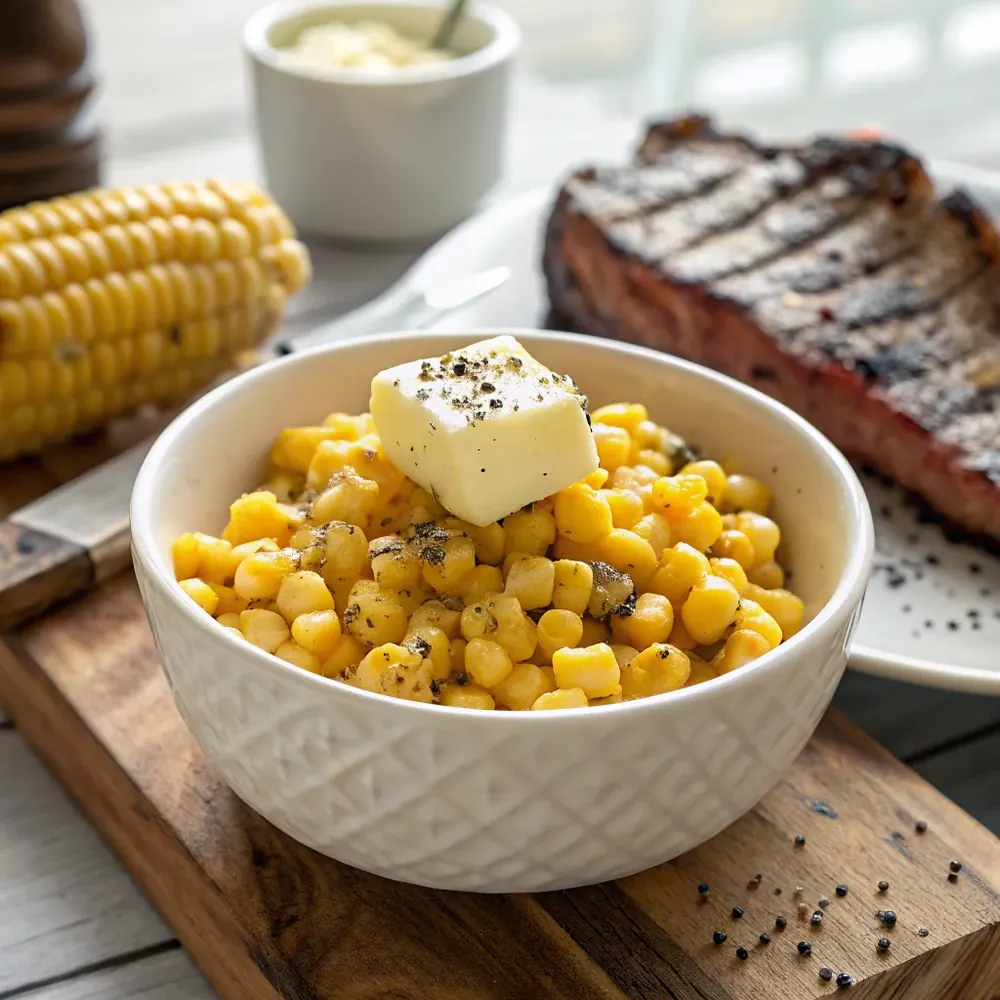
It is built for steak night, but it pairs with almost any main. Serve it alongside Texas Roadhouse green beans, mashed potatoes, and warm rolls for a full steakhouse spread, or set it next to barbecue, smoked meats, or fried chicken. The clean, buttery sweetness is a nice counterpoint to smoky, spicy, or rich mains, which is why it disappears fast at cookouts.
Can I use fresh corn on the cob for this recipe?
Yes, and in summer it is the best option. Stand each shucked ear in a wide bowl and run a sharp knife down the cob to release the kernels, then scrape the cob with the back of the knife to catch the milky liquid, which adds body and sweetness. You will need about eight ears to equal the two pounds of frozen corn. Fresh corn cooks a touch faster, so check it for tenderness as it glazes in the butter.
Why is my buttered corn not sweet enough?
Off-season grocery corn can taste starchy rather than sweet, which is exactly why this recipe adds a small touch of honey to round out the natural sugars. If yours still tastes flat, first add a pinch more salt, since salt makes the corn read sweeter and more vivid. Only after that should you add another half teaspoon of honey. Fresh peak-season corn rarely needs much help, but frozen and canned almost always benefit from that little nudge.