
Southern Comfort Food
Texas Roadhouse Loaded Mashed Potatoes Copycat
Chef Mia's Texas Roadhouse loaded mashed potatoes copycat: creamy buttered mash piled with bacon, sharp cheddar, sour cream, and green onion in 30 minutes.
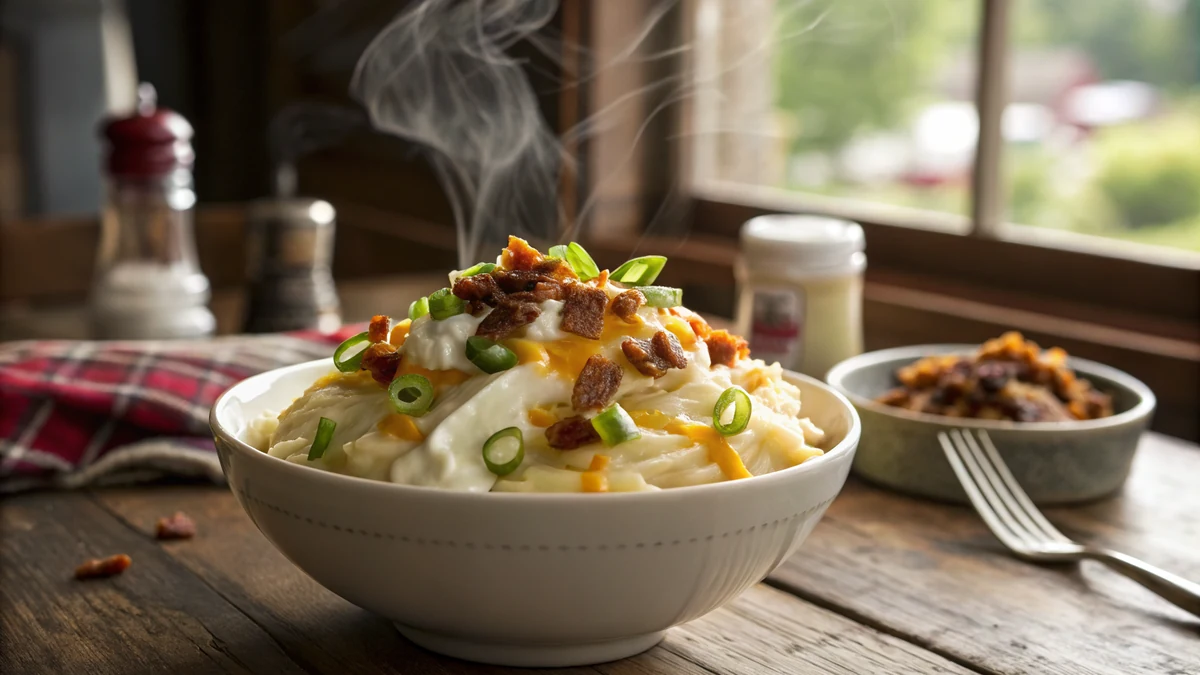
Quick answer: Texas Roadhouse loaded mashed potatoes are the regular buttery mashed potatoes promoted to a main attraction: creamy russet mash folded with butter, sour cream, and warm milk, then topped, or loaded, with crisp bacon, shredded sharp cheddar, more sour cream, and sliced green onion. At home you boil cubed russets in salted water about 15 minutes, mash them with the dairy while hot, season firmly, and pile the toppings on so the cheese melts from the residual heat. A minute under the broiler makes the cheese bubble like the restaurant version. Start to finish it is a 30-minute side that regularly upstages the steak.
There is a moment at Texas Roadhouse, right after the food lands, when somebody who ordered plain mashed potatoes sees the loaded version arrive across the table, all melted cheddar and bacon, and you can watch the regret happen in real time. The loaded mashed potatoes are not a different recipe so much as a different attitude: the same creamy mash, dressed like a baked potato that won the lottery.
I worked out this copycat for my middle kid, who once told a waitress, with great seriousness, that loaded mashed potatoes were his favorite food in the world and also his favorite movie. The recipe is honest weeknight cooking: russets boiled in well-salted water, mashed hot with butter, sour cream, and milk, then buried under bacon, sharp cheddar, and green onions. The only technique that matters is treating the potatoes right before the toppings ever show up, and that part takes ten minutes to learn and a lifetime to be thanked for.

Loaded vs Plain: What Actually Changes
Let me be clear about what this recipe is and is not. The base is essentially the same creamy mash as my Texas Roadhouse mashed potatoes, and if you want the plain steakhouse bowl, that recipe is your destination. The loaded version is about what happens on top: crisp bacon, sharp cheddar melted into the surface, cool sour cream, and the green onion bite that cuts through all of it.
That difference sounds cosmetic and is not. The toppings change the engineering: the mash needs to be slightly firmer so it carries the weight without going soupy, the seasoning needs to be a touch bolder to stand up to the cheese, and the serving has to happen hot so the cheddar melts on contact. A loaded top on a sloppy base is a wasted topping budget.
It also changes the role on the plate. Plain mash is a supporting actor; loaded mash flirts with being the main event, and at my table it has been promoted to dinner with a fried egg on top more than once. Cook it once as a side and you will understand why the restaurant charges extra for the upgrade.
The Right Potatoes for Creamy Mash
Russets are my pick for this bowl, same as the restaurant style: high starch, low moisture, and they whip up fluffy and light, drinking in the butter and milk. Yukon Golds make a denser, naturally buttery mash that also works beautifully if you prefer richness over fluff. What you want to avoid is waxy red potatoes, which mash heavy and almost gluey.
A half-and-half blend of russet and Yukon is the quiet pro move, fluff from one, flavor from the other, and nobody at the table will identify why it is so good. Whatever you use, peel for this recipe. Skin-on rustic mash is a fine thing, but the loaded toppings already supply all the texture this bowl needs.
Cut size discipline pays off here. Even 1.5-inch chunks cook through in about 15 minutes at a simmer; ragged mixed sizes give you blown-out edges on the small pieces while the big ones stay firm in the middle, and the resulting mash is simultaneously watery and lumpy. Two extra minutes with the knife buys you a perfect pot.
Boil It Right: Cold Water and Real Salt
Start the potatoes in cold water, not boiling. Dropped into already-boiling water, the outside of each chunk overcooks before the center softens, and you mash blowouts and bullets together. From a cold start, everything climbs to temperature evenly and finishes at the same moment, which is most of the secret to lump-free mash.
Salt the water like you mean it, a full tablespoon of kosher salt for the pot. The potatoes season from within as they cook, which tastes fundamentally different from salt stirred in at the end; under-salted boiling water is the single most common reason homemade mash tastes flat next to the restaurant bowl. The water should taste pleasantly salty, like a mild broth.
Doneness is a fork test: a big chunk should offer no resistance at all at the center. Then comes the step nobody does and everybody should: drain hard, return the potatoes to the hot pot for a minute, and shake until they look dry and floury at the edges. Clinging water is the enemy of creamy, and a minute of steam-drying evicts it.
Butter First, Then the Dairy
The order you add things changes the texture you get. Butter goes in first, onto hot, just-dried potatoes, so the fat coats the swollen starch granules before any watery liquid touches them. That coating is what reads as silky on the tongue. Then sour cream, then warm milk, gradually, until the mash settles slowly off a spoon.
Warm the milk; it takes 30 seconds in the microwave and it matters twice. Cold milk drops the temperature of the whole pot, and a cooling mash tightens up and absorbs unevenly, tempting you into overstirring. Warm milk folds in like it was always there, and the bowl arrives at the table genuinely hot.
The sour cream is not negotiable in this copycat; it is the tang that keeps all the richness from going one-note, the same job it does on a loaded baked potato. Half a cup folded into the mash and another quarter cup dolloped on top is the restaurant proportion. Cream cheese is a fine substitute if the carton ran out, softened first.
Bacon Worth the Name
The bacon on a loaded anything has one job: crunch. Cook it past floppy and into genuinely crisp territory, starting in a cold skillet over medium heat so the fat renders out evenly instead of sputtering and burning. Drain it well, cool it completely, then crumble; warm bacon crumbles into smears, cold bacon shatters into proper bits.
Thick-cut bacon makes better crumbles than thin, with real presence in each bite rather than dust. Six slices sounds like a lot for one bowl of potatoes, and it is exactly the right amount. If your household has bacon thieves, and every household has bacon thieves, cook eight slices and accept your losses.
Save a spoonful of the drippings. A teaspoon stirred into the mash itself is a smoky undercurrent the restaurant version does not have and yours can, and it is my favorite quiet edit to this entire recipe. The rest of the drippings keep in the fridge for cornbread, fried eggs, or the next pot of green beans.
Cheese: Sharp, Shredded, and Melted Right
Sharp cheddar is the correct cheese here, and sharpness is doing real work: a mild cheddar disappears into all that butter and cream, while a good sharp one keeps its voice. A blend of cheddar and Monterey Jack melts a little silkier if you like a stretchier pull. Either way, you want a cheese with opinions.
Shred it yourself from a block. Pre-shredded cheese is dusted with anti-caking starch that resists melting and can leave the topping grainy; freshly shredded cheddar relaxes over the hot mash within a minute or two into an even molten layer. It is a two-minute chore with a box grater and the difference is visible from across the kitchen.
The broiler is the restaurant trick for that bubbling, golden-spotted top. Pile the hot mash into an oven-safe dish, blanket it with the cheddar, and give it 60 to 90 seconds under high broil. Stand there and watch; the line between bubbling and burnt is about twenty seconds wide. The bacon and green onion go on after the broiler, never before, or they scorch.
Common Mistakes With Loaded Mashed Potatoes
Gluey mash leads the list, and it comes from overworking the starch: aggressive whipping, a food processor, or endless stirring after the milk goes in. Mash hot, fold gently, stop early. A few small lumps are not failure; they are evidence that a person made these potatoes, and the restaurant bowl has them too.
Watery mash is the second offender, with three usual causes: skipping the steam-dry after draining, adding cold milk all at once instead of warm milk gradually, and boiling ragged uneven chunks. The fix for all three is built into the method above. A loaded top hides many sins, but soup is not one of them.
Under-seasoning comes third. The base mash must taste complete before a single topping lands, because cheese and bacon add richness and salt at the surface only; a bland interior stays bland underneath them. Taste the plain mash and adjust until you would happily eat it as-is. Then load it.
Last, the timing trap: mashed potatoes do not hold heat the way a casserole does, and cold mash under melted cheese is a sad object. Make the mash last among your dishes, or hold it covered over the lowest heat with a splash of milk, and send the loaded bowl to the table the moment the green onions land.
Make It a Casserole for a Crowd
This recipe converts into a make-ahead loaded mashed potato casserole with almost no editing. Spread the finished mash in a buttered 9-by-13 dish, cool it, cover, and refrigerate up to two days. When the crowd arrives, bake covered at 350F for 25 minutes, then top with the cheese and finish uncovered another 10 until bubbling.
Add the bacon, sour cream, and green onions after baking, fresh, so they keep their textures. The casserole format holds heat far longer than a bowl, travels to potlucks like a champion, and scales by simple multiplication. For a holiday-sized batch, doubling everything and using two dishes beats one overloaded deep dish that heats unevenly.
One adjustment: make the base mash slightly looser than you would for same-day serving, an extra splash of milk, because refrigerated potato starch tightens overnight. It will bake back to exactly right. If it still tightens on you, a quarter cup of warm milk folded in after baking restores order.
Building the Plate Around It
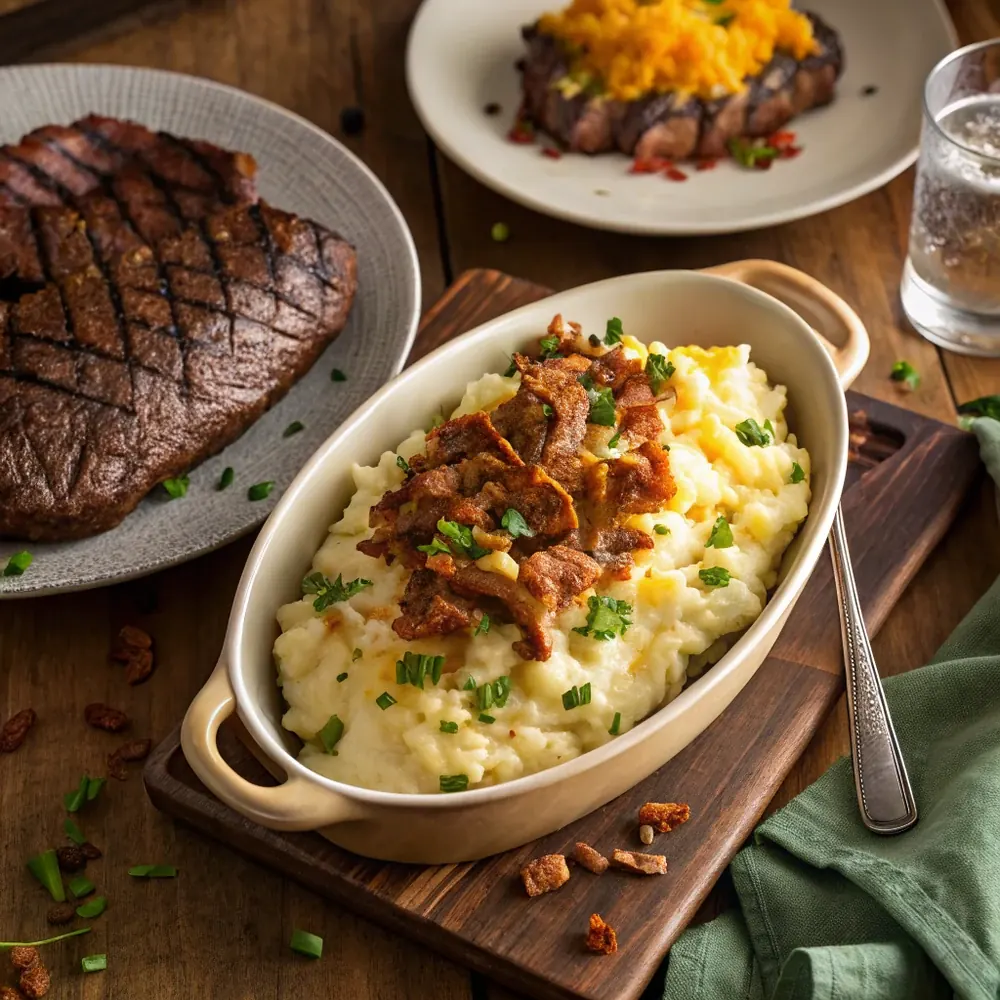
Loaded mashed potatoes are happiest next to something off the grill. They are the natural wingman for my grilled pork chops, and they pull the same duty under a strip steak or grilled chicken. Add buttered corn and a basket of warm rolls and you have rebuilt the whole steakhouse table at home.
If you love this format but want the crisp-skin experience instead, the salt-crusted baked potato is the same flavor family with a different texture argument, crackly skin versus creamy spoonfuls. And when I refuse to choose, my twice baked potatoes split the difference: this exact filling piled back into a crisp shell. Kabobs and chops get the mash, big steaks get the baked.
They also shoulder their way into holiday menus without apology. Next to a smoked turkey or a glazed ham, a casserole dish of these disappears before the green beans get a second look, and the make-ahead format above was honestly engineered for Thanksgiving logistics as much as for weeknights.
Storage and Reheating
Leftovers keep 3 to 4 days in an airtight container in the fridge, per the USDA cold food storage guidelines. Store the components together if they are already combined, no harm done, but if you know you will have leftovers, keeping a little bacon and green onion aside for re-topping pays off at reheat time.
Reheat gently with a splash of warm milk: covered in the microwave at half power, stirring every minute, or in a saucepan over low heat. Potato starch tightens in the cold, and the milk loosens it back to creamy. Full-power microwaving without added liquid is how leftover mash earns its rubbery reputation.
Freezing works better than most people expect because all that butter and dairy protects the texture: portion the mash, freeze up to 2 months, and thaw overnight in the fridge before reheating with milk. And the best leftover trick of all: chill the loaded mash, form it into patties, dredge lightly in flour, and fry in butter until crisp. Loaded potato cakes might outrank the original.
Texas Roadhouse Loaded Mashed Potatoes Copycat Recipe
Ingredients
- For the mashed potatoes:
- 3 lb (1.4 kg) russet potatoes, peeled and cut into 1.5-inch chunks
- 1 tablespoon (12 g) kosher salt, for the cooking water, plus more to taste
- 6 tablespoons (85 g) salted butter, cut into pieces
- 1/2 cup (120 g) sour cream
- 1/2 to 3/4 cup (120 to 180 ml) whole milk, warmed
- 1/2 teaspoon freshly ground black pepper
- For the load:
- 6 slices bacon, cooked crisp and crumbled
- 1 1/2 cups (170 g) shredded sharp cheddar cheese
- 1/4 cup (60 g) sour cream, for topping
- 3 green onions, thinly sliced
- Optional: extra pat of butter and a pinch of smoked paprika for the top
Instructions
- Start the bacon. Lay the bacon in a cold skillet, set it over medium heat, and cook, turning occasionally, until deeply crisp, about 10 minutes. Drain it on paper towels and crumble it once cool. Starting in a cold pan renders the fat evenly so the bacon crisps instead of chewing. This happens while the potatoes boil, so nothing waits on anything.
- Cut and rinse the potatoes. Peel the russets and cut them into even 1.5-inch chunks so they cook at the same rate. Give the chunks a quick rinse in cold water to wash off surface starch, which helps the finished mash stay creamy instead of gluey. Even sizing matters more than exact sizing; a pot of mixed big and small pieces mashes lumpy.
- Boil in salted water. Put the potatoes in a large pot, cover them with cold water by an inch, and stir in the tablespoon of kosher salt. Bring to a boil over high heat, then reduce to a steady simmer for 13 to 16 minutes, until a fork slides through a big chunk with no resistance. Starting in cold water cooks the chunks evenly from edge to center.
- Drain and dry. Drain the potatoes well in a colander, then return them to the hot empty pot over low heat for about a minute, shaking, until the surfaces look dry and floury. This step evaporates the clinging water that would otherwise thin your mash, and it is the difference between creamy and watery. Cut the heat once they look chalky.
- Mash with the butter first. Add the butter pieces to the hot potatoes and mash with a hand masher or run the potatoes through a ricer. Butter first is the old steakhouse trick: the fat coats the starch before any liquid arrives, which keeps the texture silky. Mash to your preferred finish; I leave a few small lumps on purpose, the way the restaurant does.
- Fold in sour cream and milk. Fold in the sour cream, then add the warm milk a splash at a time, stirring gently with a spatula until the mash is creamy and just loose enough to settle slowly off a spoon. Warm milk keeps everything hot and absorbs evenly; cold milk seizes the starch. Stop stirring the moment it comes together; overworked potatoes turn to glue.
- Season firmly. Season with salt and the black pepper, tasting as you go. Potatoes swallow seasoning, so expect to add more salt than feels reasonable before the flavor wakes up. The mash should taste fully delicious on its own at this point, because the toppings are a crown, not a rescue mission.
- Load it up. Pile the hot mash into a serving bowl or baking dish, scatter the cheddar over the top, and let the residual heat melt it for a minute or two. For the full restaurant effect, slide the dish under a hot broiler for 60 to 90 seconds until the cheese bubbles and spots golden. Watch it the whole time; broilers have no mercy.
- Finish and serve. Top the melted cheese with the crumbled bacon, spoonfuls of sour cream, and the sliced green onions, plus the extra pat of butter and a pinch of smoked paprika if you are feeling generous. Serve immediately, while the cheese pulls and the bacon still crunches. Stand back from the bowl or lose a hand.
Frequently Asked Questions
What is in Texas Roadhouse loaded mashed potatoes?
Creamy mashed russet potatoes made with butter, sour cream, and milk, topped with shredded sharp cheddar that melts into the surface, crisp crumbled bacon, a dollop of sour cream, and sliced green onions. It is the regular steakhouse mash wearing baked-potato toppings. This copycat uses 3 pounds of russets, 6 tablespoons of butter, and a full load of toppings for six servings.
How do you keep loaded mashed potatoes from getting gluey?
Do not overwork the starch. Mash the potatoes while hot with the butter first, fold in the sour cream and warm milk gently with a spatula, and stop stirring the moment everything comes together. Avoid food processors and electric mixers on high, which rupture the starch into paste. Rinsing the raw chunks and steam-drying the boiled ones also reduce the surface starch that turns mash gummy.
Can I make loaded mashed potatoes ahead of time?
Yes, casserole-style. Spread the finished mash in a buttered baking dish, refrigerate up to two days, then bake covered at 350F for 25 minutes, add the cheese, and finish uncovered for 10 more until bubbling. Add the bacon, sour cream, and green onion fresh after baking. Make the base slightly looser than normal, since chilled potato starch tightens overnight and bakes back to perfect.
What cheese is best on loaded mashed potatoes?
Sharp cheddar, shredded fresh from a block. The sharpness keeps its flavor against all the butter and cream, and freshly shredded cheese melts into an even layer where pre-shredded bags resist melting because of their anti-caking starch. A cheddar and Monterey Jack blend melts silkier if you want more stretch. Let the cheese melt over the hot mash, or broil it 60 to 90 seconds for a bubbling top.
Should I use russet or Yukon Gold potatoes for this?
Russets give you the fluffiest, most restaurant-style mash and absorb the butter and milk best, which is why they are the default here. Yukon Golds make a denser, naturally buttery mash that also works well. The pro move is half and half. Skip waxy red potatoes, which mash heavy and gluey. Whichever you choose, peel them and cut even 1.5-inch chunks so they cook at the same rate.
Why do my mashed potatoes taste bland compared to the restaurant?
Almost always the cooking water. Restaurants boil potatoes in well-salted water so they season from within; a full tablespoon of kosher salt in the pot is the home equivalent. Then taste the finished mash and add more salt than feels polite, because potatoes absorb seasoning. The base must taste complete before the toppings land, since cheese and bacon only season the surface.
How do you reheat loaded mashed potatoes?
Gently, with a splash of warm milk. Cover and microwave at half power, stirring each minute, or warm them in a saucepan over low heat. The added milk loosens the starch that tightened in the fridge. Leftovers keep 3 to 4 days airtight, and they freeze surprisingly well for up to 2 months thanks to all the butter. Re-crisp a little fresh bacon for the top and nobody will know it is round two.
Can I make loaded mashed potatoes without bacon?
Of course. The structure holds with cheddar, sour cream, and green onion alone, which keeps the dish vegetarian. For a smoky stand-in, a pinch of smoked paprika in the mash or crispy fried onions on top do real work. Sauteed mushrooms are the heartiest swap. The one role you should replace somehow is crunch, because the contrast against the creamy mash is half the pleasure of the loaded format.
What main dishes go with loaded mashed potatoes?
Anything off the grill or out of a smoker: grilled pork chops, steak, barbecue chicken, or a holiday ham or smoked turkey. The potatoes are rich, so they pair best with mains that bring char, smoke, or acidity rather than more cream. At a steakhouse-style dinner, add buttered corn or green beans and warm rolls, and accept that the potato bowl will empty before anything else on the table.
