Tex-Mex Recipes
Texas Tea Cocktail
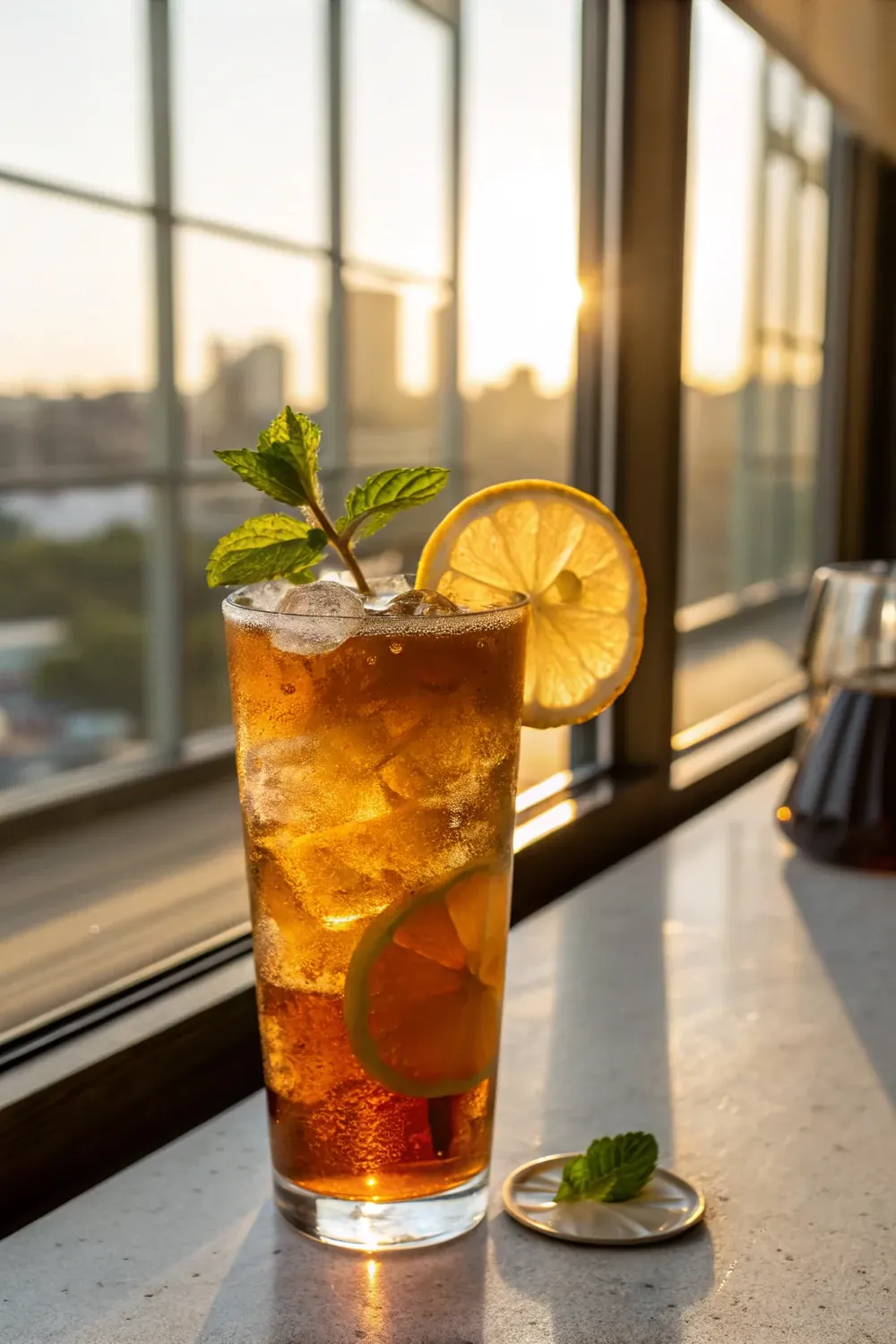
The Texas Tea cocktail is a Long Island variant that leads with blanco tequila: five spirits, fresh lemon, and a short cola cap. Chef Mia's exact build.
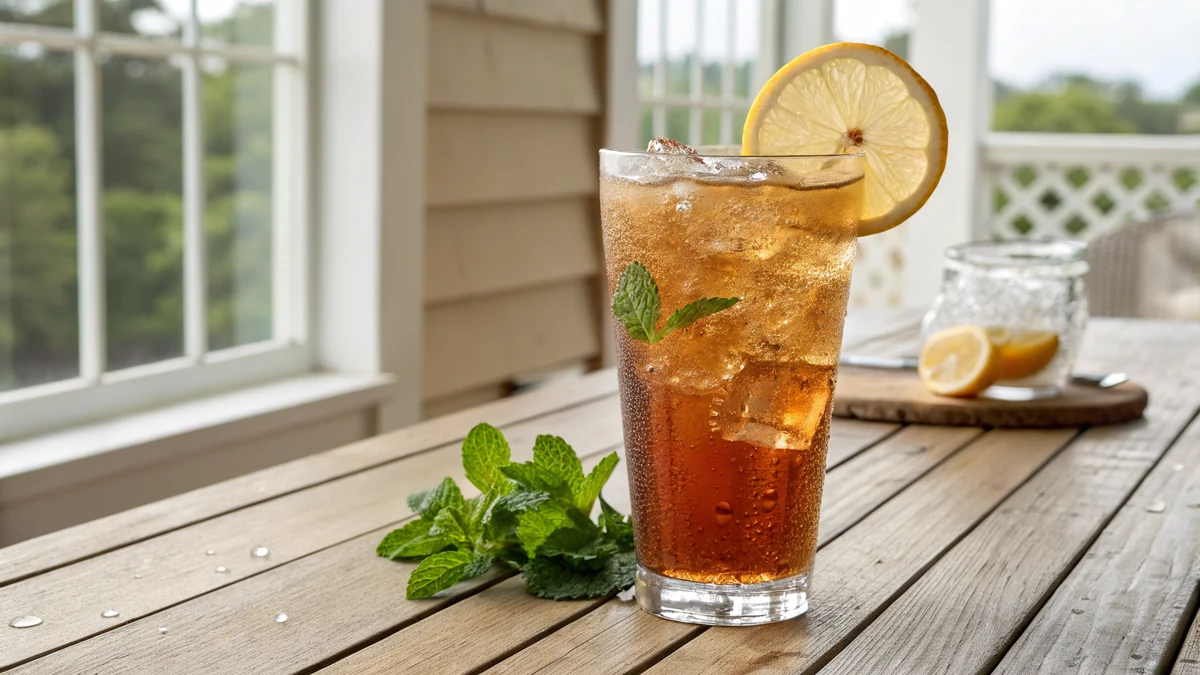
Quick answer: A Texas Tea is a cocktail, not iced tea: it is the Long Island Iced Tea's Texas cousin, distinguished by putting tequila in charge. Build it in a tall glass packed with ice: 3/4 oz blanco tequila, 1/2 oz vodka, 1/2 oz light rum, 1/2 oz gin, 1/2 oz triple sec, 3/4 oz fresh lemon juice, and 1/2 oz simple syrup. Stir well, then cap with 2 oz of cold cola, poured last so the drink shades amber like a glass of sweet tea. Garnish with a lemon wheel and a mint sprig, the costume that completes the tea disguise. There is no tea in it; the name comes from the color and from the Texas move of promoting tequila to the front of the Long Island lineup. It carries about 2.75 oz of liquor in one glass, roughly two standard drinks, so it drinks like an afternoon and arrives like an evening. One is a good time. Two is a decision.
Somewhere in the border country between drink families lives the Texas Tea, a cocktail that has caused more happy confusion at my porch table than everything else in the cooler combined. Guests hear tea and expect my grandmother's pitcher; what lands in their hand is amber, cold, garnished with lemon and mint, and carrying five spirits in a trench coat. The Long Island Iced Tea is the famous parent, the 1970s bartender's dare that mixed vodka, gin, rum, tequila, and triple sec and discovered the result tastes inexplicably like tea with lemon. The Texas version makes one regionally inevitable edit: the tequila stops splitting time evenly and takes the lead.
I will say the important part plainly, because this site also hosts the other Texas tea. This drink contains no tea, and it is not the sweet tea of Texas porches; that recipe, the actual brewed pitcher with one cup of sugar per gallon, lives at my Texas iced tea page and will outlive us all. The Texas Tea cocktail is the bar-side homage: built to look exactly like that pitcher pour, engineered to taste like lemony tea, and quietly stronger than almost anything else a Texas bar serves. This page is the honest version: real measures, fresh lemon, a restrained cola cap, and the warnings the drink has earned.
What a Texas Tea Actually Is
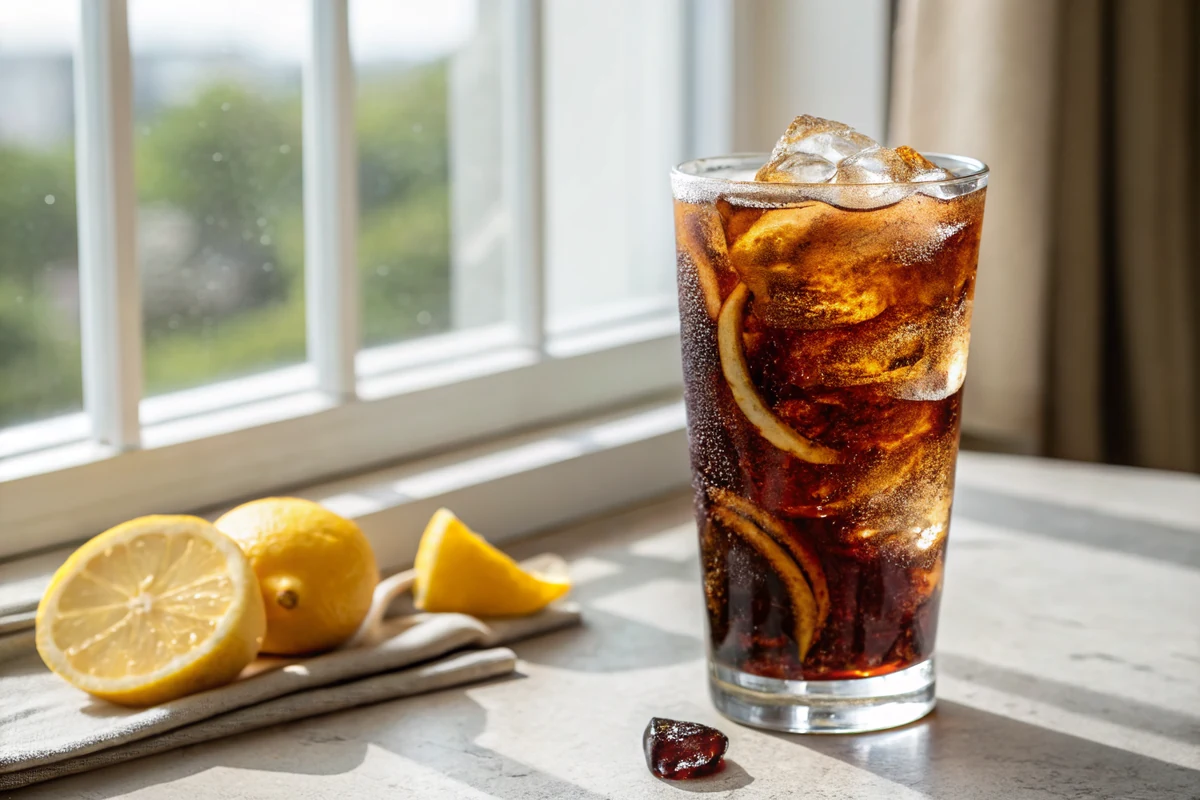
The Texas Tea is a member of the iced tea family of cocktails, the strange and mighty lineage founded by the Long Island Iced Tea: drinks that contain no tea, taste weirdly like tea, and stack four or five white spirits under citrus and a cola cap. The standard telling credits the Long Island original to Robert Rosebud Butt at the Oak Beach Inn in the 1970s, allegedly for a cocktail contest involving triple sec. The formula spread because it worked: vodka, gin, rum, tequila, and orange liqueur, individually loud, somehow cancel each other into a smooth, lemony something that goes down like an afternoon refresher.
Every region eventually customized the family recipe, and Texas did exactly what you would expect Texas to do: it promoted the tequila. In a standard Long Island all five spirits pour equally; in a Texas Tea the tequila steps forward, my build runs it at 3/4 oz against 1/2 oz for everything else, and a proper 100% agave blanco brings a peppery, vegetal note that gives the drink a spine the original lacks. Some bars push further, doubling the tequila or swapping the gin for more of it. The name seals the disguise: garnished with lemon and mint, the finished drink is a dead ringer for the state's official porch beverage.
Which requires the disclaimer this page exists to make loudly: this is not that beverage. Texas iced tea, the real pitcher, sweet tea with one cup of sugar per gallon, is a family drink and a cultural institution, and my Texas iced tea recipe guards that tradition. The Texas Tea cocktail borrowed the look and the name as a bar joke that stuck. Order carefully, serve carefully, and label the pitcher at your party, a sentence I write from experience.
Five Bottles, One Job Each
A drink with five spirits looks like chaos, but each bottle is doing assigned work, and knowing the assignments is how you make a clean one. The tequila is the lead voice: 100% agave blanco, the same bottle that runs your margaritas and ranch waters, bringing pepper and green agave brightness that reads distinctly Texan. Espolon, Cimarron, or Pueblo Viejo all do it under thirty dollars. This is the one bottle where quality is audible in the finished drink, because it is the one spirit poured above the crowd.
The middle three are texture players. Vodka adds clean alcoholic backbone and nothing else, which is its job description everywhere. Light rum brings a faint cane sweetness that rounds the drink's edges, and gin contributes the quiet botanical hum that, blended with lemon and cola, produces the famous tastes-like-tea illusion; skip the gin and the illusion weakens noticeably. None of the three needs to be fancy, and all three should be measured exactly. The whole cocktail is 2.75 oz of liquor, and every quarter ounce of drift moves it from smooth toward solvent.
Triple sec is the bridge: orange sweetness that ties the citrus to the spirits, the same job it does in a margarita. Cointreau if the bar has it, any honest triple sec if not. Then the two civilians: fresh lemon juice, non-negotiable and covered below, and a modest 1/2 oz of simple syrup, because the triple sec and cola both carry sugar and the drink needs balancing, not sweetening. Every bottle in this list except the tequila is a supporting actor. Cast it that way and the drink stays in balance.
Fresh Lemon or Nothing: The Sour Mix Rule
The chain-bar Texas Tea is built on sour mix, that fluorescent citrus syrup from a gun or a plastic jug, and sour mix is the reason the entire iced tea family has a headache reputation. It replaces fresh acidity with sugar-thickened imitation, pushing the drink sweet and flat so the alcohol hides completely until it ambushes you. Three-quarters of an ounce of lemon juice squeezed from an actual lemon costs 20 seconds and transforms the drink: bright, structured, and honest enough that you can taste that it is strong, which with this cocktail is a safety feature.
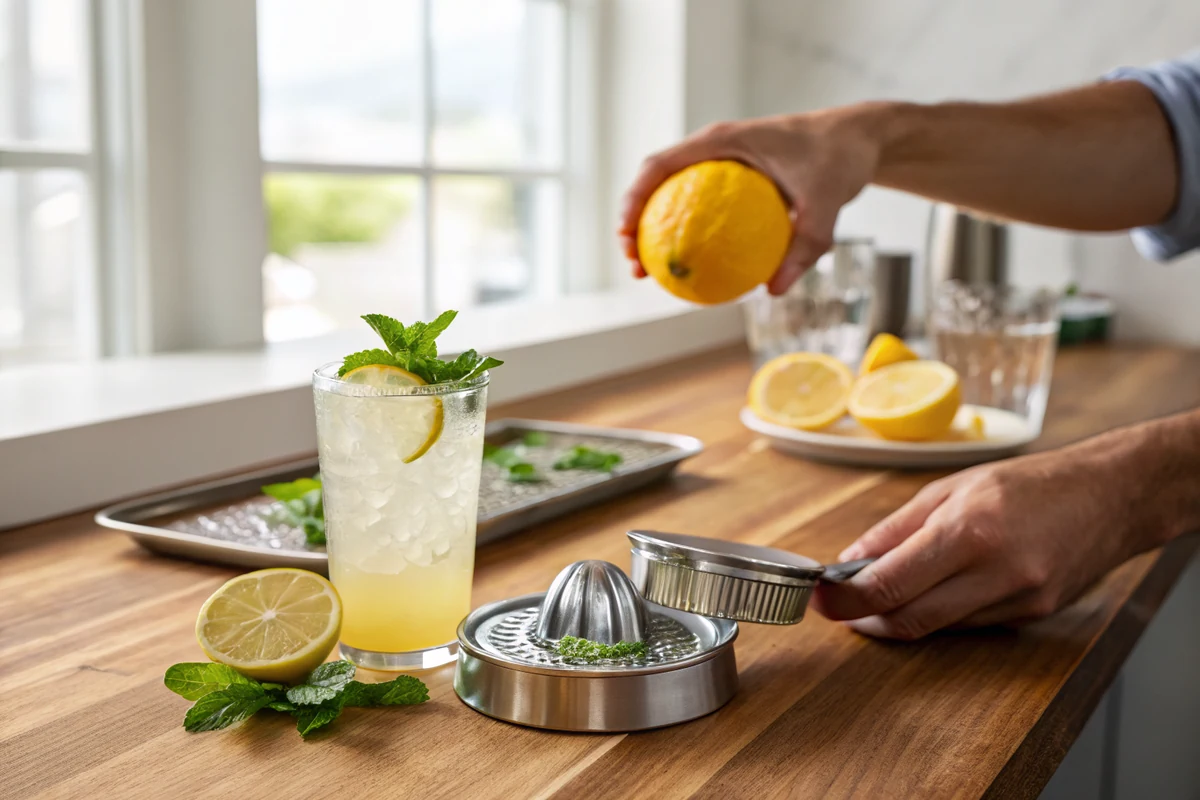
Lemon, not lime, and the choice is deliberate. Lime would drag the drink toward margarita country, where the tequila already points; lemon keeps it inside the tea illusion, because lemon is what a glass of porch tea wears. The 3/4 oz measure against 1/2 oz of simple syrup lands the drink just on the tart side of balanced, which is where it should sit before the cola adds its own sweetness. If your lemons run small and mean, taste and adjust with the syrup, not with more juice from a bottle shaped like a lemon, which is sour mix with better marketing.
While the press is out, note the efficiency: this drink shares its entire citrus-and-agave shopping list with the rest of the Texas canon. The lemons overlap with the chilton, the tequila with the Texas margarita and ranch water, the triple sec with the margarita again. A bar stocked for Texas Tea is a bar stocked for the whole porch season, which is the practical argument for learning this drink properly instead of treating it as a novelty order.
The Cola Cap: Color, Not Mixer
Cola is where most homemade Texas Teas die. The instinct is to treat it like a rum and coke, filling the glass to the top with soda, and the result is a brown, foamy sugar bomb where five spirits fight cola syrup and everybody loses. The correct pour is 2 oz, a cap, added last over a fully stirred and chilled drink. Its jobs are visual and aromatic: the caramel color that shades the glass tea-amber, a toasty top note that completes the illusion, and a whisper of carbonation that lifts the first sip. It is a garnish you pour.
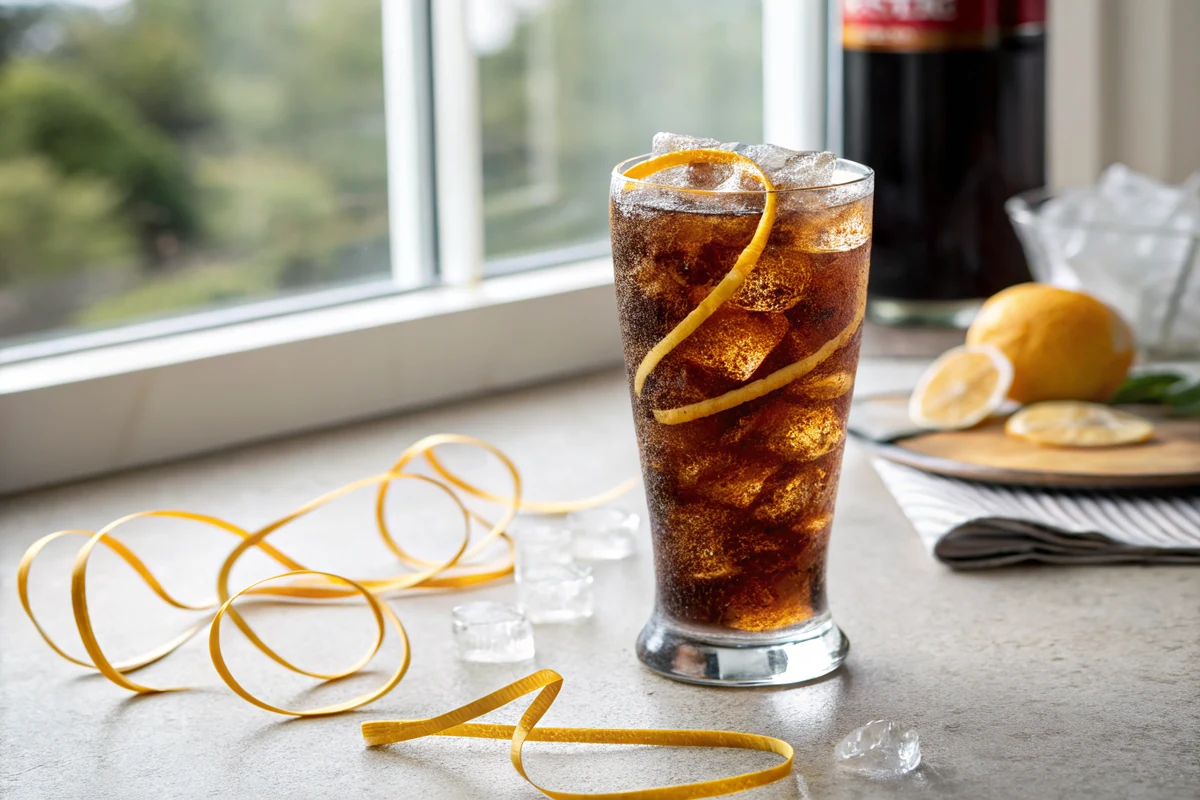
Technique matters for the fizz. Stir the base drink thoroughly first, 10 to 15 seconds until the glass fogs, because after the cola arrives your stirring allowance drops to one slow pass; aggressive stirring after carbonation flattens the drink into syrup. Pour the cola down the side or over the back of the spoon so it layers in gently, then the single lazy stir to marry the color through. The finished glass should read amber and translucent, close enough to sweet tea that the garnish completes the deception.
Cola choice is low-stakes with one exception: use a cold, full-sugar cola rather than diet, whose aggressive sweeteners bully the top of the drink. Two ounces is also the answer to the calorie panic this drink occasionally triggers; the cap adds about 25 calories, and the drink's true weight lives in the spirits regardless. If you want a lighter cocktail, the answer is not less cola. It is the honest route: fewer spirits, covered in the variations below, or a different drink entirely.
Strength: Read This Before Making a Pitcher
Time for the paragraph this cocktail legally owes every reader. A Texas Tea built to this recipe carries 2.75 oz of 80-proof spirit, which is just under two standard drinks in one tall, cold, smooth, lemony glass that tastes like a 10 percent effort. The iced tea family's defining feature is that it hides its strength perfectly: the spirits cancel each other, the lemon brightens, the cola rounds, and the finished drink registers on the palate as roughly as strong as hard lemonade. Your palate is wrong by a factor of two, and it stays wrong until you stand up.
I serve Texas Teas with house rules that I recommend adopting wholesale. One per guest per hour, water alongside, never on an empty stomach, and the second one is a conversation rather than a reflex. The drink's cousin over in Dallas, the Mambo Taxi, carries the same two-is-a-commitment folklore for the same reason: cold, sweet, smooth, and stacked. Texas bar culture is full of these friendly ambushes, and the difference between charming and regrettable is measurement and pacing, both of which are free.
This is also the paragraph where the jigger earns its place on the equipment list. Free-pour five bottles and your quarter-ounce drifts compound: a heavy hand on each pour builds a four-ounce drink that tastes nearly identical to the correct one and behaves nothing like it. Measure every spirit, every time, even at a loud party, especially at a loud party. The Texas Tea made precisely is a great cocktail with a manageable kick. The Texas Tea made generously is a nap with a garnish.
Pitcher Math for a Porch Crowd
The pitcher version works beautifully with one structural rule: batch the spirits and citrus, never the ice and never the cola. For eight drinks, combine 6 oz blanco tequila, 4 oz vodka, 4 oz light rum, 4 oz gin, 4 oz triple sec, 6 oz fresh lemon juice, and 4 oz simple syrup in a pitcher and refrigerate up to a day ahead. That is the entire make-ahead; it holds perfectly because nothing in it dilutes or goes flat. At service, pour 4 oz of base over a packed glass of ice, stir, cap with 2 oz of cola, garnish, repeat.
The reason for per-glass assembly is the same physics as every tall drink: a pitcher holding ice dilutes continuously from the moment it is built, and a pitcher holding cola goes flat within the hour. Batching the strong half and finishing each glass fresh gives every guest the drink at its correct strength, temperature, and fizz, and it takes 30 seconds per serving with the base already mixed. Pre-slice the lemon wheels and stage the mint in a glass of water, and the assembly line runs itself while you hold a conversation.
Label the pitcher. I am going to say it twice because it is the single most important logistics note on this page: an amber pitcher wearing lemon wheels, sitting on a Texas porch next to actual sweet tea, is a genuine hazard to the aunt who came for the casserole. Masking tape and a marker solve it. At my table the cocktail pitcher wears a red ribbon around the handle, the tea pitcher wears nothing, and everybody over the age of ten knows the code. Design your own system, but have one.
Texas Tea vs. Sweet Tea vs. Long Island: The Disambiguation
Three drinks share this small crowded namespace, so here is the map. Texas iced tea, or just sweet tea, is brewed black tea with sugar, no alcohol, served by the gallon from every refrigerator in the state; it is the drink of family tables and funeral receptions and my grandmother's kitchen in Tyler, and its recipe lives at my Texas iced tea page. The Long Island Iced Tea is the 1970s cocktail of five equal spirits, sour, and cola, named for looking and vaguely tasting like tea. The Texas Tea is the Long Island rebuilt with the tequila promoted to lead and, done right, fresh lemon in place of sour mix.
The equal-parts question is the real dividing line between the two cocktails, and it changes more than the label suggests. A classic Long Island distributes 2.5 oz of spirit democratically, and the result is deliberately anonymous; no single bottle is supposed to be identifiable. The Texas Tea abandons the anonymity on purpose. At 3/4 oz, a peppery blanco tequila is clearly present in the sip, the way it is present in everything else this state drinks, and the cocktail gains a regional accent the original never had. It is a small edit with a loud passport.
Where does it sit in the state's canon? My Texas cocktails guide lines up the whole family, and the Texas Tea plays a specific position there: the strongest drink on the list, the conversation piece, the one you make two of and cap the pitcher. It will never be the daily pour that ranch water is, and it should not be. It is the drink for the second hour of a porch evening that has earned it, made properly, measured honestly, and served next to a pitcher of the real tea it is dressed up as.
Variations Worth Making
The bourbon swap is the variation with the most Texas logic: replace the gin with 1/2 oz of bourbon and the drink picks up vanilla and oak that lean the whole glass toward Arnold Palmer territory. Hill Country bottles from Garrison Brothers or Balcones make it a double citizenship drink. Some bars call this cousin a Tennessee Tea when whiskey replaces more of the lineup; at 1/2 oz it stays a Texas Tea with a drawl. The gin illusion fades slightly, the warmth increases, and on an October porch that trade is correct.
The lighter build is the variation I actually make most: drop the vodka entirely, run tequila 3/4 oz, rum 1/2 oz, gin 1/2 oz, triple sec 1/2 oz, and keep everything else identical. The glass loses half a standard drink of weight and no discernible flavor, because vodka was only ever supplying muscle. Down that road further lives the honest admission that if you want a genuinely light tequila drink, the answer is ranch water, three ingredients and a fraction of the proof, and this cocktail should not pretend to compete there.
The peach variation ties the drink back to the pitcher it imitates: 1/2 oz of peach schnapps in place of the simple syrup, a Fredericksburg nod that plays beautifully against the tequila and lemon. And for the tea purist determined to close the loop, a float of strong-brewed black tea, 1 oz, chilled, poured with the cola, adds genuine tannin and makes the drink technically contain what its name promises. It is a gimmick, it works, and the guest who identifies the flavor unprompted has earned their second one, pending the house rules above.
What to Serve With a Texas Tea
This cocktail was born for the long smoky afternoon, and it pairs the way strong-and-citrus drinks always pair in Texas: with rich food that needs cutting. A plate of brisket is the canonical match, the lemon and carbonation scrubbing beef fat exactly the way sweet tea does for the non-drinking half of the table, which gives the whole gathering a pleasing symmetry: everyone holds the same amber glass, dressed the same way, doing the same job at two very different strengths.
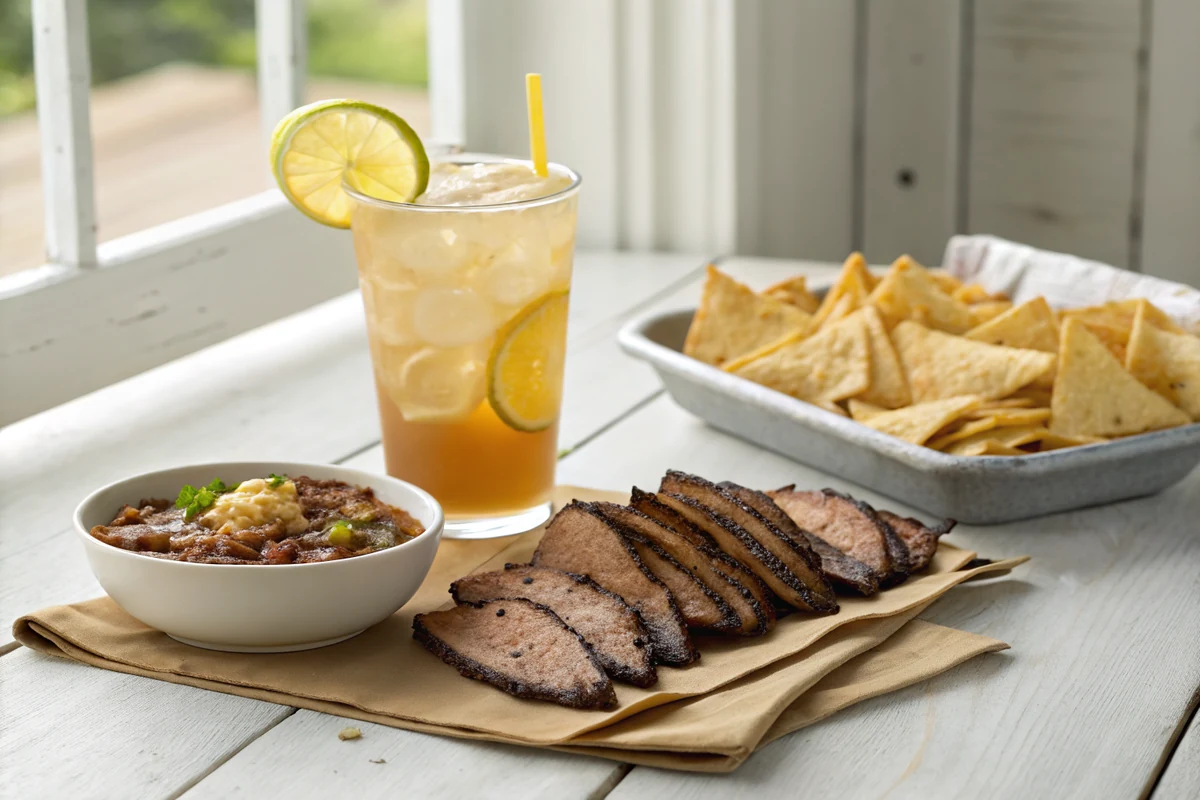
Queso and chips hold the appetizer flank, as they do for most of the state's drinking; a skillet of queso blanco against the cold citrus is the porch equivalent of the Mambo Taxi and queso ritual over in Dallas. Fried food loves this drink too, from fried pickles to hot wings, the fizz and acid resetting the palate between rounds. What the Texas Tea pairs poorly with is subtlety: a delicate ceviche or a careful salad will be steamrolled. Feed it barbecue, Tex-Mex, and fried things, and it behaves like it was designed for them, because it was.
One service note that doubles as hospitality: because the drink is strong and reads gentle, anchor it with real food from the first glass, not after. The Texas Tea on an empty stomach is a different and worse cocktail. I put the queso out before the first pour, the brisket within the hour, and the water pitcher in arm's reach of everything, and the evening stays a story about the food. That is the drink working correctly: loud glass, quiet consequences.
The Five Mistakes That Ruin a Texas Tea
Mistake one is sour mix, the fluorescent shortcut that turns a structured cocktail into an alcopop; fresh lemon takes 20 seconds and is the difference in kind, not degree. Mistake two is drowning it in cola: the correct 2 oz cap colors and perfumes the drink, while a full-glass pour buries five spirits under soda foam and adds sugar the balance never asked for. Amber like tea, never brown like a float, is the visual gate. Mistake three is free-pouring: five bottles of quarter-ounce generosity compound into a drink one and a half times its intended strength that tastes nearly identical. The jigger is not optional equipment here.
Mistake four is bad ice discipline, the tall-drink killer: a half-filled glass of old freezer cubes melts fast, and a watery Texas Tea is somehow both weaker and more dangerous, because it drinks even easier while carrying the same payload. Pack the glass full with fresh hard ice, chill the cola, and the last sip stays as honest as the first. Mistake five is treating it like a session drink because it tastes like one. It is two standard drinks in a costume; pace it like the pair it is, alternate with water, and cap the evening at two with a handshake.
And the bonus mistake, the one specific to this state: making a pitcher of these for a mixed crowd and setting it anywhere near the actual tea. Label the cocktail pitcher, tell the room twice, and put the real sweet tea in the visibly different vessel. Every Texas Tea story that ends badly begins with somebody thinking they poured the other one. Run the porch so that mix-up cannot happen, and this drink is nothing but a good story: the strongest, sneakiest, most Texan member of a cocktail family that was already a legend.
Texas Tea Cocktail Recipe
Ingredients
- For the cocktail:
- 3/4 oz (22 ml) blanco tequila, 100% agave
- 1/2 oz (15 ml) vodka
- 1/2 oz (15 ml) light rum
- 1/2 oz (15 ml) gin
- 1/2 oz (15 ml) triple sec or Cointreau
- 3/4 oz (22 ml) fresh lemon juice, about half a large lemon
- 1/2 oz (15 ml) simple syrup
- 2 oz (60 ml) cold cola
- For the glass:
- 1 tall 16 oz glass, packed with fresh ice
- 1 lemon wheel and 1 mint sprig, to garnish
- Equipment:
- Jigger, bar spoon or long iced-tea spoon, and a citrus press
Instructions
- Chill everything first. Cold ingredients melt less ice, and this drink lives or dies on dilution control. The cola comes straight from the refrigerator, the glass gets 5 minutes in the freezer if you can spare them, and the ice is fresh and hard, not the frosty tray cubes that have been absorbing freezer smells since March.
- Juice the lemon. Squeeze 3/4 oz of fresh lemon juice. This is the ingredient the chain-bar version replaces with sour mix, and it is the single upgrade that separates a clean Texas Tea from a syrupy one. Half a large lemon does it.
- Pack the glass with ice. Fill a tall 16 oz glass completely with ice, to the rim. A packed glass keeps the drink colder and dilutes slower than a half-filled one; skimping on ice is how tall drinks turn watery and warm.
- Measure in the five spirits. Pour the tequila, vodka, rum, gin, and triple sec over the ice, measuring every one with a jigger. Free-pouring five bottles into one glass is how this drink got its reputation, and not the good half of it. The tequila leads at 3/4 oz; the others hold at 1/2 oz each.
- Add lemon and syrup, then stir. Add the lemon juice and simple syrup, then stir 10 to 15 seconds with a long spoon, until the outside of the glass fogs. The drink should be fully mixed and properly cold before the cola arrives, because you cannot stir hard after it without flattening the fizz.
- Cap with cola. Pour 2 oz of cold cola gently over the top and give one single lazy stir to marry it. The cola is a colorist and a top note, not a mixer; the drink should land amber like strong iced tea, not brown like a soda float. Taste: it should read as lemony, faintly caramel, and dangerously smooth.
- Garnish like a glass of tea. Hang a lemon wheel on the rim and tuck a mint sprig into the ice, the full sweet-tea costume. Serve immediately with a straw or the long spoon, and serve some water alongside; this glass carries close to three ounces of liquor and nobody needs to discover that on an empty stomach.
Frequently Asked Questions
What is in a Texas Tea cocktail?
Five spirits, citrus, and a cola cap: 3/4 oz blanco tequila, 1/2 oz each of vodka, light rum, gin, and triple sec, 3/4 oz fresh lemon juice, and 1/2 oz simple syrup, stirred over a full glass of ice and topped with 2 oz of cold cola. Garnish with a lemon wheel and mint so it looks like sweet tea. The defining Texas edit versus a standard Long Island Iced Tea is the tequila poured above the other spirits, which gives the drink a distinct peppery agave lead. There is no tea in the standard build; the name comes from the amber color and the disguise.
Is a Texas Tea the same as a Long Island Iced Tea?
Same family, different accent. Both stack vodka, gin, rum, tequila, and triple sec under citrus and a cola top, and both taste misleadingly like lemony tea. The classic Long Island pours all five spirits equally, keeping every bottle anonymous. The Texas Tea promotes the tequila to lead, typically 3/4 oz against 1/2 oz for the rest, and a good 100% agave blanco is clearly tasteable in the result. Some bars push the tequila further or swap the gin for bourbon. Strength is comparable between the two: just under two standard drinks per glass either way.
Is a Texas Tea the same as Texas iced tea or sweet tea?
No, and the confusion is the drink's favorite joke. Texas iced tea, usually just called sweet tea, is non-alcoholic brewed black tea sweetened at about one cup of sugar per gallon, the default family drink of the state. The Texas Tea cocktail contains no tea at all: it is a five-spirit Long Island variant dressed up with a lemon wheel and mint to look exactly like the porch pitcher. If you are serving both at one gathering, label the pitchers clearly; they are visually nearly identical and separated by roughly two standard drinks per glass.
How strong is a Texas Tea?
Strong, and deliberately sneaky about it. The standard build carries 2.75 oz of 80-proof spirit plus the triple sec, which lands just under two standard drinks in a single tall glass. Because the five spirits blend into a smooth, lemony, tea-like flavor with no single boozy edge, the drink registers far weaker than it is; that disappearing act is the entire iced tea family's signature. Treat one Texas Tea as two drinks for pacing purposes, keep water alongside, and eat something with it. The recipe hiding its strength is a reason for measurement, not a license for a heavy pour.
What does a Texas Tea taste like?
Like strong lemon iced tea with a warm agave undertone, which is stranger and better than the ingredient list suggests. The five spirits cancel each other's rough edges: the gin's botanicals plus lemon and cola create the famous tea illusion, the rum rounds it, the triple sec ties the citrus together, and the elevated tequila contributes a peppery, faintly vegetal lead note that marks it as Texan. Made with fresh lemon juice it finishes bright and clean; made with sour mix it turns syrupy and flat, which is the difference between a good bar and a bad night.
Can I make Texas Teas by the pitcher?
Batch the strong half only. For eight drinks: 6 oz blanco tequila, 4 oz each of vodka, light rum, gin, and triple sec, 6 oz fresh lemon juice, and 4 oz simple syrup, refrigerated up to a day ahead. At service, pour 4 oz of that base over a fully iced tall glass, stir, cap with 2 oz of cold cola, and garnish with lemon and mint. Never batch the ice or the cola into the pitcher; ice dilutes it continuously and cola goes flat. And label the pitcher plainly, because it looks exactly like sweet tea and pours nearly three ounces of liquor per glass.
What is a good substitute for the gin or vodka in a Texas Tea?
The two most useful swaps both have Texas logic. Replacing the gin with 1/2 oz of bourbon adds vanilla-oak warmth and pushes the drink toward Arnold Palmer territory; Hill Country bourbons make it a fully Texan glass, though you lose a little of the gin-driven tea illusion. Dropping the vodka entirely, with everything else unchanged, is the best lighter build: vodka contributes only strength, so the flavor survives intact while the drink sheds half a standard drink of weight. For a genuinely light tequila alternative, step out of the family altogether and make ranch water instead.