Seasonal roundup
12 Texas Tailgating Foods That Travel Well
Quick answer: The tailgating foods that actually work in a Texas parking lot are the ones that hold temperature for three hours and eat one-handed: queso in a small slow cooker, BBQ chicken sliders, trash dip, smoked jalapeno poppers, wings, Frito pie built in the bag, chopped beef sandwiches, Texas caviar, bacon-wrapped toothpicks, and a cold michelada to go with them. The rule behind all twelve is that food must be finished before it leaves the house. A tailgate is a serving operation, not a cooking one. Hot food travels in a preheated cooler or a slow cooker on an inverter, cold food travels on ice, and nothing sits at room temperature for the three hours in between. All twelve picks are below with what each one needs to survive the trip.
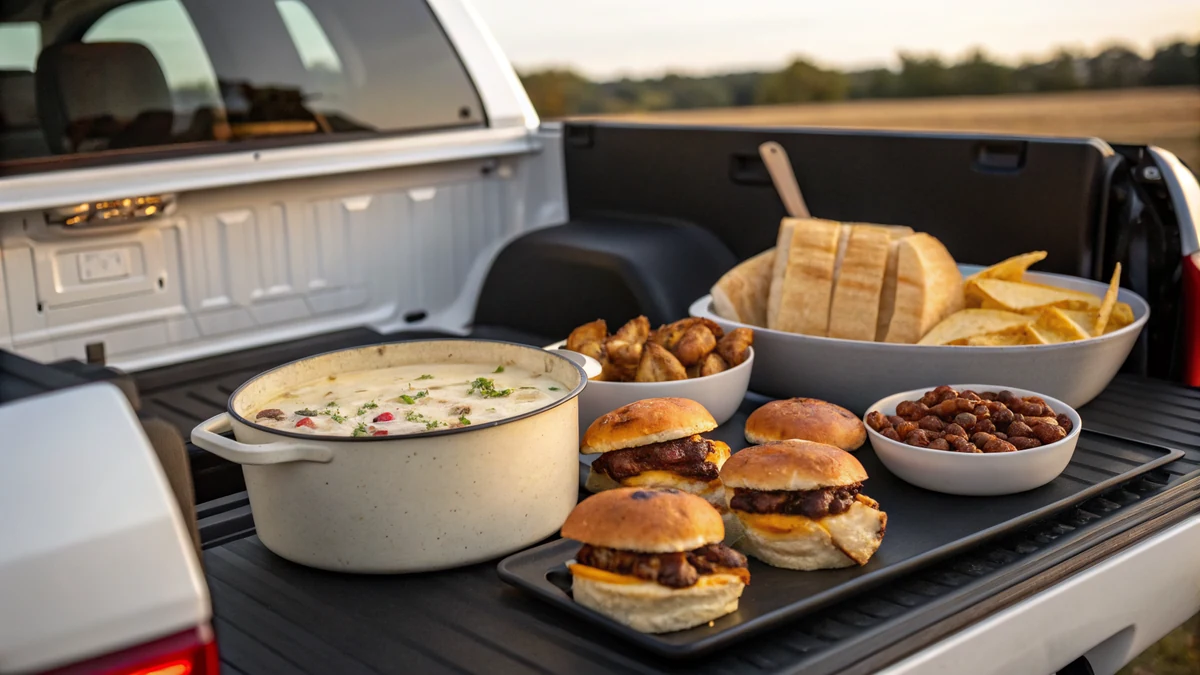
I have tailgated at high school playoff games in November wind and at September college games where the asphalt read 104F by kickoff, and both taught the same lesson from opposite directions. The food that works is not the most impressive food. It is the food that is still good three hours after it left your kitchen, eaten standing up, with one hand, while somebody argues about a call.
That constraint eliminates a lot of otherwise excellent cooking. Anything that needs a plate and a fork, anything that has to be served the minute it is done, anything that goes sad at room temperature: all of it belongs at a table indoors. What survives a parking lot is a narrower and more specific list, and it is the list below.
Everything here is finished at home. I am not against cooking on site, but a portable grill in a crowded lot is a second job, and the payoff rarely justifies it. Twelve picks follow, grouped by how they travel, and then the cooler system that makes all of them work.
The Rules That Decide the Menu
Three questions decide whether a dish makes the trip. Can it be finished at home? Does it hold for three hours without meaningfully degrading? Can somebody eat it standing up without a plate and a fork? A dish that fails any one of them is a dish that will disappoint you in a parking lot, no matter how good it is in your kitchen.
The temperature rule is the one worth taking seriously rather than treating as advice. Hot food needs to stay above 140F and cold food below 40F, and the three hours in between is exactly the window where the middle ground turns from an aesthetic problem into a food safety one. A September tailgate in Texas is not a forgiving environment for a bowl of mayonnaise-based anything left out on a folding table.
The practical answer is that everything travels in one of three carriers. A small slow cooker on a car inverter or a portable battery handles anything that should be hot and scoopable. A preheated cooler, filled with boiling water for ten minutes and then emptied and dried, holds finished hot food for hours. And a second cooler on ice handles everything cold. Nothing rides in the open.
The same three questions plan a backyard holiday just as well. My Labor Day BBQ menu applies them to the September cookout where the kitchen is at least close by - and steals this cooler system for the sides.
The Slow Cooker Slot: Hot, Scoopable, Endless
1. Queso Blanco
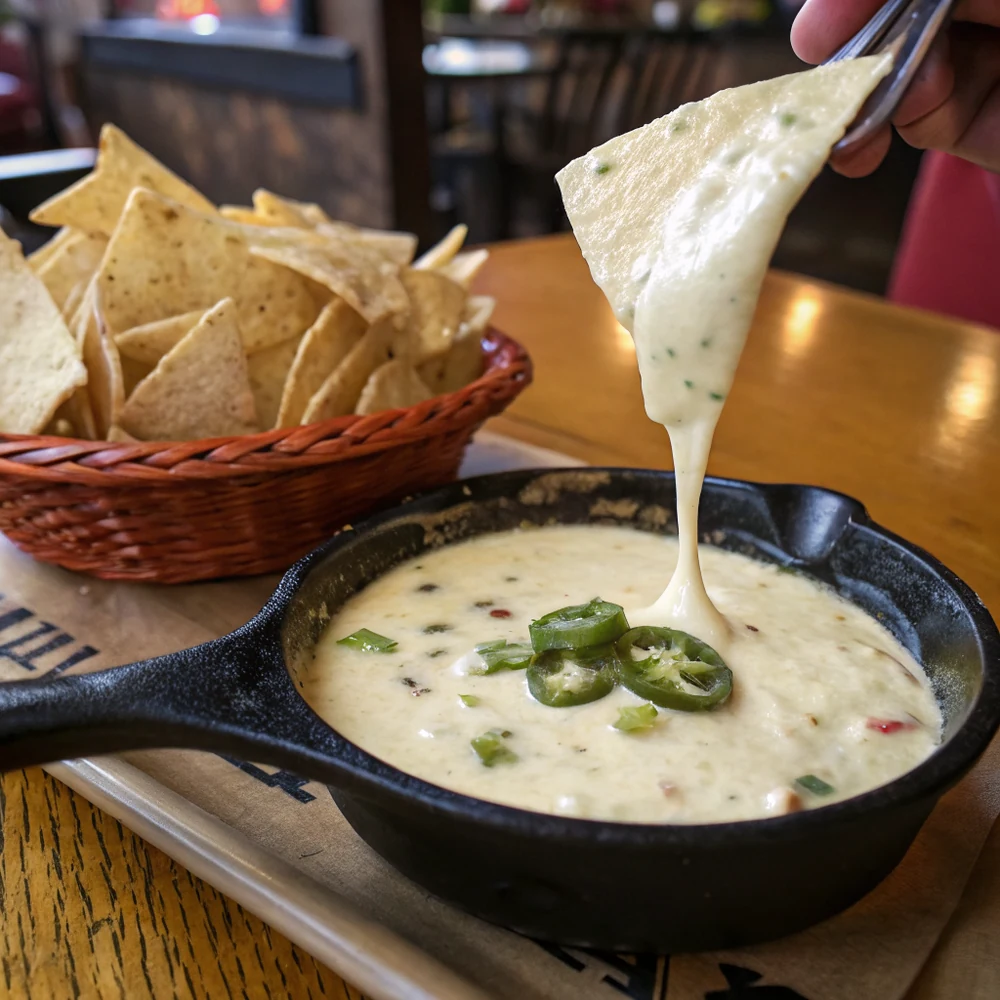
If you bring one hot thing, bring this. My white queso blanco is built on white American cheese and evaporated milk, and that combination is what lets it sit on warm for three hours without breaking or turning grainy, which is exactly where cheddar-based quesos fail. Make it at home, transfer it hot into a small slow cooker, and plug it into an inverter. Stir occasionally. A splash of milk brings it back if it tightens up toward the end of the third quarter.
2. Texas Trash Dip
Texas trash dip is the layered bean, cheese, and seasoned beef dip that shows up at every Texas gathering, and its density is precisely why it travels so well. There is no delicate emulsion to break, so it holds heat for hours and reheats without complaint. Bake it at home in a disposable foil pan, cover it, and carry it in a preheated cooler. It is also the most filling thing on this list, which matters when kickoff is at 7:00 PM and you arrived at 3:00.
3. Smoked Chorizo Queso
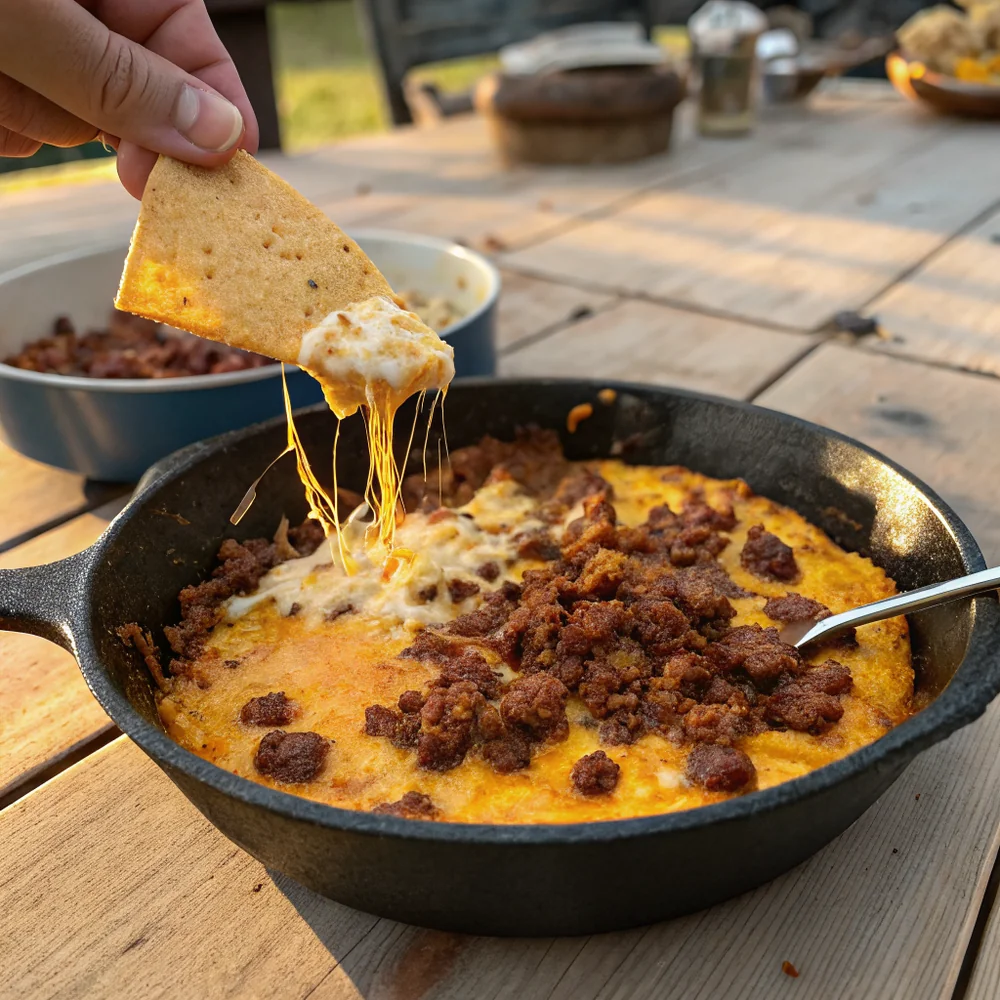
When I want the queso to be the thing people remember, I bring my smoked chorizo queso instead. Rendered chorizo and a session on the smoker give it a depth that plain queso does not have, and it holds exactly as well because the base is the same. Bring extra chips. This one gets eaten at a rate that surprises people who thought they had made enough.
The fourth slow-cooker order, for a crowd that leans wings-and-ranch instead of chips-and-salsa, is my Texas Pete buffalo chicken dip. Same inverter, same three-hour hold, eaten on celery sticks or scooped with the same chips.
Handheld Mains: The Food That Actually Feeds People
4. BBQ Chicken Sliders
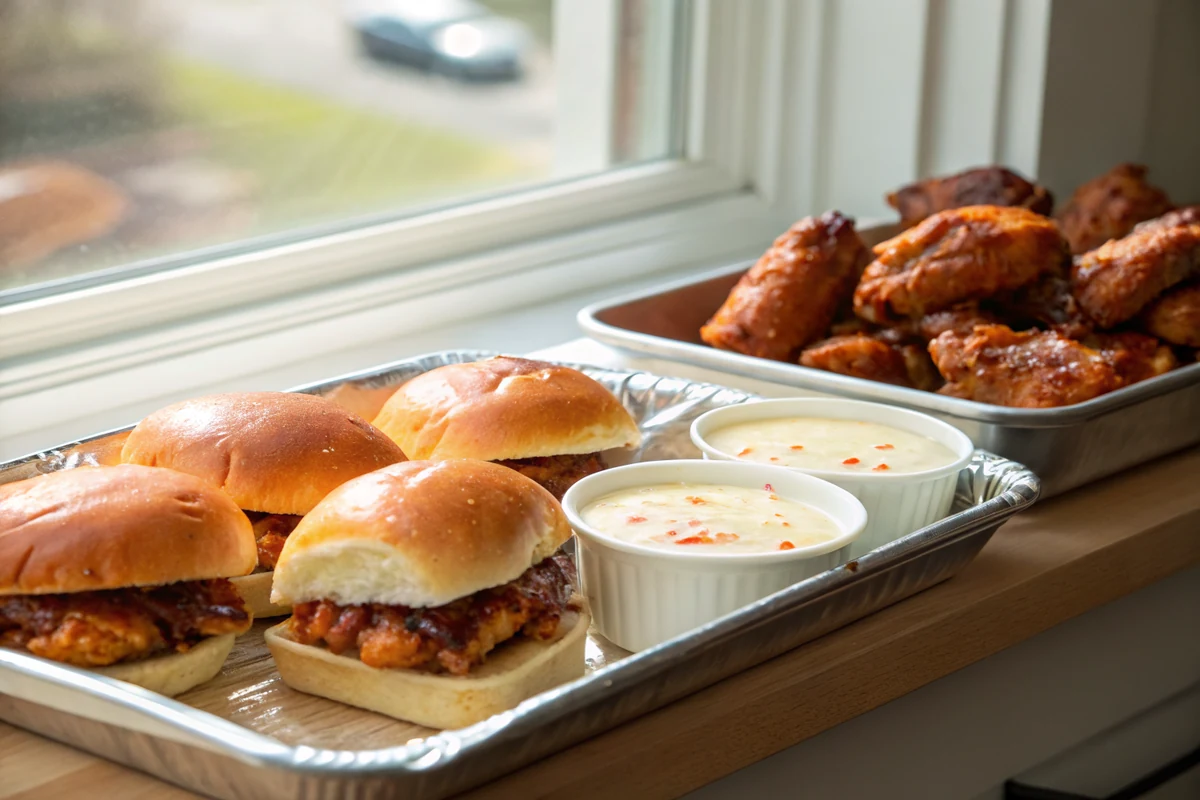
Sliders are the ideal tailgate main because they are portion-controlled, handheld, and assembled in advance. My BBQ chicken sliders go together in a foil pan, get brushed with butter, and travel covered and warm. Two per person for a crowd that has other food available, three if the sliders are carrying the meal. Keep the extra sauce in a squeeze bottle rather than on the sliders, so the bottom buns are not soaked by the time you arrive.
5. Chopped Beef Sandwiches
Sliced brisket dries out within minutes of leaving the pit, which makes it a poor traveler. Chopped beef does not, and my chopped beef sandwich is what I bring when there is leftover brisket to move. Chopped, sauced, and held hot in a slow cooker or foil pan, it stays juicy for hours and goes onto buns to order. Keep the meat and the buns separate until the moment of service, always.
6. Frito Pie in the Bag
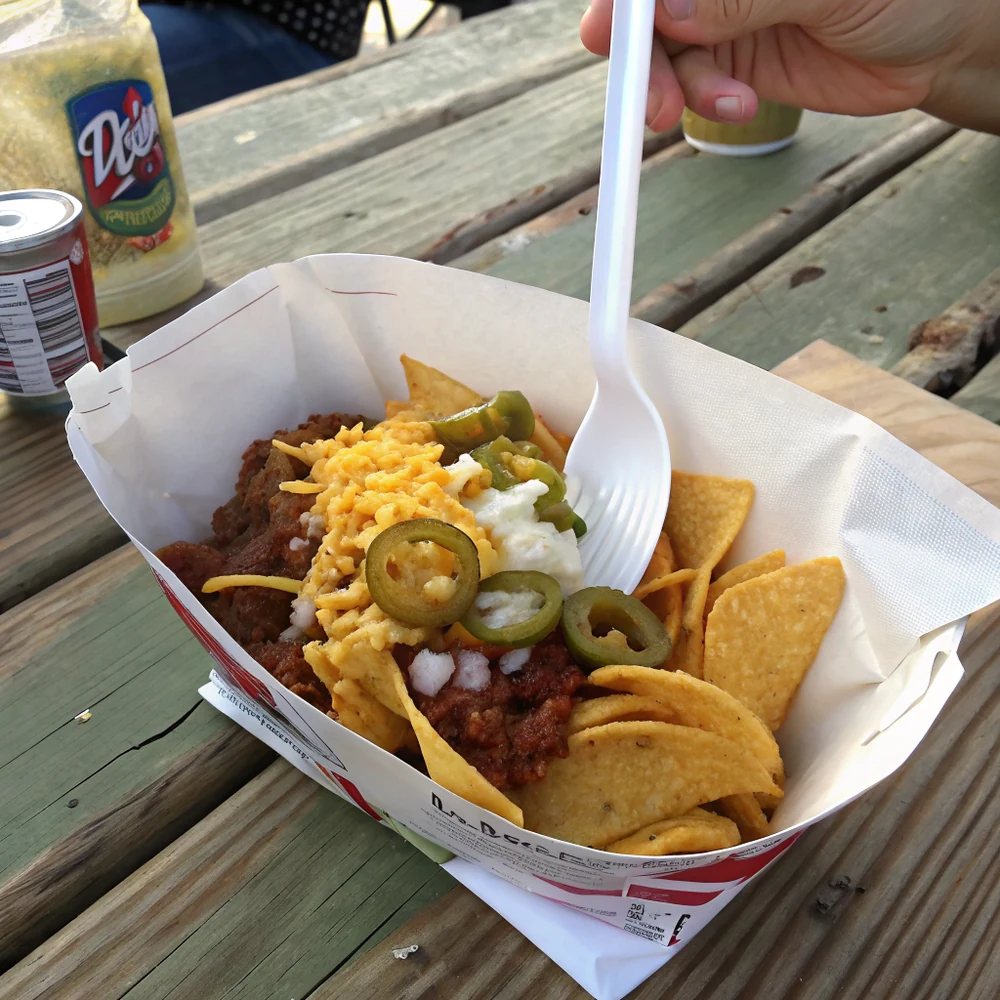
Frito pie was arguably invented for exactly this situation. Bring the chili hot in a slow cooker, bring individual chip bags, and let people build their own: slit the bag lengthwise, ladle chili in, top with cheese and onion. My Texas Frito pie covers the no-bean chili that belongs in it and the bag technique. Nothing to wash, nothing to carry home, and it is the dish children reliably choose over everything else on the table.
7. Honey BBQ Wings
Wings travel well with one adjustment: carry the sauce separately. My honey BBQ wings come out of the oven crisp, and if you sauce them at home they steam into softness inside their own foil during the drive. Bake, cool slightly, pack in a preheated cooler, and toss with warm sauce from a jar when you arrive. Sixty seconds of work on site for a genuinely better wing. Budget six per person and expect to have underestimated.
Cold Cooler Picks and the Things Worth the Extra Effort
8. Texas Caviar
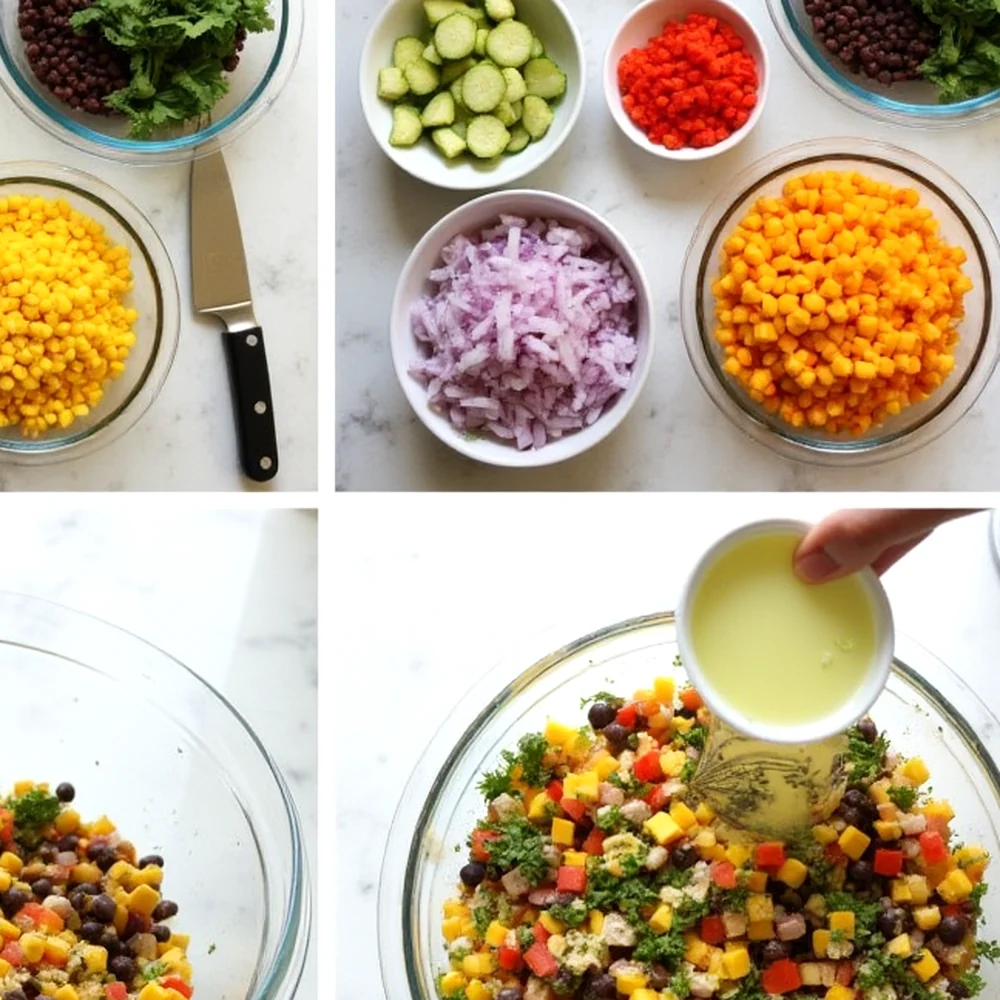
Every tailgate table needs one sharp, cold, vegetable-forward thing to cut through all the cheese, and Texas caviar is the one that never lets me down. Black-eyed peas, peppers, and onion in a vinaigrette, made the night before, and genuinely improved by a day of marinating. Because it is vinegar-based rather than mayonnaise-based, it handles the ice chest and a warm afternoon without the food safety anxiety a potato salad brings.
9. Bacon-Wrapped Stuffed Jalapenos
My Texas twinkies are jalapenos stuffed with cream cheese and chopped brisket, wrapped in bacon and smoked, and they belong here for a specific reason: they are one of very few smoked items that eat genuinely well warm rather than hot. That tolerance is exactly what a parking lot demands. Smoke them the morning of, hold them in a preheated cooler, and serve whenever people are hungry. They also survive being handed around on a paper towel.
10. Texas Toothpicks
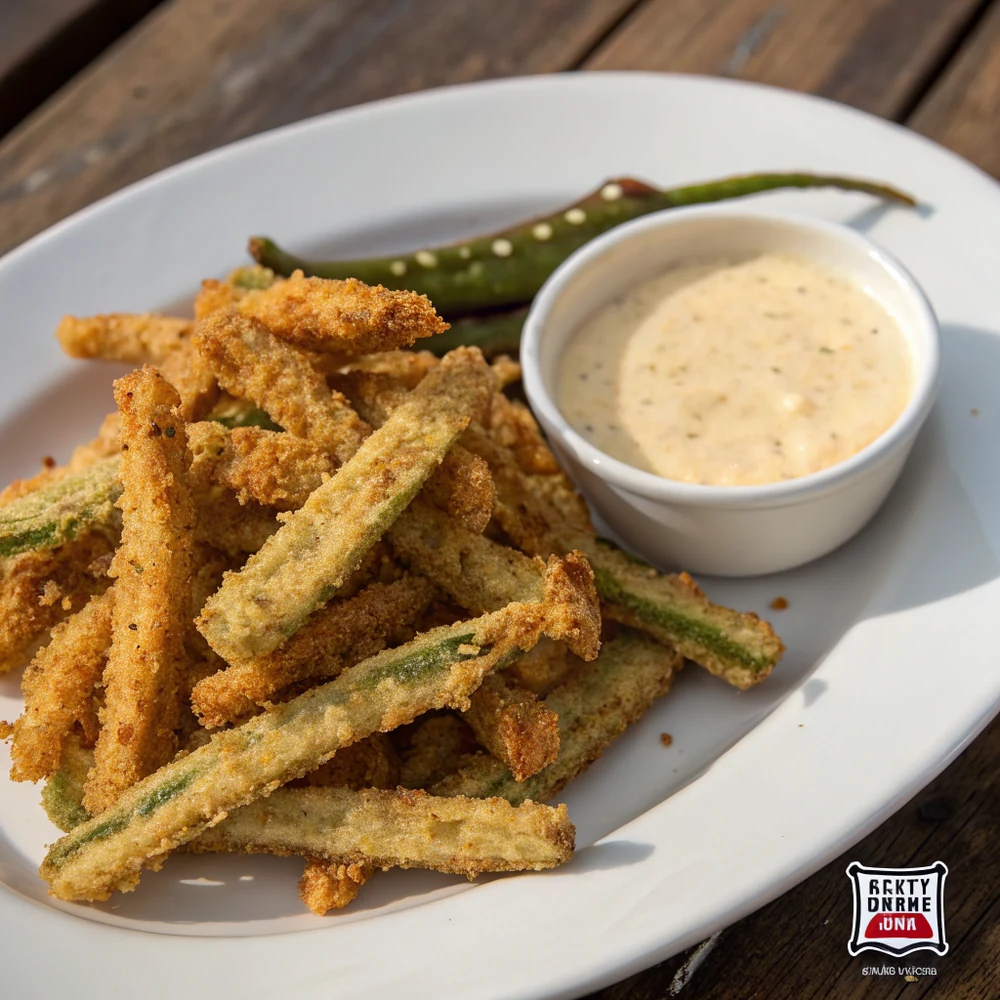
Texas toothpicks are thin strips of jalapeno and onion, battered and fried, and they are the honest exception to my no-cooking-on-site rule. They lose their crunch within an hour, so if you want them at their best they need a small pot of oil in the lot. If that is more ambition than the day deserves, fry them at home and accept a softer snack, which is still good, just not the same dish.
11. Texas Trash Snack Mix
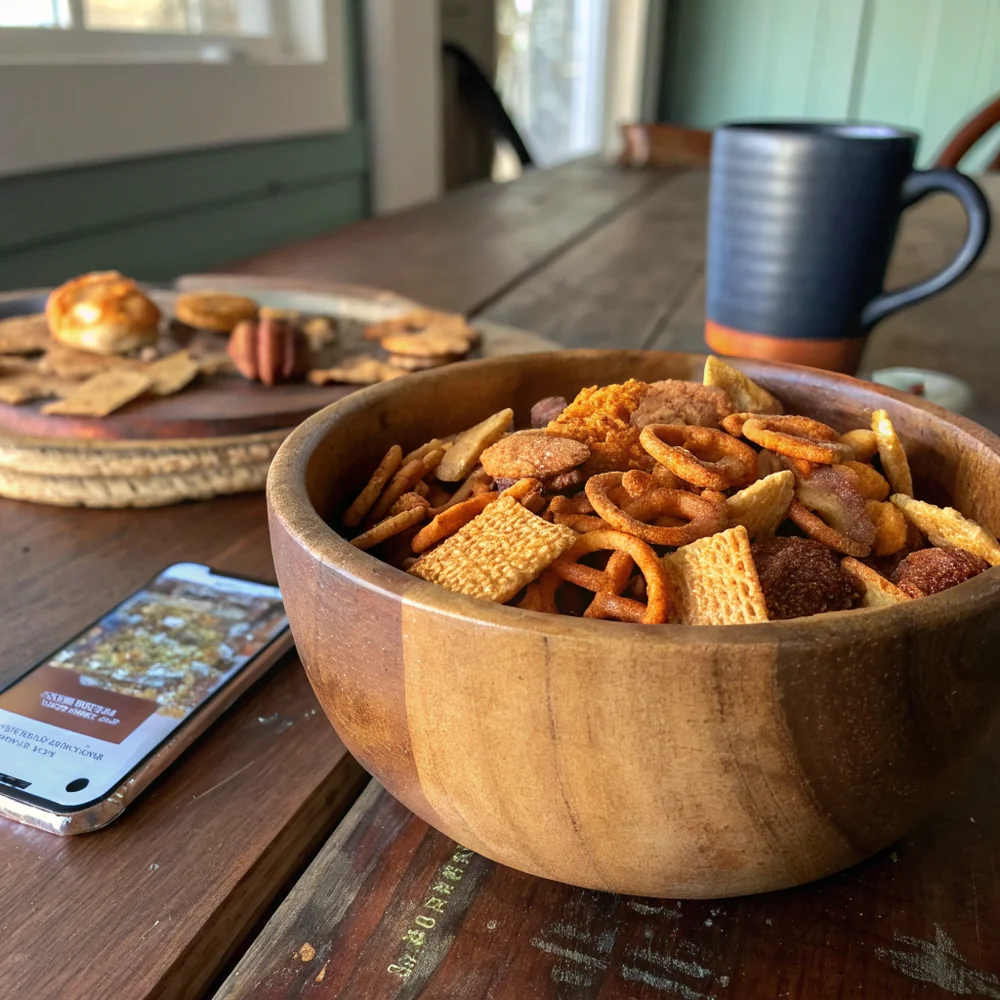
Every tailgate needs something that requires zero maintenance and grazes for four hours, and Texas trash snack mix is it. Cereal, pretzels, and nuts baked with seasoned butter, made up to a week in advance, and stored in a sealed container that doubles as the serving bowl. It is the first thing out of the car and the last thing packed up. It also quietly solves the problem of guests arriving before the hot food is ready.
12. Micheladas
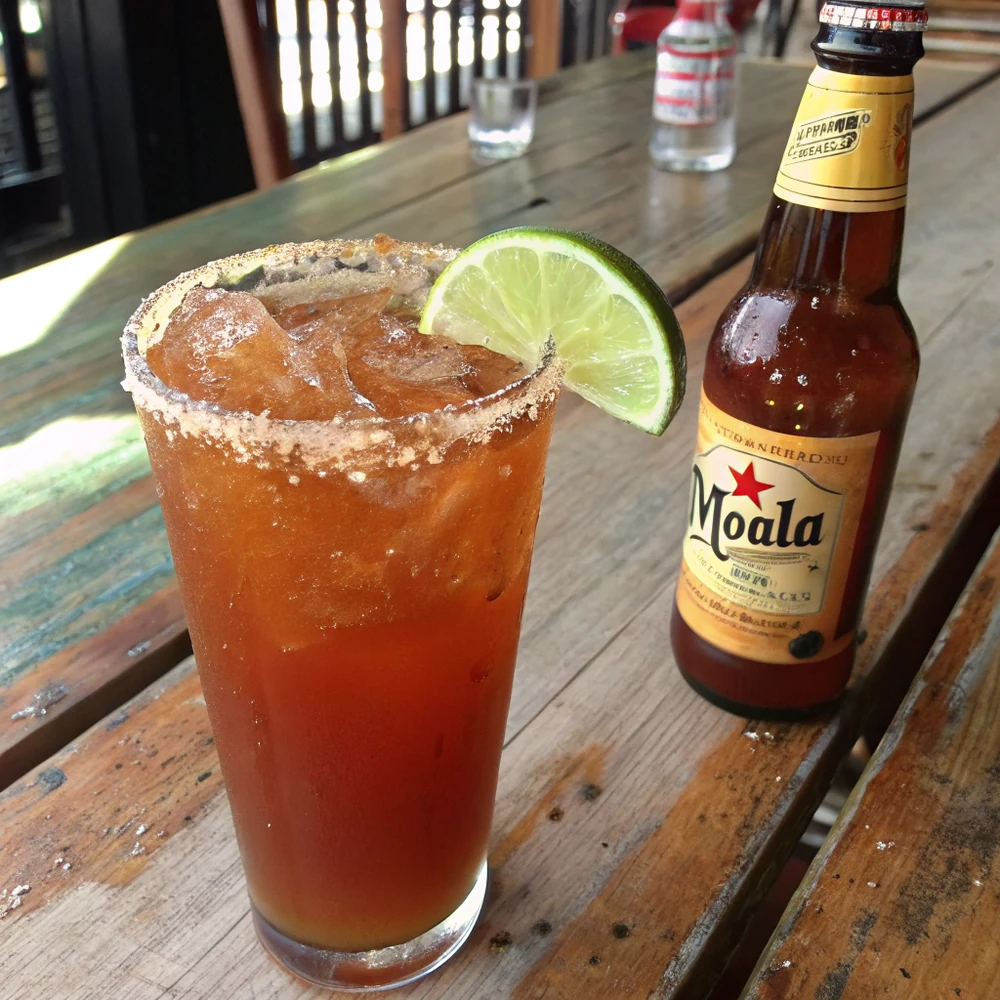
A michelada is the correct game day drink for a Texas afternoon: savory, salty, cold, and considerably more refreshing in heat than plain beer. Mix the base of lime, hot sauce, Worcestershire, and seasoning at home in a squeeze bottle, carry rim salt in a small container, and build them on site over beer and ice. For batched options beyond beer, my Texas cocktails collection covers what scales to a crowd.
The Two-Cooler System and What to Leave Home
The setup that makes all of this work is unglamorous: two coolers and a slow cooker. Cooler one is preheated for hot food. Fill it with boiling water, close it for ten minutes, dump and dry it, then load your finished hot dishes wrapped in foil and packed with towels. It will hold food above 140F for three to four hours, which covers any tailgate that is not an all-day affair. Cooler two is cold, on ice, and holds drinks and anything vinegar-based or dairy-based.
The slow cooker needs power, and this is where people get caught out. A car inverter rated for at least 200 watts handles a small cooker on warm, but running one off a car battery with the engine off will strand you. Run the engine periodically or use a portable power station. Test the whole arrangement at home before game day, in your driveway, where a failure costs nothing.
What to leave home: anything fried that you cannot fry on site, sliced brisket, green salads, anything requiring a knife and a cutting board, and anything mayonnaise-based that will not stay genuinely cold. Also leave the ambition to cook a full meal in a parking lot. A tailgate is a serving operation. Do the cooking in your kitchen where you have a sink, and spend the afternoon watching the game.
For the sides that anchor a fuller spread, my Texas BBQ sides roundup flags which dishes travel and which need to be served at home, and the low-carb sides guide covers the same for a keto crowd.
Frequently Asked Questions
What tailgating food travels the best?
Anything dense, saucy, and finished before it leaves your kitchen. Queso, bean dips, chopped beef, sliders, and snack mix all hold for hours without meaningfully degrading. The dishes that travel worst are the ones whose appeal depends on texture at a precise moment: fried food, crisp salads, sliced brisket, and anything meant to be eaten within minutes of coming off heat. If a dish is only excellent for ten minutes, those ten minutes will happen in your kitchen, not in the parking lot.
How do you keep tailgate food hot without electricity?
Preheat a cooler by filling it with boiling water, closing it for ten minutes, then dumping and drying it. Load hot food wrapped in foil, pack the gaps with towels so there is minimal air space, and it holds above 140F for three to four hours. This works far better than most people expect and requires no power at all. If you do want a slow cooker running, you need a car inverter rated for at least 200 watts and an engine running periodically, or a portable power station.
How much food do I need per person at a tailgate?
Plan for grazing rather than a meal: roughly two handheld items per person plus dip and snacks if the tailgate runs two to three hours before kickoff. That means two sliders or two sandwiches, six wings, and a generous cup of dip each. People eat noticeably more at a tailgate than at a seated meal because the food is in front of them for hours. Bring ten percent more than the math suggests, since running out at a parking lot is not a fixable problem.
What can I make the day before a tailgate?
Nearly everything, and that is the entire strategy. Dips, bean salads, snack mix, and slider fillings are all better after a night in the refrigerator. Texas caviar genuinely improves with a day of marinating. Snack mix can be made a week ahead. Wings and smoked items are best done the morning of, then held. The only thing that should happen on site is assembly and, if you are being ambitious, frying. Anything that needs real cooking on game day was planned wrong.
Is it worth bringing a grill to a tailgate?
Usually not, in my experience. A portable grill in a crowded lot means transporting fuel, managing a fire near other people's vehicles, cooking instead of socializing, and then dealing with hot equipment when it is time to leave. The exception is a small pot of oil for something that must be fried fresh, which is a genuinely different proposition from grilling a meal. If the tailgate itself is the event rather than the pregame, the calculation changes, but for a normal three-hour lot session, cook at home.
What is the best tailgate food for a hot Texas September game?
Lean toward cold and sharp rather than hot and heavy. Texas caviar, cold drinks, snack mix, and micheladas all read better at 100F than a slow cooker of queso does, though the queso will still get eaten. The food safety math also tightens considerably in real heat, so keep the cold cooler genuinely cold with plenty of ice and skip mayonnaise-based salads entirely. Shade for the food matters as much as shade for the people.
How long can food safely sit out at a tailgate?
Two hours at normal temperatures, and only one hour when it is above 90F, which covers most Texas September and early October games. That window is why the two-cooler system exists rather than being fussiness. Keep hot food in the preheated cooler or on active heat and cold food on ice, and put out serving portions rather than the whole batch. Anything mayonnaise-based or dairy-based that has been sitting in the sun for an afternoon should go in the trash, not back in the car.