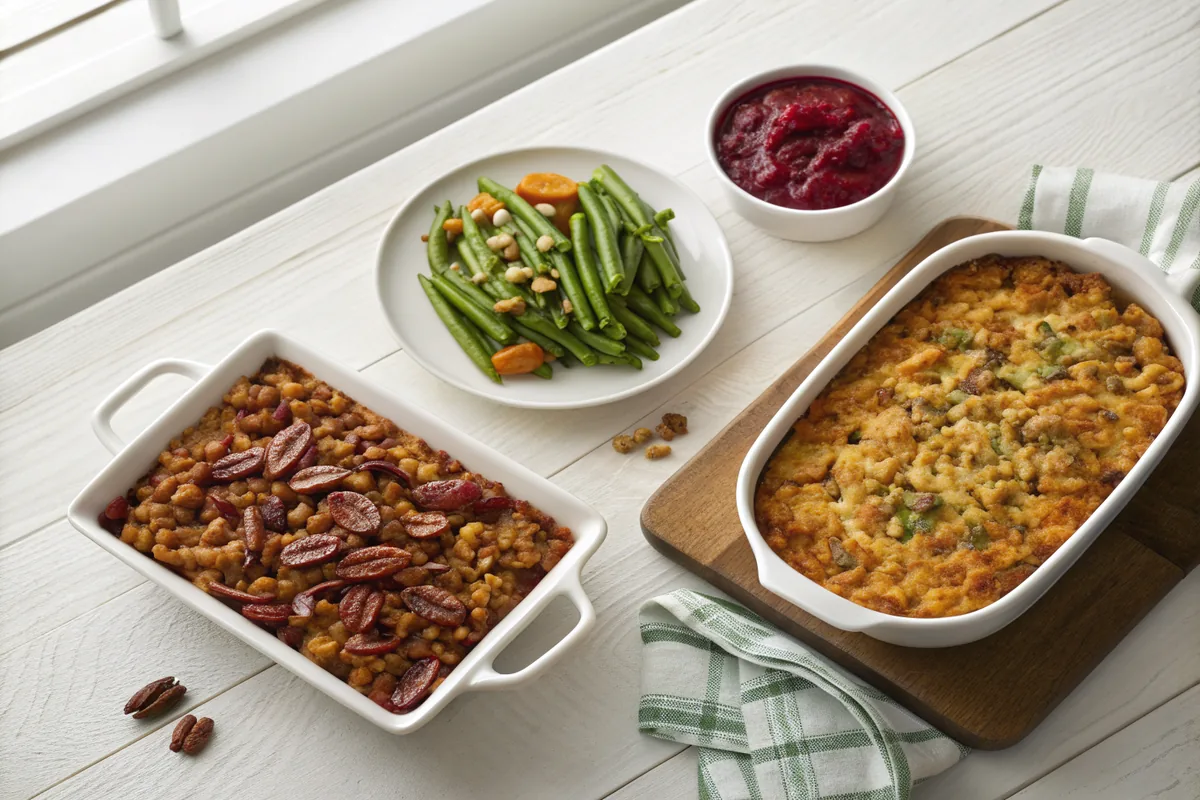
Holiday guide
The Texas Thanksgiving Menu: 17 Recipes and a Timeline
Quick answer: A Texas Thanksgiving keeps the American frame and changes almost everything inside it. The bird gets brined and often goes on the pit over post oak, or into a pot of peanut oil, instead of into the oven. The stuffing is cornbread dressing, baked in a pan alongside the turkey rather than inside it. The cranberry sauce has jalapenos in it. The pie table runs to pecan and sweet potato before pumpkin. And the whole meal is engineered around one constraint that nobody talks about: a single home oven cannot cook a turkey, a dressing, a casserole, and three pies in the same afternoon. Every recipe below is linked in full, grouped the way the plate is built, and the make-ahead timeline near the end tells you exactly which day each dish gets cooked so that Thursday is only assembly.
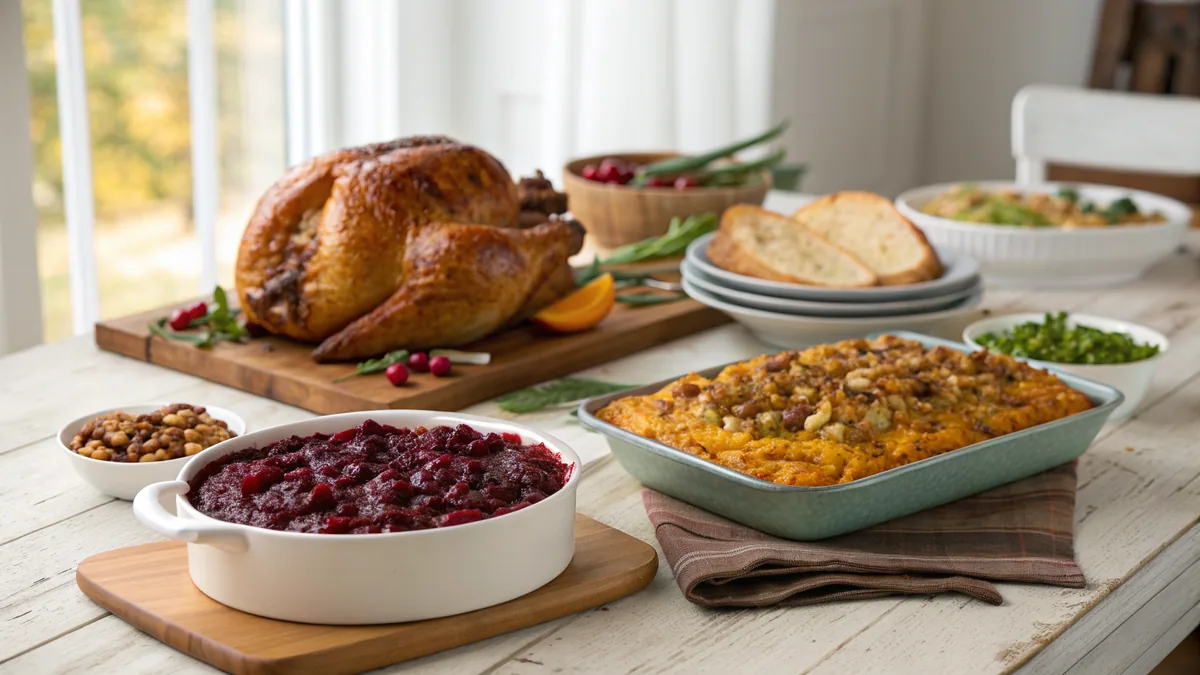
Thanksgiving in Texas is the same holiday everybody else is having and a noticeably different dinner. The differences are not decorative. They come out of the same three forces that shaped everything else on this site: a Southern baking tradition that runs on cornmeal instead of white bread, a Mexican border two hundred miles long that put chiles into dishes nobody expected, and a barbecue culture that considers the oven a last resort when there is a fire available. Put those together and you get a bird cooked over post oak, a pan of cornbread dressing, and a cranberry sauce with two jalapenos in it.
I have cooked this meal in a Lockhart kitchen for somewhere north of fifteen years, for tables of six and tables of twenty-two, and the thing I have learned is that Thanksgiving is not a cooking problem. Every individual dish here is straightforward. It is a logistics problem: one oven, one refrigerator, one cook, and a hard deadline that everyone in the house is watching. The menu below is organized to solve that, which is why the timeline gets its own section and why nearly every side dish on this page is one that improves after a night in the refrigerator.
Everything here links out to the full recipe, tested and written up properly, with the measurements and the failure modes. Use this page as the map: pick the bird, pick the dressing, pick your two or three sides and your pies, then work backward from Thursday using the schedule. If you are landing here in October, you are early in the best possible way, because the single most useful thing you can do for this meal is decide the menu before the grocery stores get difficult.
What Makes a Texas Thanksgiving Different
Four things, and they are all substitutions rather than additions. First, cornbread replaces white bread in the dressing, which changes the texture from soft and bready to crumbly and slightly sandy, and shifts the whole dish toward the savory. Second, the pit replaces the oven for the bird in a lot of households, which is partly tradition and partly a very practical way of freeing up the single most contested appliance in the house on the busiest cooking day of the year.
Third, chiles show up where they do not elsewhere. Jalapenos in the cranberry sauce, pickled jalapenos on the relish tray next to the pickles, sometimes a hatch chile in the dressing. This is not fusion cooking or a trend; it is what happens when a state has been eating chiles daily for two hundred years and then sits down to a national holiday menu. Fourth, pecan outranks pumpkin on the pie table, because the pecan is the state tree and because there are pecan trees in a great many Texas backyards dropping free nuts in October.
What does not change is the shape of the meal. A large roasted bird, a starch, a green thing, something sweet and orange, something sharp and cold, and pie. That structure is remarkably stable across the whole country, and it works, which is why nobody in Texas has tried to replace it with brisket. Though I will note, for the record, that brisket appears on more Texas Thanksgiving tables than most people outside the state would guess, usually as a second meat for the crowd that showed up early.
The Bird: Brine It, Then Decide Where It Cooks
Two decisions, in this order. The brine happens either way, and it is the single highest-return thing you can do to a turkey, because a modern supermarket bird is a lean, bland animal that dries out at exactly the temperature the dark meat needs. The second decision, oven or pit, changes the flavor completely and, more importantly for the cook, changes which appliance is occupied for five hours.
1. The Hill Country Turkey Brine
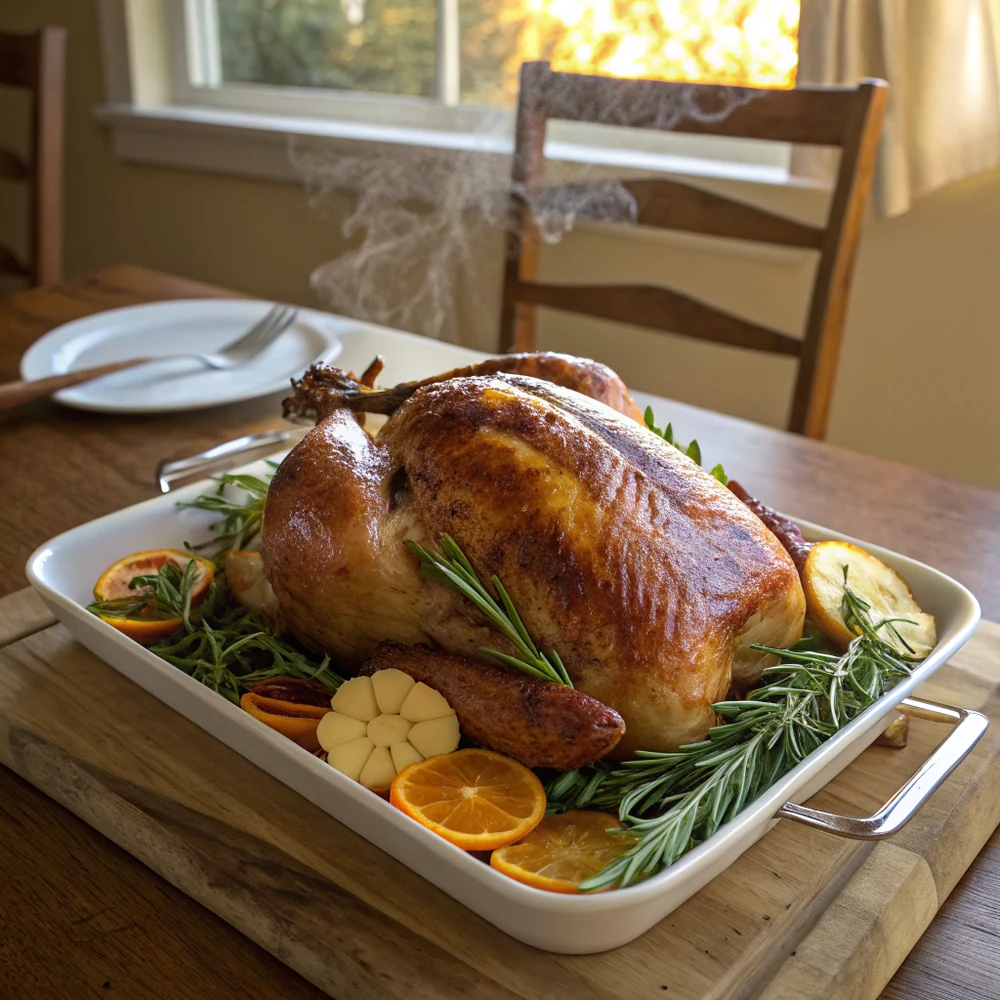
Salt does two things in a brine and only one of them is seasoning. The other is that it partially denatures the muscle proteins so they hold onto moisture during roasting instead of squeezing it out, which is why a brined turkey survives the temperature it takes to cook the thighs through. My Texas turkey brine runs on apple cider, kosher salt, and Hill Country aromatics over 24 hours, with the full ratio math and the container problem solved. One warning that matters later on this page: a wet-brined bird leaves salty drippings, so the gravy gets seasoned at the very end.
2. The Pit-Smoked Turkey
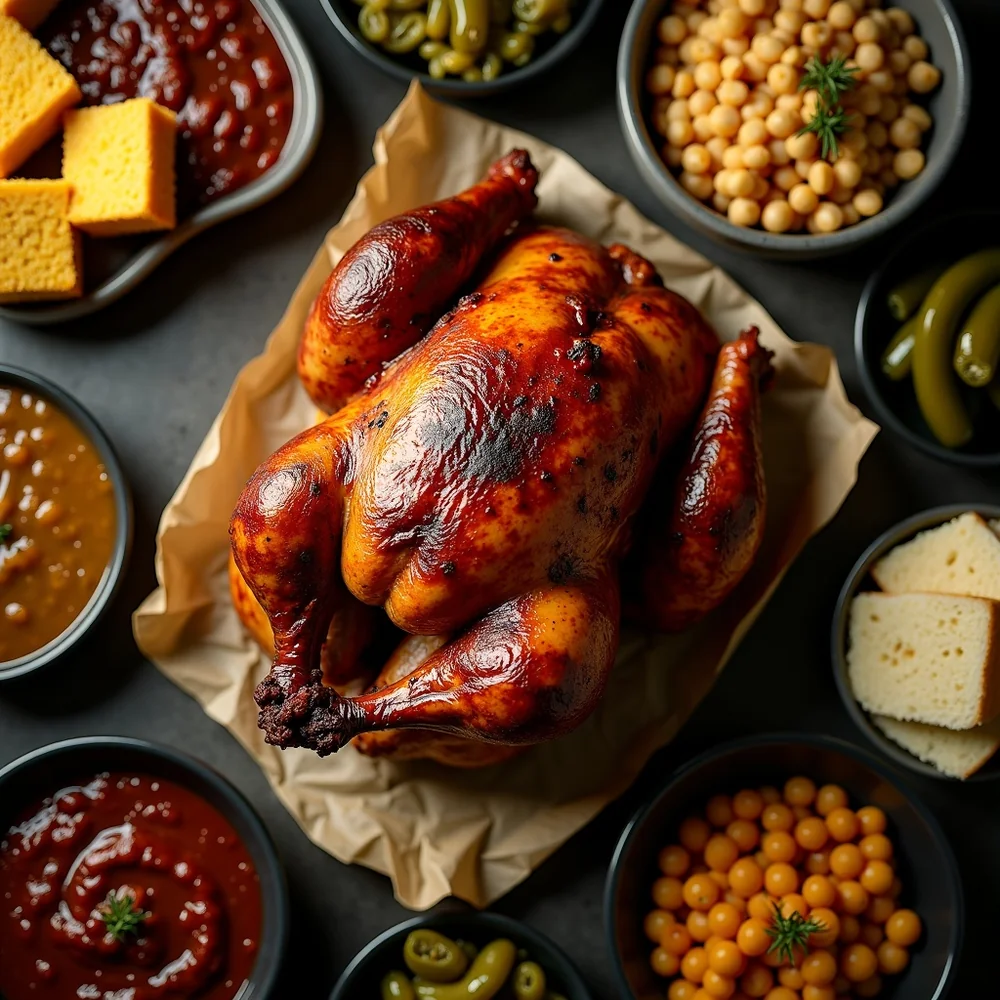
Smoking the turkey is the Texas answer and it is also the smartest logistical move available to you. A bird on the pit at 275F takes roughly the same time it would take in the oven and it takes it somewhere else, which means the oven is free for the dressing, the casserole, and the rolls during the exact window when you need all three. My Texas BBQ style turkey covers the dry brine, the wood, the temperatures, and the skin problem, since smoke temperature and crisp skin are genuinely in tension. It also answers the portion question in short form, which the next section handles in full.
3. The Deep-Fried Turkey
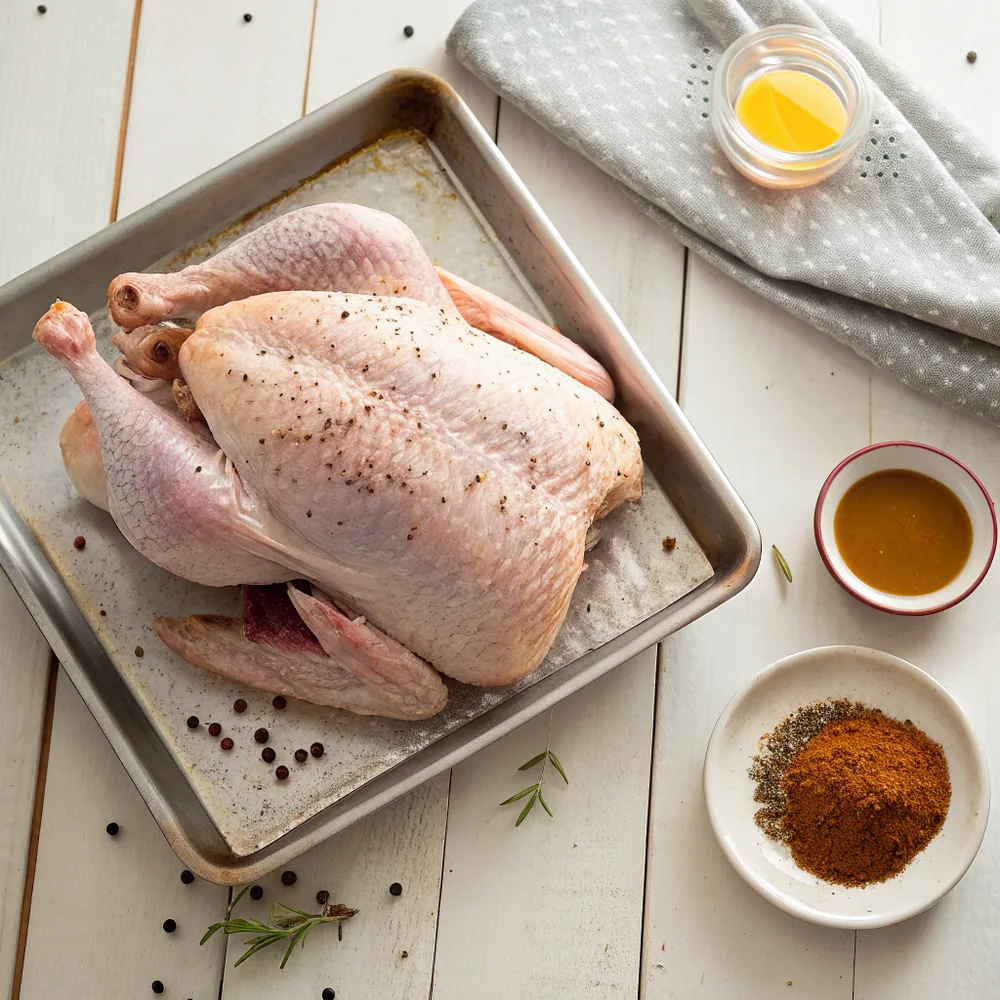
The third way to cook the bird is the fastest one, and in the Gulf Coast half of the state it is the default: a 12 to 14 pound turkey lowered into 350F peanut oil and pulled about 45 minutes later with skin that shatters. It is the opposite of the pit in every way that matters, under an hour instead of four, crackling instead of mahogany, and it happens in the driveway rather than in the oven, which solves the same appliance problem the smoker does. My deep fried turkey covers the oil volume test, the 14 pound ceiling, the timing by the pound, and the safety rules that are not optional, since every year somebody sets fire to a garage with a half-frozen bird.
4. The Smoked Turkey Breast
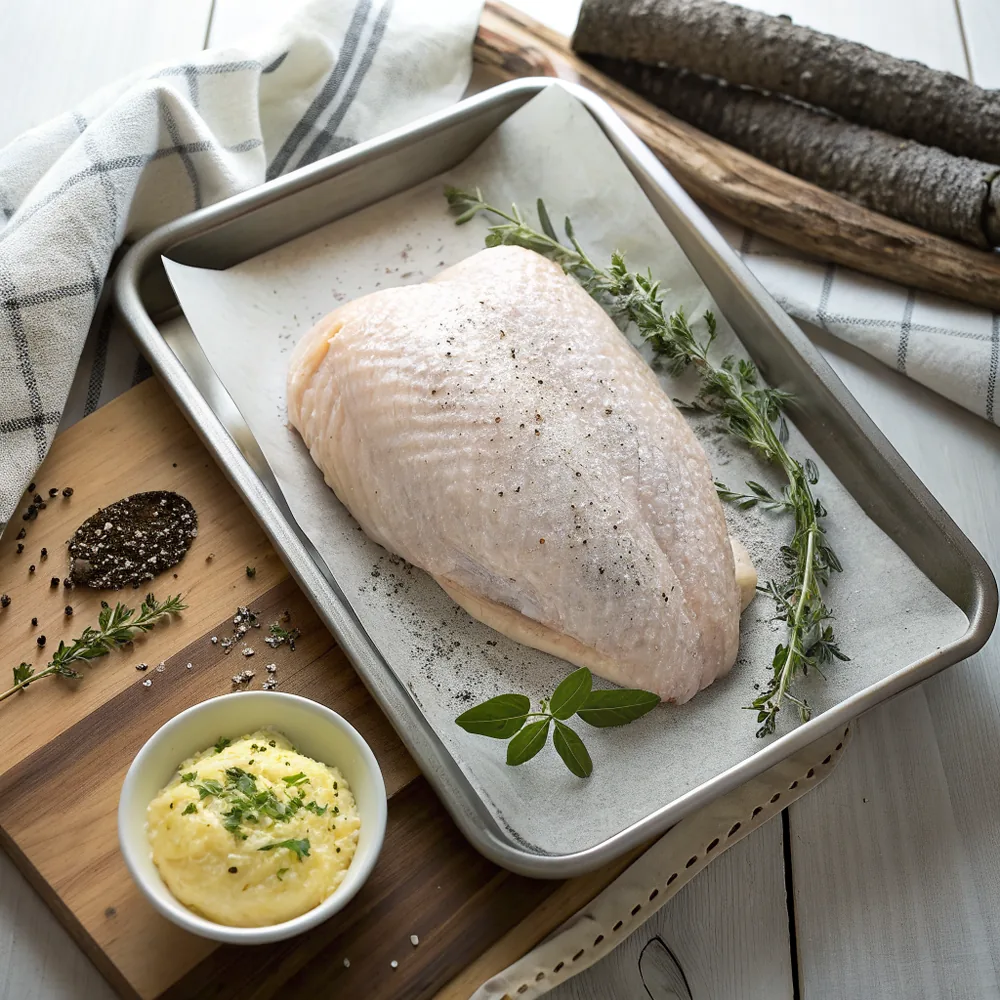
Not every Thanksgiving is a table of fourteen. For six people, or as a second meat next to a brisket, a whole bone-in breast on the smoker gives you all the flavor of the pit bird in roughly three hours with none of the thigh-versus-breast timing problem, because there is no thigh. My smoked turkey breast runs on the same dry brine, herb butter under the skin, and post oak at 275F, pulled at 160F, and it works on a kettle grill as well as an offset. Buy about three quarters of a pound per person, bone-in.
Whichever way you cook it, the finish temperatures are the same and they are not the same for both halves of the bird: 165F in the thickest part of the breast, 175F in the thigh. Pull it at 160F in the breast and let carryover do the rest during the rest, which should run 30 to 45 minutes under a loose foil tent. That rest is also your entire gravy window, which is why the gravy recipe below is built to finish in ten minutes.
How Much Turkey to Buy
This is the question that arrives first and gets answered worst, usually with a number somebody half-remembers. The short version: plan about one pound of raw whole turkey per person for a meal with a full spread of sides, and one and a quarter to one and a half pounds if you want the leftovers, which you do. That sounds like an enormous amount of bird because a whole turkey loses well over half its weight to bone, trimming, and moisture on the way to the plate.
The numbers change substantially if you are not cooking a whole bird. A bone-in breast runs about three quarters of a pound per person and a boneless breast roast about half a pound, because the bone-to-meat ratio is so much friendlier, and for a table of six a smoked turkey breast is the whole answer. There is also a real argument, once you pass about eighteen pounds, for cooking two smaller birds instead of one large one: they cook more evenly, they finish sooner, and you get roughly twice as much skin, which is the part people actually fight over.
My guide to how much turkey per person works all of this out with charts by group size and by cut, including the leftover math and the smoked-versus-roasted difference. It is the third page in a set with how much brisket per person and how much pulled pork per person, all built on the same cooked-yield logic, which is useful if your holiday involves more than one animal.
Gravy and the Cranberry: The Two Things on Every Plate
These two dishes touch every bite of the meal and they get less attention than anything else on the table. One is hot, brown, and savory, the other is cold, red, and sharp, and between them they are doing the work that keeps a plate of rich food from getting monotonous by the halfway point.
5. Turkey Gravy from the Drippings
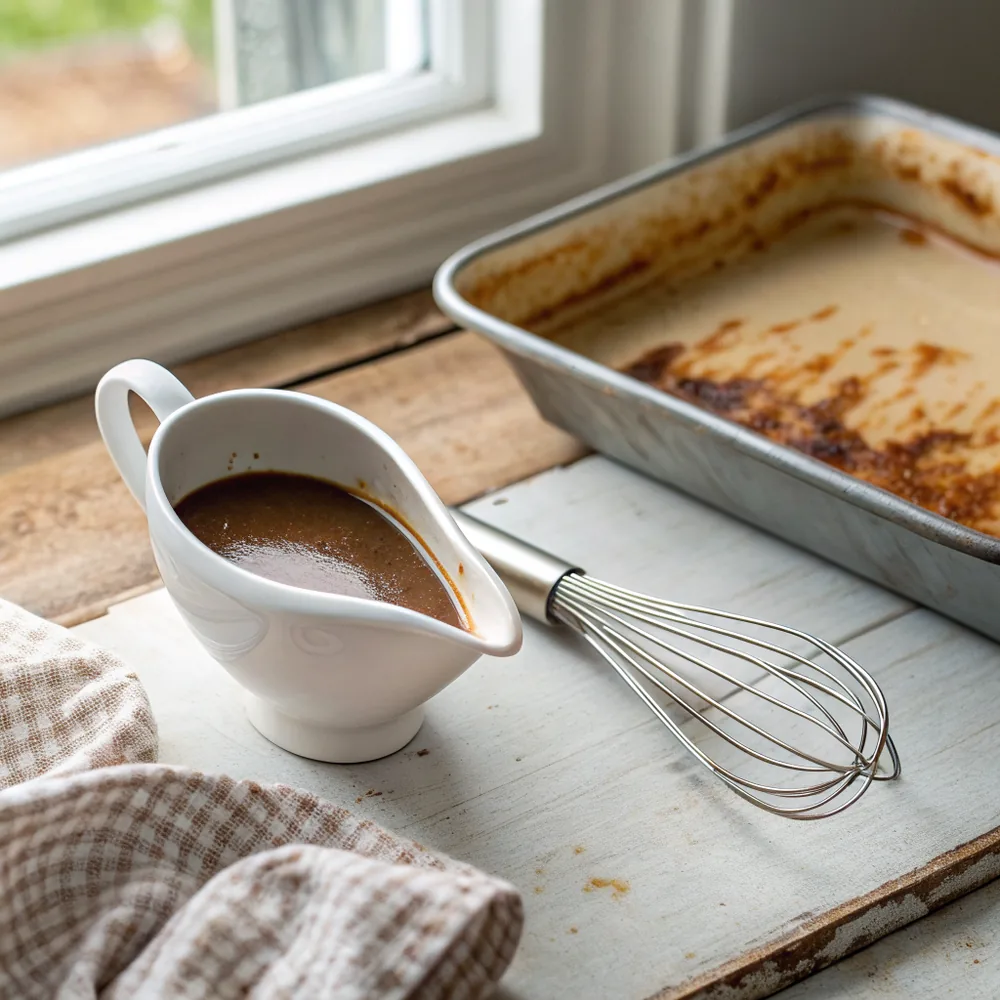
The reason gravy goes wrong is that it is the last thing you cook, in the smallest window, on the busiest day. The fix is to move almost all of it earlier: the giblet stock gets simmered days ahead from the neck and gizzards, the roux can be cooked and refrigerated a week out, and what happens during the turkey's rest is only the last ten minutes. My turkey gravy covers the roux ratio, the lump problem, and the rule that saves more gravies than any other, which is that salt goes in at the very end because a brined bird leaves salty drippings.
6. Jalapeno Cranberry Sauce
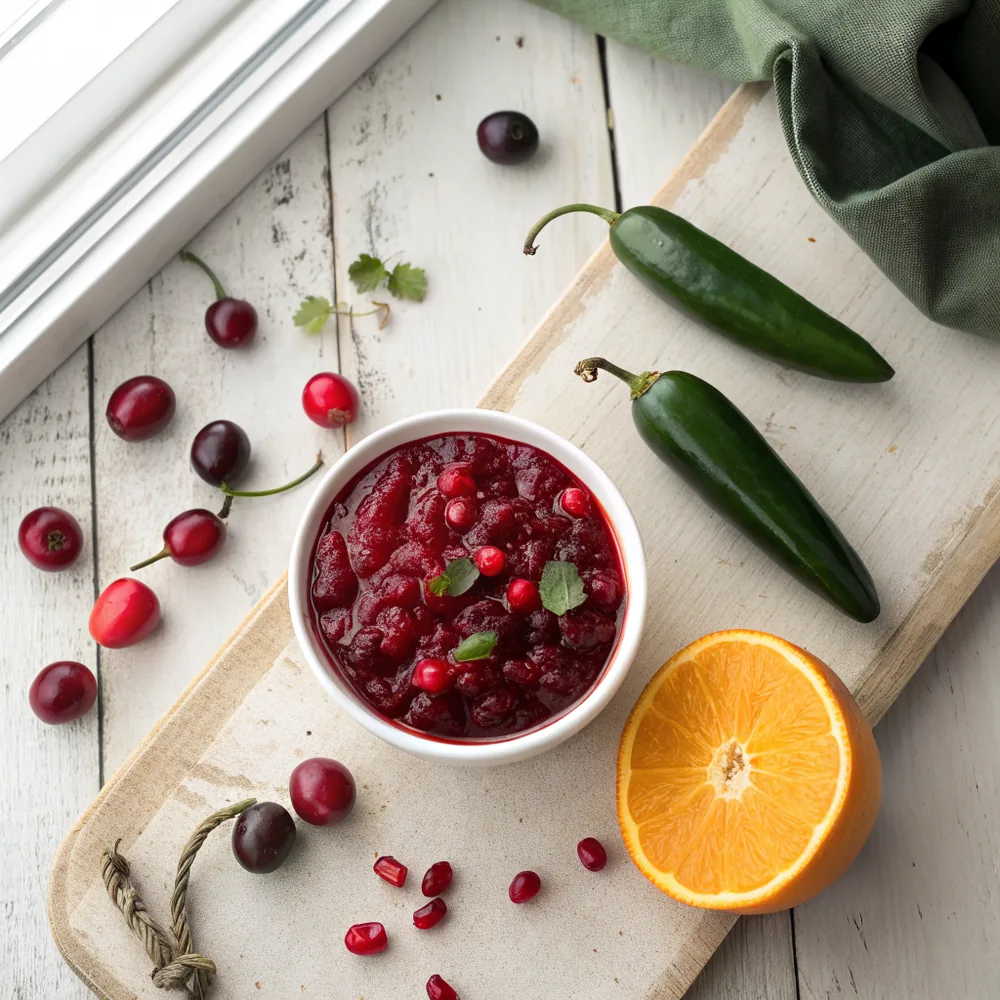
Cranberry sauce is the corrective on a Thanksgiving plate: everything else is rich, salty, starchy, and soft, and this is the only thing that is sharp and cold. The Texas version puts two jalapenos in it, finely diced, which cuts the sweetness in a way that orange alone cannot and gives the sauce a slow warmth that arrives after the fruit. My jalapeno cranberry sauce sets on the berries' own pectin with no boxed pectin needed, takes fifteen minutes, and is genuinely better on day two, which makes it the first thing to cook the weekend before.
Dressing, Not Stuffing
In Texas the word is dressing and the dish is baked in a pan, not inside the bird. This is partly regional vocabulary and partly food safety: stuffing packed into a cavity has to reach 165F to be safe, and by the time the center of a dense stuffing gets there the breast meat around it is badly overcooked. Baking it separately also gives you the crisp top and edges, which are the best part of the dish and do not exist inside a turkey.
7. Texas Cornbread Dressing
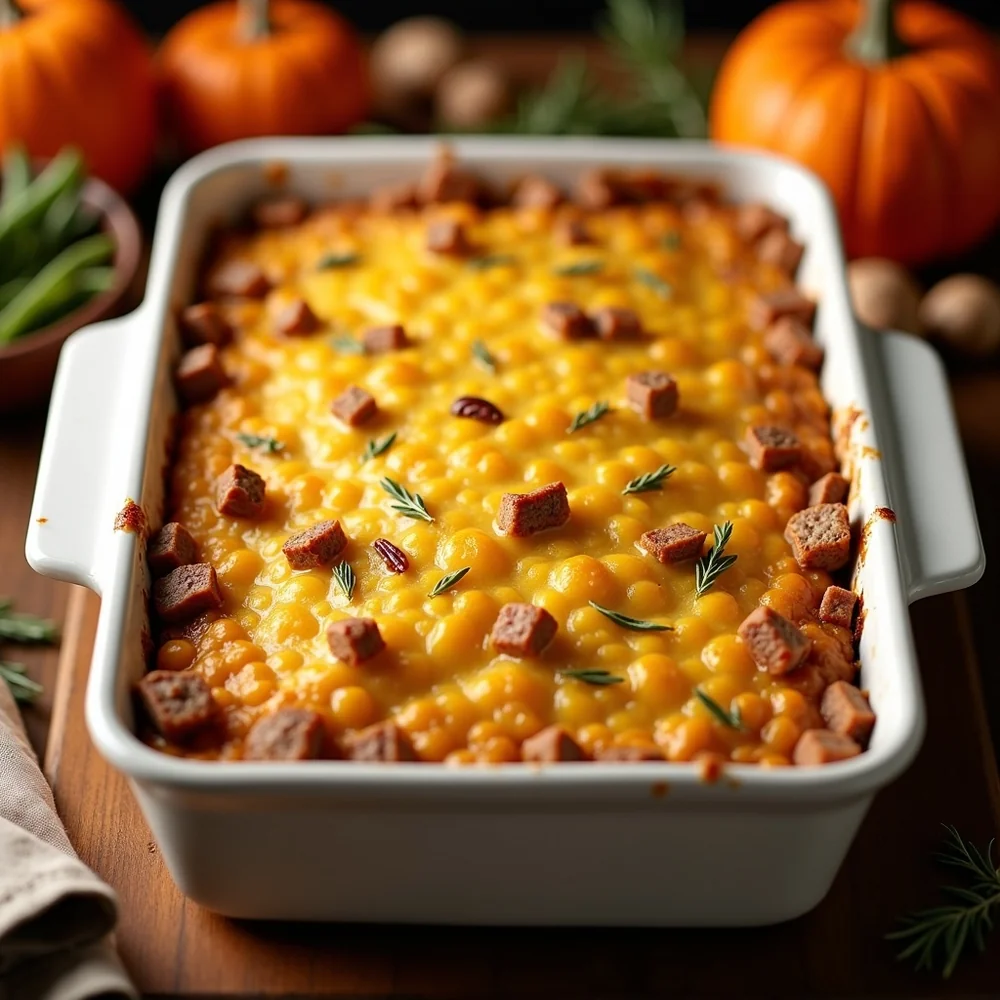
This is the dish that most clearly marks the table as Southern. Cornbread crumbles rather than cubes, which gives the dressing a texture closer to a savory pudding with a crisp lid than to the bready stuffing served further north, and the sage-and-sausage seasoning is doing most of the flavor work. My Texas cornbread dressing covers the stock ratio that decides everything about the final texture, the day-ahead cornbread that has to be stale for this to work, and the pan size math. It is also the leftover that improves most under a ladle of Friday gravy.
8. Texas Toast Stuffing
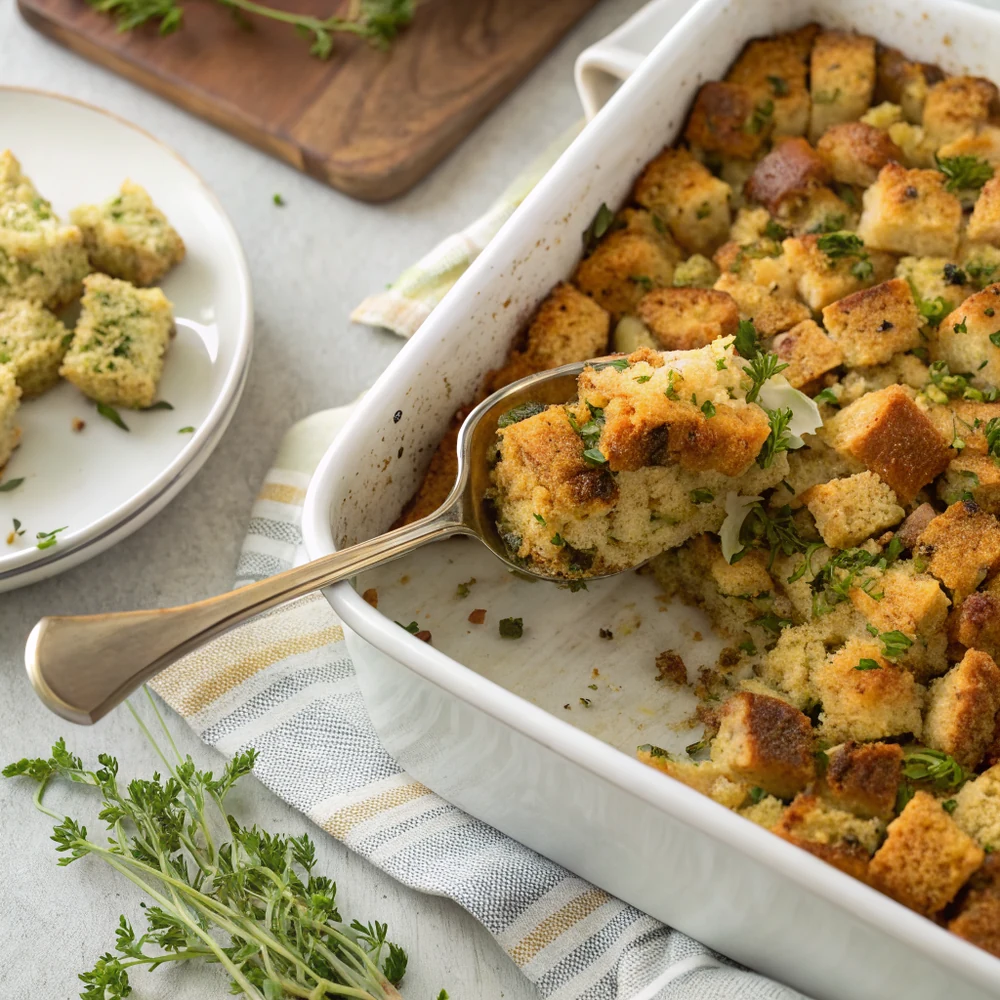
If your household is loyal to a bread stuffing, this is the Texas way to make one: thick-cut Texas toast instead of standard sandwich bread, cubed and dried, so the pieces stay distinct instead of dissolving into mush. The extra thickness and the butter already on the bread give you cubes with crisp edges and a soft interior, which is exactly the texture people are chasing when they say they prefer stuffing to dressing. My Texas toast stuffing handles the drying step, the herb blend, and the moisture level. Plenty of families make both and settle nothing.
The Sides: Sweet, Green, and Make-Ahead
Two sides do the structural work on a Thanksgiving plate: something sweet and soft in the orange family, and something green with a bit of bite. Both of the recipes below can be assembled days early, which is not incidental, it is the reason they are on this list rather than something more ambitious.
9. Sweet Potato Casserole
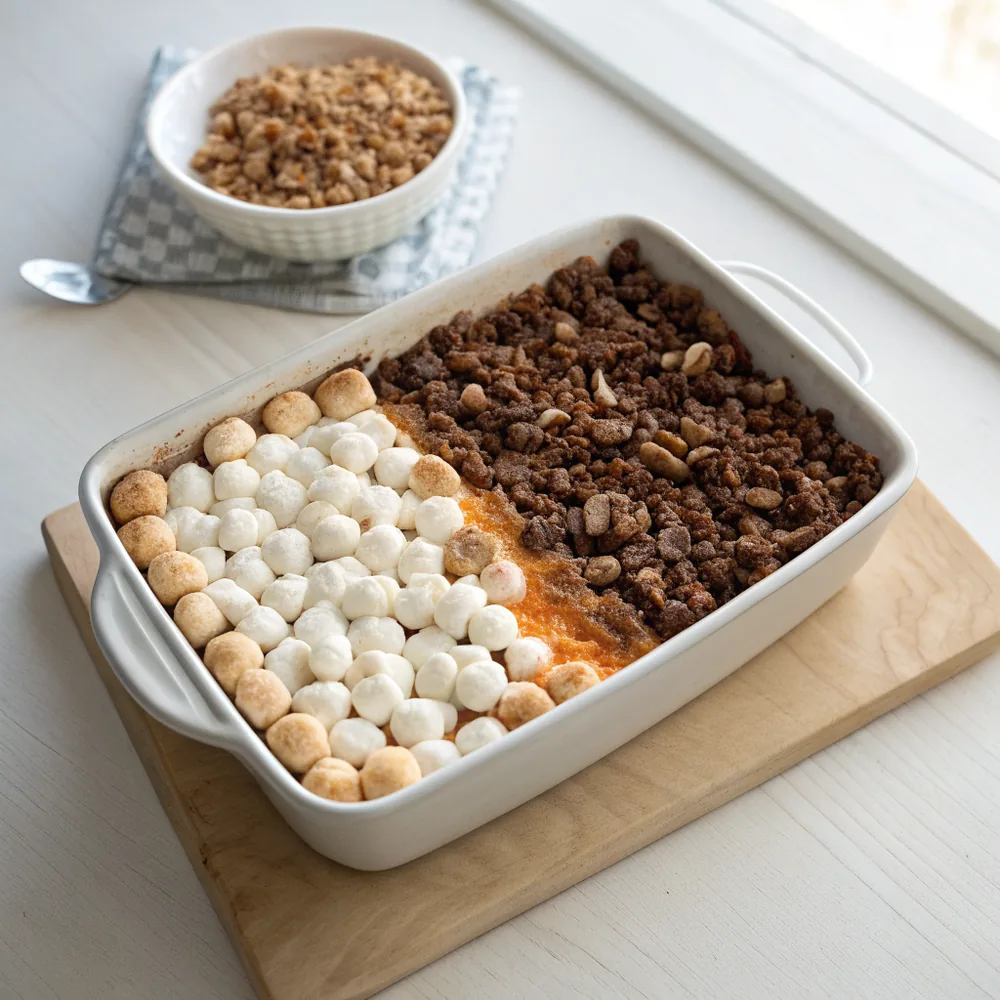
The dish that always starts an argument, on two fronts. First, it is a side dish and not a dessert, which means the base should be only lightly sweetened so the topping carries it. Second, marshmallow or pecan streusel, which in Texas usually resolves toward pecan because we grow them. My sweet potato casserole settles both and makes the one technical argument that matters more than either: roast the sweet potatoes whole instead of boiling them, which concentrates their own sugar so hard you can cut the added sugar nearly in half.
10. Skillet Green Beans with Bacon
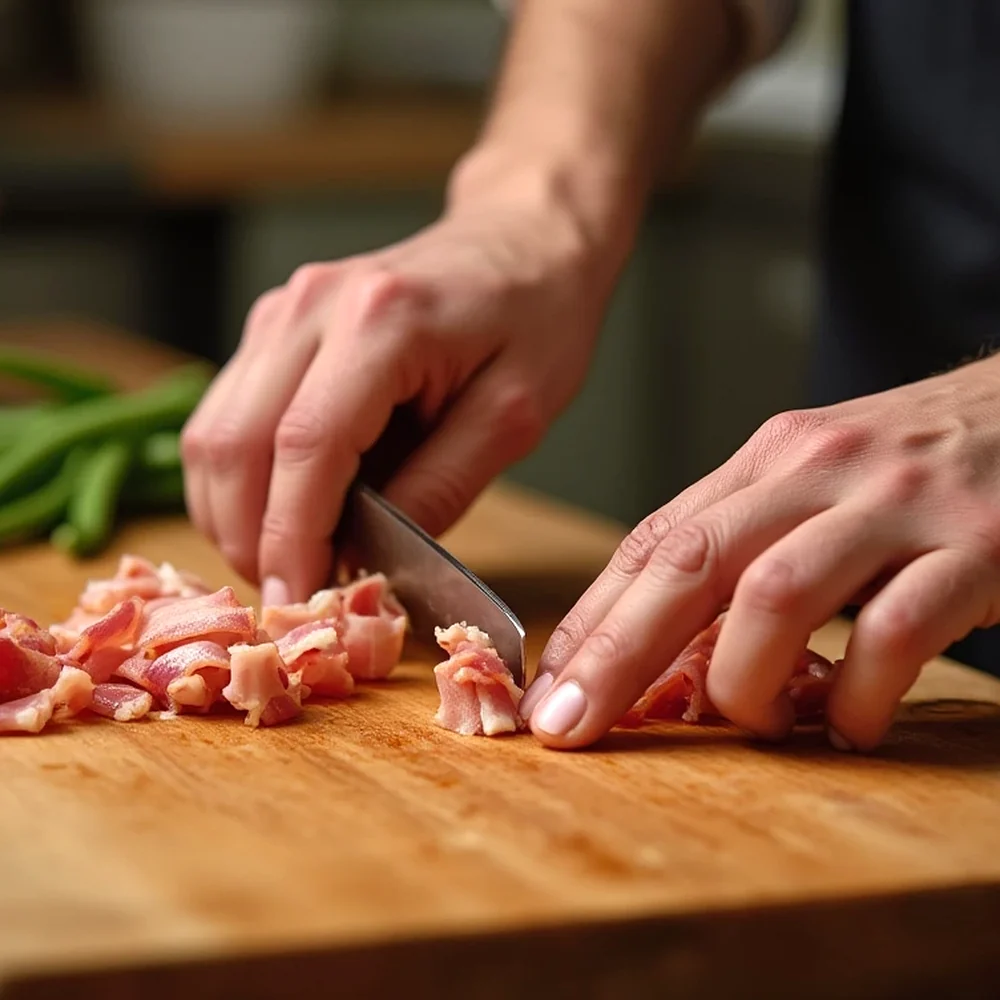
Somebody has to bring a vegetable that is not orange and not a casserole, and this is the easiest possible answer: green beans simmered with bacon, onion, and a little sugar until they go soft and savory rather than crisp-tender. It is a stovetop dish, which matters enormously on a day when the oven is full, and it reheats without complaint. My Texas Roadhouse style green beans is the copycat version of the restaurant side, and it has become the default green vegetable at my table for exactly one reason: it needs no oven rack.
11. Green Bean Casserole, From Scratch
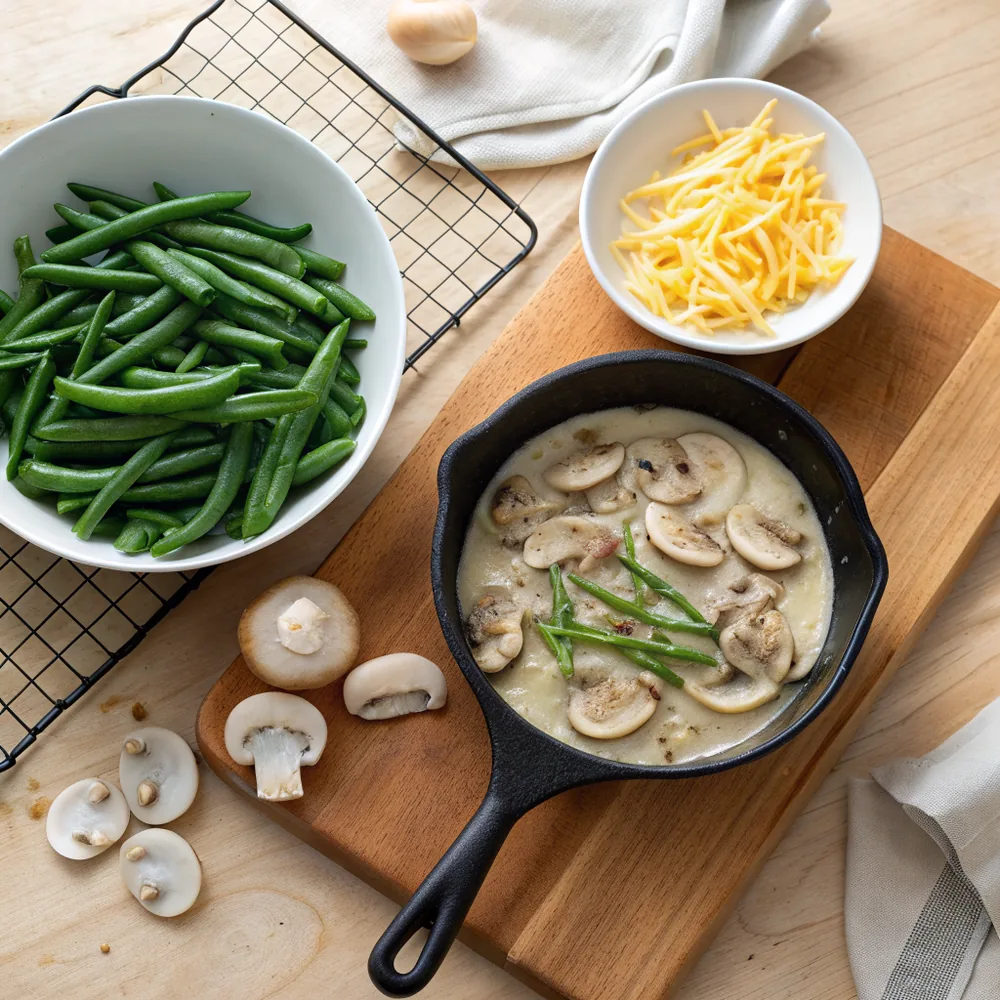
And for the households where Thanksgiving is not Thanksgiving without the casserole, here is the one worth the oven space: blanched green beans in a from-scratch cream of mushroom sauce under a lid of buttermilk-dredged fried onions, with the canned-soup shortcut described honestly for the years when you have no time. My green bean casserole is built to be assembled two days ahead, and it bakes at 375F, which is the same temperature as the dressing, so the two share a rack in the turkey's last hour. The skillet beans above are for when that rack is spoken for.
Beyond these three, the sides that belong on a Texas table are the same ones that belong next to brisket, and my guide to Texas BBQ sides covers the wider field: potato salad, pinto beans, skillet cornbread, and the sharp pickled things that a heavy plate needs. Pull two or three from there if you are feeding a big crowd and want variety without adding oven load.
The Pie Table
Thanksgiving dessert in the South is not one pie, it is a table of them, and the sweet potato camp is considerably larger down here than most national menus suggest. Every one of these can and should be baked on Wednesday, since a custard pie needs to cool completely to set and a pecan pie is arguably better the next day.
12. Texas Pecan Pie
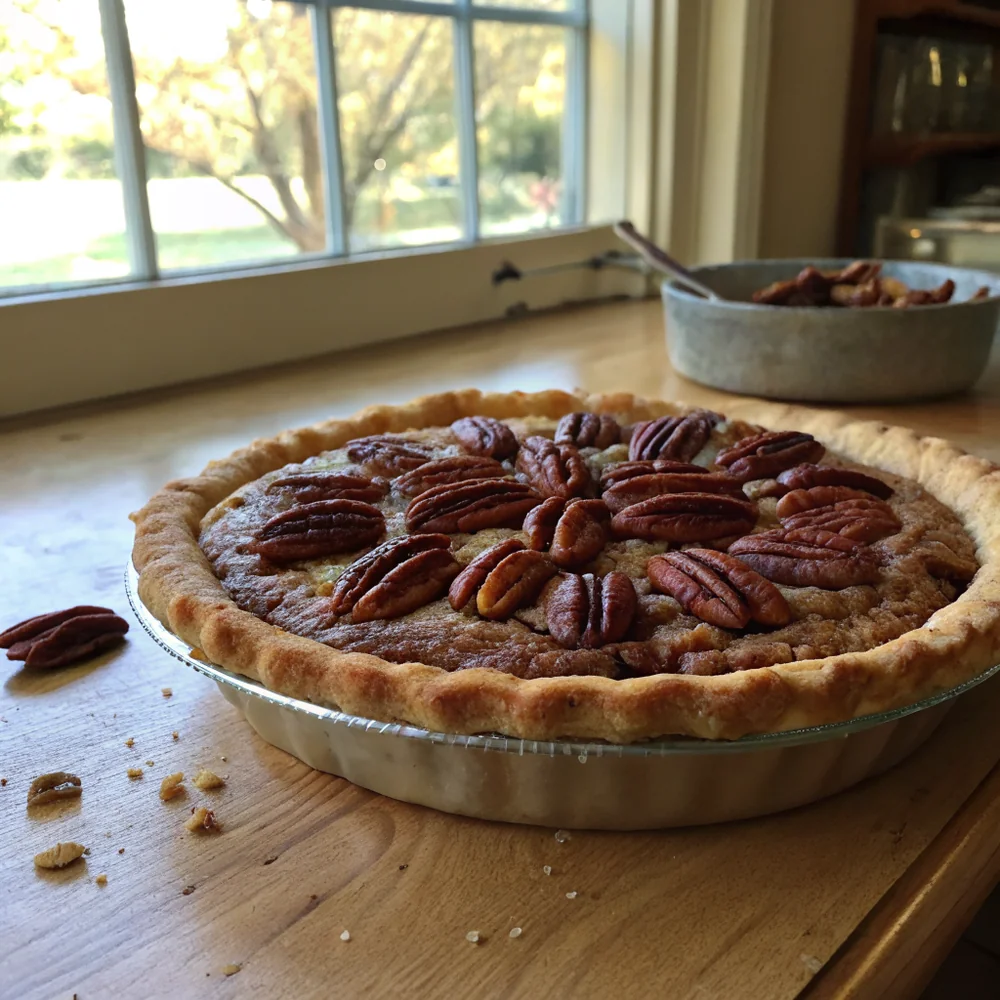
The pecan is the Texas state tree and the state nut, and this is the state pie by any reasonable measure. The two things that separate a good one from the version people politely finish are toasting the pecans before they go in, which doubles the nut flavor, and knowing when to stop baking, since a pecan pie is a custard and it sets as it cools. My Texas pecan pie covers both, along with the corn syrup question and the soggy bottom fix.
13. Pumpkin Pie
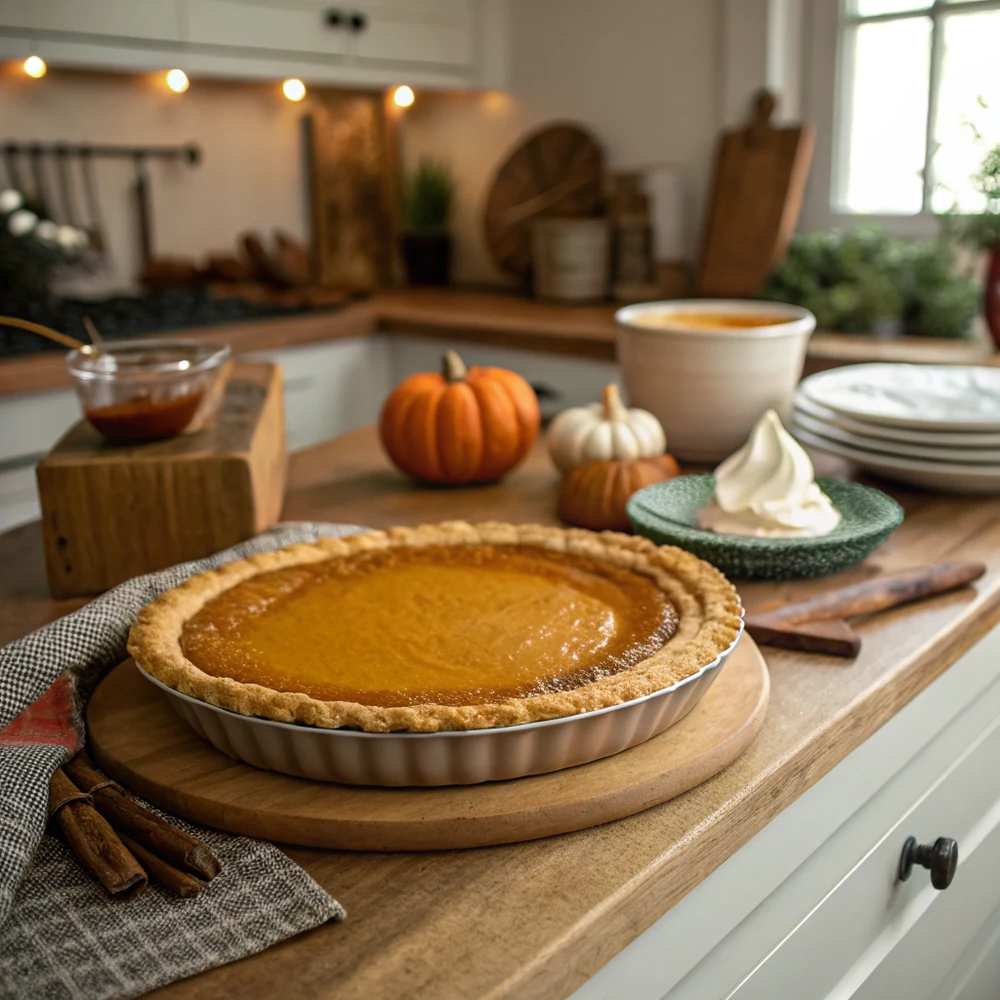
However far the pecan and sweet potato camps have advanced, somebody at the table wants pumpkin pie and they are right to. The failures are always the same two: a cracked surface from overbaking, and a soggy bottom crust from pouring wet custard into raw pastry. My pumpkin pie handles the blind bake, the spice blend, and the doneness test that keeps the center just barely wobbling when it comes out, which is what you want since it firms up entirely during the cool.
14. Buttermilk Sweet Potato Pie
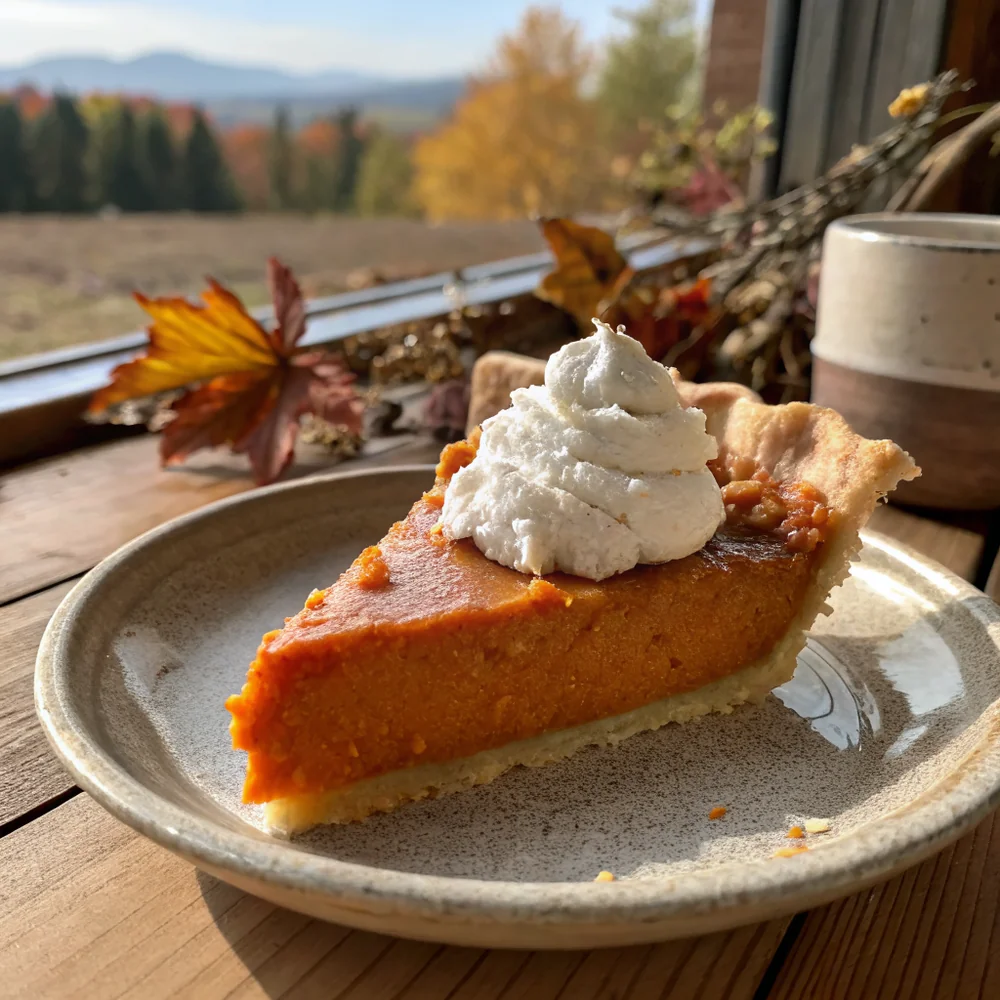
Ask across the South whether sweet potato pie or pumpkin pie is the real Thanksgiving dessert and you will get an answer with some heat in it. Sweet potato pie has more body, a rounder flavor, and it does not need the heavy spice load that pumpkin does. The buttermilk is the differentiator here, adding a tang that keeps the whole thing from going flat and sweet. My buttermilk sweet potato pie also makes the case for roasting the potatoes rather than boiling them, which is the same argument as the casserole above and just as decisive.
15. Double Crusted Sweet Potato Pie
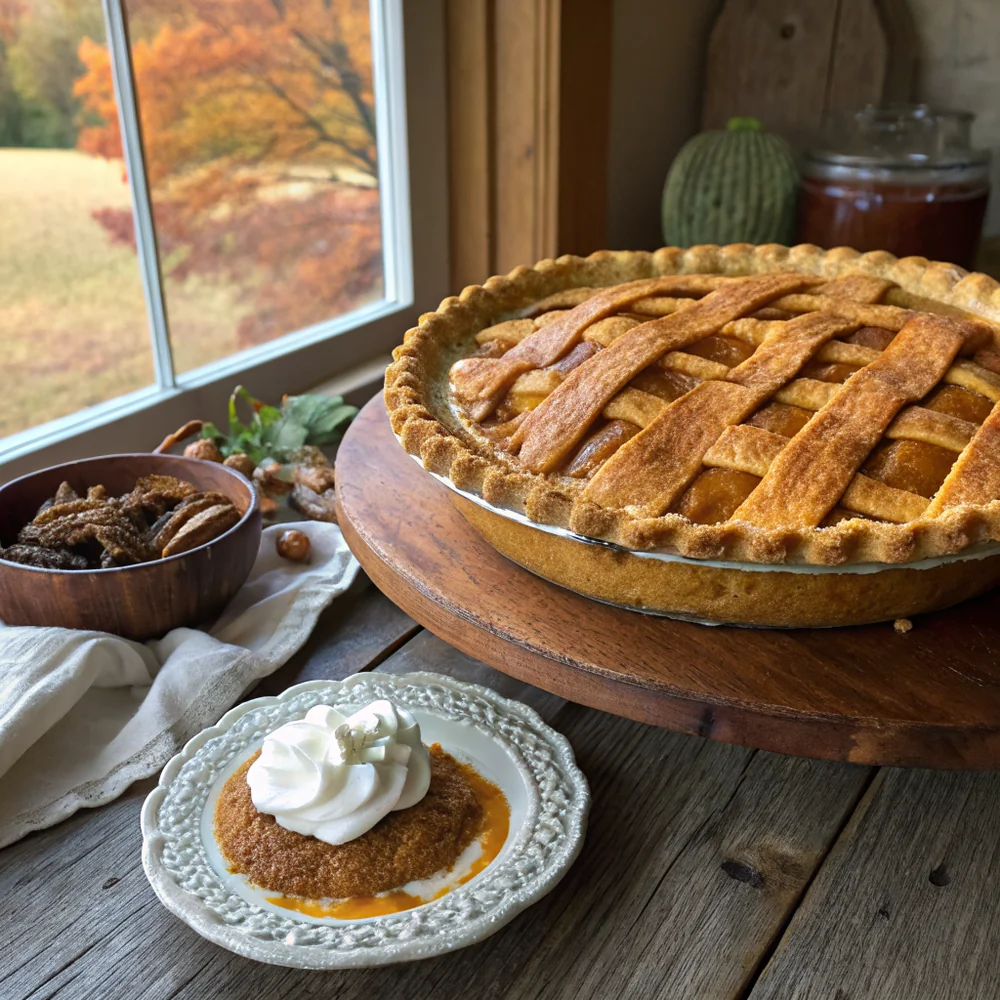
Same filling family, entirely different presentation. A lattice or full double crust turns a humble pie into the thing people photograph before anyone cuts it, and the extra pastry changes the eating experience too, since you get crust in every bite rather than only at the edge. My double crusted sweet potato pie walks the weaving step by step, along with the egg wash and the bake strategy that keeps a top crust from going pale while the filling sets.
16. Sweet Potato Cheesecake Pie
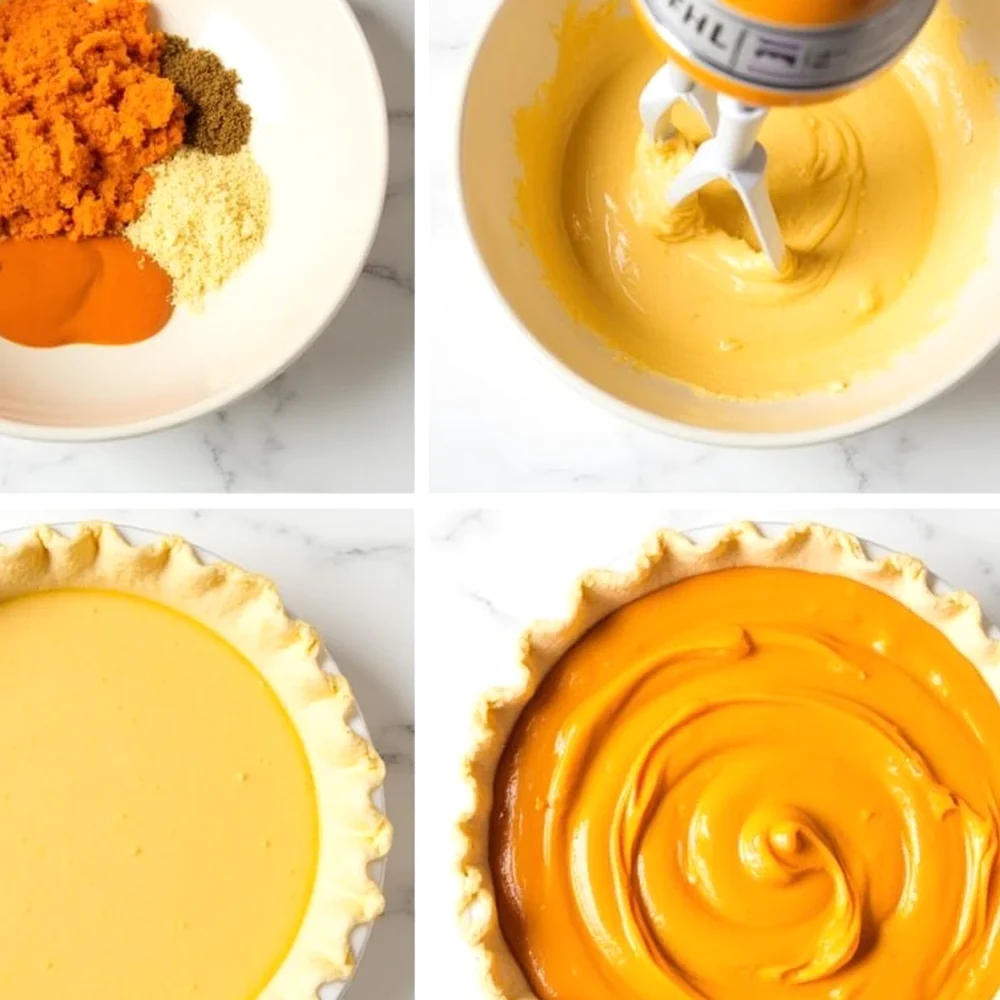
If you are cooking for a crowd that considers dessert the main event, this is the one that surprises people: a sweet potato pie with a cheesecake layer, which gives you two textures and two flavors in one slice. It is richer than any of the pies above and a smaller slice goes further, which is genuinely useful at the end of a very large meal. The full recipe is on my sweet potato cheesecake pie page.
If the pie table is already crowded and you want one more dessert that is not a pie, two things travel well to a holiday table and neither needs the oven on Thursday. A cake mix peach cobbler assembles in about eight minutes from pantry ingredients and bakes while the plates are being cleared, and a lemon blueberry pound cake baked Tuesday sits on the counter under a dome and gives the people who do not want pie something bright to eat. For the ambitious host, a scoop of honey lavender ice cream churned the week before turns a slice of pecan pie into a plated dessert.
The Week-Before Timeline
Here is the schedule I actually run, and the principle behind it is simple: Thursday should be roasting, reheating, and assembly only. Anything that can be fully cooked in advance is cooked in advance, and anything that improves after a night in the refrigerator gets made deliberately early.
The weekend before. Make the cranberry sauce, which peaks around day two or three and keeps ten days. Bake the cornbread for the dressing and leave it out to stale, since fresh cornbread turns to mush. Make the giblet stock for the gravy if you have turkey parts on hand, or roast a couple of pounds of turkey wings and make it from those. Buy the bird if it is fresh, or start thawing it if it is frozen, allowing a full 24 hours of refrigerator thawing for every 4 to 5 pounds.
Tuesday. Assemble the sweet potato casserole base and refrigerate it with the topping bagged separately. Bake any non-pie dessert. Make the pie dough and refrigerate it. Confirm your oven schedule in writing, because the single most common Thanksgiving failure is two dishes needing different temperatures in the same hour.
Wednesday. Start the brine, which wants a full 24 hours. Bake all the pies today; custard pies need to cool completely to set and a pecan pie is better tomorrow anyway. Assemble the dressing up to the point of baking and refrigerate it. Chop every vegetable you will need and bag it.
Thursday morning. Pull the bird from the brine, dry it thoroughly, and let it sit uncovered in the refrigerator for a couple of hours if you want crisper skin. Get it cooking on your target schedule, working backward from dinner and including a 30 to 45 minute rest. That rest is when the gravy gets finished and when the dressing and the casserole go into the oven the turkey just vacated, which is the whole reason the pit-smoked bird makes life easier.
The last hour. Dressing and casserole in the oven. Green beans on the stove. Gravy finished from the drippings. Cranberry sauce out of the refrigerator to take the chill off. Rolls warmed last. Then carve, and hand somebody else the job of getting everyone to the table.
Feeding a Crowd Without Losing the Kitchen
The constraint nobody plans for is oven capacity. A 14 pound turkey occupies a full rack for close to four hours, and a dressing, a casserole, and a pan of rolls all want 350F to 375F during the exact window when the bird is finishing. There are only three real solutions, and stacking dishes on top of each other is not one of them.
The first is moving the turkey out of the oven entirely, onto the pit, into a pot of 350F peanut oil in the driveway, or into an electric roaster, which frees the whole appliance. The second is cooking dishes ahead and reheating them, which works far better than people expect: a fully baked dressing reheats covered at 325F in 25 minutes and nobody can tell. The third is moving dishes to the stovetop, which is why the skillet green beans on this menu need no rack at all; if your family insists on the green bean casserole, assemble it two days ahead and give it the rack next to the dressing, since both bake at 375F.
On quantities, the rule that holds across every meat I cook is the same: figure the total protein at about half a pound of cooked meat per adult and buy backward from there using the cut's yield. For turkey that means roughly one pound raw per person, worked out fully in how much turkey per person. If your holiday runs to two meats, and plenty of Texas ones do, the companion math for the pit is in how much brisket per person and how much pulled pork per person. Do not add full portions together when you are serving more than one; total them at half a pound combined and split however you like.
For sides, a standard 9x13 dish serves 10 to 12 people when there are five or six other dishes on the table. Past about sixteen guests, make two shallow dishes rather than one deep one, because a deeper casserole takes dramatically longer to heat through in the middle and the topping burns while it waits.
Friday: The Leftover Plan
Half the reason to cook this much food is what happens on Friday, and a bird bought at a pound and a half per person leaves roughly a quarter pound of cooked meat per guest, which is a sandwich each plus a pot pie. The mistake is treating leftovers as an afterthought. Carve the bird into large pieces the same night, refrigerate them in a little stock or gravy, and put the carcass in a stockpot before bed.
17. Leftover Turkey Recipes
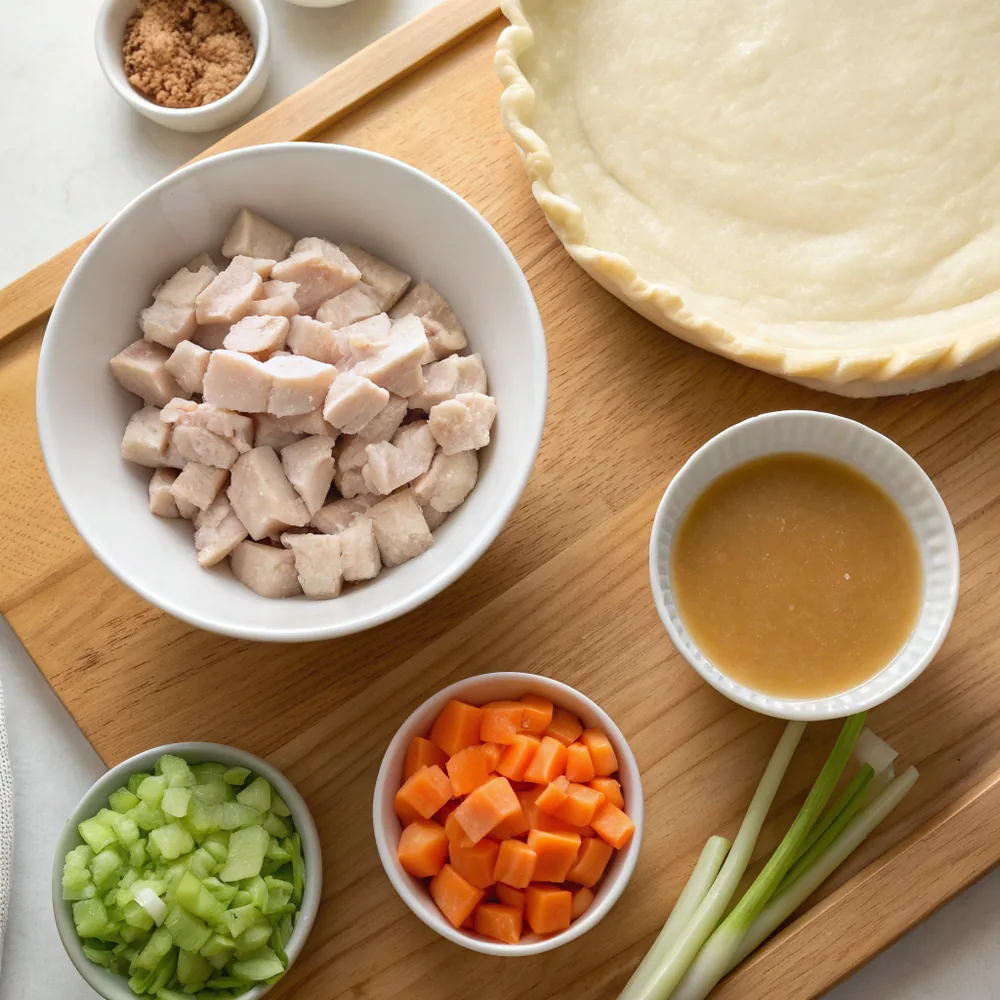
My leftover turkey recipes page is the day-after playbook: the Friday sandwich with jalapeno cranberry sauce, a pot pie made with the leftover gravy, King Ranch turkey casserole, turkey tortilla soup from the carcass stock, enchiladas, dumplings, breakfast tacos, a white turkey chili, and a plan for which one to cook on which day of the weekend. Every dish borrows its method from a recipe already on this site and says what changes when the meat is already cooked.
Drinks, and the Long Afternoon
Thanksgiving is a slow-motion day and the drinking is spread across six hours rather than concentrated at dinner, which argues for long, low-alcohol, cold things rather than anything that requires a shaker and a bartender. Sweet tea by the pitcher carries the whole afternoon and covers everyone who is not drinking. My Texas cocktails guide lines up the state's canon if you want something with more in it, and the ones that batch well for a crowd are marked there.
The other thing worth planning is the grazing table, because guests arrive hours before the food is ready and a cook who is also making appetizers is a cook who is behind. Put out something cold and something warm and then refuse to do anything else: a block of cream cheese with the jalapeno cranberry sauce poured over it and a bowl of crackers takes eleven seconds, and a dish of buffalo chicken dip can go in the oven at any point during the morning and hold on warm indefinitely. Between those two nobody notices that dinner is running late.
And on Friday, the leftovers are their own meal and arguably a better one. Cold turkey, mayonnaise, a thick spoonful of the cranberry sauce, and a slab of cold dressing on white bread is the sandwich the entire week has been building toward. Leftover gravy goes over reheated dressing, into a pot pie, or over an open-faced sandwich. Plan for it deliberately by buying a bigger bird than you strictly need, which is the only kind of Thanksgiving over-planning that has never once been regretted, and then work through the leftover turkey recipes in order.
Frequently Asked Questions
What is different about a Texas Thanksgiving?
Four substitutions inside the standard American frame. Cornbread replaces white bread in the dressing, which makes it crumbly and savory rather than soft and bready. The turkey often goes on the pit over post oak instead of into the oven, which also frees up the most contested appliance in the house. Chiles appear where they do not elsewhere, most obviously as jalapenos in the cranberry sauce. And pecan pie generally outranks pumpkin on the dessert table, since the pecan is the state tree and a lot of Texas backyards have one dropping free nuts in October.
Is it dressing or stuffing?
In Texas it is dressing, and the difference is not only vocabulary. Dressing is baked in a separate pan; stuffing is cooked inside the bird. Baking it separately is both safer and better: stuffing packed in a cavity has to reach 165F to be safe, and by the time a dense center gets there the surrounding breast meat is badly overcooked. Separate baking also gives you the crisp top and browned edges, which are the best part of the dish and cannot exist inside a turkey. Plenty of families make both a cornbread dressing and a bread stuffing and settle nothing.
How far ahead can I cook Thanksgiving dishes?
Most of the menu, which is the entire strategy. Cranberry sauce goes ten days ahead and improves. Giblet stock for the gravy keeps four days refrigerated or three months frozen, and the roux can be made a week out. Sweet potato casserole assembles two days ahead with the topping kept separate. Cornbread for the dressing should be baked several days early so it can go stale. Pies get baked Wednesday, since custards need to cool completely to set. Thursday should be roasting, reheating, and assembly only.
Should I smoke or roast the turkey?
Smoking gives you a deeper flavor and, more usefully, it moves the bird out of the oven for four to five hours during the exact window when the dressing, the casserole, and the rolls all need heat. That is the strongest practical argument for the pit. Roasting is more forgiving about skin, since the higher dry heat of an oven crisps it more reliably than a 275F pit does. Either way, brine the bird first, pull the breast at 160F, and rest it 30 to 45 minutes under loose foil while you finish the gravy.
How much turkey do I need per person?
About one pound of raw whole turkey per person for a meal with a full spread of sides, and one and a quarter to one and a half pounds if you want meaningful leftovers. That seems like a lot because a whole bird loses well over half its weight to bone, trimming, and moisture. A bone-in breast runs about three quarters of a pound per person and a boneless breast roast about half a pound. Past roughly eighteen pounds, two smaller birds cook more evenly than one large one and give you twice as much skin.
What can I make that does not need the oven?
Oven capacity is the real constraint on Thanksgiving, so stovetop and make-ahead dishes are worth more than they look. Cranberry sauce is a fifteen-minute stovetop job done days early. Green beans with bacon are a skillet dish. Gravy happens on a burner during the turkey's rest. Mashed potatoes are stovetop plus a warm holding pot. And any dish that was fully baked a day ahead reheats covered at 325F in about 25 minutes without anybody noticing, which effectively doubles your oven capacity by time-shifting it.
What do I do with all the leftovers?
Plan for them, because they are half the reason to cook this much food. The canonical Friday sandwich is white bread, cold turkey, mayonnaise, a thick spoonful of cranberry sauce, and a cold slab of dressing. Leftover gravy goes over reheated dressing, into a turkey pot pie, or over an open-faced sandwich. Cooked turkey keeps three to four days refrigerated and up to four months frozen, and it freezes far better in large pieces than sliced. Dressing reheats covered at 325F; sweet potato casserole reheats the same way with the foil pulled at the end to re-crisp the topping.