Southern Comfort Food
Crockpot Cowboy Stew
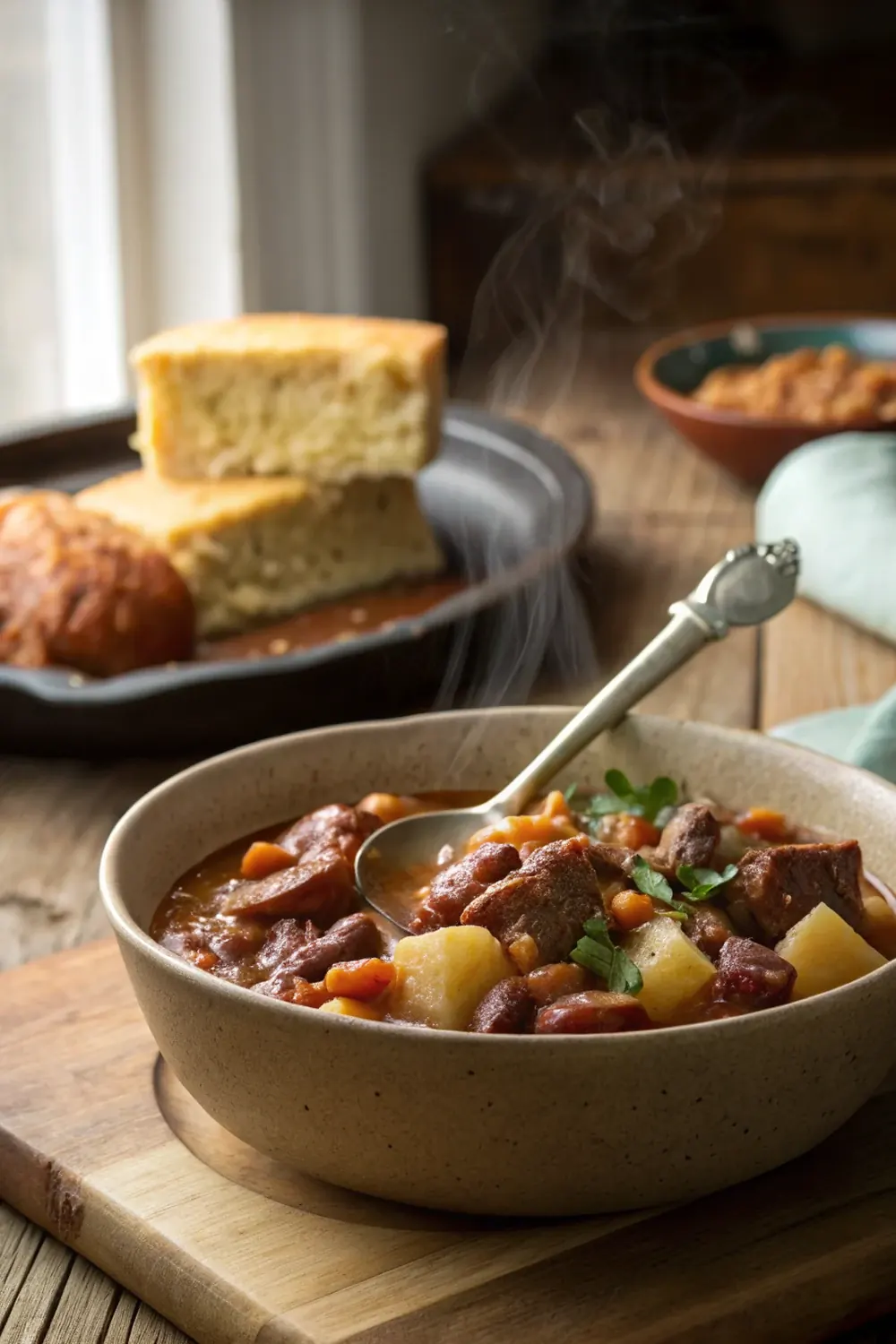
Chef Mia's crockpot cowboy stew: ground beef, smoked sausage, beans, and potatoes simmered low and slow all day. The 15-minute-prep dinner that feeds 8.
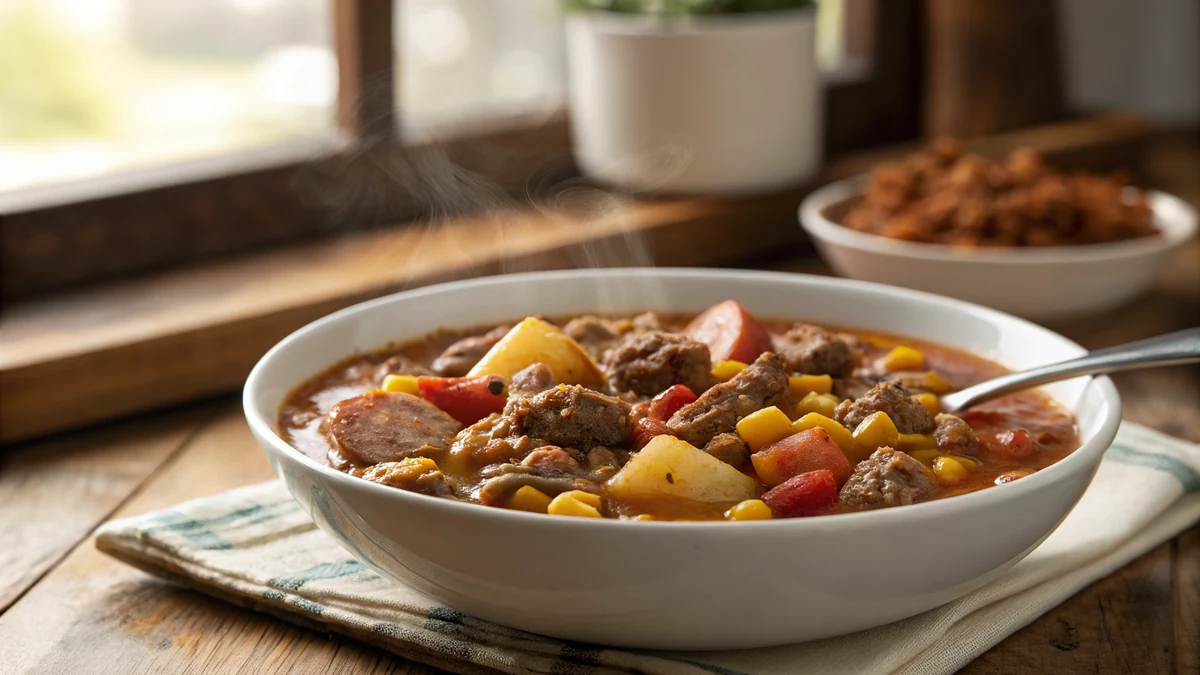
Quick answer: Crockpot cowboy stew is a thick, meaty slow cooker stew built on ground beef and smoked sausage with pinto beans, potatoes, corn, and tomatoes in a chili-spiced broth. You brown the beef and sausage, then layer everything into the slow cooker and walk away: 7 to 8 hours on LOW or 4 hours on HIGH, until the potatoes are tender and the broth has thickened. The active work is about 15 minutes, one skillet and one pot. It feeds 8 generously, costs little, freezes well, and tastes even better on day two. Cornbread on the side is not optional in my house.
Cowboy stew is what happens when a chuckwagon cook and a busy weeknight shake hands. It is not fancy and it has no French ancestor; it is a big, honest pot of ground beef, smoked sausage, beans, and potatoes that simmers all day and asks nothing of you while it does. My grandmother called versions of this 'cleaning out the pantry,' said with affection, because the stew absorbs whatever cans are on hand and somehow always lands tasting like it was planned.
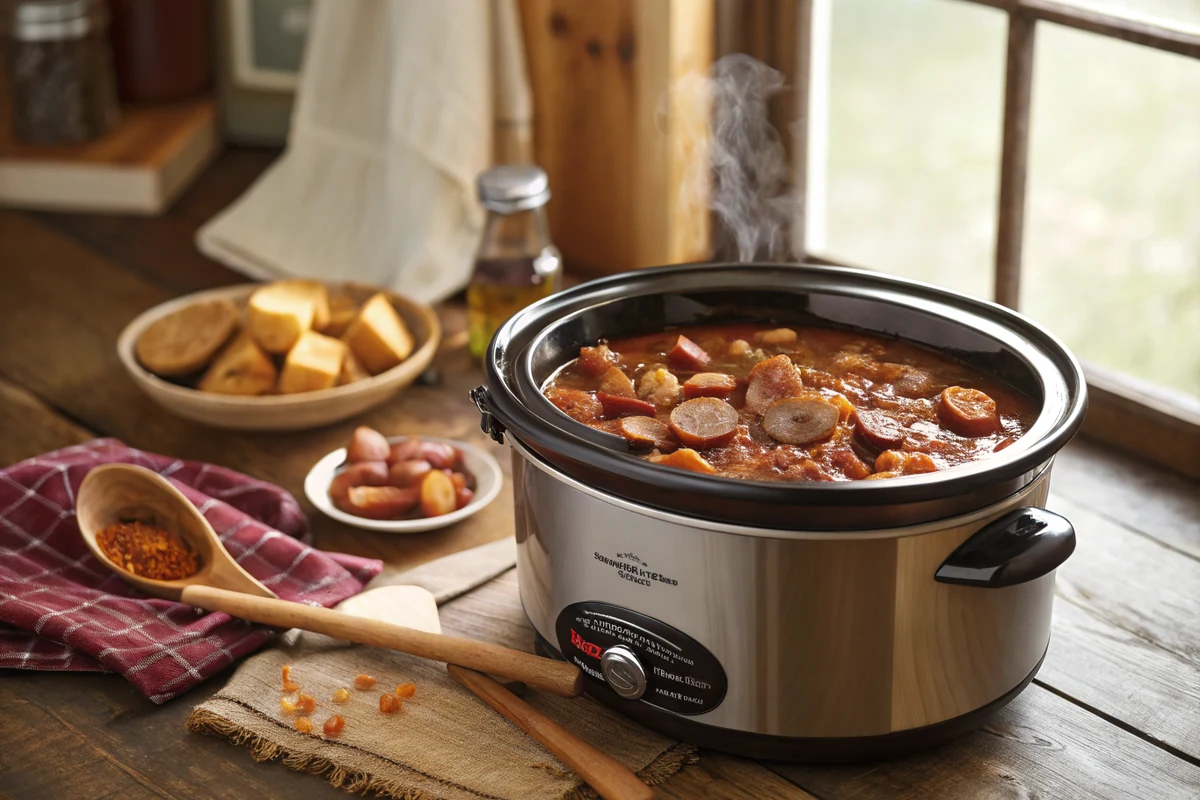
The crockpot is the right tool for it. Low, slow, covered heat gives the potatoes time to go creamy, lets the smoked sausage perfume the whole pot, and melds the chili spices into the tomato broth without any scorching risk. The only real work is ten minutes of browning at the start, and I will make the case below for why you should not skip it. Expect a stew thick enough to stand a spoon in, eight big bowls from one pot, and leftovers that taste deeper tomorrow.
What Exactly Is Cowboy Stew?
Cowboy stew is a pantry stew from the same family tree as chuckwagon beans and hobo dinner: ground beef and smoked sausage stretched with beans, potatoes, corn, and canned tomatoes into a pot that feeds many for little. There is no single canonical recipe, which is part of the charm. Every family's version reflects whatever the pantry held, and arguing about the correct ingredients misses the point entirely.
What every good version shares is the double-meat base. Ground beef gives the stew body and the sausage gives it smoke, and neither alone gets you there. The beans and potatoes are the economics, turning a pound and a half of beef into eight servings, and the chili spices tie the pot to Texas rather than to a generic vegetable soup.
It sits in an interesting spot next to real Texas chili, which famously contains no beans and no potatoes and would disown this stew at a cookoff. Cowboy stew carries no such rulebook. It is the relaxed cousin: same chili-spice backbone, none of the orthodoxy.
Why Brown the Meat First?
Tossing raw ground beef into a slow cooker technically works, and I am telling you not to do it. Raw-dumped beef cooks into pale, pebbly crumbles and releases fat you cannot drain, leaving a greasy slick on the finished stew. Ten minutes in a hot skillet gives you browned meat, rendered-off fat, and a fond on the pan that the onions pick up as they soften.
The sausage argument is even stronger. Smoked sausage that goes in raw turns flabby after eight hours of simmering. Seared coins keep a slight chew at the edges and their caramelized faces season the broth all day. It is the difference between sausage in the stew and sausage flavor through the stew.
If your morning genuinely cannot spare ten minutes, brown the beef and sausage the night before and refrigerate them in the skillet's drained contents. Cold pre-browned meat into the crockpot at 7 a.m. is a completely legitimate move, and the stew cannot tell the difference.
Choosing the Sausage and the Beef
The sausage is the personality of the pot. A standard smoked kielbasa or beef smoked sausage is the dependable choice, widely available and reliably smoky. If you can get proper Texas-style links, the stew gets noticeably better; my Texas hot links bring real pit smoke and a pepper kick, and my smoked sausage guide covers the bolder options for the adventurous.
Andouille pushes the pot toward Louisiana with cayenne heat, and chorizo melts into the broth and stains it brick red, both excellent if that is your table's taste. Whatever you choose, slice it thick. Half-inch coins survive the long cook; thin slices disintegrate.
For the beef, 80/20 ground chuck is right. Leaner beef turns dry and grainy over eight hours, and fattier beef leaves grease even after draining. If you want to upgrade, cubed chuck roast works beautifully and turns this into something closer to my slow-cooked pot roast in stew form; brown the cubes hard and add an hour on LOW.
The Slow Cooker Schedule That Works
LOW for 7 to 8 hours is the sweet spot. The potatoes turn creamy instead of merely soft, the spices bloom fully into the tomato base, and the sausage gives up its smoke gradually. HIGH for 4 hours produces a very good stew when the day demands it; the only real loss is a little depth in the broth and slightly firmer potato edges.
Keep the lid closed. A slow cooker recovers heat slowly, and every lift costs 15 to 20 minutes of cooking time. The stew needs no stirring until the end; the layered assembly, potatoes at the bottom where the heat concentrates, exists precisely so it can run unattended.
Food safety is simple here because the meat goes in already browned and hot-ish. Get the loaded crock started within an hour of assembly, or refrigerate the whole insert overnight and add 30 minutes to the cook time. The USDA's safe temperature charts are the reference if you ever wonder; a stew that simmers all day clears every bar by lunchtime.
Beans, Potatoes, and the Question of Cans
Canned pinto beans are correct for this recipe, and I say that as someone who happily simmers dried pintos from scratch when the weekend allows. Dried beans added raw to a tomato-heavy crockpot stew cook unevenly, because the acid in tomatoes slows bean softening. Cans sidestep the problem and the long simmer erases any tinny edge. Drain and rinse them and nobody will ever know.
Ranch-style beans, undrained, are the Texas pantry move if you want a deeper, slightly sweet chili note; use one can in place of one can of pintos and reduce the chili powder slightly. Kidney beans, black beans, and a drained can of green beans all have their loyalists. The stew accepts all of them.
For potatoes, Yukon Golds hold their shape and turn buttery; russets soften further and thicken the broth more as their edges dissolve. Both are right, just different stews. Cut them into honest 1-inch chunks so they do not vanish, and keep them at the bottom of the crock where the heat does its best work.
Making It Thicker, Spicier, or Bigger
Thickness first, because cowboy stew should be thick. The built-in method is to mash a few cooked potato chunks against the wall of the crock and stir; the starch tightens the broth in minutes with no added ingredient. The backup is a cornstarch slurry, 1 tablespoon of cornstarch in 2 tablespoons of cold water, stirred in on HIGH for the last 20 minutes, which keeps the stew gluten-free.
Heat scales easily. The single can of tomatoes with green chiles keeps the base family-mild. For a livelier pot, add a diced jalapeño with the onions, a half teaspoon of cayenne to the spice mix, or a chopped chipotle in adobo, which doubles down on the smoke. Hot sauce at the table lets everyone choose their own adventure.
The recipe doubles cleanly if your slow cooker holds 8 quarts; keep the cook time the same and expect the pot to take a little longer to come up to a simmer. For a crowd of hungry hands, plan on cornbread, a pot of 15-bean soup for the bean devotees, and not much else; the stew carries the table.
What to Serve With Cowboy Stew
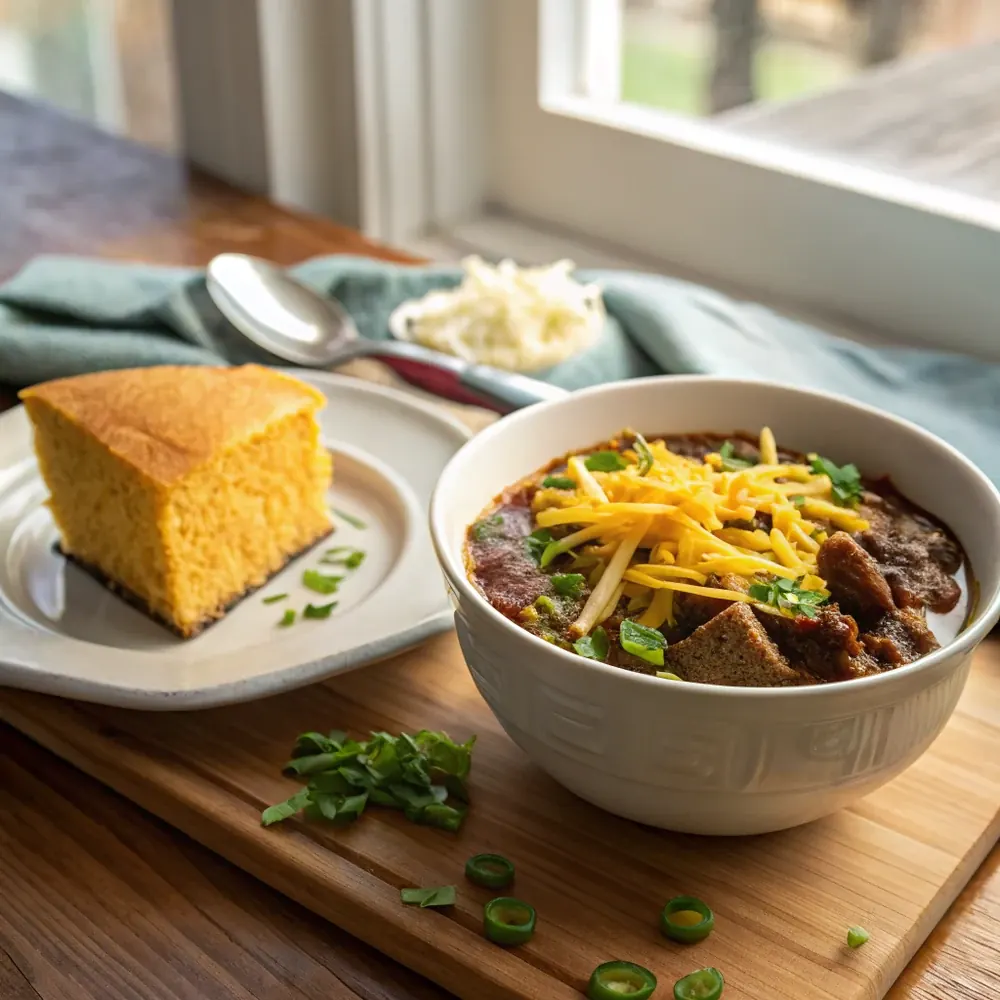
Cornbread is the constitutional pairing, and a wedge of cast iron skillet cornbread with a crisp bottom crust is the version this stew deserves. Split it, butter it, and use it as the sponge the last third of the bowl requires. Flaky buttermilk biscuits are the equally traditional alternative for the biscuit households.
Toppings turn the pot into a small event: shredded sharp cheddar, sliced green onions, a spoonful of sour cream, pickled jalapeños for the heat seekers. Set them out in bowls and let everyone build. A simple vinegary cucumber salad or slaw on the side cuts the richness if you want something green on the table.
To drink, sweet tea or a cold lager, and for dessert something handheld and easy after a stew this filling; a square of peanut butter Texas sheet cake sends everyone home happy.
One serving note from experience: ladle from the bottom of the crock, where the potatoes and sausage settle, so every bowl gets the full census of ingredients rather than a surface skim of broth and beans. And set the crock itself on the table on a trivet if the crowd is casual; the pot keeps the stew hot through second helpings, and there will be second helpings.
No Crockpot? Dutch Oven, Instant Pot, and Campfire
The stew predates the appliance, so every cooking vessel has a path. In a Dutch oven, brown the meats right in the pot, add everything else, bring it to a boil, then cover and simmer on the lowest flame for 45 minutes to an hour, until the potatoes give. Stir every fifteen minutes or so; unlike a crockpot, a stovetop pot can catch and scorch on the bottom, and scorched tomato is a flavor you cannot stir away.
In an Instant Pot or any electric pressure cooker, use the saute function for the browning, then add the remaining ingredients with only 2 cups of broth, since pressure cooking loses almost nothing to evaporation. Twelve minutes at high pressure with a 10-minute natural release lands the potatoes tender and the broth thick. It is the weeknight rescue when you forgot to load the slow cooker at breakfast.
And the original venue still works best of all. Over a campfire, a cast iron Dutch oven set on a grate above coals, not flames, turns this into the cowboy supper the name promises. Bank the coals for gentle heat, lid on, about an hour, rotating the pot a quarter turn now and then. The faint wood smoke that sneaks under the lid is seasoning no kitchen can fake.
Storage, Freezing, and the Day-Two Upgrade
Cowboy stew is one of those dishes that genuinely improves overnight, as the spices settle into the potatoes and the broth rounds out. Refrigerate leftovers in airtight containers within two hours of cooking, per the USDA cold storage guidelines, and they keep 4 days. Reheat gently on the stove with a splash of broth, since the stew thickens considerably when chilled.
It freezes well for up to 3 months. The one caveat is the potatoes, which can turn slightly mealy after a freeze-thaw cycle. If you are cooking specifically for the freezer, slightly undercook the potatoes or lean toward Yukon Golds, which survive the trip better than russets.
Leftover repurposing is half the fun: ladle the thick stew over a baked potato, spoon it onto cornbread like a sloppy joe, or thin it with broth into a next-day soup. If your house loves this format, my venison chili and slow cooker short ribs work the same low-effort, big-reward territory.
Crockpot Cowboy Stew Recipe
Ingredients
- For the stew:
- 1 1/2 lb (680 g) ground beef, 80/20
- 14 oz (400 g) smoked sausage (kielbasa or beef smoked sausage), sliced into 1/2-inch coins
- 1 yellow onion, diced
- 3 cloves garlic, minced
- 1 1/2 lb (680 g) Yukon Gold or russet potatoes, cut into 1-inch chunks
- 2 cans (15 oz each) pinto beans, drained and rinsed
- 1 can (15 oz) corn kernels, drained
- 1 can (10 oz) diced tomatoes with green chiles (like Rotel)
- 1 can (15 oz) tomato sauce
- 2 1/2 cups (600 ml) beef broth
- For the seasoning:
- 2 tbsp chili powder
- 1 tsp ground cumin
- 1 tsp smoked paprika
- 1 tsp dried oregano
- 1 tsp kosher salt, plus more to taste
- 1/2 tsp black pepper
- For serving (optional):
- Shredded cheddar, sliced green onions, and cornbread
Instructions
- Brown the ground beef. Set a large skillet over medium-high heat and brown the ground beef with the diced onion, breaking the meat into rough crumbles, 6 to 8 minutes, until no pink remains. Add the garlic for the last minute. Drain off the excess fat. This browning step builds the roasted, beefy base that separates cowboy stew from canned chili, so give it real color, not just gray.
- Sear the sausage. In the same skillet, sear the sausage coins 2 to 3 minutes until the edges brown and the cut faces caramelize. The sausage will finish cooking in the stew either way, but seared edges hold their texture through the long simmer and taste twice as smoky. Work in two batches if the pan is crowded; steamed sausage never browns.
- Load the slow cooker. Put the potato chunks in the bottom of a 6-quart or larger slow cooker, where the heat is strongest, then add the browned beef and sausage, pinto beans, corn, diced tomatoes with chiles, and tomato sauce.
- Season and add broth. Sprinkle the chili powder, cumin, smoked paprika, oregano, salt, and pepper over the pot, then pour in the beef broth. Stir once to distribute everything. The liquid should sit just below the top of the solids; this stew thickens as the potatoes cook, so resist adding extra broth at the start.
- Cook low and slow. Cover and cook on LOW for 7 to 8 hours or HIGH for 4 hours, until the potatoes are fully tender when pierced with a fork. Keep the lid on; every peek vents heat and adds 15 to 20 minutes. LOW gives the deepest flavor and the creamiest potatoes if your schedule allows it.
- Adjust the thickness. When the potatoes are tender, give the stew a good stir. For a thicker pot, mash a few potato chunks against the side with the spoon and stir them in; the released starch tightens the broth naturally in about 10 minutes. For a looser stew, add hot broth a splash at a time.
- Taste and finish. Taste and adjust the salt; beans and potatoes drink seasoning, so the pot often needs another half teaspoon at the end. If the stew wants brightness, a teaspoon of vinegar or a squeeze of lime wakes the whole thing up without announcing itself.
- Serve it right. Ladle into deep bowls and top with shredded cheddar and green onions. Cornbread or buttermilk biscuits on the side are traditional and structurally important for sweeping the bowl. Leftovers keep 4 days refrigerated and the flavor genuinely improves overnight.
Frequently Asked Questions
What is cowboy stew made of?
The core is ground beef and smoked sausage with pinto beans, potatoes, corn, and tomatoes in a chili-spiced broth. It is a flexible pantry stew rather than a fixed recipe, so families add green beans, ranch-style beans, or whatever cans are on hand. The double meat plus beans plus potatoes formula is what makes it cowboy stew instead of chili or vegetable soup.
How long does cowboy stew take in the crockpot?
On LOW, 7 to 8 hours; on HIGH, about 4 hours. The stew is done when the potatoes are fully fork-tender. LOW gives creamier potatoes and a deeper broth if your schedule allows. Keep the lid closed while it cooks, because every peek vents heat and adds 15 to 20 minutes to the total time.
Do I have to brown the meat before slow cooking?
You get a far better stew if you do. Browning the ground beef builds roasted flavor and lets you drain the fat, which otherwise ends up as a greasy slick on top of the finished pot. Searing the sausage coins keeps their texture through the long simmer. The whole step takes about ten minutes, and you can do it the night before and refrigerate the browned meat.
Can I use raw potatoes in the slow cooker?
Yes, raw potatoes go straight in and the slow cooker is excellent at them. Cut them into 1-inch chunks and put them at the bottom of the crock, where the heat is strongest, so they cook through evenly. Yukon Golds hold their shape and turn buttery; russets soften more and naturally thicken the broth as their edges break down.
How do I thicken cowboy stew?
The easiest way uses what is already in the pot: mash a few cooked potato chunks against the side of the crock and stir, and the released starch tightens the broth within about ten minutes. The alternative is a cornstarch slurry, 1 tablespoon of cornstarch stirred into 2 tablespoons of cold water, added on HIGH for the final 20 minutes. Both methods keep the stew gluten-free.
What is the difference between cowboy stew and Texas chili?
Real Texas chili contains beef, chiles, and not much else; no beans, no potatoes, no corn, by long-standing rule. Cowboy stew is the relaxed relative that embraces all three, stretching the meat into an economical one-pot dinner. They share the chili-spice backbone of cumin and chili powder, but chili is a purist dish and cowboy stew is a pantry dish, and each is better for staying in its lane.
Can I make cowboy stew on the stovetop instead?
Yes. Brown the meats in a Dutch oven, add everything else, bring it to a boil, then cover and simmer on low for about 45 minutes to 1 hour, until the potatoes are tender. Stir occasionally, since a stovetop pot can catch on the bottom in a way a crockpot cannot. The flavor is very close; the slow cooker mostly buys you the walk-away convenience.
How long does cowboy stew last in the fridge?
Four days in airtight containers, and it tastes better on day two after the flavors settle. Reheat it gently with a splash of broth, because the stew thickens as it chills. It also freezes for up to 3 months; the potatoes soften slightly after thawing, so slightly undercook them if you are cooking specifically to freeze.
What goes with cowboy stew?
Cornbread first, ideally a skillet cornbread with a crisp crust, or buttermilk biscuits. Top the bowls with shredded cheddar, green onions, sour cream, or pickled jalapeños. Something sharp and fresh on the side, like a vinegary slaw or cucumber salad, balances the richness. Sweet tea or a cold beer covers the drinks, and the pot handles the rest of the menu by itself.
Can I add other vegetables to cowboy stew?
Freely, and the stew expects it. A drained can of green beans, a cup of sliced carrots, or a diced bell pepper all go in with the rest at the start. Frozen okra in the last hour thickens the broth the way it does in gumbo. The only vegetables I would keep out are delicate ones like zucchini or spinach, which dissolve over a long slow cook; stir those in during the final 20 minutes instead.