
Texas BBQ
How Long to Smoke Ribs at 275F
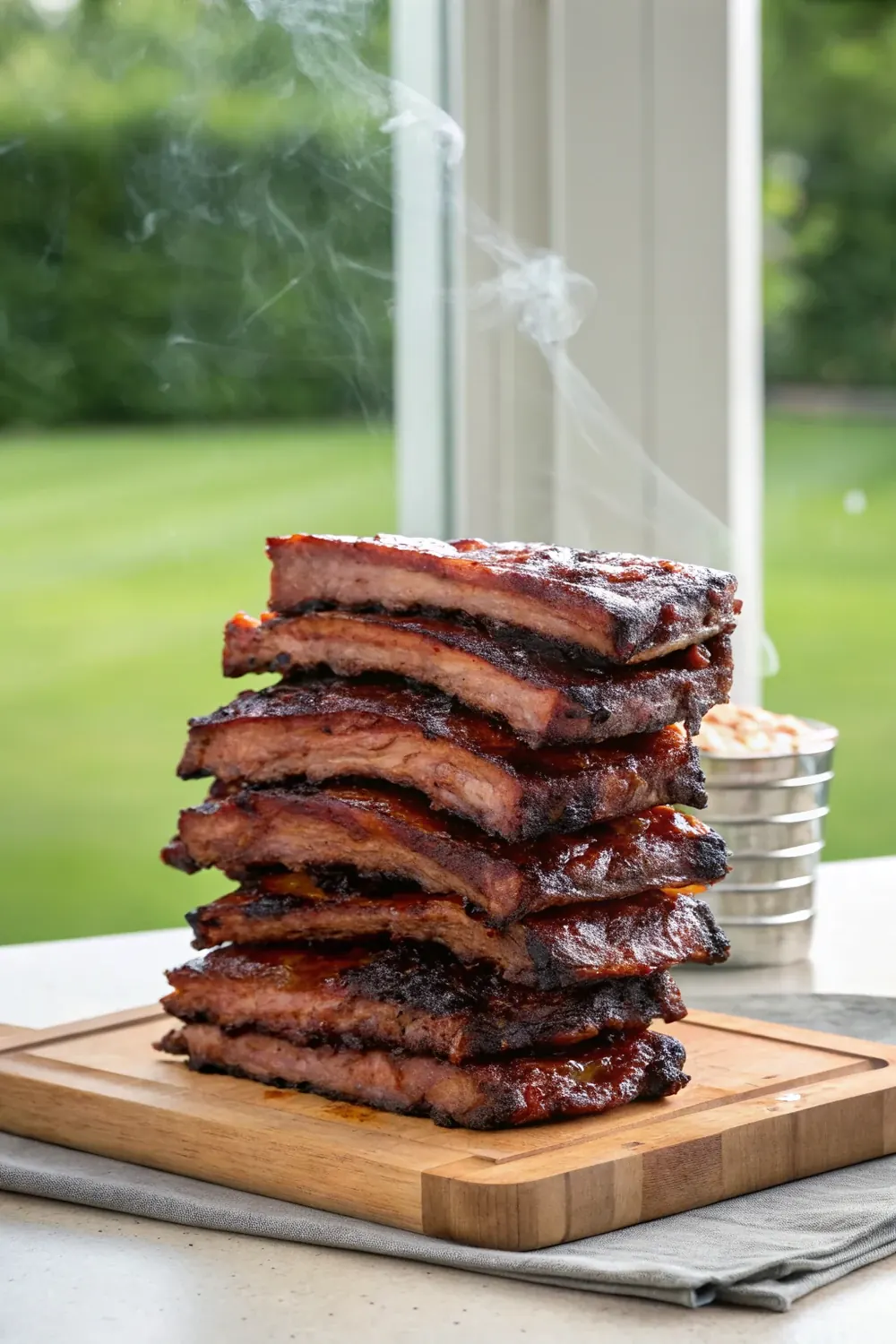
Smoking ribs at 275F is my favorite way to thread the needle between low-and-slow patience and getting dinner on the table at a sane hour. It is hot enough to move things along, gentle enough to render every bit of fat and collagen, and it still builds the kind of bark that makes ribs worth the effort. Here is exactly how long it takes by rib type, plus the method and the variables that shift the clock.
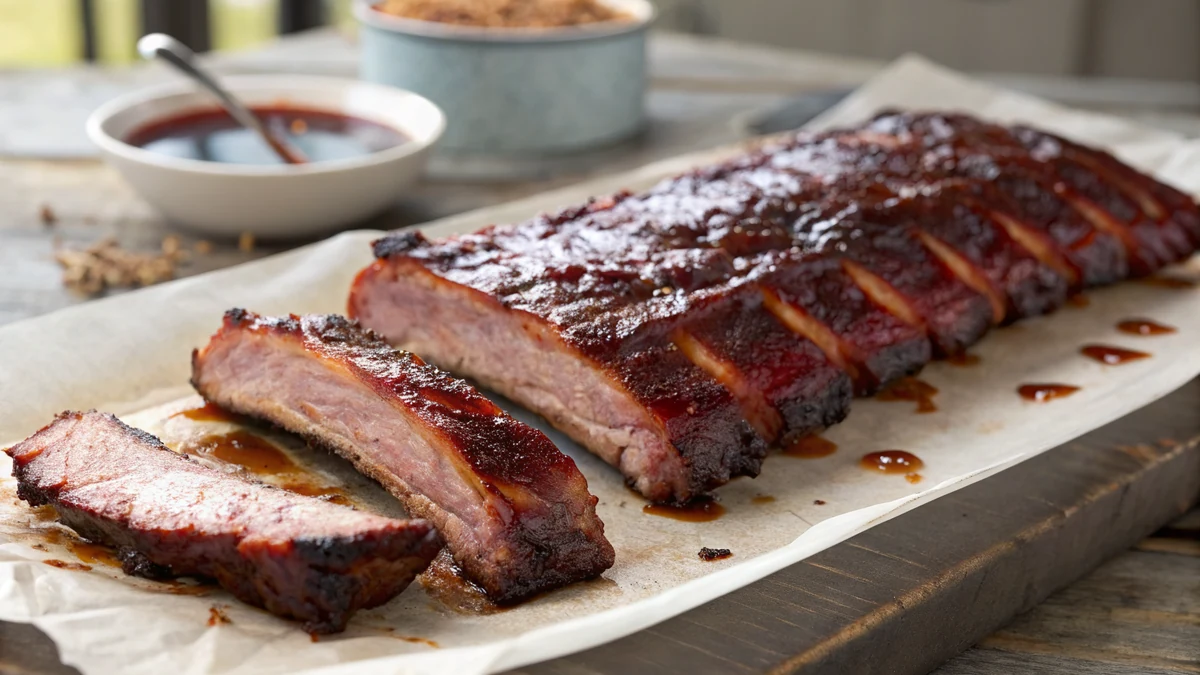
The short answer: at 275F, baby back ribs take about 3.5 to 4 hours and spare or St. Louis cut ribs take about 4 to 5 hours, cooked until they probe tender at 200 to 203F. Smoking at 275F is a hot-and-fast approach that trims an hour or two off the traditional 225F cook while still giving tender, smoky ribs. Cook to feel, not the clock: the ribs are done when a probe slides between the bones with no resistance and the rack bends and cracks when you lift it.
Ribs at 275F Smoking Time Chart
Here is the timing by rib type, with a sample unwrapped-wrap-glaze breakdown. These windows assume a steady 275F; if your pit runs cool or you open the lid often, add time. Doneness is by feel, so treat the clock as a guide.
| Rib type | Total time at 275F | Stage split | Done at |
|---|---|---|---|
| Baby back | 3.5 to 4 hours | 2 - 0.75 - 0.5 | 200 to 203F, bend test |
| St. Louis cut | 4 to 4.5 hours | 2 - 1 - 0.5 | 200 to 203F, bend test |
| Spare ribs | 4 to 5 hours | 2 - 1 - 1 | 200 to 203F, bend test |
The stage split reads as hours of unwrapped smoke, then wrapped, then unwrapped again to glaze. It is the hot-and-fast version of the classic 3-2-1 method, compressed because 275F does the work faster. You can also run any of these fully unwrapped for more bark; my no-wrap ribs method walks that bark-first route in full, and the total lands at the longer end of each range.
Why 275F Instead of 225F
The classic barbecue gospel says 225F, low and slow, and that still makes wonderful ribs. But 275F has quietly become a favorite for a simple reason: it gets you tender ribs in less time without giving up much of anything. The higher heat renders fat and melts collagen efficiently, builds bark a little faster, and brings spare ribs in around four to five hours instead of six. For a weekend cook, that hour or two back is real.
There is a myth that anything above 225F makes ribs tough, but tenderness comes from rendering connective tissue, and that happens across a range of temperatures, just at different speeds. At 275F the collagen still melts beautifully; it simply gets there sooner. What you do trade is a slightly shorter smoke window, so the ribs spend less total time absorbing smoke, and a faster path to drying if you are careless, which a water pan and attentive spritzing handle.
I think of 275F as the practical pitmaster's setting. It is forgiving on your schedule, plays nicely with both wrapped and unwrapped methods, and still delivers the bark and pull that define great ribs. If you have all day and want maximum smoke, 225F is lovely. If you want excellent ribs by dinner without an all-day vigil, 275F is hard to beat.
The Cook, Stage by Stage
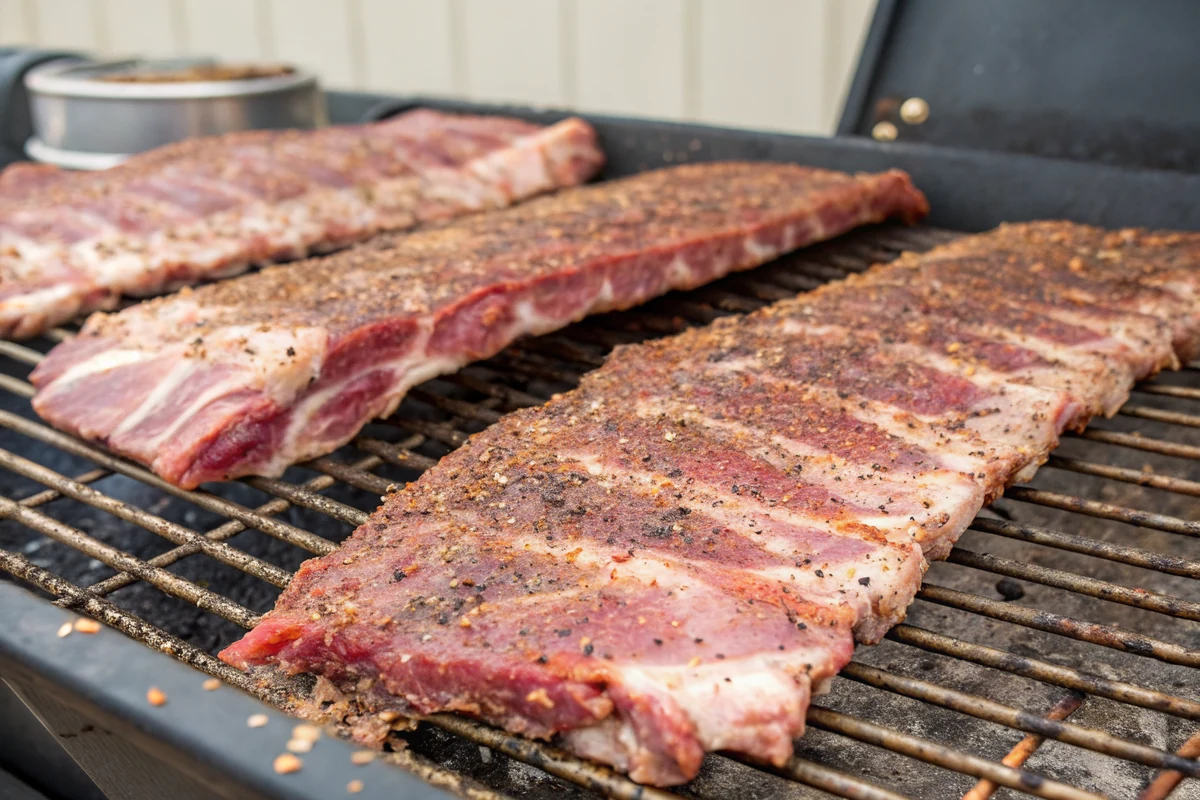
Start with prep that sets up everything: pull the membrane off the bone side so the ribs cook evenly and eat tender, then season both sides with a rub that balances sweet and savory. At 275F a rub with sugar will color and could scorch faster than at 225F, so I keep the sugar moderate and lean on salt, pepper, and paprika. Let the seasoned racks rest while the pit settles at a steady 275F, and load it with post oak, the wood that defines Central Texas barbecue, for a clean smoke that builds color without bitterness.
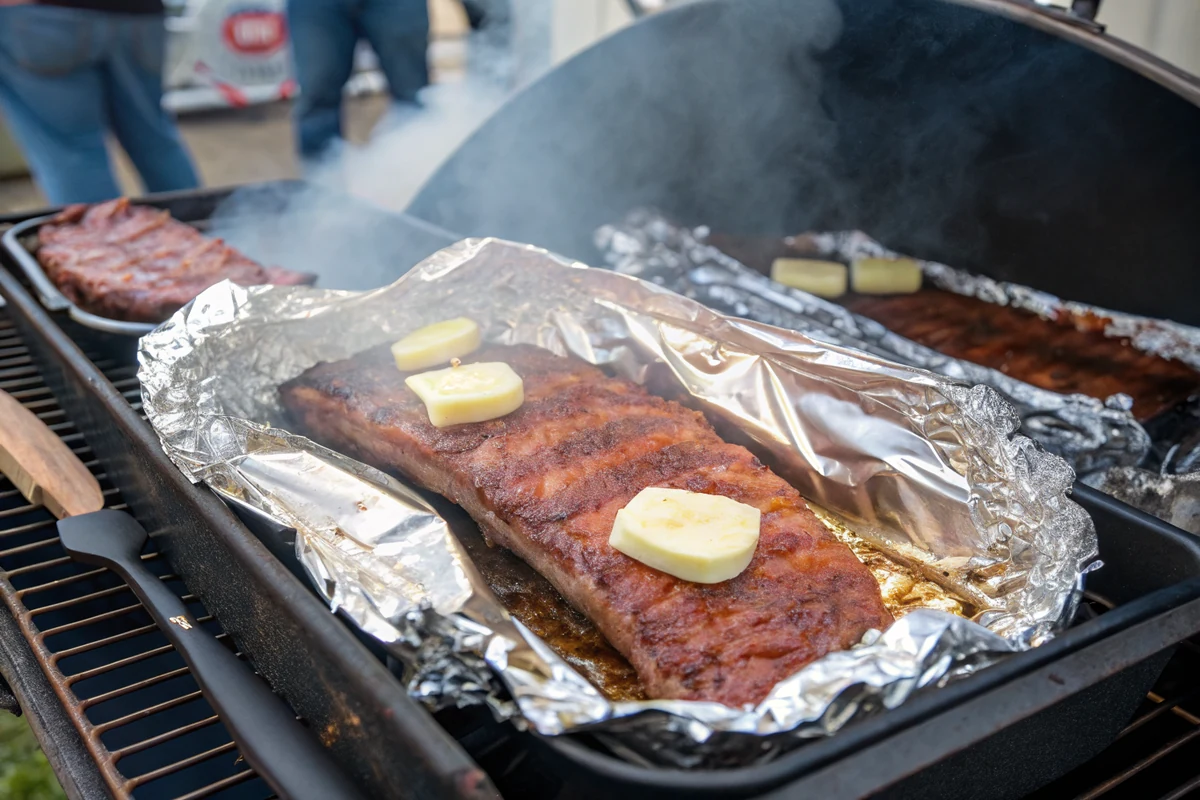
The first stage is open smoke, about 2 hours, where the bark forms, the rosy smoke ring sets just under the surface, and the smoke flavor builds. Spritz with water or juice if the surface looks dry. The optional second stage is the wrap: foil with butter and a little liquid for 45 minutes to an hour, which steams the ribs tender and powers through the stall. The final stage is unwrapped again, 30 to 45 minutes, to brush on glaze and firm the bark back up after the wrap softened it.
Whether to wrap is a real choice. Wrapping gives softer, more fall-tender ribs and a faster cook, which is great for baby backs that can dry out. Leaving them naked the whole way builds a firmer, chewier, bark-forward rib that many Texas cooks prefer, the same philosophy behind my smoked beef ribs. At 275F you have room to do either and still eat on time.
Testing for Doneness
Ribs are done by feel more than by thermometer, because the bones make temperature readings inconsistent. The target is roughly 200 to 203F internal in the meat between the bones, but the tests I trust most are tactile. Slide a probe or a toothpick into the meat between two bones; when it goes in like warm butter with no resistance, the collagen has rendered and the ribs are tender.
The classic bend test is the other tell. Pick up the rack with tongs near one end; a done rack will bow under its own weight and the surface will crack and split slightly. If it stays stiff and flat, it needs more time. You can also check whether the bones are starting to peek out as the meat pulls back, though I do not chase true fall-off-the-bone, which is actually overcooked by competition standards. A clean bite that tugs off the bone is the goal.
Remember that pork ribs are safe to eat well below 200F; that high number is purely about texture. You are not cooking ribs to a safety temperature the way you would a tenderloin, you are cooking them until tough connective tissue turns silky. That is why I lean on the probe and the bend rather than obsessing over an exact degree. When they feel right, they are right.
What Changes the Cook Time
Rib type is the headline variable, as the chart shows. Spare and St. Louis ribs are bigger and meatier than baby backs, so they take longer, while leaner baby backs finish sooner and can overcook if you are not careful. If you have the whole afternoon instead, my smoked St. Louis style ribs run the classic 250F post oak cook, and cabinet owners can follow my ribs in an electric smoker guide at the lower temperature too. Whether you wrap also moves the clock, since wrapping speeds the back half by steaming the ribs and pushing through the stall an hour faster than going naked.
Your pit and the weather matter as much as the meat. A smoker that truly holds 275F finishes on schedule, while one that sags to 250F when you open the lid stretches things out, so minimize peeking. Cold, windy days steal heat and add time, and a crowded grate with several racks shielding each other runs slower than a single rack with open airflow. Build in a buffer rather than cutting it close to serving time.
Finally, the ribs themselves vary. Two racks of the same weight can finish 30 minutes apart depending on their thickness and how much fat they carry, which is exactly why cooking to feel beats cooking to a fixed time. This is the same lesson timing tools teach for bigger cuts, the way my brisket smoking time calculator plans a brisket backward from your serve time while still leaving room to probe for tenderness.
A 275F Smoked Ribs Recipe
Here is the exact 275F method I run, written for a couple of racks. It uses the optional wrap for tenderness and a late glaze for shine, and it pairs with all the usual Texas BBQ sides. Adjust the wrap time down for baby backs and up for meaty spares.
Ingredients
- 2 racks baby back or St. Louis cut pork ribs
- 2 tablespoons yellow mustard, as a binder
- 1/4 cup brown sugar
- 2 tablespoons kosher salt
- 2 tablespoons coarse black pepper
- 1 tablespoon smoked paprika
- 2 teaspoons garlic powder
- 4 tablespoons butter, for wrapping
- 1/2 cup barbecue sauce, for glazing
Instructions
- Trim and season. Flip the ribs bone side up and peel off the thin membrane along the back, gripping it with a paper towel. Smear both sides with mustard, then coat with the mixed brown sugar, salt, pepper, paprika, and garlic powder. Let them sit 30 minutes while the smoker heats to 275F.
- Smoke unwrapped. Set the ribs bone side down on the grate and smoke at 275F for about 2 hours, until the bark is set and a deep mahogany color, spritzing with water or juice if the surface looks dry.
- Wrap to tenderize. Lay each rack on foil, dot with butter, add a splash of liquid, and wrap tightly. Return to the smoker for about 1 hour for spares, or 45 minutes for baby backs, until the meat probes tender at 200 to 203F.
- Glaze and set. Unwrap the ribs, brush both sides with barbecue sauce, and smoke uncovered for a final 30 to 45 minutes so the glaze sets and the bark firms back up.
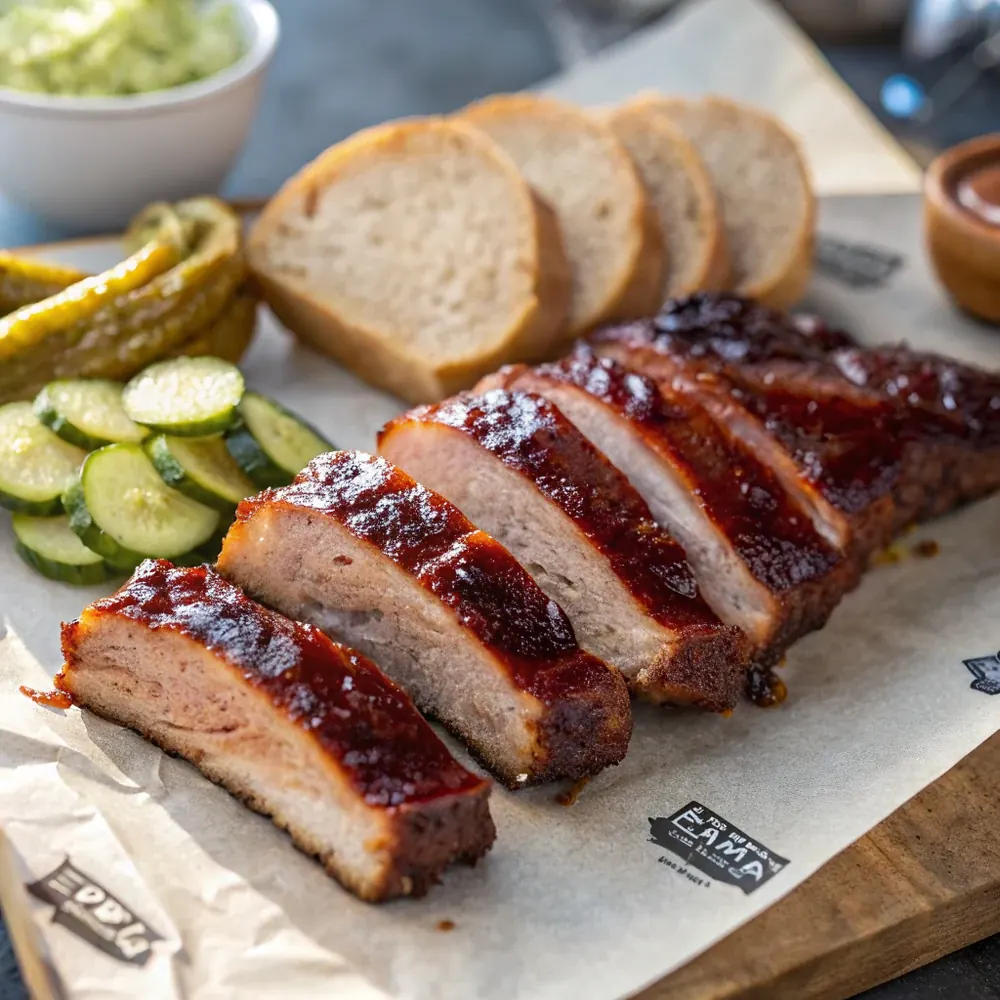
- Rest and slice. Rest the racks 10 to 15 minutes, then slice between the bones. They should bend and crack when lifted and pull cleanly off the bone with a little tug, not fall apart.
Run these unwrapped if you want a firmer, bark-forward rib, just expect them to land at the longer end of the time range. Either way, let them rest before slicing so the juices settle.
Frequently Asked Questions
How long does it take to smoke ribs at 275?
At 275F, baby back ribs take about 3.5 to 4 hours and spare or St. Louis cut ribs take about 4 to 5 hours to reach probe tenderness around 200 to 203F. Smoking at 275F is hotter than the traditional 225F, so it shaves roughly an hour or two off the cook while still rendering the fat and collagen for tender ribs. As always, the ribs are done when they probe tender and pass the bend test, not strictly when the timer goes off.
Is 275 too hot to smoke ribs?
Not at all; 275F is a popular hot-and-fast range that many pitmasters prefer for ribs. It is hot enough to speed the cook and build good bark, but still low and slow enough to melt the connective tissue that makes ribs tender. The main thing to watch is that the higher heat can dry the surface or burn sugary rubs faster, so a water pan and a slightly later glaze help. If anything, 275F is more forgiving on time than 225F because you are not committing to an all-day cook.
What is the 2-1-1 method for ribs at 275?
The 2-1-1 method is the hotter, faster cousin of the classic 3-2-1. At 275F you smoke the ribs unwrapped for 2 hours, wrap them in foil with a little liquid for 1 hour to tenderize, then unwrap and cook 1 more hour to set the bark and glaze. It works well for spare ribs. For baby backs, which are smaller and leaner, shorten it to roughly 2-1-0.5 so they do not overcook. Wrapping is optional; many cooks run ribs unwrapped at 275F for better bark.
Do you wrap ribs at 275?
Wrapping is optional and comes down to the result you want. Wrapping in foil or butcher paper partway through, the Texas crutch, speeds the cook, pushes through the stall, and gives softer, more fall-off-tender ribs. Leaving them unwrapped the whole way builds a firmer, chewier bark and a deeper smoke flavor, which many Texas cooks prefer. At 275F both finish in a reasonable time. I often run spare ribs unwrapped for bark and wrap leaner baby backs to keep them moist.
What internal temperature should ribs be at 275?
Ribs are done around 200 to 203F internal, but temperature is only a guide on ribs because the bones make it hard to get a clean reading. The better tests are feel: a probe or toothpick should slide between the bones with almost no resistance, and when you pick up the rack with tongs it should bend and crack on the surface. Pork ribs are safe to eat far below this, but they only become tender once the collagen renders in that 200F range, so you are cooking for texture, not safety.
Can you smoke ribs faster than 275?
Yes, you can push to 300F or even 325F for a true hot-and-fast cook, which brings baby backs in around 2.5 to 3 hours and spares in about 3.5. The trade-off is less smoke time and a narrower window before the surface dries or sugary rubs scorch, so you have to watch them more closely and lean on wrapping. I find 275F is the sweet spot, faster than 225F but still relaxed enough to get great bark and plenty of smoke without babysitting.
Filling the pit? Add my smoked pork belly burnt ends or run the how long to smoke sausage guide for an easy crowd-stretcher, and slide on some corn from the smoked corn on the cob guide. Pick your wood with the BBQ wood pairing tool.