Seasonal roundup
12 Texas State Fair Foods You Can Make at Home
Quick answer: The State Fair of Texas runs in Dallas from late September through mid October, and its food is built on two traditions: the corny dog, sold at Fair Park since 1942, and the fried food competition that has driven the midway toward deep-frying increasingly improbable things since the mid 2000s. The classics worth knowing are corny dogs, funnel cake, turkey legs, Frito pie, fried pickles, blooming onions, fried jalapenos, fried cheesecake, fried Oreos, kolaches, peach cobbler, and sheet cake. Most of them come home well. The single skill that unlocks the fried half of that list is oil temperature control at 350F to 365F, and the single biggest home mistake is crowding the pot, which drops the oil and produces grease instead of crust.
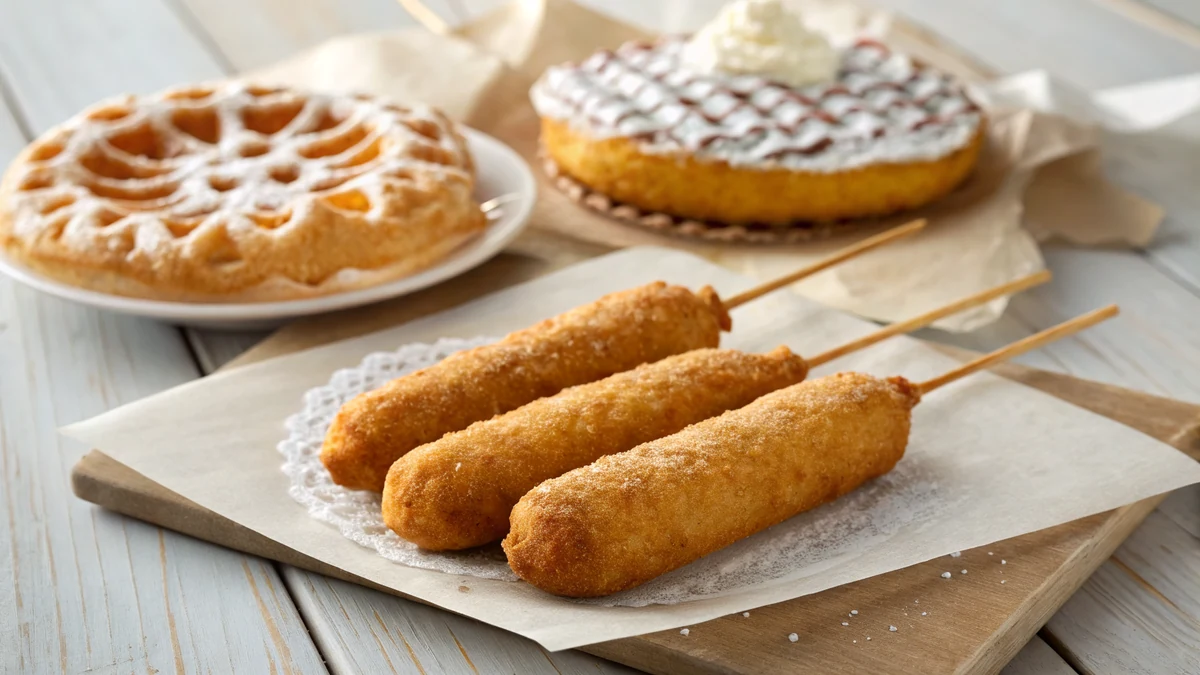
The State Fair of Texas is the largest fair in the country and it is, unapologetically, a food event with rides attached. Twenty-four days at Fair Park in Dallas, a 55 foot cowboy standing over the whole thing, and a midway where the operating principle is that anything can be fried and most things should be on a stick.
I go for the same reason everybody goes, which is to eat things I would never make on a Tuesday. But I come home every year having figured out how to make two or three of them, because fair food is not sophisticated cooking. It is a small number of techniques, executed at enormous volume, applied to ingredients chosen for how well they survive hot oil.
This is the list of what to eat there and what actually reproduces in a home kitchen. Twelve classics, honestly sorted between the ones that come home well and the two or three that genuinely do not. The frying section at the end covers the oil temperature discipline that separates a good home version from a greasy one.
The Two Traditions That Built the Midway
The first tradition is the corny dog, which the Fletcher brothers brought to Fair Park in 1942 and which has been the fair's signature ever since. It is worth understanding why it works, because the logic runs through everything else on the midway: a stick makes it walkable, a batter makes it hold heat, and a hot dog is cheap enough that a fair can sell hundreds of thousands of them. Portable, hot, and cheap is the entire design brief of fair food.
The second tradition is newer and stranger. Since the mid 2000s, the fair has run an annual competition for the best new fried creation, and it has pushed vendors into genuinely inventive territory: fried butter, fried cookie dough, fried beer, fried everything. Some of these are jokes that worked. A few are legitimately good, and the ones that stick around are almost always the ones where frying does something useful rather than merely surprising.
That competition is why the fair's food changes every year while its classics never do. You go for the corny dog you had as a child, and then you spend twenty dollars finding out whether this year's winner justifies the line. Both halves are the point. What follows covers the permanent classics first, then the fried competition lineage, then what happens when you try to bring any of it home.
The Permanent Classics
1. The Corny Dog
The fair's defining food and the one I have never successfully improved on at home. A hot dog on a stick, dipped in a slightly sweet cornmeal batter, fried until the coating goes deep gold and hollow-sounding. The home version is entirely achievable, since it is only cornmeal batter and 365F oil, but the batter needs to be thick enough to cling to a wet hot dog without sliding off, which means a heavy, almost pourable-with-difficulty consistency. Chill the dogs first, pat them completely dry, and dip in a tall glass rather than a bowl. Mustard, never ketchup, is the local position.
2. Funnel Cake
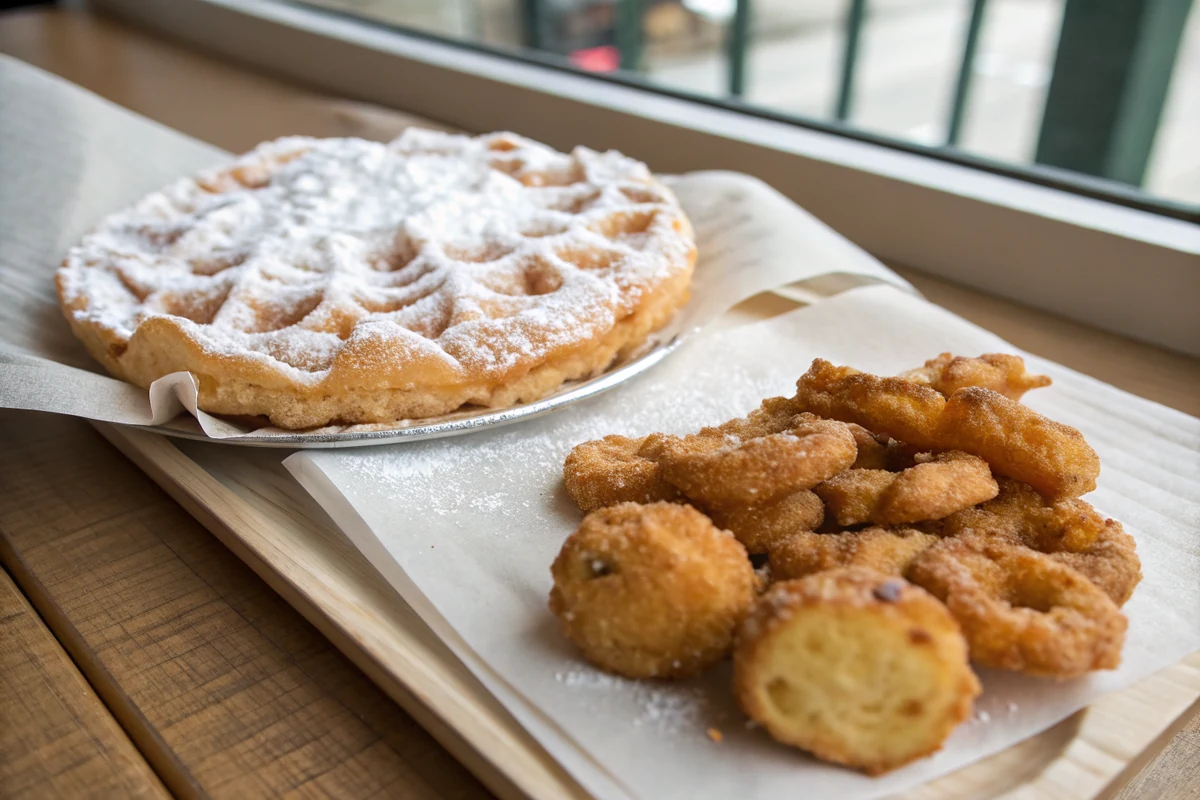
Batter poured in circles into hot oil, fried crisp, buried in powdered sugar. Funnel cake is the most reproducible fair food there is, requiring only a thin pourable batter and a steady hand. Use a funnel or a squeeze bottle, move in overlapping spirals from the center out, and pull it at deep gold rather than brown. The home version is genuinely as good as the midway version, which cannot be said for most items on this page, and it costs roughly a dollar instead of twelve.
3. Frito Pie
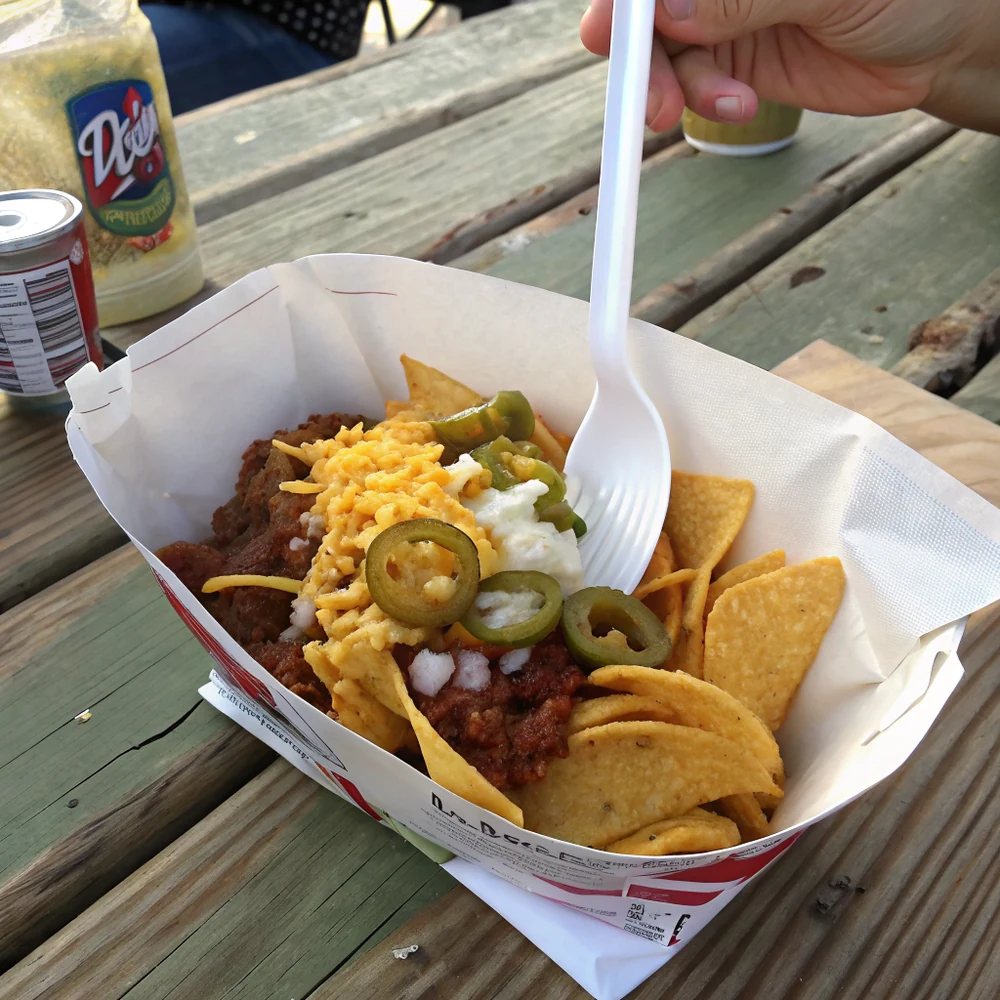
Frito pie is a Texas institution that predates its fair presence, and the fairground version, built in a split chip bag and handed over with a plastic fork, is the purest form of it. My Texas Frito pie covers the no-bean Texas chili that belongs in it, the bag-slicing technique, and the San Antonio origin story that runs deeper than the midway. This one comes home perfectly, and it is the single best value on the fairground.
4. Smoked Turkey Legs
An enormous smoked turkey leg is more a prop than a meal, and I say that with affection. The fair version is brined heavily, smoked, and held hot for hours, which is why it stays juicy under conditions that would destroy an unbrined bird. At home it is a straightforward cook: a strong overnight brine, then a few hours at 250F on the smoker until it reaches about 175F. The result is better than the fairground version because you eat it immediately instead of after two hours in a warming case.
5. Kolaches
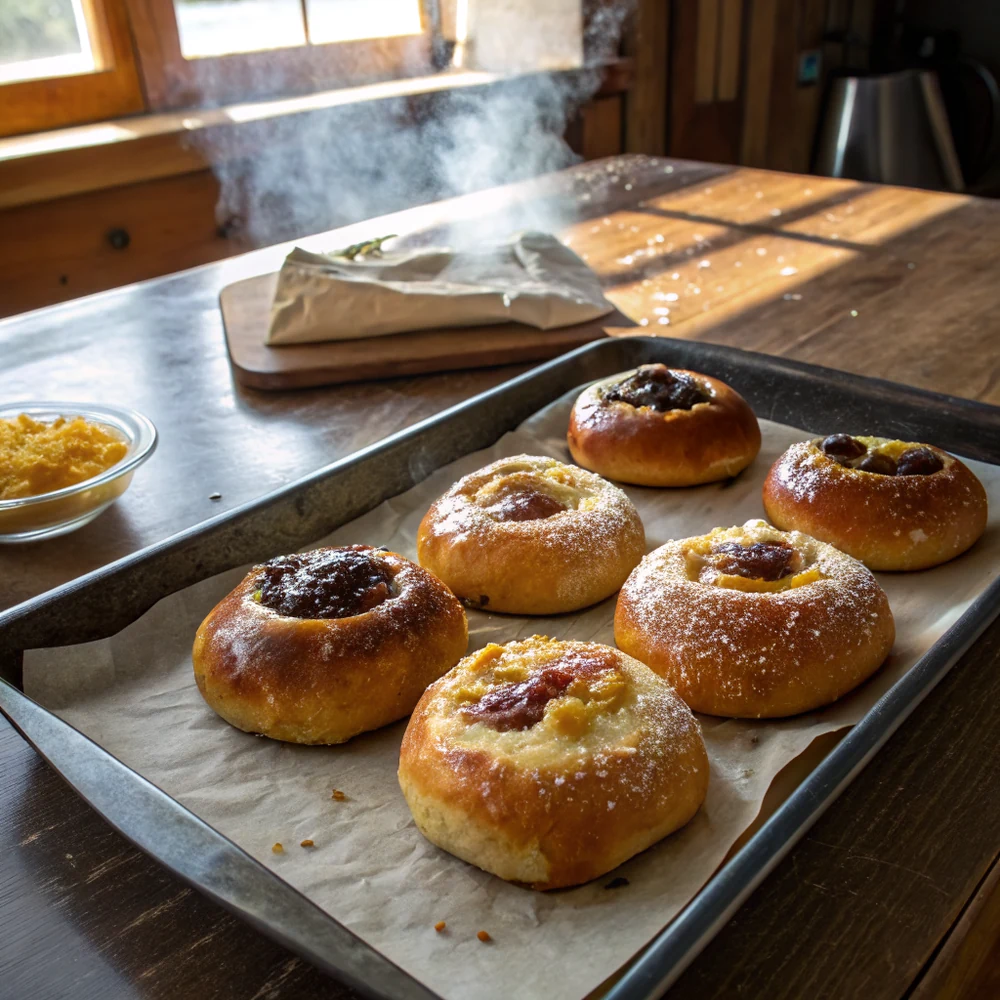
Central Texas Czech baking has a permanent presence at the fair, and kolaches are the reason. Soft enriched dough with a fruit or cheese filling pressed into the center, or the sausage-filled klobasnek that most Texans also call a kolache despite the objections of purists. These reproduce beautifully at home; the dough is an ordinary sweet yeast dough and the fillings are simple. Of everything here, this is the item most worth learning properly.
The Fried Competition Lineage
6. Fried Pickles
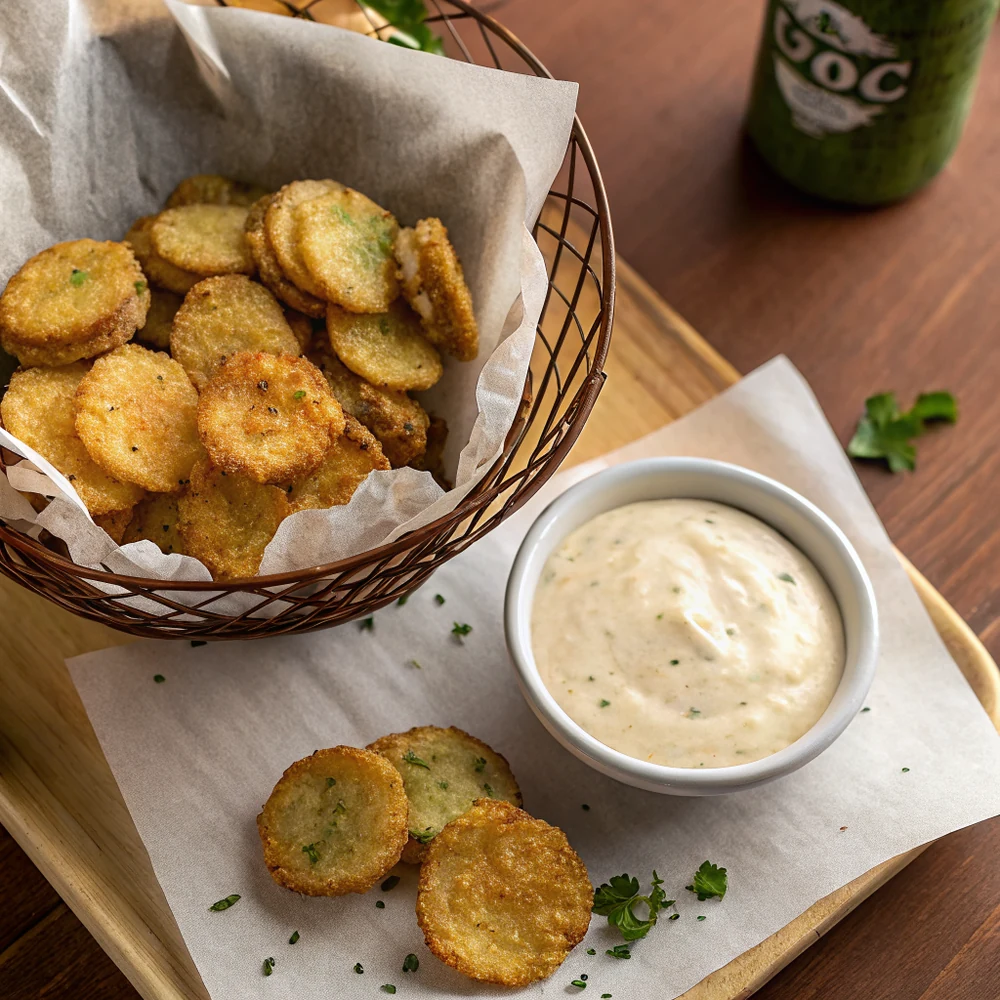
Fried pickles are where the frying logic actually makes sense: the acid and salt of the pickle cut the fat of the batter, so the whole thing balances instead of overwhelming. My fried pickle recipe is the restaurant version, and the fair version differs mainly in scale. The critical home step is drying the pickle slices thoroughly on paper towels before they meet the batter, because surface moisture is what makes coating slide off in the oil.
7. Blooming Onion
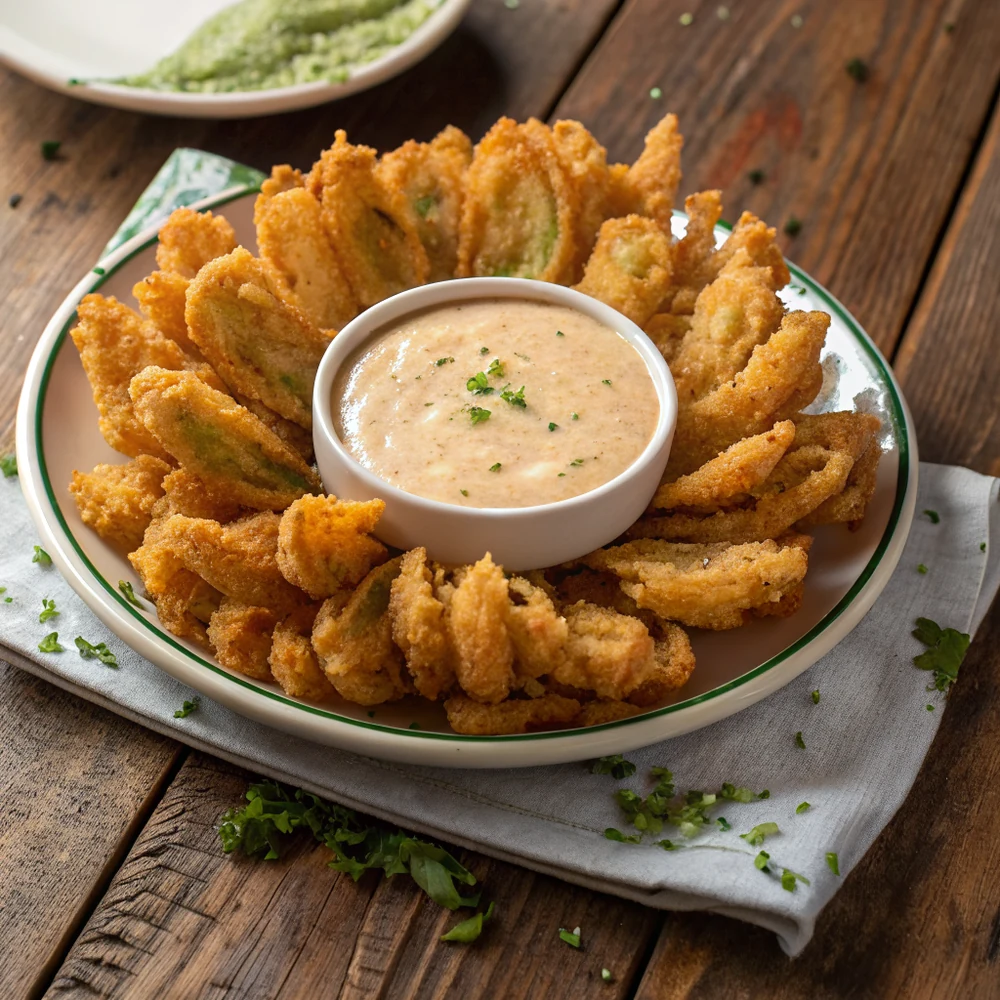
The blooming onion is fair food doing what fair food does best: taking a cheap ingredient and making it a spectacle. My cactus blossom copycat covers the cutting pattern, which is the only genuinely difficult part, and the seasoned dipping sauce. The frying itself is straightforward once the onion is cut and separated. This is the single most impressive thing on this list to serve at home, and it costs about two dollars in ingredients.
8. Fried Jalapeno Strips
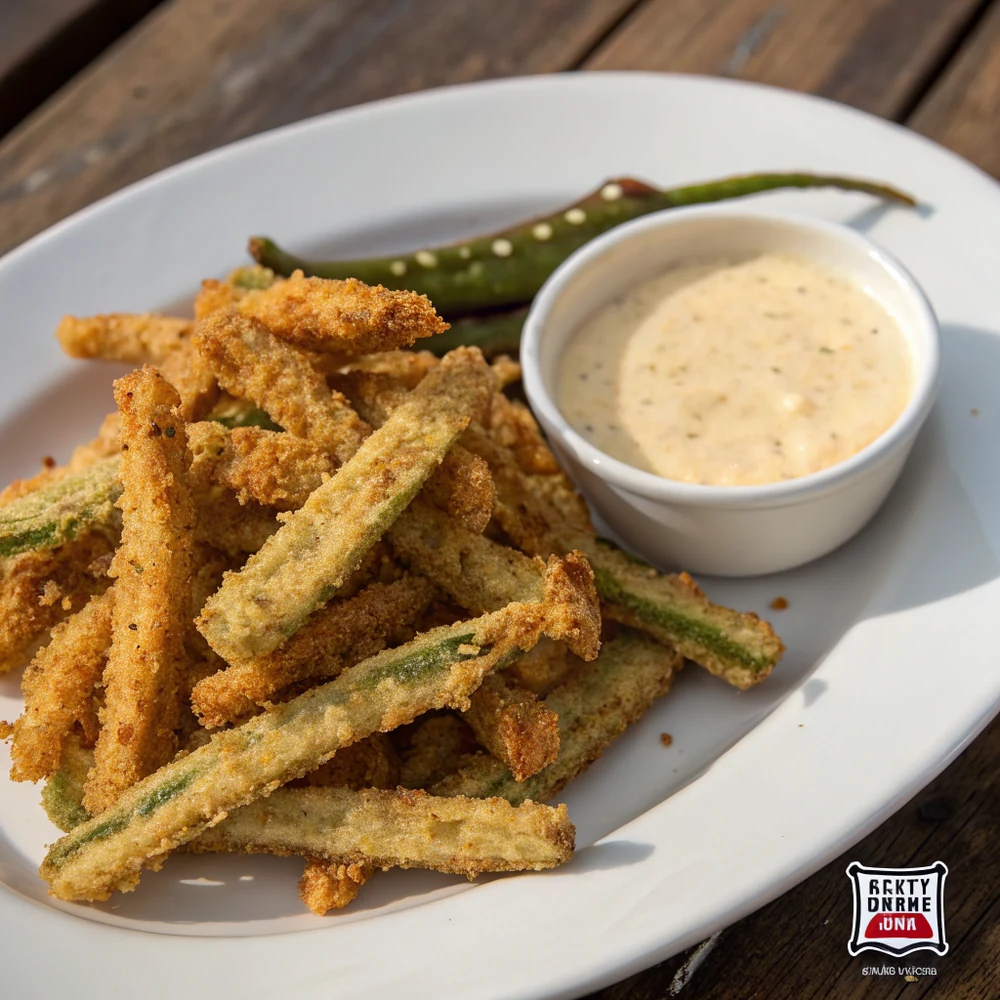
Texas toothpicks are thin strips of jalapeno and onion, battered and fried, and they are the fairground snack that translates home with no compromise at all. Because the strips are thin, the fry is fast and the interior stays crisp rather than steaming. They need to be eaten within a few minutes of leaving the oil, which is exactly the same constraint the midway operates under, which is why the fair version is genuinely good.
9. Bacon-Wrapped Stuffed Jalapenos
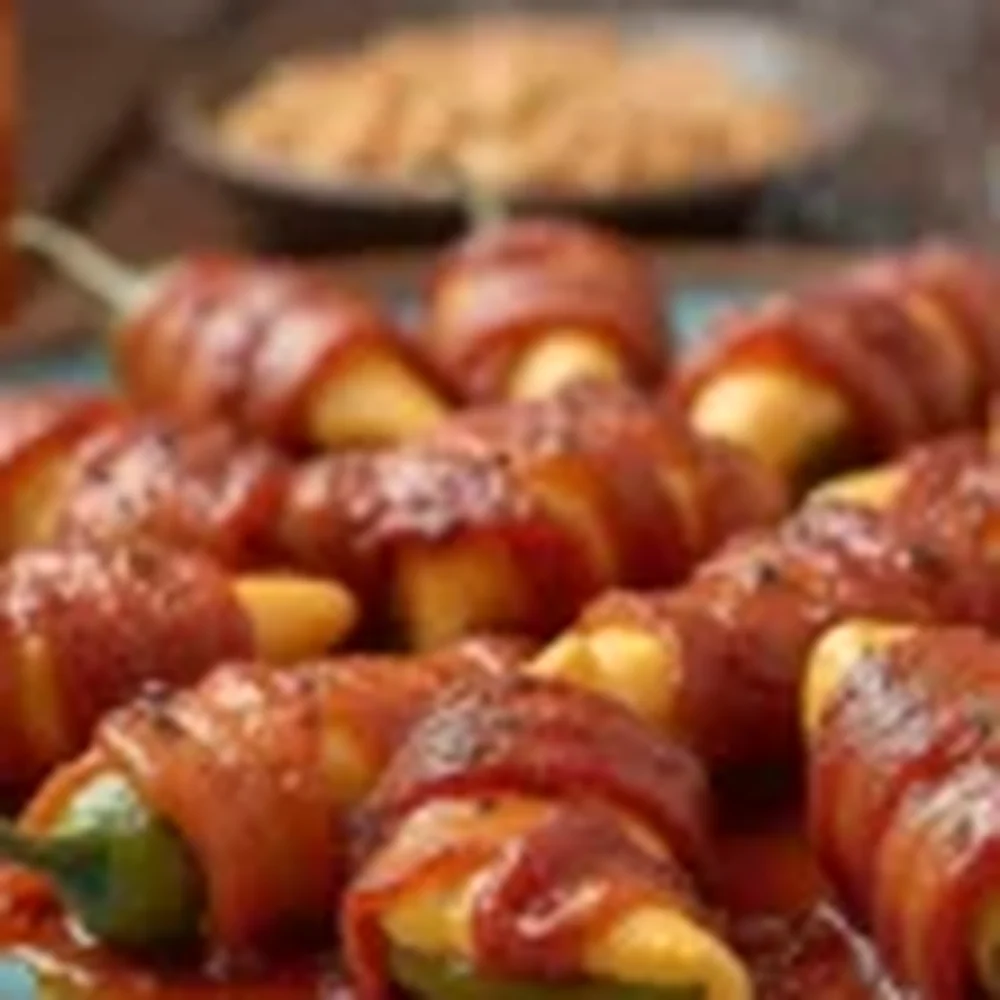
The fairground has moved steadily toward smoked and bacon-wrapped items alongside the fried ones, and my Texas twinkies sit squarely in that lineage: jalapenos stuffed with cream cheese and brisket, wrapped in bacon, smoked until the bacon crisps. They deliver the same rich, salty, handheld satisfaction as a fried item without the oil, and they hold far longer, which is why they are the better choice for a party at home.
10. Fried Cheesecake, Oreos, and the Sweet Fried Category
The sweet fried items all work on the same principle: freeze the filling solid, coat it, and fry fast enough that the coating crisps before the center melts. Fried Oreos are the easiest entry point, needing only a thick pancake-style batter and 365F oil for about ninety seconds. Fried cheesecake requires freezing cut squares genuinely hard, at least four hours, then a quick coat and a very brief fry. Both fail the same way, which is oil that is too cool, giving the center time to liquefy and escape into your pot.
The Sweet Finish
11. Peach Cobbler
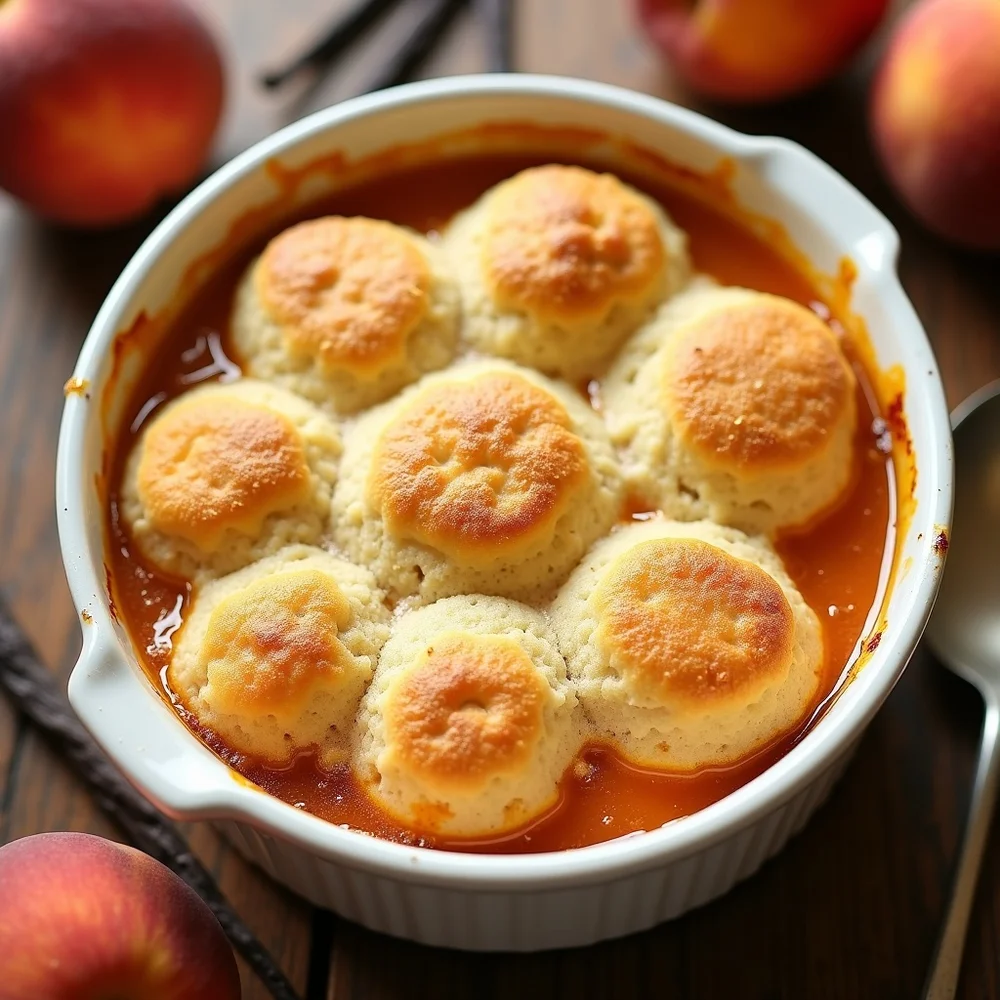
Cobbler is served across the fairgrounds and it is the item where the home version wins outright. My Texas peach cobbler comes out of the oven bubbling with a crisp biscuit top, which is a texture no warming tray can preserve for a fairground service window. If you take one thing from this page into your own kitchen this fall, it should probably be this one, ideally with Hill Country peaches while the season lasts.
12. Texas Sheet Cake
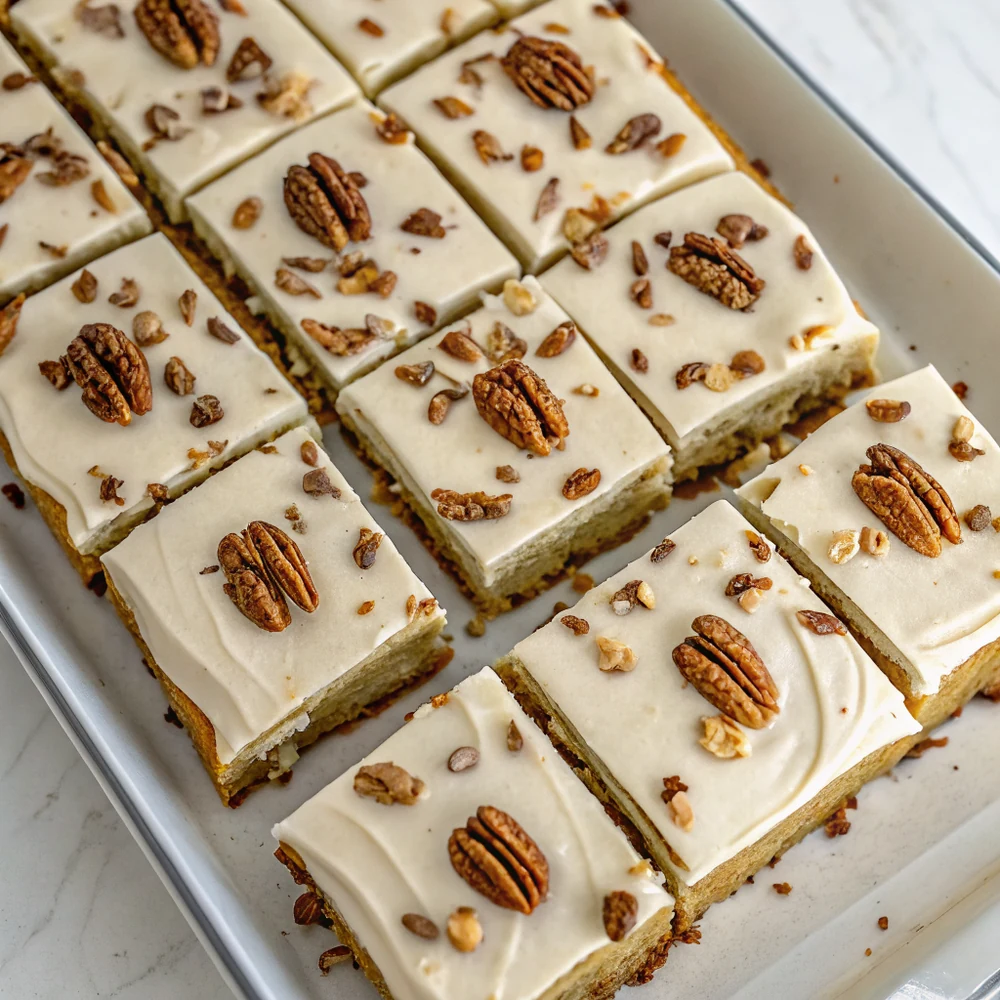
Texas sheet cake is the state's contribution to feeding large groups sweetly: a thin chocolate cake baked in a sheet pan with warm fudge icing poured over it while still hot. It is fair food in structure even when served at a church supper, being cheap, portable, cut to order, and impossible to serve badly. The full chocolate version is the one I make when the crowd is large and the standards are high.
Bringing It Home: The Oil Is the Whole Recipe
Almost every failed home version of fair food fails for one reason, which is oil temperature. The target is 350F to 365F for nearly everything on this page. Below 325F, food absorbs oil instead of searing, and you get grease with a soggy coating. Above 375F, the outside browns before the inside is warm, which is how you end up with a dark fried Oreo that is cold in the middle. A clip-on thermometer costs very little and is genuinely the difference between the two outcomes.
The second rule follows from the first: do not crowd the pot. Every item you add drops the oil temperature, and adding six at once can pull it down 50F in seconds, at which point everything in the pot is absorbing rather than crisping. Fry in small batches, let the oil recover between them, and accept that this takes longer. The fairground manages volume with commercial fryers that recover almost instantly, which is a piece of equipment you do not have.
Third, dry everything. Surface moisture is the enemy of adhesion, and it is why coatings slide off pickles, onions, and hot dogs. Pat dry, then dredge in dry flour before the wet batter, which gives the batter something to grip. And drain finished items on a wire rack rather than paper towels, because a paper towel traps steam underneath and softens the crust you just made.
For the food side of a Texas fall more broadly, my Texas desserts collection and the Ultimate Texas Desserts Guide cover the sweet end, and Southern comfort food covers the fried chicken and cream gravy tradition the fair borrows from. The fair itself is worth the trip, but most of what makes it good is a pot of oil and a thermometer.
Frequently Asked Questions
When is the State Fair of Texas?
It runs for 24 days from late September through mid October at Fair Park in Dallas, opening on the last Friday of September in a typical year and closing the third Sunday of October. Exact dates shift slightly year to year, so check before making the trip. Weekdays are meaningfully less crowded than weekends, and going on a weekday morning is the difference between waiting forty minutes for a corny dog and waiting five.
What food is the State Fair of Texas famous for?
The corny dog above everything else, sold at Fair Park since 1942 and effectively the fair's mascot in food form. Beyond that, the fair is known for its annual fried food competition, which since the mid 2000s has produced a steady run of deep-fried inventions from fried butter to fried cookie dough. The permanent lineup also includes funnel cake, smoked turkey legs, Frito pie, fried pickles, blooming onions, and Czech kolaches from Central Texas bakers.
Can you make corny dogs at home?
Yes, and the only real difficulty is batter consistency. It needs to be thick enough to cling to a wet hot dog without sliding off, closer to a heavy paste than a pancake batter. Chill the hot dogs first, pat them completely dry, dip in a tall glass rather than a wide bowl so the batter coats evenly, and fry at 365F for two to three minutes until deep gold. The home version is genuinely close to the fairground original, which is not true of everything on this page.
What temperature should oil be for fair food?
350F to 365F for nearly everything, and holding it there matters more than the exact number. Below 325F, food absorbs oil rather than searing, producing greasy results with soggy coating. Above 375F, the exterior browns before the interior heats through. Use a clip-on thermometer, fry in small batches so the oil recovers between them, and remember that each item you add drops the temperature. Crowding the pot is the most common home mistake by a wide margin.
What is the best fair food to make at home?
Funnel cake and the blooming onion, for opposite reasons. Funnel cake is nearly foolproof, requiring only a thin pourable batter and hot oil, and the home version is as good as the midway version. The blooming onion is the most impressive thing you can put in front of guests for about two dollars in ingredients, once you learn the cutting pattern. Peach cobbler beats its fairground counterpart outright, since a crisp biscuit top does not survive a warming tray.
What fair food does not work at home?
Smoked turkey legs at fair scale, which need a real brine and hours of smoking to justify the effort for a single serving, and anything whose appeal is mainly the spectacle of the line you waited in. Fried beer and similar competition novelties are engineered for a competition rather than for eating, and reproducing them is a party trick rather than a recipe. Fried cheesecake works but is unforgiving; the filling must be frozen genuinely solid, at least four hours, or it escapes into the oil.
Is Frito pie a State Fair food?
It is served at the fair and it is closely associated with it, but its roots are older and run through San Antonio and school cafeterias rather than the Dallas midway. The fairground contribution is the serving format, built inside a split chip bag and handed over with a plastic fork, which is fair logic applied to a dish that already existed. It is also among the cheapest genuinely satisfying things on the grounds, which is worth knowing by the third hour.
What should I eat first at the State Fair?
A corny dog, before anything else, because the lines lengthen through the day and because it recalibrates your expectations for everything that follows. After that, split things rather than buying whole portions; fair food is rich and the interesting move is tasting six items with three people rather than finishing two alone. Save whatever won this year's fried competition for last, when you can evaluate it against everything else you have eaten.