Seasonal roundup
12 Hatch Chile Recipes for Roasting Season
Quick answer: Hatch chiles hit Texas grocery stores from early August through mid September, and the tested ways to use them are queso blanco, green chile enchiladas, chile-loaded egg rolls, stuffed peppers, king ranch casserole, migas, chorizo queso, cowboy stew, and a working freezer stash for the other ten months. Buy a full sack, not a handful. Roast until the skins blister black, steam them covered for 15 minutes, then slip the skins off under no running water at all. Freeze them peeled and flat in one-cup portions. Mild and hot are different peppers in practice, so taste before you commit a whole dish. All twelve recipes are below, with the roasting and freezing method I use on the two sacks I buy every August.
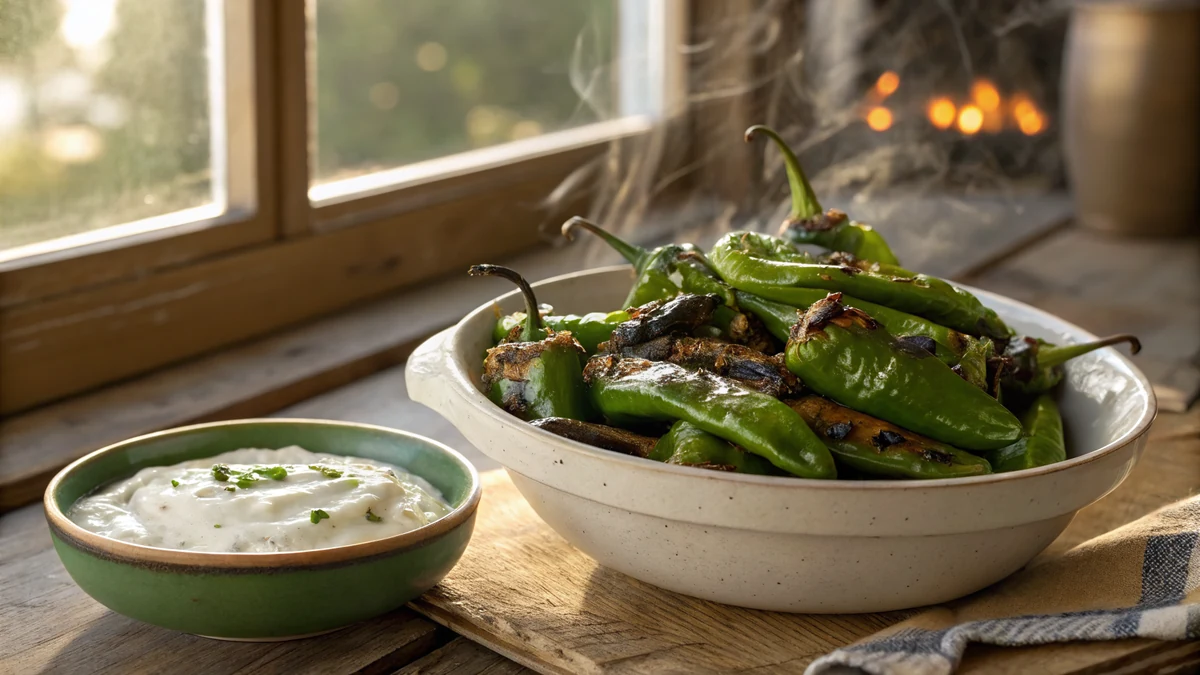
The first roaster of the season shows up in a Texas grocery store parking lot sometime in early August, and you smell it before you see it. A propane burner, a steel drum cage turning slowly, and forty pounds of green chiles going black and blistered inside. I have been buying from the same setup outside my HEB for years, and I still stand there longer than I need to, because that smell is the whole season announcing itself.
Hatch chiles come from the Hatch Valley in southern New Mexico, and Texans have quietly adopted them as our own late-summer obsession. The window is short and unforgiving: roughly six weeks, then the roasters pack up and you are back to canned. That short window is exactly why the smart move is to buy far more than you can cook that week and put the rest away properly.
This roundup is both halves of the job. First, the twelve dishes I actually cook with them, most linking through to my full tested recipes. Second, the roasting, peeling, and freezing method that turns one August afternoon into green chile in February. If you have never bought a full sack because you did not know what to do with it, start at the bottom of this page and work backward.
Buying and Roasting: What Actually Matters
Buy by the sack, not by the handful. A roasted and frozen sack costs a fraction of what canned green chiles cost by volume, and the flavor is not in the same conversation. Ask the roaster for mild or hot and believe them, because Hatch heat swings genuinely wide from year to year depending on the growing season. If you are cooking for a mixed crowd, get mild and add heat separately; you can always build heat up, and you can never take it back out of a pot of queso.
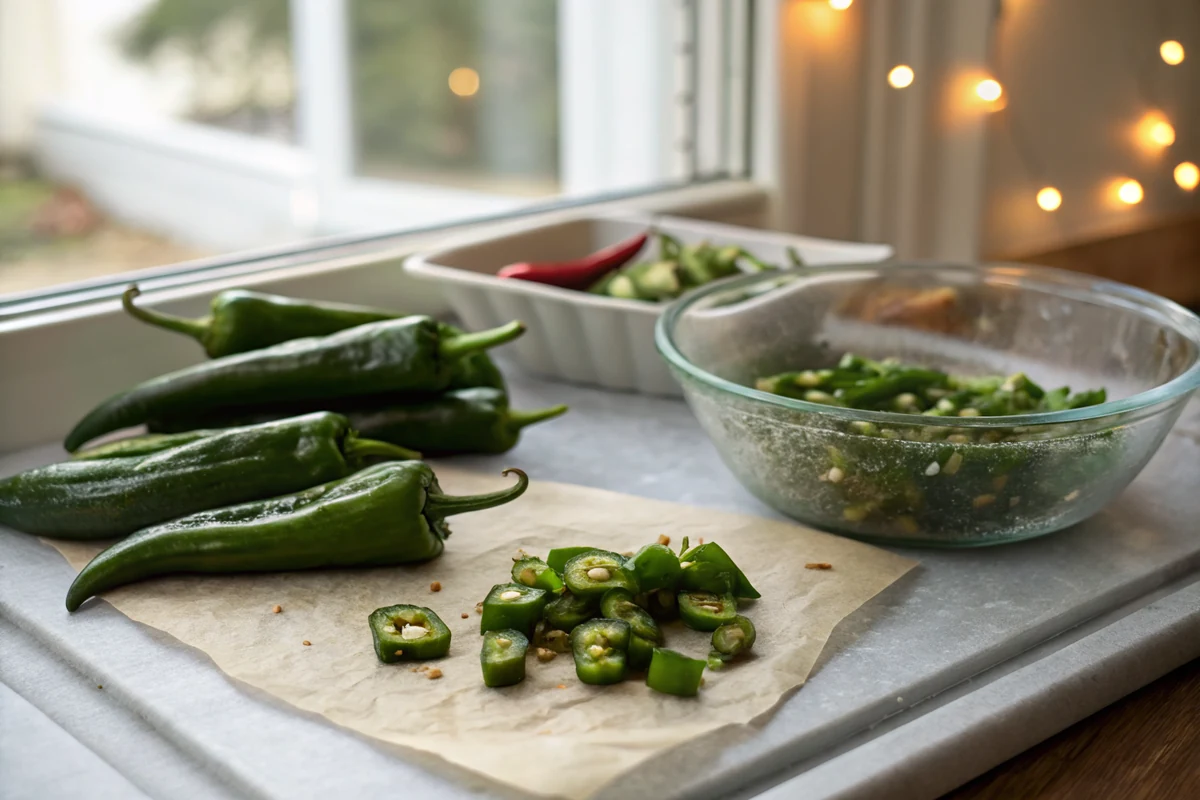
If you are roasting at home, the method is the same on a gas burner, a grill, or under a broiler. High, direct, aggressive heat until the skin blisters and blackens in patches, turning every couple of minutes. You are not cooking the flesh through, you are destroying the skin, which is tough and papery and refuses to soften no matter how long you simmer it. A whole sheet pan under a hot broiler takes about 12 minutes total with one turn.
Then the step most people skip: steam them. Pile the hot chiles into a bowl, cover tight with a plate or a towel, and walk away for 15 minutes. The trapped steam lifts the skin off the flesh, and afterward the peels come away in sheets with your fingers. Do not rinse them under the tap. Running water carries off the roasted oils that are the entire point of the exercise, and it is the single most common mistake I see.
Queso and Dips: Where Hatch Belongs First
1. Queso Blanco with Roasted Hatch
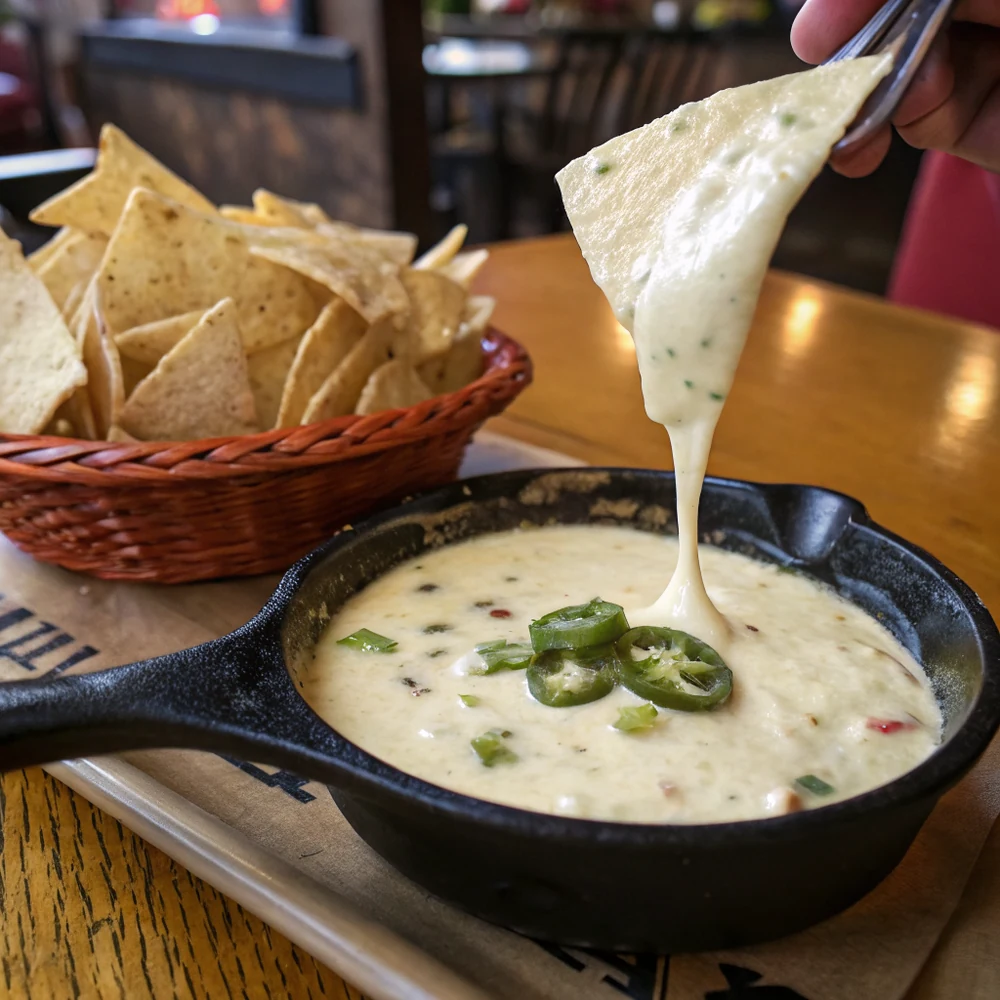
This is the dish that makes the sack worth buying. My white queso blanco is built on white American cheese melted with evaporated milk, and roasted Hatch is what separates it from the yellow stuff. Chopped fresh-roasted chiles bring smoke, vegetal sweetness, and a slow heat that canned chiles simply cannot supply. Stir them in at the end so they keep their texture. A cup of chopped chile per pound of cheese is my ratio; go to a cup and a half if you roasted hot ones and the crowd can handle it.
2. Smoked Chorizo Queso
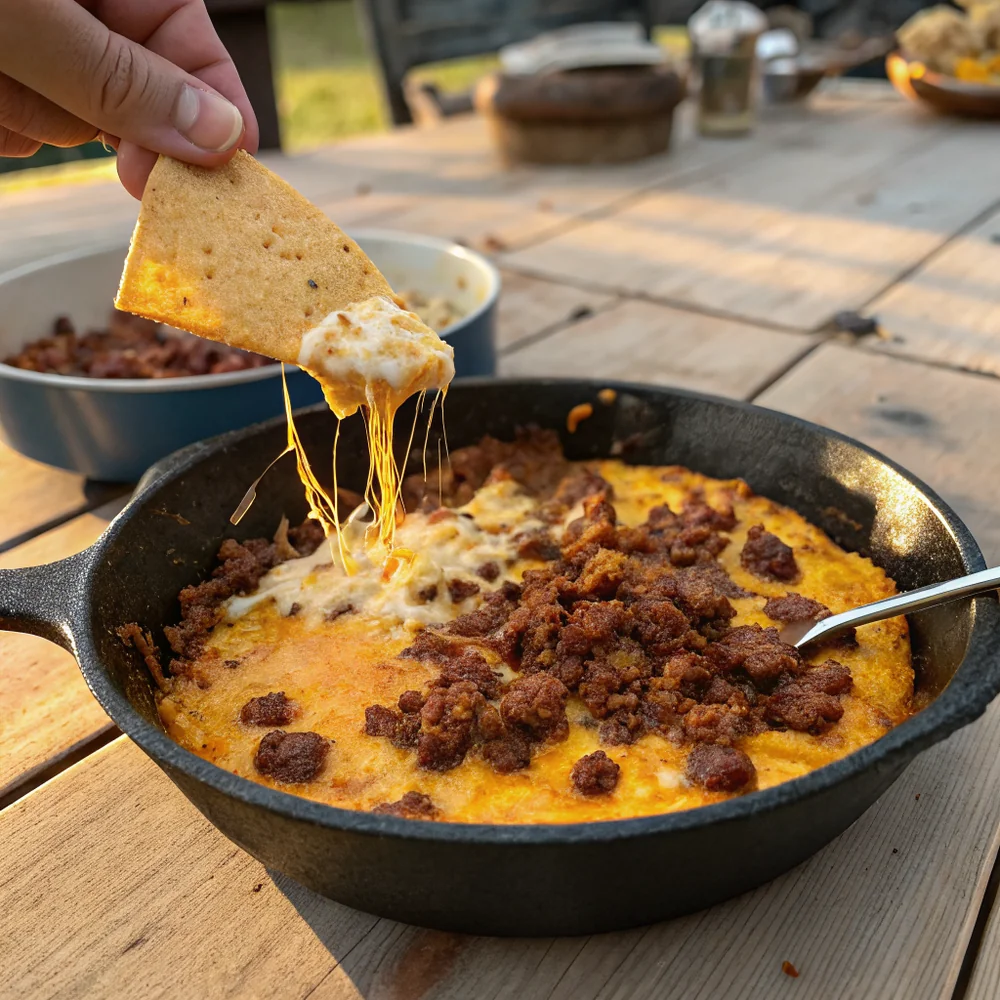
Where the white queso is elegant, my smoked chorizo queso is the loud cousin, and Hatch is what keeps it from being merely rich. The chile's acidity and green bite cut straight through rendered chorizo fat, which is exactly the job it needs doing. This one goes on the smoker in a cast iron skillet, so the chiles pick up a second layer of smoke on top of the roasting they already had. Serve it the moment it comes off the pit.
3. Green Chile Cream Cheese Dip
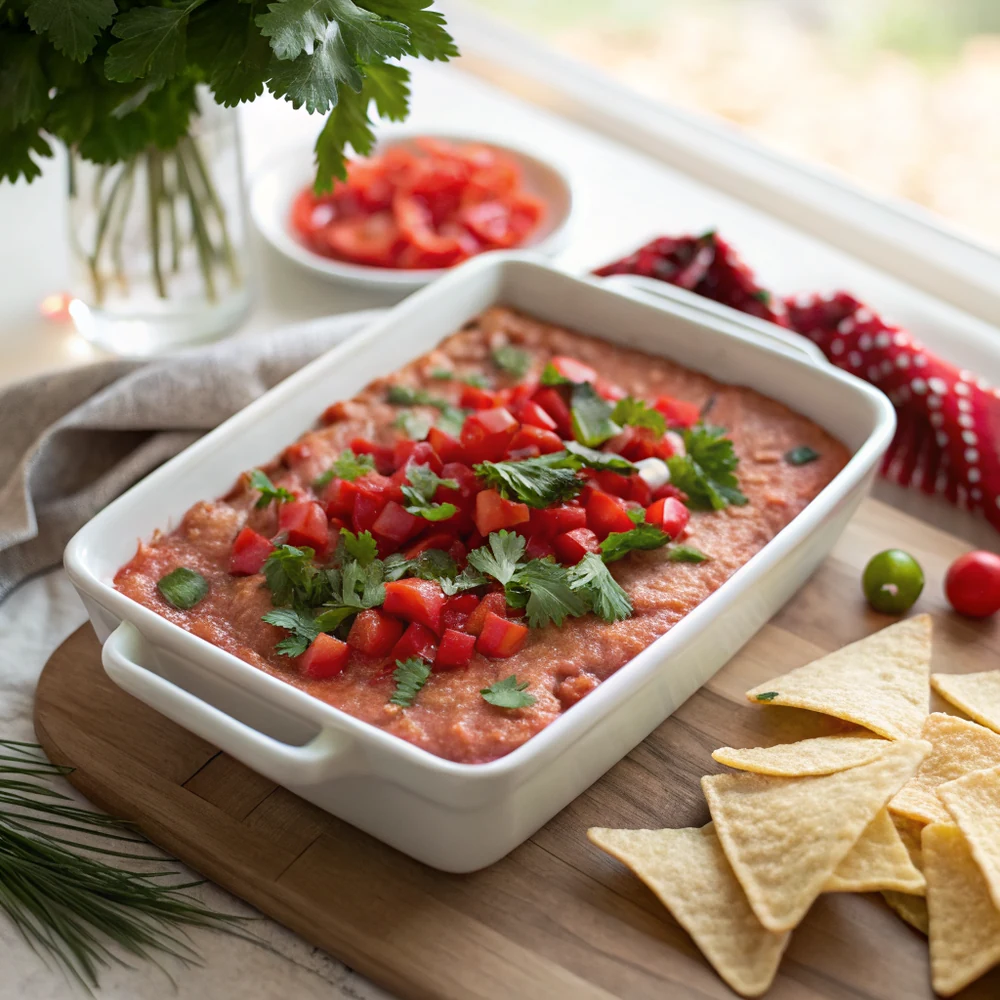
My Texas Christmas dip is named for December but it is genuinely a year-round green chile vehicle, and August is when it is best. Cream cheese, sour cream, sharp cheddar, and a heavy hand of chopped roasted chiles, baked until the top browns. Where the queso dips want to be eaten hot and fast, this one holds warm without breaking, which makes it the better choice when guests trickle in over two hours instead of arriving together.
Enchiladas, Casseroles, and the Weeknight Workhorses
4. Green Chile Chicken Enchiladas
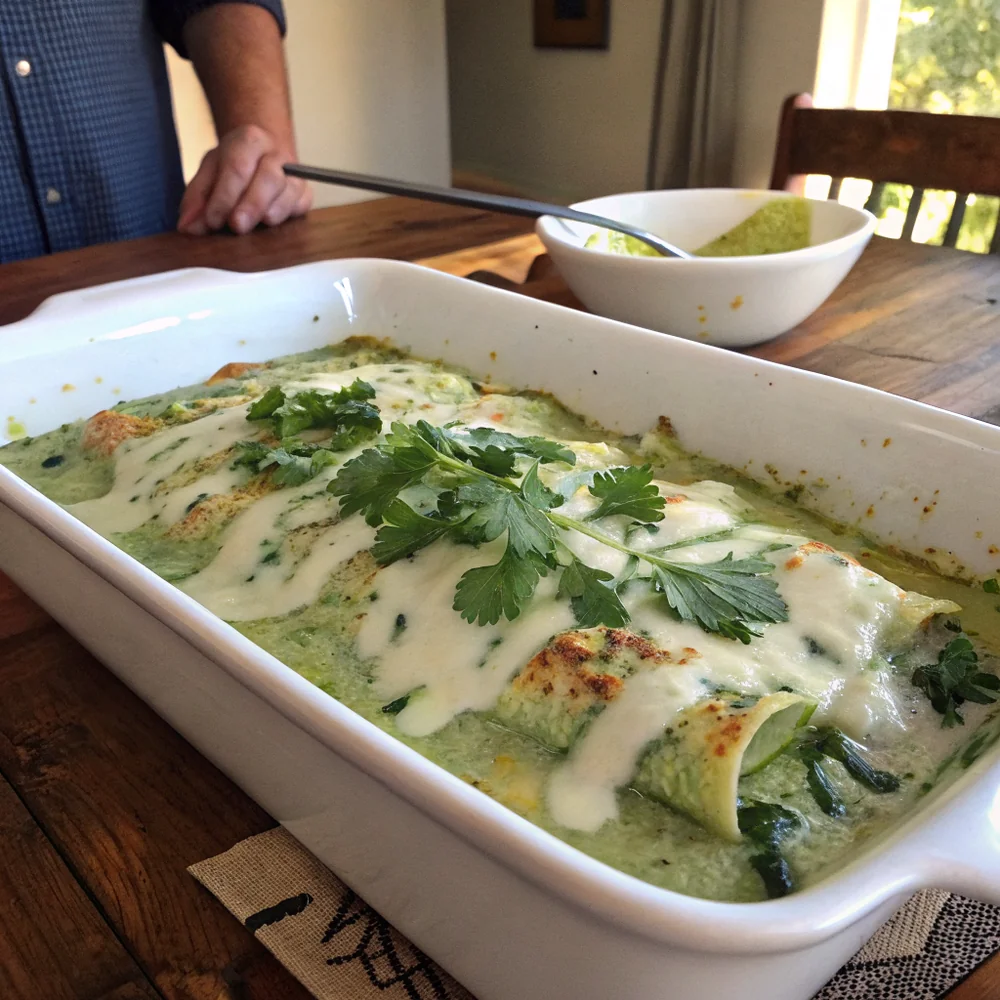
The move here is putting the chile in the sauce, not only the filling. My green chile chicken enchiladas blend roasted chiles with sour cream and broth into a pale green sauce that coats every tortilla, and swapping the poblanos for Hatch during the season is a straight upgrade in flavor without changing a single quantity. Fresh-roasted chile makes a sauce that tastes green in a way canned chile never manages. This is the dish I make the day after roasting.
5. King Ranch Chicken Soup
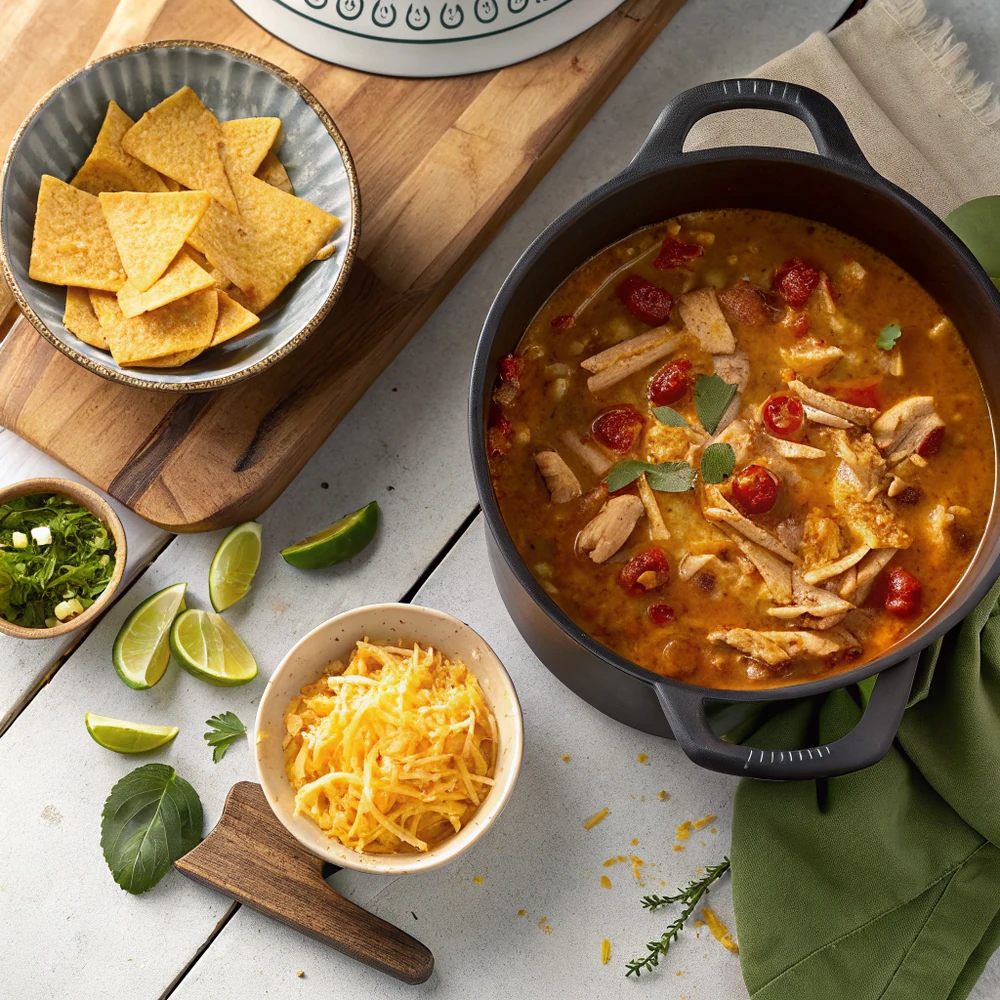
King Ranch is Texas comfort food built on chicken, cheese, tortillas, and green chile, and my King Ranch chicken soup takes the casserole apart and rebuilds it in a pot. Hatch chiles carry more of this dish than people expect: without them it is a creamy chicken soup, and with them it is unmistakably Texan. Use a full cup of chopped roasted chile for a six-serving pot. The beef version of the casserole takes the same treatment.
6. Green Chile Rotisserie Chicken Bakes
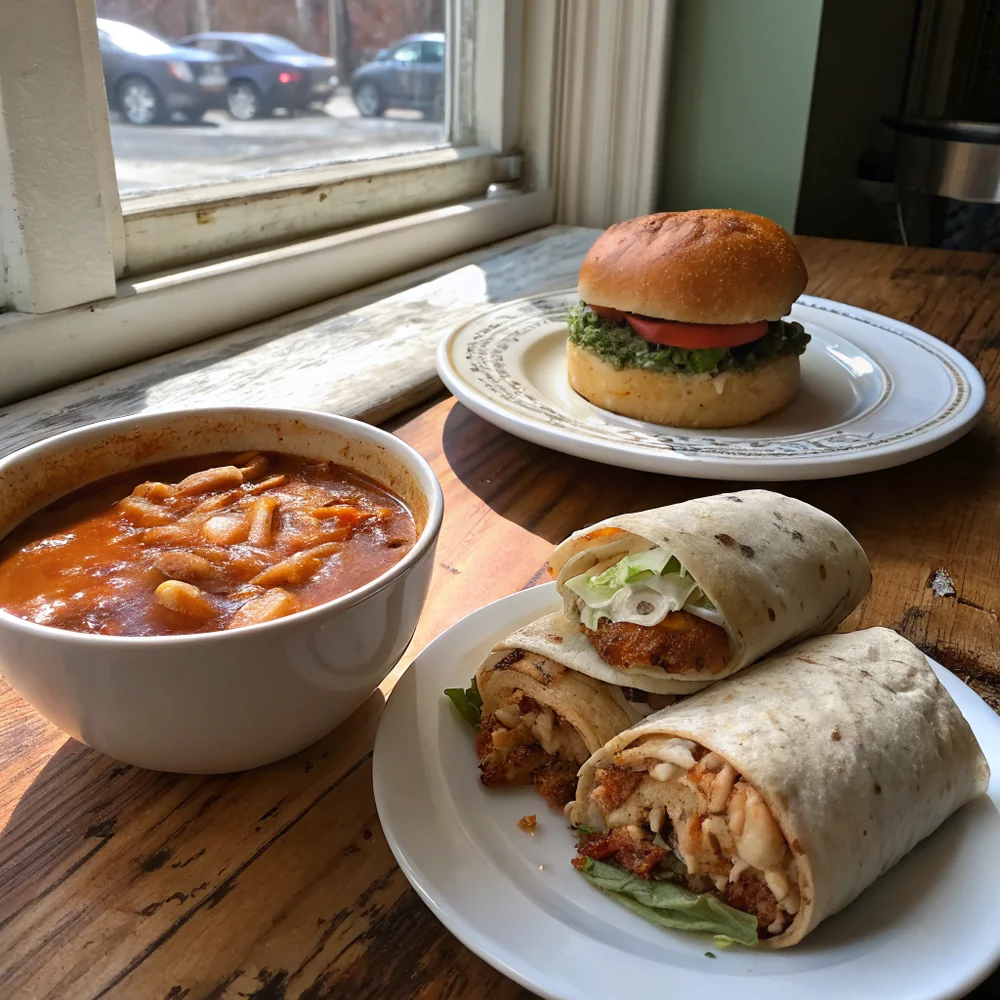
A grocery store chicken and a bag of frozen roasted chile is a complete weeknight system, and my leftover rotisserie chicken recipes is where I collect the variations. Green chile chicken bake, chile chicken quesadillas, a fast chile chicken soup, and chicken with green chile over rice all start from the same two components. This is the honest argument for the freezer stash: the chile turns twelve dollars of convenience protein into something that tastes like you planned it.
7. Beef and Cheese Enchiladas, Green Chile Version
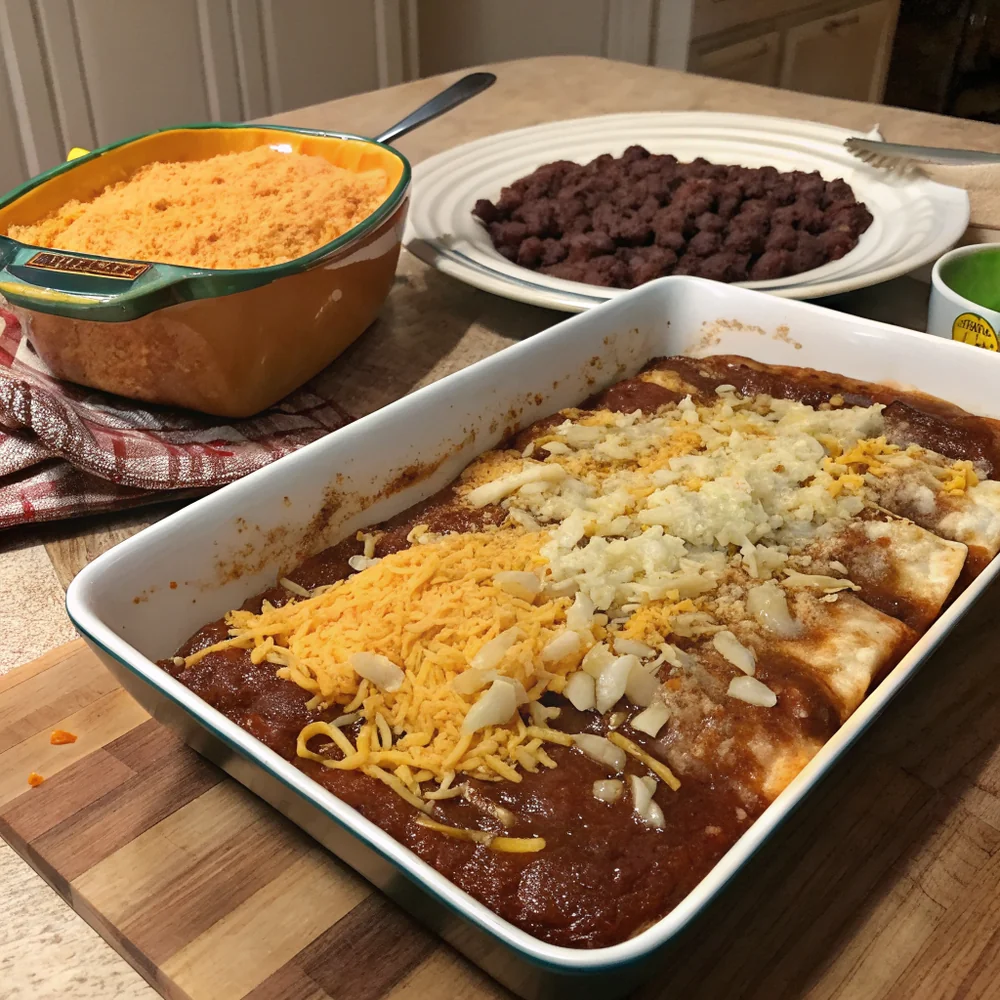
Classic Tex-Mex beef and cheese enchiladas live under red chili gravy, and I would not touch that tradition. But a layer of chopped roasted Hatch laid over the beef before the cheese goes on is a modification I make every August without apology. The green chile brightens a heavy, meaty, cheese-blanketed dish and keeps the third enchilada as interesting as the first. Half a cup of chopped chile across a nine by thirteen pan is plenty.
8. Cheese Stuffed Peppers with Green Chile
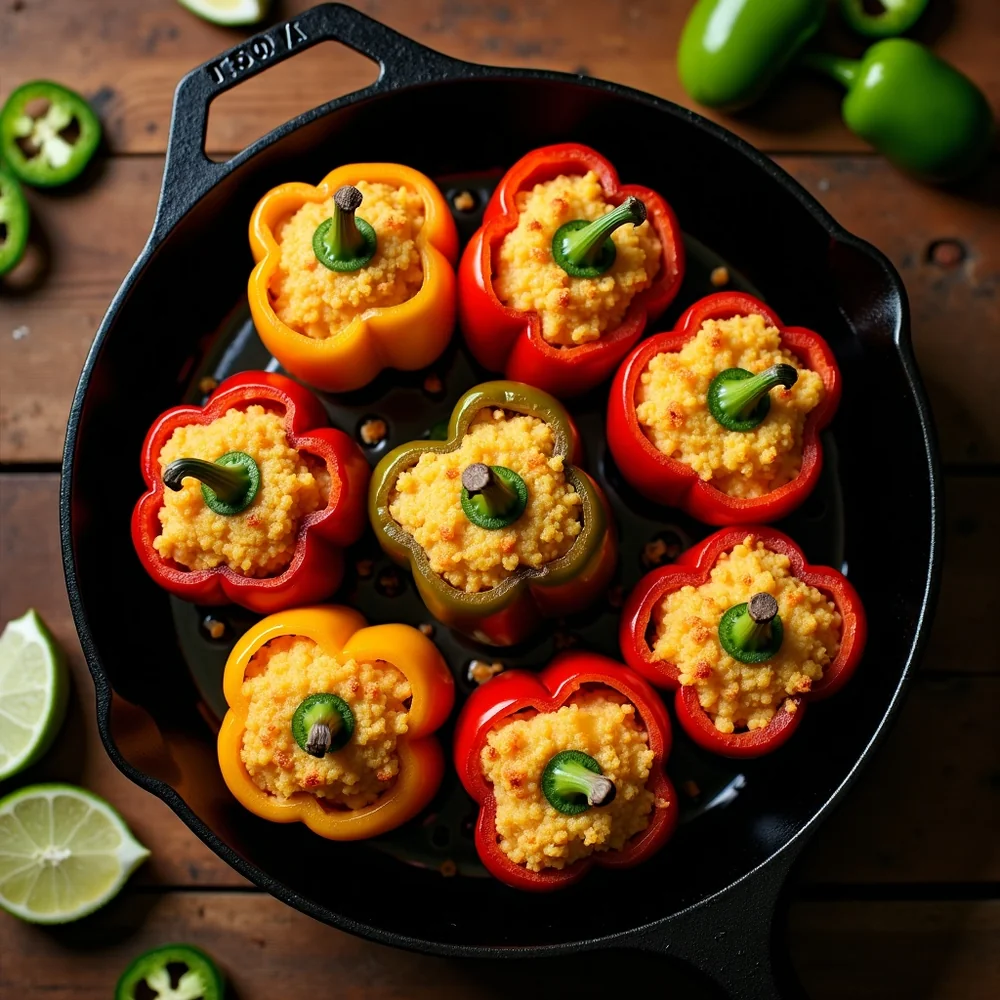
Stuffed peppers go wrong by being polite, and roasted Hatch is the correction. My cheese stuffed bell peppers fold chopped green chile straight into the rice and cheese filling, which seasons the dish from the inside instead of relying on whatever sauce lands on top. During roasting season I sometimes go further and stuff Hatch chiles themselves rather than bell peppers, which is closer to a chile relleno and takes a gentler hand, since roasted Hatch skin is thin and tears easily.
Breakfast, Snacks, and the Rest of the Sack
9. Migas with Roasted Green Chile
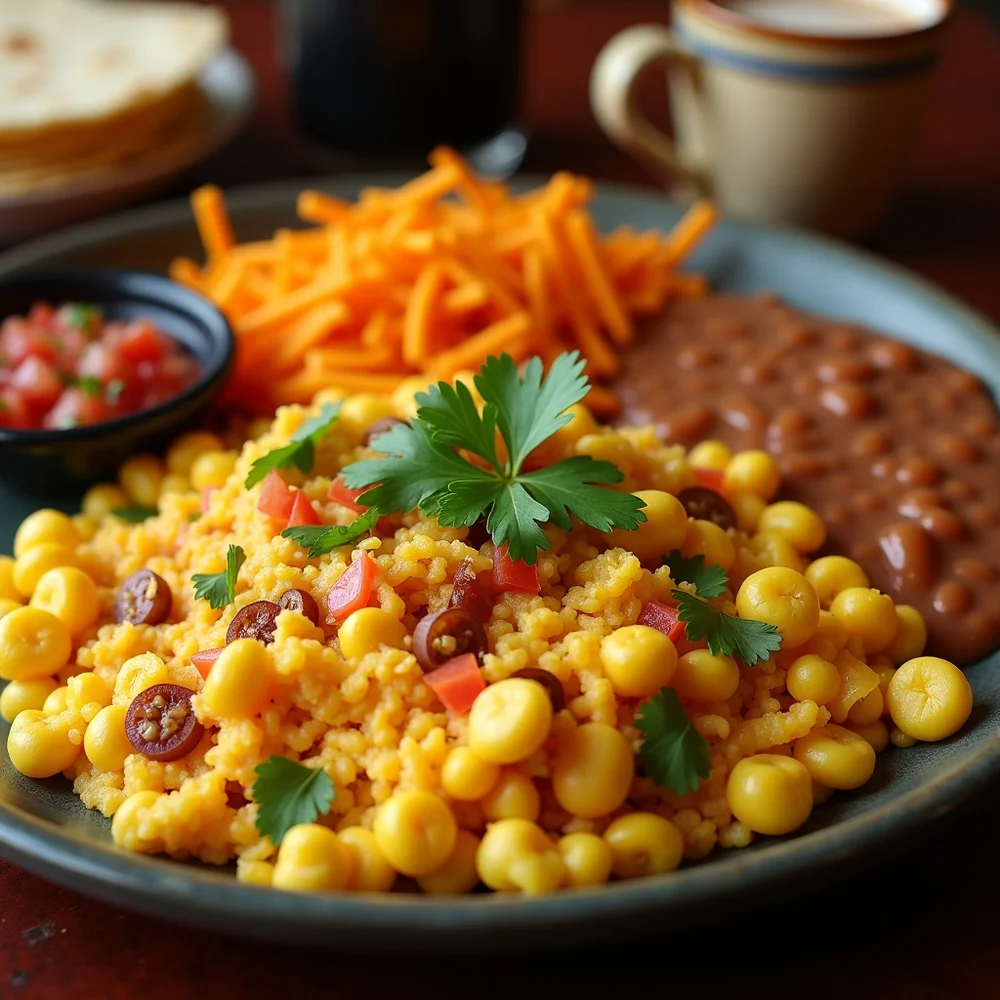
Migas is eggs, torn tortillas, cheese, and whatever else is in the kitchen, which makes it the most forgiving home for a spoonful of roasted chile. Add the chile to the pan after the tortillas have crisped and before the eggs go in, so it warms through without steaming everything. This is my standard breakfast for the week after a roasting session, and it is the fastest way to use up the odds and ends too small to portion for the freezer.
10. Green Chile Breakfast Tacos
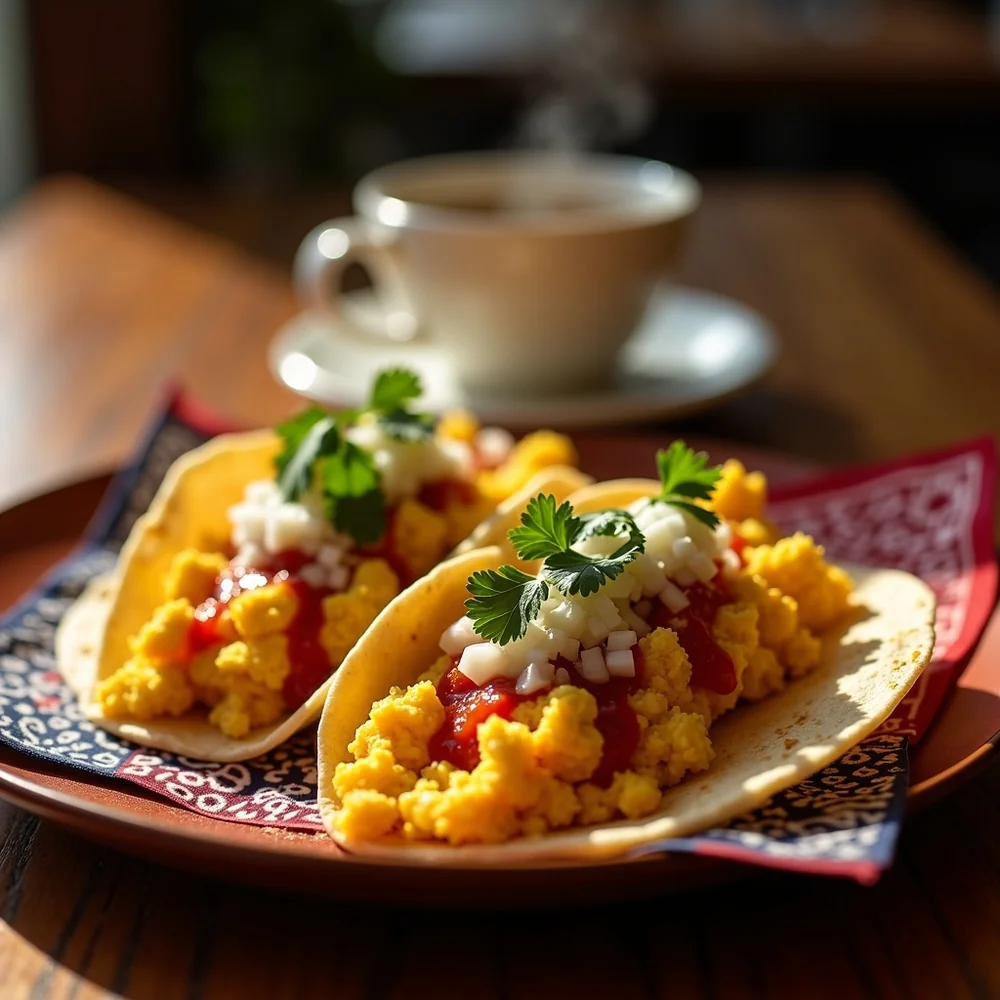
My Austin breakfast tacos run on the egg, potato, and cheese formula, and green chile is the fourth element that makes them worth getting out of bed for. Chop the roasted chile fine and fold it into the eggs in the last thirty seconds of cooking. A flour tortilla, that egg, and a spoonful of salsa is a complete argument for the entire roasting ritual. Frozen chile works perfectly here, thawed and squeezed dry first.
11. Tex-Mex Egg Rolls
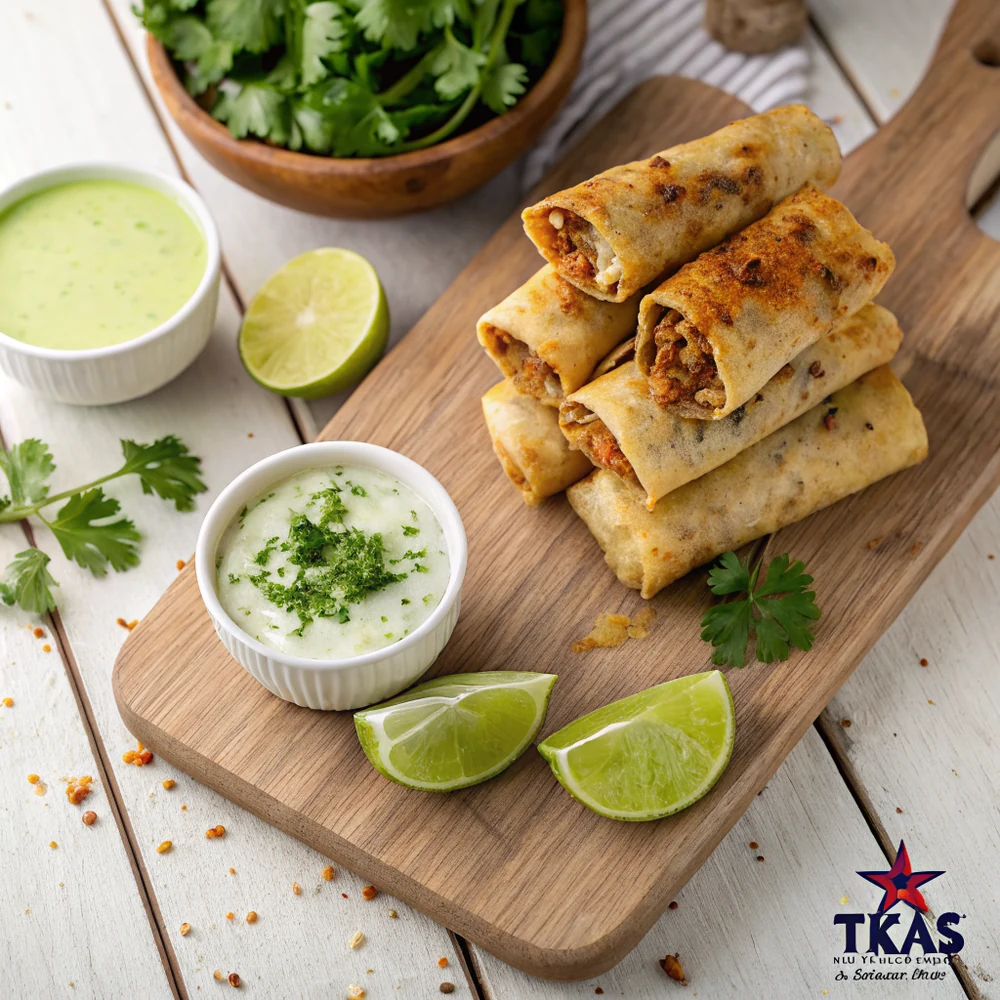
My Tex-Mex egg rolls are what happens when a green chile filling meets a wrapper that fries. Chicken, cheese, black beans, corn, and a serious amount of chopped roasted chile go into an egg roll wrapper and into hot oil for four minutes. They freeze raw beautifully, which makes them the smartest use of a chile stash: assemble two dozen in August, fry them straight from frozen in November when somebody drops by unannounced.
12. Cowboy Stew with Green Chile
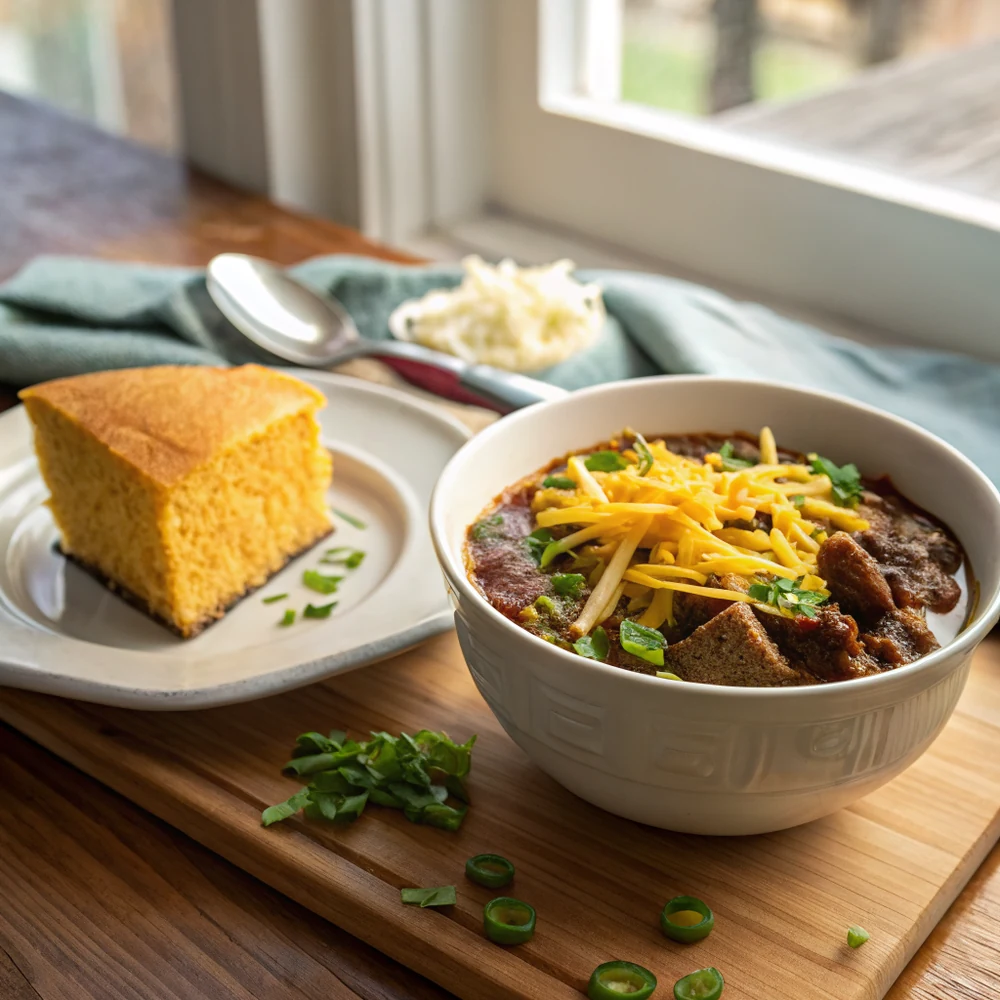
My crockpot cowboy stew is beef, beans, potatoes, and tomato going long and slow, and it benefits enormously from something green and sharp arriving late. Stir a cup of chopped roasted Hatch in during the last thirty minutes rather than at the start; eight hours of slow cooking would flatten it into the background. Added late, it stays distinct and lifts the whole pot. The same trick works on almost any long-simmered stew or bean pot.
Freezing a Sack So It Lasts to Next August
Here is the schedule that makes buying forty pounds sensible. Roast and steam the whole batch in one afternoon. Peel them, and while you are peeling, decide the split: I do roughly a third left whole with stems on for stuffing later, and two thirds chopped. Do not seed everything by reflex. Seeds and veins carry heat, and mild chiles stripped of both are barely worth the freezer space.
Portion the chopped chile into one-cup amounts, because one cup is the unit almost every recipe on this page wants. Freezer bags pressed absolutely flat, air squeezed out, stacked like files. Flat bags thaw in fifteen minutes under cool water and store in a fraction of the space that containers take. Whole chiles for stuffing go in single layers with parchment between them so they do not fuse into a block.
Frozen roasted chile holds its character for about a year, which is exactly the interval you need. Thawed chile releases water, so squeeze the excess out before it goes into anything you want to stay thick, particularly queso and enchilada sauce. That one squeeze is the difference between a February dish that tastes like August and a watery disappointment that makes you doubt the whole project.
If you want more places to put the stash once you have it, my Tex-Mex recipes collection and the Ultimate Tex-Mex Guide are where the rest of my green chile cooking lives. And when the sack finally runs out in July, the roasters come back within the month.
Frequently Asked Questions
When is Hatch chile season in Texas?
Roughly early August through mid September, with the heaviest supply in the last two weeks of August. Texas grocery chains bring in New Mexico chiles and run roasters in their parking lots for those weeks, then stop. The window is genuinely short, which is why buying a full sack and freezing most of it is the standard approach rather than an ambitious one. Late in the season you sometimes find deeper discounts as stores clear remaining stock, and those chiles roast and freeze exactly as well as the early ones.
What is the difference between Hatch chiles and Anaheim or poblano?
Hatch chiles are New Mexico chiles grown in the Hatch Valley, and the name refers to origin rather than a single variety, which is why heat varies so much year to year. Anaheim peppers are a close relative and the standard substitute, generally milder and a little sweeter. Poblanos are broader, thicker walled, darker, and earthier, and they are the better pepper for stuffing but a poorer match when you want that specific green chile flavor. In any recipe on this page, Anaheim substitutes cleanly and poblano substitutes acceptably.
Do you have to peel roasted Hatch chiles?
Yes, in essentially every application. The skin is tough and papery, it does not soften with further cooking, and it separates in the finished dish into unpleasant translucent shreds. Roasting until the skin blisters and blackens, then steaming covered for 15 minutes, does almost all of the work; after that the peel slips off with your fingers. Resist the urge to rinse them under running water to speed things up, because that washes away the roasted oils that carry most of the flavor you just spent an afternoon developing.
How hot are Hatch chiles?
It varies more than most peppers, which is why roasters ask which you want rather than assuming. Mild Hatch sits in jalapeno territory or below and is comfortable for a mixed table. Hot Hatch can climb well past a jalapeno and surprise people who were told it was a mild pepper. Growing conditions swing the heat from season to season within the same variety. Taste one before you commit a whole batch to a dish, and when cooking for a crowd, buy mild and add heat separately so you keep control.
Can I use canned green chiles instead?
You can, and I do it for ten months of the year without complaint. Canned diced green chiles work fine in queso, casseroles, and soups where they are one component among many. The gap shows up in dishes where the chile is the headline, particularly green chile enchilada sauce and a simple queso blanco, where fresh-roasted brings a smoky, vegetal sweetness that canning removes. Canned chiles are also wetter, so drain them well and expect to adjust liquid slightly.
How long do frozen roasted Hatch chiles last?
About a year when peeled, portioned flat in sealed freezer bags with the air pressed out, which conveniently covers you until the next season. Texture softens over time but the flavor holds well. Freeze them peeled rather than unpeeled; peeling after thawing is miserable work. Thawed chile sheds water, so squeeze it out before adding to queso or any sauce you want thick. Whole chiles meant for stuffing should be frozen in single layers with parchment between them so they stay individually separable.
Can I roast Hatch chiles in an air fryer or oven?
Both work. In an air fryer, run 400F for 8 to 10 minutes, shaking once, in a single layer; you get good blistering but slightly less char than open flame. Under an oven broiler, put them on a sheet pan on the top rack for roughly 12 minutes, turning once when the top side goes black in patches. Either way, the steaming step afterward is non negotiable. What you lose against a propane drum roaster is a little smoke, and what you gain is being able to do it in February.
What is the best single dish for a first-time Hatch buyer?
Queso blanco, without hesitation. It uses a meaningful quantity of chile, it puts the flavor front and center where you can actually evaluate what you bought, it takes about twenty minutes, and it makes the case to everyone else in the house for why you came home with a paper sack of forty roasted peppers. If queso is not your thing, green chile chicken enchiladas are the next best proof, since blending the chiles into the sauce shows off exactly what fresh roasting does.