Seasonal roundup
Deer Camp Food: 12 Recipes and the Camp Plan
Quick answer: Texas general deer season opens the first Saturday of November, which in 2026 is November 7, with archery running from late September. Feeding a camp means cooking for six to ten people who leave before dawn and come back at unpredictable hours, on propane, with limited refrigeration. The dishes that work are one-pot and reheatable: venison chili, pinto beans, cowboy stew, goulash, biscuits and gravy, breakfast tacos, cornbread, and a cobbler in a Dutch oven. The venison itself is decided in the field long before the kitchen. Get the animal cooled fast, quarter it, and hold it on ice with the water drained daily for five to seven days. Nearly every complaint about gamey venison traces back to heat in the first few hours, not to the deer.
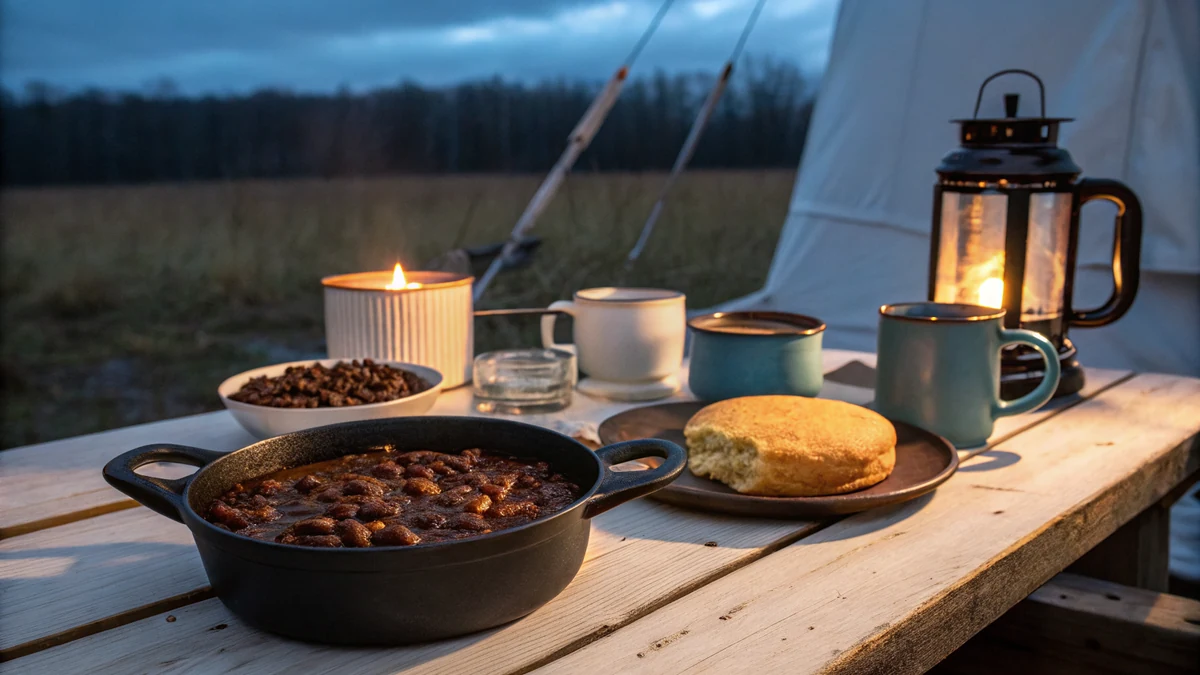
Deer camp is the only cooking situation I know where the menu has to survive people arriving at four different times over five hours, in the dark, cold, and hungry enough to eat standing at the stove. The kitchen is usually a propane burner and whatever cast iron came in the truck. There is one small refrigerator and it is full of things that are not food.
So camp cooking follows different rules from backyard cooking. Everything is a pot rather than a plate. Everything reheats without degrading. Everything can be made in quantity and held for hours, because the person who sat until last light deserves the same supper as the person who was back by ten in the morning.
This page is both halves of the job. The twelve dishes that actually work at camp, most linking through to my full tested recipes, and the field care plan that determines whether the venison you bring home is worth cooking at all. That second part matters more than any recipe here, so if you read one section, read the one on coolers.
Field to Cooler: The Part That Decides Everything
Almost every complaint I have ever heard about venison tasting gamey traces back to the first few hours after the shot, and almost none of it traces back to the deer. Texas opening weekend can run 80F in the afternoon, and a warm carcass in warm air is the single most reliable way to ruin good meat. Field dress promptly, get air moving through the cavity, and get the animal cooled as fast as circumstances allow.
At camp, that generally means quartering and icing rather than hanging. Hanging works when nights are genuinely cold and days stay under about 40F, which in most of Texas describes January better than November. Break the animal into quarters, backstraps, and tenderloins, get them into coolers, and layer with ice. Skip the walk-in fantasy; a good cooler with enough ice outperforms a warm barn every time.
Then drain the water daily. This is the step people skip and it is the one that matters most: meat sitting in melted ice water turns waterlogged and sour within a couple of days. Tip the cooler, pour the water off, add fresh ice, and repeat every single day. Done properly, five to seven days on ice ages the meat, tenderizes it, and mellows the flavor considerably.
Two trim decisions carry the rest of the way. Remove all silverskin, and remove essentially all the fat. Deer tallow does not render at cooking temperatures the way pork or beef fat does; it sets waxy on the palate and carries most of the flavors people call gamey. My smoked venison ribs guide walks through that trim in detail, since ribs are where it matters most of all.
The Big Pots: One Vessel, Eight People, All Day
1. Venison Chili
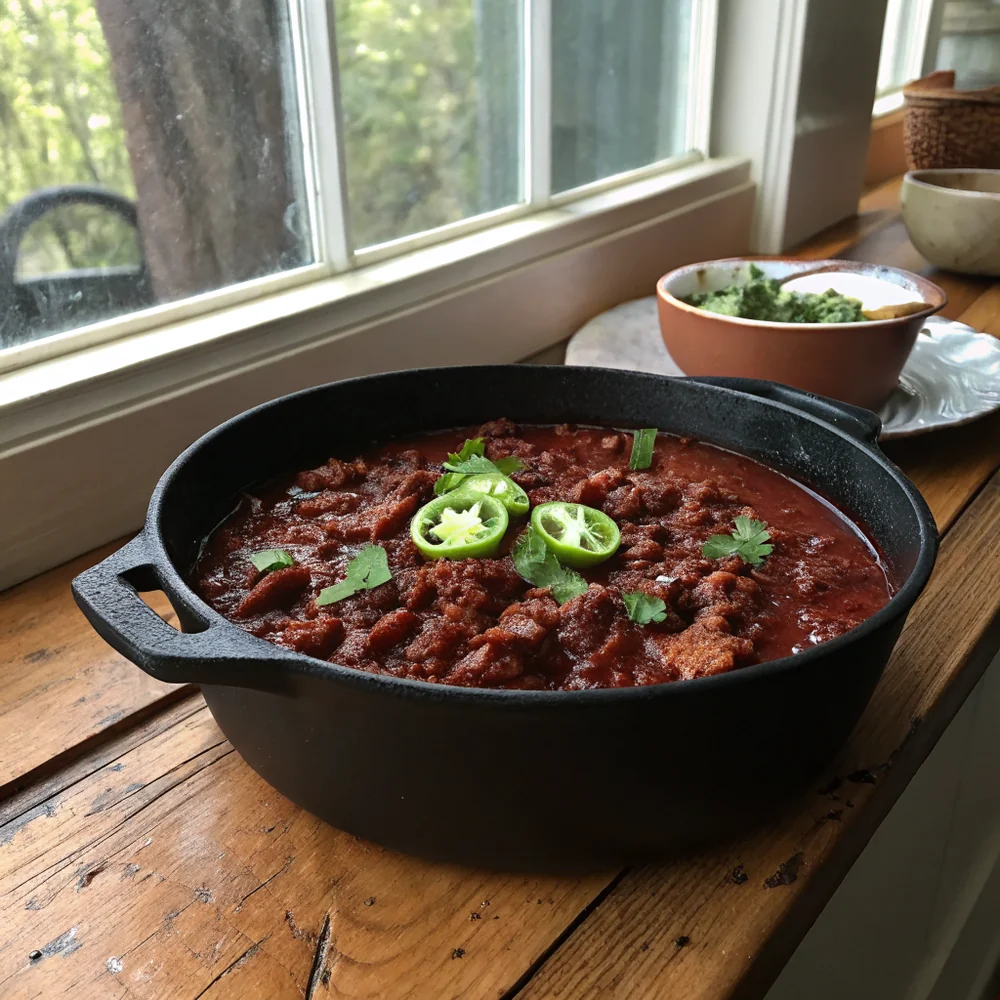
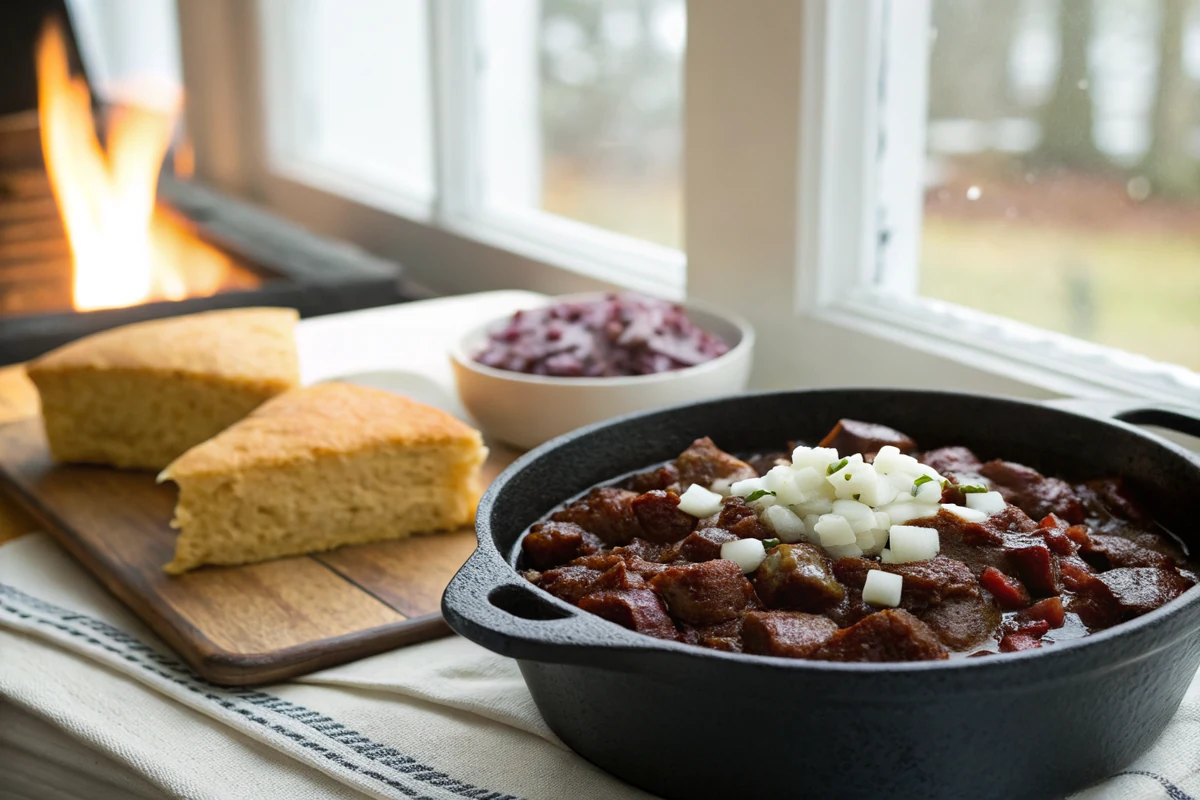
If deer camp has one canonical dish, this is it. My Texas venison chili runs no beans and cubed meat rather than ground, and it solves the camp problem completely: it holds all day on low, it reheats better than it started, and it feeds ten from one pot. It is also the correct destination for the tougher cuts and trim, which means the shoulders and shanks that are not worth steaking out have somewhere to go. Make it the first night with meat from last season and free up the cooler.
2. Fast Texas Chili
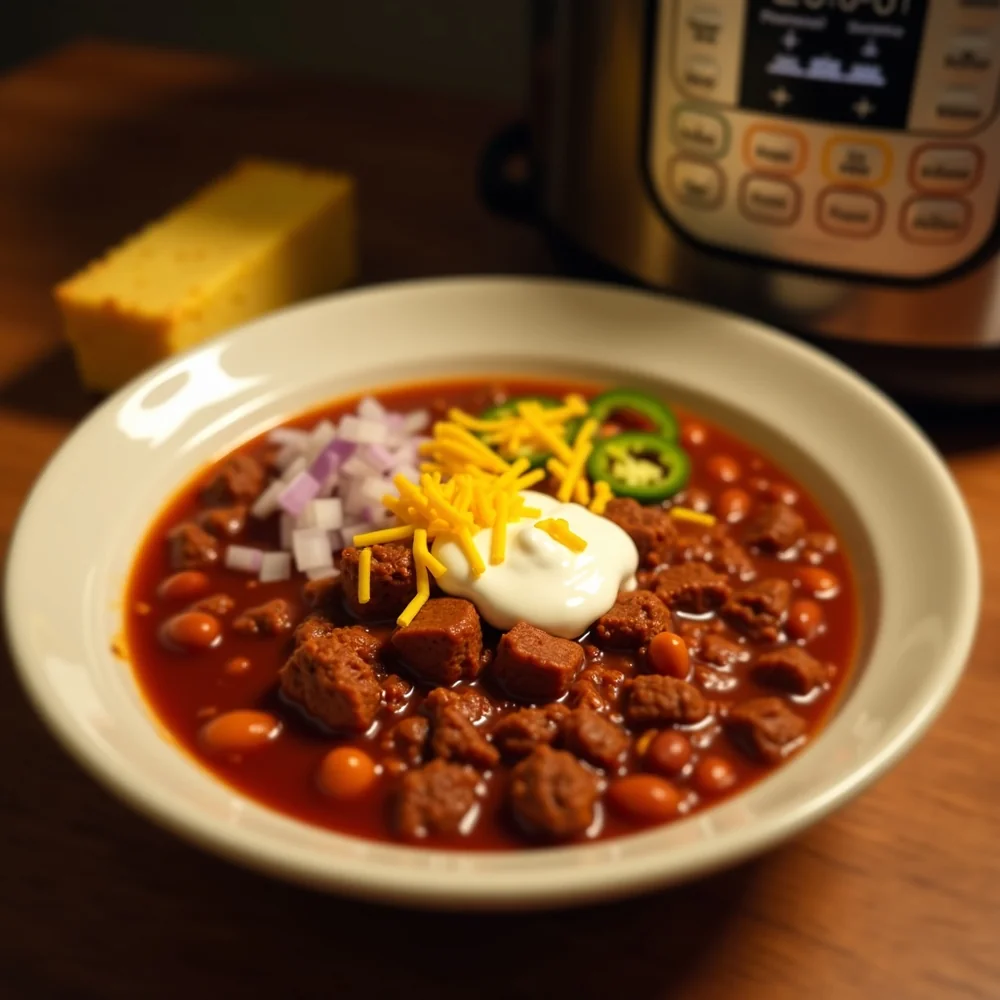
Not every camp night allows for a four hour simmer. My Instant Pot Texas chili gets to the same place in about an hour, which matters when the last truck rolls in at eight and nobody has eaten. If camp has power for a pressure cooker, it is worth the space in the truck. If not, the same recipe works in a Dutch oven over propane with a longer timeline and a lid.
3. Cowboy Stew
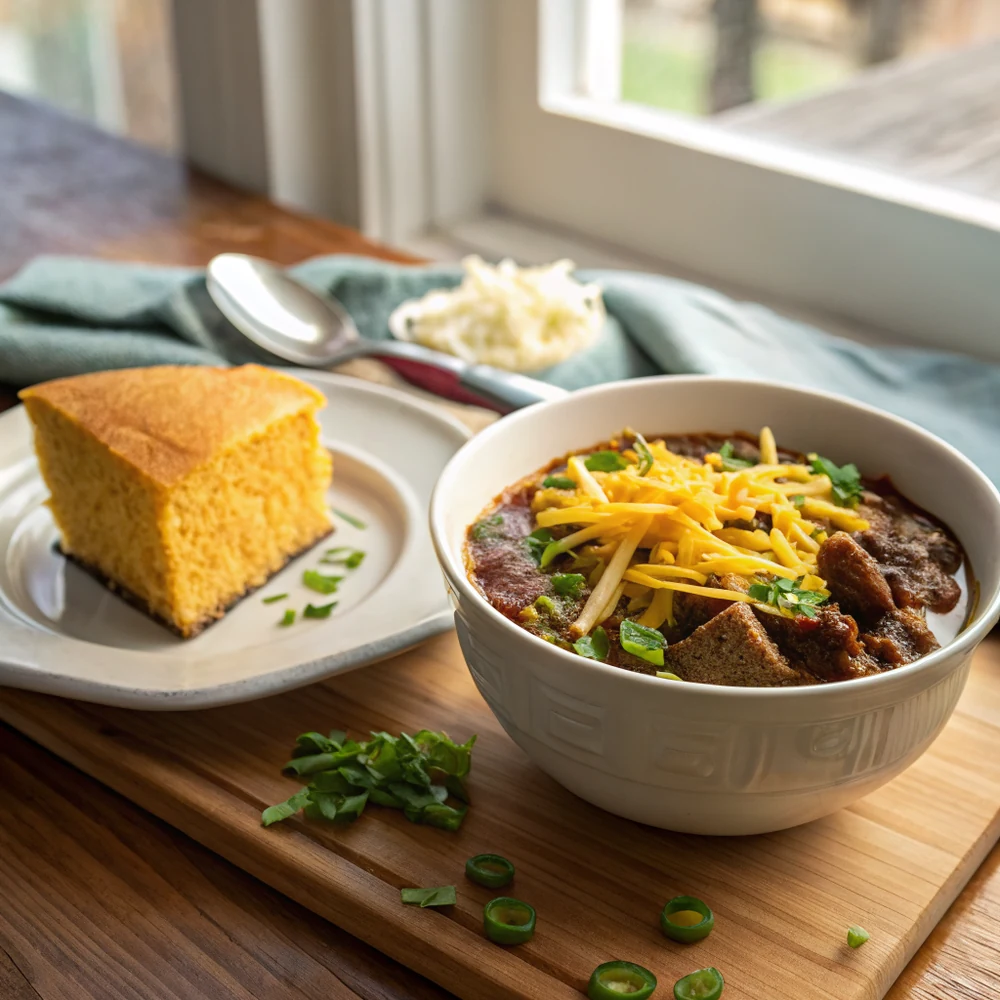
My crockpot cowboy stew is the dish for a day when everyone leaves before dawn. Beef, beans, potatoes, and tomato go in at five in the morning and stay on low all day, so supper is whenever the last hunter walks in. It also stretches easily; another can of beans and another potato absorb two unexpected guests without anybody noticing. Venison shoulder substitutes directly for the beef.
4. Texas Goulash
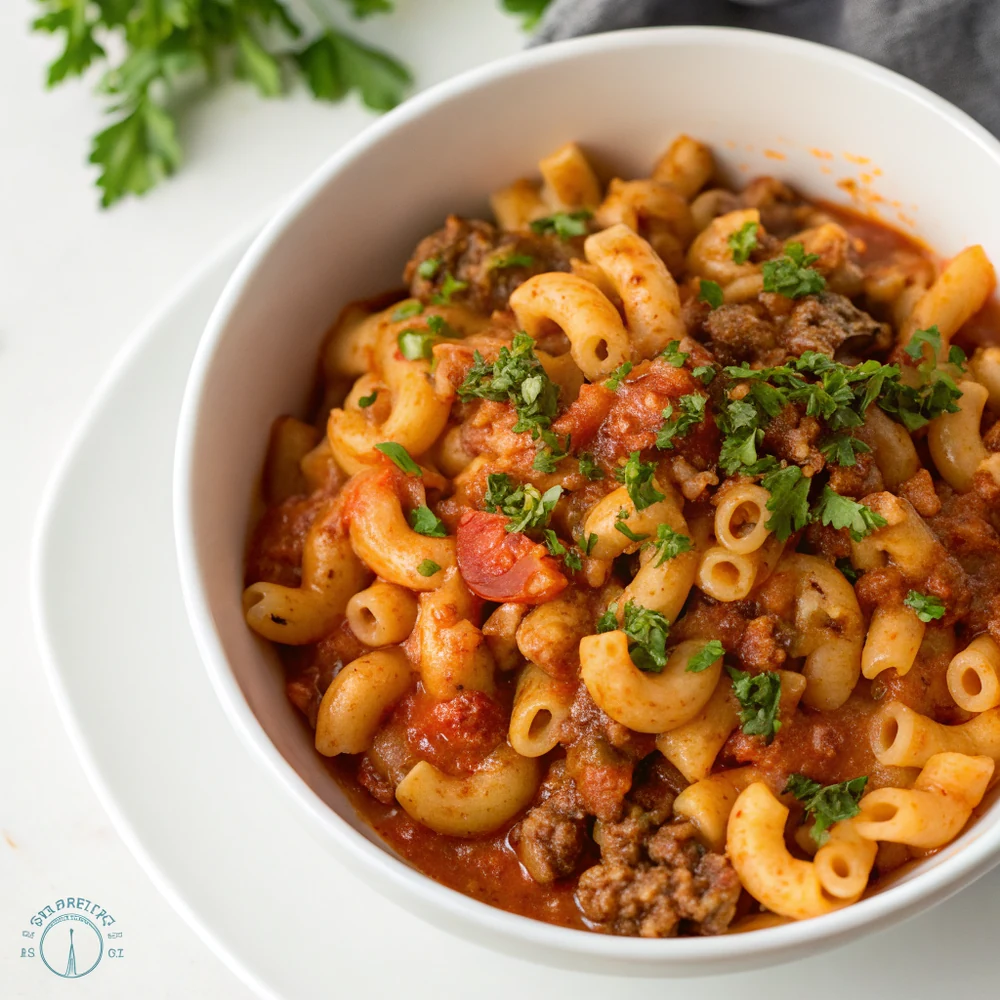
Ground venison and a box of pasta is the most efficient meal in camp, and my Texas goulash is the version I make. Thirty minutes start to finish in one skillet, it uses the grind that every hunter has too much of, and it is the meal that works when the camp includes children or a first-time guest who is not sure how they feel about venison yet. Season it forward; camp appetites want salt.
5. Pinto Beans
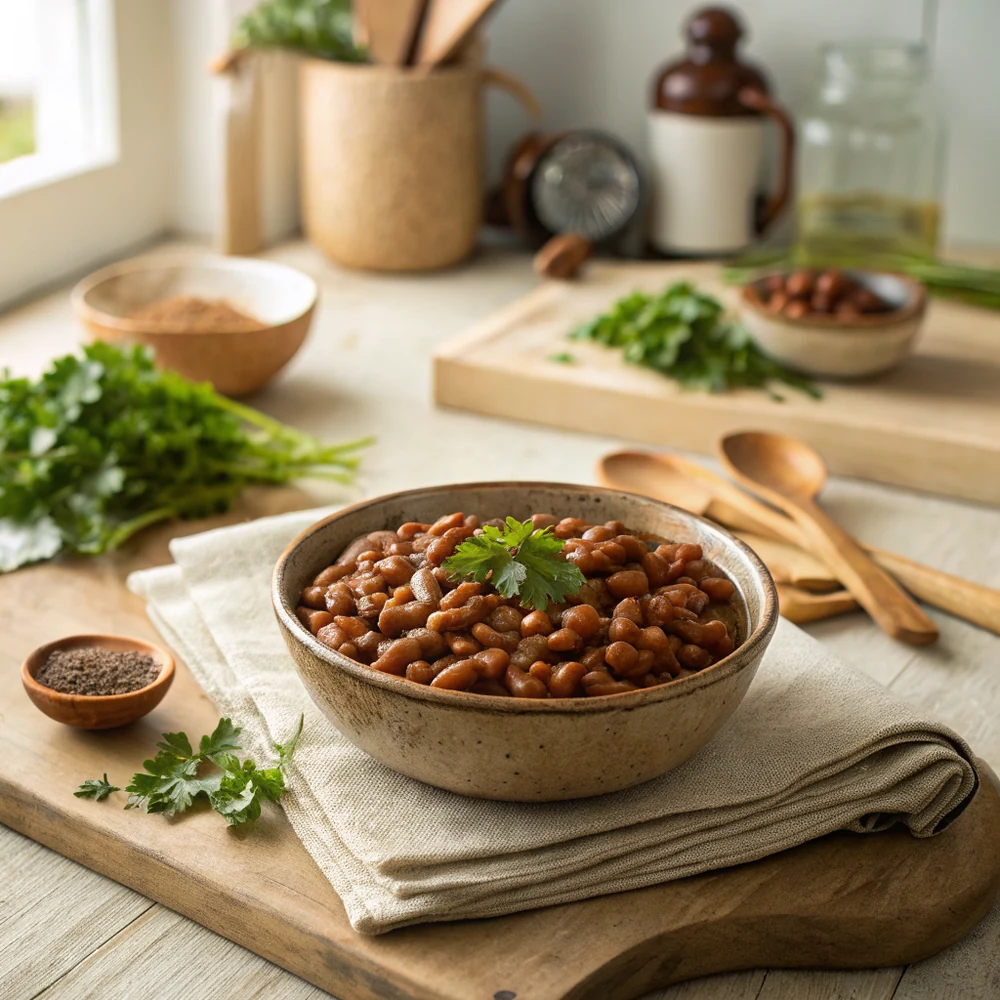
A pot of Texas pinto beans is camp infrastructure rather than a side dish. Dried beans cost nothing, travel in a bag, need no refrigeration until they are cooked, and one pot covers a weekend of meals: beans with cornbread the first night, beans alongside chili the second, beans folded into eggs on the third morning. Start them the moment you arrive. Everything else at camp arranges itself around the bean pot.
6. White Beans with Ham
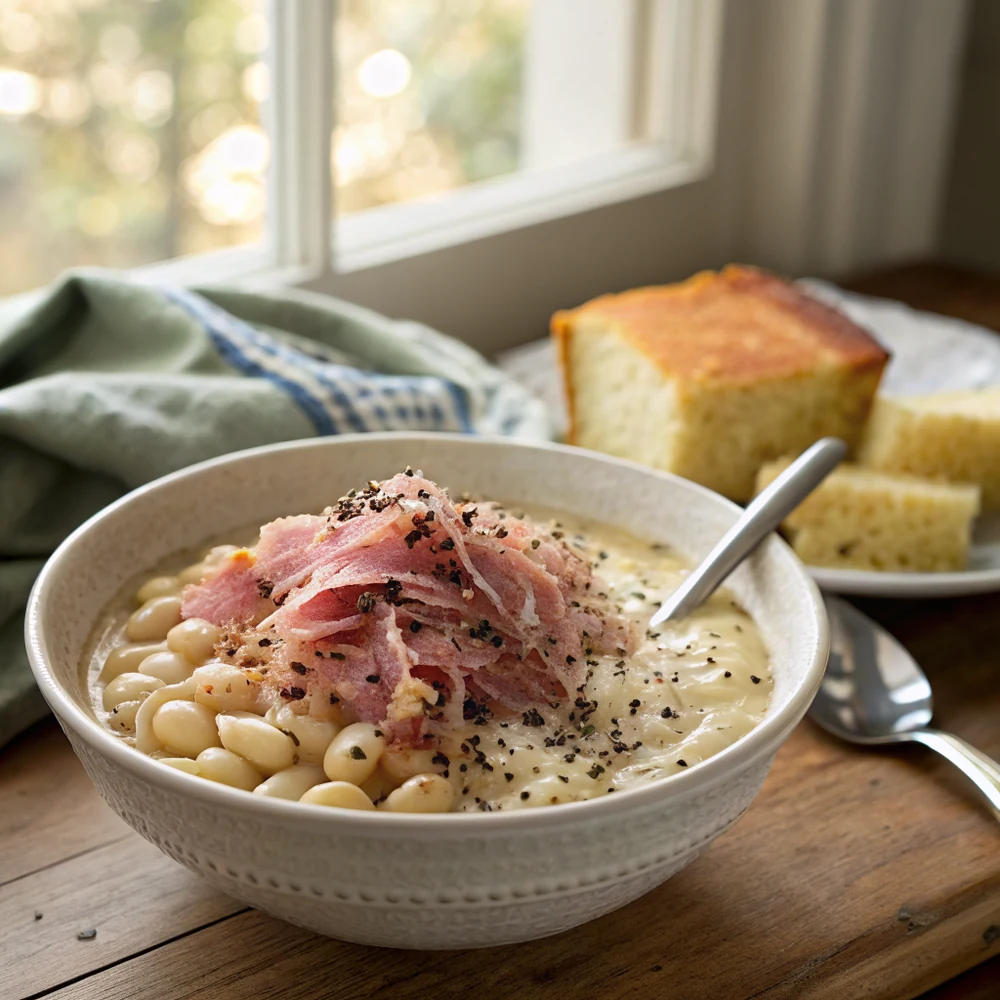
When the camp runs longer than a weekend, Southern white beans are the rotation that keeps people from tiring of pintos. Creamier, milder, and built around a ham hock rather than chiles, they read as a different meal despite requiring the identical amount of work. They also pair better with venison steaks than pintos do, since they do not compete with the meat for attention.
Breakfast: The Meal That Actually Matters
7. Biscuits and Sausage Gravy
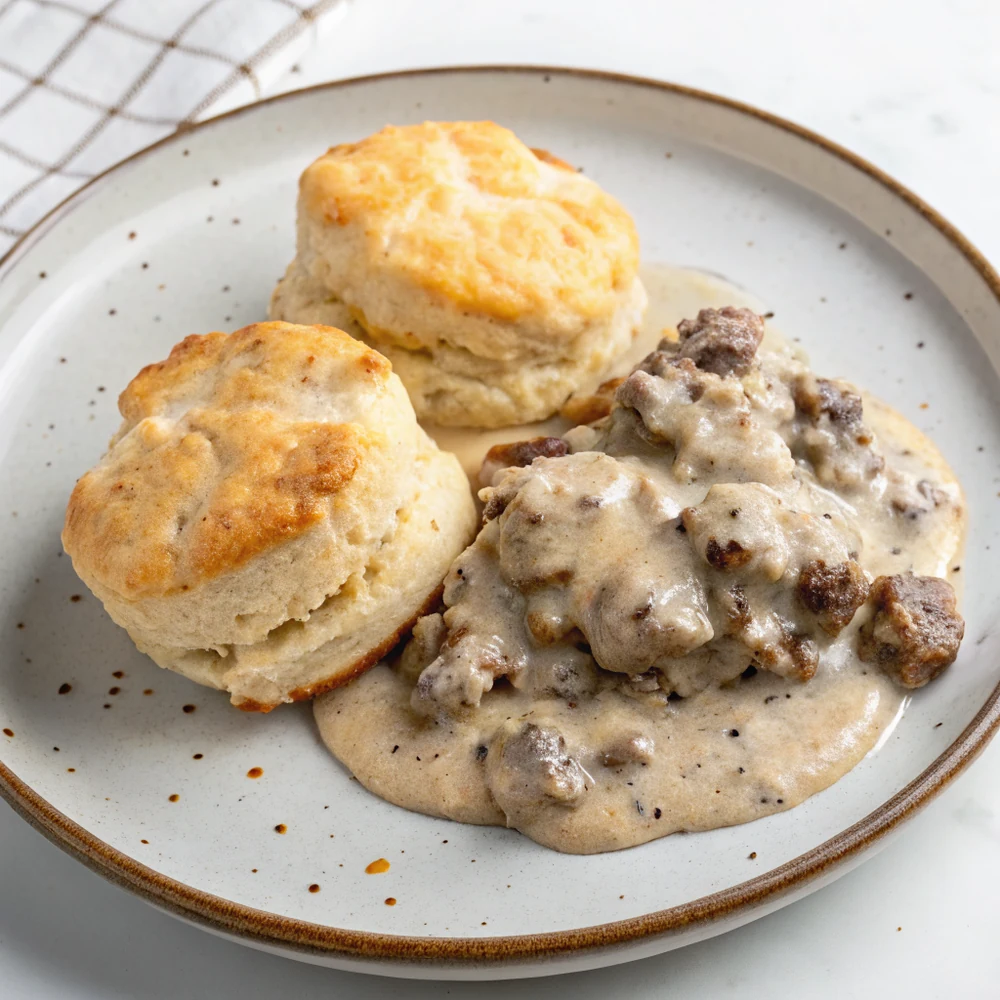
Breakfast at deer camp happens in the dark and has to carry somebody through six hours in a cold blind, so it is deliberately heavy. My buttermilk biscuits and sausage gravy is the standard, and the camp adaptation is to bake the biscuits the night before and make the gravy fresh, since gravy takes ten minutes and biscuits do not. Ground venison sausage works in the gravy if you have it, with a little added pork fat to compensate for how lean it is.
8. Breakfast Tacos
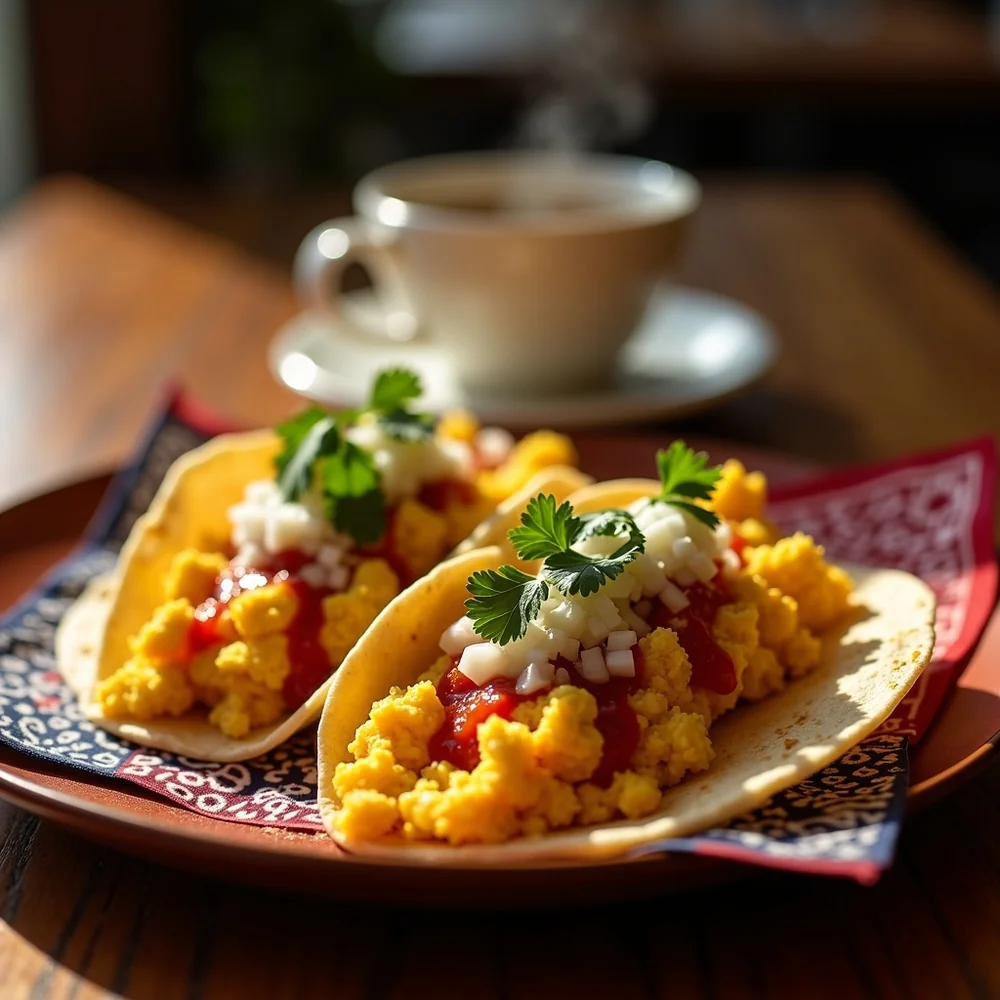
Breakfast tacos solve the specific camp problem of people leaving at different times. Cook eggs, potatoes, and sausage in one skillet, set out warm tortillas, and let everybody build and wrap their own in foil. A foil-wrapped taco in a coat pocket is still warm three hours later in a blind, which no other breakfast on this list can claim. Make twice as many as you think you need.
9. Migas
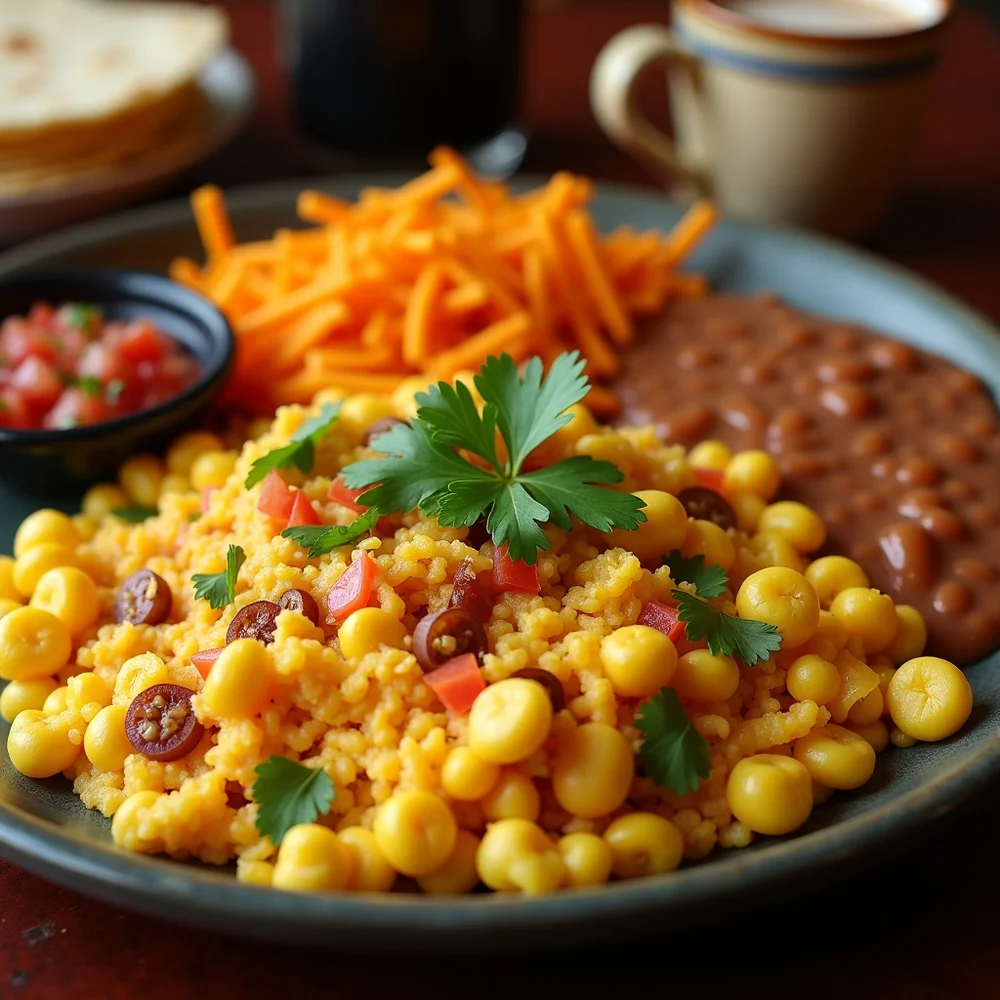
Migas is the camp answer to leftover tortillas going stale, which they always do. Tear them, crisp them in the skillet, scramble eggs through them with cheese and chiles. It is fast, it uses what is already there, and it is forgiving of being made for four people or eleven. This is the late breakfast, made around nine for whoever came back early, rather than the pre-dawn one.
Bread, Meat, and the Camp Dessert
10. Skillet Cornbread
Cast iron skillet cornbread is the mandatory partner to every pot on this page, and it is genuinely easy in a camp kitchen because the skillet is already there and the batter is four ingredients. It can be baked in a covered Dutch oven over coals if there is no oven, which is worth practicing at home first. Leftover cornbread crumbled into a bowl with beans poured over it is a complete Texas supper and requires no plate.
11. Smoked Venison Ribs
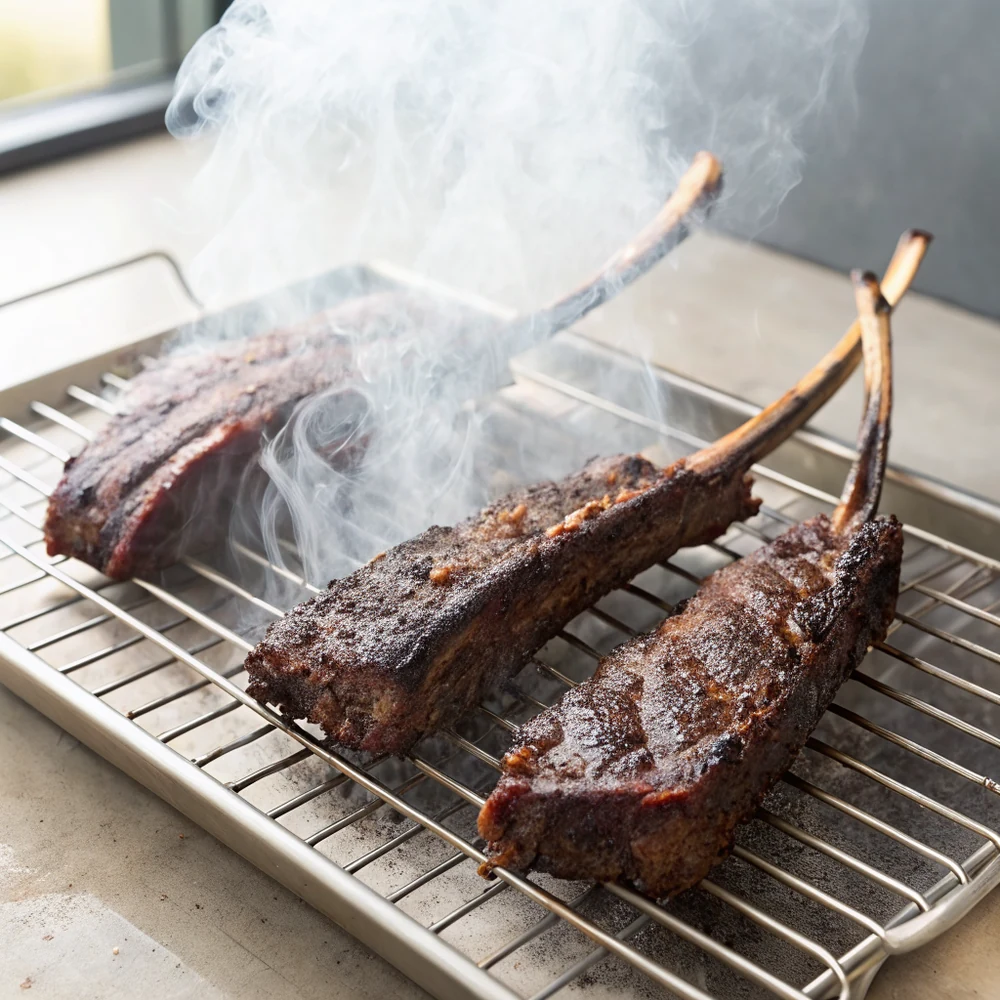
If camp has a smoker and a spare afternoon, my smoked venison ribs are the most interesting thing you can do with an animal that most people reduce to backstrap and grind. Two hours of bare smoke, then a foil braise with broth until tender. It is a project cook rather than a supper solution, so save it for a slow afternoon when nobody is hunting, and treat it as the reward for a season that went well.
12. Dutch Oven Cobbler
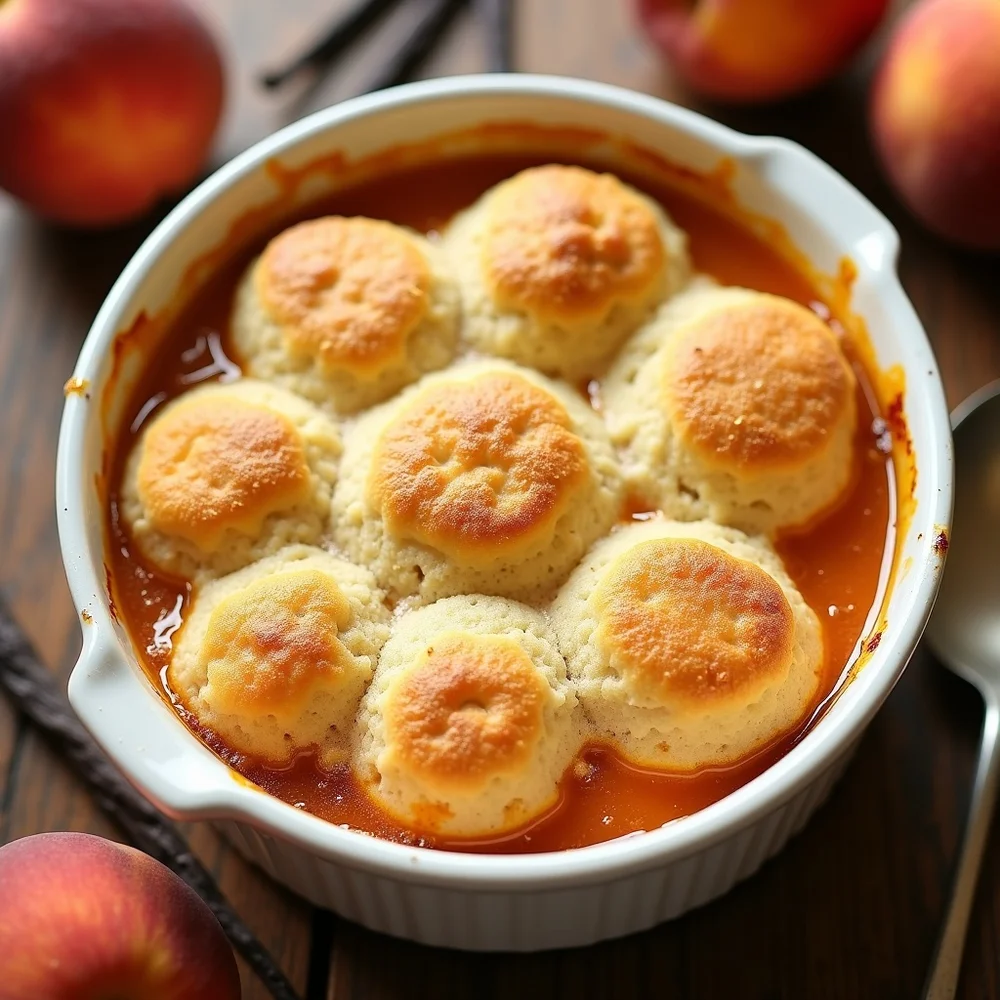
Dessert at deer camp is not obligatory but it changes the mood of a weekend more than it has any right to. My peach cobbler adapts directly to a Dutch oven: canned peaches, batter poured over, lid on, coals underneath and on top, about twenty-five minutes. It requires no refrigeration, no fresh ingredients, and no skill, and it is the thing people remember about the trip. Bring the cans; they weigh nothing and they keep forever.
The Camp Menu Plan
The planning principle is that camp is not the place to cook anything for the first time. Every dish on this page should have been made at home at least once, because a propane burner in the dark with eight hungry people is not a teaching environment. Beyond that, three rules cover almost everything.
First, prep at home. Chop onions, mix rubs, portion meat, and pre-bake biscuits before you leave, so camp work is heating and assembly rather than knife work by headlamp. Second, plan pots rather than meals. A bean pot and a chili pot running simultaneously cover roughly five different servings across a weekend, whereas five separate meals require five separate efforts. Third, feed the arrival. Whatever is ready when people walk in cold at dark is the meal they will remember, so something should always be hot.
On quantity, camp appetites run considerably higher than normal. People who have been sitting still in the cold since before dawn eat noticeably more than they would at home. I plan a full pound of raw meat per person per day across all meals and I rarely have much left over. Coffee runs at roughly double what you would estimate.
Bring more ice than seems reasonable. Between the drink cooler, the food cooler, and the meat cooler that needs draining and refilling daily, ice is the consumable that runs out first and the one whose absence causes actual problems. For the broader Texas cooking these dishes come from, my Southern comfort food collection and the Texas BBQ section are where the full recipes live.
Frequently Asked Questions
When does Texas deer season open?
General whitetail season opens the first Saturday of November, which is November 7 in 2026, and runs into early January depending on the zone. Archery season opens earlier, in late September, and there are youth and muzzleloader periods around the main season. Regulations vary by county and change year to year, so confirm current dates and zone rules with Texas Parks and Wildlife before the season rather than relying on last year's memory.
How do you keep venison cold at deer camp?
Quarter the animal and pack it in coolers on ice rather than hanging it, unless nights are genuinely cold and days stay below about 40F, which is uncommon in a Texas November. The critical step is draining the meltwater daily: tip the cooler, pour the water off, and add fresh ice. Meat left sitting in water goes waterlogged and sour within a couple of days. Handled this way, five to seven days on ice ages the meat and improves both tenderness and flavor considerably.
Why does my venison taste gamey?
Almost always heat in the first few hours after the shot, or fat left on the meat, and only rarely the deer itself. A warm carcass in warm air spoils fast, so cooling quickly is the single highest-leverage thing you control. After that, deer tallow is the main culprit: it does not render at cooking temperatures like pork or beef fat does, and it sets waxy on the palate carrying the flavors people describe as gamey. Trim essentially all fat and silverskin, and the complaint largely disappears.
What food should I bring to deer camp?
Dried beans, canned tomatoes, pasta, rice, cornmeal, coffee, and canned peaches all travel without refrigeration and cover most of this page. Bring meat frozen solid so it doubles as cooler ice on the drive. Do the chopping and mixing at home so camp work is heating rather than knife work. Plan roughly a pound of raw meat per person per day, since hunting appetites run considerably higher than normal, and bring far more ice than seems reasonable.
What is the easiest meal to cook for a hunting camp?
A pot of pinto beans started the moment you arrive, with skillet cornbread alongside. Dried beans cost almost nothing, need no refrigeration before cooking, and one pot covers several meals across a weekend in different forms. After that, chili is the highest-value dish because it holds all day on low, reheats better than it started, and feeds ten from one vessel without anyone needing to be present when it finishes.
Can you cook venison the same way as beef?
Not directly, and this is the most common source of disappointment. Venison runs 3 to 5 percent fat against 20 or more for comparable beef cuts, so it has no internal fat to baste itself during a long cook or to forgive an overshoot on a steak. Lean cuts want fast and hot with a genuine rest, pulled at medium rare. Tough cuts want moisture, meaning braises, chili, and stews rather than dry roasting. Ground venison usually wants added pork fat to behave like ground beef.
How much meat does one deer yield?
A mature Texas whitetail typically yields somewhere around 40 pounds of boneless meat, though it varies considerably with the animal's size and condition. The practical breakdown is backstraps and tenderloins for fast hot cooking, hindquarters for roasts and steaks, shoulders and shanks for braises and chili, ribs for the smoker, and the rest to grind. Planning where each part goes before butchering is what prevents a freezer full of unlabeled grind by January.
Do you need to age venison before cooking it?
It helps meaningfully, and the ice-chest method accomplishes it without a cooler room. Five to seven days quartered on ice with the water drained daily tenderizes the meat and mellows the flavor, and the difference against meat processed the same day is noticeable. What you must avoid is aging warm or aging in standing water, either of which spoils rather than ages. If circumstances force immediate processing, the meat is still perfectly good; it simply benefits from slower cooking methods.